

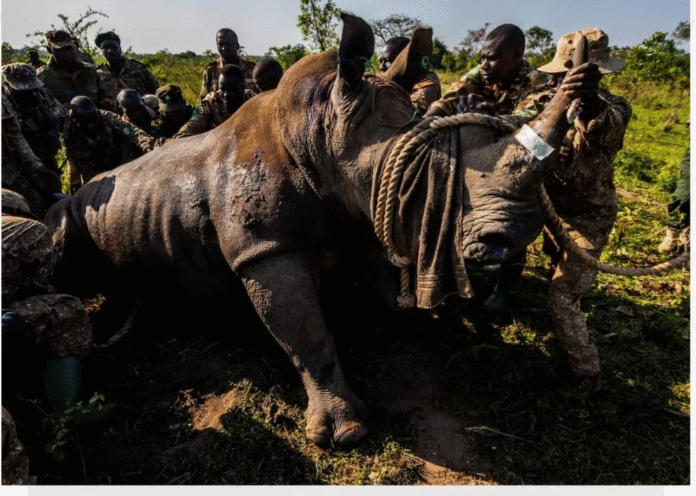
In a triumphant milestone for African wildlife conservation, southern white rhinos have made their long-awaited comeback to Kidepo Valley National Park in northeastern Uganda. After being completely wiped out by poaching in 1983, the species has returned to the wild in March 2026, thanks to a carefully planned reintroduction by the Uganda Wildlife Authority (UWA).
The historic effort began with the translocation of the first two rhinos from the Ziwa Rhino Sanctuary in central Uganda (near Nakasongola, about 100 km north of Kampala). These gentle giants, part of a planned group of eight, were carefully moved and released into a secure, specially prepared sanctuary within the park. Additional rhinos arrived shortly after, stepping out of transport crates into their ancestral savannah habitat.
Uganda’s rhinos vanished during periods of political instability in the 1980s, when widespread poaching for horns and meat decimated populations across the country’s parks-once home to around 700 of these massive animals. The Ziwa Sanctuary, established in 2005 with imports from Kenya, has successfully bred rhinos and served as the source for this reintroduction.
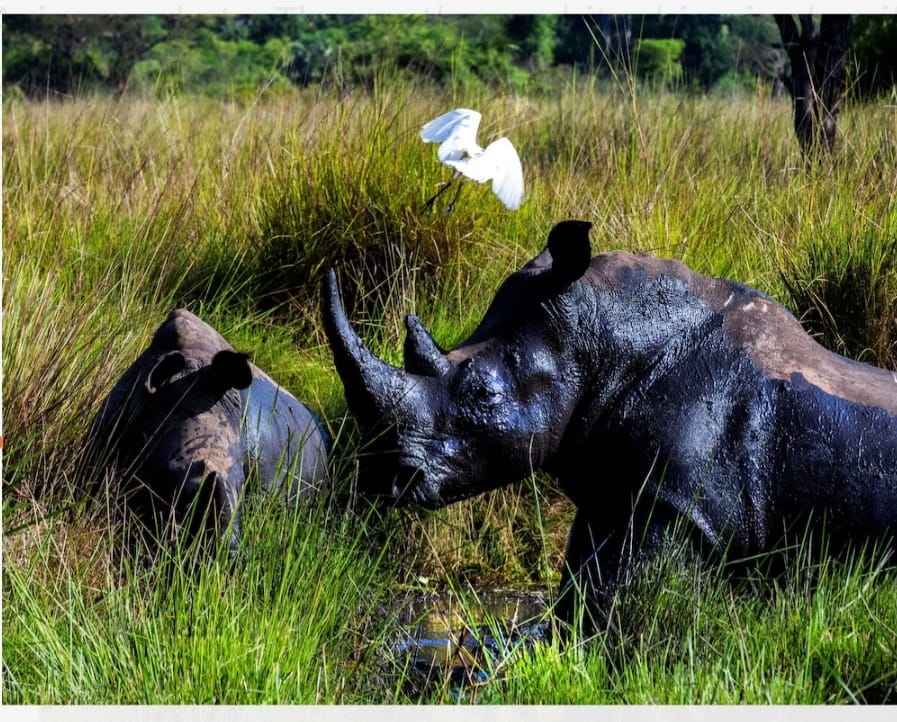
“This moment marks the beginning of a new rhino story for Kidepo Valley National Park,” said UWA Executive Director James Musinguzi. “Translocation of these rhinos is the first step in restoring a species that once formed part of the park’s natural heritage.”
The project involved extensive preparations reinforced perimeter fencing, access roads, water systems, firebreaks, ranger facilities, and advanced monitoring technology like Earth Ranger to combat ongoing poaching threats. Kidepo’s vast savannah was deemed ideal after habitat and security assessments. Poaching remains a persistent challenge in Uganda and across Africa, driven by demand for rhino horns in traditional medicine and as status symbols in some Asian markets. The southern white rhino is classified as “near threatened” by the IUCN, with global populations decreasing despite recovery efforts.
This reintroduction not only revives biodiversity in Kidepo but also supports long-term goals of building a sustainable breeding population, enhancing eco-tourism, and boosting local communities. It signals hope for Uganda’s wildlife heritage and a renewed commitment to protecting endangered species. The rhinos’ return is more than a relocation—it’s the start of an inspiring new chapter for conservation in one of Africa’s most remote and beautiful wilderness areas.