

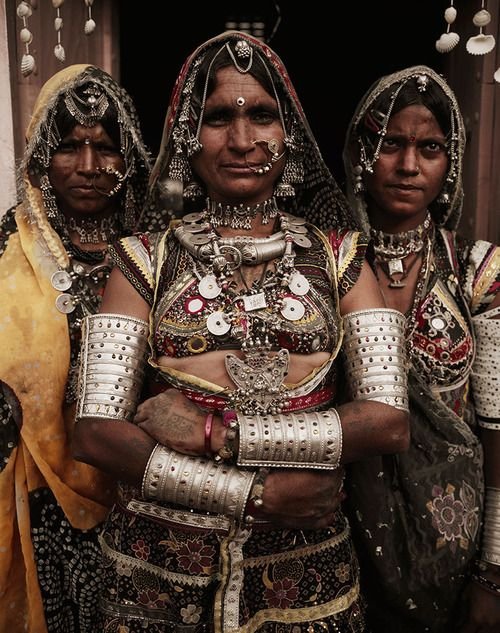
Bold Ornaments that Reflect Identity, Heritage and Everyday Life
Beyond the opulence of royal courts and the famed splendour of Rajasthani kundan and meenakari lies another equally compelling world—the jewellery traditions of Rajasthan’s tribal communities. Spread across regions such as Mewar, Marwar, Dungarpur, Banswara and Udaipur, tribes like the Bhil, Meena, Garasia, and Rabari have, for centuries, crafted and worn distinctive ornaments that are as expressive as they are enduring.
Jewellery Beyond Ornamentation
In Rajasthan, jewellery has never been merely decorative—it is deeply interwoven with social structure, economy, and identity. While royal jewellery often reflected power, wealth and patronage, tribal jewellery evolved from lived realities—mobility, environment, and community traditions.
Silver, rather than gold, became the dominant metal among tribal groups. Its affordability, durability and accessibility made it ideal for everyday use. But beyond practicality, silver holds cultural and even medicinal value in Indian traditions. It is widely believed to have cooling properties and protective qualities, especially in the harsh desert climate of Rajasthan.
Jewellery in Everyday Life
Unlike the ornate pieces reserved for festivals or ceremonies in urban or royal settings, tribal jewellery is an integral part of daily attire. Women—and in some communities, even men—wear multiple pieces as a constant expression of identity.
Common ornaments include:
●Hansli (rigid neckpieces)
●Aad or Timaniya (pendant necklaces)
●Kada and Bangadi (thick bangles)
●Payal and Kada (heavy anklets)
●Borla and Rakdi (head ornaments)
●Large, often stretched earrings and nose rings
These ornaments are not lightweight. Many are intentionally heavy, symbolising strength, endurance, and prosperity. In some communities, jewellery also functions as a form of financial security—portable wealth that can be sold or exchanged in times of need.
Symbols of Identity and Social Codes
Jewellery in tribal Rajasthan acts as a visual language. The design, weight, and type of ornament can indicate a person’s marital status, age, clan affiliation, and even economic standing.
For instance:
●Married women often wear specific bangles or necklaces that signify their status.
●Certain ornaments are exclusive to particular tribes or regions, making identity instantly recognisable.
●The quantity and craftsmanship of jewellery can reflect familial wealth or social prestige.
Historian Dr. Uttama Singh Rao elaborates on this cultural depth:
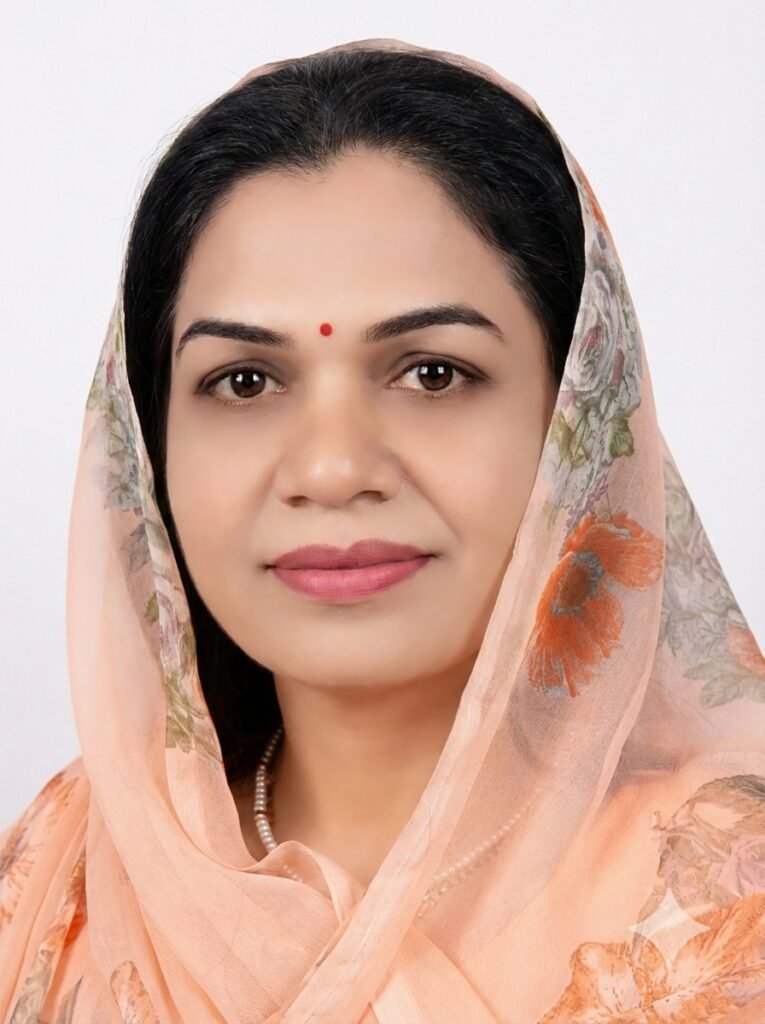
“Across Rajasthan, jewellery has historically functioned as a marker of identity as much as adornment. Among tribal communities, each piece carries meaning—whether it is protection, status, or belonging. The diversity in forms and styles reflects the varied lifestyles, geographies and histories of these communities. In many ways, jewellery becomes a living document of Rajasthan’s social fabric.”
Craftsmanship and Regional Diversity
The craftsmanship of tribal jewellery is rooted in traditional techniques passed down through generations. Unlike the precision-polished finish of court jewellery, tribal pieces often retain a raw, handmade aesthetic—marked by bold forms, textured surfaces and symbolic motifs.
Different regions bring their own distinct styles:
●In southern Rajasthan, Bhil and Garasia ornaments are often massive and sculptural.
●In eastern regions, Meena jewellery reflects a blend of tribal and agrarian influences.
●In desert areas, designs tend to be more geometric and minimal, suited to mobility and harsh conditions.
Motifs frequently draw from nature—flowers, animals, celestial forms—reflecting a close relationship between tribal life and the natural world.
Cultural Heritage Worth Preserving
Today, Rajasthan’s tribal jewellery is gaining renewed recognition—not only within India but globally. Designers, anthropologists and collectors are increasingly drawn to its authenticity, sustainability and deep cultural narratives.
However, this growing interest also raises important questions about preservation and ethical representation. As modern influences reshape lifestyles, traditional jewellery practices face the risk of decline.
Historian Divyansh Saxena notes:
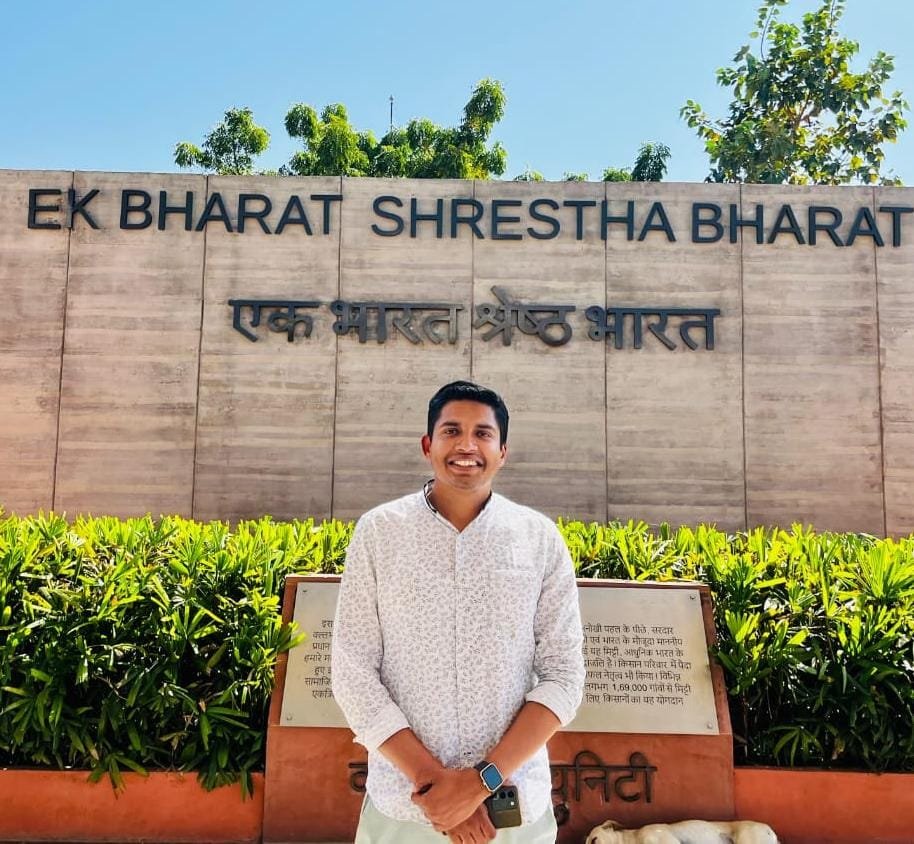
“Tribal jewellery is not just an art form—it is a living heritage. It offers insight into communities that have preserved their identity through generations, often without written records. Protecting these traditions means recognising their value beyond aesthetics.”
A Living Legacy
From the deserts of Marwar to the forested belts of southern Rajasthan, tribal jewellery continues to tell stories—of resilience, identity, and continuity. These silver ornaments, worn not just on special occasions but in everyday life, stand as enduring symbols of a culture that values tradition as much as it embraces change.
In their weight lies history, and in their shine, the spirit of Rajasthan’s diverse communities.