

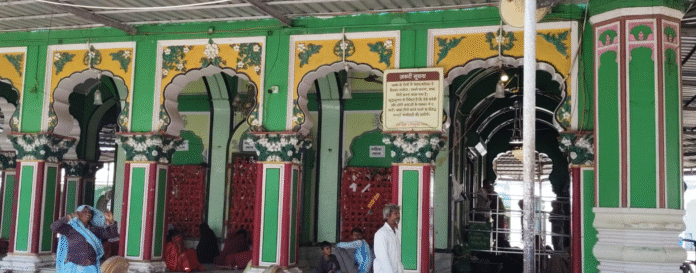
Jaora, a town in Ratlam district of Madhya Pradesh, India, is famous for its deep religious and cultural heritage. Among its most prominent landmarks is Hussain Tekri Sharif, a 19th-century shrine complex located about 4 km from the town center. Built on a hillock on the outskirts of Jaora, this revered site attracts thousands of pilgrims from across India and beyond, especially during Muharram and Chehlum (Arba’een). It is celebrated as a “spiritual hospital” for its reputed ability to heal mental illnesses, possessions by evil spirits (jinns, ghosts, or demons), and other seemingly incurable ailments through faith-based rituals.
Historical Background and Construction
The shrine was established in the late 19th century by Nawab Mohammad Iftikhar Ali Khan Bahadur, the ruler of the princely state of Jaora. According to tradition, the Nawab and a merchant named Mohammed Ismail experienced divine visions directing them to build the shrine at this location. Legends describe miraculous events at the site: one night, ghostly horse riders-believed to be the souls of martyrs from the Battle of Karbala-were seen, and a pond appeared overnight where none existed before. The complex replicates key shrines from Iraq associated with Imam Hussain and his family. After his death, the Nawab was buried in the adjacent graveyard.
shrine complex includes replicas of several sacred sites:Shrine of Imam Hussain (son of Hazrat Ali)Shrine of Hazrat Abbas (another son of Hazrat Ali), Shrine of Hazrat Zaynab (daughter of Hazrat Ali), Shrine of Hazrat Fatima Al-Zehra (daughter of Prophet Muhammad), Shrine of Hazrat Sakina (daughter of Imam Hussain) and Shrine of Imam Ali (son-in-law of Prophet Muhammad). These replicas make it a focal point for Shia mourning and remembrance.
Beliefs and Healing Practices
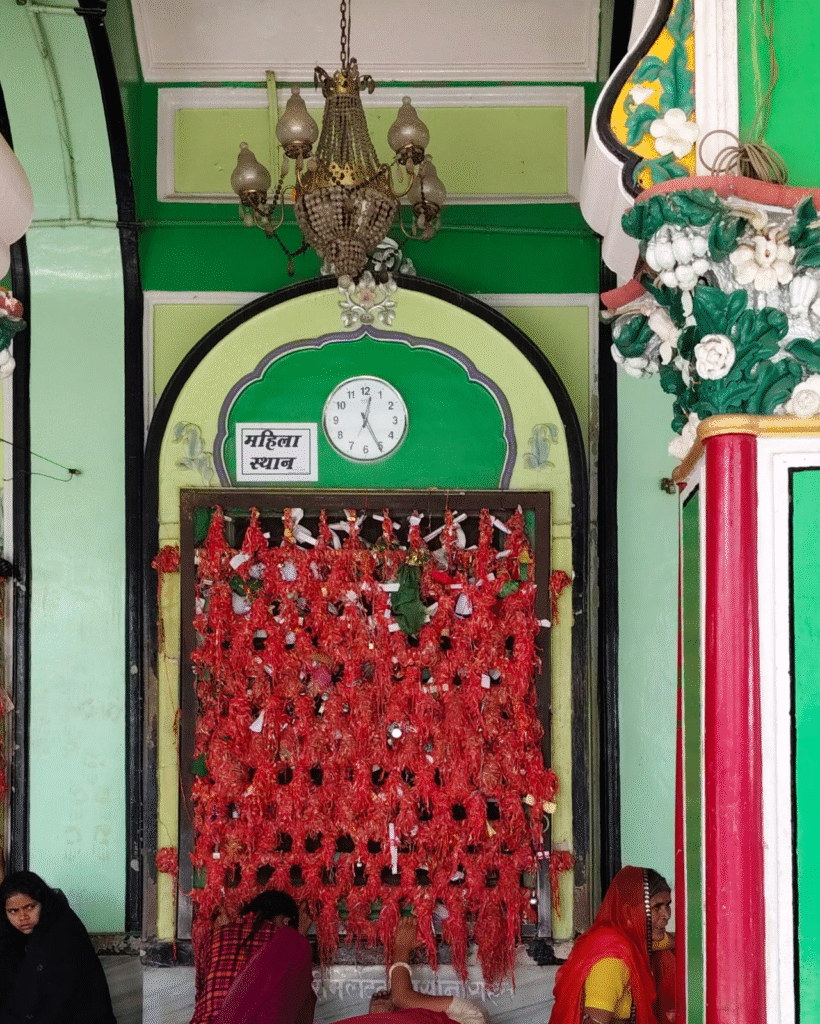
Hussain Tekri is famous worldwide for the Hazri (or Hajri) rituals, which involve circumambulation, prayers, and spiritual invocations to expel evil influences and restore mental peace. Devotees believe the site’s divine power forces possessing spirits to surrender and leave the body. The shrine draws people of all faiths-Shias, Sunnis, Hindus, and others-who seek relief from psychological disorders, black magic, or demonic possession.
Muharram and Chehlum Observances: Pilgrims wear black, recite elegies (marsiyas), and participate in processions to mourn the sacrifice of Imam Hussain at Karbala. Intense mourning fosters communal unity.
Nailing Evil Spirits: Near the shrine of Abbas Alamdar, ancient trees are covered with millions of nails. According to local belief, after a successful exorcism or healing, the expelled spirit is “nailed” into the tree to prevent its return.
This practice symbolizes permanent banishment of negative forces.
Sacred Pond (Kund) Bathing: Many pilgrims bathe in the site’s pond, believing it purifies them from ailments and negative energies. Local accounts, including from long-time residents like shopkeeper Muhammad Iqbal, describe people arriving in unstable conditions and leaving healed after performing the rituals. Exorcism sessions often occur during Chehlum and on the night of Holika Dahan, when a miraculous light is said to appear, aiding in dispelling dark forces.
A Beacon of Interfaith Harmony
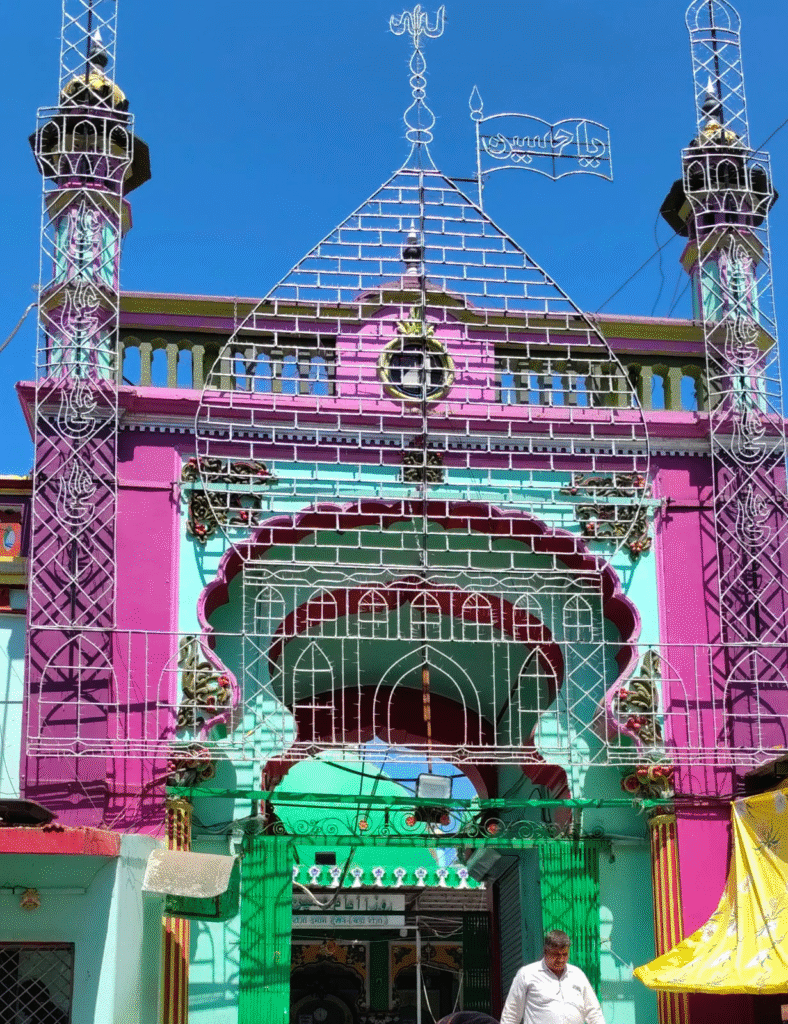
What makes Hussain Tekri truly unique is its universal appeal. While rooted in Shia Islamic tradition, it welcomes devotees from diverse backgrounds. Hindus participate in large numbers, offering prayers and seeking healing, embodying India’s syncretic Ganga-Jamuni culture. The shrine stands as a living example of shared faith transcending religious boundaries-people of different communities unite in belief in its spiritual power. Hussain Tekri is more than a pilgrimage site; it represents hope for those disillusioned by conventional medicine, a place where faith, rituals, and divine intercession offer solace and recovery. Visitors often return transformed, carrying stories of miracles that reinforce its reputation as the “spiritual hospital of the world.”