

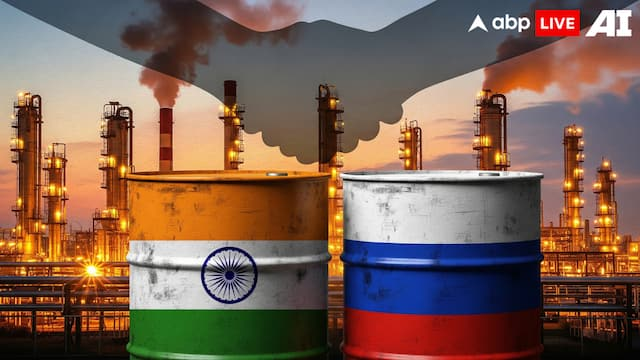
PC: (ABP, Auto)
Iran’s actions choke global oil flows, pushing Brent crude higher while domestic fuel prices in India remain stable. Middle East Oil Disruptions Intensify. Oil production across the Middle East has been severely impacted by recent strikes on key oilfields and facilities in the Gulf region. Major installations, including Saudi Aramco’s Ras Tanura refinery and Iraq’s Rumaila oil field, have been targeted in the ongoing conflict. The situation has worsened significantly due to Iran’s blockade of the Strait of Hormuz-a critical narrow maritime chokepoint through which approximately 20% of global oil supplies typically pass. Shipping traffic has come to a near halt, with threats from Iran’s Revolutionary Guards to attack any vessels attempting to pass, exacerbating supply shortages worldwide.
Global Oil Prices Surge on Geopolitical Tensions
The US and Israel’s military actions against Iran have driven sharp increases in oil prices amid fears of prolonged disruptions. Brent crude rose to $83.07 per barrel this morning, reflecting market concerns over the closure of the Strait of Hormuz. Analysts warn that sustained restrictions could push prices even higher, potentially toward $100 or more if tanker flows remain blocked. Despite the global price hike, sources indicate no immediate plans to raise petrol and diesel prices in India, providing some relief to consumers.
US Issues Temporary Waiver for Indian Purchases of Russian Oil
In a move to bolster energy security for a key ally, India’s access to vital energy supplies received a temporary boost on Friday. US Treasury Secretary Scott Bessent announced a 30-day waiver allowing Indian refiners to purchase Russian oil. The Treasury Department’s Office of Foreign Assets Control (OFAC) issued a specific Russia-related license “Authorizing the Delivery and Sale of Crude Oil and Petroleum Products of Russian Federation Origin Loaded on Vessels as of March 5, 2026 to India.” This authorization covers transactions through the end of the day on April 3, 2026 (or April 4 in some references), including oil from vessels previously affected by sanctions.
Waiver Aimed at Stabilizing Markets Without Benefiting Russia Significantly
Secretary Bessent emphasized that the waiver is a short-term, stop-gap measure designed to keep oil flowing into global markets amid the Middle East tensions. In a post on X, he stated: “President Trump’s energy agenda has resulted in oil and gas production reaching the highest levels ever recorded. To enable oil to keep flowing into the global market, the Treasury Department is issuing a temporary 30-day waiver to allow Indian refiners to purchase Russian oil. This deliberately short-term measure will not provide significant financial benefit to the Russian government as it only authorizes transactions involving oil already stranded at sea.” He described India as an “essential partner” of the United States and expressed expectations that New Delhi would increase purchases of US oil in the longer term, while alleviating pressure from “Iran’s attempt to take global energy hostage.”
Background on Russian Oil Imports to India
The waiver comes against the backdrop of earlier US sanctions on Russian oil majors like Lukoil and Rosneft, imposed last November as part of efforts to pressure Russia over its invasion of Ukraine. India’s imports of Russian crude had dropped to about 1.1 million barrels per day in January—the lowest since November 2022-reducing Moscow’s share of India’s overall oil imports to 21.2%. However, the share rebounded to around 30% in February as refiners sought alternatives amid tariff pressures and supply dynamics. This temporary authorization provides Indian refiners with immediate access to stranded Russian cargoes to offset disruptions from the Gulf region.