

PC: (X, Madhyapradeshdmc.com, noblehousetours.com)
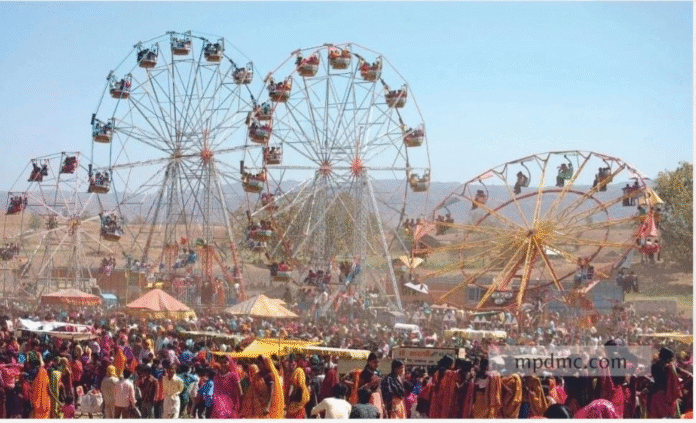
These days, the regions of Nimar and Malwa in Madhya Pradesh are buzzing with the spirit of Bhagoria (also known as Bhagoriya, Bhangoria, or Bhagoria Haat). This major tribal fair and festival, deeply rooted among the Bhil, Bhilala, Barela, Patelia, and other indigenous communities, takes place in districts like Jhabua, Alirajpur, Dhar, Barwani, and Khargone, typically a week before Holi in late February or early March.
A Festival of Harvest, Joy, and Cultural Pride
Bhagoria is fundamentally a harvest festival, marking the end of the Rabi crop season and the arrival of new grain in homes. Tribal communities express gratitude to nature through music, dance, and communal celebrations. It blends agricultural joy with social bonding, as young people from different villages gather in these lively haats (markets) to socialize, often leading to match-making traditions in a spirit of freedom and mutual choice.
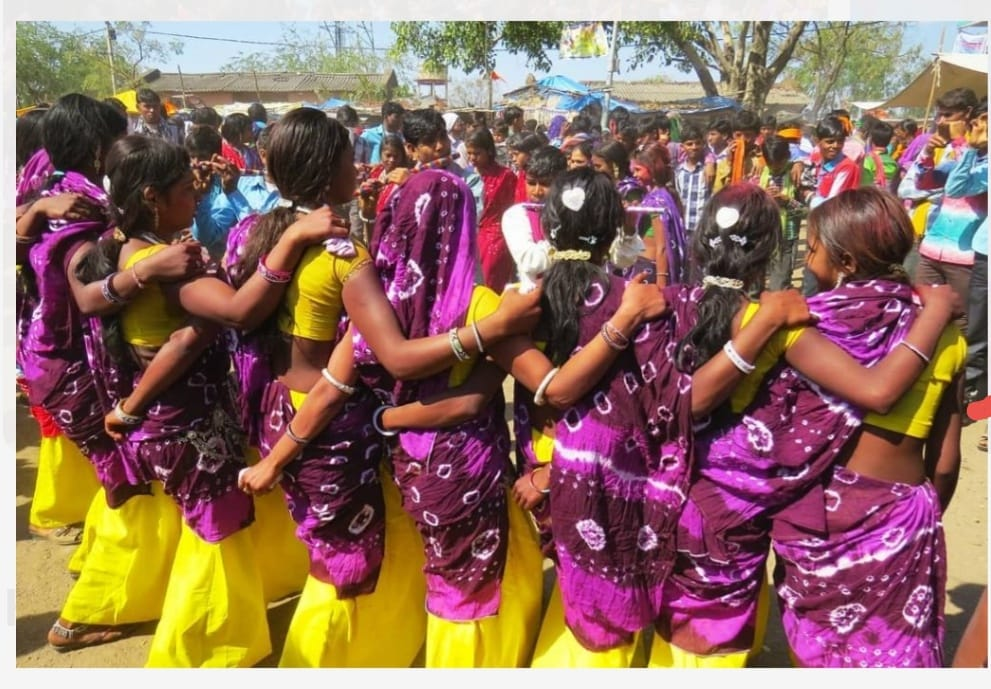
The festival features the energetic Dohiya (or Dedhiya) dance, where young men and women face each other, moving forward and backward, swaying side to side with graceful arm movements to the rhythmic beats of mandal, dhol, and other traditional instruments.
Historical Roots and Legends
According to folklore, the name “Bhagoria” derives from “Bhag” (to elope or flee), reflecting its association with youthful romance, or from “Bhav-Gauri” (Lord Shiva and Goddess Parvati), symbolizing divine union. Some trace its origins to the time of Raja Bhoj, when Bhil kings Kasumra and Baloon started fairs in Bhagor village. Historians link it to ancient sites near Jhabua, where a settlement called Bhagor (tied to sage Bhrigu) was abandoned due to famine, leading to the saying: “Bhagyo Bhagor aur basiyo Ratlam” (Fled from Bhagor and settled in Ratlam).
Around 450 years ago, a ruler named Bhagga Nayak organized the area, and the tradition of pre-Holi haats with worship of Shiva-Parvati began, spreading across regions.A week before the main event, preparatory markets called Tihwariya or Tyohariya Haat (pre-festival fairs) are held, historically known as Gulaliya Haat for the gulal (colored powder) thrown around. Post-Holi, Ujadiya Haat fairs continue the tradition.
The Festive Atmosphere and Delights
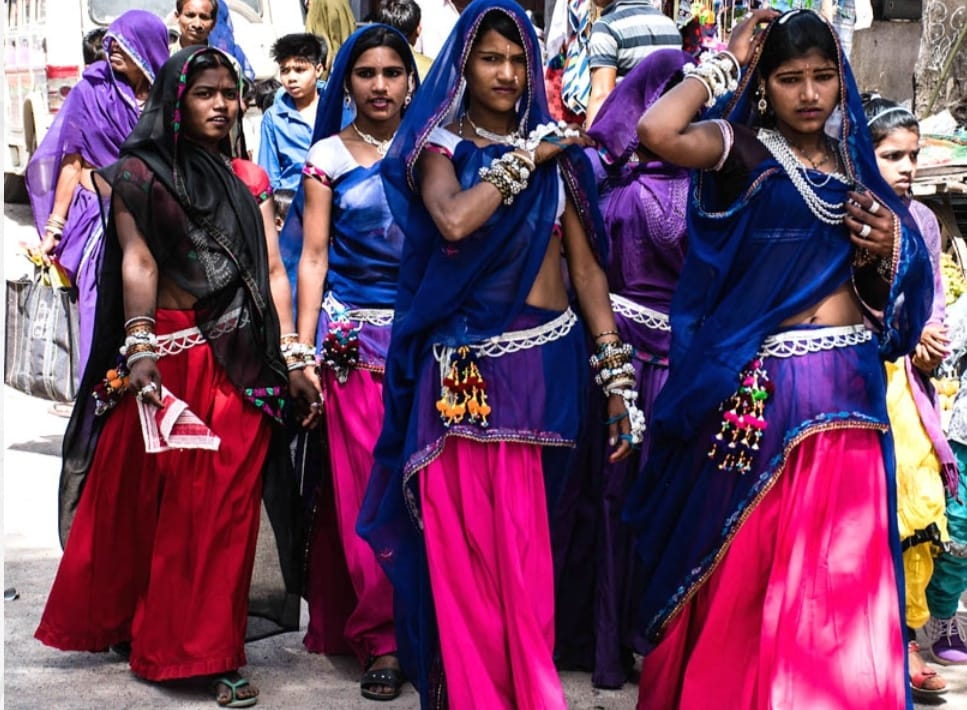
Tribal participants dress in vibrant traditional attire, adorned with jewelry and accessories. The haats buzz with shopping for daily needs, Holi essentials, and festive treats like jalebi made with jaggery, bhajiyas, savory snacks (kharie or sew), paan, and kulfi.
Drinks like toddy and mahua hold cultural significance-not just as beverages, but as parts of livelihood, deity worship, and nature-based economy.The air fills with the thump of drums, folk songs, and laughter, creating a perfect fusion of fun and heritage.
Relevance in Modern Times
As many tribal youth migrate to cities for work, Bhagoria remains a vital opportunity to reconnect with roots, strengthen family ties, and revive cultural identity. With growing education and awareness, communities balance modernity while preserving songs, attire, and rituals.
Bhagoria stands as a living symbol of India’s enduring tribal heritage-one that has weathered modern changes while keeping traditions vibrant. It reminds us that culture is not just memory; it’s a living practice.
Jai Johar! May the colors and rhythms of Bhagoria touch your heart too.