

PC: (Vedantu, News18)
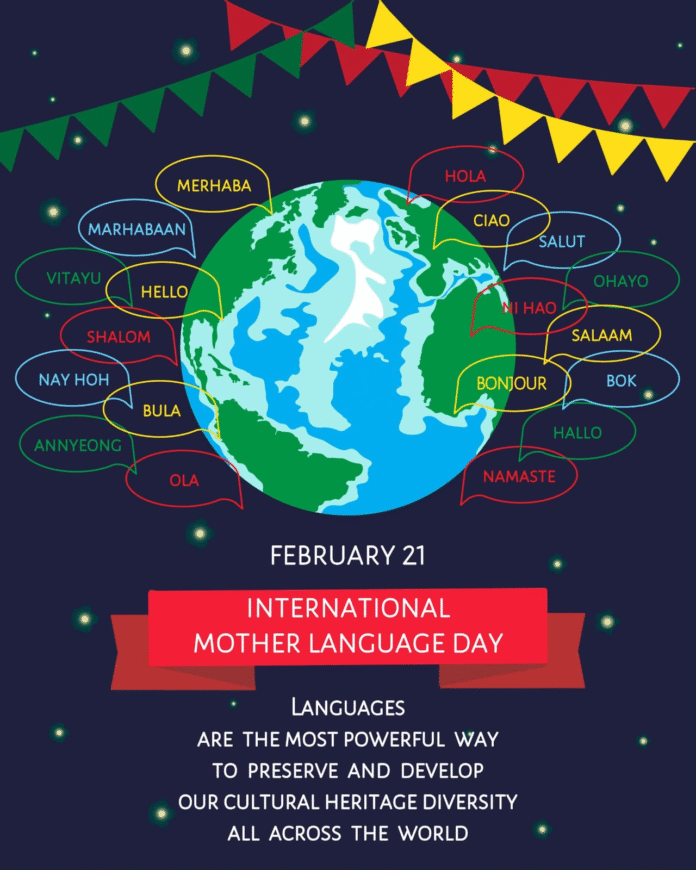
Every year on February 21, the world observes International Mother Language Day to celebrate linguistic and cultural diversity while promoting multilingualism. This day honors the sacrifices made for mother tongues and raises awareness about the urgent need to preserve languages, as UNESCO estimates that one language disappears every two weeks-an irreplaceable loss to humanity’s cultural heritage.
The Origins and History
The observance traces its roots to Bangladesh in 1952. Students in Dhaka protested peacefully to demand official recognition for the Bengali (Bangla) language. Police opened fire, killing several protesters in what became known as the Language Movement. In memory of this struggle, UNESCO proclaimed February 21 as International Mother Language Day on November 17, 1999. It was first celebrated globally in 2000, and the United Nations General Assembly formally recognized it in 2002.
The 2026 Theme: “Youth Voices on Multilingual Education”
This year’s theme, “Youth voices on multilingual education”, places young people at the center of the global conversation on languages. As the linguistic landscape evolves due to migration, technology, and greater awareness of multilingualism’s benefits, youth are emerging as key defenders and revitalizers of languages.
Key focus areas for 2026 include:
Empowering Youth: Young people are actively creating digital content, using social media, podcasts, Al tools, and online platforms to preserve and promote mother tongues.
Why It Matters
Languages are more than communication tools-they carry culture, history, identity, and knowledge.
Whether spoken by millions or just a few thousand, every language enriches our collective heritage.
Multilingualism promotes tolerance, understanding, and social cohesion, while mother-tongue-based education improves access to learning and helps preserve endangered languages.
How to Celebrate International Mother Language Day
Speak, read, or write in your mother tongue-share basic phrases with friends or teach them to children. Organize or join workshops, seminars, poetry readings, or cultural events focused on local languages. Start learning a new language, especially an endangered or indigenous one, to aid preservation efforts. Attend multicultural festivals, enjoy music, films, or literature in different languages. Use social media to promote linguistic diversity-share stories, translations, or content in multiple languages.
Explore UNESCO’s resources, including libraries of indigenous languages, and read/share stories from diverse cultures.
International Mother Language Day reminds us that our mother tongues are our roots and strength. In 2026, let’s amplify youth voices and work together to build a more inclusive, multilingual world. Your language matters-speak it, preserve it, and pass it on!