

PC: (iStock, Deccan Herald, Mint)
Geopolitical Tensions and Boycott Threats Put BCCI’s Mega Events at Risk – Neutral Venue Shift Looms as ICC Seeks Stability
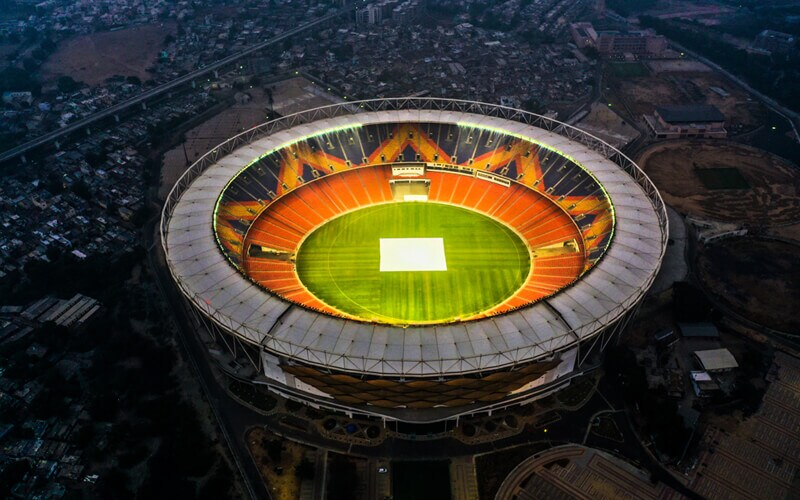
India’s Future Hosting Rights Under Threat
India’s plans to host two flagship ICC men’s tournaments—the 2029 Champions Trophy and the 2031 ODI World Cup-are suddenly under serious threat, according to a bombshell report in The Sydney Morning Herald. The International Cricket Council (ICC) is reportedly exploring contingency plans, including a potential switch to Australia as an alternative host, following major disruptions caused by political and diplomatic turbulence during the ongoing T20 World Cup.
Hybrid Model: Avoiding Direct India-Pakistan Clashes
Under the hybrid-model agreement finalized in December 2024 between the ICC, the Board of Control for Cricket in India (BCCI), and the Pakistan Cricket Board (PCB), India and Pakistan will avoid hosting each other’s matches in global tournaments (men’s or women’s) until 2031. Neutral venues have been used instead-such as Dubai for India’s games in the 2025 Champions Trophy (officially hosted by Pakistan) and Sri Lanka as a co-host for the current T20 World Cup.
How Regional Tensions Escalated into Cricket Chaos
However, escalating regional tensions have spilled over into cricket administration, creating uncertainty and financial risks for the ICC. The trouble reportedly escalated in early January when the BCCI removed Bangladesh’s star pacer Mustafizur Rahman from the IPL roster amid rising regional friction.
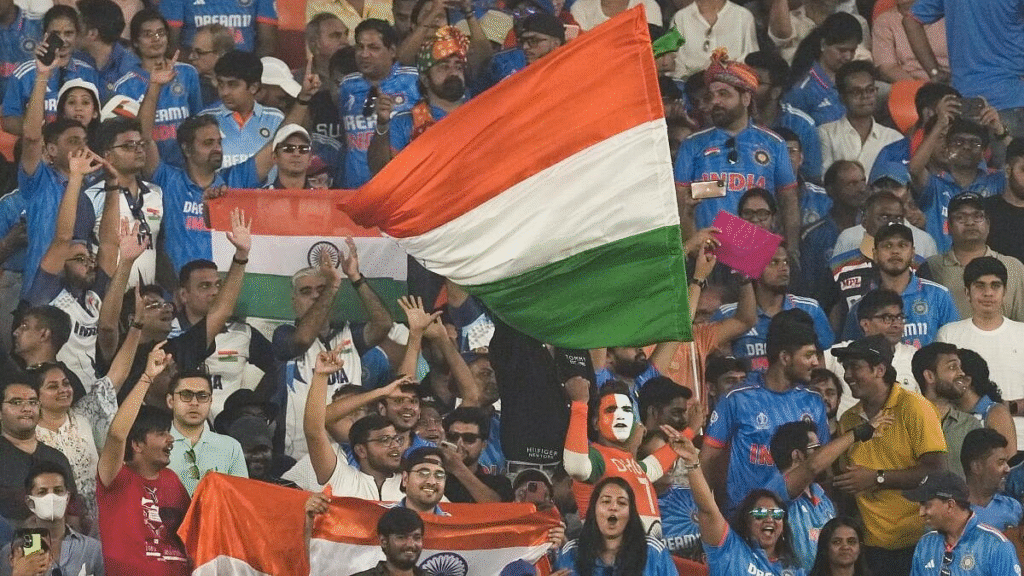
Bangladesh’s Withdrawal and Pakistan’s Boycott Threat
Bangladesh responded by pressing the ICC to relocate their World Cup matches away from India over security fears-a demand the ICC rejected. With no compromise reached, Bangladesh ultimately withdrew from the tournament, infuriating Pakistan and sparking threats of a full boycott.
A Near-Miss That Jeopardized $250 Million in Revenue
The potential Pakistan pullout jeopardized nearly USD 250 million in broadcast and commercial revenue. Intense behind-the-scenes negotiations eventually ensured the high-stakes India-Pakistan clash proceeded as planned last Sunday in Colombo, where India secured a commanding 61-run victory.
ICC Opens Contingency Talks for Future Stability
This near-miss has now sparked wider contingency talks among senior cricket officials. The ICC is evaluating backup host nations to safeguard future events from similar chaos.
Could the Hybrid Model Extend to Bangladesh?
While the current hybrid model applies specifically to India-Pakistan fixtures, the same principle could extend to Bangladesh if tensions persist though formal discussions between the BCCI and Bangladesh Cricket Board (BCB) are still pending following Bangladesh’s recent elections.

Australia Emerges as the Leading Alternative Host
If scheduling uncertainty and broadcaster commitments continue to falter, the ICC could relocate the 2029 Champions Trophy (currently awarded to India) and the 2031 ODI World Cup (co-hosted by India and Bangladesh) to Australia. Australia is already lined up to co-host the 2028 T20 World Cup with New Zealand and has a proven track record of successfully staging high-profile India-Pakistan encounters.
Proven Success: Big Crowds and Perfect Time Zone
Notable examples include the 2015 ODI World Cup clash in Adelaide (41,587 fans) and the record-breaking 2022 T20 World Cup showdown at the Melbourne Cricket Ground (MCG), which drew a massive 90,293 spectators. Australia’s time zone also offers prime-time viewing advantages for the lucrative subcontinental television audience.
A Potential Major Blow to India’s Cricket Dominance
As geopolitical realities increasingly influence the sport, the ICC appears determined to prioritize tournament stability and revenue security-even if it means rethinking long-standing hosting arrangements in the subcontinent. This development marks a potential major blow to the BCCI’s global influence and India’s stature as cricket’s premier host nation. No official decision has been confirmed by the ICC yet, but the discussions highlight how fragile the balance remains in international cricket amid ongoing regional divides.