

PC(Goa Gets Ready For Shigmo Festival 2026; List Of Dates When The Festivities Will Begin Across The State,Instagram)
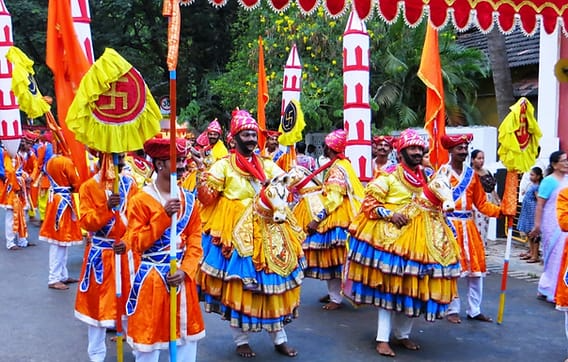
Shigmo festivities are broadly divided into two types: Dhakto Shigmo and Vhadlo Shigmo. Dhakto Shigmo is a more traditional, village-centric celebration marked by folk dances, temple rituals, and community gatherings. Vhadlo Shigmo, on the other hand, is the grand version held in cities like Panaji, Margao, and Vasco, featuring elaborate floats, street parades, and performances.
Goa’s Shigmo Festival is one of the most vibrant and culturally rich celebrations of the state. The festival marks the arrival of spring and the triumph of good over evil. It is often referred to as Goa’s version of Holi, Shigmo is deeply rooted in local traditions and folklore and it offers a colourful glimpse into the region’s heritage beyond beaches and nightlife.
Shigmo Festival: Goa’s Vibrant Celebration of Spring and Heritage
Shigmo, also known as Shigmotsav, is a lively 14-day spring festival celebrated across Goa, typically in March, that joyfully marks the end of winter, the arrival of spring, and the bountiful harvest season for local farmers. Rooted in ancient Hindu traditions and linked to legends such as the Sugriva Mahotsava, it historically welcomed victorious warriors returning from campaigns after Dussehra, blending agricultural gratitude with cultural pride. The festival unfolds in two main forms-Dhakto (smaller) and Vhadlo (bigger or Thorla)-varying by region, with festivities kicking off through Naman rituals at village mand (centers), where folk songs and dances honor local deities like Shantadurga, Ravalnath, and others. Modern celebrations feature spectacular nighttime float parades in towns and cities, adorned with themes from Hindu mythology, rural life, and heroic tales, accompanied by rhythmic beats of dhol, tashe, and kasale. Energetic traditional dances take center stage, including the dramatic Ghode Modni (horse dance), the playful Romat (or Romatmel), Fugdi, Goff, Talgadi, and others performed by participants in colorful costumes, infusing the streets with music, devotion, and community spirit. Culminating around the full moon of Phalguna and often merging into Holi’s colorful frenzy, Shigmo remains a cherished expression of Goa’s rich folklore, agrarian roots, and enduring cultural vibrancy, drawing crowds to witness its grand processions and timeless traditions.
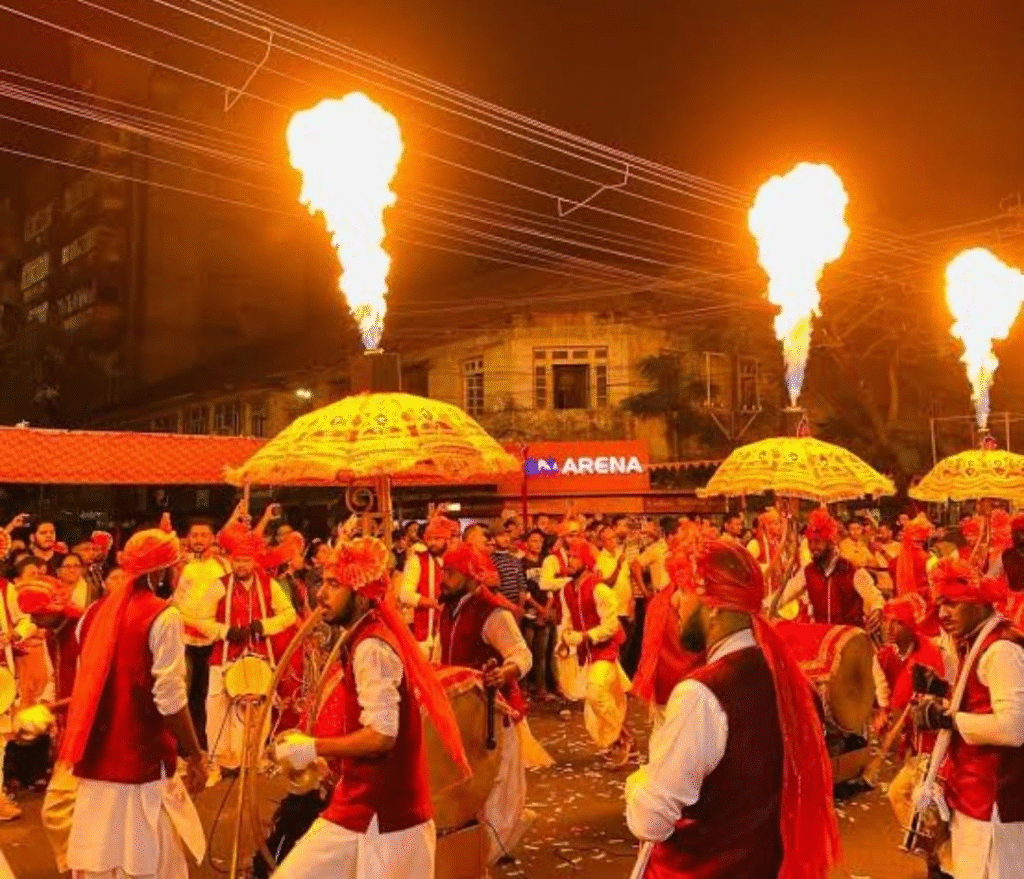
Shigmo Festival 2026
Goa is set to celebrate one of the state’s significant festivals, which will feature folk tradition through music, dance, and artistic expressions. The Konkani Hindu community predominantly celebrates the festival. The festival commemorates the return of warriors who had gone to battle and celebrates their victory through music, dance, and grand processions. According to the Hindu lunar calendar, Shigmo usually falls in February or March.
Director of Tourism Naik said that this year, Shigmo will be held from March 5 to March 18, 2026. He said that the festival will be celebrated with colourful float parades across the 19 centres in Goa.
The Goan festival will be held in these regions
The festival will commence from Ponda city on March 5,March 6: Calagute, also known as Queen of Beaches.
March 7: Goa’s capital, Panaji
March 8: Mapusa, a city in North Goa
March 9: Mandrem, a coastal village
March 10: Bicholim is a sub-district, also known as a taluka.
March11: Sanquelim
March 12:Dharbandora and Cuncolim
March 13:Margao
March 14:Porvorim
March 15:Vasco
March 16:Quepem and Canacona
March 17: The festival will conclude on Tuesday at Pernem.
Shigmo festivities are broadly divided into two types: Dhakto Shigmo and Vhadlo Shigmo. Dhakto Shigmo is a more traditional, village-centric celebration marked by folk dances, temple rituals, and community gatherings. Vhadlo Shigmo, on the other hand, is the grand version held in cities like Panaji, Margao, and Vasco, featuring elaborate floats, street parades, and performances.