

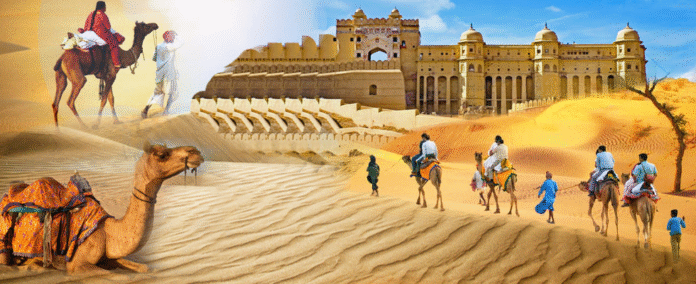
In the vast desert expanse of Western Rajasthan, where the horizon stretches endlessly and the air carries centuries of tradition, lies a unique promise—not just of beauty, but of safety. This region, bordering Pakistan and home to some of India’s most iconic cultural destinations, has quietly built a reputation that goes beyond its golden dunes and soulful music. It is a place where vigilance meets warmth, and where the border itself becomes a symbol of trust.
A Trusted Host in Times of Uncertainty
When national events face disruption, few places rise to the occasion with the grace and preparedness of Rajasthan. A striking example came during a recent national crisis when the Indian Premier League (IPL)—one of the country’s most high-profile sporting events—was postponed across the nation. Yet, as conditions improved, Rajasthan was swiftly chosen to host three IPL matches. This wasn’t just a logistical decision—it was a vote of confidence. The state’s infrastructure, security protocols, and administrative coordination stood out as reliable and resilient. In a world where safety is paramount for travelers and event organizers alike, Rajasthan proved it could deliver.
Border Vigilance: A Silent Guardian
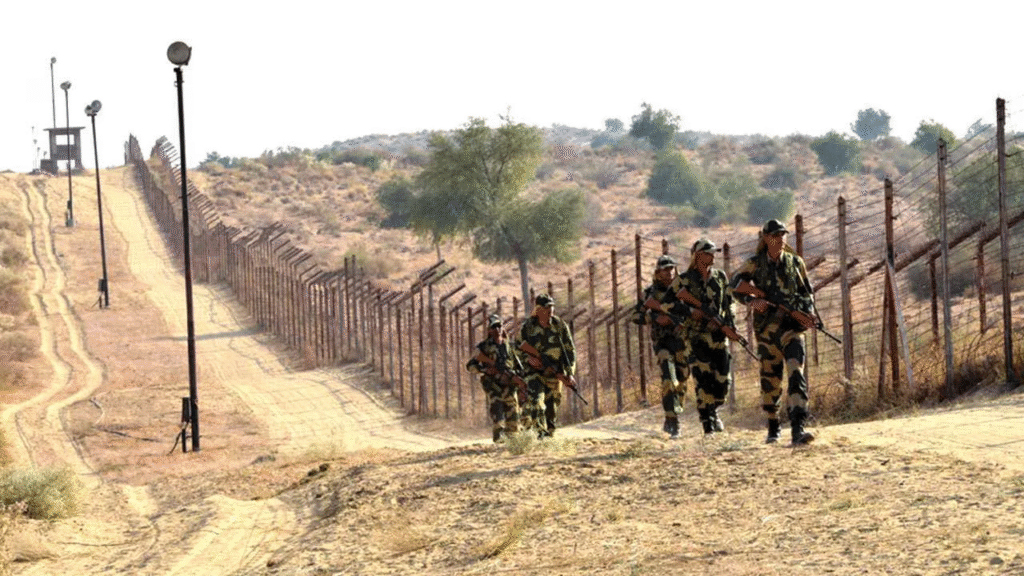
Western Rajasthan’s border districts—Jaisalmer, Barmer, Bikaner, and Jodhpur—carry a heightened sense of awareness. The presence of armed forces, vigilant police, and responsive local administration creates an environment of security that is both visible and reassuring.But this vigilance isn’t intrusive—it’s protective. Tourists often remark on the seamless blend of freedom and safety they experience here. Whether exploring remote villages or attending cultural festivals, visitors feel cared for without feeling constrained.
Hospitality Rooted in Responsibility
What truly sets Western Rajasthan apart is how this sense of security translates into hospitality. In border regions, there’s a deep-rooted culture of responsibility. Locals understand the importance of presenting their land with pride and care. This consciousness manifests in:
- Attentive service in homestays and hotels.
- Respectful and informative local guides.
- Community-driven tourism initiatives that prioritize guest experience.
Visitors are not just welcomed—they’re embraced. The warmth of a desert family, the smile of a camel herder, the song of a folk musician—all carry an undertone of sincerity and safety.
A Model for Responsible Tourism
In an era where travelers seek not just adventure but assurance, Western Rajasthan offers a compelling model. It proves that border regions, often perceived as sensitive or remote, can be paragons of responsible tourism. The synergy between security and hospitality here is not accidental—it’s cultural. Government initiatives have further strengthened this balance. Training programs for tourism professionals, infrastructure upgrades, and community awareness campaigns ensure that safety and service go hand in hand.
More Than a Destination—A Promise
To visit Western Rajasthan is to experience a rare duality: the thrill of exploring ancient forts and desert trails, paired with the comfort of knowing you’re in safe hands. It’s a region that doesn’t just open its doors—it guards them with care. As the world rediscovers travel with caution and curiosity, Western Rajasthan stands ready—not just with its beauty, but with its reliability. In the heart of the desert, the border isn’t a line—it’s a promise.