Home Blog

GoPro Launches MISSION 1 Series: New 8K Compact Cinema Cameras with AI Processing and 50MP Sensor

0

In a major push into high-end compact filmmaking, GoPro has unveiled its new MISSION 1 Series of cinema cameras. The lineup includes three models—MISSION 1 PRO, MISSION 1, and MISSION 1 PRO ILS—designed to deliver high-resolution video, improved low-light performance, and extended recording capabilities.

Advanced Sensor and Processor

All three models are built around a new 50MP 1-inch sensor featuring 1.6µm native pixels and 3.2µm fused pixels in Quad Bayer mode. This setup enables up to 14 stops of dynamic range, enhancing detail in both highlights and shadows.

Powering the cameras is GoPro’s GP3 processor, based on a 5nm architecture, which improves efficiency and heat management. It also integrates an AI-driven neural unit to enhance low-light video quality and overall image processing.

High-End Video Capabilities

Video performance is a key highlight of the MISSION 1 Series:

  • MISSION 1 PRO & PRO ILS: 8K at 60fps, 4K at 240fps, and 1080p at up to 960fps (short bursts)
  • MISSION 1: 8K at 30fps, 4K at 120fps, and 1080p at 240fps

All models support Open Gate recording, allowing users to capture footage using the full 4:3 sensor for greater flexibility during post-production cropping. The PRO variants offer 8K30 and 4K120 in Open Gate, while the base model supports 4K120.

Improved Battery Life and Performance

With the Enduro 2 battery, the cameras can record for over five hours at 1080p30 and more than three hours at 4K30. The battery is also compatible with the HERO13 Black, although older batteries may offer reduced performance.

Pro Features and Flexibility

The MISSION 1 Series includes 13 preset shooting modes that automatically adjust settings based on the scene, alongside full manual controls for professionals.

Additional features include:

  • Up to 240Mbps video bitrate
  • 10-bit color and HLG HDR support
  • GP-Log2 for advanced color grading
  • Timecode sync for multi-camera setups

Designed for Creators and Professionals

With its blend of compact design and cinema-grade features, the MISSION 1 Series positions GoPro beyond action cameras and into professional video production. The addition of AI processing, high frame rates, and extended recording times makes it a strong contender for creators, filmmakers, and content professionals seeking powerful yet portable gear.

Buying Gold on Akshaya Tritiya: Religious Significance and Budget-Friendly Options Explained

0

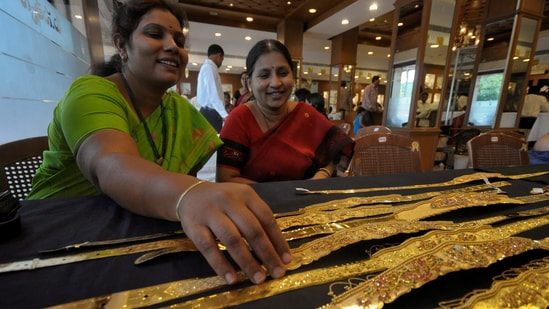
As the festival of Akshaya Tritiya approaches on April 19 this year, the tradition of purchasing gold once again takes centrestage. Considered one of the most auspicious days in the Hindu calendar, Akshaya Tritiya is widely believed to bring eternal prosperity and good fortune.

Observed on the Tritiya Tithi of the Shukla Paksha in the month of Vaishakh, the day is unique because any auspicious work can be performed without consulting a muhurat. Traditionally, people invest in gold, jewellery, and even property on this occasion.

Why is Gold Bought on Akshaya Tritiya?

According to religious beliefs, any act of charity (daan), worship (puja), or virtuous deed performed on this day yields Akshaya Punya—merit that never diminishes. The word “Akshaya” itself means eternal or inexhaustible.

In Sanatan Dharma, Goddess Lakshmi is regarded as the symbol of wealth and prosperity. Gold and other material assets are considered her earthly manifestations. Buying gold on this day is believed to invite her blessings and ensure that prosperity remains constant in the household.

Financial Logic Behind the Tradition

Beyond religious beliefs, gold also holds strong financial value. It serves as a reliable asset that can be liquidated during emergencies. Traditionally known as Stree Dhan, gold jewelry is also gifted during weddings and special occasions, offering both cultural and financial security.

Moreover, gold prices tend to appreciate over time, making it a preferred long-term investment.

What If You Have a Limited Budget?

With gold prices often high, not everyone can afford to invest in it. However, there are several alternatives that are both affordable and culturally significant:

  • Silver, which is more economical than gold
  • Items like brass and copper
  • Whole coriander seeds
  • Gomati Chakras
  • Brooms or a Shree Yantra

These items are also associated with prosperity and are believed to please Goddess Lakshmi and Lord Kubera.

A Blend of Faith and Finance

Whether driven by faith or financial planning, Akshaya Tritiya continues to be a day when people invest in assets symbolizing growth and stability. Even with modest means, the essence of the festival lies in शुभ कर्म and the belief in enduring prosperity.

Sweden Shifts Back to Books: Govt Push to Boost Literacy Sparks Debate Over Digital Future

0

In a significant policy shift, Sweden’s government is advocating a return to physical books, paper, and handwritten learning in classrooms, aiming to reverse a decline in literacy levels among students. The move marks a departure from the country’s long-standing reputation as one of Europe’s most digitally advanced education systems.

Under the new approach, schools are increasingly replacing digital tools with traditional learning methods. At a high school in Nacka, near Stockholm, students are now carrying textbooks and printed materials alongside their laptops—something that had become rare in recent years.

“I now go home from school with new books and papers often,” said Sophie, an 18-year-old student. She noted that some teachers have begun printing lesson materials, while digital platforms in subjects like mathematics are being replaced with textbook-based teaching.

The shift comes after years of heavy investment in digital education. Laptops became common in Swedish classrooms in the late 2000s and early 2010s, and by 2015, nearly 80% of students in state-funded high schools had access to personal digital devices. In 2019, the use of tablets was even introduced at the pre-school level to prepare children for a digital future.

However, authorities now believe that over-reliance on screens may have contributed to declining reading and comprehension skills, prompting a reassessment of teaching methods.

The policy, however, has sparked criticism from tech companies, educators, and computer scientists. Critics argue that reducing exposure to digital tools could negatively impact students’ readiness for the modern workforce and potentially affect Sweden’s innovation-driven economy.

The debate highlights a growing global dilemma: how to balance digital advancement with foundational learning skills. While Sweden seeks to strengthen literacy through traditional methods, questions remain about whether this shift could come at the cost of future digital competitiveness.

Women Reservation Act: Lok Sabha Introduces Constitution (131st Amendment) Bill After Division Vote; Key Reform Package and Delimitation Move Forward

0

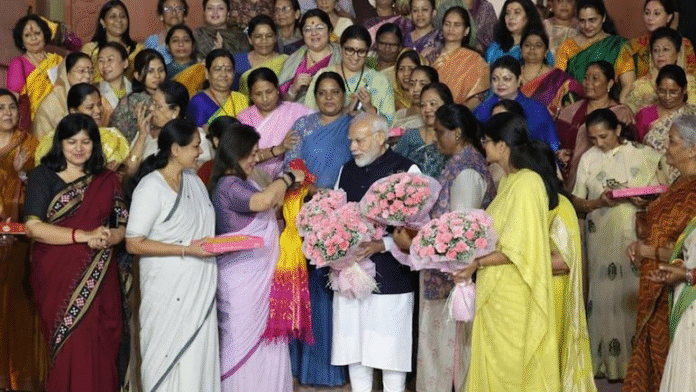
The Lok Sabha on Wednesday introduced the Constitution (One Hundred and Thirty-First Amendment) Bill, 2026 after a division vote in which 251 Members of Parliament supported the proposal and 185 voted against it. The Bill, moved by Union Law Minister Arjun Meghwal, is part of a broader legislative framework linked to women’s reservation and delimitation reforms.

The development took place during a special three-day session of Parliament convened to deliberate on major constitutional and electoral restructuring proposals. Along with the constitutional amendment, the government also introduced the Delimitation Bill, 2026 and the Union Territories Laws (Amendment) Bill, 2026. These three Bills have been presented as a single legislative package, with the latter two contingent upon the passage of the constitutional amendment.

According to the government, the proposed framework seeks to operationalise women’s reservation in Parliament alongside a fresh delimitation exercise based on updated population data. The proposal envisions an expanded Lok Sabha strength of 815 seats following delimitation, with one-third of the seats—approximately 272—reserved for women. The implementation of the reservation mechanism is proposed to be linked to the post-2026 Census and subsequent delimitation exercise. The government has also stated that the process will ensure that no state loses its existing representation.

The legislative move has triggered strong political reactions, particularly from opposition parties and leaders from southern states. Critics have expressed concerns that linking women’s reservation with delimitation could delay its implementation and potentially alter the balance of political representation across states. Opposition leaders, including Gaurav Gogoi and Mamata Banerjee, have raised objections, alleging that the exercise may have wider political implications related to redrawing of electoral boundaries. Protests were also witnessed within the House during the proceedings.

The government, however, has maintained that the reforms are aimed at strengthening democratic representation and ensuring equitable participation of women in legislatures. It has assured adequate time for debate, with the Lok Sabha scheduled to undertake a detailed discussion lasting 15–18 hours, and voting expected on April 17.

Officials noted that delimitation refers to the redrawing of constituency boundaries based on population changes, while women’s reservation seeks to allocate one-third of legislative seats to women. Constitutional amendments require a special majority in Parliament, making the ongoing deliberations critical for the passage of the proposed reforms.

The outcome of the voting will determine the next steps in what is being described as one of the most significant electoral reform initiatives in recent years.

‘Grow With Grace – Feel Safe, Valued’ Features Live Realities of Schools…

0

In an educational landscape often dominated by policy language, targets, and compliance structures, Grow With Grace – Feel Safe, Valued written by versatile educationist Gajendra Singh Rathore emerges as a deeply human and experience-driven work. This book is not written from a distance; it is written from within the lived realities of schools. Through a series of short yet powerful articles, it captures the subtle, often unnoticed dynamics of classrooms and staffrooms, and transforms them into meaningful insights for teachers and school leaders.

What distinguishes this book is its grounding in real institutional challenges. The opening articles immediately set the tone by addressing one of the most persistent issues in schools—lack of alignment among teachers. In the article on building a team through a “fusion process,” the author draws a compelling parallel with nuclear fusion, suggesting that when individuals come together with shared purpose and emotional connection, they generate immense collective energy. This is not presented as abstract theory but as a practical leadership insight: schools do not improve through isolated excellence, but through unified effort.

As the book progresses, it turns its attention to disengagement. In the article “I am Ennui!”, the author gives a name to the quiet stagnation present in many schools, where meetings happen and plans are made, but enthusiasm and ownership remain absent. Instead of blaming individuals, the article diagnoses the systemic gap between instruction and participation. The suggested intervention—creating “huddle spaces” and using role-play to co-construct agreements—demonstrates the book’s consistent approach: every problem must lead to a practical, participatory solution.

A particularly powerful contribution lies in its treatment of parental engagement through the article “Turning PTMs into Growth Engines.” Here, Parent-Teacher Meetings are reimagined as strategic platforms for transformation rather than routine formalities. Similarly, the discussion on establishing an effective reward system highlights that teacher motivation is central to school success, reinforcing that institutional excellence depends on nurturing educators through recognition and trust.

The book also aligns with contemporary priorities such as the National Education Policy 2020, emphasizing 21st-century skills like Critical Thinking, Creativity, Collaboration, and Communication. It remains grounded in classroom realities, treating these not as abstract goals but as natural outcomes of thoughtful teaching.

Another strength is its focus on observation and micro-level understanding of classroom behavior. The idea that “an action plan should also be made to contemplate the whole at a micro level” captures the essence of responsive teaching. Leadership insights such as “To be trusted is a greater compliment than to be loved” further underline the importance of trust as the foundation of school culture.

Underlying all the articles is a unifying philosophy—that learning flourishes only when individuals feel safe and valued. The book ultimately serves both as a practical guide and a reflective mirror for educators. It offers clarity to teachers, direction to leaders, and a powerful reminder that meaningful change begins with small, consistent actions.

It is also important to recognize the author, Gajendra Singh Rathore, as an emerging international educator from Ratlam, whose work bridges grassroots classroom realities with globally relevant educational thinking. His ability to translate local experiences into universal insights makes this book significant not only regionally but globally.

Maahi Roj Festival 2026 to Be Held in Jaipur from April 25–26

0

Against the backdrop of growing concerns over civic responsibility in the Pink City, the 12th edition of Maahi Roj Festival 2026 will be held on April 25 and 26 at Anantaya, Kanota Courtyard, Narayan Niwas Palace, Jaipur. The two-day festival aims to spark dialogue and action around sustainable living, civic engagement, and collective responsibility in urban spaces.

Jaipur, a UNESCO World Heritage City, is increasingly facing challenges such as encroachments, declining civic behaviour, and pressure on shared public spaces.

In this context, Maahi Roj 2026 adopts the theme “HUMM – Many Makes One,” emphasising the power of collective thinking and shared responsibility in shaping the future of cities.

The festival is founded by Geetanjali Kasliwal and Ayush Kasliwal under the banner of Anantaya.

Highlighting the theme, Geetanjali Kasliwal said, “The future is not created by ‘I’, but by ‘Hum’—many minds and many hands working together.” Ayush Kasliwal added that the festival explores how diverse perspectives can lead to more thoughtful and responsible ways of living.

A key highlight of this year’s edition is the Humara Shahar Civic Design Challenge, curated in collaboration with ADI Jaipur. The initiative invites students and professionals to propose behaviour-driven design solutions to real civic issues faced by Jaipur.

The festival will feature a range of sessions, workshops, installations, and discussions. The opening includes “Sohum – From I to Hum” by Ankur Mehta and Namita Jain, followed by sessions on food, identity, and sustainability by Monali Jain. The inaugural address by Geetanjali Kasliwal will set the tone for the event, along with a keynote by Ami Shroff from Shrujan focusing on craft and communities.

Maahi Roj Festival 2026 to Be Held in Jaipur from April 25–26
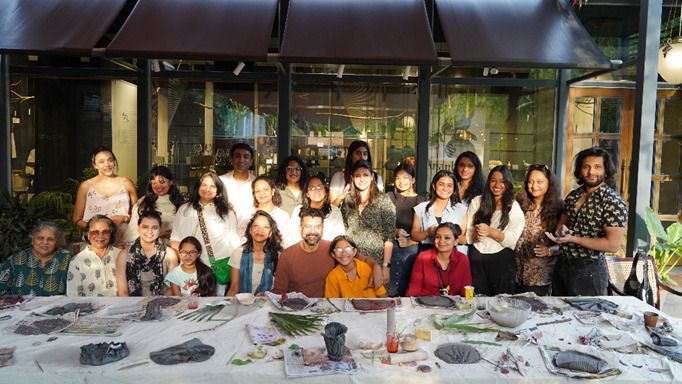
Picture from last edition

Other highlights include a DIY composting workshop, film screenings, case study presentations on communities and artificial intelligence, and a panel discussion on civic participation. Day two will feature a HUMM City Walk, a Civic Assembly, natural dyeing workshops, a makers’ market, and cultural experiences including intuitive movement sessions and a vegan potluck.

The festival will also host the HUMM Market, showcasing conscious brands, and the Charpai Project Installation, exploring craft and material culture through participatory design.

Leading organisations supporting the event include Dhun, Kogta Foundation, ADI Jaipur, WICCI Architecture Rajasthan, Rajasthan Patrika, iStart Rajasthan, and Serendipity Arts Foundation, among others.

Additionally, a special screening of “Climate Action Baby” will be held at TOSS on April 17 to build awareness around climate action.

Maahi Roj 2026 invites policymakers, urban planners, designers, students, and citizens to come together for a shared conversation on the future of Jaipur and the role of communities in shaping more sustainable and inclusive cities.

Who Is Mukul Choudhary? From Jhunjhunu’s Streets to IPL Stardom

0

In the ever-evolving landscape of Indian cricket, a new name has quickly captured attention—Mukul Choudhary. At just 21, this young wicketkeeper-batter from Rajasthan has emerged as one of the most exciting prospects in the game, thanks to his fearless performances and a deeply inspiring journey.

Early Life and Background

Born on August 6, 2004, in Jhunjhunu, Rajasthan, Mukul grew up far from the glamour of big cricketing cities. Coming from a modest background, his journey was shaped by struggle and sacrifice. His father, a passionate cricket lover, dreamed of seeing his son play professionally—even before Mukul was born. Despite limited resources and facilities, the family pushed forward with unwavering belief.

A Story of Struggle and Sacrifice

Mukul’s rise is not just about talent—it is a story of immense sacrifice. Reports reveal that his father went to extraordinary lengths, even selling their house and facing severe financial hardships to support his cricketing ambitions. This relentless support laid the foundation for Mukul’s career, making his success even more meaningful.

Cricketing Journey and Breakthrough

Mukul started making waves in domestic cricket, representing Rajasthan and impressing in tournaments like the Syed Mushtaq Ali Trophy. His performances as a middle-order batter and finisher caught the attention of IPL scouts. In 2026, he was picked by Lucknow Super Giants for ₹2.6 crore—a major turning point in his career.

His IPL debut season turned him into an overnight sensation. In a thrilling match against Kolkata Knight Riders, Mukul played a stunning unbeaten knock of 54 runs off just 27 balls, leading his team to a last-ball victory. His calmness under pressure and explosive hitting drew comparisons to legendary finisher MS Dhoni, whom he considers his idol.

Current Form and Achievements

Though still early in his career, Mukul’s numbers are promising. In T20 cricket, he has already shown consistency with an impressive average and match-winning contributions. His ability to finish games, combined with his wicketkeeping skills, makes him a valuable asset for both domestic teams and franchise cricket.

A Star in the Making

Mukul Choudhary’s story is more than just cricket—it is about resilience, belief, and the power of dreams. From financial struggles in a small town to shining on the grand IPL stage, his journey embodies the spirit of modern Indian cricket.

If his current trajectory continues, Mukul is not just a rising star—he is a name that could define the future of Indian cricket.

India’s Growth Story Stays Strong: Why the World’s Fastest-Growing Major Economy Isn’t Slowing Down

0

India continues to stand out as a bright spot in the global economy, with the International Monetary Fund projecting a robust growth rate of 6.5% for 2026. This comes after an impressive 7.6% expansion in 2025, reinforcing India’s position as the fastest-growing major economy in the world.

What makes this growth particularly significant is the global context. While India maintains steady momentum, other leading economies are experiencing slower expansion. China’s growth is expected to moderate to around 4.4% in 2026 and decline further in the coming years. Meanwhile, economies like the United States, the United Kingdom, Japan, and Germany are projected to grow at a much slower pace—largely between 1% and 2%. In effect, India is growing nearly two to three times faster than many developed nations.

Several factors are driving this sustained growth. Strong domestic consumption, rising infrastructure investment, and government-led reforms have created a resilient economic environment. India’s expanding digital economy and manufacturing push have also contributed to its upward trajectory, attracting global investors looking for stable, high-growth markets.

Another key advantage is India’s demographic strength. With a young and growing workforce, the country is well-positioned to fuel long-term economic expansion. Combined with increasing urbanisation and a rapidly evolving middle class, demand across sectors—from housing to technology—is expected to remain strong.

However, challenges remain. Global uncertainties, inflationary pressures, and employment generation continue to test policymakers. Maintaining this growth momentum will require sustained reforms, job creation, and investment in education and skills.

Even so, the outlook remains optimistic. As per IMF projections, India is likely to maintain its growth rate at around 6.5% through 2027 and 2028, signaling stability in an otherwise uncertain global economy.

In a world grappling with slowing growth, India’s economic story is one of resilience and opportunity—an emerging powerhouse steadily shaping the future of the global economy.

From Amritsar to the World Stage: Chef Vikas Khanna Enters TIME 100

0

In a proud moment for India and its rich culinary heritage, celebrity chef Vikas Khanna has been named among the world’s 100 most influential people in 2026 by TIME Magazine. His inclusion is not just a personal milestone—it is a global recognition of Indian cuisine, culture, and the power of purpose-driven success.

Born in Amritsar, Punjab, Khanna’s journey is anything but conventional. He was born with a foot deformity that limited his mobility as a child, yet he found strength and passion in cooking at a very young age. From training in India’s top hotel chains to studying at prestigious institutions abroad, his early years were marked by determination and relentless hard work.

However, success did not come easily. When Khanna moved to New York, he faced rejection, financial struggles, and uncertainty. But perseverance paid off. He eventually rose to global fame with his Michelin-starred restaurant Junoon, which became a landmark for Indian fine dining in the West.

What truly sets Khanna apart—and earned him a place on the TIME 100 list—is not just his culinary excellence, but his humanitarian spirit. During the COVID-19 pandemic, he launched large-scale food distribution initiatives like “Feed India,” serving millions of meals to those in need. His work reflects a deeper philosophy: food is not just nourishment, but a tool for compassion and connection.

Beyond the kitchen, Khanna is a prolific author, filmmaker, and television personality, widely known for his role as a judge on MasterChef India. His documentary The Last Color and his books further showcase his storytelling ability and commitment to social causes.

The TIME profile describes him as someone who uses food as a universal language to connect people across cultures, highlighting his empathy and global impact.

From the narrow lanes of Amritsar to global recognition, Vikas Khanna’s journey is a story of resilience, humility, and purpose. His presence on the TIME 100 list is not just an accolade—it is a celebration of how passion, when combined with compassion, can truly influence the world.

Global Spotlight on Bollywood: Ranbir Kapoor Makes It to TIME 100

0

In a significant moment for Indian cinema on the global stage, Bollywood actor Ranbir Kapoor has been featured in the prestigious TIME 100 list, marking him as the only Hindi film industry star to earn a place this year. The annual list by TIME Magazine recognizes the world’s most influential individuals across fields such as entertainment, politics, business, and culture.

Ranbir Kapoor’s inclusion reflects not just his popularity, but also his growing global impact as an actor. Known for his versatility and nuanced performances, he has consistently pushed boundaries in mainstream Bollywood. From intense roles in films like Rockstar and Sanju to commercially successful ventures like Brahmāstra, Kapoor has demonstrated a rare ability to balance critical acclaim with box office success.

What sets this recognition apart is its timing. Indian cinema, particularly Bollywood, is increasingly gaining international attention, and Kapoor’s presence on the TIME 100 list underscores this shift. His performances have resonated with audiences beyond India, contributing to a broader acceptance and appreciation of Hindi cinema worldwide.

The TIME 100 list is not merely about fame—it celebrates individuals shaping conversations and influencing culture globally. Kapoor’s inclusion signals that Indian actors are no longer confined to regional recognition but are becoming key voices in global entertainment.

This achievement also highlights a larger trend: the rise of Indian storytelling on the world stage. With platforms expanding and audiences becoming more diverse, actors like Ranbir Kapoor are playing a crucial role in bridging cultural gaps.

As Bollywood continues its global journey, this milestone stands as both recognition and responsibility. For Ranbir Kapoor, it is not just an accolade—it is a testament to his evolving legacy and the expanding footprint of Indian cinema across the world.