

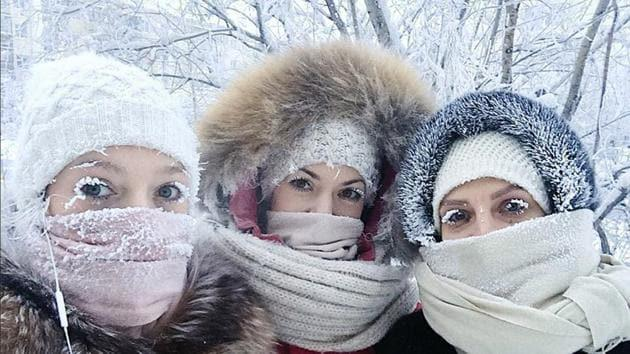
A brutal cold snap has once again thrust Russia’s Yakutia region into global headlines, with temperatures dropping to −56°C, the lowest on the planet right now. This extreme chill, recorded in the remote northeastern Siberian area, highlights the harsh reality of life where winter conditions are not just severe but an enduring part of daily existence. Yakutia’s frozen landscapes and resilient communities offer a striking contrast to milder climates elsewhere, bringing into focus both the challenges and the remarkable adaptability of people living at the edge of survival.
Extreme cold grips Yakutia
Yakutia, officially the Republic of Sakha within Russia, regularly experiences some of the coldest temperatures recorded outside Antarctica. During this recent spell, mercury plunged to around −56°C, a level that severely tests both humans and infrastructure in the region. While such temperatures may sound unprecedented, Yakutia’s climate often dips even lower in places like the village of Oymyakon, the coldest permanently inhabited locality on Earth, where historic lows have reached nearly −68°C.
Life in the coldest inhabited region
Despite the severe sub-arctic climate, tens of thousands of residents continue their routines with remarkable resilience. In the city of Yakutsk, one of the largest settlements in the region, daily life carries on in sub-zero conditions, with locals wrapped in multiple layers and city streets dotted with bundled pedestrians. According to weather experts, temperatures this low are not unusual in winter and shape everything from travel habits to outdoor work schedules.
Adaptation and survival strategies
Living in such extreme cold requires adaptation. Buildings in Yakutsk are constructed on permafrost, and residents rely on central heating, heavy winter gear and specific behavioural techniques to cope with the harsh conditions. In rural areas such as Oymyakon, where only a few hundred people live, long-standing traditions and community cooperation help people endure the bitter cold.
Global context of cold extremes
While Yakutia’s −56°C is remarkable, it is not the coldest temperature ever recorded on Earth. Antarctica’s interior has recorded far lower temperatures, reaching close to −98°C in certain locations. However, Yakutia remains one of the coldest places on the planet where people live year-round, highlighting the extreme diversity of Earth’s climate.
What this means for residents
At these temperatures, everyday tasks become extraordinary feats, from walking to school to maintaining power and heating systems at home. Local authorities and residents are accustomed to managing such conditions, yet each cold wave reinforces the resilience required to survive where winter dominates life for most of the year.