

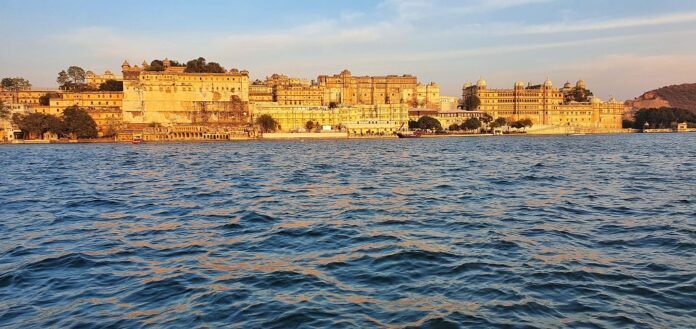
Nestled within the rugged folds of the Aravalli hills, Udaipur’s famed lakes are far more than scenic marvels—they are the result of a visionary and highly sophisticated water management system developed over centuries. Built by the rulers of Mewar to combat the challenges of an arid landscape, this interconnected network of lakes continues to sustain the city while defining its identity as the “City of Lakes.”
A Masterfully Connected Lake System
Udaipur’s lake system is a cascading network of artificial and natural water bodies, designed to collect, store, and distribute rainwater efficiently. Upper catchment lakes like Badi and Madar feed into the city’s central lakes—Pichola, Fateh Sagar, Swaroop Sagar, and Rang Sagar—which are further connected to downstream reservoirs like Udai Sagar through channels and the Ahar River basin. This intelligent design ensured flood control, groundwater recharge, and year-round water availability, showcasing remarkable ecological foresight.
The Historic Lakes and Their Legacy
Lake Pichola (14th century)
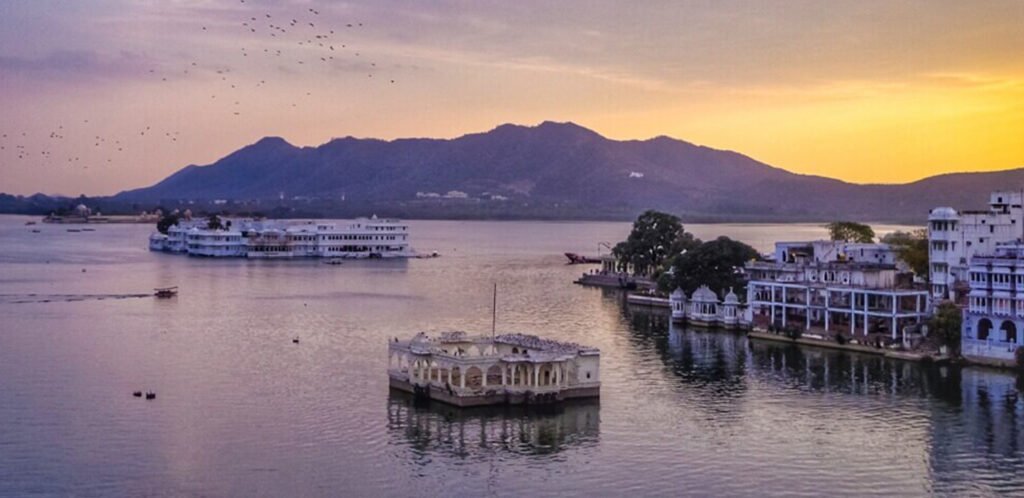
One of Udaipur’s oldest and most iconic lakes, Pichola was built in 1362 by a local banjara, Pichhu, during the reign of Maharana Lakha. It was later expanded by Maharana Udai Singh II, who established the city of Udaipur in 1559 along its banks. Adorned with islands like Jag Mandir and the Lake Palace, Pichola remains a symbol of royal elegance.
Fateh Sagar Lake (1678; rebuilt 1889)
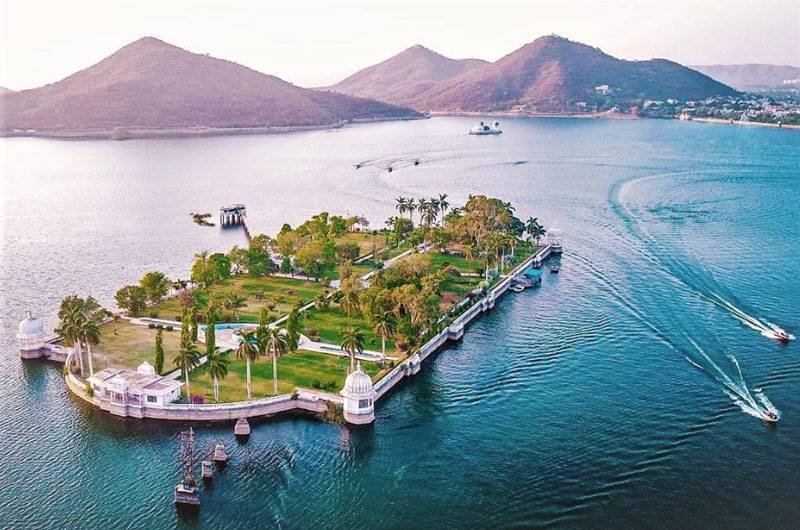
Constructed by Maharana Jai Singh in 1678, this lake was later reconstructed by Maharana Fateh Singh after severe flood damage in 1889. Surrounded by hills, Fateh Sagar today serves as both a vital water source and a popular recreational spot.
Jaisamand Lake (1685)
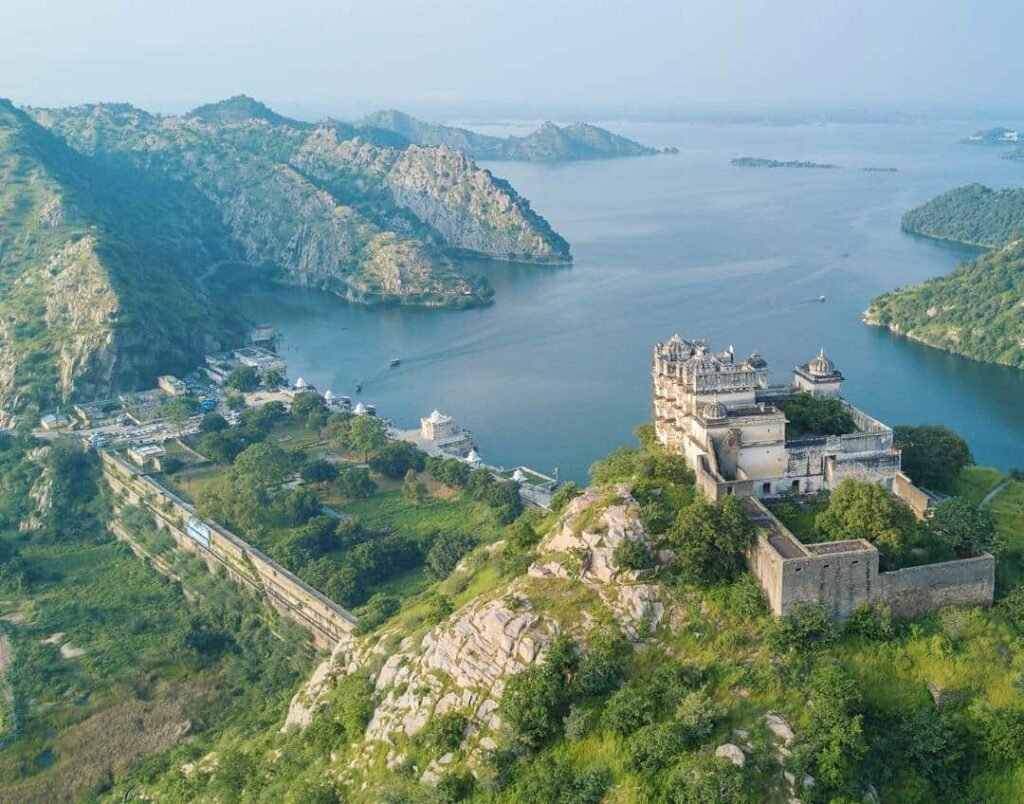
Built by Maharana Jai Singh by damming the Gomti River, Jaisamand—also known as Dhebar Lake—is one of the largest artificial freshwater lakes in India. It stands as a testament to the scale and ambition of Mewar’s hydraulic engineering.
Udai Sagar (16th century)
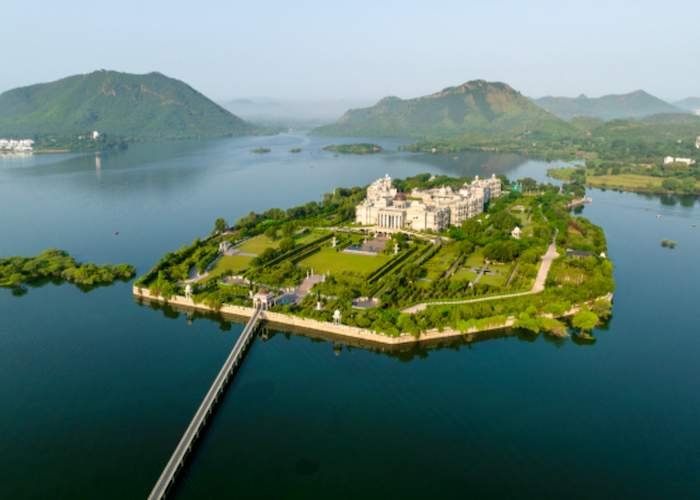
Constructed by Maharana Udai Singh II, this lake strengthened the city’s water supply and supported agriculture, further integrating the region’s water network.
Swaroop Sagar & Rang Sagar (19th century)
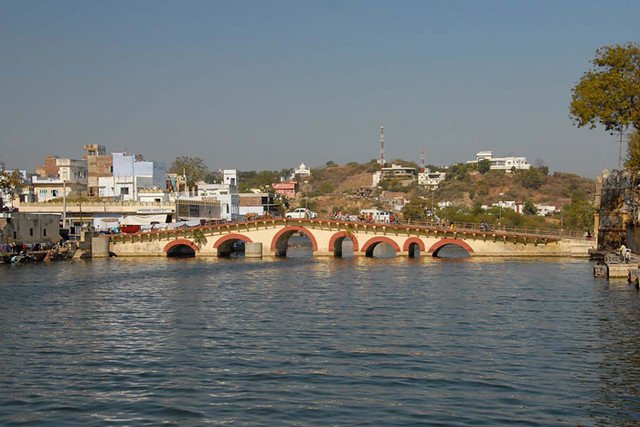
These smaller yet crucial lakes function as regulatory links within the system. They help channel and control water flow between Pichola and Fateh Sagar, maintaining balance during periods of excess rainfall.
Badi Lake (Jiyan Sagar)
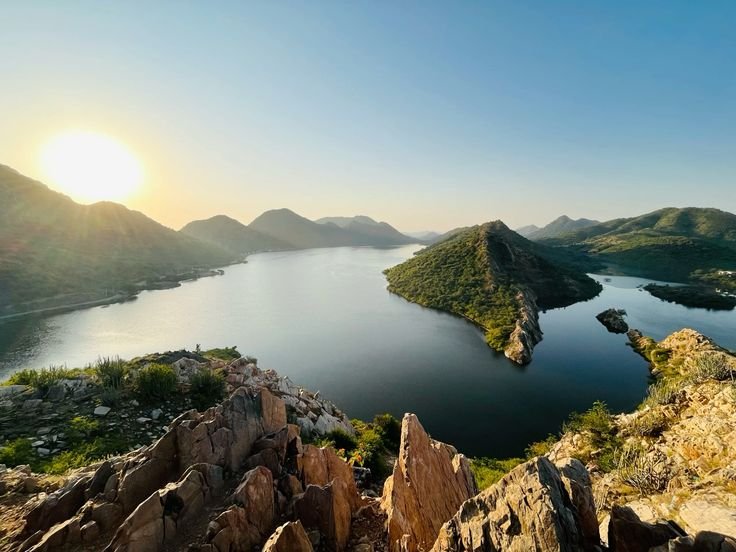
Built by Maharana Raj Singh I to counter famine, Badi Lake forms part of the upper catchment system, reflecting the rulers’ responsiveness to environmental challenges.
Purpose and Vision
The lakes were primarily built to tackle water scarcity in a semi-arid region with unpredictable rainfall. By harvesting monsoon waters and storing them across interconnected reservoirs, the rulers ensured drinking water, irrigation, and urban sustainability. This system stands today as an early model of climate-responsive planning.
Environmental and Cultural Significance
Udaipur’s lakes continue to recharge groundwater, support aquatic ecosystems, and regulate the city’s microclimate. They also serve as habitats for birds and wildlife, contributing to the region’s biodiversity.
At the same time, these lakes form the cultural and visual soul of Udaipur. The reflection of palaces, ghats, and temples on their shimmering waters creates an enchanting landscape that draws visitors from around the world. Boat rides on Lake Pichola, serene evenings at Fateh Sagar, and the tranquil charm of Badi Lake make them central to Udaipur’s tourism and local life.
In essence, Udaipur’s lakes are not merely water bodies but a living legacy of ingenuity, resilience, and harmony with nature. Centuries after their creation, they continue to sustain the city—quietly narrating a story of vision that turned scarcity into enduring abundance.