

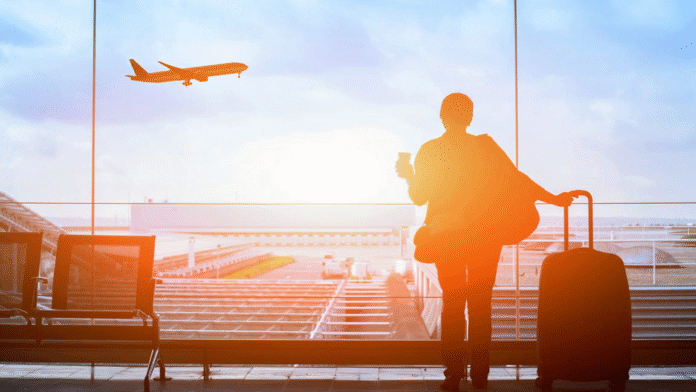
Data gathered by major hotel groups, travel companies and trend forecasters suggests that 2026 will be the year of quiet escapes, algorithm-shaped itineraries, ultra-personalised retreats and a return to slower, more intentional travel.
Across the industry, analysts have spent months studying behaviour patterns, booking data and cultural shifts to understand where travel is headed. From coolcations—a trend that began a few years ago and even became a Collins Dictionary word of the year—to flashpacking (upscale backpacking), travel forecasts often come with quirky portmanteaus, but they always reflect how we live now, or how we aspire to live.
After reviewing the most credible reports and predictions, here are the top trends set to shape travel in 2026.
1. Quiet Over Everything
The biggest trend of 2026 is the “quietcation”, also known as Hushpitality. This movement focuses on silence, comfort and escaping the relentless noise of digital life. With constant connectivity and a never-ending stream of real-time global events, travellers are increasingly seeking restorative silence.
Hector Hughes, co-founder of Unplugged—digital detox cabins in the UK—says burnout is now the main reason guests book stays. Global offerings are rising too: Visit Skåne’s Map of Quietude ranks Swedish locations by decibel levels, while Oregon’s Skycave Retreats offers three-day stays in total darkness.
2. Gen AI Over Admin
Generative AI will be deeply woven into travel planning in 2026. Research by Amadeus shows a surge in travellers using AI tools for trip ideation, booking and even translation. With platforms like Booking.com and Expedia integrating ChatGPT, itineraries can now be shaped algorithmically.
However, AI brings complications: sustainability experts warn that automated recommendations may fuel overtourism, and AI-driven scams are rising.
Cultural trends specialist Jasmine Bina notes that while AI changes how we plan, it doesn’t change why we travel—especially for healing and self-understanding.
3. Trust Over Choice
Decision fatigue is real, and travellers are increasingly opting for experiences where no decisions are needed. From the Faroe Islands’ self-navigating cars to mystery cruises and surprise itineraries in Argentina, curated escapes are becoming popular tools for reducing cognitive overload.
4. Roads Over Runways
According to Hilton research, road trips are set to surge in 2026. While some companies are elevating road travel into luxury experiences, most travellers are driven by cost—60% of Brits say they’ll drive to save money. Behaviour experts note the trend remains strongly influenced by American road-trip culture.
5. Ultra-Personalised Over One-Size-Fits-All
Hyper-individualised travel is rising across life stages: grief retreats, divorce tours, menopause-focused getaways and niche hobby trips. Bina says these curated experiences act as modern rites of passage—spaces for transformation in an era of constant digital scrolling.
6. Off-Grid Over Overcrowded
Travellers are rejecting over-filtered hotspots in favour of off-grid destinations like Toledo (Spain), Brandenburg (Germany) and even Iraq. In the UK, lesser-visited areas such as Wales, Northumberland and Somerset are gaining attention. Experiences now function as social currency, with authenticity becoming a new marker of status.
7. Culture Over Hedonism
Literary travel and film-inspired trips—boosted by “#BookTok” and “set-jetting”—will continue to grow. Hotels are embracing themed stays, reading retreats and curated libraries. Cornwall (new Harry Potter series), the Yorkshire Moors (Wuthering Heights film) and Greece (Christopher Nolan’s Odyssey) are expected to be major draws.
Bina says literary travel acts as modern catharsis: a way to enter fictional worlds more deeply during times of rapid change.