

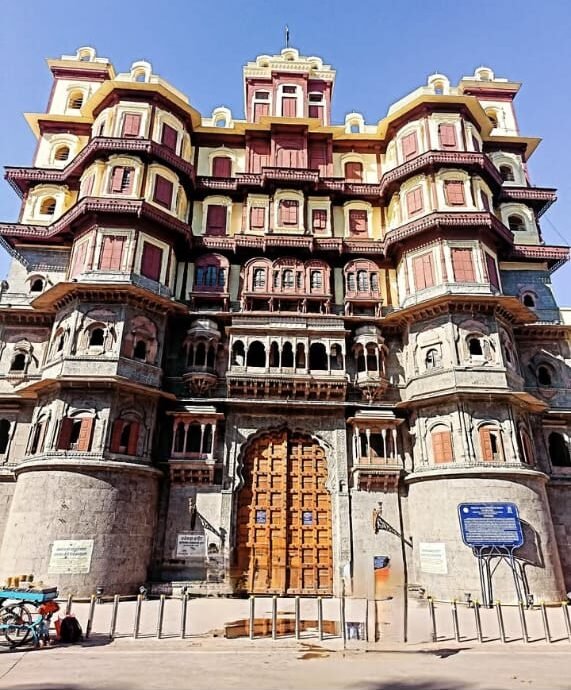
Nestled in the heart of Indore, India’s cleanest city and Madhya Pradesh’s economic powerhouse, stands the regal Rajwada Palace—a timeless emblem of the city’s royal heritage and architectural grandeur. Often dubbed the education hub of Central India, Indore pulses with modernity, yet Rajwada anchors it to its glorious past. This wooden marvel, bathed in history, whispers tales of the Holkar dynasty. Let’s unravel the captivating story of Rajwada, its architectural splendor, current state, and enduring significance.
The Historical Saga
Built in 1747 by the Holkar dynasty’s founder, Malhar Rao Holkar, Rajwada served as the administrative and residential seat of the Holkars, who ruled Indore until India’s independence. This seven-story palace, strategically located in the bustling old city, symbolized the Holkars’ might and vision. Over centuries, it endured invasions, fires, and time’s relentless march, yet its spirit remains unbroken. Reconstructed after a devastating fire in 1984, Rajwada stands as a testament to Indore’s resilience and reverence for its heritage.
Architectural Brilliance
Rajwada’s architecture is a mesmerizing blend of Maratha, Mughal, and French influences, reflecting the Holkars’ cosmopolitan tastes. The façade, crafted primarily from wood and stone, exudes rustic elegance with its intricately carved arches and jharokhas (overhanging balconies). The lower two floors, built with stone, feature robust pillars and wide courtyards, while the upper floors, made of wood, showcase delicate latticework. The entrance gate, adorned with geometric patterns and floral motifs, leads to a sprawling courtyard, once a stage for royal gatherings.
The palace’s design prioritizes functionality and aesthetics. Its seven stories include a grand durbar hall, private chambers, and a temple dedicated to Goddess Ahilya Bai, the revered Holkar queen. The use of wood lends warmth, while stone ensures durability. Mughal-inspired domes and arches mingle with Maratha simplicity, creating a harmonious balance. The French influence is evident in the ornate chandeliers and decorative elements in the interiors, remnants of which still captivate visitors.
Rajwada Today
Today, Rajwada stands partially restored, with the ground floor housing a museum showcasing Holkar artifacts—royal relics, coins, and paintings that narrate Indore’s regal past. The upper floors, however, bear scars of time and neglect, with some areas restricted due to structural concerns. The 1984 fire destroyed much of the original woodwork, but restoration efforts have revived its charm, though maintenance remains a challenge. The surrounding market, buzzing with shops and street food, keeps Rajwada’s courtyard alive with Indore’s vibrant energy.
Cultural and Historical Importance
Rajwada is more than a monument; it’s Indore’s soul. It embodies the Holkars’ legacy, particularly Ahilya Bai’s contributions to governance and culture. As a tourist magnet, it draws history buffs, architecture enthusiasts, and locals celebrating festivals like Ganesh Chaturthi, hosted in its temple. Rajwada’s silhouette against Indore’s skyline bridges the city’s past with its modern ambitions, reminding residents of their roots amid rapid urbanization.