

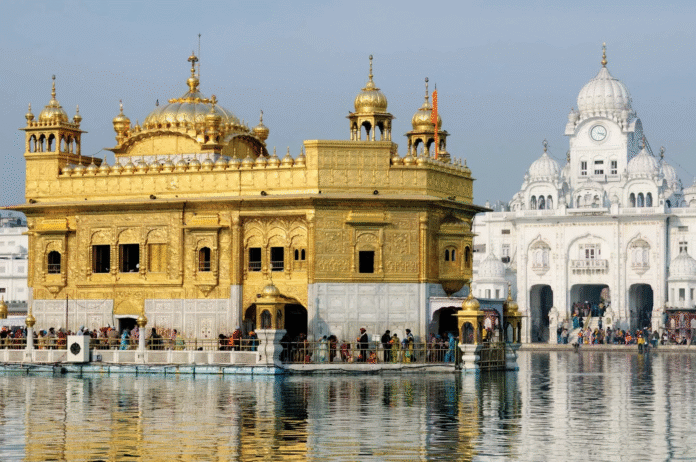
Punjab: In a significant cultural decision, the Punjab government has officially declared Amritsar, Sri Anandpur Sahib and Talwandi Sabo (Sri Damdama Sahib) as holy cities. With this notification, the sale and consumption of meat, liquor, tobacco and other intoxicants have been banned within the designated municipal limits of these towns. The move aims to protect the spiritual atmosphere of Punjab’s most revered Sikh centres and align civic life with religious values deeply rooted in these locations.
What exactly has been banned and who will enforce it
The notification, issued by the state’s Home Affairs Department and approved by the Punjab Governor, places responsibility on departments such as Excise, Health, Animal Husbandry and local municipal bodies to enforce the restrictions. District administrations and police authorities have been directed to ensure strict compliance, marking one of the most comprehensive faith-based regulatory moves taken by the state in recent years.
Why the decision was taken now
The declaration follows a historic resolution passed unanimously by the Punjab Vidhan Sabha during a special session held at Anandpur Sahib. The session marked the 350th martyrdom anniversary of Guru Tegh Bahadur and was itself symbolic, it was the first time the state assembly met outside Chandigarh. The timing reflects an effort to honour Sikh heritage through formal policy rather than symbolic gestures alone.
Amritsar: The spiritual heart of Sikhism
Amritsar holds unmatched significance as the home of the Golden Temple and the Akal Takht Sahib, one of the five Takhts or seats of authority in Sikhism. Millions of devotees visit the city every year, and the ban is intended to preserve the sanctity of the Golden Temple precincts, which have long been considered spiritually distinct from surrounding urban spaces.
Anandpur Sahib: Where the Khalsa was born
Anandpur Sahib is revered as the birthplace of the Khalsa, founded by Guru Gobind Singh in 1699. It is also home to Takht Sri Keshgarh Sahib, another of Sikhism’s five Takhts. Declaring the town a holy city acknowledges its role in shaping Sikh identity, courage and collective consciousness.
Talwandi Sabo: The seat of sacred scripture
Talwandi Sabo, also known as Sri Damdama Sahib, is where Guru Gobind Singh finalised the compilation of Sikh scriptures. Recognised as the “Guru Ki Kashi,”the town has long been a centre of learning and spiritual reflection, making its inclusion in the holy city list both historically and religiously significant.
What this means for the future of these cities
Beyond restrictions, the government has indicated plans to enhance cleanliness, infrastructure and religious tourism in these cities. While supporters view the move as a necessary step to preserve sanctity and heritage, others may debate its social and economic impact. Regardless, the declaration marks a rare moment where governance and faith intersect in a deeply symbolic way for Punjab.