

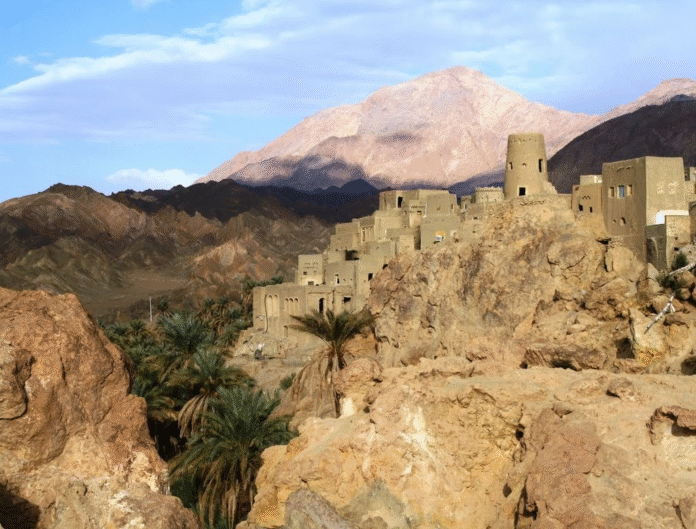
A little known village in north-western Iran has caught global attention after industrialist Harsh Goenka shared visuals and details of its extraordinary way of life. The village of Kandovan, located in East Azerbaijan province near Tabriz, is over 700 years old and is famous for its homes carved directly into volcanic rock. What makes it truly remarkable is that these structures are not historical ruins but fully functional homes where families continue to live even today.
How people carved homes inside volcanic rock
Kandovan’s houses are built inside cone shaped formations formed from volcanic ash and lava after ancient eruptions of Mount Sahand. Over centuries, villagers carved into the hardened rock using basic tools, slowly shaping rooms, stairways and windows. Many of these homes rise across multiple levels within a single rock cone, making them naturally sturdy and long lasting.
Why this village has been continuously inhabited for centuries
Historians believe Kandovan became a permanent settlement around the 14thcentury when people sought shelter from invasions and harsh weather conditions. Living inside rock offered safety and insulation, allowing families to survive extreme winters and hot summers. The village name itself is believed to come from a Persian word meaning beehive, inspired by the clustered shape of the homes.
How volcanic homes regulate temperature naturally
One of the most striking features of Kandovan is how comfortable the homes remain throughout the year. The thick volcanic stone walls act as natural insulation, keeping interiors warm during freezing winters and cool during summer months. Long before modern heating or air conditioning existed, residents had already adapted to climate challenges through smart architectural choices.
What daily life looks like in the village today
Despite its ancient origins, Kandovan functions as a living village with schools, small shops, farms, mosques and local markets. Residents continue traditional occupations such as farming, animal rearing and honey production while welcoming visitors curious about their way of life. Electricity and basic modern facilities coexist with centuries old architecture.
Why Kandovan is rare even by global standards
Rock cut settlements exist in different parts of the world, including Turkey’s Cappadocia, but Kandovan is among the few places where people still live full time inside volcanic rock homes. Its uninterrupted habitation sets it apart from sites that have turned into tourist attractions or museums.
What this village teaches the modern world
In an age dominated by concrete buildings and rapid urbanisation, Kandovan stands as a reminder of human adaptability and sustainable living. It shows how communities once worked with nature rather than against it, creating homes that were efficient, resilient and deeply connected to the landscape.