

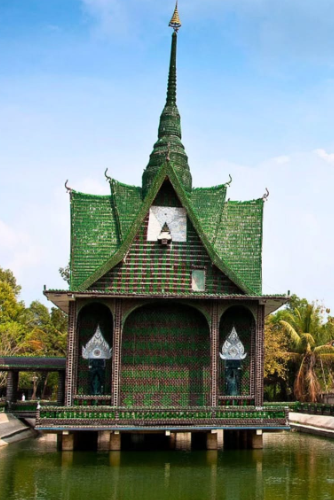
Across continents, temples dazzle with their unique architecture and sacred aura. From the intricately sculpted Khajuraho in India to the tranquil, golden elegance of Japan’s Kinkaku-ji, each sanctuary offers a window into spiritual artistry. But tucked away 500 kilometers from Bangkok, Thailand, stands a temple that reimagines spiritual spaces through sustainable creativity—Wat Pa Maha Chedi Kaew, affectionately known as Wat Lan Kuad or the “Temple of a Million Bottles.”
From Litter to Landmark: The Birth of an Eco-Wonder
In 1984, the monks of this modest Buddhist temple were stirred by the growing waste around their community. Green Heineken and brown Chang bottles littered the landscape, disrupting its serenity. Instead of ignoring the problem, the monks proposed a solution that transformed refuse into reverence.
Building with Bottles: An Architectural Revolution
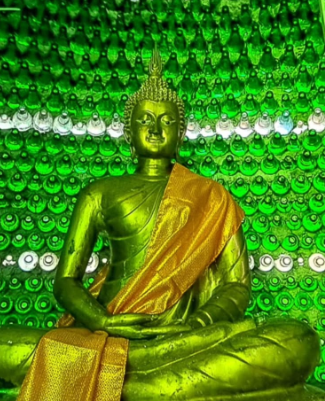
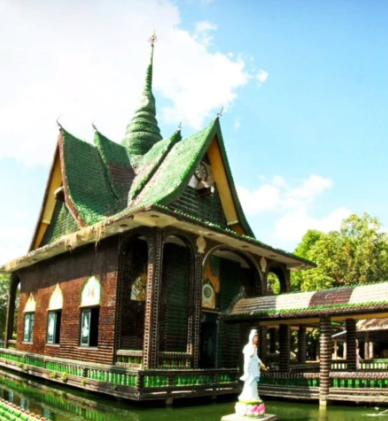
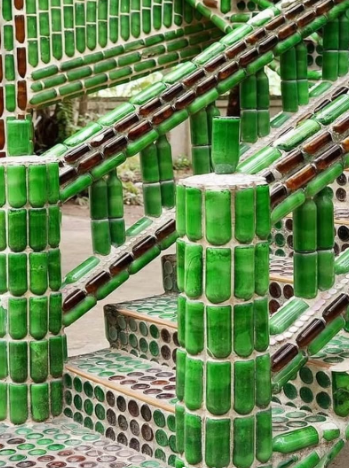
With determination and support from locals, the monks amassed over 1.5 million bottles. These recycled treasures were woven into a dazzling temple complex featuring prayer halls, monks’ quarters, a crematorium, and even a water tower. Walls gleamed with embedded glass, and Buddha mosaics crafted from bottle caps adorned sacred spaces.
A Beacon of Sustainability and Spirituality
Wat Lan Kuad stands tall not just as a place of worship but as a symbol of eco-innovation. Bottles still pour in from all corners of Thailand, growing the temple’s footprint and reinforcing its message of mindful construction.
Tourist Magnet and Environmental Icon
Visitors from around the globe marvel at its shimmering walls and the ingenuity behind them. The temple is now one of Thailand’s most visited landmarks, helping boost local tourism while promoting environmental consciousness.
A Sacred Jewel with a Green Soul
Among Thailand’s majestic temples, Wat Lan Kuad shines uniquely—an embodiment of how creativity, faith, and care for the planet can harmonize into something truly divine