

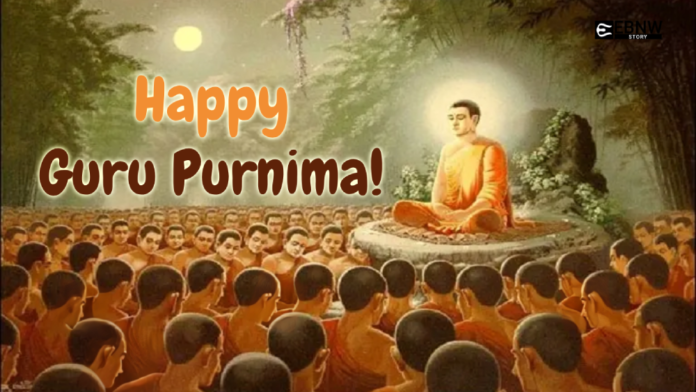
Guru Purnima is a deeply revered festival in India, observed primarily in Hinduism, but also celebrated in Buddhism and Jainism. It honors the role of Gurus — teachers, mentors, and spiritual guides — who lead their disciples from ignorance to knowledge. The festival is celebrated on the full moon day (Purnima) in the Hindu month of Ashadha (June–July), and holds profound spiritual, historical, and cultural significance.
Rooted in ancient Vedic traditions, Guru Purnima celebrates the sacred Guru–Shishya (teacher–disciple) relationship, recognized as a cornerstone of intellectual and spiritual evolution in Indian philosophy.
Historical and Spiritual Significance
Hinduism
In the Hindu tradition, Guru Purnima is celebrated in honor of Maharishi Ved Vyasa, one of the greatest sages in Indian history. He is credited with compiling the four Vedas, writing the Mahabharata, and composing the Puranas. It is believed that Vyasa was born on this auspicious day, which is also known as Vyasa Purnima. Temples, spiritual institutions, and ashrams across India commemorate his contributions, and disciples pay respects to their spiritual Gurus.
Buddhism
For Buddhists, Guru Purnima marks the day when Lord Buddha delivered his first sermon after attaining enlightenment. This sermon — the Dhammacakkappavattana Sutta — was given at Sarnath and laid the foundation of the Buddhist Sangha (monastic community). It represents the moment the Buddha became a teacher to his first five disciples, thus beginning the transmission of the Dharma (spiritual teachings).
Jainism
In Jainism, Guru Purnima is celebrated to commemorate the day when Lord Mahavira, the 24th Tirthankara, gained his first disciple, Gautam Swami. This marked the start of his role as a teacher and the formal spread of Jain teachings. It is a moment of spiritual importance, emphasizing the Guru’s role in guiding others on the path of liberation.
General Significance
At its core, Guru Purnima is a day of gratitude, when disciples express reverence to those who have enlightened their lives — be they spiritual gurus, academic teachers, or life mentors. It reminds us of the transformative power of knowledge and the individuals who impart it selflessly.
Practices and Rituals
- Worship and Offerings: Devotees perform puja (worship) for their Gurus or visit spiritual centers and ashrams. Offerings of flowers, fruits, sweets, and symbolic gifts are made to honor and thank their teachers.
- Gurudakshina: This traditional offering, often made as a gesture of respect, may include gifts or services. In ancient times, disciples would offer firewood, symbolic of readiness to serve and learn.
- Spiritual Observance: Many followers engage in meditation, scriptural reading, chanting, and other spiritual practices to deepen their connection with their Guru and the divine.
- Community Events: Spiritual discourses, satsangs, bhajans, and group meditations are organized in temples, gurukuls, and ashrams. In educational institutions, students often honor their academic mentors through ceremonies and messages of appreciation.
Conclusion
Guru Purnima is more than just a ritualistic festival — it is a reminder of humility, reverence, and the eternal value of guidance in human life. Whether in the classroom, in spiritual practice, or through life’s experiences, a Guru can take many forms. This sacred day invites us to pause, reflect, and express our heartfelt gratitude to those who light our path.