

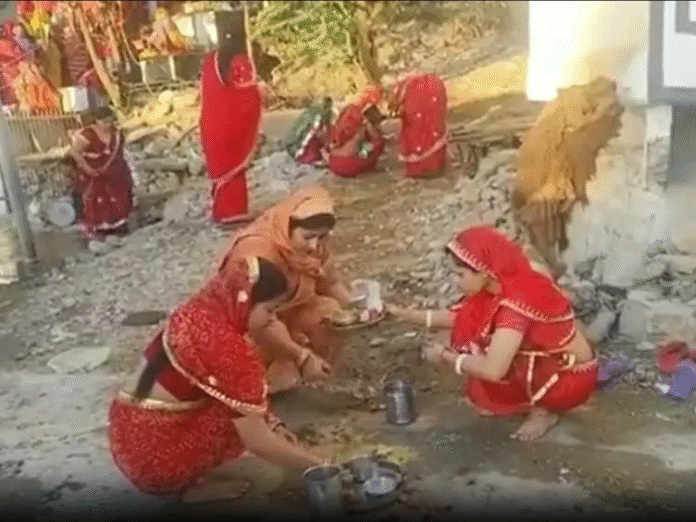
In many parts of North and Western India, especially in Rajasthan, devotees observe Sheetala Saptami or Sheetala Ashtami, a traditional festival dedicated to Goddess Sheetala, the deity believed to protect people from diseases and epidemics. The festival is usually celebrated 7 to 8 days after Holi during the Hindu month of Chaitra.
The word “Sheetala” means cool or calm, symbolizing healing and protection. Historically, the goddess has been worshipped as the protector from diseases such as smallpox, measles, and other infections. The festival therefore carries a strong message of health, cleanliness, and well-being within communities.
Mythological Beliefs and Stories
According to traditional beliefs and folklore, Goddess Sheetala travels from house to house on this day blessing families that maintain cleanliness and devotion. It is believed that the goddess prefers a calm and cool environment, which is why the kitchen fire is not lit on the festival day.
Several folk stories associated with the festival highlight the importance of hygiene and respect for the goddess. It is said that families who observe the rituals properly receive protection from illness and misfortune, while those who neglect the traditions risk inviting the goddess’s displeasure.
Unique Ritual of ‘Basoda’ or Pre-Cooked Food
One of the most distinctive customs of the festival is that no fresh food is prepared on the day of Sheetala Saptami or Ashtami. Instead, families cook all the meals the previous day, a practice popularly known as Basoda or Basioda.
On the morning of the festival, devotees offer these pre-prepared dishes to the goddess as bhog and then consume them with family members. The ritual symbolizes allowing the hearth to rest and maintaining a “cool” kitchen, in accordance with the goddess’s association with calmness and healing.
Temple Visits and Community Celebrations
Devotees wake up early in the morning, bathe, and visit temples dedicated to Sheetala Mata to offer prayers, flowers, and food. In several towns and villages of Rajasthan, special gatherings and small fairs are also organized near temples where families come together to celebrate the occasion.
Traditional Foods Prepared for the Festival
Food is an essential part of the celebration. A variety of dishes are prepared a day earlier and offered to the goddess. Popular items include puri, aloo ki sabzi, pachkuta, kairi ki lonji, dahi bada, sweet preparations, and snacks.
One of the most commonly consumed dishes in Rajasthan on this day is dahi-chawal, locally known as “Oliya”, which is considered cooling and simple, perfectly reflecting the essence of the festival.
Regions Where It Is Celebrated
While the festival is especially prominent in Rajasthan, it is also widely observed in Gujarat, Madhya Pradesh, Uttar Pradesh, and Haryana. The rituals and food traditions may vary slightly from region to region, but the central belief of worshipping Goddess Sheetala for protection and well-being remains the same.
A Tradition Rooted in Faith and Cultural Wisdom
Sheetala Saptami–Ashtami beautifully reflects the blend of faith, seasonal wisdom, and community traditions in Indian culture. By honouring Goddess Sheetala and sharing food prepared with devotion, families celebrate a ritual that has been passed down for generations, one that emphasizes hygiene, harmony, and gratitude for health and protection.