

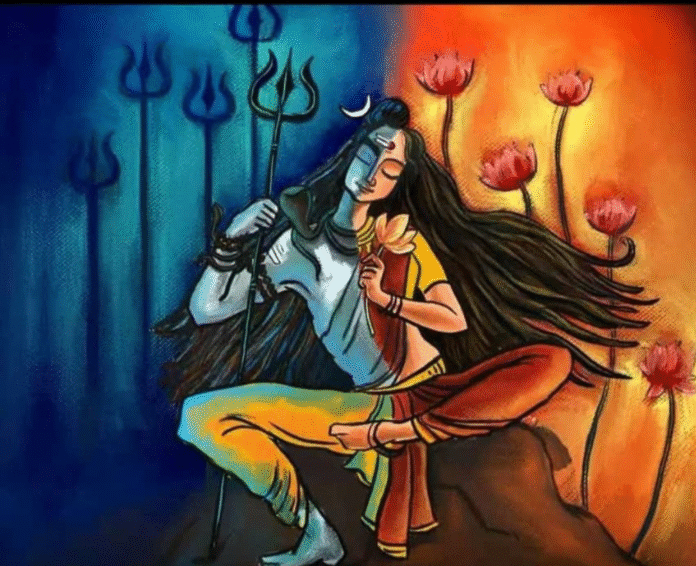
Maha Shivratri, a revered Hindu festival, commemorates the divine union of Lord Shiva and Goddess Parvati. Observed on the 14th night of the dark fortnight in Phalguna (February-March), this auspicious occasion celebrates the cosmic dance of creation and destruction.
The Legend of Lord Shiva
Lord Shiva, the destroyer of evil, is a pivotal deity in the Hindu trinity. His iconic third eye, crescent moon, and serpent adornments symbolize wisdom, tranquility, and power. Shiva’s marriage to Parvati on this sacred night is a testament to the union of cosmic energies.
Why Maha Shivratri is Celebrated
Maha Shivratri is celebrated to honor Shiva’s cosmic dance, seek spiritual enlightenment, and overcome darkness. Devotees fast, meditate, and chant prayers to attain spiritual growth and liberation.
Shiva’s Ornaments
- Third Eye: Symbolizes wisdom and insight
- Crescent Moon: Represents tranquility and control over time
- Serpent: Signifies power and renewal
The Poison Episode
During the churning of the ocean (Samudra Manthan), Shiva consumed the poison Halahala to save the universe, demonstrating his role as a protector.
History Behind Shivratri
Shivratri marks the night Shiva performed the cosmic dance (Tandava) and is also associated with the marriage of Shiva and Parvati. It symbolizes the union of masculine and feminine energies, and the triumph of light over darkness.
Mantra of Maha Shivratri
ॐ नमः शिवाय (Om Namah Shivaya) – “I bow to Shiva, the auspicious one”
- Significance: Chanting this mantra invokes Shiva’s blessings, purifies the mind, and brings spiritual growth.
- Fasting and Vigil: Devotees observe fasts and stay awake, engaging in prayers and meditation.
- Shiva Lingam Worship: The Shiva Lingam is worshipped with offerings of milk, water, and bilva leaves.
This Maha Shivratri, may the divine energies of Lord Shiva guide us towards spiritual awakening and inner peace.

(The writer of this article is Ridhima Nathwat)