

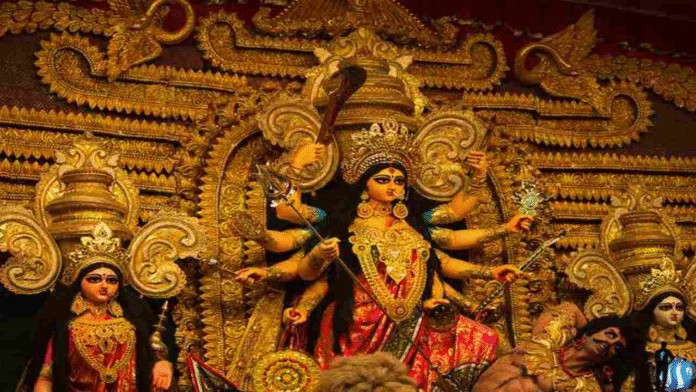
(PC:newsd.in)
What Are Sora Paintings?
Sora (or Saura) paintings are a tribal art form from the Saura tribe of Odisha, known for their ritualistic and symbolic storytelling. These paintings are traditionally created on walls using natural dyes and are deeply spiritual, often linked to ancestor worship and nature deities.
Key Features:
- Geometric motifs: Circles, triangles, and squares dominate the visual language.
- Stick-like human figures: Often shown dancing, hunting, or in ritual poses.
- Symbolic storytelling: Each element represents a myth, prayer, or offering.
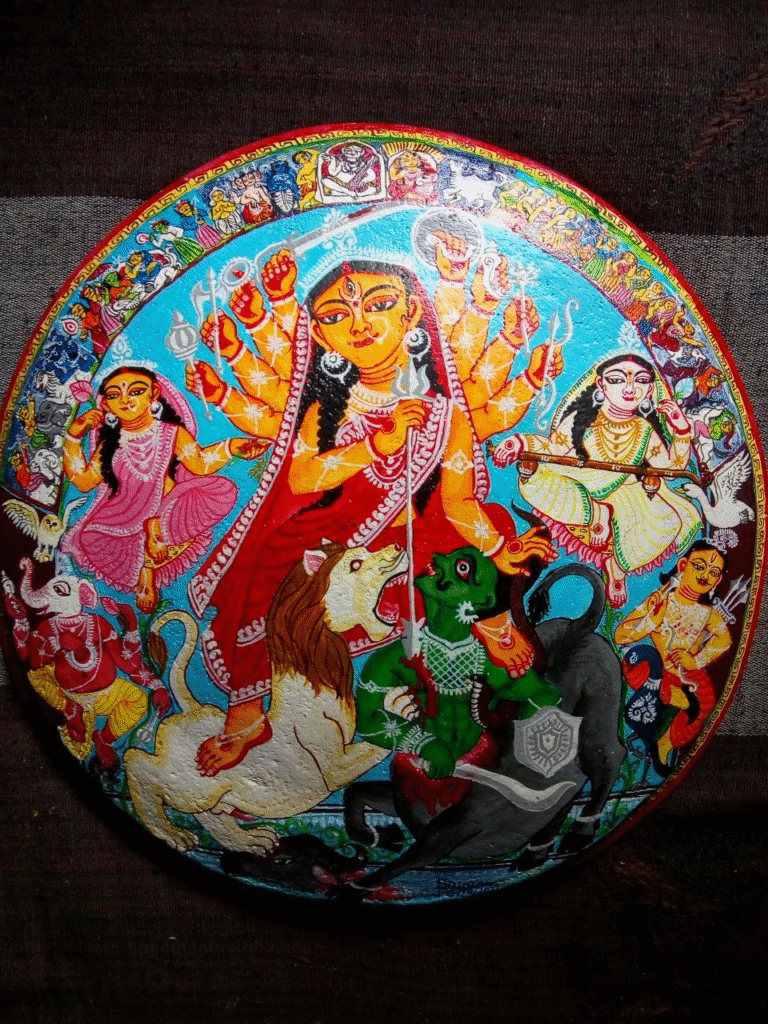
(PC:pintrest.com)
Origin & Spiritual Significance
Sora art isn’t just decorative—it’s sacred. The Saura people believe these paintings invite blessings from their deities and ancestors. They’re often created during festivals, births, marriages, and harvests.
- Origin: Rooted in the ritualistic traditions of the Saura tribe, dating back centuries.
- Medium: Originally painted on mud walls using rice paste, turmeric, and natural pigments.
- Purpose: To communicate with the divine, mark auspicious occasions, and preserve oral history.
Connection to Durga Puja
While Sora paintings aren’t traditionally part of mainstream Durga Puja rituals like the ones in Bengal, they’ve found a powerful place in contemporary celebrations—especially in Odisha and among artists who blend tribal and devotional art.
Why They Matter:
- Visual storytelling: Sora art’s symbolic style beautifully complements the myth of Durga slaying Mahishasura, representing cosmic balance and divine intervention.
- Cultural fusion: Modern Durga Puja pandals and art installations often incorporate Sora motifs to celebrate indigenous heritage.
- Empowerment narrative: Just like Durga, Sora art celebrates strength, protection, and the sacred feminine—making it a poetic fit.