

The festival of Dasha Mata holds deep cultural and religious significance in many parts of western and central India, especially in Rajasthan. Celebrated during the Hindu month of Chaitra, the festival usually begins on the tenth day (Dashami) of the Krishna Paksha and continues for ten days. It is primarily observed by married women who pray for the well-being, prosperity, and long life of their husbands and families.
Dasha Mata is worshipped as a protective mother goddess who safeguards households from misfortune and adversity. The rituals of the festival reflect devotion, discipline, and the belief that sincere prayers bring harmony and stability to family life.
The Story Behind Dasha Mata
According to traditional folklore, the festival is linked to a story of a devoted woman who worshipped Dasha Mata with great faith. It is believed that her devotion helped remove the negative effects of the “ten forms of misfortune” or difficulties that may affect a household.
Another popular belief connects the worship of Dasha Mata with maintaining balance and protection from planetary influences and hardships. Through prayer, fasting, and ritual observances, devotees seek the blessings of the goddess for prosperity and protection.
Rituals and Worship Practices
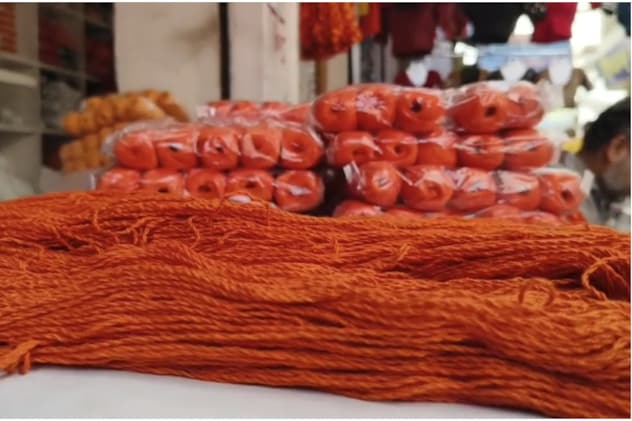
The observance of the festival typically lasts ten days, during which women perform daily rituals. A sacred thread with ten knots, known as the Dasha Mata thread, is an important part of the worship. This thread symbolizes protection from ten kinds of troubles and is either worn by the devotee or tied near the place of worship.
Women create a small shrine on a wall or near a sacred spot in the house, often drawing or installing an image of Dasha Mata. Offerings of flowers, incense, water, and traditional food are made while devotional songs and stories related to the goddess are recited.
Food and Fasting Traditions
Many women observe fasts or partial fasts during the ten days of worship. Simple and traditional foods are prepared and offered to the goddess. In several communities, devotees consume satvik meals and avoid certain foods during the observance period.
The final day of the festival is often marked by special offerings and the distribution of prasad among family members and neighbours.
Regions Where the Festival is Celebrated
The Dasha Mata festival is mainly celebrated in Rajasthan, Madhya Pradesh, Gujarat, and some parts of Uttar Pradesh. In Rajasthan in particular, the festival forms an important part of local traditions and community life, with women gathering together to perform prayers and rituals.
A Celebration of Faith and Family Bonds
Beyond its religious rituals, the festival of Dasha Mata reflects the importance of devotion, patience, and family unity in Indian culture. Through ten days of worship and prayer, devotees express gratitude and seek the blessings of the goddess for peace, prosperity, and protection for their loved ones.