

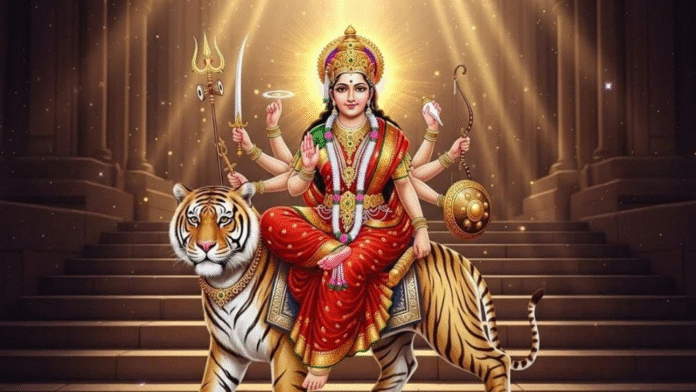
Chaitra Navratri is a nine-day Hindu festival observed in the lunar month of Chaitra (March–April). It is one of the two major Navratris celebrated in India, the other being Sharad Navratri in autumn.
Chaitra Navratri holds special importance as it coincides with the beginning of the Hindu New Year in many regions, including Rajasthan, Gujarat, and Maharashtra.
Traditionally, this festival is dedicated to Durga in her nine forms, known as Navdurga, but it is also the period when many families worship their Kuldevis—ancestral goddesses associated with specific clans or communities.
Why it Begins in the Month of Chaitra
The month of Chaitra marks the onset of spring in India, a season when nature itself is renewing. Trees blossom, crops are sown, and the weather shifts from the cold of winter to warmer, longer days. From a scientific perspective, spring is a period of rejuvenation, increased sunlight, and higher energy levels—conditions ideal for starting new ventures or embracing fresh beginnings. Hindu culture aligns its New Year with this natural cycle, recognizing that the human body and mind respond positively to longer days, brighter sunlight, and fresh air. Thus, beginning the year with Chaitra Navratri combines spiritual intention with natural rhythms, making it a holistic start to life’s new phases.
Connection with Navdurga and Kuldevi Worship
During Chaitra Navratri, nine forms of Goddess Durga—from Shailputri to Siddhidatri—are worshipped, each symbolizing aspects such as courage, wisdom, compassion, and protection. These nine days guide devotees through a spiritual journey, cultivating inner strength and discipline.
Additionally, many Hindus use this period to honor their Kuldevis, family or clan goddesses who safeguard their households and lineage. The synchronization of Navdurga worship and Kuldevi veneration reflects the integration of community, family, and spiritual practices, reinforcing social and emotional bonds.
Importance of Fasting and Spiritual Purification
Fasting during Navratri is a form of physical and mental detoxification. By abstaining from grains, non-vegetarian foods, and heavy meals, the digestive system gets a break, and the body metabolizes more efficiently. From a psychological perspective, fasting cultivates self-discipline, mindfulness, and patience, while helping devotees focus on prayer, meditation, and positive thinking. This combination of physical, mental, and spiritual purification creates an ideal state for starting the New Year with clarity and vitality.
Rituals Followed During the Nine Days
Chaitra Navratri rituals are structured yet symbolic.
Key practices include:
- Kalash or Ghat Sthapana: Installing a sacred pot filled with water, symbolizing life and prosperity
- Daily prayers and aarti: Focusing the mind on divine energy
- Bhog offerings: Fresh fruits, milk, and special fasting foods like sabudana khichdi or kuttu puris
- Decorations and lighting: Homes and temples are adorned with flowers, rangoli, and lamps, creating a spiritually uplifting environment.
These rituals are more than religious customs—they are aligned with the human circadian rhythm, seasonal cycles, and community wellness, promoting mental, physical, and social balance.
Chaitra Navratri is a perfect example of how ancient Hindu practices blend spirituality, nature, and science. By honoring Goddess Durga, observing fasts, performing rituals, and venerating Kuldevis, devotees not only celebrate their cultural heritage but also optimize their physical health, mental clarity, and social harmony. It is a festival of renewal, purification, and hope, making it an auspicious way to start the New Year.