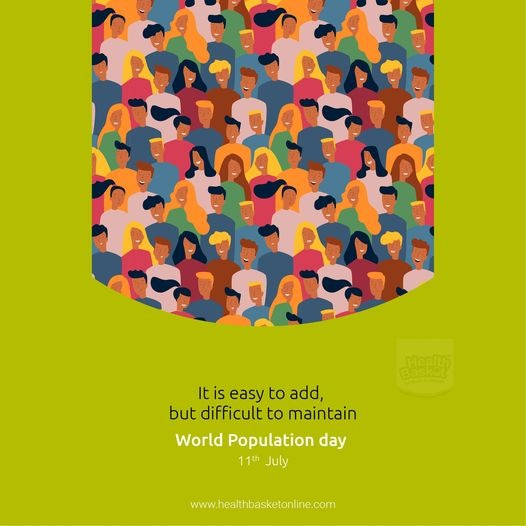
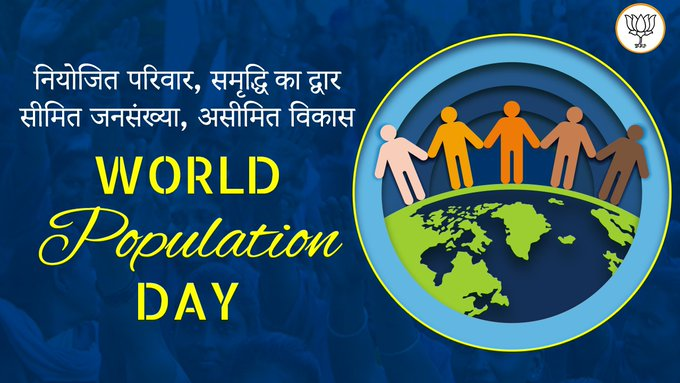
World Population Day is observed every year on 11 July to raise awareness about global population issues and their impact on development and sustainability. In 2025, the world’s population is projected to exceed 8.23 billion, making the day more relevant than ever.
History
World Population Day was established by the United Nations in 1989, inspired by the milestone of Five Billion Day, when the global population reached five billion on 11 July 1987. The idea was first proposed by Dr. K.C. Zachariah, a senior demographer at the World Bank, who suggested the need for a dedicated day to focus on the urgency and importance of population issues.
Significance
The aim of World Population Day is to draw attention to critical population-related challenges such as overpopulation, reproductive health, gender equality, family planning, and sustainable development. Over the years, the focus of this observance has expanded beyond population growth to include maternal and child health, youth empowerment, and reproductive rights.
The day serves as a global platform to advocate for policies that ensure every individual can make informed choices about their reproductive health and future. It also highlights the need for investments in education, healthcare, and equal opportunities—particularly for young people and women.
Theme for 2025
The theme for World Population Day 2025 is:
“Empowering young people to create the families they want in a just and hopeful world.”
This underscores the need to support youth in making informed reproductive choices and building a future rooted in equity, dignity, and opportunity.
POSTERS