Home Blog Page 99

Gulmarg Gets World’s Highest Revolving Restaurant At 14,000 Feet Which Offers Dining Above Clouds

0

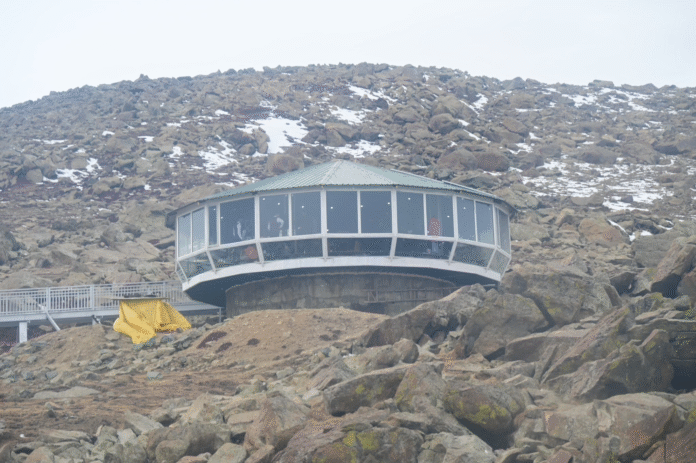
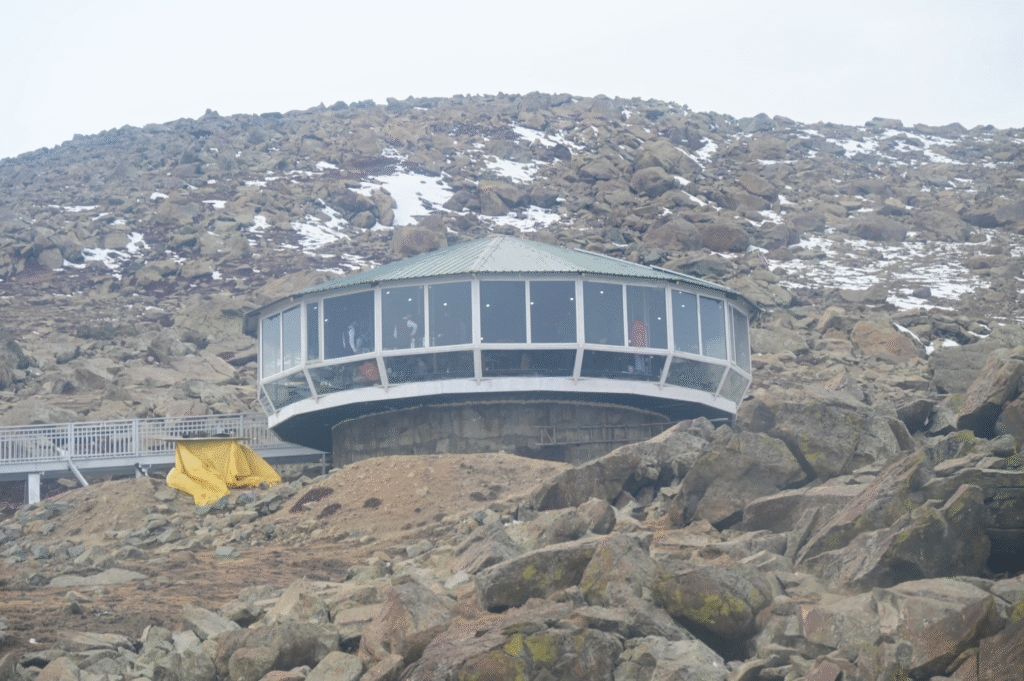
Gulmarg in Jammu and Kashmir has taken its winter tourism appeal to new heights by unveiling the world’s highest revolving restaurant at nearly 14,000 feet above sea level on Apharwat Peak. The new attraction, inaugurated on December 13, 2025 by Chief Minister Omar Abdullah, gives visitors a chance to enjoy panoramic 360 degree views of the snow clad Himalayas while dining in a uniquely warm and cosy setting above the clouds. This development boosts the hill station’s reputation as a premium destination for both luxury travel and winter sports. 
Gulmarg Gets World's Highest Revolving Restaurant At 14,000 Feet Which Offers Dining Above Clouds

What makes this dining experience unique

Unlike most mountain cafes, the restaurant slowly rotates throughout the meal, letting guests take in uninterrupted vistas of towering peaks and sweeping valleys without leaving their seats. The menu highlights local Kashmiri flavours such as aromatic Kahwa and piping hot regional delicacies, making the experience as much about taste as it is about scenery. The space also doubles as a revolving conference and meeting hall, adding a versatile element to the landmark structure. 

How this fits into Gulmarg’s bigger tourism push

The revolving restaurant is part of a larger infrastructure upgrade aimed at positioning Gulmarg as an international winter tourism hub. Alongside it, authorities inaugurated Asia’s longest ski drag lift at Kongdori, stretching over 726 metres and designed to improve slope accessibility for skiers and adventurers. These additions align with efforts to elevate the region’s facilities To global standards and attract both domestic and foreign travellers. 

Why this matters for tourism and local economy

Officials say these projects are strategic investments that create year round tourism potential, generate jobs for local youth and strengthen Gulmarg’s standing on the global winter sports map. The combination of scenic attractions, modern infrastructure and unique experiences like high altitude dining is expected to draw more visitors even amid broader challenges facing Kashmir’s tourism industry. 

Gulmarg already holds several notable records, including the world’s highest gondola, Asia’s longest ropeway and the world’s largest igloo cafe. The addition of the highest revolving restaurant adds another extraordinary element to the destination’s growing list of global firsts, making it a must visit for travellers seeking both adventure and memorable experiences high in the Himalayas. 
Lt Gen Sagat Singh: The General Who Redefined Indian Battlefield Leadership in Many Battles and Made a Mark in Goa Liberation Day…

0

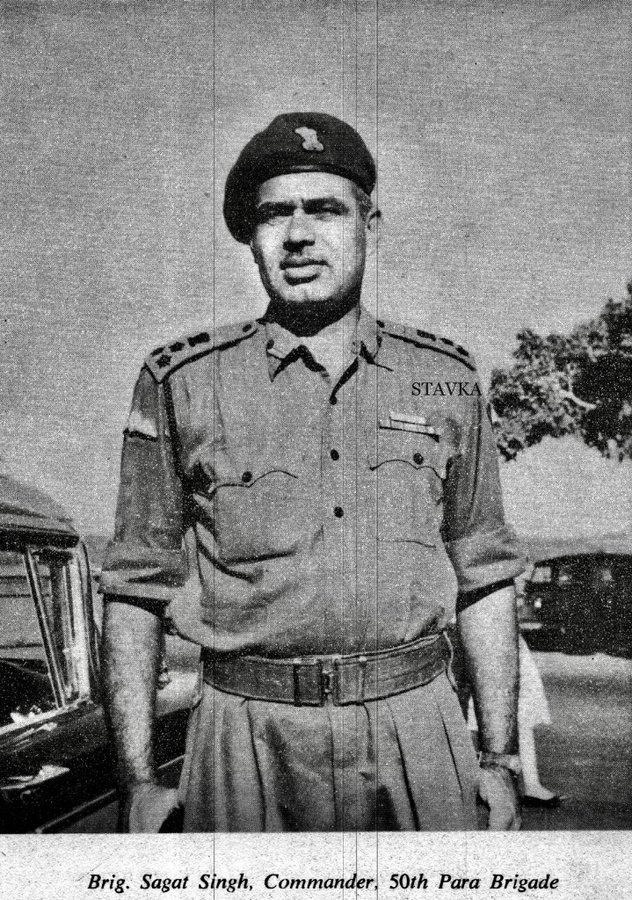
Lt Gen Sagat Singh occupies a unique place in India’s military history—not merely as a victorious commander, but as a leader who consistently altered the course of campaigns through audacity, speed and an instinctive understanding of terrain and timing. From the liberation of Goa in 1961 to the creation of Bangladesh in 1971, Sagat Singh’s career offers a study in unconventional leadership, operational clarity and strategic courage.

A Soldier Shaped Outside the Mainstream

Born in Churu, Rajasthan, Sagat Singh did not emerge from the traditional British Indian Army officer pipeline. He began his career in the Bikaner State Forces as a Jamedar in 1938, a background that gave him a practical, field-oriented outlook rather than a doctrinaire one. His World War II experience further hardened his understanding of real combat—where improvisation matters more than manuals.

This outsider trajectory shaped his leadership style. Sagat Singh valued results over hierarchy, speed over hesitation, and battlefield reality over theoretical caution.

Goa 1961: Speed as Strategy

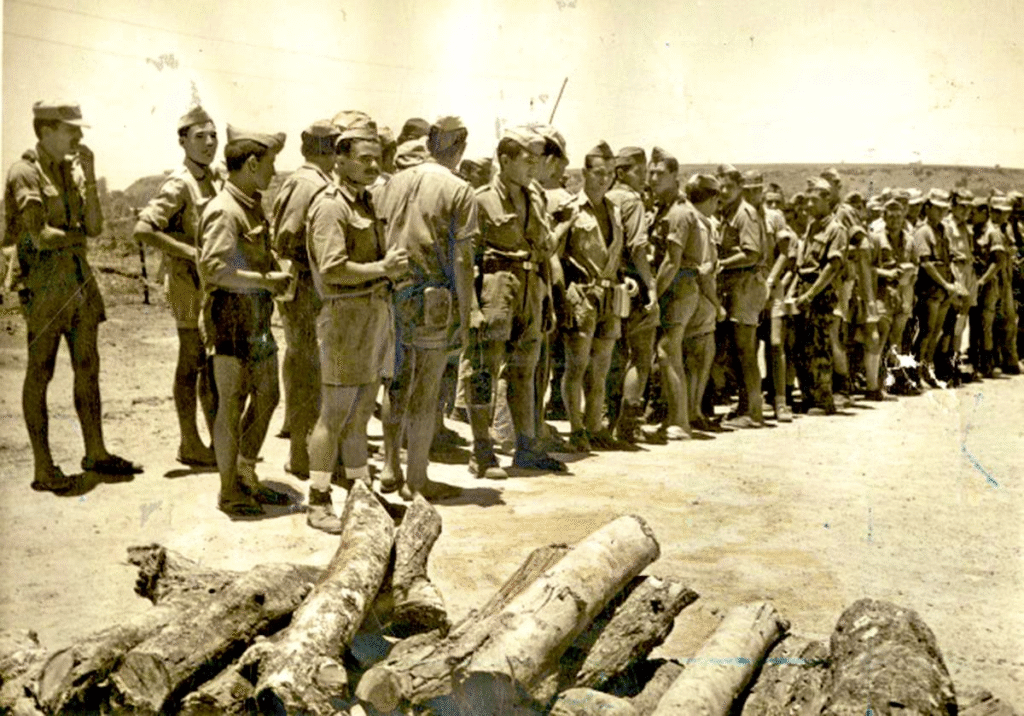
Operation Vijay, the military action to liberate Goa, is often described as swift—but its success owed much to Sagat Singh’s decisions on the ground. Commanding the 50th Para Brigade, he rejected predictable routes and ordered his troops to advance through smugglers’ paths, bypassing Portuguese defences.

His most symbolic act—ordering soldiers to replace steel helmets with maroon berets while entering Panjim—was not theatrics. It was psychological warfare. It signalled confidence, reduced the appearance of occupation, and reassured the civilian population. Within 36 hours, Goa was liberated, and Sagat Singh emerged as the operational face of the victory.

Yet, the Indian state did not award gallantry medals for the Goa operation—an early indication of how political caution sometimes eclipsed military achievement.

1971: The Meghna Gamble

Sagat Singh’s finest hour came during the 1971 Bangladesh Liberation War, where his command of IV Corps demonstrated his genius for manoeuvre warfare. While conventional wisdom dictated slow advances with secure supply lines, Sagat Singh ordered a bold helicopter-borne crossing of the Meghna River—deep into enemy territory.

This move shattered Pakistani defensive planning. By bypassing strongholds instead of confronting them head-on, Sagat Singh accelerated the collapse of Pakistani resistance in eastern theatre. The fall of Dhaka soon followed.

The “Meghna Helibridge” is now studied as a classic example of operational audacity—where risk, when calculated correctly, shortens wars and saves lives.

Leadership Traits That Set Him Apart

Sagat Singh’s leadership was defined by three core traits:

  1. Decentralised Command: He trusted junior officers, empowering them to act independently within a clear intent.
  2. Terrain Mastery: Rivers, jungles and unconventional routes were not obstacles but tools.
  3. Moral Courage: He took responsibility for bold decisions, understanding that indecision often costs more than failure.

Ironically, such qualities also made him uncomfortable within rigid bureaucratic systems. Despite his achievements, his post-war career did not match his battlefield stature, and he retired without ever commanding the Army as Chief.

Recognition Abroad, Ambivalence at Home

While India awarded him the Padma Bhushan, Bangladesh formally acknowledged his decisive role in its liberation decades later. Within India, however, Sagat Singh remains underrepresented in textbooks and public memory—overshadowed by political narratives and more institutionally favoured figures.

His life highlights a recurring paradox in Indian military history: commanders who deliver decisive victories are often celebrated selectively, depending on political context rather than strategic impact.

Why Sagat Singh Matters Today

In an era where warfare increasingly values speed, integration and joint operations, Sagat Singh’s campaigns feel strikingly modern. His belief that wars should be ended quickly, decisively and humanely—by collapsing enemy will rather than engaging in attrition—offers enduring lessons for military planners and policymakers alike.

Lt Gen Sagat Singh was not merely a general who won wars. He was a commander who changed how India fought them. Remembering him is not about nostalgia—it is about recognising the kind of leadership that secures nations when history demands bold choices.

Goa Liberation Day: Watch Pics and Videos When Goa Was Freed from Clutches of Portugal Rule…

0

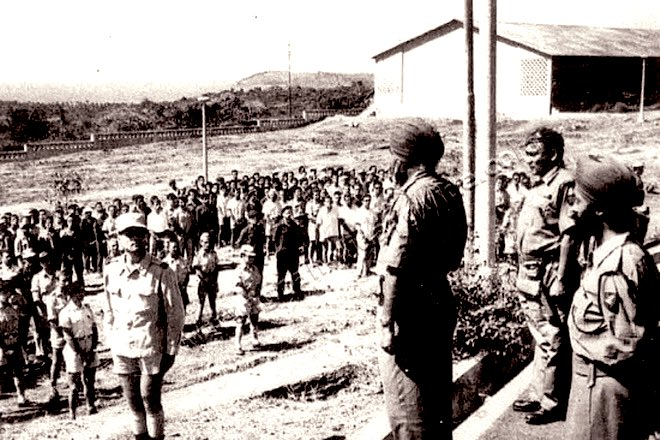
Goa Liberation Day 2025 is observed on 19 December, marking 64 years of Goa’s freedom from Portuguese rule. The day commemorates Operation Vijay (1961)—a swift and decisive military action that ended over 450 years of colonial rule and completed India’s territorial integration after Independence.

While most of India gained freedom in 1947, Goa remained under Portuguese control for another 14 years. Goa Liberation Day serves as a reminder that India’s independence was a process achieved through sustained struggle, diplomacy, and ultimately decisive action when peaceful means failed.

Goa Liberation Day: Watch Pics and Videos When Goa Was Freed from Clutches of Portugal Rule...

Goa Liberation Day 2025: History, Significance and Operation Vijay

0

Goa Liberation Day 2025, observed on 19 December, marks 64 years of Goa’s freedom from Portuguese rule. The day commemorates Operation Vijay (1961)—a swift and decisive military action that ended over 450 years of colonial rule and completed India’s territorial integration after Independence.

While most of India gained freedom in 1947, Goa remained under Portuguese control for another 14 years. Goa Liberation Day serves as a reminder that India’s independence was a process achieved through sustained struggle, diplomacy, and ultimately decisive action when peaceful means failed.

Historical Background

The Portuguese arrived in India in 1498 and captured Goa in 1510, making it the capital of Portuguese India. Unlike other colonial powers, Portugal refused to relinquish control even after India became independent. Lisbon claimed Goa was an integral part of Portugal, not a colony.

For years, India pursued diplomatic negotiations, international appeals, and economic measures to resolve the issue peacefully. However, these efforts proved unsuccessful, leaving Goa under foreign rule for more than four centuries.

The Goa Liberation Movement

The refusal of Portugal to negotiate led to the rise of the Goa Liberation Movement. In 1946, leaders such as Dr Ram Manohar Lohia and Dr Juliao Menezes openly challenged Portuguese restrictions, inspiring mass resistance.

Peaceful protests, strikes, and civil disobedience became widespread. The Portuguese administration responded with arrests, censorship, and repression, but the spirit of resistance among Goans remained unbroken.

Why Military Action Became Inevitable

India initially avoided military action as Portugal was a NATO member and New Delhi sought to prevent international escalation. However, tensions intensified in November 1961 when Portuguese forces fired on Indian fishermen and detained civilians. These actions made it clear that diplomacy had failed.

Operation Vijay, 1961

In December 1961, Prime Minister Jawaharlal Nehru approved Operation Vijay, a joint operation by the Indian Army, Navy, and Air Force to liberate Goa, Daman, and Diu.

Key highlights of the operation:

  • Deployment of around 30,000 Indian troops
  • Rapid land advance by the Army
  • Naval blockade by ships including INS Delhi and INS Mysore
  • Air support by the Indian Air Force using Canberra bombers

The operation was completed in just 36 hours with minimal casualties. On 19 December 1961, Portuguese Governor-General Manuel António Vassalo e Silva surrendered unconditionally, ending Portuguese rule in India.

Impact of Liberation

Following liberation, Goa became a Union Territory in 1961 and attained statehood in 1987. The region witnessed major political, social, and economic transformation.

Today, Goa is one of India’s leading tourism destinations. Portuguese influences in architecture, cuisine, language, and festivals have evolved into a distinctive cultural identity rather than symbols of colonial rule.

Goa Liberation Day 2025 Celebrations

Goa Liberation Day is celebrated with pride across the state, particularly in Panaji. Key events include:

  • Official ceremonies and tributes by the Governor and Chief Minister
  • Parades and torchlight processions
  • Cultural programmes and exhibitions
  • Special events in schools and colleges

Significance of Goa Liberation Day

The significance of Goa Liberation Day 2025 extends beyond history. It symbolises:

  • The completion of India’s freedom struggle
  • National unity and sovereignty
  • The sacrifices made for independence
  • Respect for India’s cultural diversity

Goa Liberation Day reminds the nation that freedom was not achieved in a single moment, but through perseverance, sacrifice, and decisive leadership.

New Insurance Bill 2025 Explained How Sabka Bima Sabki Raksha Law and 100 per cent FDI could Reshape India’s Insurance Sector

0

Parliament has cleared the Sabka Bima Sabki Raksha Bill 2025, a major reform that is set to redefine India’s insurance landscape. The bill allows 100 percent foreign direct investment in the insurance sector, raising the previous cap of 74 percent, and introduces long awaited changes aimed at expanding coverage, strengthening policyholder protection and modernising decades old insurance laws.

What is the Sabka Bima Sabki Raksha Bill

The Sabka Bima Sabki Raksha Bill is an amendment to multiple insurance related laws, including the Insurance Act of 1938, the IRDAI Act of 1999 and the Life Insurance Corporation Act of 1956. The government says the objective is to make insurance more accessible, inclusive and robust while aligning the sector with India’s long term financial goals.

Why the government opened insurance to 100 percent FDI

By allowing full foreign ownership, the government aims to attract global insurers with deeper capital, advanced technology and global risk management expertise. Officials believe this move will improve competition, encourage innovation and help insurers reach underinsured and uninsured populations across India.

What changes for insurance companies and investors

Foreign companies can now own Indian insurance firms without requiring an Indian partner. This could lead to new market entrants, expansion of existing players and faster growth in health, life and general insurance segments. Industry experts say it may also improve solvency levels and operational efficiency across the sector.

How policyholders are expected to benefit

The bill places strong emphasis on protecting consumers. It proposes clearer regulatory powers for IRDAI, stronger grievance redressal mechanisms and the creation of a policyholders’ protection and education fund. The government argues that increased competition will also lead to better priced products and wider choices for customers.

What concerns were raised during parliamentary debate

Some opposition members questioned whether full foreign ownership could reduce domestic control over a critical financial sector. Others sought greater scrutiny through a select committee, citing data security and long term regulatory risks. Despite these concerns, the bill was passed after detailed debate in both houses.

Why this reform matters in the long run

India’s insurance penetration remains low compared to global averages. The government has set an ambitious target of achieving near universal insurance coverage by 2047. Policymakers believe this reform could be a key step toward that goal by bringing in capital, expertise and scale needed to insure a growing economy.

What happens next after the bill’s passage

With parliamentary approval secured, regulatory changes and implementation guidelines are expected in the coming months. Analysts anticipate increased merger activity, new product launches and a gradual transformation of the insurance ecosystem as global players begin to expand their presence in India.

Missed Planning Your Holiday? These Top 8 Destinations Still Make a Perfect December Escape

0

Think December is already booked out for travel plans Think again. Even as the year rushes toward its final days, there are several destinations that remain surprisingly doable for a last minute getaway. From snow covered Himalayan slopes to island beaches and visa friendly international picks, these places prove that spontaneous travel can still end the year on a high.

Why December remains ideal for spontaneous trips

December sits at a sweet spot for travel. The weather is pleasant across most regions, holiday energy is high and many destinations are In their peak season. While popular spots may look crowded at first glance, smart choices and flexible planning can still unlock memorable trips without months of advance booking.

Auli turns into a snow dream just in time

For travellers chasing winter magic, Auli in Uttarakhand delivers postcard perfect views by December. Snow covered slopes, cable car rides and crisp mountain air make it a favourite among skiing enthusiasts and first time snow seekers alike. Even short stays here feel like a full fledged winter holiday.

Bhutan offers calm when the year feels loud

If your idea of a year end break is slowing down, Bhutan stands out. Winter brings clear skies, peaceful monasteries and quieter streets. With easy entry for Indian travellers, the country offers culture, nature and reflection wrapped into one serene December escape.

Island life shines in Andaman and Lakshadweep

For those who prefer sun over snow, island destinations still make sense in December. The Andaman Islands and Lakshadweep offer calm seas, excellent visibility for diving and uncrowded beaches. From coral reefs to sunset kayaking, these islands promise a refreshing way to close the year.

The Rann of Kutch transforms into a cultural wonder

Winter is when the salt desert of Kutch truly comes alive. The vast white landscape, combined with folk performances, handicrafts and local cuisine, creates a rare travel experience. December nights under the stars here feel unlike anywhere else in India.

Dubai proves quick trips can still feel grand

Dubai remains one of the easiest international escapes for last minute planners. With year end events, shopping festivals and family friendly attractions, the city offers something for every kind of traveller. Short flight duration and seamless connectivity make it a stress free choice.

Vietnam and Uzbekistan bring history and flavour

Travellers craving culture and architecture can look toward Vietnam and Uzbekistan. From historic towns and vibrant street food scenes to ancient Silk Route cities, these destinations balance affordability with depth. December weather adds to the comfort of exploring both countries.

Why waiting no longer makes sense

Year end travel does not need perfect planning or fixed itineraries. Sometimes, the best trips happen when decisions are made late but lived fully. These destinations prove that even in December, there is still room for adventure, rest and a memorable goodbye to the year.

An Iranian Village Where People Still Live Inside a Volcanic Mountain

0

A little known village in north-western Iran has caught global attention after industrialist Harsh Goenka shared visuals and details of its extraordinary way of life. The village of Kandovan, located in East Azerbaijan province near Tabriz, is over 700 years old and is famous for its homes carved directly into volcanic rock. What makes it truly remarkable is that these structures are not historical ruins but fully functional homes where families continue to live even today.

How people carved homes inside volcanic rock

Kandovan’s houses are built inside cone shaped formations formed from volcanic ash and lava after ancient eruptions of Mount Sahand. Over centuries, villagers carved into the hardened rock using basic tools, slowly shaping rooms, stairways and windows. Many of these homes rise across multiple levels within a single rock cone, making them naturally sturdy and long lasting.

Why this village has been continuously inhabited for centuries

Historians believe Kandovan became a permanent settlement around the 14thcentury when people sought shelter from invasions and harsh weather conditions. Living inside rock offered safety and insulation, allowing families to survive extreme winters and hot summers. The village name itself is believed to come from a Persian word meaning beehive, inspired by the clustered shape of the homes.

How volcanic homes regulate temperature naturally

One of the most striking features of Kandovan is how comfortable the homes remain throughout the year. The thick volcanic stone walls act as natural insulation, keeping interiors warm during freezing winters and cool during summer months. Long before modern heating or air conditioning existed, residents had already adapted to climate challenges through smart architectural choices.

What daily life looks like in the village today

Despite its ancient origins, Kandovan functions as a living village with schools, small shops, farms, mosques and local markets. Residents continue traditional occupations such as farming, animal rearing and honey production while welcoming visitors curious about their way of life. Electricity and basic modern facilities coexist with centuries old architecture.

Why Kandovan is rare even by global standards

Rock cut settlements exist in different parts of the world, including Turkey’s Cappadocia, but Kandovan is among the few places where people still live full time inside volcanic rock homes. Its uninterrupted habitation sets it apart from sites that have turned into tourist attractions or museums.

What this village teaches the modern world

In an age dominated by concrete buildings and rapid urbanisation, Kandovan stands as a reminder of human adaptability and sustainable living. It shows how communities once worked with nature rather than against it, creating homes that were efficient, resilient and deeply connected to the landscape.

Epstein Files Release Explained: What It Is, Why It Matters And What’s Happening Now…

0

The long-anticipated release of the so-called Epstein files is one of the most discussed and politically charged topics in the United States right now. Set to be made public by around December 19, these documents relate to the investigations into Jeffrey Epstein, the convicted sex offender whose network and activities have drawn global scrutiny. The release follows a newly passed transparency law and comes amid intense debate over accountability, privacy and political implications.

What are the Epstein files and why they matter

The Epstein files refer to a vast collection of government documents, investigative materials, emails, memos, financial records, travel logs, search warrants and other records tied to the long-running probes into Jeffrey Epstein’s crimes, his associates, and the circumstances surrounding his death in 2019. These records have been held by the Justice Department and the FBI but have never before been fully available to the public. Critics and advocacy groups have long argued that releasing them would bring greater transparency into one of the most notorious sex trafficking cases in recent history. 

How the law came to be and the fight for transparency

The release was made possible by the Epstein Files Transparency Act, a bill introduced in the U.S. House of Representatives and passed with overwhelming support in both chambers of Congress in November 2025. The House approved it by a 427–1 vote, and the Senate passed it unanimously. The law requires the Justice Department to publish all unclassified records in its possession related to Epstein within 30 days of the president signing it setting the deadline at around December 19. President Donald Trump signed the bill into law on November 19. 

Many Americans have eagerly awaited this release. Polls show strong public support for making the files public, with most respondents wanting full disclosure of the records held by the Justice Department. This includes a majority even within the Republican base, despite political divisions over other aspects of the case. 

What people hope to learn from the files

Observers, journalists and survivors are watching closely for several types of information. These include potential internal communications among investigators, travel and flight logs showing Epstein’s movements and contacts, financial transactions, records of tips or warnings submitted to authorities, and any evidence of how Epstein’s network operated. Some experts are also looking for unfiled indictments or internal notes that were never made public. 

What may or may not be included

Despite the law’s broad language, not every record will necessarily be part of the initial release. The statute allows certain categories of material to be withheld or redacted if their disclosure would jeopardize ongoing federal investigations, reveal classified information, or improperly expose private information about victims. Officials have said that privacy protections and national security issues will be considered as the files are prepared for public access.

Already, thousands of pages of documents have been released through congressional oversight committee uploads, and photos and records from Epstein’s estate have surfaced, but the most complete set of government files is still pending. 

Political and legal tensions around the release

The process has not been smooth. Ghislaine Maxwell, Epstein’s close associate convicted in 2021 of sex trafficking crimes, recently filed a legal petition seeking to overturn her conviction, citing alleged procedural issues and new evidence a move that could complicate or slow aspects of the files’ publication. 

Meanwhile, the Justice Department is also navigating debates over how much to redact to protect victims’ identities, and attorneys for survivors have criticised aspects of how documents have been handled in the past. 

A moment of reckoning for public transparency

The Epstein files release has become more than a legal obligation it represents a broader public demand for accountability, particularly around powerful individuals and institutions that may have been connected to Epstein’s activities. As the deadline approaches, the world will be watching to see not just what comes out, but how it changes the narrative around one of the most consequential criminal stories of the 21st century.

Ex-SpaceX executive joins Blue Origin flight as Michaela Benthaus prepares for historic space journey

0

Blue Origin’s upcoming New Shepard mission is shaping up to be more than a routine suborbital flight. It brings together two powerful narratives a former SpaceX executive returning to space under a rival banner, and Michaela Benthaus, who is set to become the first wheelchair user to travel to space. Together, the mission marks a defining moment for inclusivity, commercial spaceflight, and the evolving identity of the private space race.

Breaking barriers beyond Earth’s atmosphere

Michaela Benthaus, a German aerospace engineer and former European Space Agency professional, will make history as the first wheelchair user to cross the boundary of space. She has used a wheelchair since a serious mountain biking accident in 2018, yet continued working in the aerospace sector, advocating for accessibility and inclusive design. Her selection signals a shift in how physical ability is perceived in human spaceflight.

A rare crossover from SpaceX to Blue Origin

Adding further intrigue to the mission is the presence of Timothy “TJ” Creamer, a former SpaceX executive and experienced astronaut. His participation highlights the increasingly fluid movement of talent within the private space industry, even as competition between companies like Blue Origin and SpaceX remains intense. For industry watchers, the crossover underscores Blue Origin’s growing credibility among veteran space professionals.

Inside the New Shepard mission profile

The flight will launch from Blue Origin’s Launch Site One in West Texas and carry a six-member crew aboard the reusable New Shepard rocket. The suborbital journey is expected to last around ten minutes, during which passengers will cross the Karman line the internationally recognised edge of space and experience brief weightlessness before returning to Earth.

Why this mission is different from earlier flights

While New Shepard has previously flown scientists, entrepreneurs and celebrities, this mission stands apart for its broader social impact. Benthaus’ inclusion represents a tangible step toward making spaceflight more representative, challenging long-held assumptions about who can participate in space missions.

When and how the world can watch history unfold

The launch is scheduled for December 18, with Blue Origin set to stream the event live on its official website and YouTube channel. Coverage is expected to begin roughly 40 minutes before liftoff, allowing viewers worldwide to follow the countdown and witness the milestone moment in real time.

A signal of where commercial spaceflight is headed

As private companies push space closer to public participation, this mission sends a clear message: access to space is expanding beyond traditional boundaries. With technological maturity and evolving mind-sets, the future of space travel appears increasingly inclusive not just in ambition, but in action.

From Snacks to Side Dishes and Full Meals: How Kolkata Quietly Became India’s Most Surprising Vegan Capital

0

For decades, Kolkata’s food identity has been inseparable from fish curries, egg rolls and meat-laden street snacks. The city’s relationship with food has always been emotional, indulgent and deeply rooted in tradition. That is precisely why its quiet transformation into one of India’s most vibrant vegan hubs feels almost unbelievable and yet, completely organic.

The shift didn’t happen overnight, nor did it arrive with loud labels. Instead, veganism in Kolkata grew subtly, blending into the city’s everyday eating habits rather than challenging them. Long before the word “vegan” became fashionable, many Bengali home-style dishes were already plant-based by default. Shukto, aloo posto, cholar dal, labra and begun bhaja have existed for generations without dairy or meat, driven more by seasonal wisdom and simplicity than ideology.

What has changed in recent years is intention and presentation.

Walk through Kolkata today and vegan options appear everywhere not hidden, but confidently showcased. Street food vendors now serve eggless rolls filled with soy-based kebabs, tofu and seasonal vegetables. Popular snacks like chops, cutlets and momos are being reimagined using plant-based fillings without losing their familiar flavours. Even iconic puchka stalls offer customised vegan water and fillings on request.

The city’s cafés and restaurants have played a major role in this evolution. From heritage neighbourhoods to new-age food districts, menus now carry thoughtfully crafted vegan dishes not as side options, but as main attractions. Jackfruit replaces meat in biryani-style preparations, coconut milk stands in for cream, and traditional spices do the heavy lifting that keeps flavours bold and unmistakably Bengali.

From Snacks to Side Dishes and Full Meals: How Kolkata Quietly Became India’s Most Surprising Vegan Capital

What makes Kolkata’s vegan movement unique is that it doesn’t feel performative. Unlike cities where veganism often arrives through imported trends, here it feels rooted in culture, affordability and accessibility. Vegan food in Kolkata isn’t restricted to premium cafés or niche spaces. It exists on footpaths, in local markets, in family kitchens and community eateries.

There’s also a growing awareness driving this shift. Health concerns, sustainability conversations, ethical choices and religious practices have all converged to shape new eating habits. Younger consumers are experimenting, older generations are rediscovering forgotten plant-based recipes, and restaurants are responding not to pressure, but demand.

Desserts haven’t been left behind either. Mishti doi made with plant milk, vegan sandesh, jaggery-sweetened sweets and dairy-free baked goods are finding loyal audiences without sacrificing nostalgia.

In becoming a vegan-friendly city, Kolkata hasn’t abandoned its food soul it has expanded it. The transformation proves that vegan food doesn’t have to be foreign, restrictive or joyless. In Kolkata, it is comforting, flavour-forward and deeply familiar.

The city that once surprised visitors with its love for fish is now surprising the country with how effortlessly it has embraced plants making Kolkata, perhaps unexpectedly, India’s most culturally rich vegan capital.