Home Blog Page 98

Five Best Cities in World for Nightlife Where Evenings Turn into Stories Worth Telling

0

Nightlife today is no longer limited to crowded dance floors or loud music. For many travellers, it reflects a city’s culture, freedom, creativity and social rhythm. From neighbourhood bars that feel like living rooms to massive clubs hosting global DJs, the world’s best nightlife cities offer more than just entertainment. They create shared moments, unexpected connections and nights that often become the most memorable part of a journey.

Barcelona sets the global standard for all night energy

Barcelona’s nightlife thrives on balance. The city blends casual evenings that start late with high energy nights that stretch until sunrise. Its dense concentration of bars and clubs means you can move seamlessly from a relaxed tapas bar to a beachfront club without planning too much in advance. What truly sets Barcelona apart is how nightlife feels woven into daily life rather than reserved for weekends, making even a weekday night feel alive.

Paris proves that elegance does not end after sunset

Paris approaches nightlife with the same confidence it brings to fashion and food. Evenings often begin slowly with conversations over wine before transitioning into jazz clubs, cabarets or underground party spaces. The city’s strength lies in Its range, allowing visitors to experience both quiet sophistication and vibrant chaos in a single night. Paris nightlife is less about excess and more about atmosphere and attitude.

Tokyo offers endless nightlife without a closing time

Tokyo’s nightlife operates on scale and precision. With thousands of venues spread across multiple districts, the city ensures that no two nights feel the same. Whether it is a tiny bar hidden in an alley or a massive club pulsing with sound and lights, Tokyo caters to every mood. The lack of a fixed closing culture allows nights to unfold naturally, giving the city a reputation for truly never sleeping.

Prague blends historic charm with affordable after dark fun

Prague’s appeal lies in its accessibility. The city offers a lively nightlife scene without the high costs associated with many European capitals. Ancient buildings house modern clubs, while riverside bars provide scenic backdrops for long conversations. Prague’s nightlife feels welcoming rather than intimidating, making it especially popular among young travellers and first time visitors to Europe.

Tbilisi surprises travellers with its underground party culture

Tbilisi has emerged as a global talking point in nightlife circles, largely due to its raw and unconventional club scene. Former industrial spaces now host some of Europe’s most talked about electronic music venues. Beyond clubs, the city’s wine bars and late night cafes reflect Georgia’s deep social culture, where nights are as much about conversation as music.

Other cities where the night becomes the main attraction

Across continents, several cities continue to redefine nightlife in their own way. Seoul’s clubs reflect the city’s high energy pace, Bangkok mixes street food with rooftop views, Budapest transforms abandoned buildings into social hubs, Bali merges beach life with party culture and Yerevan builds a scene rooted in creativity and affordability. Each city adds its own personality to the global nightlife map.

Why nightlife now shapes travel decisions worldwide

As travel becomes more experience driven, nightlife plays a growing role in how destinations are chosen. Cities that invest in safe, diverse and inclusive evening economies often attract younger travellers and repeat visitors. Nightlife has become a cultural indicator, revealing how open, creative and alive a city truly is once daylight fades.


What is the SHANTI Bill 2025 and how India’s new nuclear energy law could reshape the power sector

0

India’s Parliament has passed a major piece of legislation called the Sustainable Harnessing and Advancement of Nuclear Energy for Transforming India Bill 2025, better known as the SHANTI Bill. This bill marks a radical shift in how the country governs its nuclear energy sector by replacing outdated laws and opening the door for private companies to play a bigger role in nuclear power generation, regulation and investment. Lawmakers and government officials describe it as a strategic reform that could boost energy security, attract investment, accelerate clean energy growth and help India reach ambitious climate goals. 

What the SHANTI Bill actually does

The SHANTI Bill overhauls India’s nuclear legal framework by consolidating and replacing older statutes like the Atomic Energy Act of 1962 and the Civil Liability for Nuclear Damage Act of 2010 with a modern unified statute. Under the new law, both Indian private companies and joint ventures with government participation can apply for licences to build, own, operate and decommission nuclear power plants and related facilities. The government will retain exclusive control over highly sensitive activities such as uranium enrichment, fuel reprocessing and heavy water production. 

How private participation changes the nuclear sector

Until now, the Indian civil nuclear sector was largely restricted to state owned entities. The SHANTI Bill removes this monopoly and allows a controlled entry for private players subject to strict licensing and safety requirements. This shift is aimed at attracting domestic and foreign capital, bridging technology gaps, and enabling faster deployment of nuclear power capacity, including advanced technologies like small modular reactors. 

What are the benefits touted by supporters

Government proponents and supporters of the bill argue that it will help India achieve its long-term target of scaling nuclear capacity to around 100 gigawatts by 2047, a goal seen as critical to providing reliable, around-the-clock clean energy for industry and households. They say the legislation also strengthens regulatory clarity by giving statutory status to the Atomic Energy Regulatory Board and establishing new mechanisms for dispute resolution and liability management. Supporters claim these reforms can improve investor confidence and ensure technological innovation in nuclear energy. 

What critics and opposition leaders are warning about

Not all reactions have been positive. Opposition politicians and safety advocates have raised serious concerns about the bill’s implications for nuclear safety, liability and accountability. Some critics described the legislation as potentially creating an imbalance by reducing supplier liability in the event of an accident and capping operator liability at amounts that may not fully cover large-scale damages. They argue this could shift long-term costs to taxpayers and weaken legal protections for communities affected by nuclear incidents. Others have said the bill was rushed through without detailed parliamentary committee scrutiny. 

How safety and regulation are addressed under the new framework

While private participation is now permitted, the SHANTI Bill retains key regulatory safeguards. The Atomic Energy Regulatory Board will have enhanced statutory authority to set safety standards, enforce compliance, issue licences and conduct inspections. The bill also proposes a multi-layered liability framework and compensation mechanisms that include operator liability, insurance mandates and potential government support through a Nuclear Liability Fund. 

Why this reform matters for India’s energy future

The SHANTI Bill arrives at a time when India is increasing its focus on clean and reliable power sources to meet rising demand driven by economic growth, digital infrastructure and industrialisation. Nuclear energy, which produces low carbon emissions and offers steady baseload power, is seen as a key component of India’s energy transition strategy. If implemented effectively, the new law could catalyse growth in nuclear capacity, stimulate technological advances and attract private investment into a sector that has long been hampered by regulatory restrictions. 

68 New Photos Released in Epstein Sex Scandal; Bill Gates, Sergey Brin Among Those Seen

0

Sixty-eight new photographs linked to the Jeffrey Epstein sex scandal were released late Thursday night by Democratic members of the US House Oversight Committee. The images have drawn attention as they feature several prominent global figures, including Microsoft co-founder Bill Gates and Google founder Sergey Brin.

68 New Photos Released in Epstein Sex Scandal; Bill Gates, Sergey Brin Among Those Seen

In two of the newly released photographs, Bill Gates is seen in the company of women. However, it remains unclear whether the women pictured are the same individuals or different, and no context regarding the circumstances of the photographs has been officially provided.

Other notable figures visible in the images include filmmaker Woody Allen, philosopher Noam Chomsky, and former Trump adviser Steve Bannon.

It is important to clarify that the presence of individuals in these photographs does not imply wrongdoing. Any conclusions regarding involvement or misconduct can only be drawn after a detailed examination of the full set of Epstein-related files.

Justice Department to Release Files

The US Justice Department is scheduled to release all remaining files related to the Epstein case on Friday. Earlier, on December 12, 19 photographs were made public, some of which also included Bill Gates.

68 New Photos Released in Epstein Sex Scandal; Bill Gates, Sergey Brin Among Those Seen

References to ‘Lolita’ Raise Questions

Several of the newly released images show handwritten messages on women’s bodies. According to a BBC report, the text appears to be taken from “Lolita”, the controversial novel by Vladimir Nabokov, which depicts the exploitation of a minor. A copy of the book is also visible in the background of at least one photograph.

One image shows the phrase “She was Lo in the morning” written on a woman’s leg—the novel’s well-known opening line. Due to the sensitive nature of the book’s subject, the appearance of such references has sparked renewed public concern and debate.

It remains unclear whether the messages were written on the same individual or on different women, and no official explanation has been given regarding the purpose or context of these photographs.

68 New Photos Released in Epstein Sex Scandal; Bill Gates, Sergey Brin Among Those Seen

What the Epstein Files May Reveal

Following the release of the files, the government is expected to clarify:

  • Which portions of the documents have been redacted and why
  • What material has been made public and what remains undisclosed
  • A complete list of government officials and politically influential individuals whose names appear in the files

This information is expected to be disclosed within 15 days of the files’ release.

What Is Already Public

Over the past two decades, thousands of Epstein-related documents have entered the public domain through civil lawsuits, Freedom of Information Act (FOIA) requests, and Ghislaine Maxwell’s 2021 criminal trial.

Earlier this year, the Justice Department and the FBI released additional Epstein-related files, though critics noted that much of the information was already publicly known. The department also released hundreds of pages from interviews with Maxwell, in which she defended herself and criticized some of Epstein’s victims.

On December 12 and December 18, Democratic members of the House Oversight Committee released further documents and images linked to Epstein’s estate.

68 New Photos Released in Epstein Sex Scandal; Bill Gates, Sergey Brin Among Those Seen

Massive Cache of Evidence

According to congressional sources, investigators have recovered over 95,000 photographs, along with thousands of documents and emails, from Epstein’s properties.

Republican lawmakers have accused Democrats of selectively releasing photographs without providing full context, raising questions about transparency and intent.

As the full files are awaited, scrutiny surrounding the Epstein case—and those linked to him—continues to intensify.

First Femina Miss India Winner Meher Castellino Passes Away; A Trailblazer Who Began Modeling at 16

0

Meher Castellino, the first-ever winner of the Femina Miss India title, has passed away. She was a pioneering figure in Indian fashion and beauty, whose career helped shape the country’s modeling and fashion journalism landscape.

Born in Mumbai, Meher Castellino began her modeling journey at the young age of 16. Her defining moment came in 1964, when she made history by winning the inaugural Femina Miss India pageant, shortly after graduating from the Lawrence School, Lovedale. She later represented India at the Miss Universe and Miss Nations international beauty contests.

A Remarkable Modeling Career

Meher enjoyed a distinguished 14-year career as a model, during which she participated in over 2,000 live fashion shows across India and abroad. She was equally influential behind the scenes, directing several shows and heading design departments for both export-oriented and domestic fashion houses.

Her expertise also extended to editorial leadership, as she served as fashion editor for magazines such as Gentlemen’s Fashion Quarterly, Flair, and Eve’s Weekly.

Pioneer of Fashion Journalism

In 1973, Meher transitioned into fashion journalism with her first article published in Eve’s Weekly. She went on to become a full-time fashion journalist and syndicated columnist, writing for more than 160 national and international publications. Widely regarded as a pioneer of fashion journalism in India, she covered high-fashion events and interviewed global designers in countries including France, Italy, Germany, the USA, South Africa, Turkey, the Netherlands, and Singapore.

From 2006 onwards, she was the official fashion writer for Lakmé Fashion Week,

India Breaks the Backlog: For the First Time, Clears More POCSO Cases Than It Files

0
  • India’s disposal rate of POCSO cases is now at 109 percent which means more cases disposed of than registered in a year
  • A recent study suggests setting up 600 additional e-POCSO courts to end entire backlog in 4 years
  • Study conducted by Centre for Legal Action and Behaviour Change for Children, an initiative of India Child Protection

For the first time, India has disposed of more POCSO cases in a year than were registered, marking a historic shift in the country’s long battle with judicial backlog. In 2025, 80,320 child sexual abuse cases were filed while 87,754 were disposed of, achieving a disposal rate of 109 percent, according to report “Pendency to Protection: Achieving the Tipping Point to Justice for Child Victims of Sexual Abuse by Centre for Legal Action and Behaviour Change (C-LAB) for Children, an initiative by India Child Protection. Notably, 24 states also recorded disposal rates above 100 percent. The report recommends setting up 600 additional e-POCSO courts to end the entire backlog of Protection of Children from Sexual Offences (POCSO) cases within four years.

Often tarnished by the ‘tareek pe tareek’ image, India’s backlog of POCSO cases stood at 2,62,089 until 2023. But with this new shift when the disposals surpassed registrations, the report states that the country has reached the tipping point “where the justice system begins to move from managing backlog to actively reducing it.” The report recommends allocating INR 1977 crore for additional 600 e-POCSO courts for a period of four years to completely end pendency, for which Nirbhaya Fund can be utilized as well.

The report further highlights a few worrying gaps such as nearly half of pending cases remain unresolved for over two years, conviction rates continue to fluctuate, and there exist inter-state disparities. For instance, Uttar Pradesh alone accounts for 37 percent of all cases pending beyond five years, making it the single largest contributor to long-term pendency. This is followed by Maharashtra (24%), and West Bengal (11%). Together, these three states account for nearly three-fourths of all cases pending for more than five years.

Highlighting the broader implications of the data in a wider justice context, Purujit Praharaj, Director (Research), India Child Protection, said, “India is now at a tipping point in its response to child sexual abuse. When the system begins to dispose of more POCSO cases than it registers, it moves from intent to impact. Our research consistently shows that prolonged delays intensify trauma for child survivors. Sustaining this momentum is essential if timely, child-centred justice is to become the norm rather than the exception.” India Child Protection is partner of Just Rights for Children which is the largest network of NGOs with over 250 NGO partners working in 451 districts across the country for child protection and child rights.

Among states, seven states and Union Territories logged a disposal rate of over 150 percent, other seven have a disposal rate between 121-150 percent while 10 states achieved a disposal rate between 100-120 percent. These 24 states, therefore, are not only disposing of cases registered in 2025 but also managed to clear some of the previous years’ cases.

These figures reflect cases that entered the system several years ago but have not seen meaningful progress. “This suggests that pendency begins to accumulate early in the lifecycle of a case and that the system faces challenges in moving cases forward within the expected time frame,” the report said.

The report also recommends maintaining a year-on-year disposal rate of over 100 percent in every state/UT, providing technical and administrative support to state judiciaries lagging behind and meticulous monitoring of conviction and acquittal rates. The report also recommends the use of AI-powered legal research tools and document management systems to facilitate efficient case analysis and document retrieval.

The report is based on the data (as of 2nd December, 2025) drawn and analysed from National Judicial Data Grid (NJDG), National Crime Records Bureau (NCRB) and Lok Sabha questions and answers.

Ram Prasad Bismil: “Sarfaroshi ki Tamanna Ab Hamare Dil Mein Hai…” — 5 Poems That Still Ignite the Spirit

0

Ram Prasad Bismil’s Poems:
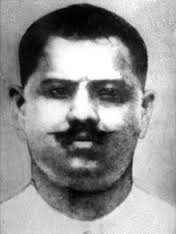
Ninety-eight years ago on this very day, Ram Prasad Bismil—one of Mother India’s bravest sons and a fearless revolutionary—embraced the gallows with a smile for the freedom of his country. Alongside his revolutionary zeal, Bismil also possessed a deeply poetic soul, leaving behind verses that continue to inspire generations.

Born on June 11, 1897, in Shahjahanpur, Uttar Pradesh, Ram Prasad Bismil was a revolutionary, poet, and patriot of the Indian freedom struggle. From an early age, he displayed an intense sense of nationalism and the courage to challenge injustice and colonial oppression. He was a prominent member of the Hindustan Republican Association (HRA) and played a key role in several revolutionary activities against British rule.

On December 19, 1927, at just 30 years of age, Bismil laid down his life for the nation. Yet, his words lived on.

A sensitive and powerful poet, Ram Prasad Bismil’s writings reflect an extraordinary blend of patriotism, sacrifice, and self-respect. Through immortal lines such as “Sarfaroshi ki Tamanna”, he awakened the revolutionary spirit among India’s youth and infused courage into a nation yearning for freedom.

Even today, his poetry continues to stir hearts and remind us of the price paid for independence. On his death anniversary, here are five of Ram Prasad Bismil’s most impactful poems that continue to ignite the flame of patriotism.

चर्चा अपने क़त्ल का अब दुश्मनों के दिल में है

चर्चा अपने क़त्ल का अब दुश्मनों के दिल में है,

Ram Prasad Bismil: “Sarfaroshi ki Tamanna Ab Hamare Dil Mein Hai…” — 5 Poems That Still Ignite the Spirit

बिटकॉइन बढ़ रहा है! BTZO के साथ अपने क्रिप्टो प्रॉफिट को बढ़ाएं

BTZO

Ram Prasad Bismil: “Sarfaroshi ki Tamanna Ab Hamare Dil Mein Hai…” — 5 Poems That Still Ignite the Spirit

The new Honda City Sport with biggest year-end benefits upto ₹1,57,700

Honda Cars India

देखना है ये तमाशा कौन सी मंजिल में है ?

कौम पर कुर्बान होना सीख लो ऐ हिन्दियो

ज़िन्दगी का राज़े-मुज्मिर खंजरे-क़ातिल में है

साहिले-मक़सूद पर ले चल खुदारा नाखुदा

आज हिन्दुस्तान की कश्ती बड़ी मुश्किल में है

दूर हो अब हिन्द से तारीकि-ए-बुग्जो-हसद

अब यही हसरत यही अरमाँ हमारे दिल में है

बामे-रफअत पर चढ़ा दो देश पर होकर फना

‘बिस्मिल’ अब इतनी हविश बाकी हमारे दिल में है

2. सर फ़िदा करते हैं कुरबान जिगर करते हैं

सर फ़िदा करते हैं कुरबान जिगर करते हैं,

पास जो कुछ है वो माता की नजर करते हैं,

खाना वीरान कहाँ देखिये घर करते हैं!

खुश रहो अहले-वतन! हम तो सफ़र करते हैं,

जा के आबाद करेंगे किसी वीराने को !

नौजवानो ! यही मौका है उठो खुल खेलो,

खिदमते-कौम में जो आये वला सब झेलो,

देश के वास्ते सब अपनी जबानी दे दो,

फिर मिलेंगी न ये माता की दुआएँ ले लो,

देखें कौन आता है ये फ़र्ज़ बजा लाने को ?

ऐ मातृभूमि तेरी जय हो, सदा विजय हो

ऐ मातृभूमि तेरी जय हो, सदा विजय हो

प्रत्येक भक्त तेरा, सुख-शांति-कान्तिमय हो

अज्ञान की निशा में, दुख से भरी दिशा में

संसार के हृदय में तेरी प्रभा उदय हो

तेरा प्रकोप सारे जग का महाप्रलय हो

तेरी प्रसन्नता ही आनन्द का विषय हो

वह भक्ति दे कि ‘बिस्मिल’ सुख में तुझे न भूले

वह शक्ति दे कि दुःख में कायर न यह हृदय हो

3. तराना-ए-बिस्मिल

बला से हमको लटकाए अगर सरकार फांसी से,

लटकते आए अक्सर पैकरे-ईसार फांसी से।

लबे-दम भी न खोली ज़ालिमों ने हथकड़ी मेरी,

तमन्ना थी कि करता मैं लिपटकर प्यार फांसी से।

खुली है मुझको लेने के लिए आग़ोशे आज़ादी,

ख़ुशी है, हो गया महबूब का दीदार फांसी से।

कभी ओ बेख़बर तहरीके़-आज़ादी भी रुकती है?

बढ़ा करती है उसकी तेज़ी-ए-रफ़्तार फांसी से।

यहां तक सरफ़रोशाने-वतन बढ़ जाएंगे क़ातिल,

कि लटकाने पड़ेंगे नित मुझे दो-चार फांसी

5. गुलामी मिटा दो

दुनिया से गुलामी का मैं नाम मिटा दूंगा,

एक बार ज़माने को आज़ाद बना दूंगा।

बेचारे ग़रीबों से नफ़रत है जिन्हें, एक दिन,

मैं उनकी अमरी को मिट्टी में मिला दूंगा।

यह फ़ज़ले-इलाही से आया है ज़माना वह,

दुनिया की दग़ाबाज़ी दुनिया से उठा दूंगा।

ऐ प्यारे ग़रीबो! घबराओ नहीं दिल में,

हक़ तुमको तुम्हारे, मैं दो दिन में दिला दूंगा।

बंदे हैं ख़ुदा के सब, हम सब ही बराबर हैं,

ज़र और मुफ़लिसी का झगड़ा ही मिटा दूंगा।

जो लोग ग़रीबों पर करते हैं सितम नाहक़,

गर दम है मेरा क़ायम, गिन-गिन के सज़ा दूंगा।

हिम्मत को ज़रा बांधो, डरते हो ग़रीबों क्यों?

शैतानी क़िले में अब मैं आग लगा दूंगा।

ऐ ‘सरयू’ यक़ीं रखना, है मेरा सुख़न सच्चा,

कहता हूं, जुबां से जो, अब करके दिखा दूंगा।

Adwa Victory Monument in Ethiopia: Know Its Significance and Story Behind Battle of Adwa

0

The Battle of Adwa in 1896 marked a decisive Ethiopian victory over Italian colonial forces and became a powerful symbol of African resistance to colonial domination. It safeguarded Ethiopia’s sovereignty at a time when much of the continent was under foreign rule. The Adwa Victory Monument stands as a national and continental reminder of unity, courage, and self-determination, resonating far beyond Ethiopia’s borders.

Adwa Victory Monument and Museum

The Adwa Victory Monument is a modern commemorative complex that celebrates Ethiopia’s triumph and broader freedom struggles. It houses a museum displaying historical artefacts, weapons, and detailed dioramas depicting the battle. The complex also includes conference halls, an amphitheatre, and a library, serving as a centre for culture, research, and tourism. During his visit, Prime Minister Modi toured the Adwa Museum, where officials briefed him on Ethiopia’s history and the enduring relevance of the Adwa victory.

Parliament Address and Diplomatic Engagements

Prime Minister Narendra Modi addressed a joint session of the Ethiopian Parliament, receiving a standing ovation from lawmakers. This address marked the 18th national Parliament worldwide to be addressed by him. His two-day visit to Ethiopia, undertaken at the invitation of Prime Minister Abiy Ahmed Ali, reflects the growing strategic partnership between the two nations. In a notable diplomatic gesture, Prime Minister Abiy Ahmed personally received PM Modi at the airport and drove him to his hotel, also showing him the Science Museum and Friendship Park.

Singapore Changi Airport Named World’s Best International Airport 2025

0

Singapore Changi Airport has been voted the best international airport in the world for 2025 at India’s Best Awards, organised by Travel+Leisure. The recognition reflects strong global traveller preference, with readers ranking Changi highest for overall travel experience, comfort, and facilities among international airports.

Recognition at India’s Best Awards 2025

The honour was announced during the 14th edition of India’s Best Awards, which celebrates excellence across the global travel and hospitality sector. Winners are chosen through an online voting process involving readers from across the world. Categories span airports, airlines, hotels, cruises, and destinations, making the results a direct indicator of traveller satisfaction. Changi Airport’s top ranking highlights its consistent appeal to international passengers.

Passenger Experience Beyond Transit

Changi Airport was recognised for offering more than efficient connectivity. Its sky-lit terminals, indoor gardens, and open architectural design create a calm and spacious environment. Signature attractions such as the world’s tallest indoor waterfall, butterfly gardens, and curated art installations transform long layovers into relaxed and engaging experiences. These features have helped position the airport as a leisure space rather than merely a transit hub.

Facilities, Comfort, and Global Benchmarks

The airport provides an extensive range of dining and shopping options, featuring local Singaporean cuisine alongside global brands. Facilities such as transit hotels, sleeping pods, and designated rest areas cater to long-haul travellers. Clear terminal layouts, efficient security checks, and smooth passenger flow reduce waiting times and improve overall comfort. Travel+Leisure noted that leading airports now play a growing role in shaping travel memories, with Changi setting global benchmarks by combining operational efficiency with comfort, design, and innovation.

Facts

  • India’s Best Awards are organised annually by Travel+Leisure.
  • Singapore Changi Airport is known for the world’s tallest indoor waterfall.
  • The awards are based on global online reader voting.
  • Changi Airport is often described as a destination in itself.

Global Leadership in Air Travel

The award reinforces Singapore Changi Airport’s status as a global leader in air travel infrastructure. Readers acknowledged its ability to consistently deliver a smooth, enjoyable journey from arrival to departure, underlining its reputation for excellence in passenger-focused airport design and services.

Jammu & Kashmir Gets First Gen Z Post Office Signalling a New Phase in Postal Modernisation

0

Jammu & Kashmir has marked a significant milestone in the modernisation of public service delivery with the inauguration of its first Gen Z Post Office at the AIIMS Vijaypur campus. More than a routine infrastructure upgrade, the initiative represents a strategic shift by the Department of Posts to reposition India Post as a technology-driven, user-centric institution aligned with the expectations of younger citizens. With this launch, AIIMS Vijaypur has also become the first AIIMS in the country to host a Gen Z Post Office, giving the development national significance.

Institutional Collaboration and Policy Intent

The inauguration on 17 December 2025 brought together leadership from both the healthcare and postal sectors, underlining the collaborative approach behind the initiative.

Redefining the Post Office for a New Generation

The Gen Z Post Office model moves away from the traditional perception of post offices as transaction-heavy, paper-driven spaces. Instead, it introduces a contemporary ambience, digital payment systems, simplified workflows, and integrated services. Postal, banking, and insurance facilities are offered under one roof, reducing friction and time costs for users. This design directly responds to Generation Z’s preference for speed, convenience, and digital-first interactions.

Importantly, the initiative is not limited to aesthetics or technology alone. It also aims to increase awareness of postal savings schemes, India Post Payments Bank services, and insurance products among students, healthcare professionals, and staff—groups that are often underserved or disengaged from conventional postal offerings.

Strategic Importance for India Post

Analytically, the Gen Z Post Office reflects a broader institutional recalibration. India Post is leveraging its vast physical network while simultaneously adapting to changing user behaviour. Campus-based Gen Z Post Offices serve as low-risk innovation hubs, allowing the department to pilot new service models, gauge user response, and refine its approach before wider rollout.

The issuance of a special postal cancellation on the inaugural day further reinforces the symbolic value of the initiative. It positions the Gen Z Post Office not just as an operational upgrade, but as a marker of transition in India Post’s long-term evolution.

Key Takeaways

From a governance and exam-oriented perspective, several points stand out:

  • AIIMS Vijaypur is the first AIIMS in India to host a Gen Z Post Office.
  • The initiative is part of the Department of Posts’ campus modernisation drive.
  • Gen Z Post Offices emphasise digital, youth-centric, and integrated service delivery.
  • The launch in Jammu & Kashmir signals regional inclusion in national digital reforms.

A Symbol of Future-Ready Governance

Overall, the Gen Z Post Office at AIIMS Vijaypur exemplifies how legacy institutions can reinvent themselves without losing their core public-service mandate. By combining technology, inclusivity, and strategic partnerships, India Post is positioning itself as a future-ready service provider, capable of engaging the next generation while strengthening its relevance in a rapidly changing service ecosystem.

SabhaSaar for Gram Panchayats: Know What it Means and What Is Its Use…

0

The Ministry of Panchayati Raj has launched SabhaSaar, an AI-enabled voice-to-text meeting summarisation tool, to strengthen transparency and efficiency in grassroots governance. Introduced on August 14, 2025, the digital platform is being progressively adopted by Gram Panchayats across States and Union Territories for routine Gram Sabha and Panchayat meetings.

Rapid Adoption Across Gram Panchayats

Since its launch, SabhaSaar has seen swift uptake nationwide. During the pilot phase, all 1,194 Gram Panchayats of Tripura were encouraged to use the tool for Special Gram Sabhas held on August 15, 2025. Of these, 1,047 Panchayats, or 87 per cent, successfully adopted the platform on the same day. Nationwide usage stood at 12,667 Gram Panchayats on August 15, which rose sharply to 77,198 during the Gram Sabha conducted on October 2, 2025. As of December 3, 2025, a total of 92,376 Gram Panchayats have used SabhaSaar for automated meeting summarisation.

Ease of Use and Capacity Building

The Ministry of Panchayati Raj has focused on creating awareness and ensuring smooth adoption of SabhaSaar. A standard operating procedure was shared with States and Union Territories, which further disseminated it to Panchayats. Multiple physical and virtual training sessions were organised for State and UT officials to demonstrate the tool’s functionality. These efforts were complemented by State-level initiatives to familiarise Panchayat representatives and staff with the system.

AI Infrastructure and Data Governance

SabhaSaar operates on artificial intelligence and cloud infrastructure provisioned through the India AI Compute Portal under the India AI Mission of the Ministry of Electronics and Information Technology. The India AI Mission acts as the nodal agency for governance of the AI infrastructure and the data generated. All data processing takes place within the government framework, with no sharing of information with external third-party service providers.

SabhaSaar Facts

  • SabhaSaar was launched on August 14, 2025, by the Ministry of Panchayati Raj.
  • It is an AI-based voice-to-text meeting summarisation tool.
  • Over 92,000 Gram Panchayats have used the tool as of December 2025.
  • The platform operates under the India AI Mission of MeitY.

Data Privacy and Regulatory Framework

All aspects of data privacy, storage and governance related to SabhaSaar are regulated under the Digital Personal Data Protection Rules. These rules were notified through the Gazette of India on November 13, 2025. The Ministry has emphasised that the tool complies fully with existing legal and regulatory provisions, ensuring secure handling of data while supporting digital transformation in local self-governance.