Home Blog Page 821

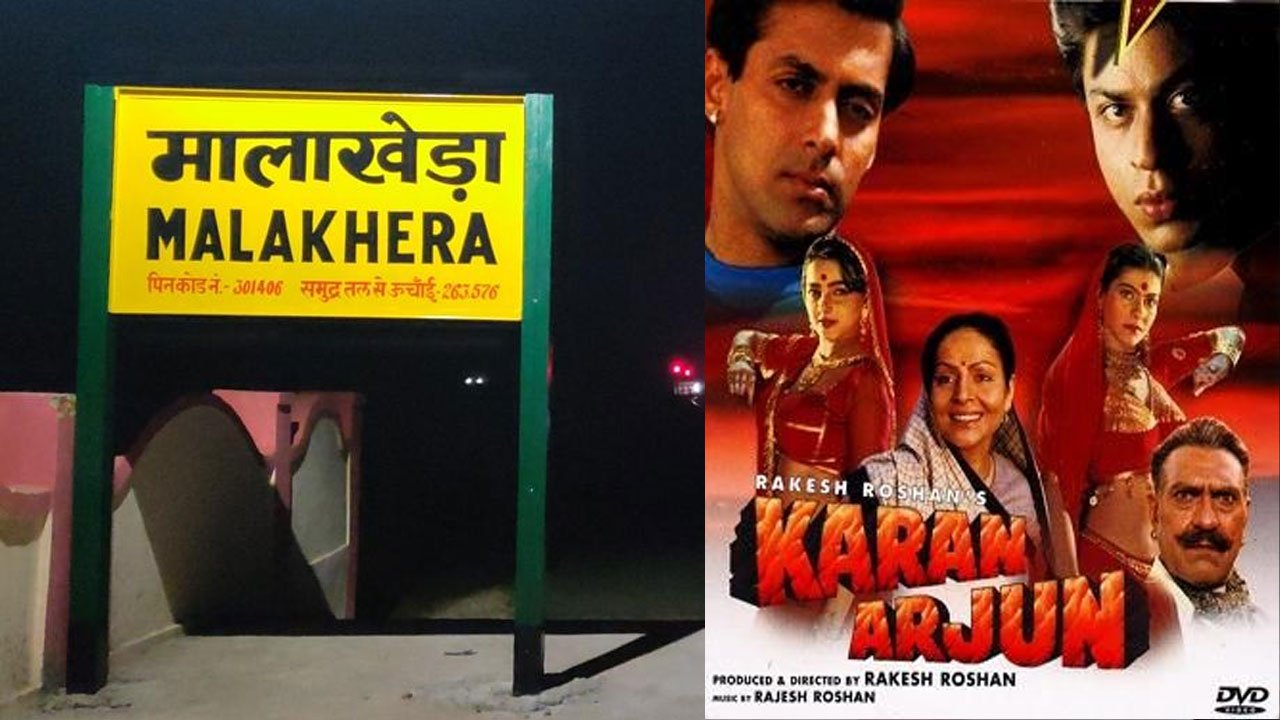
Malakhera railway station near Alwar: Bollywood hit Karan Arjun was shot here!

0

Malakheda railway station, situated 20 kilometres from Alwar district in Rajasthan, have been a witness to the Bollywood hit Karan Arjun’s shoot. The code of the station is MKH and it has two platforms where passenger and express trains halt.

 The movie is remembered for its epic Jodi of Superstar Shahrukh Khan and Salman Khan as well as for for its interesting storyline based on reincarnation. Kajol and Mamata Kulkarni played a lead role in the film. Karan Arjun was shot intensively in Rajasthan, and the two important places where the movie was shot majorly were Thakur Durjan Singh’s Palace and  Karan Arjun’s village.

Thakur Durjan Singh’s palace in the film was actually the renowned Sariska Palace in Alwar district, which is a popular heritage resort of that district and Karan Arjun’s village was an area of Bhangarh in Alwar District. 

Hrithik Roshan worked as Assistant Director in this movie which became the first biggest project of his career.

Happy Eid-ul-Fitr 2021: Eid Mubarak wishes images,poster, quotes, status, messages, photos & greetings

0
Eid al-Adha 2023: Inspiring Wishes, Quotes, Status, Captions, Greetings, SMS, and More

Happy Eid-ul-Fitr, Eid Mubarak 2021 Wishes images, status, quotes, messages, photos, pics: May Allah bless you on this joyous occasion

Happy Eid-ul-Fitr (Eid Mubarak) 2021 Wishes Images, Status, Quotes, Messages, Photos, Pics:  As the holy month of Ramadan comes to an end, the Muslim community is all geared up to celebrate Eid-ul-Fitr. This religious festival is celebrated with fervour and zeal on the first day of the month of Shawwal, on which people do not observe fast.

In India, Eid is usually celebrated a day after the crescent moon sighting in Saudi Arabia, which is considered sacrosanct

The festival is celebrated by the Muslim community across the world. On this day, loved ones come together to break the fast and express gratitude and pray to Allah for everything they have. They wake up early in the morning and wear new clothes and wish their loved ones.

EID Mubarak Poster 2021

EID Mubarak Poster 2021

Eid Mubarak Wishes Quotes

Eid is a day to be grateful to Allah for all of his heavenly blessings on us. Wishing you a happy Eid!

Eid is finally here to grace us with happiness and prosperity. May this day be ever so joyful for us. Eid Mubarak!

May this Eid bring joy and love to your heart and create all the opportunities of success for you! Eid Mubarak.

Happy Eid-ul-Fitr 2021 Wishes

On this special day, I pray to Allah for your happiness and good health. Eid Mubarak 2021!

May the magic of Eid bring lots of happiness and fill your life with different colours. Have a prosperous Eid!

May Allah showers his blessing on your and you family. Have a happy and prosperous Eid!

May this Eid brings fun, happiness and God’s endless blessings. Eid Mubarak to you and your family!

May this Eid fills your life with the brightest of colours. Here’s wishing you and your family a very happy Eid!

May Allah bless you with the gift of kindness, patience and love. Eid Mubarak!

EID Mubarak Status Video 2021

https://youtu.be/b4pRvVnL5_c

No matter where you are or what you are doing, remember that Allah is always with you to help and guide you in every important step of your life. Eid Mubarak!

Eid is a day of sharing what we have and caring for others. May you have a wonderful Eid this year!

On this day all I can ask Allah is to accept our prayers, sacrifices, good deeds, and always shower his blessing upon us.

I pray to the Lord Almighty to shower his mercy on all of us and guide us every path of your life. Happy Eid-ul-Fitr!

Eid is a day to spend time with your loved ones with lip-smacking food, laughter, and happy moments. Make the most of this day.

Our prayers have been answered. Eid is finally here to grace us with love, joy, and prosperity. Wish you and your family an amazing Eid!

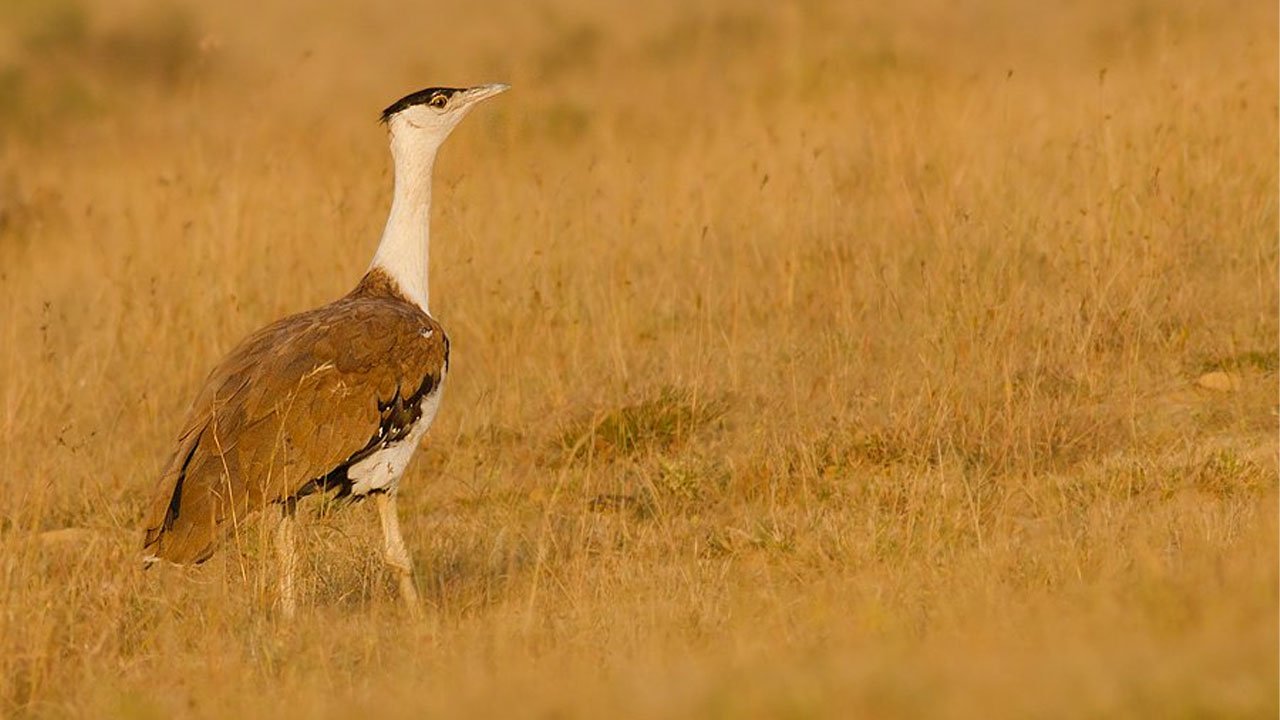
The Great Indian Bustard: What is ‘great’ about this bird?

0

The Great Indian Bustard was poached in Pakistan recently and the poachers got themselves photographed with the carcasses of birds in their hands and guns on their shoulders. Surprisingly the incident received no stern action in Pakistan, but gave shock to Indian conservationists…EBNW reports… 

The Great Indian Bustard (GIB) has ‘Great’ accommodated in its name but it may now have ‘less’ greater meaning. Reasons? 

John P. Raffety, editor of Encyclopedia Britannica, says, “The GIB was listed as “Endangered Species” on International Union for Conservation of Nature and Natural Resources (IUCN) Red List of threatened species in 1994. By 2011, however, the population decline was so severe that the IUCN reclassified the species as “Critically Endangered”. An estimated 50 to 250 mature birds remain. Their largest concentration, perhaps 175 birds, occurs in state of Rajasthan, India.” 

The Great Indian Bustard: What is ‘great’ about this bird?

John is editor of Encyclopedia Britannica. He writes about Earth processes and environment. The WWF – India says, “The biggest threat to this species is hunting, which is still prevalent in Pakistan” neighbour to India. 

WWF – India’s claim has been proved correct, again. 

The Great Indian Bustards poached in Pak

The Great Indian Bustard: What is ‘great’ about this bird?

On 2 April, 2021, two male GIBs were poached in Pakistan’s Cholistan desert. The poachers got themselves photographed with the carcasses of birds in their hands and guns on their shoulders. While the incident received no stern action in Pakistan, it gave shock to Indian conservationists 

This group of hunters, allegedly led by a retired Major of the Pakistan Army, enacted the poaching-scene in Pakistan in its protected area of southern Punjab’s Cholistan game reserve. He is known as retired Major Tanveer Hussain Shah, a resident of Rahim Yar Khan district. With his accomplices, he also attacked wildlife officials of that country when they tried to stop the group from hunting GIBs and chinkara deer. 

The Great Indian Bustards poached: TWSI condemns the poaching

The Tourism & Wildlife Society of India (TWSI) has condemned the poaching of GIBs, while expressing surprise that the people in the neighbouring country continued to kill this rare species of birds. “It cannot take place without the cover provided by the government authorities in Pakistan. This incident should be probed thoroughly and the poachers punished,” TWSI honorary secretary Harsh Vardhan said.  

“As Rajasthan shares the international border with Pakistan’s Sindh and Punjab provinces, it is suspected that Indian-bred GIBs will fly across to Pakistan’s desert and will be easy prey for the gun-toting poachers there. This incident is a clear indication of the things to come,” Mr. Vardhan said. 

The Great Indian Bustard: What is ‘great’ about this bird?

Great Indian Bustard killed: The Wildlife Institute of India’s speaks

Wildlife Institute of India’s Dean and senior scientist, Yaduvendradev Jhala said the project teams had surveyed the border areas near Bikaner and had not found any GIB there. The habitat in Cholistan, where the GIBs were killed, looked much better than the Indian side, as it had no cattle, he said. 

Jhala along with his scientist colleague, Suthirtha Datta,  assisted wildlife authorities in Rajasthan to succeed with captive breeding of GIB in the Desert National park (DNK), Jaisalmer, after a prolonged debate, how and why to do it. 

Great Indian Bustard breeding: 16 chicks reared in DNP

Sixteen chicks of GIB are in hands now (May 2021) being reared in DNP by a team technically supported by the Houbara Breeding Centre of United Arab Emirates, located in Abu Dhabi. 

At a time when India had stepped up breeding initiatives for the GIB, such an incident taking place in Pakistan was “most horrendous”, said Vardhan. The TWSI has shot off a letter to the Pakistan High Commission seeking a probe by its government and calling for stringent punishment to the poachers. 

Great Indian Bustard poaching: Pak group raises concern

A Pakistani environmentalists’ group, Save the Wild, has also sought the intervention of Army chief Gen. Qamar Javed Bajwa in the matter, since the main culprit is a retired Army officer. The group has appealed to Gen. Bajwa to ensure the survival of wildlife in Cholistan, so that the GIB, facing the threat of extinction, is protected. 

Note: The graph in the feature image and cartoon are courtesy Devesh Gadvi, Deputy Director at The Corbett Foundation, engaged in conservation of the species.

Top 10 most beautiful lakes of India

0

India is blessed with beautiful lakes spread all over the country from Kashmir to Kerala and from Rajasthan to Assam. These lakes are divided as man made as well as natural, lake which are yet again divided as freshwater lake and brackish water lakes.

Most of the lakes in India are fresh water lakes which include Dal Lake in Kashmir and Sasthamkotta Lake in Kerala. Let’s read about 10 most beautiful lakes of India:

1. Dal Lake: Dal is a lake situated in Srinagar, India which is also called as the “Jewel in the crown of Kashmir” or “Srinagar’s Jewel”.

2. Wullar Lake: Wular Lake is the largest freshwater lake in India situated in the Kashmir Valley, 40 km northwest of Srinagar City in the Northwest of India. With a size of 189 sq. km, Wular Lake is one of the largest freshwater lakes in Asia.

3. Berinag Lake: Berinag lake is about the average height of 1,860 meters above the level of the sea. This lake is situated 460 km in the North-East of New Delhi as well as it is 443 km towards the South-East of Dehradun.

4. Nigeen Lake: This lake (alternatively spelled as Nageen Lake) is a mildly eutrophic lake located in Srinagar, Jammu and Kashmir, India. It is sometimes considered a part of the Dal lake and is connected to it via a narrow strait.

5. Sheshnag Lake: Located almost 17 kilometers from Pahalgam at an altitude of 3,590 meters approx, Sheshnag Lake has greenish waters which are home to a variety of fish including the brown trout, while mountains and snowcapped mountains encircle it from all sides.

Its water is considered to be of high quality, as it’s low in algae production and its trekking route is extremely scenic.

6. Rajsamand Lake: Rajsamand Lake situated in Udaipur was built by Maharana Raj Singh in 1660 with River Gomti being the main supplier of water to Rajsamand Lake. Here, one can see the five toranas (weighing arches), where Maharana Raj Singh and his descendants organized the event of Tuladan (Kings used to weigh themselves in gold and then distributed it amongst the Brahmans).

7 Lake Pichola: Lake Pichola is an artificial freshwater lake in Udaipur which makes  the central nerve of the city. Stretching for 4 kilometres in length and 3 kilometres in width, Lake Pichola has beautiful islands, ghats, palaces, temples and palatial mansions.

8. Sambhar Lake:  Sambhar  Lake is India’s largest saline lake which is the source of most of Rajasthan’s salt production. It produces 196,000 tonnes of clean salt each year, which is around 9% of India’s salt production. Sambhar literally means salt, and the various administrators of the area have extracted salt from here for over a thousand years.

9. Jaisamand Lake: Jaisamand Lake is famous for being the second largest artificial lake in Asia. Located at a distance of 48 kilometres from the city of Udaipur, it is also known as Dhebar. In 1685, Maharana Jai Singh built this lake during the construction of a dam on the Gomti River. The massive dam was constructed on this lake also houses a centrally located Shiva temple. The summer palace of the queen of Udaipur forms a perfect backdrop to the Lake.

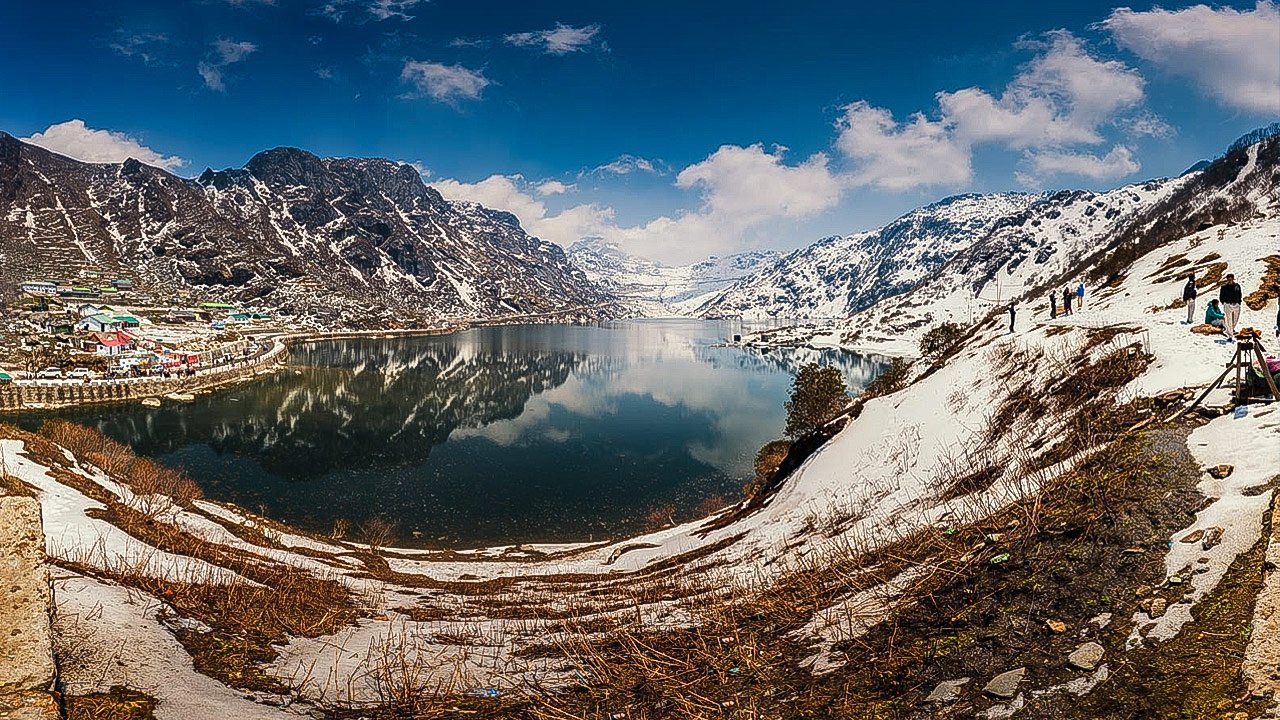
10. Naini Lake: Nestled amid the beautiful Kumaon town of Nainital, the Naini lake is the crescent-shaped freshwater lake which is surrounded by snowy peaks at the north, Tiffin point at the south-west and Naini peak (after which the town and the lake are named) at the North-west.

Jodhpur Foundation Day: When Mehrangarh Fort Foundation was laid by Rao Jodha on May 12, 1459

0

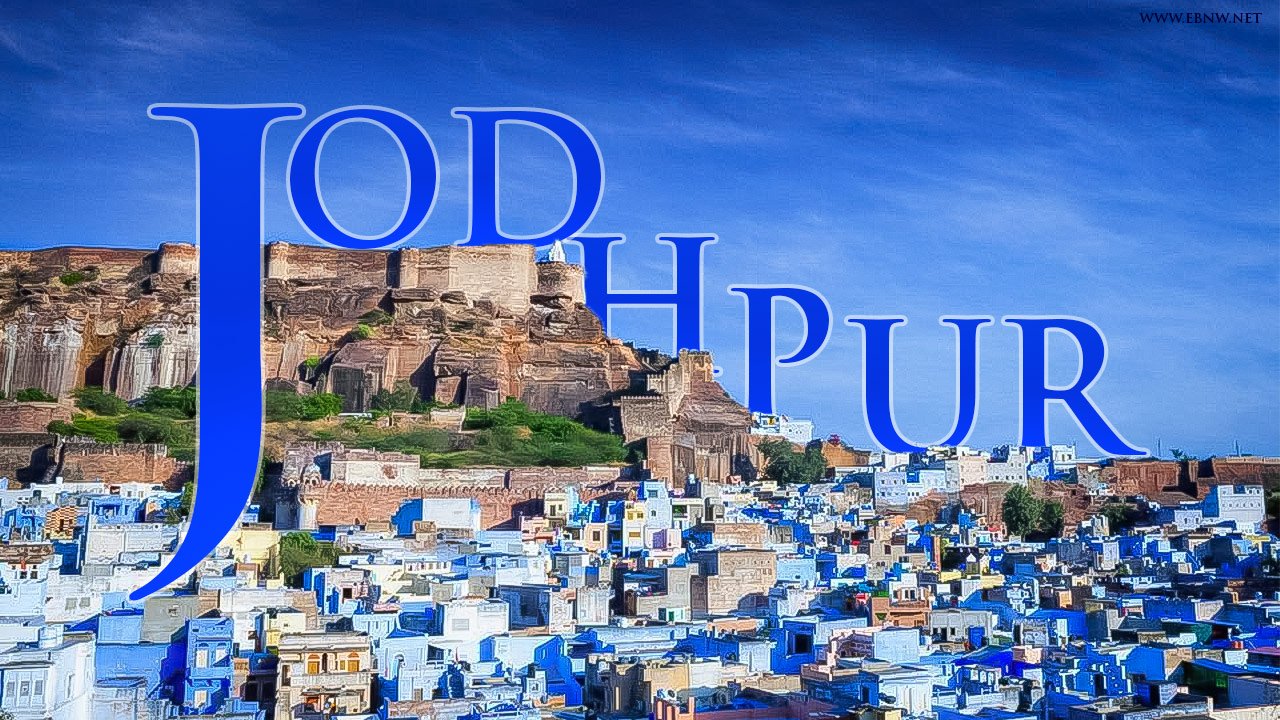
Jodhpur Foundation Day is celebrated on May 12 as Mehrangarh Fort Foundation was laid on this day many centuries back.

The foundation of the Mehrangarh Fort was laid by Rao Jodha, a Rathore ruler on May 12, 1459. While the Marwar royal family later shifted to much opulent palaces, the fort continued telling the tales of Rathore glory and basis of the clan’s strength.

Almost every ruler of Marwar left his mark here and hence the fort is a magnificent fusion of different styles and influences. 

Mehrangarh Fort and its magnificence

Its 125 feet high towering battlements, are made of solid stone and are at places six metres thick. Palaces inside the fort whisper tales of intrigues, riches and even patricide.

The fort through its over 500-year-history was occupied only five times and even offered sanctuary to Mughal emperor Humayun, who was fleeing to Persia after his defeat at the hands of Sher Shah Suri.

Mehrangarh Fort Museum

The fort houses a museum which updates visitors about the golden age of the Rathores, showcasing collections of palanquins, furniture, cannons, paintings and folk musical instruments. 

The Daulat Khana, a gallery of the museum, houses beautiful collections of Mughal miniature paintings.

Mehrangarh Fort is venue for RIFF and World Sufi Spirit Festival

The fort is also the venue for the Rajasthan International Folk Festival and World Sufi Spirit Festival. While RIFF is dedicated to promote and showcase folk music, Sufi festival promotes Sufi music.

Rajasthan is the first Indian state to start Olive refinery

0

Rajasthan is the first Indian state to start olive refinery which is located in Lunkaransar area of Bikaner.  

Rajasthan, on October 3, 2014 became the first state of India to start olive refinery which was established in Lunkaransar area of Bikaner.

Olive background in Rajasthan
Rajasthan is one amongst the leading states cultivating olive. The state started cultivation of olive in 2007 under olive cultivation project which was started by taking assistance of Israel and planted 1.12 lakh saplings in 7 agro-climatic zones.

At present, Olive was planted in 282 hectare land in districts like Jhunjhunu, Nagaur, Bikaner and other districts of the state in seven leading varieties namely Barnea, Arbequina, Crotina, Picholine, Picual, Coraniki and Frontoy.

Olive tree description

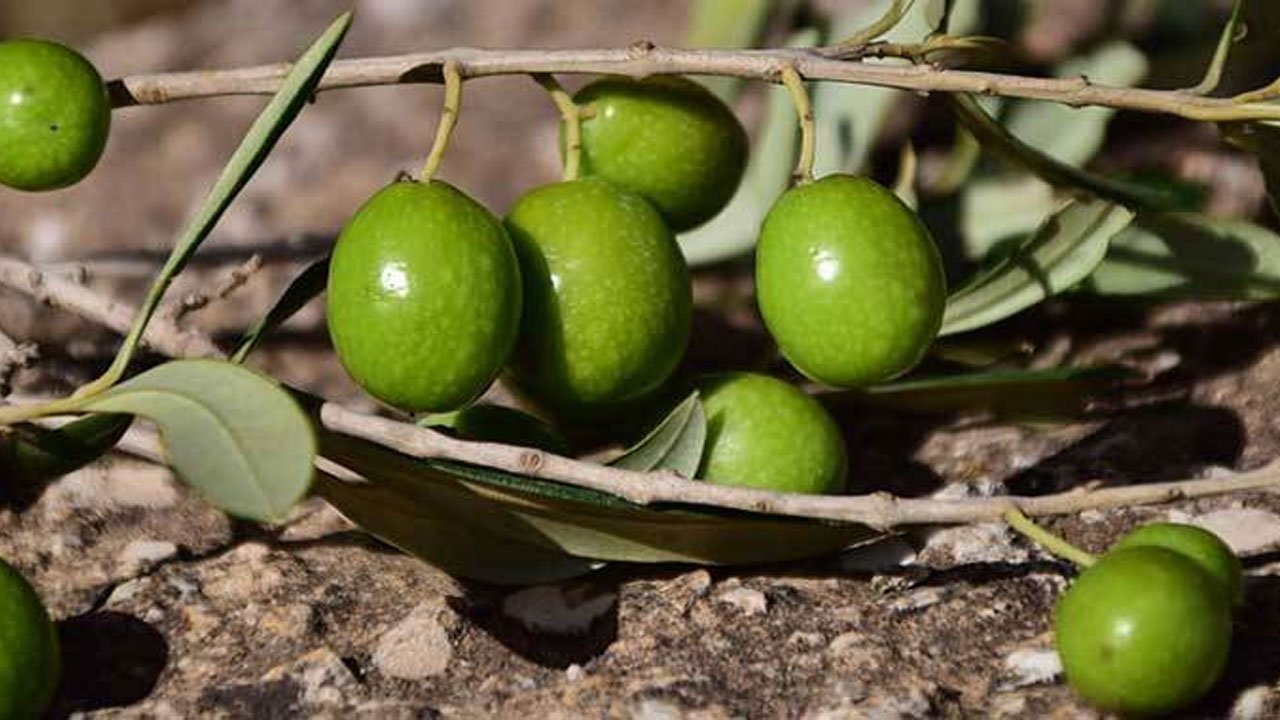
Olive is a small tree and belongs to the oleaceae family. It is found in coastal areas of eastern Mediterranean in Italy and Spain and northern Iraq and is also available in the northern Iran south of the Caspian Sea.

Nari Shakti: This qualified lawyer is India’s first woman truck driver

0

Nari Shakti stories have been shared across the nation inspiring women to step ahead to carve a niche in their domains. Let’s read about Yogita Raghuvanshi who is the first woman truck driver of India..

India’s first woman truck driver, Yogita Raghuvanshi says she feels extremely powerful behind the wheel, and loves to take challenges head on every day in her field of work.

A qualified lawyer Yogita Raghuvanshi is India’s first woman truck driver who despite being a qualified lawyer, preferred the tough life on the highways to raise her kids after her husband’s death

Yogita was raised in Nandurbar in Maharashtra with four siblings, earning degrees in Commerce and Law. Her husband encouraged her to study law, however, after his death 16 years ago, she preferred to take the road than practice law.

Her children, Yashika and Yashwin were young, and hence she decided to take the matters in her own hands.

Yogita took the first trip from Bhopal to Ahmedabad and slowly learnt the ways

Green Desert: No water, no power but a desert town turns into green zone

0

Green Desert! This phrase might sound surprising! But a scientist turned farmer has made it sound true in Sikar district of Rajasthan

A desert area in Sikar disrict, which is a part of dark zone, is fast turning into a green zone with jojoba plantations, despite having no water table and no power connection.

The credit for this area turning green goes to scientist-turned-farmer Khetaram Kumawat, who brought a unique and innovative technique to harvest rain water while adopting progressive farming means.

Kumawat retired as deputy GM in ONGC Gujarat and returned to his native village Danta in 2011 with an aim to do something for the people.

Green Desert: No water, no power but a desert town turns into green zone
Khetaram Kumawat who turned Desert area green in Sikar

He is PhD in chemistry and hence was aware of the fact that the village situated in Sikar district falls under the Dark Zone where there is no water table and hence tubewells cannot be dug for irrigation.

Dark zones meanwhile are areas demarcated by the government where no water table exists due to over exploitation of groundwater.

Kumawat created a pond by spreading a plastic layer on jojoba fields, creating a sloppy layer. Eventually, rain water collected on the plastic sheets went into the pond.

The pond was created with an average length of 27.30m, width of 15.8m and depth of 3.50m, that is a capacity of approx 1,510 cu mt (15,10,000 litres) which is filled with water during the monsoon

The water remains sufficient for irrigation of jojoba garden (1,400 plants) over an area of one hectare of land. This pond also irrigates vegetables in the 1920 square metre polyhouse by drip irrigation system run by Solar power

A solar panel has been installed while a solar motor has been fitted in the pond which helps irrigate the fields and polyhouses.

A jojoba plant can live up to one hundred years.

Green Desert: No water, no power but a desert town turns into green zone

The oil extracted from its seeds is used for lubrication of ATF, treatment of skin diseases, hair nourishment, cosmetics etc. The seed extracts left after oil extraction is also used for cosmetics and treatment of skin diseases.

The seed sells Rs 400-500 per kg and the oil at Rs 1,500-2,000 per litre. This means that a farmer can earn up to Rs 8-10 lakh by farming jojoba on one hectare of land which can produce over 2 quintals of seeds, says  Kumawat said.

Many farmers in the village, inspired by Kumawat’s work, have started creating such ponds while taking up jojoba plantation, which is not affected by temperature fluctuations, can hardly get attacked by pests and hence can create strong opportunities for earning livelihood in the arid villages of Rajasthan, he added.

International Nurses Day 2021: History, significance, facts & quotes

2

International Nurses Day: Each year on May 12, the birth anniversary of Florence Nightingale, the world’s most famous nurse, is observed as International Nurses Day

International Nurses Day is observed every year on May 12 every year as on this day in 1820, Florence Nightingale was born.

She was an English nurse, a social reformer and a statistician who founded the key pillars of modern nursing.

International Nurses Day Significance

International Nurses Day holds a great significance amid the horrific coronavirus pandemic. Nurses are the backbone of the hospitals and clinics in these testing times taking care of the millions of COVID-19 patients for months putting their lives at risk.

According to the ICN (International Council of Nurses), over 1.6 million healthcare workers in 34 countries have been infected by COVID-19 till 31 December 2020.

International Nurses Day History 

Florence Nightingale the founder of modern nursing, known as the Lady with the Lamp,

started working as a nursing in-charge of the British and allied soldiers, who were left wounded during the Crimean War. Florence Nightingale spent most of her time caring and comforting the injured. She was the first to establish formal training for nurses. The first nursing school – the Nightingale School of Nursing – was inaugurated in London in 1860. She was the first woman the Order of Merit 1907.

International Nurses Day Quotes

Nurses dispense comfort, compassion, and caring without even a prescription.” —Val Saintsbury.

The most important practical lesson that can be given to nurses is to teach them what to observe.” —Florence Nightingale.

Where the needs of the world and your talents cross, there lies your vocation”–Aristotle


COVID Pandemic: Look, how they recreated possibilities during tough times spreading positivity around

0

COVID Pandemic has, undoubtedly, thrown endless challenges, but there are endless opportunities too emerging around which are being tapped by industry leaders. The aim remains the same: exploring better opportunities for creating a better world.

The current pandemic times have thrown a tough situation to deal with and the industry veterans are busy finding solutions to sail smooth following resilience amid present times. Here we bring in a few veterans from diverse industries who share how they braved the odds of lockdown in 2020 to recreate possibilities in the shift.

A few excerpts from the seminar ‘Here &Now: Recreating Possibilities in the shift organised recently by Anantaya in association with ADI during Maahi Roj Lite 2021’:

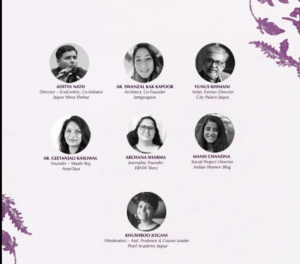
The first panelist of the session was architect Swanzal Kak Kapoor who shared her experience of turning a dusty mining site of Gurgaon into a green haven. “This Aravali Biodiversity Park, is now home to more than 300 species of plants, 195 species of birds and several animals including Neelgai, Jackal, and Palm Civet,” she said, adding that “Many people of Gurgaon came together to bring a difference and people contributed to the cause from behind the scene.”

She further said, “Our lifestyles and education have moved us further away from core ecological values and principles. We need to get a right team along with right mentors, right resources, merged with  good intentions and mindfulness to bring a difference for the right cause,” she added.

Aditya, one of the founders of Jaipur Mera Shehar, a collaborative organisation with roles facilitating, enabling and building ecosystems for diverse communities in Jaipur shared three high priority concerns which according to him, should be immediately addressed. He said,  “Networking is the basic need of a person. People are feeding rumours and there is lack of scientific thinking which should be stopped immediately. Shrinking physical spaces is yet another concern which needs to be checked,” he added.

Aditya said, “We have been organising a series of mental health series of workshops and want communities to come out to interact. Post lockdown, Jaipur Mera Shahar started a campaign on ground to bring people back to physical spaces which was quite challenging.”

 “Physical spaces did start to shrink somewhere seven eight years back which did raise concerns in those times, however pandemic has done last nail in the coffin. Most of us are happy in virtual spaces, however, these spaces can’t be a tool if you want to make an impact in community. If we want to climb Everest, we will have to take steps,” he added.

Geetanjali Kasliwal, Co-Founder of AnanTaya and AKFD said, “Possibility drives us and we can swing and support each other. This was the biggest takeaway from lockdown.”

She says, “There was a digital universe and I was shying away to get into it since long time. However, now, am dealing with customers whose faces I have not seen and am welcoming all people behind screen with both hands. This is a new reality. We are moving slowly to understand and get back to what we thought was normal. Perhaps this is speed bump in our lives, which we see every monsoon,” she said speaking on the lockdown.

She further said, “Anantaya has always taken pride in its work and our biggest strength is the vast network we are part of, of friends, colleagues, patrons etc. As an enterprise, we thought how we can maintain orders and fortunately we did not have to cancel anything. Eventually, none of our workers were removed and it’s truly fulfilling to see that first person who joined us 24 years back is with us as of now as well.”

Yunus Khimani, an artist who invested 24 years in education sector, and has been a former director of City Palace, Jaipur, acknowledged the fact that education has a huge power which has the potential to change the world and said that Education has the power to bring us together, to lead us to right path.

Speaking on lockdown, he said, “Lockdown last year was a boon for me.. I have never been as productive as I was last year. It was one of the most doubt clearing and creative time. I was an oil painter, but lockdown helped me to innovate. I got interested in sculpture and experimented with other colours too. Months of March, April and June were bliss.”

COVID Pandemic: Look, how they recreated possibilities during tough times spreading positivity around

Archana Sharma, a journalist and founder EBNW Story, said that lockdown gave everybody a quality time to search for positivity spread around when the environment was surrounded with all kinds of negative news with people dying, infection spreading and stories of migration leaving you in tears. 

We, as media, were surprised to see how people from across the world joined hands to sail smooth in tough times; tribal women were seen stitching PPE kits, government was making people aware via art and craft following puppetry shows and people were ready to help each other. So creativity was bubbling and hence came the time to click these positivity into one frame and came up EBNW Story.”

The youngest amongst all panellists, Mansi Chandana, social project director, Founder Indian Women Blog, says that pandemic revealed diverse disparities present all around, in fact, in this city as well.

She said, “There are major concerns which all of us should immediately address. These include urban planning, loss of livelihood, food insecurities and increasing digital divide, opening more computer labs for kids etc.”

The moderator of the session was Khushboo, assistant professor, course leader,  Pearl Academy who kept the audience and panellists engaged with her free flow of question, opinions and immersive thoughts.

The vote of thanks was proposed by Geetanjali Kasliwal.