Home Blog Page 802

Drone rules simplified in India to boost domestic economy

0

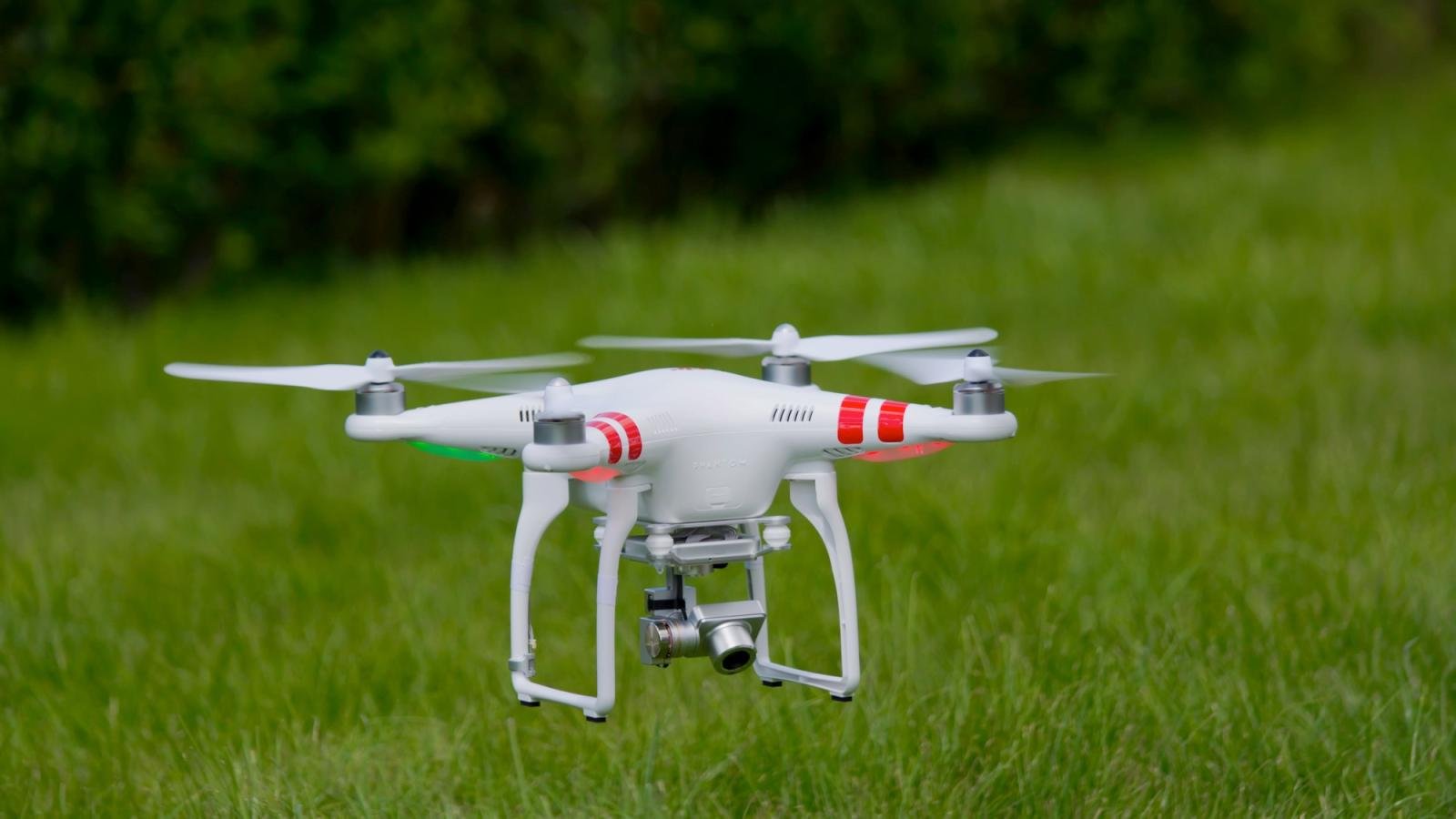
At a time drones have been posing grave threats to air force units along the Western border, India is in to simplify rules for use of Drones aiming at regulating country’s new sector: The Drone Industry which comes along with huge economic potential. The new rules are expected to come in force from August 5, 21.  

The new modalities are:


*The number of forms required for manufacturing, importing, testing, certifying and operating drones in India has been reduced from 25 to 6.

*Several approvals, such as unique authorisation number, unique prototype identification number, and certificate of conformance have been abolished.

*Digital Sky, the platform launched by the Indian government in December 2018, will become a single-window system for all approvals.

*A new airspace map is to be set out. It is to segregate the entire landmass of India into green, yellow and red zones within 30 days of notification of the new rules. These maps will be designed to be machine-readable through an API for easier plotting of drone flight paths.

*All drone flights within red and yellow zones will require permission prior to take off, while permissions for flights in green zones will be granted immediately through the Digital Sky platform.

The government will give drone manufacturers, importers and operators six months from the time the rules are notified to implement safety features such as ‘no permission, no take-off’ (NPNT), real-time tracking, and geo-fencing. 
World Emoji Day 2021: History, Emoji’ New Features and Key Facts

0

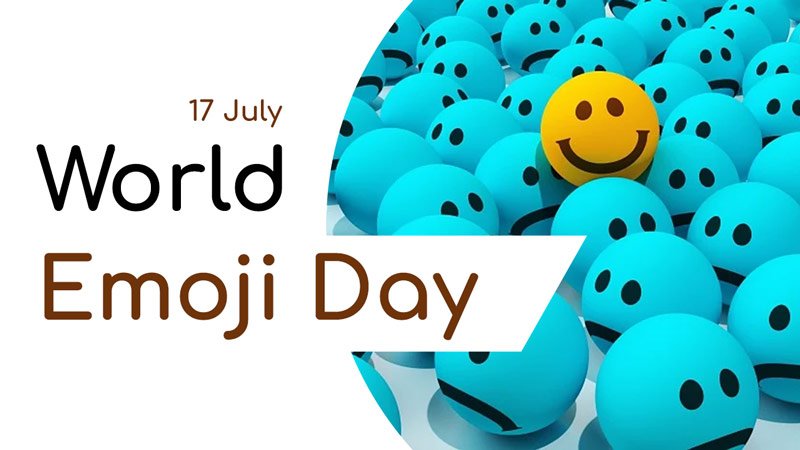
World Emoji Day 2021: World Emoji Day is celebrated each year on 17 July. Wanna know the history how this day’s celebration started, who created emoji, how the day is celebrated and what are new features of emojis…Read this blog for we bring the detailed updates on World Emoji Day here.

World Emoji Day 2021 is celebrated to represent an idea or an emotion through an electronic means. Emoji is the fastest growing language in history. Every day we use emoji on Facebook, Twitter, message, etc..

Emoji, as a small digital icon, is becoming quite popular these days and no doubt, it has become an integral part of our conversation. 

Every time we feel lazy or when we are at a loss of words, we use emojis to express ourselves. There is an emoji for every feeling and these emojis have been evolving since last many years which not only expresses simple human feelings but more than that.

Let’s see history from where and how emojis evolved and started.

Emoji or emojis is Japanese-origin word which originated on Japanese mobile phones in 1997. Existing as ideograms and smileys, they are used in electronic messages and web pages and are similar to emoticons. With the passage of time, they became so popular that Oxford Dictionaries named the Face with Tears of Joy emoji the Word of the Year in 2015.

World Emoji Day History

The World Emoji Day has been celebrated annually since 2014.

Termed to be the brainchild of Emojipedia creator Jeremy Burge, the Emojipedia is an emoji reference website that created in 2013 which documents the meaning and common usage of emoji characters in the Unicode Standard. New York Times said that Burge created the day on July 17 based on the way in which the calendar emoji is shown on iPhones.

World Emoji Day Celebration

Many events are held in honour of the emoji, like the World Emoji Day Red Carpet event in 2016, and the lighting up of the Empire State Building in a “emoji yellow” for World Emoji Day in 2017. During the ongoing COVID-19 pandemic, no big gatherings are being organised but people can still celebrate by sending one another messages using only the emojis.

Camels are back in trend during COVID-19 pandemic in Rajasthan. Know how and why…!

0

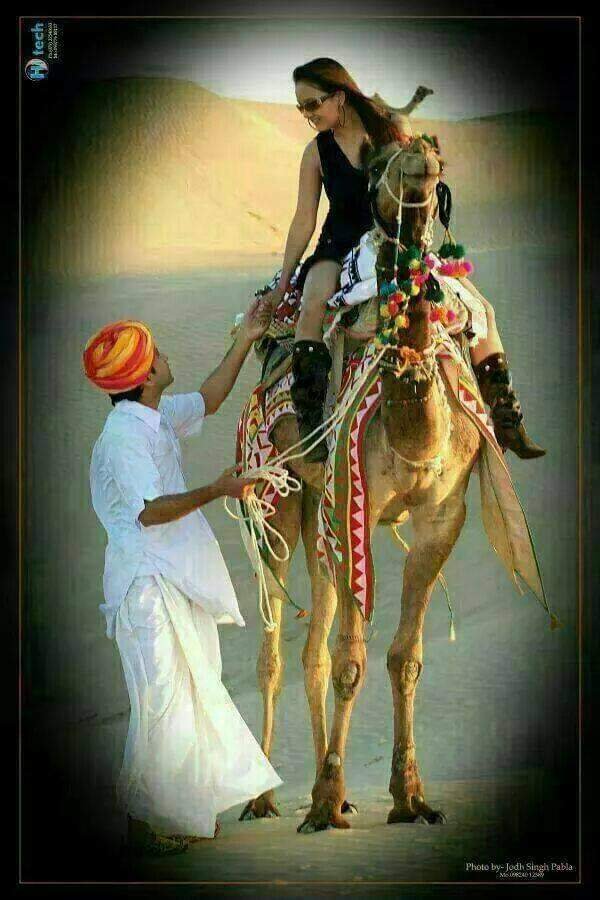
Camels in Rajasthan can be seen in wedding processions to carry grooms to their brides during COVID-19 pandemic. They are also been used to transport stationery, school notes to students in far flung areas. EBNW Story finds out if camels can bring back the old era where the ship of desert was used to carry lawazama and if this trend can help boost tourism in coming days…!

Camels in desert! A sudden whisper brings back this beautiful long legged animal walking on sandy terrains. With the modernisation, this ship of desert was replaced with cars, jeeps, motorbikes etc and hence its number started dwindling, however, now, this animal has found its lost significance back as it is much in demand for carrying out baraats and ferrying teachers to students in far-flung areas.

This animal can be seen ferrying baraatis during the wedding season. Seen as the new style statement for wedding parties, these camels are dolled up with nose pins, ghungroos, mirror-fitted garments and other baubles.

The travel agents opine that the coming years will bring back the old days when erstwhile royals carried lawazama during wedding parties. 

This lawazma included elephants and camels which carried royal families during wedding ceremonies. 

“The once famous practice of ‘Lawazma’, in which camels and elephants were used by the erstwhile royals for their wedding processions, has come back in these pandemic times, says Chaturbhuj Singh of Rajputana Cabs, who organises camel safaris in Jaisalmer, Pushkar and other such places in Rajasthan.

“In the coming days, this theme will be much in demand. As the state opens up completely, our foreign guests would love to tie the knot with a wedding procession on the lines of a ‘Lawazma’. European tourists, anyway, are in love with the ship of the desert,” he says.

Sanjay Kaushik,  a representative of the tour operators association says, “Baraat on camel will surely be a novel trend which will catch up with foreign guests who have been coming to India to tie the knot. As this trend is new, it shall surely give a big boost to tourism in post pandemic era,” he says.

Do you know! How many districts are there in India 2021 ? Here comes the state wise districts’ name in India..

0

According to the latest information of 2021, there are a total of 726 districts in India whose names are as follows.

Andhra Pradesh has total 13 districts.

  1. Anantapur
  2. Chittoor
  3. East Godavari
  4. Guntur
  5. Kadapa
  6. Krishna
  7. Kurnool
  8. Nellore
  9. Prakasam
  10. Srikakulam
  11. Visakhapatnam
  12. Vizianagaram
  13. West Godavari

Arunachal Pradesh has total 25 districts

  1. Anjaw
  2. Siang
  3. Changlang
  4. Dibang Valley
  5. East Kameng
  6. East Siang
  7. Kamle
  8. Kra Daadi
  9. Kurung Kumey
  10. Lepa Rada
  11. Lohit
  12. Longding
  13. Lower Dibang Valley
  14. Lower Siang
  15. Lower Subansiri
  16. Namsai
  17. Pakke Kessang
  18. Papum Pare
  19. Shi Yomi
  20. Tawang
  21. Tirap
  22. Upper Siang
  23. Upper Subansiri
  24. West Kameng
  25. West Siang

Assam has total 34 districts

  1. Bajali
  2. Baksa
  3. Barpeta
  4. Biswanath
  5. Bongaigaon
  6. Cachar
  7. Charaideo
  8. Chirang
  9. Darrang
  10. Dhemaji
  11. Dhubri
  12. Dibrugarh
  13. Dima Hasao
  14. Goalpara
  15. Golaghat
  16. Hailakandi
  17. Hojai
  18. Jorhat
  19. Kamrup
  20. Kamrup Metropolitan
  21. Karbi Anglong
  22. Karimganj
  23. Kokrajhar
  24. Lakhimpur
  25. Majuli
  26. Morigaon
  27. Nagaon
  28. Nalbari
  29. Sivasagar
  30. Sonitpur
  31. South Salmara-Mankachar
  32. Tinsukia
  33. Udalguri
  34. West Karbi Anglong

Bihar has total 38 districts

  1. Araria
  2. Arwal
  3. Aurangabad
  4. Banka
  5. Begusarai
  6. Bhagalpur
  7. Bhojpur
  8. Buxar
  9. Darbhanga
  10. East Champaran
  11. Gaya
  12. Gopalganj
  13. Jamui
  14. Jehanabad
  15. Kaimur
  16. Katihar
  17. Khagaria
  18. Kishanganj
  19. Lakhisarai
  20. Madhepura
  21. Madhubani
  22. Munger
  23. Muzaffarpur
  24. Nalanda
  25. Nawada
  26. Patna
  27. Purnia
  28. Rohtas
  29. Saharsa
  30. Samastipur
  31. Saran
  32. Sheikhpura
  33. Sheohar
  34. Sitamarhi
  35. Siwan
  36. Supaul
  37. Vaishali
  38. West Champaran

Chhattisgarh has total 28 districts

  1. Balod
  2. Baloda Bazar
  3. Balrampur Ramanujganj
  4. Bastar
  5. Bemetara
  6. Bijapur
  7. Bilaspur
  8. Dantewada
  9. Dhamtari
  10. Durg
  11. Gariaband
  12. Gaurela Pendra Marwahi
  13. Janjgir Champa
  14. Jashpur
  15. Kabirdham
  16. Kanker
  17. Kondagaon
  18. Korba
  19. Koriya
  20. Mahasamund
  21. Mungeli
  22. Narayanpur
  23. Raigarh
  24. Raipur
  25. Rajnandgaon
  26. Sukma
  27. Surajpur
  28. Surguja

Goa has total 2 districts

  1. North Goa
  2. South Goa

Gujarat has total 33 districts

  1. Ahmedabad
  2. Amreli
  3. Anand
  4. Aravalli
  5. Banaskantha
  6. Bharuch
  7. Bhavnagar
  8. Botad
  9. Chhota Udaipur
  10. Dahod
  11. Dang
  12. Devbhoomi Dwarka
  13. Gandhinagar
  14. Gir Somnath
  15. Jamnagar
  16. Junagadh
  17. Kheda
  18. Kutch
  19. Mahisagar
  20. Mehsana
  21. Morbi
  22. Narmada
  23. Navsari
  24. Panchmahal
  25. Patan
  26. Porbandar
  27. Rajkot
  28. Sabarkantha
  29. Surat
  30. Surendranagar
  31. Tapi
  32. Vadodara
  33. Valsad

Haryana has total 22 districts

  1. Ambala
  2. Bhiwani
  3. Charkhi Dadri
  4. Faridabad
  5. Fatehabad
  6. Gurugram
  7. Hisar
  8. Jhajjar
  9. Jind
  10. Kaithal
  11. Karnal
  12. Kurukshetra
  13. Mahendragarh
  14. Mewat
  15. Palwal
  16. Panchkula
  17. Panipat
  18. Rewari
  19. Rohtak
  20. Sirsa
  21. Sonipat
  22. Yamunanagar

Himachal Pradesh has total 12 districts

  1. Bilaspur
  2. Chamba
  3. Hamirpur
  4. Kangra
  5. Kinnaur
  6. Kullu
  7. Lahaul Spiti
  8. Mandi
  9. Shimla
  10. Sirmaur
  11. Solan
  12. Una

Jammu Kashmir has total 20 districts

  1. Anantnag
  2. Bandipora
  3. Baramulla
  4. Budgam
  5. Doda
  6. Ganderbal
  7. Jammu
  8. Kathua
  9. Kishtwar
  10. Kulgam
  11. Kupwara
  12. Poonch
  13. Pulwama
  14. Rajouri
  15. Ramban
  16. Reasi
  17. Samba
  18. Shopian
  19. Srinagar
  20. Udhampur

Jharkhand has total 24 districts

  1. Bokaro
  2. Chatra
  3. Deoghar
  4. Dhanbad
  5. Dumka
  6. East Singhbhum
  7. Garhwa
  8. Giridih
  9. Godda
  10. Gumla
  11. Hazaribagh
  12. Jamtara
  13. Khunti
  14. Koderma
  15. Latehar
  16. Lohardaga
  17. Pakur
  18. Palamu
  19. Ramgarh
  20. Ranchi
  21. Sahebganj
  22. Seraikela Kharsawan
  23. Simdega
  24. West Singhbhum

Karnataka has total 31 districts

  1. Bagalkot
  2. Bangalore Rural
  3. Bangalore Urban
  4. Belgaum
  5. Bellary
  6. Bidar
  7. Chamarajanagar
  8. Chikkaballapur
  9. Chikkamagaluru
  10. Chitradurga
  11. Dakshina Kannada
  12. Davanagere
  13. Dharwad
  14. Gadag
  15. Gulbarga
  16. Hassan
  17. Haveri
  18. Kodagu
  19. Kolar
  20. Koppal
  21. Mandya
  22. Mysore
  23. Raichur
  24. Ramanagara
  25. Shimoga
  26. Tumkur
  27. Udupi
  28. Uttara Kannada
  29. Vijayanagara
  30. Vijayapura
  31. Yadgir

Kerala has total 14 districts

  1. Alappuzha
  2. Ernakulam
  3. Idukki
  4. Kannur
  5. Kasaragod
  6. Kollam
  7. Kottayam
  8. Kozhikode
  9. Malappuram
  10. Palakkad
  11. Pathanamthitta
  12. Thiruvananthapuram
  13. Thrissur
  14. Wayanad

Madhya Pradesh has total 55 districts

  1. Agar Malwa
  2. Alirajpur
  3. Anuppur
  4. Ashoknagar
  5. Balaghat
  6. Barwani
  7. Betul
  8. Bhind
  9. Bhopal
  10. Burhanpur
  11. Chachaura
  12. Chhatarpur
  13. Chhindwara
  14. Damoh
  15. Datia
  16. Dewas
  17. Dhar
  18. Dindori
  19. Guna
  20. Gwalior
  21. Harda
  22. Hoshangabad
  23. Indore
  24. Jabalpur
  25. Jhabua
  26. Katni
  27. Khandwa
  28. Khargone
  29. Maihar
  30. Mandla
  31. Mandsaur
  32. Morena
  33. Nagda*
  34. Narsinghpur
  35. Neemuch
  36. Niwari
  37. Panna
  38. Raisen
  39. Rajgarh
  40. Ratlam
  41. Rewa
  42. Sagar
  43. Satna
  44. Sehore
  45. Seoni
  46. Shahdol
  47. Shajapur
  48. Sheopur
  49. Shivpuri
  50. Sidhi
  51. Singrauli
  52. Tikamgarh
  53. Ujjain
  54. Umaria
  55. Vidisha

Maharashtra has total 36 districts

  1. Ahmednagar
  2. Akola
  3. Amravati
  4. Aurangabad
  5. Beed
  6. Bhandara
  7. Buldhana
  8. Chandrapur
  9. Dhule
  10. Gadchiroli
  11. Gondia
  12. Hingoli
  13. Jalgaon
  14. Jalna
  15. Kolhapur
  16. Latur
  17. Mumbai City
  18. Mumbai Suburban
  19. Nagpur
  20. Nanded
  21. Nandurbar
  22. Nashik
  23. Osmanabad
  24. Palghar
  25. Parbhani
  26. Pune
  27. Raigad
  28. Ratnagiri
  29. Sangli
  30. Satara
  31. Sindhudurg
  32. Solapur
  33. Thane
  34. Wardha
  35. Washim
  36. Yavatmal

Manipur has total 16 districts

  1. Bishnupur
  2. Chandel
  3. Churachandpur
  4. Imphal East
  5. Imphal West
  6. Jiribam
  7. Kakching
  8. Kamjong
  9. Kangpokpi
  10. Noney
  11. Pherzawl
  12. Senapati
  13. Tamenglong
  14. Tengnoupal
  15. Thoubal
  16. Ukhrul

Meghalaya has total 11 districts

  1. East Garo Hills
  2. East Jaintia Hills
  3. East Khasi Hills
  4. North Garo Hills
  5. Ri Bhoi
  6. South Garo Hills
  7. South West Garo Hills
  8. South West Khasi Hills
  9. West Garo Hills
  10. West Jaintia Hills
  11. West Khasi Hills

Mizoram has total 11 districts

  1. Aizawl
  2. Champhai
  3. Hnahthial
  4. Khawzawl
  5. Kolasib
  6. Lawngtlai
  7. Lunglei
  8. Mamit
  9. Saiha
  10. Saitual
  11. Serchhip

Nagaland has total 12 districts

  1. Mon
  2. Dimapur
  3. Kiphire
  4. Kohima
  5. Longleng
  6. Mokokchung
  7. Noklak
  8. Peren
  9. Phek
  10. Tuensang
  11. Wokha
  12. Zunheboto

Odisha has total 30 districts

  1. Angul
  2. Balangir
  3. Balasore
  4. Bargarh
  5. Bhadrak
  6. Boudh
  7. Cuttack
  8. Debagarh
  9. Dhenkanal
  10. Gajapati
  11. Ganjam
  12. Jagatsinghpur
  13. Jajpur
  14. Jharsuguda
  15. Kalahandi
  16. Kandhamal
  17. Kendrapara
  18. Kendujhar
  19. Khordha
  20. Koraput
  21. Malkangiri
  22. Mayurbhanj
  23. Nabarangpur
  24. Nayagarh
  25. Nuapada
  26. Puri
  27. Rayagada
  28. Sambalpur
  29. Subarnapur
  30. Sundergarh

Punjab has total 23 districts

  1. Amritsar
  2. Barnala
  3. Bathinda
  4. Faridkot
  5. Fatehgarh Sahib
  6. Fazilka
  7. Firozpur
  8. Gurdaspur
  9. Hoshiarpur
  10. Jalandhar
  11. Kapurthala
  12. Ludhiana
  13. Malerkotla
  14. Mansa
  15. Moga
  16. Mohali
  17. Muktsar
  18. Pathankot
  19. Patiala
  20. Rupnagar
  21. Sangrur
  22. Shaheed Bhagat Singh Nagar
  23. Tarn Taran

Rajasthan has total 33 districts

  1. Ajmer
  2. Alwar
  3. Banswara
  4. Baran
  5. Barmer
  6. Bharatpur
  7. Bhilwara
  8. Bikaner
  9. Bundi
  10. Chittorgarh
  11. Churu
  12. Dausa
  13. Dholpur
  14. Dungarpur
  15. Sri Ganganagar
  16. Hanumangarh
  17. Jaipur
  18. Jaisalmer
  19. Jalore
  20. Jhalawar
  21. Jhunjhunu
  22. Jodhpur
  23. Karauli
  24. Kota
  25. Nagaur
  26. Pali
  27. Pratapgarh
  28. Rajsamand
  29. Sawai Madhopur
  30. Sikar
  31. Sirohi
  32. Tonk
  33. Udaipur

Sikkim has total 4 districts

  1. East Sikkim
  2. North Sikkim
  3. South Sikkim
  4. West Sikkim

Tamil Nadu has total 38 districts

  1. Ariyalur
  2. Chengalpattu
  3. Chennai
  4. Coimbatore
  5. Cuddalore
  6. Dharmapuri
  7. Dindigul
  8. Erode
  9. Kallakurichi
  10. Kanchipuram
  11. Kanyakumari
  12. Karur
  13. Krishnagiri
  14. Madurai
  15. Mayiladuthurai
  16. Nagapattinam
  17. Namakkal
  18. Nilgiris
  19. Perambalur
  20. Pudukkottai
  21. Ramanathapuram
  22. Ranipet*
  23. Salem
  24. Sivaganga
  25. Tenkasi
  26. Thanjavur
  27. Theni
  28. Thoothukudi
  29. Tiruchirappalli
  30. Tirunelveli
  31. Tirupattur*
  32. Tiruppur
  33. Tiruvallur
  34. Tiruvannamalai
  35. Tiruvarur
  36. Vellore
  37. Viluppuram
  38. Virudhunagar

Telangana has total 33 districts

  1. Adilabad
  2. Bhadradri Kothagudem
  3. Hyderabad
  4. Jagtial
  5. Jangaon
  6. Jayashankar Bhupalpally
  7. Jogulamba Gadwal
  8. Kamareddy
  9. Karimnagar
  10. Khammam
  11. Komaram Bheem
  12. Mahabubabad
  13. Mahbubnagar
  14. Mancherial
  15. Medak
  16. Medchal
  17. Mulugu
  18. Nagarkurnool
  19. Nalgonda
  20. Narayanpet
  21. Nirmal
  22. Nizamabad
  23. Peddapalli
  24. Rajanna Sircilla
  25. Ranga Reddy
  26. Sangareddy
  27. Siddipet
  28. Suryapet
  29. Vikarabad
  30. Wanaparthy
  31. Warangal Rural
  32. Warangal Urban
  33. Yadadri Bhuvanagiri

Tripura has total 8 districts

  1. Dhalai
  2. Gomati
  3. Khowai
  4. North Tripura
  5. Sepahijala
  6. South Tripura
  7. Unakoti
  8. West Tripura

Uttar Pradesh has total 75 districts

  1. Agra
  2. Aligarh
  3. Prayagraj
  4. Ambedkar Nagar
  5. Amethi
  6. Amroha
  7. Auraiya
  8. Azamgarh
  9. Baghpat
  10. Bahraich
  11. Ballia
  12. Balrampur
  13. Banda
  14. Barabanki
  15. Bareilly
  16. Basti
  17. Bhadohi
  18. Bijnor
  19. Budaun
  20. Bulandshahr
  21. Chandauli
  22. Chitrakoot
  23. Deoria
  24. Etah
  25. Etawah
  26. Ayodhya
  27. Farrukhabad
  28. Fatehpur
  29. Firozabad
  30. Gautam Buddha Nagar
  31. Ghaziabad
  32. Ghazipur
  33. Gonda
  34. Gorakhpur
  35. Hamirpur
  36. Hapur
  37. Hardoi
  38. Hathras
  39. Jalaun
  40. Jaunpur
  41. Jhansi
  42. Kannauj
  43. Kanpur Dehat
  44. Kanpur Nagar
  45. Kasganj
  46. Kaushambi
  47. Kheri
  48. Kushinagar
  49. Lalitpur
  50. Lucknow
  51. Maharajganj
  52. Mahoba
  53. Mainpuri
  54. Mathura
  55. Mau
  56. Meerut
  57. Mirzapur
  58. Moradabad
  59. Muzaffarnagar
  60. Pilibhit
  61. Pratapgarh
  62. Raebareli
  63. Rampur
  64. Saharanpur
  65. Sambhal
  66. Sant Kabir Nagar
  67. Shahjahanpur
  68. Shamli
  69. Shravasti
  70. Siddharthnagar
  71. Sitapur
  72. Sonbhadra
  73. Sultanpur
  74. Unnao
  75. Varanasi

Uttarakhand has total 13 districts

  1. Almora
  2. Bageshwar
  3. Chamoli
  4. Champawat
  5. Dehradun
  6. Haridwar
  7. Nainital
  8. Pauri
  9. Pithoragarh
  10. Rudraprayag
  11. Tehri
  12. Udham Singh Nagar
  13. Uttarkashi

West Bengal has total 23 districts

  1. Alipurduar
  2. Bankura
  3. Birbhum
  4. Cooch Behar
  5. Dakshin Dinajpur
  6. Darjeeling
  7. Hooghly
  8. Howrah
  9. Jalpaiguri
  10. Jhargram
  11. Kalimpong
  12. Kolkata
  13. Malda
  14. Murshidabad
  15. Nadia
  16. North 24 Parganas
  17. Paschim Bardhaman
  18. Paschim Medinipur
  19. Purba Bardhaman
  20. Purba Medinipur
  21. Purulia
  22. South 24 Parganas
  23. Uttar Dinajpur

Andaman Nicobar has total 3 districts

  1. Nicobar
  2. North Middle Andaman
  3. South Andaman

Chandigarh Has Total 1 district

  1. Chandigarh

Dadra Nagar Haveli has total 1 district

  1. Dadra Nagar Haveli

Daman Diu has total 2 districts

  1. Daman
  2. Diu

Delhi has total 11 districts

  1. Central Delhi
  2. East Delhi
  3. New Delhi
  4. North Delhi
  5. North East Delhi
  6. North West Delhi
  7. Shahdara
  8. South Delhi
  9. South East Delhi
  10. South West Delhi
  11. West Delhi

Lakshadweep has total 1 district

  1. Lakshadweep

Ladakh has total 2 districts

  1. Kargil
  2. Leh

Puducherry has total 4 districts

  1. Karaikal
  2. Mahe
  3. Puducherry
  4. Yanam

Top 10 Unique Quotes on Life

0
  1. “The purpose of our lives is to be happy.” Dalai Lama

2. “Life is about making an impact, not making an income.” Kevin Kruse

3. “Life is not a problem to be solved, but a reality to be experienced.”– Soren Kierkegaard

4. “All you need in this life is ignorance and confidence; then success is sure.” – Mark Twain

5. “Live as if you were to die tomorrow. Learn as if you were to live forever.” -Mahatma Gandhi

6. “The whole secret of a successful life is to find out what is one’s destiny to do, and then do it.” -Henry Ford

7. “Don’t settle for what life gives you; make life better and build something.” -Ashton Kutcher

8. “Life would be tragic if it weren’t funny.” -Stephen Hawking

9. “Life is a succession of lessons which must be lived to be understood.” -Helen Keller

10. “You will face many defeats in life, but never let yourself be defeated.” -Maya Angelou

World Youth Skill Day 2021 Theme, Date, significance, history and more…

0

The World Youth Skill Day is dedicated for the cause of unemployment as youngsters are three times more likely to be unemployed than middle-aged adults. This is due to their lack in experience and skill set. Thus, skill development is the need of the hour. The special day hence is celebrated on every July 15 to create awareness of challenges and problems that youth are facing in their professional life due to lack of skills.

World Youth Skill Day: History

The United Nations General Assembly passed a resolution on December 18, 2014 and declared July 15 as World Youth Skills Day. The first World Youth Skills Day was celebrated by many countries on July 15, 2015.

World Youth Skill Day: Significance

World Youth Skills Day plays an important role to create an opportunity for conversation between TVET ( Technical and vocational education and training ), policy makers, employers, workers and skilled youth. Skilled youth can get more opportunities for better employment as well for becoming entrepreneurs with latest informations.

World Youth Skill Day: Theme for 2021

This year, the theme is ‘Reimagining Youth Skills Post-Pandemic’. 

World Youth Skill Day: Virtual Event

On July 15, 2021, an interactive discussion will be organized  from 8:30 pm to 10 pm IST by the Permanent Mission of Portugal and Sri Lanka to the United Nations, together with UNESCO, ILO and the office of the Secretary-General’s Envoy on youth.

Guru Har Krishan Ji: Know about the eighth and youngest Guru of Sikhs

0

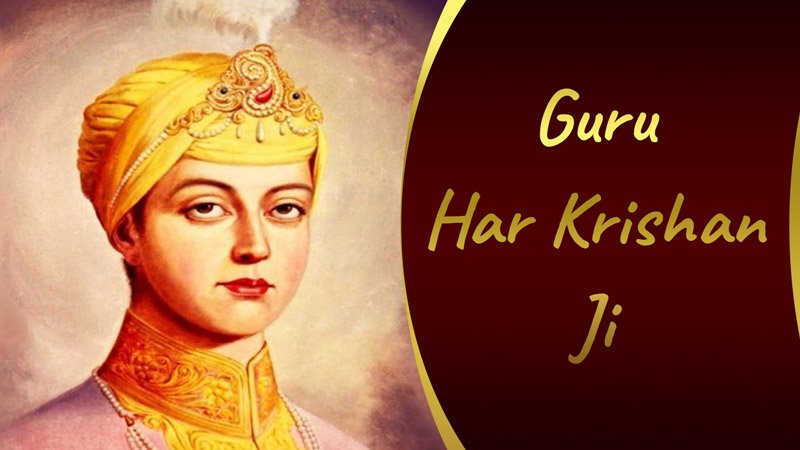
Shri Guru Harkrishan Sahib Ji, the eighth and the youngest of the ten Sikh Gurus, succeeded his father at the tender age of five. Let’s read more to know in detail about him.

Shri Guru Har Krishan Sahib Ji was the eighth Sikh Guru who is also known as Bal Guru because he succeeded his father, Guru Har Rai Ji (the seven of the ten Sikh Gurus) at the age of five. 

He was born on July 17, 1656 (as per the traditional calendar, in the month of Shravan, Krishna Paksha Navami Tithi) and became a guru on October 7, 1661. 

But his reign as Guru lasted for 2 years, 5 months and 24 days  only as he succumbed to smallpox on April 9, 1664. However, before breathing his last, he chose Guru Tegh Bahadur, his grand-uncle as his successor by uttering the words “Baba Bakale”. 

He was born in Kiratpur to Krishen Devi also known as Mata Sulakhni and Guru Har Rai. 

He halted at the Panjokhra Sahib Gurudwara in Ambala, Haryana when he was on his way from Kiratpur to Delhi to meet Mughal ruler Aurangzeb. En route, he visited villages including Ropar, Banur and Raipura to spread the message of Guru Nanak.

As per the legend, the Guru made a boundary with sand and announced that anyone wishing to see him, should stand on the mark and ask for the wish. He stated that those doing so would have their wishes fulfilled.

The Gurdwara Bangla Sahib initially was a bungalow of a king named Raja Jai Singh. Shri Guru Harkrishan Sahib Ji started staying here to serve those suffering from smallpox and cholera. He offered them water from the well at his house and took care of them. However, he too contracted the disease. Eventually, devotees gather here at the Gurdwara Bangla Sahib to seek the blessings of the Bal Guru annually.

Dwarkadhish Temple’s flag destroyed after being struck by lightning in Gujarat

0

 Dwarkadhish Temple in Gujarat was struck by lightning on Tuesday afternoon due to which its flag atop was damaged. Fortunately, no person was injured in the lightning incident. 

 Dwarkadhish Temple

 Dwarkadhish Temple is the famous Lord Krishna temple which is 1200 year old. This temple is situated in Gomati coast.

Dwarka rains

Gujarat’s Dwarka has been experiencing heavy rainfall since Tuesday’s afternoon. The weather department has issued heavy rainfall alert for the next three days..

Many dead in lightning strikes across India

Over 75 people were killed in separate lightning incidents in Uttar Pradesh, Rajasthan, Madhya Pradesh till July 12.

Roger Federer withdraws from Olympic 2021 to be held in Tokyo. Know why?

0

Roger Federer’s quest to win his first Olympic gold medal has been stretched a little as he has withdrawn to contest from Olympic 2020 to be held in Tokyo. 

Roger Federer, the 39-year-old tennis star, will not compete in the 2021 Tokyo Olympics. Federer confirmed that he is withdrawing from the tournament in a Twitter post on Tuesday afternoon.

Why won’t he play? Federer wrote that he had a setback in his surgically repaired right knee.

His full statement stays

During the grass court season, I unfortunately experienced a setback with my knee, and have accepted that I must withdraw from the Tokyo Olympic Games. I am greatly disappointed, as it has been an honor and highlight of my career each time I have represented Switzerland. I have already begun rehabilitation in the hopes of returning to the tour later this summer. I wish the entire Swiss team the best of luck and I will be rooting hard from afar. As always, Hopp Schwiz!

Ladakh is first UT of India to achieve 100% first dose coverage

0

Ladakh became the first Union Territory to vaccinate all residents and guest population; comprising migrant labourers, hotel workers and Nepalese citizens earning their livelihood in the territory with first dose of Covid-19 jab.

Why Ladakh’s cent per cent vaccination makes a big news

  • Despite the Ladakh’s low population, this is no mean feat as the region has a challenging terrain, extreme weather conditions and isolated centres of population. Many of the population are in fact difficult to access.
  • As per information, total of 89,404 people from all eligible age groups have been administered with first dose of Covid vaccine.
  • Second dose is administered to 60,936 people.
  • Vaccination has been done in less than three months after third phase of vaccination started in India.
  • About 6,821 Nepalese citizens living in UT were administered the vaccine.

Ladakh info

Ladakh is a region administered by India as union territory comprising part of larger Kashmir region, which has been a subject of dispute between India, Pakistan, and China. Ladakh was established as a Union Territory on October 31, 2019 after passing “Jammu and Kashmir Reorganisation Act”.

Ladakh and adjoining areas

Ladakh is bordered by Tibet Autonomous Region in east, Himachal Pradesh in south, Jammu & Kashmir and Gilgit-Baltistan in west while southwest corner of Xinjiang along the Karakoram Pass in north. Ladakh extends from Siachen Glacier in Karakoram range in north to main Great Himalayas in south. Eastern end of UT comprises of uninhabited Aksai Chin plains. Aksai Chin is claimed by Indian Government as part of Ladakh, however it is under Chinese control since 1962.