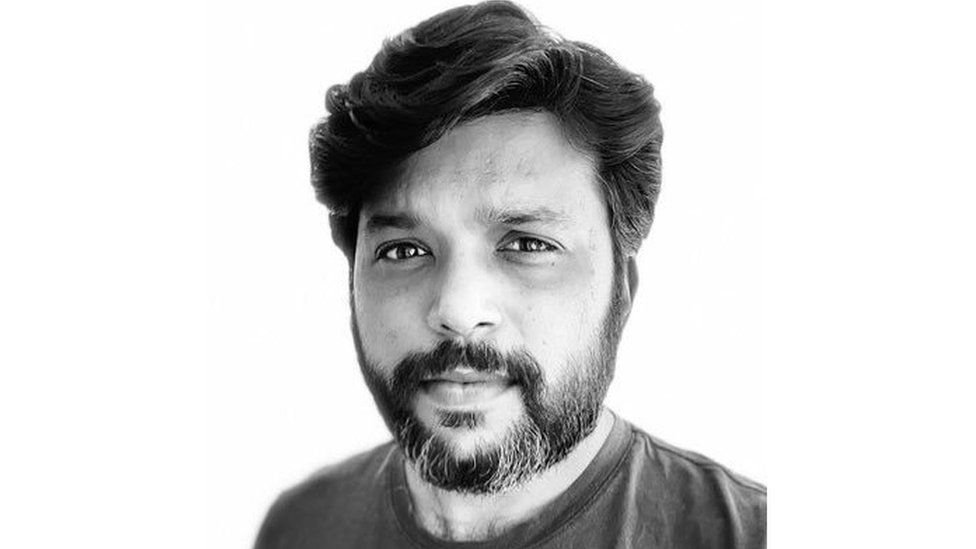
Danish Siddiqui, an award-winning photojournalist, killed on Friday covering a clash between Afghan security forces and Taliban fighters near a border crossing with Pakistan, was the Pulitzer Prize-winning chief photographer.
He had been covering the Afghan-Taliban clashes for Reuters over the last few days. Let’s see a few pictures clicked by him which bespeaks a story of pain, sorry, trauma and what not!
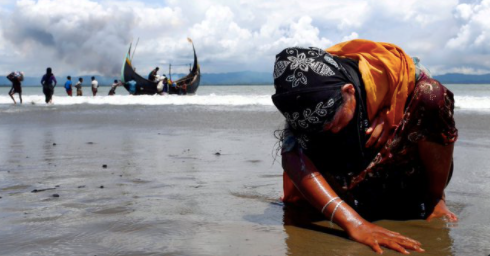
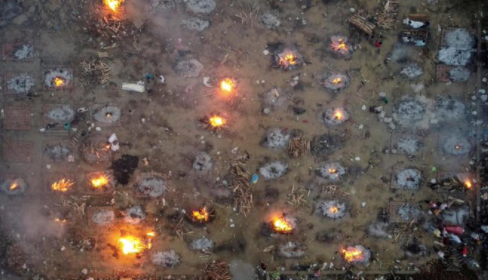
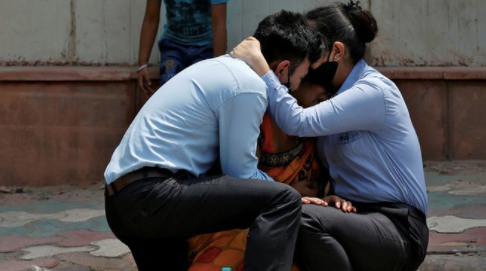
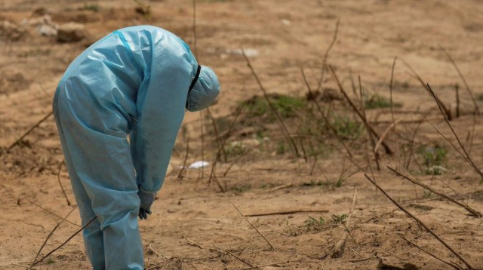
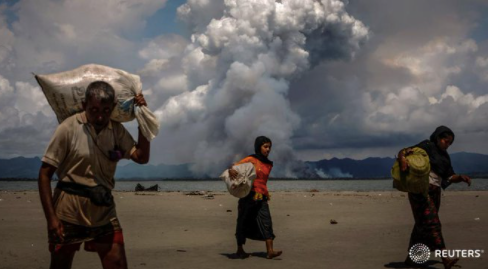
Danish Siddiqui, Reuters’ chief photographer, won the Pulitzer prize in 2018 for this photo of a Rohingya woman who had crossed the Bay of Bengal to flee genocide. Danish was killed by a Taliban ambush in Afghanistan today whilst embedded with troops.In his visuals, Danish Siddiqui narrated the story of India’s humongous humanitarian crisis like an angry poetA photo by @dansiddiqui that captured a thousand things about the Covid crisis in one frame.April 2020: A health worker reacts before the burial of a Central Reserve Police Force (CRPF) officer who died from COVID-19, at a graveyard in New Delhi.A group of refugees walk along the shore after completing the dangerous journey from across the Myanmar-Bangladesh border
Twitter Inc announced has suspended its Fleets feature. As per Twitter, this feature will no longer be available after August 3. This feature has been suspended because it failed to attract more users.
About the fleet feature
Fleet feature of twitter was quite similar to “Instagram’s disappearing stories feature” and was launched in November 2020 to target people who share thoughts publicly through tweets. Fleets was a way that shared fleeting thoughts and disappeared after 24 hours and don’t get Retweets, Likes, or public replies.
About Twitter
Twitter is an American microblogging and social networking service where users post and interact with messages called as tweets. Registered users can post, like, and retweet tweets.
Surekha Sikri was a three-time national award-winning veteran actress whopassed away on July 16 following a cardiac arrest. She was 75 years old. While Anupam Kher termed her as his senior and an actress par excellence, West Bengal chief minister Mamata Banerjee also condoled her death.
Let’s see how the veterans paid tributes to this artist.
The respect and honour she received and deserved. What an amazing journey has it been for #surekhasikri. Here is a clip from the National Award she received with that standing ovation 👍🙏 pic.twitter.com/SDkQQsN0pH
Few actors are as versatile & accomplished as Surekha Sikri ji. She was an institution. Young actors must watch her work. RIP🙏 pic.twitter.com/y1sEA1iSXG
An actor par excellence and a woman who was ahead of her time. #SurekhaSikri Ji has inspired generations of actors and her legacy will forever be celebrated. My condolences to the family🙏🏼 pic.twitter.com/BhcAWUPofF
Surekha Sikri (19 April 1945 – 16 July 2021) was a veteran of Hindi theatre.
She made her debut in the 1978 political drama film Kissa Kursi Ka. In fact, she entered the drama world while pursuing her studies at Aligarh University. She felt so much appealed by the world that she enrolled in National School of Drama and later went on to play supporting roles in numerous Hindi and Malayalam films, as well as in Indian soap operas.
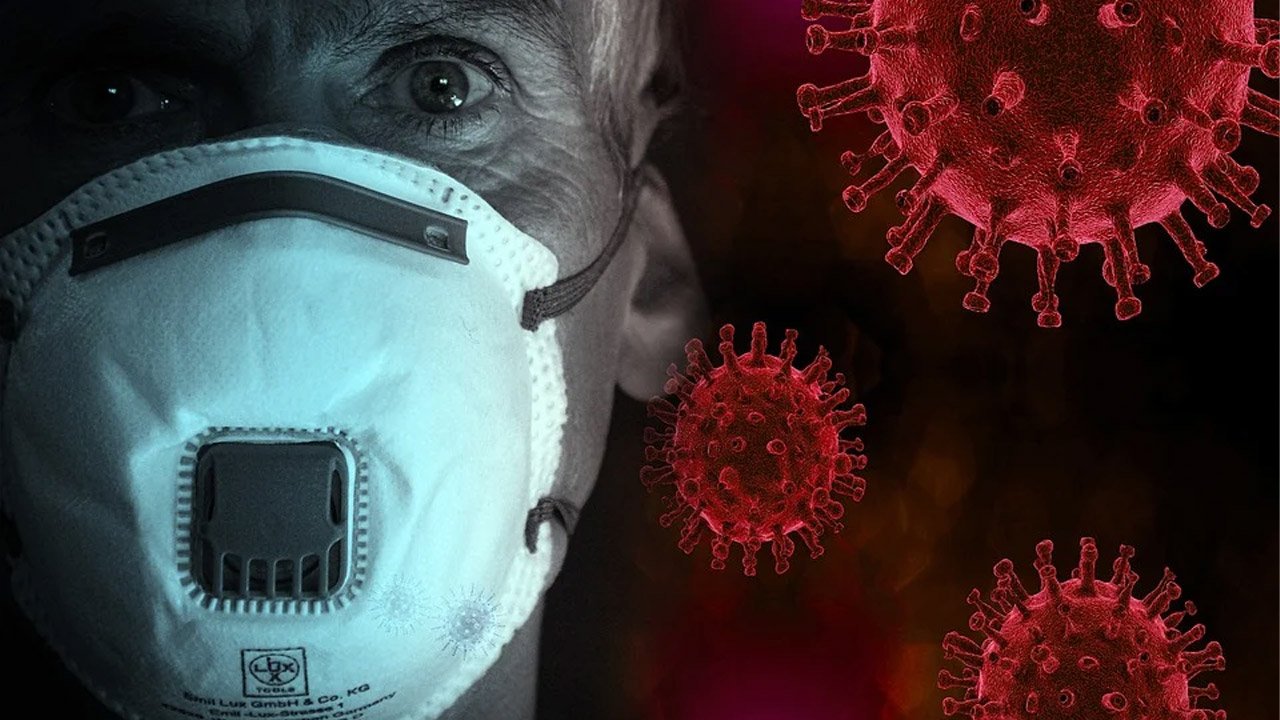
COVID third wave warning has been issued by different health officials in different parts of the world. Now ICMR too has issued the warning saying that COVID third wave can hit India by August-end.
The third Covid-19 wave is likely to hit the country in August end and isn’t inevitable, said Dr Samiran Panda, Head of Epidemiology & Infectious Diseases,at the Indian Council of Medical Research (ICMR).
It is likely that India can see almost around one lakh cases every single day with the onset of the third wave of the viral infection in August towards the end of the month, said a senior scientist at the Indian Council of Medical Research (ICMR).
He cautioned the states to be more careful and said that they need to look into their own Covid-19 data and check at which stage of ‘epidemic they are in.’
“States should look into their own Covid data and check at which stage of the epidemic they are in. We need to be more careful,” said Dr Samiran Panda.
He listed out four things that could lead to a potential third wave.
1: Drop in the immunity acquired in the first and second wave of Covid-19.
2. There could be a variantthat can bypass the acquired immunity.
3. Third, the new variant may not be able to bypass immunity but can circulate fast in the population
4. the premature easing of Covid-19 curbs by states can bring in third wave..
Lonavala, a weekend trip hill-station in western Maharashtra, has several alluring places ranging from vantage points with panoramic views to age-old forts and many more.
The beauty of this town will leave you amazed. Places like Tiger’s Leap, Amrutanjan Point etc offer scenic views of the Sahyadri hills, forested lands and the golden sunsets. Moreover, places like Rajmachi Fort, Tikona Fort, Lohagarh Fort etc have been ideal for trekking and hiking.
Let’s read about more such popular attractions of Lonavala:
Tiger’s Leap: This prime tourist attraction sits in the lap of nature at a height of 650 metres above sea level. This is a vantage point which has been named so because of its shape resembling a tiger taking a leap into the valley. Loved by adventure seekers, this place suits those loving trekking and hiking. This site has an echo point and a stream flowing nearby.
Bhaja Caves: This is a set of spectacular rock-cut caves, classified as a national monument. Believed to be one of the oldest caves in India, it belongs to 2nd to 1st century BCE, and the fine Buddhist excavations in these caves date back to the Hinayana phase of Buddhism.
Karla Caves: Karla Caves houses the largest and most well preserved Hinayana Buddhist Chaitya which is associated with Mahasamghika sect of Buddhism. These are one amongst the oldest rock-cut caves in India with the oldest one dating back to the 1st century BCE. There are fine motifs, sculptures, inscriptions, stupas, pillars and 37-pillar aisle at Karla Caves.
. Bhushi Dam: Bhushi Lake is a masonry dam situated on the Indrayani River. You can sit and soak the warm sunshine as well as enjoy the stunning views of the surroundings.
Della Adventure Park: With 50 plus adventure activities, this is India’s Largest Extreme Adventure park. Experience Swoop swing(100 ft.), India’s Longest Flying Fox(1250ft.), 5 kinds of zorbing and 700cc yamaha raptor ATV only at Della Adventure, Lonavala and many more.
Maharashtra: The state government and the Brihanmumbai Municipal Corporation have revoked the mandatory negative RT-PCR report requirement for fully-vaccinated tourists. However, they will have to furnish a certificate of vaccination for both doses.
The Indian Council of Agricultural Research (ICAR)! This name has already made news across the globe after playing a pioneer role in ushering Green Revolution and subsequent developments in agriculture in India through its research and technology development.
The Indian Council of Agricultural Research (ICAR) is an autonomous organisation under the Department of Agricultural Research and Education (DARE), Ministry of Agriculture and Farmers Welfare , Government of India.
ICAR Foundation
Formerly known as Imperial Council of Agricultural Research, it was founded on July 16, 1929 as a registered society under the Societies Registration Act, 1860 in pursuance of the report of the Royal Commission on Agriculture. The ICAR has its headquarters at New Delhi.
The Council is the apex body for co-ordinating, guiding and managing research and education in agriculture including horticulture, fisheries and animal sciences in the entire country.
With 101 ICAR institutes and 71 agricultural universities spread across the country, this is one of the largest national agricultural systems in the world.
ICAR History
The ICAR has played a pioneering role in ushering Green Revolution and subsequent developments in agriculture in India through its research and technology development that has enabled the country to increase the production of foodgrains by 5.6 times, horticultural crops by 10.5 times, fish by 16.8 times, milk by 10.4 times and eggs by 52.9 times since 1950-51 to 2017-18, thus making a visible impact on the national food and nutritional security.
It has played a major role in promoting excellence in higher education in agriculture. It is engaged in cutting edge areas of science and technology development and its scientists are internationally acknowledged in their fields
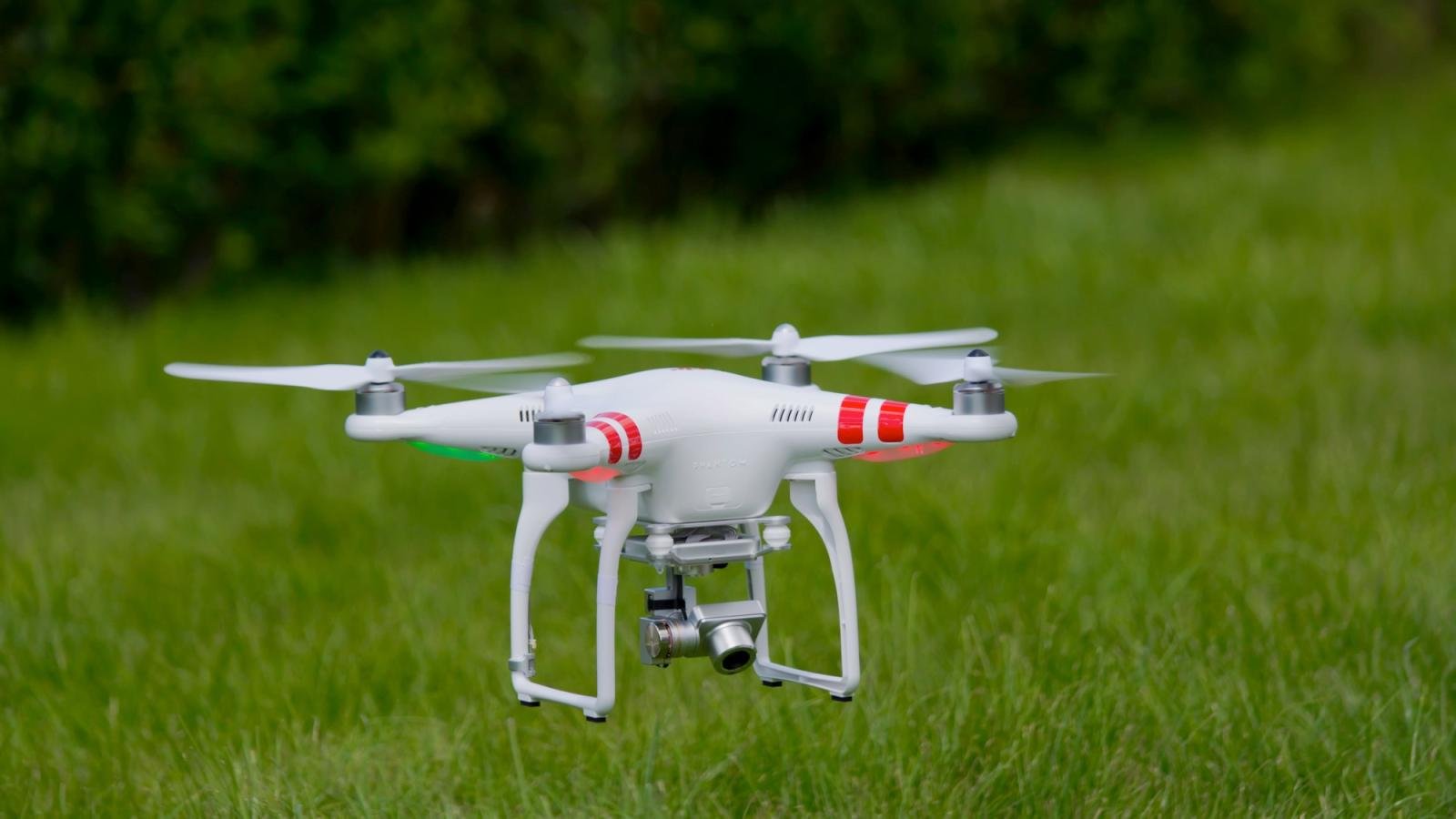
At a time drones have been posing grave threats to air force units along the Western border, India is in to simplify rules for use of Drones aiming at regulating country’s new sector: The Drone Industry which comes along with huge economic potential. The new rules are expected to come in force from August 5, 21.
The new modalities are:
*The number of forms required for manufacturing, importing, testing, certifying and operating drones in India has been reduced from 25 to 6.
*Several approvals, such as unique authorisation number, unique prototype identification number, and certificate of conformance have been abolished.
*Digital Sky, the platform launched by the Indian government in December 2018, will become a single-window system for all approvals.
*A new airspace map is to be set out. It is to segregate the entire landmass of India into green, yellow and red zones within 30 days of notification of the new rules. These maps will be designed to be machine-readable through an API for easier plotting of drone flight paths.
*All drone flights within red and yellow zones will require permission prior to take off, while permissions for flights in green zones will be granted immediately through the Digital Sky platform.
The government will give drone manufacturers, importers and operators six months from the time the rules are notified to implement safety features such as ‘no permission, no take-off’ (NPNT), real-time tracking, and geo-fencing.
World Emoji Day 2021: World Emoji Day is celebrated each year on 17 July. Wanna know the history how this day’s celebration started, who created emoji, how the day is celebrated and what are new features of emojis…Read this blog for we bring the detailed updates on World Emoji Day here.
World Emoji Day 2021 is celebrated to represent an idea or an emotion through an electronic means. Emoji is the fastest growing language in history. Every day we use emoji on Facebook, Twitter, message, etc..
Emoji, as a small digital icon, is becoming quite popular these days and no doubt, it has become an integral part of our conversation.
Every time we feel lazy or when we are at a loss of words, we use emojis to express ourselves. There is an emoji for every feeling and these emojis have been evolving since last many years which not only expresses simple human feelings but more than that.
Let’s see history from where and how emojis evolved and started.
Emoji or emojis is Japanese-origin word which originated on Japanese mobile phones in 1997. Existing as ideograms and smileys, they are used in electronic messages and web pages and are similar to emoticons. With the passage of time, they became so popular that Oxford Dictionaries named the Face with Tears of Joy emoji the Word of the Year in 2015.
World Emoji Day History
The World Emoji Day has been celebrated annually since 2014.
Termed to be the brainchild of Emojipedia creator Jeremy Burge, the Emojipedia is an emoji reference website that created in 2013 which documents the meaning and common usage of emoji characters in the Unicode Standard. New York Times said that Burge created the day on July 17 based on the way in which the calendar emoji is shown on iPhones.
World Emoji Day Celebration
Many events are held in honour of the emoji, like the World Emoji Day Red Carpet event in 2016, and the lighting up of the Empire State Building in a “emoji yellow” for World Emoji Day in 2017. During the ongoing COVID-19 pandemic, no big gatherings are being organised but people can still celebrate by sending one another messages using only the emojis.
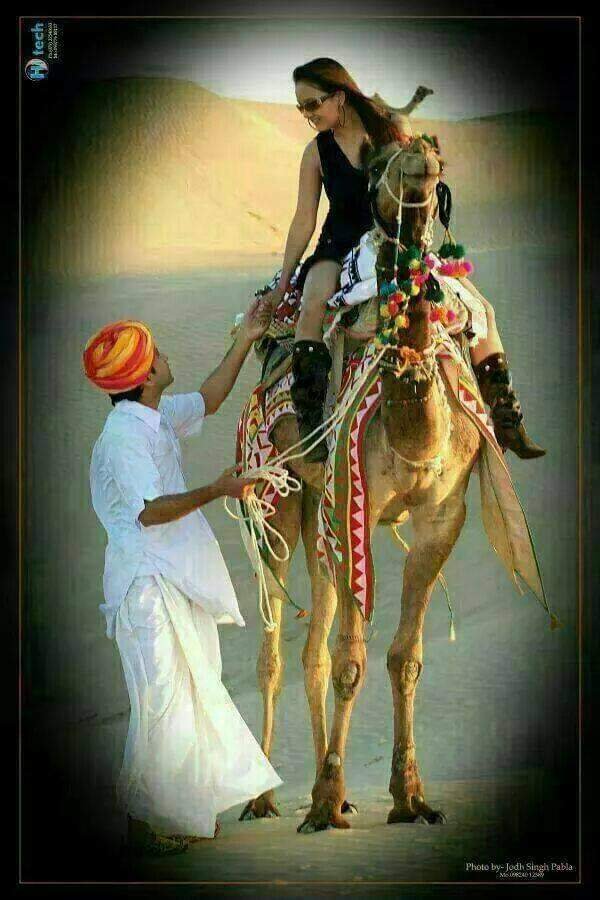
Camels in Rajasthan can be seen in wedding processions to carry grooms to their brides during COVID-19 pandemic. They are also been used to transport stationery, school notes to students in far flung areas. EBNW Story finds out if camels can bring back the old era where the ship of desert was used to carry lawazama and if this trend can help boost tourism in coming days…!
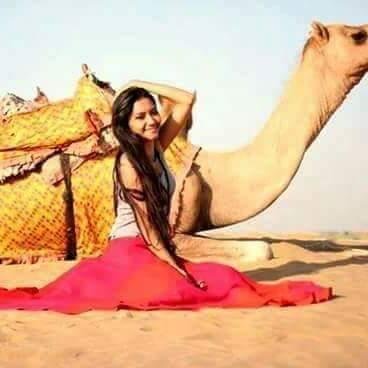
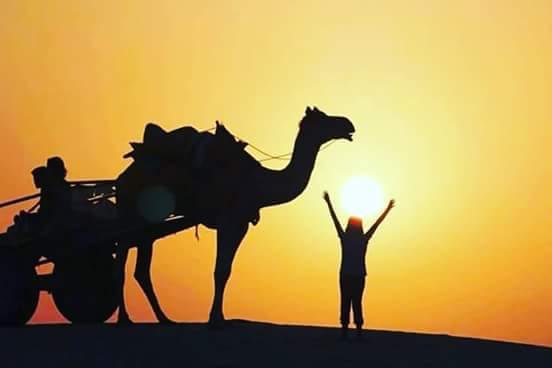
Camels in desert! A sudden whisper brings back this beautiful long legged animal walking on sandy terrains. With the modernisation, this ship of desert was replaced with cars, jeeps, motorbikes etc and hence its number started dwindling, however, now, this animal has found its lost significance back as it is much in demand for carrying out baraats and ferrying teachers to students in far-flung areas.
This animal can be seen ferrying baraatis during the wedding season. Seen as the new style statement for wedding parties, these camels are dolled up with nose pins, ghungroos, mirror-fitted garments and other baubles.
The travel agents opine that the coming years will bring back the old days when erstwhile royals carried lawazama during wedding parties.
This lawazma included elephants and camels which carried royal families during wedding ceremonies.
“The once famous practice of ‘Lawazma’, in which camels and elephants were used by the erstwhile royals for their wedding processions, has come back in these pandemic times, says Chaturbhuj Singh of Rajputana Cabs, who organises camel safaris in Jaisalmer, Pushkar and other such places in Rajasthan.
“In the coming days, this theme will be much in demand. As the state opens up completely, our foreign guests would love to tie the knot with a wedding procession on the lines of a ‘Lawazma’. European tourists, anyway, are in love with the ship of the desert,” he says.
Sanjay Kaushik, a representative of the tour operators association says, “Baraat on camel will surely be a novel trend which will catch up with foreign guests who have been coming to India to tie the knot. As this trend is new, it shall surely give a big boost to tourism in post pandemic era,” he says.