August 7 is celebrated as National Handloom Day each year aiming at generating awareness on the importance of the handloom industry in India. This being the seventh year, the day focuses on the contribution of handloom to the socio-economic development of the country. In fact, the places where these handloom fabric is created also have beautiful sights to behold. From Madhya Pradesh’s Maheshwari to Karnataka’s Ilkal fabric, the most exquisite fabrics have a story to share. Here we bring top four locations where handloom fabric has become a part of the regular fashion
Maheshwar in Madhya Pradesh for Maheshwari handloom: The history of Maheshwar handloom dates back to 18th century when intricate designs were a huge hit amongst royal circles. In fact, the looms at the shore of Narmada river near Maheshwar fort are must to see. This is the place where the story of craftsmanship of Indian labourers come alive in the form of colourful Maheshwari sarees.
Ilkal (Karnataka) for Ilkal handloom: Ilkal is an ancient weaving centre located in the Bagalkot district of Karnataka, which famous for its Ilkah handloom. Travellers visiting Ilkal loves watching the detailing of the saree following a special technique called Tope Teni, under which the pallu is weaved with the body of the saree. The most distinctive feature of Ilkal sarees is the usage of a form of embroidery called Kasuti.
Sualkuchi (Assam) for Golden Muga Silk: Sualkuchi, situated on the northern banks of the Brahmaputra, is famous for its centuries-old heritage of weaving. Besides the picturesque tea gardens, beautiful monasteries and delicious local food, shopaholics should visit the village of Sualkuchi and shop the lovely Muga silk. It is often compared to being as expensive as buying gold.
Bishnupur (West Bengal) for Baluchari sarees: The handloom has depictions of mythological scenes on the pallu of the saree. Located in West Bengal, Bishnupur is currently the only place where one can find authentic Baluchari sarees.
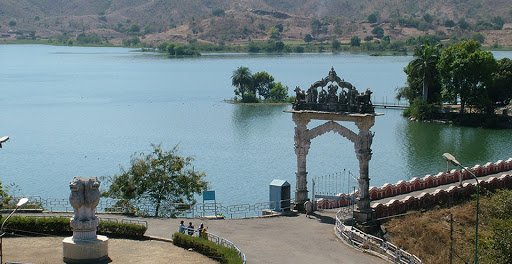
Banswara, situated in Rajasthan, is known as a city of Hundred Islands as there are many pristine green islands situated on the banks of Mahi River.
Banswara is a pretty town of Rajasthan which mesmerises all nature lovers. Its green surroundings and clear blue sky invite the avid traveller to rejuvenate his senses. Lying in the nature’s lap, this place is almost like a heaven and hence many people call it as Scotland of India.
Let’s read a few tweets where nature lovers have posted the picture of the beautiful destination:
— Rajasthan Revealed (@RajasthanReveal) July 31, 2021
This is the #Rajasthan I didn’t know exist. #Banswara, 165 Km away from Udaipur, is a must visit place for its 100 islands, bamboo forests, Bhil tribe, waterfalls and adventure activities. Let’s explore the unexplored & benefit the underprivileged communities. #MyTripToRajasthanpic.twitter.com/ER5gZqa6ku
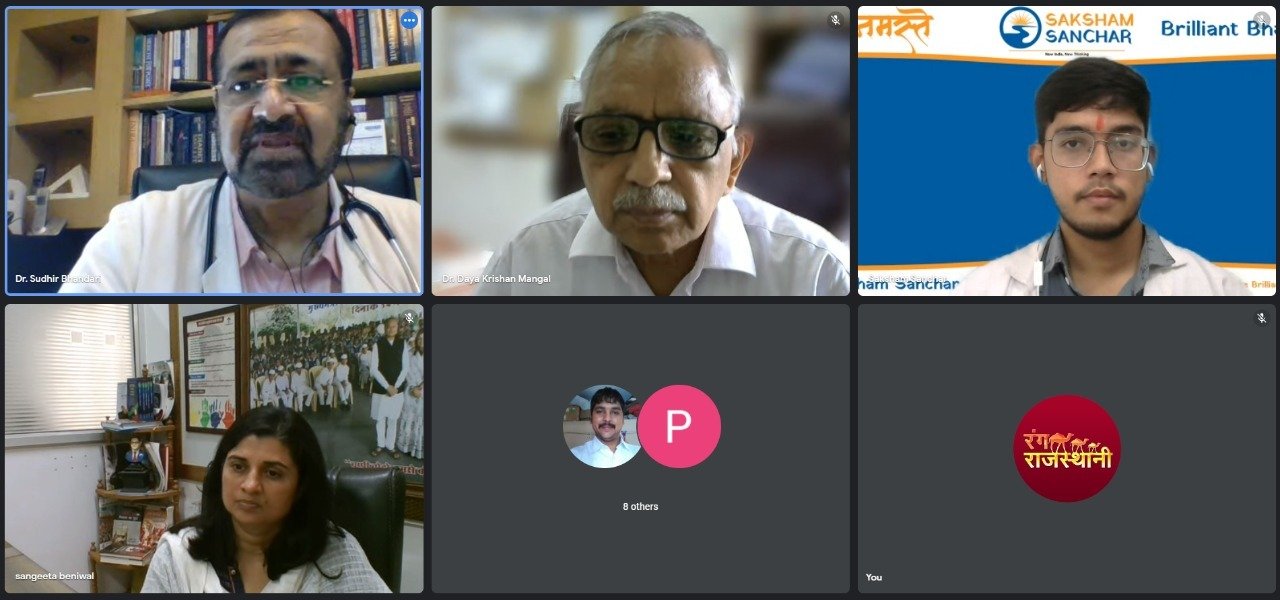
The pandemic has brutally shaken the entire ecology and its functions. To highlight the nutrition crisis that has been faced across all categories of the humanities, Saksham Sanchar organised a webinar on Fighting Nutrition Crisis in India during COVID-19, especially for women and children in India.
Experts such as Sangeeta Beniwal, Chairperson Rajasthan State Commission for Protection of Child Rights, Prashant Agarwal, President Narayan Seva Sansthan, Dr. DK Mangal, Advisor, SD Gupta School of Public Health at IIHMR University and Dr Sudhir Bhandari, Principal SMS, Medical College shared their views on the subject.
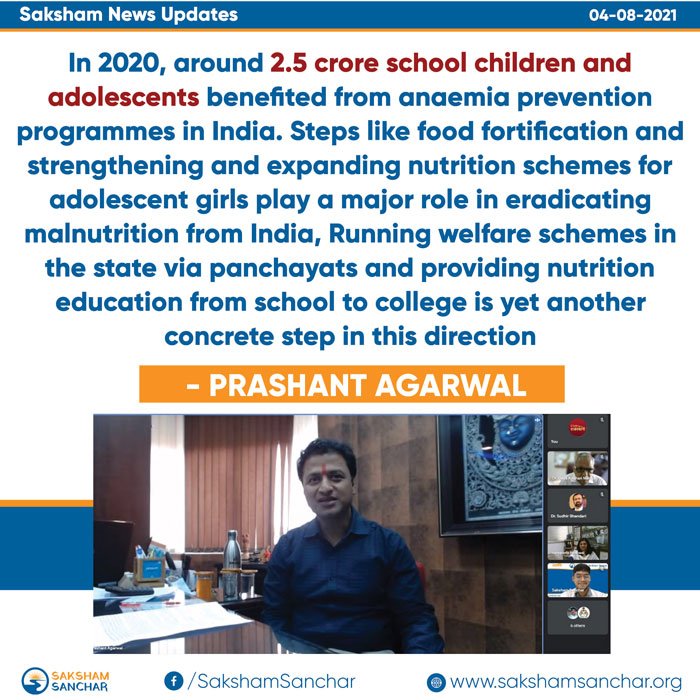
Prashant Agarwal, President, Narayan Seva Sansthan said
“In recent findings, UNICEF supported the nutrition services of the central and state governments for school children and adolescents in school. Also, in 2020, around 2.5 crore school children and adolescents have benefited from anaemia prevention programmes in India. In eradicating malnutrition from India, steps to be taken include food fortification and strengthening and expanding nutrition schemes for adolescent girls. Panchayats play a major role in running welfare schemes in the state and providing nutrition education from school to college.”
Dr Sangeeta Beniwal, Chairman, Rajasthan State Commission for Protection of Child Right said
“Rajasthan Chief Minister Ashok Gehlot has always tried to focus on providing enough food to the very poor, and not with more funding for the existing nutrition-focused welfare programs such as the Indira Rasoi Abhiyan in the state. We all must step forward to reach out to the most affected people and spread awareness to ensure the wellbeing of all the key stakeholders, especially the poor and ignorant sections. It is important for all women to adopt a healthy lifestyle during pregnancy, so that healthy women can give birth to a healthy baby.”
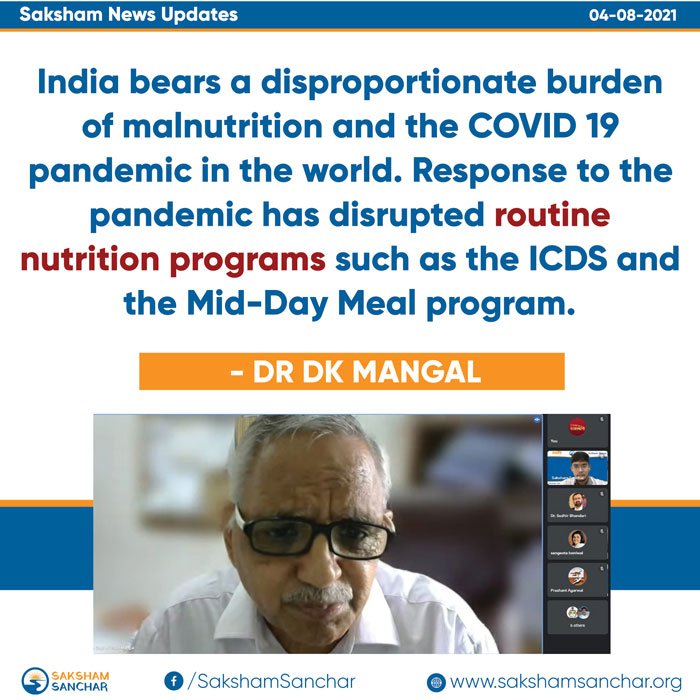
Dr. D. K. Mangal, Advisor, Dr. SD Gupta School of Public Health at IIHMR University, said
“India bears a disproportionate burden of malnutrition and the COVID 19 pandemic in the world. Response to the pandemic has disrupted routine nutrition programs such as the ICDS and the Mid-Day Meal program. This has adversely affected the nutrition status of millions of children and women. The continued COVID pandemic has not allowed us to streamline our nutrition interventions in India and has led many more women and children to suffer due to a lack of food and micronutrients. The impending threat of the third wave of the pandemic is likely to worsen the situation further.”
Dr. Sudhir Bhandari, Principal SMS College said
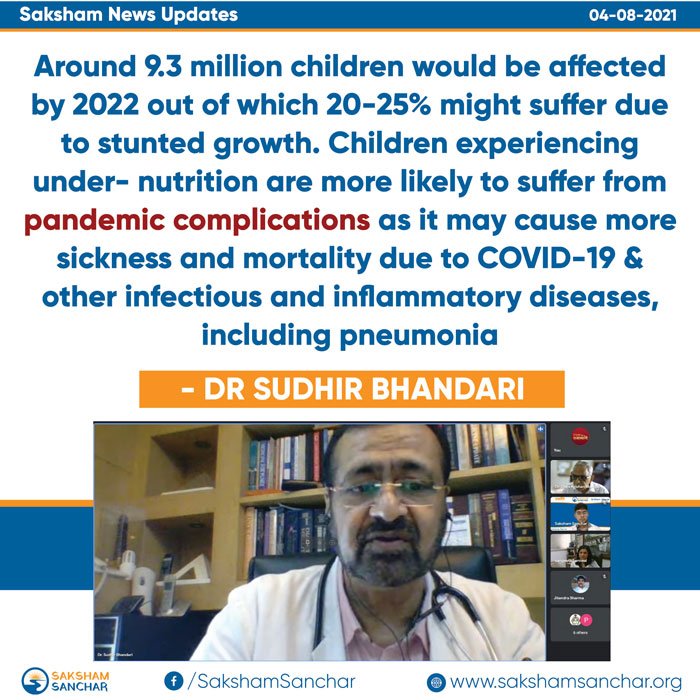
“India initially faced physical challenges during COVID-19. Over time we realised nutrition affected the lives of many where 9.3 million children would be affected by 2022 out of which 20-25% might suffer due to stunted growth. Children experiencing under nutrition are more likely to suffer from pandemic complications.
Under nutrition, may cause more sickness and mortality in people due to COVID-19 & due to other infectious diseases, including pneumonia and various inflammatory diseases. In countries with the 1st and 2nd waves of COVID-19, obesity and non-communicable diseases have been associated with the more severe outcome of the virus. Nutrition status might impact the susceptibility due to COVID-19 and health strategies to reduce micronutrient deficiencies and under nutrition are essential. COVID-19 has had a severe effect on maternal and young children nutritional status. We must strengthen the food security and functioning of the food supply chain to the population. We now must manage cases of acute malnutrition, accelerate micronutrient supplementation and fortification activities, strengthen school feeding and establish nutritional surveillance.”
Experts spoke hinting on various policies, processes and practices needed which include adequate maternal nutrition before and during pregnancy and while breastfeeding; optimal breastfeeding in the first two years of life; nutritious, diverse, safe foods in early childhood; and a healthy environment, including access to basic health, water, hygiene and sanitation services, policies based on gender equity for nutrition, policies indicated in developed and developing countries to be different and opportunities for safe physical activity.
Rajasthan Tourism will soon promote Border Tourism to tourists who love exploring history and geography of the country and are equally passionate to explore the natural sandy zones. Let’s discuss the top five border areas situated near Jaisalmer, Barmer, Bikaner and Sri Ganganagar which can be promoted under border tourism
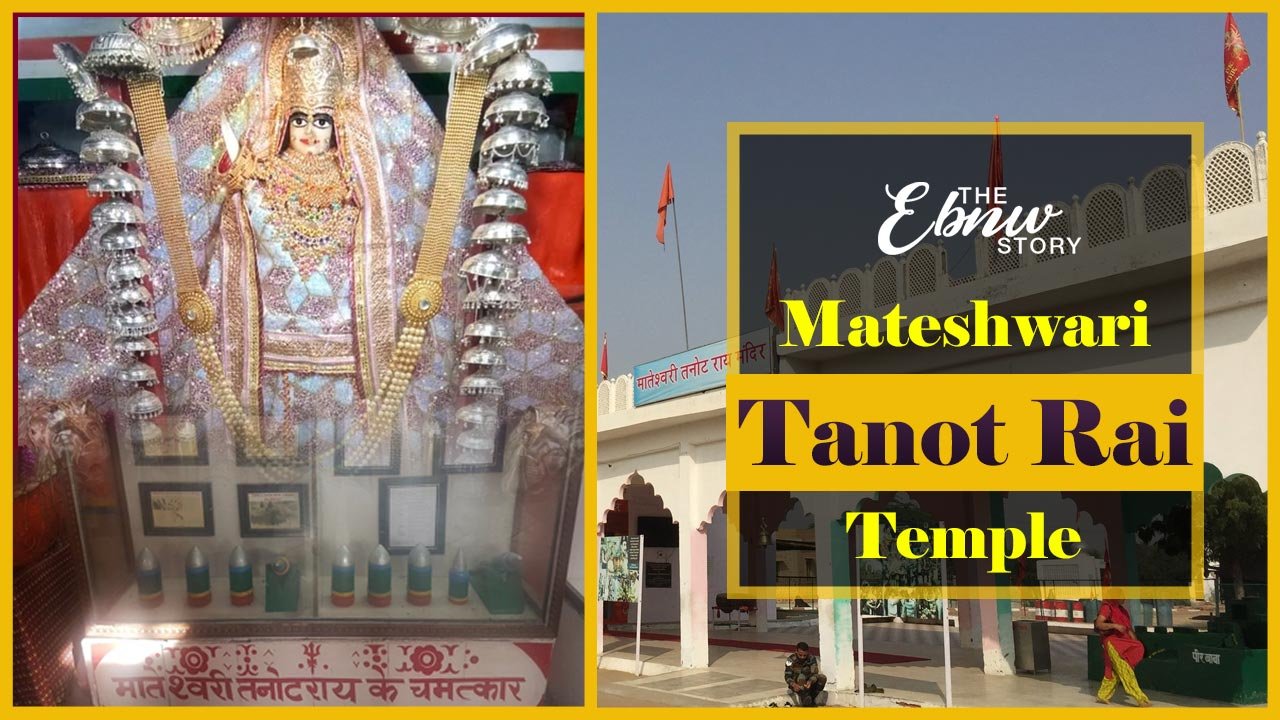
Tanot Rai Temple in Jaisalmer: Jaisalmer district, with the largest area of desert terrain in Rajasthan, accommodates the temple of Tanot Rai in Tanot which is situated on the Indo-Pak international border, 125 km to the west of Jaisalmer district headquarters. This is the main point of attraction for indigenous tourists and devotees.
The upkeep of this temple has been undertaken by the local contingent of BSF (Border Security Force) who perform puja and devotional celebrations. This place of faith for soldiers and BSF jawans has also been portrayed in the much talked about Bollywood movie Border.
The international Indo-Pak border which is at a short distance from the temple is a major spot of attraction for the visiting tourists. There is also a fort near this place known as Kishangarh, being made of bricks and mortar.
A plaque at Tanot Rai Temple speaks the surprising story of a war time.
Site of Longewala: The site of Longewala, which witnessed the 1971 Indo-Pak war is yet another attraction. The military vehicles and tanks of the Pakistan army destroyed by the Indian army have been kept for display here.
There is also a theatre at this place that is run by the Indian Army in which films of triumph and victory of the Indian armed forces during the Indo-Pak war of 1971 are showcased for the tourists.
3. Ghotas Fort: The fort located in Ghotas in this area also pulls the tourists and arouses their curiosity. A railway station named Munnabad is in operation in Barmer which caters to the movement of Indo-Pak passengers.
4. Sanchu Post: The Sanchu post of the BSF that is on the Indo-Pak international border in Bikaner Dist attracts travelers as it is surrounded by large sand streams. The post also houses a museum, a guest house and a canteen that are all run by the BSF.
For visiting the Sanchu post, the domestic tourists need to take a prior permission from BSF Bikaner. The tourists are shown the post of the Pakistan side and also the museum. There is a facility extended by BSF for providing food to tourists on payment.
5. Hindumal Kot border outpost: About the area of Dist Sri Ganganagar, the Hindumal Kot border outpost that is located at a distance of 18 km from Sri Ganganagar is quite famous. The outpost has been named after cheif dewan Hindumal of the erstwhile princely state of Bikaner.
The railway station located on this post is quite famous, it used to connect India and Pakistan through the rail route and also provide for import and export of goods between the two countries.
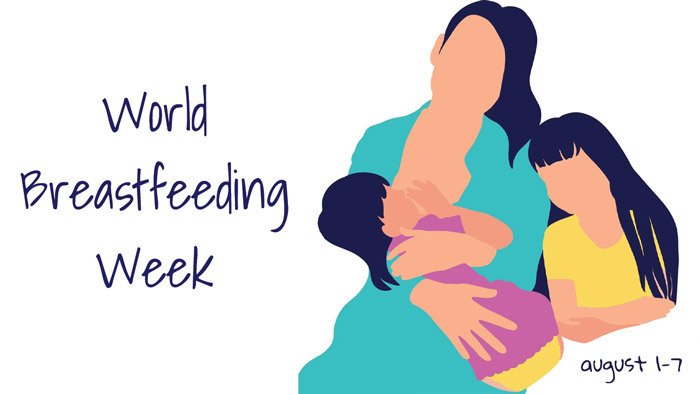
World Breastfeeding Week is observed each year from August 1 to August 7. 2021.
World Breastfeeding week makes an annual celebration which is held every year in around 120 countries. As per the World Health Organisation (WHO), breastfeeding comprises the most effective ways to ensure child health and survival.
The theme of the week is ‘Protect Breastfeeding: A Shared Responsibility.’
World Breastfeeding Week 2021: Celebrations
World Breastfeeding Week is celebrated across the globe to encourage breastfeeding and improve the health of babies across the world.
World Breastfeeding Week 2021: Background
World Breastfeeding week commemoration background goes back to the 1990s when WHO and United Nations International Children’s Emergency Fund (UNICEF) created ‘Innocenti Declaration’ to promote and support the cause breastfeeding. Thereafter, an association called ‘World Association of Breastfeeding Action’ was formed in 1991 to execute UNICEF and WHO goals.
It was in 1992 that the entire week was dedicated to promote this campaign.
World Breastfeeding Week 2021: Significance
Breastfeeding is also called as nursing, which is the best way to provide young infants with essential nutrients much required for growth and development. WHO says that the breast milk is the ideal food for infants as it is safe, clean, and acts as first vaccine for them.
The Indian women’s hockey team defeated Australia to enter the semi-finals in Tokyo.
India will now face Argentina in the semi-finals to be played on Wednesday as the South Americans have cleared the quarter-finals for the first time since 2012 after a 3-0 win over Germany.
India got its lead through Gurjit Kaur in the second quarter as it showcased immense defensive might to keep the Australian women at bay.
In fact it was Gurjit Kaur’s goal and goalkeeper Savita Punia’s heroics which helped India to stun Australia 1-0 to reach their first-ever Olympics semi-finals.
Gurjit Kaur scored India’s winning goal off a first-half penalty corner that made its way past Australia goalie Rachael Lynch, who had kept a clean sheet in the previous four matches.
PV Sindhu becomes the first Indian woman to win two medals in the Olympics at Tokyo, one silver and one bronze
PV Sindhu is India’s number one shuttler who won bronze in Tokyo and said it was far more difficult to win this medal than winning silver in Rio. She made these comments after winning a bronze at the Tokyo Olympics after defeating China’s He Bingjiao 21- 13, 21-15.
Sindhu further said, “I’m on cloud nine right now.” So many years of hard work has paid off, she said after her victory. ‘I’m grateful to my family for working hard for me and putting in a lot of effort.’ ‘I’m grateful to all of the Indian fans who have shown me their love and support,’ she added.
PV Sindhu is a proud daughter and pride of India! Special thanks to her coach Park Tae-Sang who has provided excellent support to @Pvsindhu1 throughout the Olympic journey. I also thank BFI, SAI & entire support team 4 their immense contributions.#Cheer4India 🇮🇳 https://t.co/mOdQzqqCe4https://t.co/GziOHRRwnT
Mini Jallianwala Bagh in Rajasthan’s Banswara: Know why is it named so and the history behind…
Do you know that there is a Mini Jallianwala Bagh in Rajasthan’s Banswara? If no, we hereby bring a story to remind you an inspiring struggle story:
A few Bhils, in 1913, revolted against the ruling government under the leadership of social reformer Govindgiri and Punja.
Hundreds of them were shot dead when they were holding a peaceful meeting at Mangarh hillock to ensure their revolt was suppressed.
The incident is known as mini Jallianwala Bagh massacre.
The place where the incident was held is called as the Mangarh Hillock, and is now considered as a sacred place by the people. They also call this location as Mangarh Dham.
Where is Banswara
Banswara is situated in the southern part of the state of Rajasthan, which is called as City of Hundred Islands. The city was formerly a princely state which was founded by Maharawal Jagmal Singh.
It derived its name from “Bans” which stands for bamboo forests in the area. It has a large number of islands in the Mahi river that flows through Banswara.
The folklore says that the region was ruled by Bhil ruler Bansia who named it Banswara. Later, he was defeated and killed by Jagmal Singh who then became the first Mahraval of the state.
PS: The pic shows a plaque at Mangadh in Rajasthan depicts the massacre of tribals by British forces in 1913, in which an estimated 1,500 people were killed)
ATL Tinkerprenuer summer bootcamp was an exclusive and digital skills entrepreneurship programme organised jointly by NITI Aayog and Atal Innovation Mission (AIM).
ATL Tinkerprenuer: Know who were the participants?
The programme was designed for high school students across the country and saw a breakthrough of over 9,000 participants (including over 4,000 women) in 32 states and 298 districts of the country. Bootcamp witnessed the participation of 820 ATLs with over 50 live expert speaker sessions which had over 4.5 lakh views and imparted over 30 digital and business skills.
Tinkerprenuer: Why is it named so?
The name comes from the phrase “allowing students to tinker in the comfort of their homes and becoming entrepreneurs this summer” which is a campaign focused on developing an innovative and creative mindset among the participating students.
Duration of the programme
This programme enabled attendees to develop business idea and create an end-to-end strategy to establish a new business which spanned 9 weeks from May 31, 2021 to August 1, 2021.
Tinkerprenuer: What did the participants learn?
During the training, the participants acquired the necessary digital skills, create and develop a business model around a digital product, make a marketing plan, develop/establish a store online, learn about corporate finance and gain by presenting their introduction to industry experts.
Tinkerprenuer: Its objective
The entire training program was designed to impart innovative thinking to students as well as to help them move from an idea to a business in a short time, then failing and trying again and make the experience of both building solutions and businesses around it.