

The world welcomed New Year 2026 with dazzling fireworks, cultural performances, and massive public gatherings as the clock struck midnight across Asia-Pacific. From Sydney’s iconic harbour fireworks to Hong Kong’s vibrant skyline celebrations and South Korea’s traditional and modern New Year events, countries ushered in 2026 with hope, joy, and grandeur, marking a festive start to the year. Watch pics and videos…
Happy New Year 2026: Hong Kong, Australia and South Korea Ring in the New Year with Spectacular Celebrations. Watch Pics and Videos

India Overtakes Japan to Become World’s Fourth Largest Economy…

India has overtaken Japan to become the world’s fourth largest economy, with its gross domestic product estimated at $4.18 trillion, marking a significant milestone in the country’s economic journey. The achievement places India behind only the United States, China and Germany in terms of nominal GDP, reflecting the country’s rapid expansion over the past decade.
The development comes at a time when India continues to record strong growth rates compared to many advanced economies, which are facing slower expansion due to inflationary pressures, geopolitical uncertainty and ageing populations.
Government reaction to the economic milestone
The government has attributed India’s rise in global economic rankings to sustained policy reforms, increased capital expenditure and strong domestic demand. Officials have stated that consistent focus on infrastructure development, manufacturing growth and digital transformation has helped create a stable foundation for economic expansion.
According to government sources, India’s economic resilience during global disruptions such as the pandemic and subsequent supply chain shocks has played a crucial role in maintaining momentum. The emphasis on fiscal discipline alongside growth-oriented spending has also been highlighted as a key factor.
Key drivers behind India’s economic growth
India’s growth has been driven by multiple sectors, with services continuing to remain the backbone of the economy. Information technology, financial services, tourism and digital platforms have contributed significantly to output and employment.
Manufacturing has also gained traction in recent years, supported by production-linked incentive schemes aimed at boosting domestic production and reducing import dependence. Increased public investment in highways, railways, ports and energy infrastructure has stimulated private sector participation and job creation.
In addition, rising consumption, a young workforce and rapid adoption of digital payments and e-governance systems have strengthened economic activity across urban and rural areas.
Why Japan slipped behind India
Japan’s economy, while still highly advanced, has been grappling with structural challenges such as weak domestic consumption, an ageing population and limited labour force growth. Currency depreciation has further impacted Japan’s nominal GDP in dollar terms, contributing to India’s rise in the rankings.
India’s comparatively higher growth rates and expanding market size have allowed it to surpass Japan despite lower per capita income levels.
What this means for India’s future
Economists believe that becoming the fourth largest economy enhances India’s global influence in trade negotiations, investment flows and international policymaking. However, experts also caution that maintaining high growth will require sustained reforms, job creation, skill development and improvements in education and healthcare.
The government has reiterated its long-term vision of transforming India into a developed economy, with continued focus on manufacturing competitiveness, innovation and inclusive growth. While the milestone marks a moment of pride, policymakers acknowledge that sustained progress will depend on translating economic size into improved living standards for all citizens.
7 Reasons Why Work from Home Jobs in Delhi are Gaining Popularity

The job market in Delhi is changing fast, especially for recent graduates and career switchers who are exploring alternatives to traditional office roles. One trend taking centre stage is work from home jobs. This shift is more than a buzzword. It reflects a bigger change in how employers and job seekers think about work, balance, and opportunity.
Many people arriving at graduation or planning a career transition find themselves asking: Why are so many companies offering remote roles? The answer lies in a mix of flexibility, evolving expectations and economic changes shaping the way firms hire and how people want to work.
Let’s break down the top reasons behind the rising demand for work from home jobs in Delhi.
Why are Work from Home Jobs in Delhi Becoming Popular?
The appeal of work from home jobs in Delhi has grown sharply as more graduates and career switchers seek flexibility, autonomy and meaningful roles that fit modern lifestyles.
- Flexibility in How You Work
Flexibility is one of the most attractive aspects of work from home jobs in Delhi. Working remotely lets you plan your day around your peak productivity, learning commitments, or personal life.
You can take short breaks when needed, manage errands without long commutes, and adjust your work rhythm to suit your pace. This autonomy supports both personal well-being and professional output.
- Cost Savings for Everyday Life
Living in a city like Delhi means spending on travel, meals and work clothes. Remote roles remove most of these regular costs. Saving on daily commute and transport not only protects your income but also means more time for professional development and networking.
Many fresh graduates value this reduction in living expenses, especially when starting with entry-level positions.
- Better Work-Life Balance
Work from home jobs in Delhi allow you to work from wherever you feel most comfortable, which helps maintain a healthier balance between your personal and professional life.
Avoiding traffic and rigid office hours reduces stress and gives you more control over how your day unfolds. A better routine supports mental and physical health, making this model very appealing to young adults entering the job market.
- Wider Range of Job Opportunities
Remote roles have opened doors to jobs that were once limited by geographical boundaries. Today, companies in finance, tech, marketing and customer support are hiring remote workers in Delhi.
Employers are increasingly open to hiring talent irrespective of location, simply because digital communication tools make collaboration seamless. For you, this means more choices across industries and skill levels.
- Boosted Productivity with Digital Tools
Advances in technology have made remote work often more efficient. Messaging platforms, cloud-based tools and virtual meeting software help teams stay connected and productive without a physical office.
Many employers have found that remote workers maintain or even improve productivity when given the right tools and expectations. This has encouraged companies to expand their remote workforce in Delhi and beyond.
- Access to Global and Local Markets
Work from home jobs in Delhi are not just about local companies hiring remotely. Many global firms now seek talent from India to fill remote roles, driven by the large pool of skilled English-speaking professionals and strong educational backgrounds.
This trend creates opportunities to work with international teams and build global experience without relocating.
- Skill Development and Career Growth
Remote roles often demand that you learn new digital communication and technical skills. For career changers and fresh graduates, this is a valuable benefit. Working remotely encourages you to upskill in areas like digital marketing, data analysis, programming or client communication. Investing in these skills can make your profile more competitive, increasing your long-term career prospects.
What This Means for You
If you have just graduated or are planning a switch to a new career, the rise of work from home jobs in Delhi offers both choice and flexibility. Remote roles can help you structure work around your strengths, manage costs, and gain experience in emerging sectors. These opportunities allow you to step into the workforce with confidence, without being tied to a traditional office schedule.
The trend is likely to continue as technology evolves and employers refine their remote hiring strategies. Companies are recognising that remote work can support inclusivity, diversify talent pools and build more resilient teams. As a job seeker, positioning yourself with up-to-date skills and an adaptable mindset will make you more attractive to recruiters looking for remote talent.
Ready to Take the Next Step in Your Career?
Work from home jobs in Delhi are more than a temporary trend. They represent a fundamental shift in how work is designed, accessed and valued. For a recent graduate or someone contemplating a career change, understanding these shifts equips you to make strategic career decisions.
Embracing remote roles can help you grow professionally while maintaining control over your schedule and personal goals. Right job platforms like Apna Jobs provide an empowering path to building a sustainable and fulfilling career in today’s competitive market.
Wedding Décor Trends for 2026: Traditions Meet Immersive Experiences
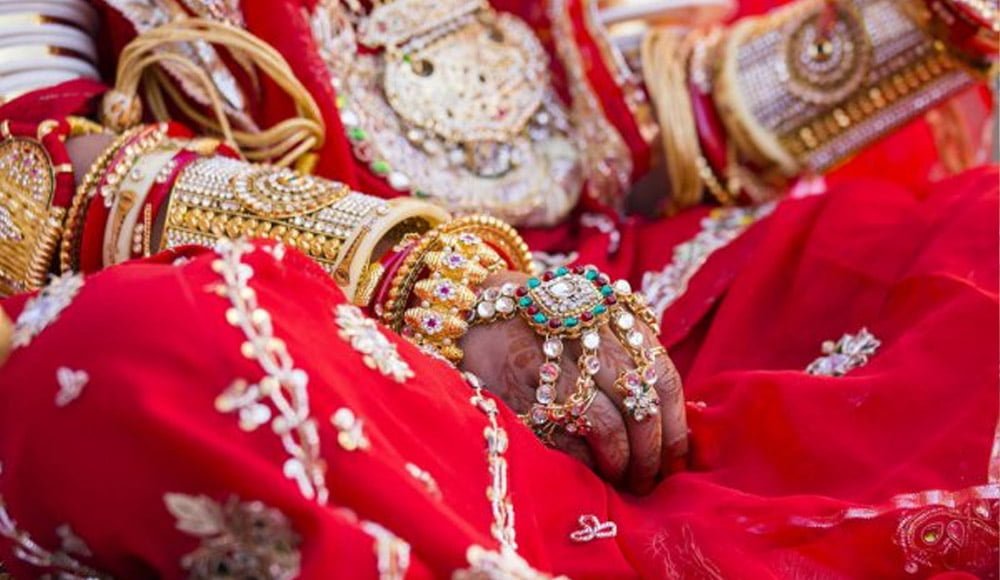
Wedding Décor Trends for 2026: As weddings continue to evolve from grand gatherings into deeply personal celebrations, 2026 is shaping up to be the year where décor tells a story. Couples are moving beyond conventional stage setups and opting for elements that evoke emotion, spirituality, and visual drama. From sacred sounds to reflective installations, the upcoming wedding decor trends focus on creating experiences that guests can feel, not just see.
Temple bells as sacred statement pieces
Temple bells are emerging as a powerful décor element in 2026, especially for weddings rooted in tradition. Hung at entrances, mandaps, or along pathways, these bells symbolize positivity and new beginnings. Beyond their spiritual significance, they also add a rich cultural aesthetic, blending beautifully with floral arrangements and soft lighting. Many couples are choosing brass or antique-finish bells to enhance the timeless appeal.
Floating mandap redefining the wedding altar
One of the most striking trends for 2026 is the floating mandap. Designed over water bodies such as pools, lakes, or specially created platforms, this setup creates a surreal visual effect. Reflections of flowers, fabrics, and lights on water add depth and elegance to the ceremony. Floating mandaps are especially popular for destination and sunset weddings, offering a calm and cinematic backdrop for vows.
Mirror welcome boards making bold first impressions
Mirror welcome boards are replacing traditional signage with a modern, reflective twist. Etched or calligraphed messages on large mirrors not only welcome guests but also double as photo-friendly installations. These boards enhance the entrance décor by reflecting surrounding florals, lights, and outfits, instantly elevating the overall aesthetic while adding a contemporary touch.
Floral passages creating immersive walkways
Instead of simple entry arches, couples are opting for full floral passages that guide guests into the celebration. Lined with fresh blooms, foliage, and subtle lighting, these walkways create a sensory experience from the very first step. Floral passages are designed to feel intimate and immersive, setting the tone for what lies ahead and making guest arrivals memorable.
Fairy lights adding timeless charm
Fairy lights continue to hold their place in wedding décor, but in 2026 they are being used more creatively. Draped across trees, ceilings, mandaps, and pathways, they add warmth and softness to any setting. When combined with florals or fabric installations, fairy lights help create a magical atmosphere that transitions seamlessly from day to night celebrations.
Together, these decor trends reflect a shift toward meaningful, visually rich weddings where tradition, innovation, and emotion come together effortlessly.
New Year Party Snacks You Can Make in 20 Minutes

New Year Party: Festive bites, quick and easy New Year party snacks you can make in 20 minutes
As the New Year draws near, party planners and home cooks alike are looking for fun, flavourful and fuss-free snacks that can be whipped up in no time. Not everyone has hours to spend in the kitchen before guests arrive, which is why quick and easy recipes that take 20 minutes or less are perfect for festive celebrations. From crispy bites to creamy dips and cheesy delights, these snack ideas will help you welcome 2026 with taste and simplicity.
Cheesy garlic bread twists
A party favourite that never fails to impress, cheesy garlic bread twists are both crunchy and gooey. All you need is store-bought puff pastry, a generous spread of garlic butter, mozzarella and herbs. Twist the strips, bake until golden, and you’ve got a snack that pairs perfectly with drinks and conversations. Keep some marinara sauce on the side for dipping to elevate the experience.
Spicy corn and cheese balls
For those who prefer heat and crunch, spicy corn and cheese balls make an exciting bite-sized treat. Mixing sweet corn kernels with grated cheese, chilli flakes, and a touch of seasoning, then rolling into balls and lightly frying or baking gives you hot, flavour-packed snacks. These are especially great when served freshly made to retain their melty centre.
Crispy potato wedges with dips
Potato wedges have universal appeal, and they can be prepared in under 20 minutes if you use microwave-par-cooked potatoes. Toss them with olive oil, paprika, garlic powder and salt, then bake or air-fry until crisp. Pair them with classic sauces like ketchup, mayo dip or a tangy herb yoghurt to suit varied tastes.
Mini bruschetta bites
Bruschetta is a light and refreshing snack that celebrates fresh ingredients. Diced tomatoes, garlic, basil and olive oil come together quickly and are spooned over toasted baguette slices. A sprinkle of salt and pepper enhances flavour, and the bursts of colour make it a visually appealing choice for party platters.
Herb parmesan popcorn
For an effortless crowd-pleaser, herb parmesan popcorn is both fun and flavourful. Pop your corn kernels and then toss them with melted butter, finely grated parmesan and dried herbs. It’s a simple upgrade that feels festive without much effort.
These quick snacks prove that you don’t need complicated recipes or hours in the kitchen to put together a delicious New Year party spread. With minimal ingredients and less time, you can focus on food that’s festive, fast, and full of flavour.
Vijay: A Superstar Bids Farewell from Cinema; Know His Early Life And Family Roots…
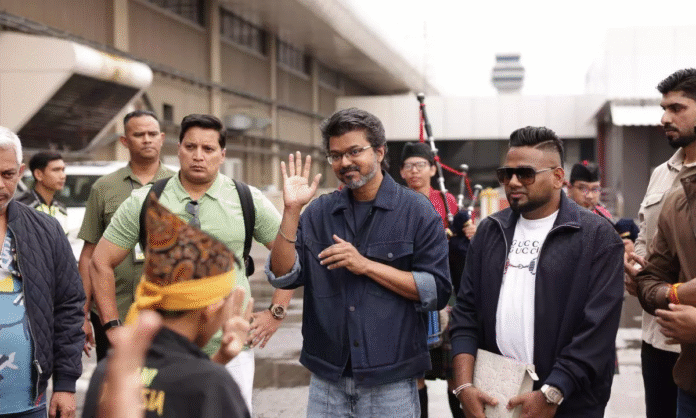
In a moment charged with emotion and resonance, Tamil cinema icon Vijay announced that he is giving up his illustrious film career to devote himself to serving his fans and the public at large. The declaration came at the high-profile audio launch of his upcoming film Jana Nayagan in Kuala Lumpur, an event that drew nearly 100,000 supporters and entered the Malaysian Book of Records for the largest audience at an audio launch. His words reflected not only gratitude for decades of unwavering support but also a defining shift from cinema to a new chapter in public life.
Early life and family roots
Born Joseph Vijay Chandrasekhar, Vijay hails from Chennai, Tamil Nadu, into a family with deep ties to the film world. His father, S. A. Chandrasekhar, is a veteran film director and his mother Shobha has always been a strong support throughout his journey. Growing up in a cinematic environment shaped Vijay’s early ambitions, and his upbringing instilled in him both discipline and humility. While details of his personal life have often stayed out of the spotlight, his close bond with his family and especially his emotional mention of his mother at the Malaysia event underscored how foundational their support has been to his journey.
Rise to stardom and career highlights
Vijay’s career spans over three decades, during which he became one of Tamil cinema’s most bankable and beloved stars. He delivered memorable performances in landmark films such as Sarkar, a political action drama that resonated widely, and Bigil, a sports drama that showcased his range and mass appeal. These films and many others helped cement his status as “Thalapathy,” a title fans bestow on him affectionately, symbolising leadership and loyalty.
The decision to quit cinema
At the Jana Nayagan audio launch also called Thalapathy Thiruvizha Vijay delivered a heartfelt speech explaining his decision. He said that while he once entered cinema hoping to build a small sand house, the love of his fans helped him construct a palace and a symbolic kottai, meaning fort, representing strength and support. For the fans who gave him everything, he expressed his intention to stand up for them in a new role beyond cinema, suggesting a future in public service and politics. His announcement marked the end of an era for cinema and the beginning of another in the public eye.
Last film and legacy
Jana Nayagan, set for release in January 2026 during the Pongal festival, is expected to be Vijay’s final film as a full-time actor. With a star-studded cast and music by celebrated composer Anirudh Ravichander, the film has become more than a cinematic release it is a symbolic farewell to a career that inspired millions. As fans reflect on his journey, Vijay’s legacy stands as a testament to the power of dedication, connection, and gratitude between a star and his audience
Best Winter Delicacies of India: Know This Regional Food Map that Warms Up The Food Cravings…

As winter settles across the country, India turns to its kitchens for comfort, nourishment, and tradition. From steaming bowls of slow-cooked stews to ghee-laden sweets made only in colder months, every region has its own way of embracing the chill. A recently shared winter food map of India beautifully captures this seasonal diversity, showcasing how geography, climate, and culture come together on the plate during the coldest time of the year.
North India’s hearty winter staples
In the northern plains and hills, winter food is all about warmth and energy. Punjab’s makki ki roti paired with sarson ka saag dominates winter tables, offering both nutrition and comfort. Uttar Pradesh brings dishes like nihari and nimish, slow-cooked preparations that are best enjoyed on cold mornings. In Rajasthan, bajre ka khichda and gajar ka halwa make use of seasonal grains and fresh carrots, reflecting the region’s reliance on winter harvests.
Western India’s seasonal delicacies
Gujarat and Maharashtra celebrate winter with a mix of rustic and festive foods. Undhiyu, a medley of winter vegetables cooked slowly with spices, becomes a highlight of Gujarati households. Alongside it come snacks like muthia, hurda, and surti ponk, which are enjoyed fresh during the harvest season. Maharashtra’s baath, khajje, and hearty paya dishes reflect the region’s preference for warming, spice-forward meals.
Eastern India’s sweet winter indulgences
Winter in eastern India is closely linked to jaggery-based sweets and comforting vegetarian dishes. West Bengal’s nolen gurer sandesh and gajak mark the arrival of fresh date palm jaggery, available only for a short season. Bihar and Jharkhand contribute litti chokha and nimona, dishes rooted in simplicity and seasonal produce, offering both warmth and sustenance.
Southern India’s subtle winter comfort foods
Though winters are milder in the south, seasonal eating remains important. Karnataka’s avarekalu saaru and ulava charu from Andhra Pradesh use winter legumes known for their earthy flavour. Kerala adds beetroot thoran and milagu kuzhambu, light yet warming dishes that suit the coastal climate while still addressing seasonal needs.
Northeast India’s unique winter warmth
In the northeastern states, winter foods are shaped by local ingredients and indigenous techniques. Dishes like chhurpi soup, zan, til pitha, and sakin ghata highlight the region’s reliance on fermented foods, sesame, and rice-based preparations that provide energy during cold months.
This winter food map is more than a visual guide. It is a reminder that Indian winters are best understood through what we eat seasonal, regional, and deeply comforting.
Top Temple Wedding Destinations in India: Know How Sacred Vows Are Exchanged Under Ancient Skies
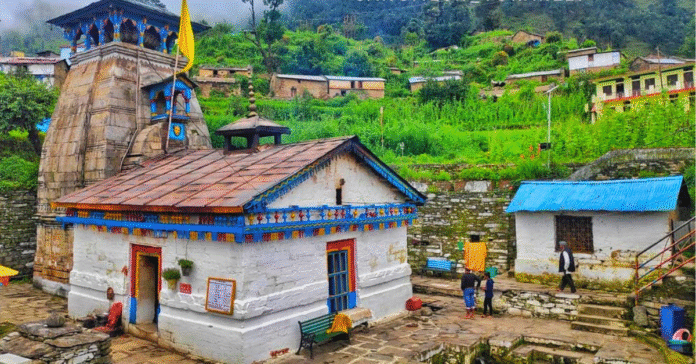
In an age of grand ballrooms and curated décor, many couples are choosing to return to something far more timeless a wedding rooted in faith, ritual, and spiritual depth. Across India, temple weddings offer an intimate alternative where sacred chants replace sound systems and centuries-old traditions shape every moment. These spaces are not just venues but living symbols of devotion, making the union feel purposeful and profoundly blessed.
Triyuginarayan temple in Uttarakhand
Nestled in the serene Garhwal Himalayas, Triyuginarayan Temple holds immense mythological importance as it is believed to be the eternal wedding site of Lord Shiva and Goddess Parvati. The sacred fire here is said to have burned since their divine union, lending unmatched spiritual weight to wedding ceremonies. Surrounded by mountains and silence, the temple offers couples a deeply symbolic and tranquil beginning.
Guruvayur temple in Kerala
One of the most revered Krishna temples in the country, Guruvayur Temple is synonymous with traditional South Indian weddings. Known for its strict rituals and disciplined ceremonies, weddings here are intimate, dignified, and deeply rooted in custom. The temple’s spiritual aura and centuries-old practices make it a popular choice for couples seeking simplicity and sanctity.
Meenakshi Amman temple in Madurai
A masterpiece of Dravidian architecture, Meenakshi Amman Temple blends vibrant cultural heritage with spiritual grandeur. Weddings here are steeped in symbolism, inspired by the divine marriage of Goddess Meenakshi and Lord Sundareswarar. The temple’s towering gopurams and sacred spaces lend a majestic yet devotional setting to matrimonial rituals.
Golden temple in Amritsar
For Sikh couples, the Golden Temple represents humility, equality, and devotion. Anand Karaj ceremonies held here are serene and spiritually immersive, focusing on commitment rather than spectacle. The calm of the Sarovar and the rhythmic recitation of Gurbani create a deeply moving atmosphere for couples and families alike.
Sri Ranganathaswamy temple in Srirangam
As the world’s largest functioning temple complex, Sri Ranganathaswamy Temple offers a rare blend of scale and sanctity. Vaishnavite wedding rituals performed here are elaborate yet deeply spiritual, drawing from ancient traditions that have endured for centuries.
Trayambakeshwar temple in Rishikesh
Surrounded by spiritual calm and sacred geography, Trayambakeshwar Temple is ideal for couples drawn to Shaivite traditions. The temple’s quiet energy and proximity to the Ganges make weddings here feel meditative, purposeful, and profoundly meaningful.
Because some beginnings are meant to start with blessings, not grandeur.
Yakutia in Russia Plunges to −56°C Becoming Earth’s Coldest Inhabited Place

A brutal cold snap has once again thrust Russia’s Yakutia region into global headlines, with temperatures dropping to −56°C, the lowest on the planet right now. This extreme chill, recorded in the remote northeastern Siberian area, highlights the harsh reality of life where winter conditions are not just severe but an enduring part of daily existence. Yakutia’s frozen landscapes and resilient communities offer a striking contrast to milder climates elsewhere, bringing into focus both the challenges and the remarkable adaptability of people living at the edge of survival.
Extreme cold grips Yakutia
Yakutia, officially the Republic of Sakha within Russia, regularly experiences some of the coldest temperatures recorded outside Antarctica. During this recent spell, mercury plunged to around −56°C, a level that severely tests both humans and infrastructure in the region. While such temperatures may sound unprecedented, Yakutia’s climate often dips even lower in places like the village of Oymyakon, the coldest permanently inhabited locality on Earth, where historic lows have reached nearly −68°C.
Life in the coldest inhabited region
Despite the severe sub-arctic climate, tens of thousands of residents continue their routines with remarkable resilience. In the city of Yakutsk, one of the largest settlements in the region, daily life carries on in sub-zero conditions, with locals wrapped in multiple layers and city streets dotted with bundled pedestrians. According to weather experts, temperatures this low are not unusual in winter and shape everything from travel habits to outdoor work schedules.
Adaptation and survival strategies
Living in such extreme cold requires adaptation. Buildings in Yakutsk are constructed on permafrost, and residents rely on central heating, heavy winter gear and specific behavioural techniques to cope with the harsh conditions. In rural areas such as Oymyakon, where only a few hundred people live, long-standing traditions and community cooperation help people endure the bitter cold.
Global context of cold extremes
While Yakutia’s −56°C is remarkable, it is not the coldest temperature ever recorded on Earth. Antarctica’s interior has recorded far lower temperatures, reaching close to −98°C in certain locations. However, Yakutia remains one of the coldest places on the planet where people live year-round, highlighting the extreme diversity of Earth’s climate.
What this means for residents
At these temperatures, everyday tasks become extraordinary feats, from walking to school to maintaining power and heating systems at home. Local authorities and residents are accustomed to managing such conditions, yet each cold wave reinforces the resilience required to survive where winter dominates life for most of the year.
December 30 1922: When USSR Was Formed
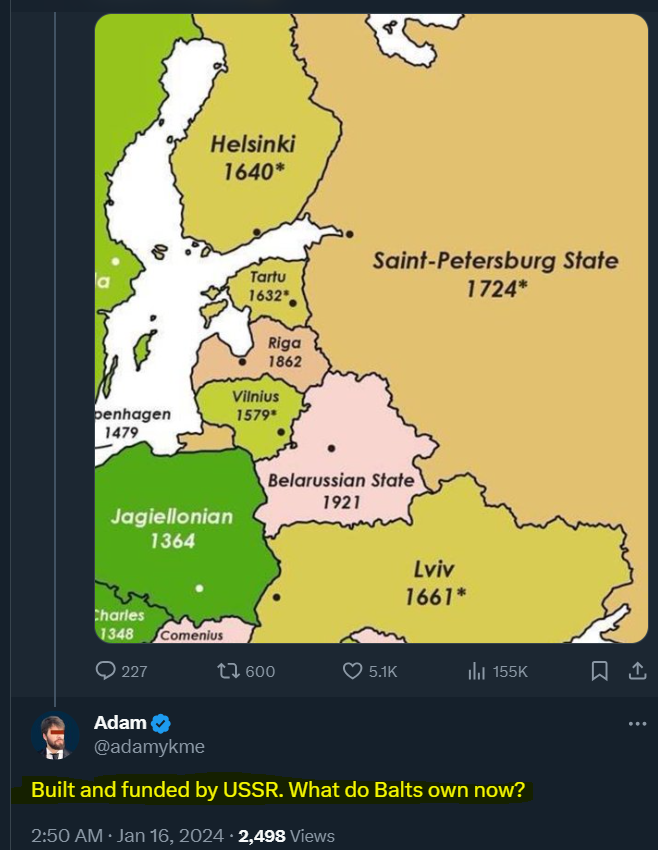
December 30, 1922 is one date penned in the history as the Union of Soviet Socialist Republics (USSR) was formally established. It initially included Russia, Ukraine, Belarus, and the Transcaucasian Federation (later split into Armenia, Azerbaijan, and Georgia).
How the USSR Was Formed: An Analytical 10-Point Explanation
- Collapse of the Russian Empire (1917)
The formation of the USSR was rooted in the collapse of the Russian Empire following the February and October Revolutions of 1917. Widespread poverty, war fatigue from World War I, economic collapse, and political repression under Tsar Nicholas II created conditions ripe for revolutionary change. - Rise of the Bolsheviks Under Lenin
The Bolshevik Party, led by Vladimir Lenin, capitalised on mass discontent with slogans such as “Peace, Land, and Bread.” In October 1917, the Bolsheviks overthrew the Provisional Government, marking the first successful seizure of state power by a Marxist party. - Ideological Foundation: Marxism–Leninism
The USSR was built on Marxist socialist ideology, adapted by Lenin. The core belief was that capitalism would inevitably collapse and be replaced by a socialist state where means of production were collectively owned and class exploitation eliminated. - The Role of Soviets (Councils)
Power was exercised through soviets—workers’ and soldiers’ councils—claiming to represent grassroots democracy. In practice, however, real authority increasingly shifted to the Communist Party, sidelining plural political participation. - Russian Civil War (1918–1921)
After the revolution, Bolsheviks fought a brutal civil war against anti-communist forces (the Whites), foreign interventions, and internal rebellions. Victory in the civil war consolidated Bolshevik control over the former imperial territories. - Need for a Federal Structure
The former Russian Empire was ethnically and geographically diverse. To manage nationalism and regional aspirations, Lenin proposed a union of socialist republics, rather than a centralized Russian state, to present communism as voluntary and internationalist. - Formal Establishment of the USSR (1922)
On December 30, 1922, the Union of Soviet Socialist Republics (USSR) was formally established. It initially included Russia, Ukraine, Belarus, and the Transcaucasian Federation (later split into Armenia, Azerbaijan, and Georgia). - Single-Party Communist Rule
Although structured as a federation, the USSR functioned as a one-party state. The Communist Party controlled all branches of government, with the Politburo and later the General Secretary emerging as the real centers of power. - Economic Centralization and State Ownership
Industry, banking, transport, and natural resources were nationalised, while agriculture was reorganised into collective and state farms. The state replaced the market as the primary economic decision-maker. - From Revolutionary State to Superpower
Over time, the USSR expanded to 15 republics and emerged as a global superpower. However, the gap between communist theory and authoritarian practice widened. Economic inefficiencies, political repression, and national tensions ultimately led to the collapse of the Soviet Union in 1991.
Conclusion
The USSR was formed as a revolutionary response to imperial collapse and social inequality, grounded in Marxist ideology and shaped by war, centralised power, and political pragmatism. While it began as an experiment in socialist governance, its evolution into a highly centralised and militarised state highlighted the tension between ideology and implementation.