Home Blog Page 767

Top 5 oldest rock arts in the world which speak historical tales…!

0

Rock arts are man-made paintings on natural surface or on stones which are highly sophisticated way of expressing complex beliefs about the supernatural world. They played a role in prehistoric religion, possibly in connection with ancient myths or the activities of shamans. To record historical details,  rock arts can be found across every nation and depicts the history of any culture.
Some art seems to depict real events whilst many other examples are apparently entirely abstract. Some archaeologists think that the paintings were created to bring good fortune to a hunt as a kind of spiritual exercise.
Let’s explore some oldest  rock arts across the world.

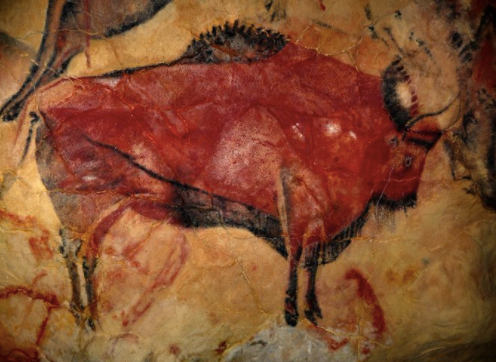
  1. Cave of Altamira, Spain: It was discovered in 1868 by Modesto Cubillas. Cave of Altamira is the most ancient cave located in Northern Spain. In a true manner it is treat for those who have great interest in history. It is renowned for prehistoric parietal cave art featuring charcoal drawings and polychrome paintings of contemporary local fauna and human hands. 
  2. Lascaux, France: This cave is also known as Sistine Chapel of Prehistory. Nowadays the original arts of this cave are closed because it is too precious and need some extra precautions and protection to maintain. Over 600 parietal wall paintings cover the interior walls and ceilings of the cave.
  3. Maltravieso cave, Cáceres: Best known for it’s red hand stencil,  Maltravieso Cave is situated in Spain. It is said that this rock arts are made by a Neanderthal around 64000 years ago. Discovered in 1961, the cave shows traces of human occupation from the Middle Paleolithic.
  1. Apollo 11 Cave, South-Western Namibia: In Africa it is considered as the most ancient rock art. Seven grey-brown quartzite slabs, each smaller than an adult hand, were found with images drawn in charcoal and ochre during excavations in the cave in 1969 by German archaeologist W.E. Wendt. The discovery occurred at the time of the Apollo 11 mission to the moon, and the shelter was given the same name to celebrate the momentous event. 
  1. Sulawesi Cave, Indonesia: Archaeologists have discovered the world’s oldest known cave art — a life-sized picture of a wild pig that was painted at least 45,500 years ago in Indonesia. The cave painting uncovered in South Sulawesi consists of a figurative depiction of a warty pig, a wild boar that is endemic to this Indonesian island.

Jalebi: This juicy sweet dish is apt to satify your sweet-craving

0

 Jalebi, a spiral-shaped juicy sweet dish, satisfies sweet craving. While many people call it as national sweet dish,  it is also known by other names such as Jilapi, Zalabia, Zulbia and Mushabak. The word ‘jalebi’ is derived from the Arabic word ‘zulabiya’ or the Persian ‘zolbiya’. Jalebi’s recipe came to India through Persian-speaking Turkic invaders.

You can find a jalebi lover in every corner of India. This unique shaped sweet dish can allure anyone with its attractive appearance.  Of all the many delectable Indian sweets , jalebi is considered superlative the world over. 

Crisp, crunchy funnel-cake style fried spirals are made up of organic Maida doused in a syrupy sweet sauce which is available in different variety in different regions. 

Here are 4 interesting types of Jalebi you must try  

1. Jaleba: Jaleba is a king size jalebi deep fried in Ghee and then soaked in sugar water. The crispness and sweetness of jaleba will surely win you heart.  It is an irresistible treat for all sweet lovers. 

2. Imarti: A traditional delight which is quite similar to Jalebi is Imarti. Its mouth watering appearance and sweet saucy redness will make you feel hungrier. Imarti is made with urad dal , Also imarti is thicker and less crispier than jalebi.  

3. Paneer Jalebi: Made out of cottage cheese, this variant of Jalebi must be consumed within 24 hours, else it goes unfit to eat. It is also known as Chanar Jalebi and is particularly found in West Bengal. Its ingredients include full cream milk, lemon juice, all-purpose flour and it is browner than its North Indian version. 

4. Rabdi Jalebi : Rabdi itself sounds mouthwatering than its combination with jalebi.

Even though it is Jalebi served with Rabri, still Rabdi Jalebi deserves a separate mention. It is well sought after sweet dish and is garnished with saffron, almonds and pistachios. It is often served as a dessert in North Indian weddings. 

5. Khoya Jalebi: It is a famous sweet dish of Jabalpur, Madhya Pradesh and is prepared using a batter of khoya, maida and milk. It tastes best when it is topped with cold milk or mala.

Nohkalikai Fall: Beautiful waterfall which speaks spooky story too…!

0

Nohkalikai Fall is the tallest plunge waterfall in India in Indian state of Meghalaya which is India’s tallest waterfall and is fourth in world. 

Also known as one of the most dramatic waterfalls one can ever visit, it gives a breathtaking and glimpse being accompanied by a beautiful blue pool and surrounded with dense forests. 

This waterfall is listed in

Nohkalikai Waterfall specialities 

Nohkalikai Waterfall’ height is 340 m which makes it India’s tallest waterfall. The waterfall is located in the Indian state of Meghalaya, near Cherrapunji, one of the wettest places on Earth. Below the falls is a plunge pool with water of an unusual shade of green.

Cherrapunji is located in the East Khasi Hills district of Meghalaya and is home to five of the most famous waterfalls of the State that has now turned into favorite tourist destinations. 

The name ‘Nohkailikai’ in the local Khasi Tribal language means the ‘Jump of Ka Likai’. 

Nohkalikai: Story behind its name

There is a story behind the name. According to the villagers, a local women Likai jumped off the cliff next to the falls. And that’s how the majestic waterfall named as Nohkalikai.  

Nohkalikai: Best time to visit

The best time to visit the Nohkalikai Falls is in the months of September and October when the forests around the waterfall gives Idyllic glimpse and skies are relatively clear.

Lepakshi Temple bespeaks stories from Mahabharta, Ramayana and Purans…

0

Lepakshi Temple situated in Andhra Pradesh has many stories to speak. It has a hanging pillar and a giant footprint which many people believe to be of Hanuman, while others say it is Sita’s footprint. Akanksha writes about this temple to bring forth stories which come from Mahabharata, Ramayana and Puranas…

Located in the southeastern part of India, Lepakshi temple is as a prime location to worship Veerabhadra. This temple is also known as Veerabhadra Temple and is situated in the tiny hamlet of Anantpur District of Andhra Pradesh.

The intricate carvings and massive structure of this temple leave everyone spellbound.  Rich in architecture and art, this temple is famous for its hanging pillars and cave chambers.  It is designed in typical Vijayanagra architecture. 

The temple depicts epic of Mahabharta,  Ramayana and Purans by its columns and ceiling. There are around 100s of paintings on the wall of this temples and executive sculptures of God and goddesses. This temple have mural of God Veerabhadra which is counted as India’s largest Mural of any single figure. 


At the front of Temple, there is a deity of A Nandi (cow) which is created from a single piece of stone. From the figures of Saint to musicians,  this temple is gloriously designed. The temple, according to Skanda Purana, is a divyakshetra which means  an important crusade destination of Lord Shiva. 


Thing that makes the temple unique is footprint which are believed to be of Maa Sita. As you step inside the temple, you get the glimpses of the history of Vijayanagara kingdom by way of pictorial representations.

Other than the footprints of Maa Sita,  this temple is well known for its hanging pillar, you must have heard about. The temple has almost 70 well architected pillars. These pillars have the finest elegance.

Out of these 70 pillars, there is one pillar which hangs from the ceiling. The base of pillar doesn’t touch the ground and this pillar is bit dislocated from its original position. One can easily pass the paper and a thin cloth from one side to another which makes us wonder. 
Lepakshi is village which is known because of Ramyana. Villagers say that the bird Jatayu (the son of Aruna and a nephew of Garuda) had fallen here after the battle against the Ravana. When Rama reached the spot, he saw the bird and humanly said to him, “Le Pakshi” which means  “Arise, bird”. 

People from all over India and world visit this temple to find faith and attain spiritual enlightenment. This temple is must visit place in Andhra Pradesh.

Makar Sankranti 2022: Know significance, famous food and quotes for the festival…

0

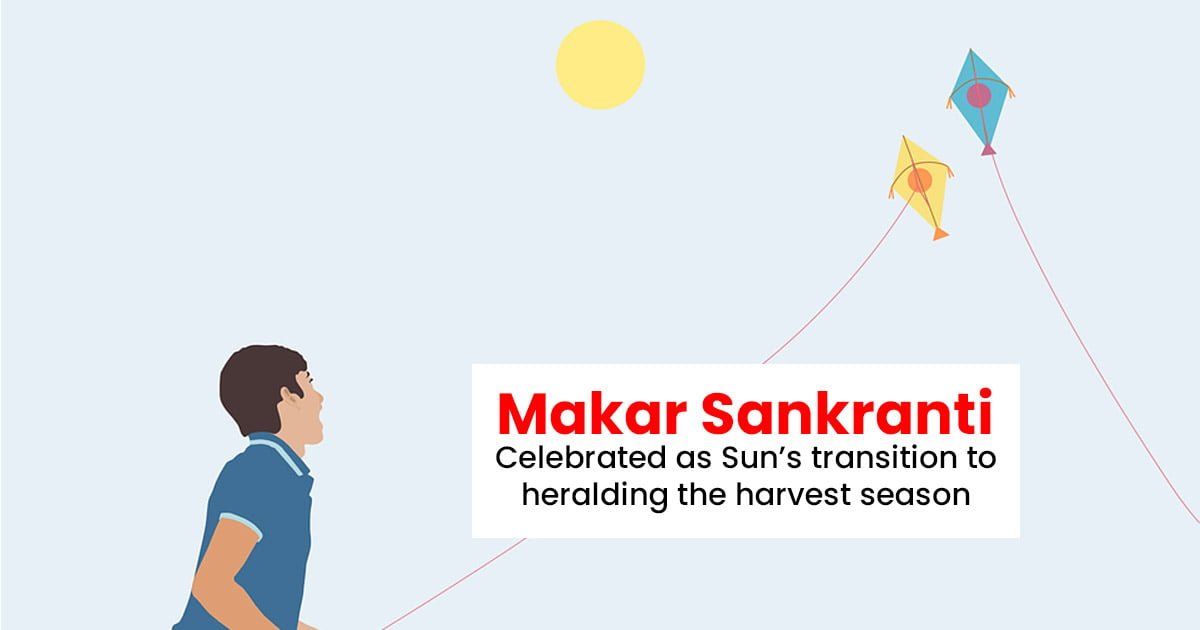
In 2022, Makar Sankranti is being celebrated on 14th January. Astrologically, Makar Sankranti celebrates Sun’s transition in Capricorn. Dedicated to Lord Surya, this festival is known by different names in different regions of India. The joyous festival marks the end of winter, and the beginning of a new harvest season.

Makar Sankranti holds great significance for Hindus.  On this occasion, people get together on the rooftops of their houses to fly kites, dance and greet each other with sweets and hugs.

All across the country, the festival is celebrated by offering black sesame seeds, sesame laddus, rice, vegetables, pulses, turmeric, fruits, and other items to the poor. 
Let’s know about the most delightful food of Makar Sankranti 

Sesame Laddu ( Til ke laddu) 
Til laddu is most delightful, healthy, delicious, and nutty laddu prepared with white sesame seeds, jaggery, peanuts, and desiccated coconut. It is a famous Makar Sankranti dish. 
Puran Poli 
It is a maharashtrian delicacy which is sweet in taste. This is made with wheat flour and sweetened Moong or Chana dal stuffing and served with generous amount of ghee. 

Khichdi 
Moong beans cooked with rice and a pool of rustic spices, khichdi is more than just a comfort food for Indians. 
Pinni Made up of generous amount of ghee, wheat flour,  almonds and jaggery ,pinni is one of the delightful dish prepared to celebrate Makar Sankranti. This bites are packed with ghee and nuts. 

Quotes for Makar Sankranti 
May you sour high with success just like your kites this Makar Sankranti. HAPPY MAKAR SANKRANTI. 

This Makar Sankranti, the sun rises with hope, kites fly in the sky with vigour, and the crops are ready to be harvested – all signifying hope, joy and abundance. Happy Makar Sankranti! 

Makar Sankranti is a new beginning of a new destination, happiness or sorrow. Wish you a happy Makar Sankranti! 

Look Outside. It’s so pleasant! Sun Smiling For you.. Trees Dancing for you. Birds singing for you. Because I requested them All to wish you, HAPPY MAKAR SANKRANTI! 

With Great Devotion, Fervor and Gaiety, With Rays of Joy and Hope, Wish You and Your Family, Happy Makar Sankranti. 

As the Sun starts its journey towards the North, I hope you give your best towards achieving your goals. Wish you a Happy Makar Sankranti.”

Armed Force Veterans Day History, Significance, Importance

0

Armed force veterans day observed every year on Januray 14, since 2017 to honor the sacrifice of our veterans serving the nation.

This year we will celebrate the 6th armed force veterans day which was called as Armistice Day when it was announced in 2017.

Armed forces veteran day is celebrated with an aim to acknowledge and honor the selfless devotion and sacrifice of our veterans in the service of the nation.

This day recognises and honors the services rendered by Field Marshal KM Cariappa OBE, the first Indian Commander-in-Chief of the Indian Armed Forces. He retired back in January 14 in 1953.

Armed Force Veterans Day History, Significance, Importance

Armed force veterans day is observed to reassure the veterans for their well being and that their services and valuable suggestions are always privileged.

Every year ceremonies and Veterans Meet are organised at various Military Stations to mark the solidarity of our veterans.
Last year, Admiral Karambir Singh released the ‘Swarnim Vijay Varsh’ song dedicated to our brave and courageous soldiers of the 1971 war.

On this occasion Minister Rajnath Singh tweeted and acknowledged the contributions of the veterans.

“Greetings and best wishes to all the veterans and their families on the occasion of Armed Forces Veterans Day. We are proud of our veterans who have selflessly served the country with courage, dignity and duty. The Govt is committed towards the welfare of India’s Ex-servicemen,”

Haburia Bhata: The magical stone of Habur Village that turns milk into curd without buttermilk

1

A unique yellow stone found in Swarnanagari, a tourist destination of Jaisalmer, has made a different identity in the whole world and the question here is why?

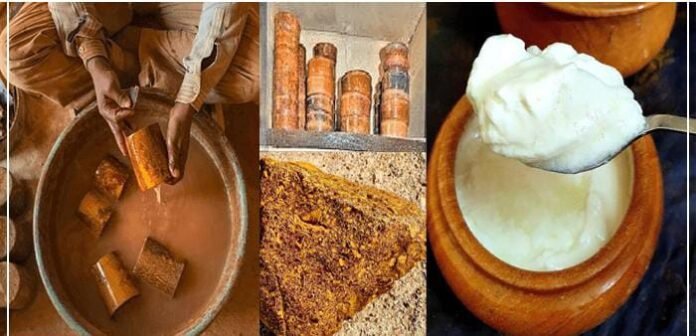
Well the stone found here is popular because of its special chemical properties which helps in curding of milk. We need to add some buttermilk to the milk to turn it into curd but this stone is no less than a miracle. Because as soon as the milk comes in contact with this stone, it becomes curd without buttermilk. This stone freezes the milk and turns it into curd.

Haburia Bhata: The magical stone of Habur Village that turns milk into curd without buttermilk

The miraculous unique stone is found in Habur village, now known as Poonamnagar ,50 kilometers (km) from Jaisalmer and over 600 km from the state capital Jaipur and the stone is known as Haburia Bhata in local language.

It is believed in the village that, the topography of the village was very different a long time ago (millions of years ago). And there used to be a sea here and
these stones date back to that period. As these stones emerge from the heart of the earth, they contains numerous minerals and remnants of fossils.

Haburia Bhata: The magical stone of Habur Village that turns milk into curd without buttermilk

This magical stone is not only popular in the country but abroad too due to its special quality.
The demand of utensils made of this stone
is always high and due to the impact of social media the stone became famous and many tourists stop by to buy the vessels and sculptures made from habur stone.

The magical stone is light golden and yellow in colour. The villages also make sculptures, idols and toys are from this stone.

Villagers says that the curd prepared from milk in Habur stone utensils is sweet in taste and has a sweet earthy aroma. Due to which tourists from all around the world are crazy about the curd stored in these utensils and the lassi made from it.

Researchers have also proved that the stone has special chemical properties and it contains amino acids, phenylalanine, tryptophan and tyrosine, which helps in curd formation, and one doesn’t need to add anything else.

Interesting facts about Makar Sankranti you might not know!

0

Makar Sankranti also known as Maghi is a Hindu festival that is traditionally been celebrated in the middle of January every year marking the end of the winter season and the beginning of longer days.

According to the solar cycle Makar Sankranti is celebrated annually on 14th January. The auspicious festival is dedicated to deity surya( Sun). This day marks the transit of sun into Makara(Capricorn), marking the end of shorter days and the beginning of longer days.

Makar Sankranti is celebrated with social festivities such as colorful decorations, rural children going house to house, singing and asking for treats in some areas, melas (fairs), dances, kite flying, bonfires and feasts.

Makara Sankranti is considered important for spiritual practices and accordingly, people take a holy dip in rivers, especially Ganga, Yamuna, Godavari, Krishna and Kaveri. It is believed that the bathing is a result in merit or absolution of past sins. They pray to the deity sun and thank for their successes and prosperity.

Interesting facts about Makar Sankranti you might not know!

Let’s take a look at some interesting facts about Makar Sankranti you might not know:

1) A unique Hindu festival based on Solar Cycle:

Makar Sankranti is one of the rarest festival that is celebrated on the basis of solar cycles as mostly Hindu festivals are celebrated according to lunar cycle of the Hindu calendar.

2) Makar Sankranti date changes in leap year:

Makar Sankranti almost always falls on the same Gregorian date every year (January 14) but on leap years it falls on 15 January.
Because by the time of leap year, year Calendar is lagging almost one day behind the sun, causing Makar Sankranti to fall on 15 January

3) Makar Sankranti is celebrated with different names in different places:

It is celebrated as Magh Bihu in Assam, Maghi in Punjab, Maghi Saaji in Himachal Pradesh, Maghi Sangrand or Uttarain (Uttarayana) in Jammu, Sakraat in Haryana, Sukarat in central India, Pongal in Tamil Nadu, Uttarayan in Gujarat, and Uttar Pradesh, Ghughuti in Uttarakhand, Dahi Chura in Bihar, Makara Sankranti in Odisha, Karnataka, Maharashtra, Goa, West Bengal.

4) Makar Sankranti is also celebrated in different countries:

Makar Sankranti is celebrated in Bangladesh, Nepal, Pakistan, Sri Lanka, Malaysia, Singapore, Australia, America,  Canada and in some European counties as well.

5) Makar Sankranti and Uttarayan coincided during the Aryabhata period (1500 years ago) :

During the time of Aryabhata
1,500 years ago, Uttarayan and Makar Sankranti coincided. Now Makar Sankranti falls on January 14, but Uttarayan happens on Dhanu Sankranti.

6) Makar Sankranti marks the end of inauspicious month :

Makar Sankranti marks the end of Malmaas, an inauspicious month in the Hindu Panchang calendar, and the transition of the Sun to the zodiacal sign of Makar (Capricorn) to herald a change in season.

Interesting facts about Makar Sankranti you might not know!

7) Every twelve years, the Hindus observe Makar Sankranti with Kumbha Mela :

Kumbha Mela is one of the world’s largest mass pilgrimage, with an estimated 40 to 100 million people attending the event. Every year Hindus observe Makar Sankranti with this mela.

8) Makar Sankranti and the ritual of kite flying :

There is a reason behind this kite flying ritual, Hindus considered the early morning sun beneficial for the skin and body and since winter is also the time of a lot of infections and sickness, by basking in the sun, Hindus believed that the bad bacteria on their bodies would be cleared to a certain extent.

Jadav Payeng is the Forest Man of India. Know why…!

0

Jadav Payeng, known as Molai Payeng, has earned the title of ‘The Forest Man of India’.

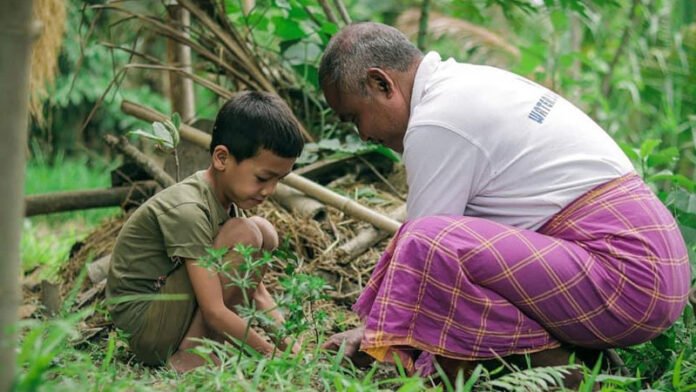
He has spent 30 years of his life planting around 40 million trees to create a real man-made forest. By changing a barren sandbar of the Brahmaputra, covering an area of 550 hectares of land which is known as ‘Molai Kathoni’, he made a forest Molai Kathoni, located near Kokilamukh in Assam’s Jorhat district, which is now the home to tigers, elephant herds, deer, rabbits and a wide diversity of native and migratory species and thousands of trees.

Jadav Payeng is now working on the initiative which is a massive plantation project involving eight lakh hectares of land in Mexico.

Payeng, at the age of 16, came to know that a large number of snakes died due to excessive heat after floods washed them onto the sandbar. 

He planted around 20 bamboo seedlings on the sandbar of the Brahmaputra river and started working in the forest from 1979 when the Social Forestry division of Assam’s Golaghat district had launched a scheme of tree plantation on 200 hectares of land at Aruna Chapori in Jorhat district. He was one of the labourers of the project which was completed after five years.

Jadav Payeng has been honoured with Padma Shri in 2015.

Damyanti Gupta: This first degreed female engineer at Ford is a role model for young girls…

0

Damyanti Hingorani Gupta is the first female degreed engineer ever hired by Ford Motor Company. She is a role model of every young girl. EBNW Story features the inspiring story of her journey.

Birth and Life struggles

Damyanti Hingorani Gupta was born in 1942 in a small town Tharushah which was ruled by British. Her parents were known landowners but they lost everything as they had to leave their home country behind during the partition in 1947. Rioting and looting forced them flee to Karachi.

She has always dreamt to become an engineer and she came closer to her dream when she got admission as the first female student at engineering college.

Her mother Gopibai was a 4th grade student and always wanted her child to have quality education to pursue her dreams. WhenDamyanti heard  term ‘Engineer’ for the first time , she set her sights that she will pursue engineering.

She was first female student at engineering college. After receiving a bachelor’s degree in Mechanical Engineering, Damyanti moved to Düsseldorf, Germany to work. Later, she moved to Oklahoma where she earned a Master’s degree in Mechanical Engineering and once again she was the first female engineer from Oklahoma State University.


Capitalizing on the scope of engineering, she wanted herself to be a part of Ford when she was just 19.  Her parents handed over their lifetime savings to educate their child and fulfil her lifelong dream. The path to Ford wasn’t easy either, she was rejected when she applied for the first time. But rejection plays a vital role in success. She held onto her goal and eventually became the first female with a Masters in Engineering ever hired by the Ford Motor Company.

She is now retired from Ford but she has embarked her name as first female engineer hired by Ford.
The HR at Ford Motors said, “You’re applying for an engineering job, but we have no females here.” Damyanti replied “I’m here, and unless you hire me, you’ll never have any.” 

And that’s how she scripted a success story for herself and her females which continues to inspire many young girls…