Home Blog Page 76

Pooja Devi Turns Millets into Livelihood, Inspires Rural Entrepreneurship”

0

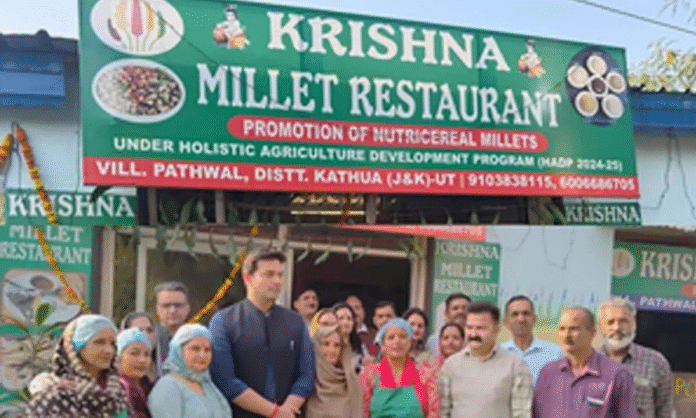
Pooja Devi: Hailing from the remote border village of Pathwal in Kathua district, Pooja Devi comes from a modest, low-income family. She began her entrepreneurial path in a simple way-selling homemade pickles and local household products to make ends meet. But driven by determination and a passion for healthier food, she took a transformative leap. Today, she proudly runs the region’s very first millet-based restaurant, a shining example of rural innovation and grit.

Pioneering J&K’s First Millet Restaurant – A Game-Changer in Border Area

After a full year of successful operation, Pooja’s venture has become more than just a business-it’s a beacon of hope. Her restaurant serves delicious, nutrient-packed millet dishes that blend tradition with modern tastes, including millet dosa, momos, samosas, and classic bajra/makki rotis. What started small has grown into a sustainable source of respectable income, while inspiring neighboring women to dream bigger and achieve self-reliance.

Government Boost Under HADP: Turning Dreams into Reality

Pooja’s success story received crucial support from the Agriculture Department through the Holistic Agriculture Development Programme (HADP). A generous 50% subsidy helped her set up the restaurant, proving how targeted government schemes can empower grassroots entrepreneurs. This backing, combined with family support, has allowed her to focus on promoting “Shree Anna” (millets) as promoted nationally, while building a thriving local enterprise.

Empowering Rural Women: Economic Freedom, Skills, and Confidence

Pooja’s initiative goes far beyond her own success-it’s sparking a wave of change among rural women.Through millet-based products like cookies and flour, self-help groups are finding new income streams, leading to greater financial independence. Women are now mastering modern skills such as packaging, marketing, and even basic data analysis-equipping them for today’s world. With economic stability comes stronger decision-making power in families and communities, from choices about education and health to investments. The ripple effect? Boosted nutrition for children and households, higher confidence levels, and women emerging as role models for social upliftment.

Why Millets Are a Superfood Powerhouse – Health Benefits You Can’t Ignore

At the core of Pooja’s menu is pearl millet (bajra)-a gluten-free nutritional superstar loaded with calcium, fiber, iron, and magnesium. It’s a natural ally for stronger bones (thanks to high calcium and phosphorus, helping prevent osteoporosis), smoother digestion (high fiber fights constipation and keeps guts healthy), and better blood sugar control (low glycemic index makes it ideal for diabetes management). It aids weight loss by keeping you full longer, supports heart health by lowering cholesterol and regulating blood pressure (with magnesium and potassium), and even promotes glowing skin through antioxidants. For anyone with gluten sensitivity or celiac disease, it’s a perfect, wholesome alternative-delivering sustained energy without the downsides.

(The writer of this story is Nirjala Goud, a student of Journalism and Mass Communication)

Rajasthan Blu Miraj Stadium: India’s First 5-Star Hotel–Integrated Cricket Stadium Opening in Rajasthan Soon…

0

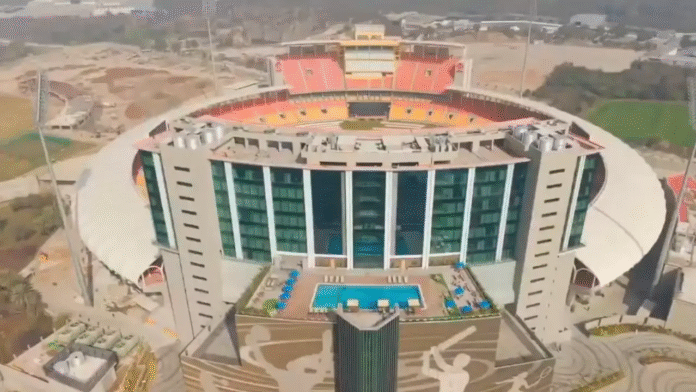
Have you ever thought of watching a live cricket match from the balcony of a luxury hotel room? Thinking? So be ready to feel the real experience of this unique feel as Rajasthan is poised to create history in Indian sports and hospitality with the upcoming inauguration of the Radisson Blu Miraj Stadium in Nathdwara, near Udaipur. Touted as India’s first cricket stadium integrated with a 5-star hotel, the landmark project promises a never-seen-before experience where you will be able to watch a live cricket match from the balcony of a luxury hotel room.

Developed by the Miraj Group under the Madan Paliwal Miraj Sports Centre, the stadium is currently listed as “Opening Soon” and is expected to become fully operational in 2026. First-look images shared on social media have generated massive buzz, showcasing a striking blend of modern stadium architecture and premium hospitality.

The Radisson Blu Miraj Stadium has a seating capacity of around 50,000 spectators and is seamlessly connected to a 234-room Radisson Blu hotel. Remarkably, nearly 75 percent of the hotel rooms and suites offer a direct view of the cricket field, giving guests a unique stadium-side luxury experience.

Designed with parametric architecture, sleek metal finishes, and dramatic night-time lighting, the venue offers an international look and feel. Guests can enjoy panoramic sunset views of the Aravalli hills and floodlit evening matches, combining natural beauty with world-class sporting infrastructure.

Beyond cricket, the property is envisioned as a multi-purpose destination. It includes expansive wedding lawns capable of hosting up to 1,000 guests, premium dining spaces, hospitality suites, and large event and celebration areas. This makes it ideal for destination weddings, corporate events, exhibitions, and private celebrations.

Construction of the stadium was completed in 2025, and while approval from the BCCI for hosting regular international matches is awaited, the venue is expected to host domestic matches, private tournaments, exhibition games, and high-profile events. It has already hosted limited matches, including fixtures from the Asian Legends League.

With Nathdwara’s proximity to Udaipur and the Shrinathji Temple, the project is set to boost cricket tourism and luxury travel in Rajasthan. The Radisson Blu Miraj Stadium marks a new chapter where sport, hospitality, and entertainment come together—turning the dream of watching live cricket from a luxury balcony into reality.

India–China Economic Relations Enter New Phase as Bilateral Trade Hits Record High in 2025

0

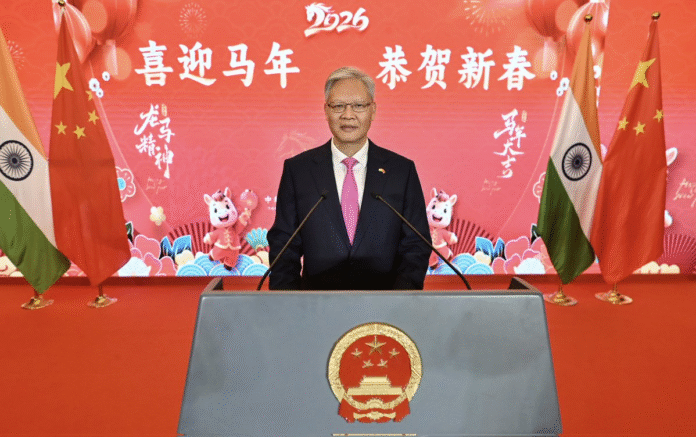
India–China economic relations have entered a renewed phase of engagement, with bilateral trade touching a historic high in 2025. The milestone reflects a gradual stabilisation of ties following years of diplomatic strain, alongside expanding commercial linkages between Asia’s two largest economies. Chinese officials have described the current trajectory as reaching a “new level of improvement”, signalling cautious optimism in bilateral relations despite ongoing strategic sensitivities.

AspectDetails
Overall Relationship StatusRenewed phase of engagement with cautious optimism
Total Bilateral Trade (2025)USD 155.6 billion (highest ever recorded)
Year-on-Year Trade GrowthOver 12% increase
India’s Export Growth to China9.7% year-on-year
Trade BalancePersistent trade imbalance in China’s favour
Major Indian ExportsMinerals, agricultural products, pharmaceuticals, chemicals
Diplomatic MilestonePM Modi–President Xi Jinping meeting in Tianjin, August 2025
Nature of Diplomatic ShiftTransition from “reset and fresh start” to sustained engagement
Multilateral CooperationIncreased coordination on global and regional platforms
BRICS PositionChina supports India’s BRICS presidency
Global South FocusJoint emphasis on development and emerging economy leadership
Policy CoordinationImproved dialogue at diplomatic, economic, and institutional levels
Strategic ApproachStability, predictability, and gradual confidence-building
Key ChallengeManaging competition alongside economic cooperation

Record Growth in India–China Bilateral Trade

India–China bilateral trade reached USD 155.6 billion in 2025, marking a year-on-year growth of over 12 per cent, the highest trade volume ever recorded between the two countries. The data underscores the depth of economic interdependence between New Delhi and Beijing, even amid geopolitical complexities.

India’s exports to China grew by 9.7 per cent, indicating sustained demand for Indian goods such as minerals, agricultural products, pharmaceuticals, and chemicals. While the trade imbalance remains a concern for India, the growth in exports highlights expanding commercial opportunities and the resilience of trade ties.

Diplomatic Signals and High-Level Engagement

The improvement in economic relations follows a high-level meeting between Prime Minister Narendra Modi and Chinese President Xi Jinping in Tianjin in August 2025. Chinese officials have described the interaction as a shift from a phase of “reset and fresh start” to one of sustained engagement.

Since the meeting, diplomatic, economic, and institutional exchanges between the two countries have increased. These interactions have contributed to improved communication channels, enhanced policy coordination, and greater predictability in bilateral engagement.

Multilateral Cooperation and Global South Alignment

China has reiterated its support for India’s BRICS presidency and expressed willingness to strengthen coordination on multilateral platforms. Both countries have emphasised the importance of aligning development strategies to maximise mutual economic benefits.

A key focus of India–China cooperation has been support for the Global South, positioning the relationship within a broader framework of emerging economy leadership and shared developmental priorities.

Strategic Caution Amid Growing Trade

While robust trade growth highlights strong commercial complementarities, strategic caution continues to shape the relationship. Both sides have stressed the importance of stability, predictability, and gradual confidence-building as India and China navigate competition alongside cooperation in regional and global affairs.

Important Facts

  • India–China bilateral trade crossed USD 155 billion in 2025, the highest ever recorded
  • India’s exports to China grew by nearly 10 per cent year-on-year
  • The Tianjin meeting (August 2025) marked a diplomatic reset in bilateral ties
  • China has publicly supported India’s BRICS presidency
  • Both sides emphasised alignment of development strategies for deeper economic cooperation

Elon Musk Becomes World’s First $800 Billion Individual

0

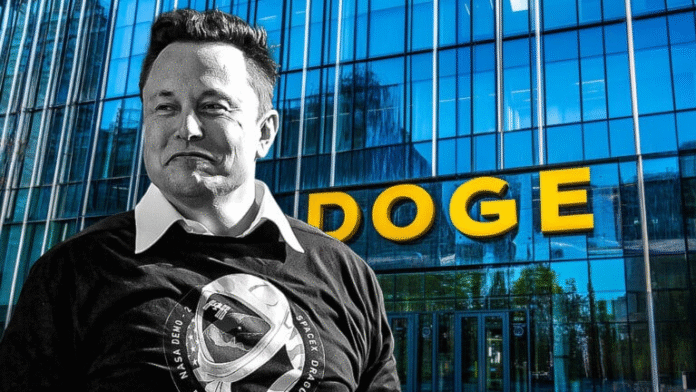
Global wealth rankings were rewritten in February 2026 as Elon Musk became the first individual on Earth to cross a net worth of USD 800 billion. The surge followed a landmark corporate restructuring involving Musk’s flagship ventures, reinforcing his position as the most influential entrepreneur of the modern era and highlighting the growing convergence of space, artificial intelligence, and capital markets.

SpaceX–xAI Merger Drives Wealth Surge

Musk’s fortune jumped sharply after the merger of SpaceX and xAI, creating a combined entity valued at USD 1.25 trillion. According to Forbes estimates, the deal alone added USD 84 billion to his personal wealth, taking it to approximately USD 852 billion. The restructuring gave Musk a 43 per cent stake in the merged company, now valued at over USD 540 billion, making it the single largest contributor to his net worth.

SpaceX Emerges as Most Valuable Asset

With xAI absorbed into SpaceX, the rocket and satellite company has become Musk’s most precious asset. Prior to the deal, Musk held a 42 per cent stake in SpaceX and a 49 per cent stake in xAI. The consolidation significantly enhanced the strategic and financial weight of SpaceX, positioning it as the core pillar of his empire ahead of electric vehicles, social media, and other technology ventures.

Tesla’s Continued Role in Musk’s Fortune

Despite SpaceX’s dominance, Tesla remains a major source of Musk’s wealth. He owns around 12 per cent of the electric vehicle maker, valued at about USD 178 billion, along with stock options worth an additional USD 124 billion. These figures exclude a shareholder-approved compensation package that could potentially grant Musk stock worth up to USD 1 trillion, contingent on Tesla achieving ambitious long-term market capitalisation targets.

Important Facts

  • Elon Musk crossed USD 800 billion net worth in February 2026.
  • The SpaceX–xAI merger created a USD 1.25 trillion combined entity.
  • Musk holds a 43 per cent stake in the merged SpaceX-xAI company.
  • Tesla stock and options remain a significant component of his wealth.

Series of Milestones and Market Outlook

Musk’s ascent has been marked by rapid milestones, from USD 500 billion in October 2025 to USD 700 billion by December. This is the second major merger involving his companies within a year, following the earlier xAI and X consolidation. With SpaceX expected to pursue a public listing later in 2026, market scrutiny of valuations and governance is set to intensify, potentially shaping the next phase of Musk’s unprecedented wealth trajectory.

T20 World Cup Begins February 7: Group of Death, Upsets and Heavyweights Set the Stage

0

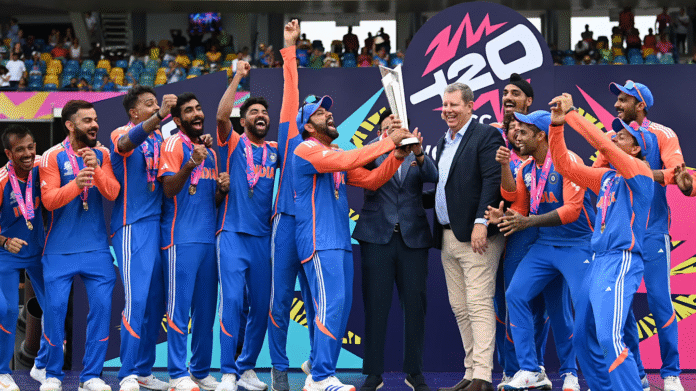
The ICC Men’s T20 World Cup will kick off on February 7, featuring 20 teams divided into four groups. While every group has its own excitement, Group D has emerged as the tournament’s ‘Group of Death’, packed with proven finalists and giant-killers.

From the fierce India–Pakistan rivalry in Group A to England and West Indies clashing in Group C, the group stage promises high-voltage cricket and potential upsets.

Group A: India–Pakistan Rivalry, USA the Giant-Killers

Group A features defending champions India, arch-rivals Pakistan, and associate teams USA, Netherlands, and Namibia.

On paper, India and Pakistan appear dominant, but recent history warns against complacency. In the 2024 T20 World Cup, the USA stunned Pakistan in a Super Over, marking one of the biggest upsets in tournament history. The Netherlands, too, have previously defeated top teams like South Africa in ICC events.

With unpredictability baked in, Group A could deliver early drama.

Group A Teams’ Squads

India: Suryakumar Yadav (captain), Abhishek Sharma, Tilak Varma, Sanju Samson, Shivam Dube, Ishan Kishan, Hardik Pandya, Arshdeep Singh, Jasprit Bumrah, Harshit Rana, Varun Chakravarthy, Kuldeep Yadav, Axar Patel, Washington Sundar, and Rinku Singh.


Pakistan: Salman Ali Agha (captain), Abrar Ahmed, Babar Azam, Faheem Ashraf, Fakhar Zaman, Khawaja Mohammad Nafe, Mohammad Nawaz, Mohammad Salman Mirza, Naseem Shah, Sahibzada Farhan, Saim Ayub, Shaheen Shah Afridi, Shadab Khan, Usman Khan, and Usman Tariq. USA: Monank Patel (captain), Jessy Singh (vice-captain), Andries Gous, Shehan Jayasuriya, Milind Kumar, Shayan Jahangir, Saiteja Mukkamalla, Sanjay Krishnamurthi, Harmeet Singh, Nosthush Kenjige, Shadley van Schalkwyk, Saurabh Netravalkar, Ali Khan, Mohammad Mohsin, and Shubham Ranjane.


Netherlands: Scott Edwards (captain), Colin Ackermann, Noah Croes, Bas de Leede, Aryan Dutt, Fred Klaassen, Kyle Klein, Michael Levitt, Zach Lion-Cachet, Max O’Dowd, Logan van Beek, Tim van der Gugten, Roelof van der Merwe, Paul van Meekeren, and Saqib Zulfiqar.


Namibia: Gerhard Erasmus (captain), Zane Green, Bernard Scholtz, Ruben Trumpelmann, JJ Smit, Jan Frylinck, Lohan Louwrens, Malan Kruger, Nicol Loftie-Eaton, Jack Brassell, Ben Shikongo, Jesse Balt, Dylan Leicher, WP Myburgh, and Max Hango.
Group B: Australia and Sri Lanka almost certain to qualify

Group B: Australia, Sri Lanka Lead the Race

Group B includes Australia, Sri Lanka, Ireland, Zimbabwe, and Oman.

Australia enter as clear favourites, known for thriving under pressure in global tournaments. Sri Lanka, champions in 2014, also look well-placed to qualify, especially playing in familiar conditions.

However, teams like Ireland and Zimbabwe have a reputation for upsetting bigger sides, while Oman continue to grow as a competitive T20 unit.

B Teams Squads

Australia: Mitchell Marsh (captain), Xavier Bartlett, Cooper Connolly, Tim David, Ben Dwarshuis, Cameron Green, Nathan Ellis, Josh Hazlewood, Travis Head, Josh Inglis, Matt Kuhnemann, Glenn Maxwell, Matt Renshaw, Marcus Stoinis and Adam Zampa.


Sri Lanka: Dasun Shanaka (captain), Pathum Nissanka, Kamil Mishara, Kusal Mendis, Kusal Perera, Charith Asalanka, Kamindu Mendis, Janith Liyanage, Pawan Ratnayake, Dunith Wellalage, Wanindu Hasaranga, Maheesh Theekshana, Dushmantha Chameera, Matheesha Pathirana and Ishan Malinga.


Ireland: Paul Stirling (captain), Mark Adair, Ross Adair, Ben Calitz, Curtis Campher, Gareth Delany, George Dockrell, Matthew Humphreys, Josh Little, Barry McCarthy, Harry Tector, Tim Tector, Lorcan Tucker, Ben White and Craig Young.


Zimbabwe: Sikandar Raza (captain), Brian Bennett, Ryan Burl, Graeme Cremer, Bradley Evans, Clive Madande, Tinotenda Maposa, Tadiwanashe Marumani, Wellington Masakadza, Tony Munyonga, Tashinga Musekiwa, Blessing Muzarabani, Dion Myers, Richard Ngarava and Brendan Taylor.


Oman: Jatinder Singh (captain), Vinayak Shukla, Mohammad Nadeem, Shakeel Ahmed, Hammad Mirza, Wasim Ali, Karan Sonavale, Shah Faisal, Nadeem Khan, Sufyan Mahmood, Jay Odedra, Shafiq Jan, Ashish Odedra, Jiten Ramanandi and Hasnain Ali Shah. Group C: Nepal, the Dark Horse Team

Group C: England, West Indies—and Nepal the Dark Horse

Group C brings together two-time champions England and West Indies, along with Nepal, Scotland, and debutants Italy.

Nepal have emerged as the dark horse. Since the last T20 World Cup, they have won 16 of 24 T20Is and stunned West Indies twice in Sharjah between 2024 and 2025. Scotland, too, have a history of causing shocks—most notably beating England in ODIs and defeating West Indies in the 2022 World Cup.

Italy will make their first-ever appearance in an ICC tournament, adding another layer of intrigue.

Group C Teams’ Squads

England: Harry Brook (captain), Rehan Ahmed, Jofra Archer, Tom Banton, Jacob Bethell, Jos Buttler, Sam Curran, Liam Dawson, Ben Duckett, Will Jacks, Jamie Overton, Adil Rashid, Phil Salt, Josh Tongue and Luke Wood.


West Indies: Shai Hope (captain), Shimron Hetmyer, Johnson Charles, Roston Chase, Matthew Forde, Jason Holder, Akeal Hosein, Shamar Joseph, Brandon King, Gudakesh Motie, Rovman Powell, Sherfane Rutherford, Quinten Sampson, Jayden Seales and Romario Shepherd.


Nepal: Rohit Paudel (captain), Dipendra Singh Airee, Sandeep Lamichhane, Kushal Bhurtel, Aasif Sheikh, Sandeep Jora, Aarif Sheikh, Basir Ahmed, Sompal Kami, Karan KC, Nandan Yadav, Gulshan Jha, Lalit Rajbanshi, Sher Malla and Lokesh Bam.


Scotland: Richie Berrington (captain), Tom Bruce, Matthew Cross, Bradley Currie, Oliver Davidson, Chris Greaves, Zainullah Ihsan, Michael Jones, Michael Leask, Finlay Macrae, Brandon McMullen, George Munsey, Safyaan Sharif, Mark Watt, Bradley Wheal.

Reserve Players: Jasper Davidson and Jack Jarvis. Italy: Wayne Madsen (captain), Marcus Campopiano, Gian Piero Meade, Zain Ali, Ali Hassan, Christian George, Harry Manenti, Anthony Mosca, Justin Mosca, Syed Naqvi, Benjamin Manenti, Jaspreet Singh, JJ Smuts, Grant Stewart, and Thomas Draca.


Group D: The Most Unpredictable Group

Group D includes experienced teams like South Africa and New Zealand, both of whom have played in T20 World Cup finals. South Africa are the defending runners-up, and New Zealand played in the 2021 final.

The presence of Afghanistan in this group makes the matches even more exciting. In 2024, the Afghan team surprised everyone by reaching the semi-finals. The team suffered a defeat against South Africa.

Group D: The ‘Group of Death’

Group D is widely being called the most unpredictable group of the tournament.

It includes South Africa, runners-up in the previous edition, New Zealand, finalists in 2021, and Afghanistan, who reached the semi-finals in 2024. The group is rounded out by Canada and UAE, both capable of springing surprises.

Afghanistan’s rise in recent years has added intensity to the group, making every match crucial and leaving little room for error for the traditional heavyweights.

Group D Teams’ Squads

South Africa: Aiden Markram (captain), Corbin Bosch, Dewald Brevis, Quinton de Kock, Marco Jansen, George Linde, Keshav Maharaj, Kwena Maphaka, David Miller, Lungi Ngidi, Anrich Nortje, Kagiso Rabada, Ryan Rickelton, Jason Smith, Tristan Stubbs.


New Zealand: Mitchell Santner (captain), Finn Allen, Michael Bracewell, Mark Chapman, Devon Conway, Jacob Duffy, Lockie Ferguson, Matt Henry, Kyle Jamieson, Daryl Mitchell, James Neesham, Glenn Phillips, Rachin Ravindra, Tim Seifert, Ish Sodhi.

Afghanistan: Rashid Khan (captain), Noor Ahmad, Abdullah Ahmadzai, Sediqullah Atal, Fazalhaq Farooqi, Rahmanullah Gurbaz, Naveen-ul-Haq, Mohammad Ishaq, Shahidullah Kamal, Mohammad Nabi, Gulbadin Naib, Azmatullah Omarzai, Mujeeb Ur Rahman, Darwish Rasooli, and Ibrahim Zadran.


Canada: Dilpreet Bajwa (captain), Ajayveer Hundal, Ansh Patel, Dillon Heyliger, Harsh Thaker, Jaskaranjeet Buttar, Kaleem Sana, Kanwarpal Tathgur, Navneet Dhaliwal, Nicholas Kirton, Ravinderpal Singh, Saad Bin Zafar, Shivam Sharma, Shreyas Movva, and Yuvraj Samra.


UAE: Muhammad Waseem (captain), Alishan Sharafu, Aryansh Sharma, Dhruv Parashar, Haider Ali, Harshit Kaushik, Junaid Siddique, Mayank Kumar, Muhammad Irfan, Muhammad Farooq, Muhammad Jawadullah, Muhammad Zohaib, Rohid Khan, Sohaib Khan, and Simranjeet Singh.

High Stakes From Day One

With only a limited number of spots available for the next round, every group-stage match will matter. Upsets, rivalries, and emerging teams are set to define the early narrative of the T20 World Cup.

As the tournament gets underway on February 7, fans can expect fast-paced cricket, dramatic moments, and possibly another shock that rewrites World Cup history.


Facebook Birthday on February 4: The Day Facebook Changed How the World Connects

0

On February 4, 2004, a small website created in a Harvard dorm room quietly went live. It was called TheFacebook. Two decades later, that experiment has grown into Facebook, a platform that reshaped friendships, politics, business, and even revolutions—connecting over 3 billion people worldwide.

What began as a college networking site soon turned into a global digital town square.

From Dorm Room to Digital Empire

Facebook was launched by Mark Zuckerberg, then a 19-year-old student, along with his classmates. Initially limited to Harvard students, the platform expanded rapidly to other universities and then to the public. By 2008, Facebook had crossed 100 million users. Today, it is the flagship product of Meta, one of the world’s most powerful tech companies.

How Facebook Changed Daily Life

Facebook redefined how people interact online:

  • Birthdays became impossible to forget
  • Long-lost school friends reappeared on timelines
  • News, opinions, and movements spread in seconds

From wedding announcements to political campaigns, Facebook turned everyday moments into public conversations.

A Platform That Shaped History

Over the years, Facebook played a role in major global events—from election campaigns to protest movements. While it empowered voices and small businesses, it also faced criticism over data privacy, misinformation, and mental health concerns.

The platform’s influence became so significant that governments and regulators across the world were forced to rethink laws around social media.

India and Facebook: A Massive Digital Bond

India is Facebook’s largest user base, with hundreds of millions of accounts. For small entrepreneurs, creators, and local businesses, Facebook became a lifeline—especially during the rise of digital payments, online marketplaces, and live video.

What Lies Ahead?

As Meta now bets heavily on AI, virtual reality, and the metaverse, Facebook’s role is evolving. Yet, even after 21 years, it remains a central pillar of the internet.

A Birthday That Changed the World

February 4 is no longer just Facebook’s birthday—it marks the day the world entered a new era of digital connection, where a “friend request” could change lives.

World Cancer Day 2026: Know When is it observed, its date, theme, importance, awareness, and prevention tips

0

World Cancer Day 2026 reminds us that raising awareness, detecting cancer early, and making healthy lifestyle choices today can save lives tomorrow.

  • World Cancer Day 2026 is observed on February 4 to raise awareness about one of the most serious health challenges.
  • The day highlights the importance of early detection, prevention, and equal access to quality care.
  • World Cancer Day 2026 reminds us that awareness and timely action can save lives
World Cancer Day 2026: Know When is it observed, its date, theme, importance, awareness, and prevention tips

World Cancer Day 2026 is observed on February 4 to raise awareness about one of the most serious health challenges affecting millions of lives worldwide. The day highlights the importance of early detection, prevention, and equal access to quality care, while encouraging people to adopt healthier lifestyles and support those fighting cancer. Through its theme and global campaigns, World Cancer Day reminds us that awareness and timely action can save lives.

What Is World Cancer Day?

Cancer is one of the most challenging diseases, affecting millions worldwide and impacting not just the body but also emotional and social life. On February 4, 2026, the world will observe World Cancer Day, a global initiative led by the Union for International Cancer Control (UICC). The day aims to raise awareness, reduce stigma, and promote accessible care for cancer patients.

History of World Cancer Day

World Cancer Day was first observed on February 4, 2000, at the World Summit Against Cancer in Paris. The Charter of Paris Against Cancer highlighted the importance of research, prevention, and patient-centered care. Since then, it has grown into a global movement, inspiring action and sharing stories from patients, caregivers, and healthcare providers.

World Cancer Day 2026 Theme: United by Unique

The 2026 campaign is the second year of the 2025–2027 three-year initiative, focusing on a people-centered approach. The theme, “United by Unique,” emphasises that while the goal of better cancer care is shared globally, each patient’s experience is unique, shaped by medical, emotional, and social circumstances.

The campaign encourages:

Listening to patients’ lived experiences

Advocating for fair and compassionate healthcare

Moving beyond awareness to meaningful action

Importance Of world Cancer Day 2026

World Cancer Day 2026 plays a crucial role in reminding people that cancer is not just a medical issue, but a global human challenge. Its importance lies in spreading awareness about early detection, encouraging prevention through healthy lifestyle choices, and reducing the stigma surrounding cancer. The day brings attention to the need for equal and affordable access to treatment, especially in developing countries like India.

World Cancer Day also gives a voice to patients, survivors, caregivers, and healthcare workers, highlighting that every cancer journey is unique. By uniting governments, organizations, and individuals, it inspires collective action—turning awareness into real change that can save lives and build a healthier future for all

Fighting Cancer Through Awareness

1. Early Detection of Symptoms

Pay attention to subtle signs like persistent lumps, changes in moles, chronic cough, or prolonged fatigue. Early consultation improves treatment success.

2. Regular Screenings

Routine check-ups and screenings help detect cancer at an early stage, reducing risks and improving outcomes.

3. Healthy Lifestyle Choices

Avoid tobacco

Reduce alcohol

Maintain a balanced diet

Exercise regularly

Limit UV exposure

4. Busting Myths and Collective Action

Rely on verified information, avoid misinformation, and participate in community programs to strengthen awareness and prevention.

Prevention Tips

Balanced Diet: Eat more fruits, vegetables, whole grains, and lean proteins; reduce processed and junk foods.

Say No to Smoking: Quitting tobacco significantly lowers cancer risk.

Limit Alcohol: Excessive drinking increases risks of liver and throat cancers.

Protect Your Skin: Use sunscreen and protective clothing to prevent skin cancer.

World Cancer Day 2026 is a reminder that while cancer is a shared global challenge, every patient’s journey is unique. Awareness, early detection, healthy lifestyle choices, and collective action remain the strongest tools in the fight against cancer

India’s Trade Deals After Trump Tariffs: Key Agreements and Their Impact on Indian Economy

0

After facing tariff pressure and protectionist policies during the Trump tax and tariff era, India accelerated efforts to diversify its trade partnerships. In the years that followed, New Delhi signed multiple free trade agreements (FTAs) and strategic trade deals with major global economies to protect exports, boost manufacturing, and strengthen its global supply chain position.

Below is a detailed look at India’s major trade deals after Trump-era tariffs and their economic effects.

India–US Trade Deal After Trump Tariffs:

After trade negotiations which stretched almost around a year, India and the United States finally reached a much-anticipated trade agreement as PM Modi and President Donald Trump announced the deal on Monday evening, prelude of which was given by the US ambassador to India, Sergio Gor, just hours ahead.

Under the deal, Indian exporters got a huge relief as President Trump said that the tariffs on India exports to the US have been reduced to 18% from 25%. However, he also claimed that India has agreed to stop buying oil from Russia and to buy more oil from the United States and potentially Venezuela. On the other hand, the tariffs on India exports to the US have been reduced to 18% from 25%.

While the post by President Trump on Truth Social only talked about the reciprocal tariffs, a While House official confirmed to HT that the other 25%, which was imposed as a penalty on India for buying Russian oil, will be dropped “as part of India’s agreement to cease Russian oil purchases”. “Final tariff will be 18%,” the official said.

The deal was concluded after both the leaders spoke on Monday. While PM Modi shied away from mentioning trade deal, ministers including Ashwini Vaishnaw and Piyush Goyal confirmed on X that a trade deal has been agreed upon.

Key highlights include reduction in high US tariffs imposed during the Trump administration, increased Indian purchases of US energy, defence equipment, and aircraft and improved market access for Indian textiles, engineering goods, and pharmaceuticals

Impact includes boosting of Indian exports to the United States, strengthening of the Indian rupee and stock markets and improved investor confidence and supply-chain integration

India–UK Free Trade Agreement (FTA):

india and the United Kingdom have signed a landmark Free Trade Agreement (FTA), marking a major step towards deepening economic ties and boosting bilateral trade. The deal is being described as one of India’s most comprehensive trade agreements, with wide-ranging benefits for exporters, service professionals, businesses, and consumers in both countries.

Under the agreement, the UK will eliminate tariffs on 99% of Indian exports, covering nearly 100% of the trade value. This is expected to significantly enhance India’s competitiveness in the UK market. Key sectors such as marine products, textiles, leather, and processed foods will see tariffs reduced sharply—from levels as high as 70% to zero—providing a strong push to Indian manufacturing and exports.

The FTA is being hailed as a major win for Indian agriculture, with the UK opening its markets duty-free for nearly all Indian agri-exports. Importantly, this access comes without undermining India’s sensitive agricultural sectors, ensuring protection for domestic farmers while expanding export opportunities.

India’s strength in services has been strongly reflected in the agreement. The FTA includes ambitious commitments covering IT, finance, education, healthcare, and other high-value services, giving Indian companies and professionals greater access to the UK market.

In a significant move, the UK will allow 5,000 Indian chefs, yoga instructors, and artists annually under contractual service quotas, strengthening people-to-people ties and cultural exchange.

Key Highlights

  • Nearly zero-duty access for 99% of Indian exports
  • Major benefits for textiles, leather, gems & jewellery, and IT services

Impact

  • Expanded Indian exports to the UK
  • Strengthened services trade and professional mobility
  • Reduced India’s dependence on the US market

India–EU Free Trade Agreement

The EU and India concluded negotiations today for a historic, ambitious and commercially significant free trade agreement (FTA), the largest such deal ever concluded by either side. It will strengthen economic and political ties between the world’s second and fourth largest economies, at a time of rising geopolitical tensions and global economic challenges, highlighting their joint commitment to economic openness and rules-based trade.

India will grant the EU tariff reductions that none of its other trading partners have received. For example, tariffs on cars are gradually going down from 110% to as low as 10%, while they will be fully abolished for car parts after five to ten years. Tariffs ranging up to 44% on machinery, 22% on chemicals and 11% on pharmaceuticals will also be mostly eliminate. he agreement removes or reduces often prohibitive tariffs (over 36% on average) on EU exports of agri-food products, opening a massive market to European farmers. For example, Indian tariffs on wines will be cut from 150% to 75% at entry into force and eventually to levels as low as 20%, tariffs on olive oil will go down from 45% to 0% over five years, while processed agricultural products such as bread and confectionary will see tariffs of up to 50% eliminated.

Key Highlights

  • One of India’s largest trade agreements by market size
  • Tariff reductions on automobiles, pharmaceuticals, engineering goods, and services

Impact

  • Increased India-EU bilateral trade
  • Improved access to high-value European markets
  • Regulatory cooperation benefiting long-term exporters

India–EFTA Trade Agreement (Switzerland, Norway, Iceland, Liechtenstein)

The India-EFTA Trade and Economic Partnership Agreement (TEPA), signed on March 10, 2024 and effective from October 1, 2025, is a landmark deal between India and Switzerland, Norway, Iceland, and Liechtenstein. It aims to boost two-way trade by reducing tariffs on 92.2% of EFTA exports to India and over 95% of India’s exports to EFTA, while securing a binding $100 billion investment commitment from EFTA countries into India over 15 years to create 1 million jobs. 

Key Highlights

  • Zero or reduced tariffs on most goods
  • Long-term investment commitments in India

Impact

  • Boost for Indian pharma, machinery, and specialty food exports
  • Encouraged manufacturing investment and job creation

India–Oman Comprehensive Economic Partnership Agreement (CEPA):

The India–Oman Comprehensive Economic Partnership Agreement (CEPA) signed on December 18, 2025, provides a comprehensive framework to boost bilateral trade, covering goods, services, investment, and professional mobility. It grants India 100% duty-free access for 98.08% of tariff lines (covering 99.38% of exports). 

Key Highlights

  • Zero-duty access for Indian exports
  • Strong focus on services, logistics, and labour mobility

Impact

  • Strengthened India’s presence in the Gulf region
  • Supported Indian exports of textiles, gems & jewellery, and pharmaceuticals

India–New Zealand Free Trade Agreement:

The India-New Zealand Free Trade Agreement (FTA), concluded in December 2025, marks a major milestone in bilateral relations, offering 100% duty-free access to Indian exports to New Zealand and a $20 billion FDI commitment to India over 15 years. The deal, covering services, investment, and mobility, aims to double bilateral trade to $5 billion in five years. 

Key Highlights

  • Tariff liberalisation on nearly 95% of traded goods
  • Expanded cooperation in agriculture and services

Impact

  • Better market access for Indian food products and manufactured goods
  • Increased bilateral investment opportunities

Overall Impact of India’s Trade Strategy After Trump Tariffs

1. Trade Diversification

India reduced over-reliance on the US and China by expanding trade ties with Europe, the UK, the Gulf, and Pacific nations.

2. Export Growth

Lower tariffs helped Indian sectors like textiles, engineering, pharma, electronics, and agriculture remain competitive globally.

3. Investment & Manufacturing Boost

Trade deals aligned with Make in India and China+1 strategy, attracting global manufacturers.

4. Challenges

Some domestic sectors faced pressure due to increased competition, especially agriculture and small manufacturers.

Conclusion

India’s post-Trump tariff strategy focused on free trade agreements, market diversification, and global integration. These deals have strengthened India’s export resilience, improved investor confidence, and positioned the country as a key player in global supply chains—though balancing domestic interests remains a continuing challenge.

India’s Bullet Train Project Achieves Breakthrough in Second Mountain Tunnel

0

The Mumbai–Ahmedabad High Speed Rail Corridor has crossed another major milestone with the successful breakthrough of Mountain Tunnel-6, a 454-metre-long tunnel in Palghar district, Maharashtra. The achievement comes barely a month after the first mountain tunnel breakthrough, highlighting the rapid progress of India’s ambitious bullet train project.

The tunnel, located between the Virar and Boisar stations, was constructed using Japanese Shinkansen technology along with the advanced flexible drill-and-blast method, ensuring precision and safety in challenging terrain. The Palghar stretch includes seven mountain tunnels, all of which are critical for maintaining the corridor’s high-speed alignment through the hilly region.

Railway Minister Ashwini Vaishnaw lauded the engineers, workers, and officials involved, praising the pace and quality of construction. He noted that tunnelling, along with the construction of viaducts, bridges, and other key infrastructure, is progressing swiftly across the corridor.

According to the latest projections, commercial operations in Gujarat are expected to begin by 2027. Services are likely to be extended to Thane by 2028, with Mumbai expected to be connected by 2029, marking a transformative leap in intercity travel.

The Mumbai–Ahmedabad bullet train project, India’s first high-speed rail corridor, is designed to significantly reduce travel time while setting new benchmarks in railway safety, comfort, and technology. With each tunnel breakthrough, the project moves closer to redefining long-distance travel in the country.

Tripura Tops National Panchayat Advancement Index (PAI) 2.0

0

Tripura has emerged as a national leader in grassroots governance by securing the top position in the Panchayat Advancement Index (PAI) 2.0. The achievement highlights the state’s exceptional performance in decentralised governance, transparency, and efficient public service delivery at the village level, setting a benchmark for local self-government in India.

Tripura Secures Top Rank in Panchayat Advancement Index 2.0

According to the official announcement, Tripura ranked first nationwide among nearly 2.5 lakh gram panchayats evaluated under PAI 2.0. The index assesses panchayats on governance efficiency, financial management, transparency, and development planning.

Tripura’s Panchayat Minister Kishore Barman stated that Jugal Kishore Nagar Village Committee of Sepahijala district achieved the highest national score of 88.44, placing it at the top of the rankings.

Sepahijala District Dominates National Rankings

The Sepahijala district showcased outstanding performance with multiple panchayats securing top positions:

  • Jugal Kishore Nagar Village Committee – 1st rank (88.44)
  • South Nalchar Gram Panchayat – 3rd rank (88.14)
  • Chesrimai Gram Panchayat – 4th rank (87.85)

The presence of multiple top-ranked panchayats from a single district reflects consistent administrative efficiency, strong institutional capacity, and effective implementation of governance reforms rather than isolated success.

100% Data Compliance Across Tripura Panchayats

For the financial year 2023–24, all 1,176 gram panchayats in Tripura achieved 100% data submission and verification across every parameter of PAI 2.0. Such complete compliance is rare at the national level and demonstrates Tripura’s strong focus on:

  • Digital governance
  • Performance monitoring
  • Accountability in Panchayati Raj institutions

Significance of Tripura’s Achievement

Tripura’s top ranking in PAI 2.0 reinforces its position as a model state for rural governance reforms and strengthens India’s broader goal of empowering grassroots democracy through effective decentralised planning and service delivery.

Important Facts

  • Panchayat Advancement Index (PAI) measures the performance of gram panchayats across governance indicators.
  • PAI 2.0 focuses on transparency, decentralised planning, and service delivery.
  • Tripura ranked 1st nationally in Panchayat Advancement Index 2.0.
  • 100% data submission and verification achieved by all gram panchayats in Tripura.
  • Gram Panchayat is the basic unit of rural local self-government in India.