Home Blog Page 75

India Joins BRICS Industrial Competencies Centre

0

India has formally joined the BRICS Centre for Industrial Competencies (BCIC), marking a significant step in strengthening industrial cooperation among BRICS nations. The development was announced at an event organised by the Department for Promotion of Industry and Internal Trade (DPIIT), Ministry of Commerce and Industry, at Vanijya Bhavan, New Delhi. India’s participation aligns with its broader push to enhance manufacturing competitiveness and support MSMEs through advanced technologies.

About The BRICS Centre For Industrial Competencies

The BCIC has been launched in partnership with the United Nations Industrial Development Organization as a one-stop platform providing integrated support services to manufacturing enterprises and MSMEs across BRICS countries. The centre focuses on developing Industry 4.0 competencies, including smart manufacturing, digitalisation, productivity improvement, and skill upgradation, to help industries adapt to emerging global standards.

Trust Fund Agreement With UNIDO

On the occasion, a Trust Fund Agreement was signed between the Department for Promotion of Industry and Internal Trade and UNIDO, formalising India’s participation in the BCIC framework. The agreement was signed by Agrim Kaushal, Economic Adviser, DPIIT, and Dr. Cristiano Pasini, Director, UNIDO. This agreement provides the institutional and financial framework for India’s engagement with BCIC activities.

National Producitivity Centre’s India’s Nodal Centre

The National Productivity Council has been designated as the India Centre for BRICS Industrial Competencies. Under the policy guidance of DPIIT and with technical support from UNIDO, NPC will lead India’s engagement with BCIC. Its role will include capacity building, productivity enhancement, and promoting the adoption of advanced manufacturing practices among Indian industries, especially MSMEs.

Important Facts

  • BCIC is a BRICS initiative focused on Industry 4.0 and manufacturing competencies.
  • The centre operates in partnership with the United Nations Industrial Development Organization.
  • India’s participation is coordinated by DPIIT under the Ministry of Commerce and Industry.
  • The National Productivity Council is the designated India Centre for BCIC.

High-Level Participation And Strategic Significance

The event was presided over by DPIIT Secretary Amardeep Singh Bhatia and attended by Director General of NPC Neerja Sekhar, senior officials from DPIIT, the Ministry of MSME, the Ministry of External Affairs, representatives of UNIDO, and industry body Federation of Indian Chambers of Commerce and Industry. India’s entry into BCIC is expected to strengthen BRICS industrial collaboration and support the country’s manufacturing-led growth and productivity agenda.

Devnimori Relics Reach Sri Lanka: Know its History, Origin and Significance..

0


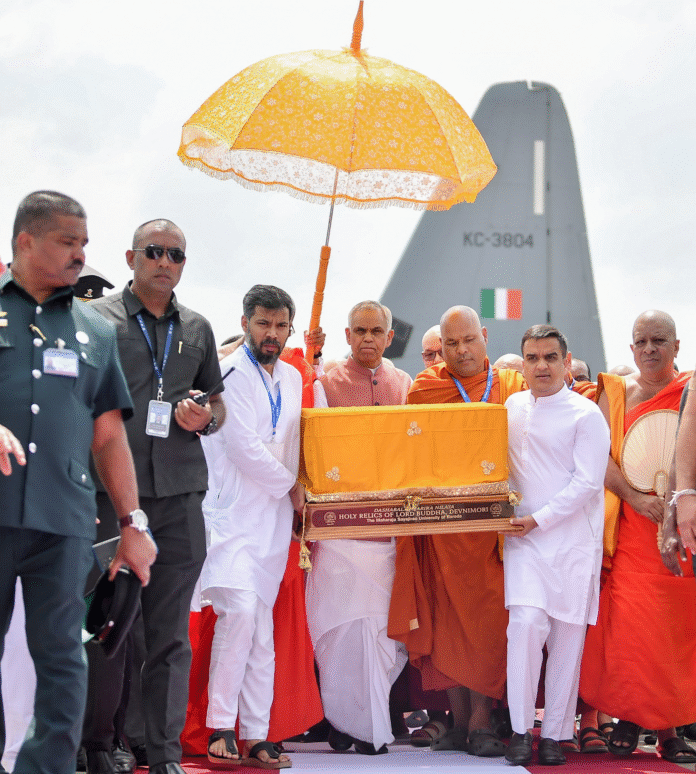
President Anura Kumara Dissanayake opened the first international exposition of the Devnimori Relics at Gangaramaya Temple on Thursday, fulfilling a promise from Prime Minister Narendra Modi’s 2025 visit. The relics, unearthed from an ancient stupa in Gujarat and carried by a special Indian Air Force flight, will be available for public viewing around the clock until February 11. Leaders from both nations, including Gujarat’s Governor and Sri Lanka’s Prime Minister, attended, highlighting deepening ties through shared Buddhist heritage, booming trade at $5.8 billion, and India’s aid during crises.

The Devnimori Relics originate from the Devnimori archaeological site, located near Shamlaji in the Aravalli district of Gujarat.
It was first explored in 1957 by eminent archaeologist Prof. S. N. Chowdhry.The excavations revealed important Buddhist structures and relics that stand testimony to the flourishing of Buddhism in western India during the early centuries of the Common Era.The relic casket found within Devnimori Stupa, is made out of green schist.It is inscribed in Brahmi Script and Sanskrit language, it reads. “dashabala sharira nilay” – the abode of the Buddha’s bodily relic.It holds a copper box having organic matter with holy ashes, with silk cloth and beads.

Russia Rejects Trump’s Claim India Will End Oil Imports

0

Russia rejects US President Donald Trump’s claim: On February 2, 2026, Donald Trump revealed the deal after a call with Prime Minister Narendra Modi, slashing US tariffs on Indian goods from 50% to 18% and stating Modi pledged to shift oil purchases. Kremlin spokesperson Dmitry Peskov pushed back on February 4, noting India has always diversified suppliers and Russia got no word of a halt.

India ramped up discounted Russian crude after 2022 to control inflation—now over a third of its seaborne oil—and has stayed silent on the claim while hailing the tariff cuts as a boost for exports. The back-and-forth highlights India’s balancing act between US ties and affordable energy security.


“The US President trying to dictate who an independent nation like India can trade with is not new. Russia has no reason to believe our Indian friends have changed their approach,” says Russia after Trump claims India will stop buying their oil

ECI To Host National SEC Conference After 25 Years

0

The Election Commission of india (ECI) will host a National Conference of State Election Commissioners (SECs) on February 24, 2026, marking the first such national-level interaction in over 25 years. The conference will be held at Bharat Mandapam, New Delhi, and is expected to bring together election authorities from across the country to strengthen coordination in electoral administration.

Participation From States And Union Territories

State Election Commissioners from all States and Union Territories will attend the conference, along with their legal and technical experts. Chief Electoral Officers (CEOs) of the Election Commission of India from all 36 States and UTs will also participate. The last National Conference of SECs was held in 1999, making this a significant institutional milestone in India’s electoral governance framework.

Leadership And Inaugural Proceedings

The conference will be chaired by Chief Election Commissioner Gyanesh Kumar. He will be joined by Election Commissioners Dr. Sukhbir Singh Sandhu and Dr. Vivek Joshi. The leadership of the Election Commission will address the State Election Commissioners during the inaugural session, setting the agenda for deliberations over electoral processes and institutional cooperation.

Focus On Electoral Laws And Technology

The primary objective of the conference is to build synergy between the ECI and State Election Commissions within their respective constitutional and legal frameworks. Discussion sessions will focus on electoral laws relating to elector eligibility in States and UTs, logistical challenges, and best practices in election management. A key theme will be technological interventions led by the ECI, including the recently launched ECINET digital platform and the use of Electronic Voting Machines (EVMs). The ECI will also share its experience in the preparation of electoral rolls and conduct of elections under the Constitution of India.

Important Facts

  • State Election Commissions are constituted under the 73rd and 74th Constitutional Amendments.
  • SECs conduct elections to Panchayats and Municipal Bodies.
  • The last National SEC Conference was held in 1999.
  • ECINET is a digital platform launched by the Election Commission of India.

Role Of State Election Commissions

State Election Commissions are created by laws enacted by respective States under constitutional provisions. They are vested with the superintendence, direction, and control of electoral rolls and elections to local bodies. The upcoming conference is expected to enhance institutional cooperation, improve electoral logistics, and reinforce the integrity of grassroots democracy across India.

India-US Deal, India-EU Deal: New Global Equations Emerge Via Newer Agreements

0

India: The recent back-to-back trade breakthroughs with the United States and the European Union mark a significant positive shift for India’s economy. In early February 2026, U.S. President Donald Trump and Prime Minister Narendra Modi announced a trade agreement that reduces U.S. tariffs on Indian goods from an effective 50% (including a 25% reciprocal tariff and a 25% punitive tariff linked to Russian oil purchases) to 18%. This deal, announced amid efforts to mend strained bilateral ties, has been hailed as a major relief for Indian exporters and a sign of improving relations.

Key Terms of the India-U.S. Trade Deal
The agreement includes several commitments:

Shift away from Russian oil: India has reportedly agreed to halt or significantly reduce purchases of discounted Russian oil (a practice that drew U.S. objections post-Ukraine conflict) and increase imports from more “reliable” sources like the U.S. and potentially Venezuela. This addresses long-standing U.S. concerns and removes the punitive 25% tariff.

Boost in U.S. purchases: India has committed to importing over $500 billion worth of U.S. energy products (such as crude oil and LNG) and technology in the coming years, diversifying energy sources for greater security.

Tariff reductions: The U.S. lowers its reciprocal tariff to 18%, making Indian exports more competitive. In exchange, India is expected to reduce its tariffs and non-tariff barriers on U.S. goods toward zero in many sectors.

Positive Impacts on Exports and Competitiveness

This tariff cut provides substantial relief to Indian exporters, particularly in labor-intensive sectors:

Textiles, gems & jewelry, leather, and marine products stand to gain the most, with enhanced access to the U.S. market.

Indian goods now enjoy a clear edge over competitors: 18% tariffs compare favorably to higher rates faced by rivals like Vietnam (around 20%), Bangladesh (20%), and China (up to 34% in some cases).

The deal is expected to drive export growth, boost manufacturing, and create jobs in these sectors.

Broader Economic Gains

The agreement has triggered immediate positive market reactions:

The Indian rupee strengthened significantly (reaching levels around 90.36 per U.S. dollar in early February 2026), reflecting investor confidence and reduced trade uncertainty.

Stock markets surged, with indices like Nifty 50 and Sensex gaining up to 3%, adding substantial value to investor wealth (estimates suggest around 13 lakh crore in gains).

Economists project an additional 0.2-0.3% boost to India’s GDP growth from improved export competitiveness and investment sentiment. Goldman Sachs upgraded its calendar year 2026 GDP growth forecast to 6.9%, citing the deal’s role in alleviating trade headwinds and supporting private investment.

Complementary Boost from India-EU Free Trade Agreement

Adding to the momentum, India concluded a landmark Free Trade Agreement with the European Union in late January 2026 (often called the “mother of all deals”). This pact eliminates or sharply reduces tariffs on over 90-99% of goods by value:

European cars: Import duties drop from 110% to 40%, with a phased reduction toward 10%.

Food and beverages: Duties on wine fall from 150% to 75%, while olive oil and processed foods (sauces, chocolates) become cheaper.

Electronics and tech: High-end laptops, hardware, and chip-based devices could see price reductions with zero tariffs in many cases.

Healthcare: Life-saving drugs and medical equipment from the U.S. and EU may become more affordable due to lower duties.
For the common person (aam janta), this translates to tangible benefits: lower prices on imported wines, olive oil, chocolates, premium electronics, and advanced medical treatments, improving quality of life and access to global products.

Phewa Lake Tal Barahi Temple in Nepal’ Pokhara: A Divine Blend of Devotion, History, and Breathtaking Beauty

0

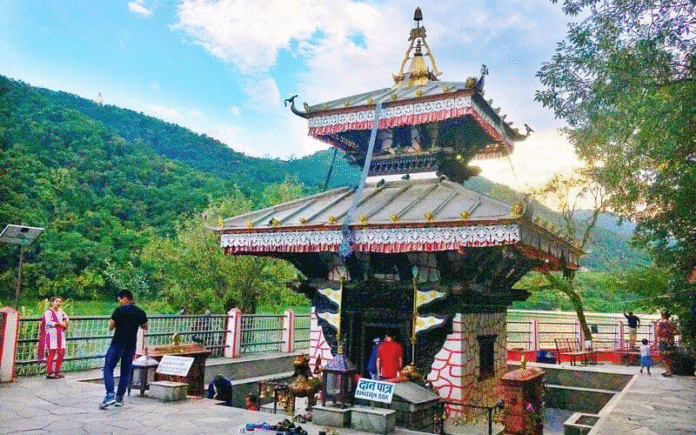
Nestled serenely on a small island in the heart of Phewa Lake (Fewa Lake) in Pokhara, Nepal, Tal Barahi Temple (also known as Barahi Temple or Lake Temple) stands as one of the city’s most iconic and cherished attractions. This two-story pagoda-style Hindu temple is a perfect blend of spirituality, history, and natural beauty, drawing pilgrims, devotees, and travelers alike. Accessible only by a short, scenic boat ride across the shimmering waters, the journey itself becomes a magical prelude to the sacred experience.

A Sacred Landmark in the Heart of Pokhara

Tal Barahi Temple stands as a two-story pagoda-style Hindu shrine surrounded by tranquil waters, creating a small, peaceful, and truly iconic ambiance.Accessible only by boat, it serves as a key pilgrimagespot for Hindus while offering breathtaking naturalbeauty to visitors from around the world.

A Glimpse into History

The temple’s origins trace back to the devotion of King Kulmandhan Shah of the Kaski Kingdom, who constructed or renovated it around the mid-19th century (some sources cite 1864 AD or Nepali Bikram Sambat year 1864/1416 BS). Built as a sacred shrine to honor Goddess Barahi following divine guidance-possibly through a dream-the structure has undergone renovations over time, including significant work in the 20th century. Today, it remains a vital pilgrimage site for Hindus, blending ancient reverence with Nepal’s rich cultural heritage.

Architectural Beauty in Pagoda Style

Tal Barahi exemplifies classic Nepali pagoda architecture, featuring two tiered roofs in a stepped pattern, constructed primarily from brick, stone, and intricately carved wooden struts. The temple’s pinnacle is crowned with a golden gajur (finial), a hallmark of Nepali temple design that gleams against the sky. The wooden carvings add ornate detail, while the overall design creates a harmonious, compact sanctuary amid the water.

The Legendary Tale of Goddess Barahi

Local folklore weaves a captivating story around the temple’s creation. Long ago, the area now occupied by Phewa Lake was a thriving village. One night, a goddess (in the form of an old woman) sought shelter and food but was turned away by most villagers-except for a kind, poor couple who welcomed her. The next morning, the couple awoke to find their village submerged under water, forming the lake, while their home stood miraculously untouched on what became the island.
In gratitude and recognition of the divine visitor as Goddess Barahi, they (or according to some versions, the king) established the temple there. Barahi, with her boar face and tusks, is believed to pierce evil forces, holding symbols like a cup and fish in some depictions. This legend ties the temple to themes of hospitality, divine protection, and the transformative power of faith.

Best Time to Visit for an Unforgettable Experience

The ideal months to visit are October to March, during the dry and clear season when the weather is pleasant, skies are blue, and views of the snow-capped Annapurna peaks are at their clearest-especially in October and November. Early mornings or late afternoons on weekdays provide the most tranquil boat ride across the lake, away from crowds.
For a deeper spiritual immersion, time your visit during major Hindu festivals like Dashain (September/October), when the temple buzzes with devotion, rituals, and fervor-though expect more visitors. The temple is open daily, typically from early morning to evening, making it accessible year-round, but avoid the monsoon (June-August) for smoother boating and better visibility.
A short boat ride from Phewa Lake’s shore leads to this serene island gem, where the lapping waves, chirping birds, and sacred ambiance create a truly magical atmosphere. Whether you’re a pilgrim seeking blessings, a traveler chasing scenic beauty, or someone drawn to Nepal’s spiritual lore, Tal Barahi Temple promises an unforgettable blend of faith, nature, and tranquility.

World Government Summit 2026 opens in Dubai under the Theme “Shaping Future Governments

0

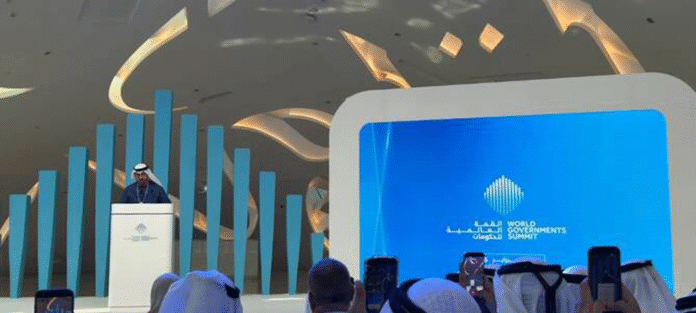
The World Government Summit 2026 opened in Dubai under the theme “Shaping Future Governments,” bringing together global leaders, policymakers, and business executives to deliberate on how innovation, sustainability, and technology are reshaping public policy worldwide. The summit aims to strengthen governance frameworks and enhance international cooperation amid mounting economic, social, and technological challenges.

Global Platform for Future Governance

The summit is being held in Dubai and runs until February 5. It features more than 445 sessions with over 450 global speakers, including presidents, prime ministers, ministers, and policy experts. Discussions span the future of government work, leadership, public finance, investment flows, and the role of emerging technologies in policymaking.

IMF on Global Economic Resilience

Addressing the gathering, International Monetary Fund Managing Director Kristalina Georgieva said the global economy has shown unexpected resilience despite geopolitical tensions and uncertainty over trade policies. She noted that shifts in United States trade and foreign policy over the past year have contributed to a more multipolar and diversified global economic landscape.

Trade, Tariffs and AI Optimism

Georgieva said the IMF has upgraded its global growth outlook for the coming year, including for the United Arab Emirates and Gulf economies. She attributed this to private sector adaptability, lower-than-expected trade disruptions, and strong optimism around artificial intelligence boosting productivity. On tariffs, she observed that global trade had adjusted rather than collapsed, noting that while initial tariff announcements were high, negotiated outcomes reduced effective collections to around 9 percent from earlier projections exceeding 20 percent.

Important Facts

  • World Government Summit is held annually in Dubai.
  • The 2026 theme is “Shaping Future Governments”.
  • IMF periodically revises global growth projections.
  • AI is increasingly viewed as a driver of productivity growth.

Ghee Coffee: The Caffeine-Free Energy Boost Powering Mornings

0

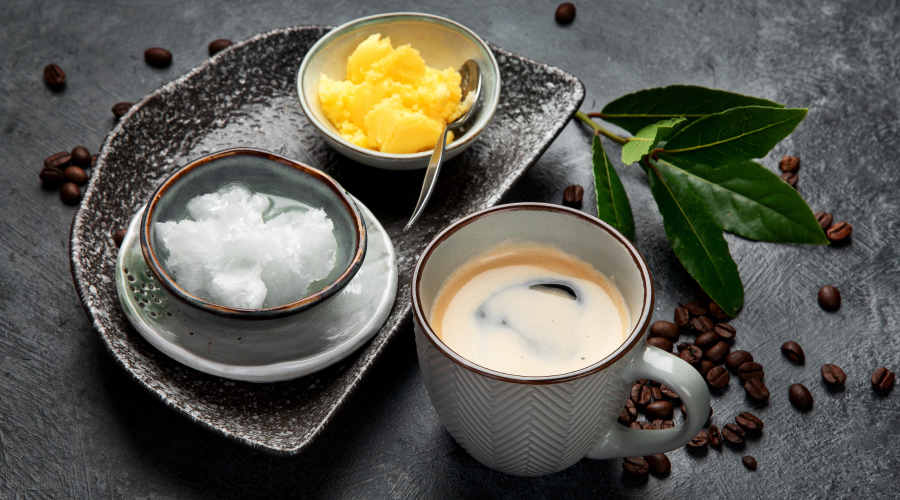
Ghee Coffee: These days, from Instagram reels to gym chats and office desks, everyone’s buzzing about ghee coffee that rich, frothy blend of black coffee and a generous spoonful of pure desi ghee. It’s not just another trendy drink; it’s hailed as a “functional fuel” that delivers steady energy, razor-sharp focus, and real support for weight goals – all without the usual caffeine jitters or crash.

Ghee Coffee: The Caffeine-Free Energy Boost Powering Mornings

The Real Roots: Straight from Ethiopia’s Ancient Traditions

This isn’t a new invention. The idea of blending coffee with clarified butter (ghee) goes back centuries to Ethiopia, the birthplace of coffee itself.Around the 9th century in regions like Kaffa and Sidamo, people roasted coffee beans, ground them, and mixed the powder with ghee (or animal fat) to form portable “energy balls.” These were perfect for long journeys – a quick, nutrient-dense hit of caffeine and calories for nomads and travelers.In some areas, folks still add a touch of clarified butter to brewed coffee for extra richness and nutrition, or enjoy traditions like Buna Qalaa, where coffee beans are simmered in butter and eaten as a ceremonial meal. Over time, this practice influenced similar drinks worldwide, and today’s ghee coffee revives that heritage with a modern, blender-friendly twist.

Why Ghee Coffee Is Trending So Hard

The magic lies in the perfect pairing: caffeine’s quick kick meets ghee’s healthy fats. This combo creates.Sustained, Crash-Free Energy The fats in ghee slow down how your body absorbs caffeine, so you get a smooth, long-lasting lift instead of a spike-and-drop rollercoaster.Laser-Sharp Mental Clarity & Focus – Those healthy fats (including butyrate) act as premium brain fuel, helping cut through fog, boost concentration, and keep you sharp for hours.Smarter Weight Management – Perfect for keto, low-carb, or intermittent fasting routines.

Ghee promotes fullness (goodbye mid-morning cravings), ramps up fat metabolism, and may even help burn stubborn fat when paired with a balanced diet.Gut-Friendly Digestion – Ghee is packed with butyrate, a compound that supports gut lining health, reduces inflammation, and balances coffee’s natural acidity for a gentler experience on your stomach.Nutrient Powerhouse – Loaded with fat-soluble vitamins A, D, E, and K from grass-fed ghee, plus antioxidants from coffee – all absorbed better together.
It’s often called the Indian, Ayurvedic answer to the famous Western bulletproof coffee (which uses butter and MCT oil). Ghee brings a more natural, culturally rooted vibe – think ancient wisdom meets modern biohacking.

Quick Home Recipe to Try Today

Brew 1 strong cup of black coffee
Add 1-2 tsp high-quality desi ghee (grass-fed is best for max benefits)
Optional: Pinch of cinnamon, sea salt, or turmeric for extra flavor and perks
Blend on high for 20-30 seconds until frothy and creamy
Sip it hot and feel the difference – many notice steadier energy, fewer hunger pangs, and better focus right away.
Ghee coffee isn’t just hype; it’s a smart, time-tested way to upgrade your morning ritual. Whether you’re chasing productivity, better health, or simply a tastier start to the day, this desi twist might just become your new favorite

(The Writer of this article is Nirjala Goud)

Union Budget 2026–27: Laying the Foundation for India’s Future Growth 

0

The Union Budget was presented on the auspicious occasion of Magh Purnima and Guru Ravidas Jayanti, as stated by Finance Minister Nirmala Sitharaman. It was highlighted that over the past twelve years, despite various uncertainties, a stable economy has been maintained. Far-reaching structural reforms were said to have been implemented, with self-reliance being kept as a primary objective. It was further stated that dependence on imports has been reduced and that measures have been ensured so that citizens benefit, agricultural productivity increases, and families’ purchasing power rises.

According to Nirmala Sitharaman, these measures have resulted in a 7% growth rate, enabling poverty reduction and improvement in people’s lives.

The Union Budget for the year 2026–27 has instilled confidence in the nation that the light of development will reach every household and new opportunities for progress will emerge in every life.”

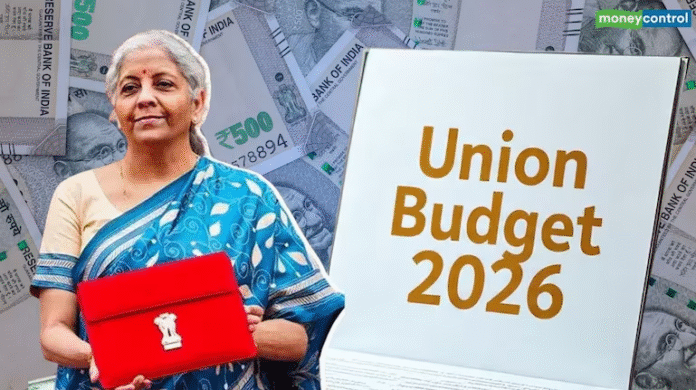
The Union Budget for the year 2026–27 was prepared by the Ministry of Finance of India and was presented by the Finance Minister in the Lok Sabha on 1 February 2026. It was formulated under the Government of India to outline the estimated revenue and planned expenditure for the financial year from April 1, 2026 to March 31, 2027. Through this budget, priorities related to economic growth, infrastructure development, employment generation, and inclusive progress were highlighted, reflecting the government’s vision for national development.

Prepared for first time in Kartavya bhawan , the budget outlines the government’s economic priorities amid global uncertainty and domestic growth imperatives.

With the total expenditure at ₹53.5 lakh crore and a financial deficit estimated at 4.3% of GDP the budget to sustain GDP growth while adhering to financial discipline. It reflects the Indian governments effort to balance public investment, social spending and microeconomics stability.

The budget is anchored around 3 kartavyas accelerating economic growth building human capacity and ensuring inclusive development. These pillar align with the broader objective of transforming India into a developed economy by 2047.

1. Kartavya to Accelerate Economic Stability and Growth

The first Kartavya focuses on maintaining a stable and resilient economy in the face of global and domestic challenges. Through structural reforms and prudent financial management, this duty aims to sustain steady economic growth and build a strong foundation for long-term national development.

2. Kartavya of Self-Reliance

The second Kartavya emphasizes strengthening self-reliance by reducing dependence on imports and encouraging domestic production. Special attention is given to agriculture, manufacturing, and local industries so that the Indian economy grows stronger from within and becomes more competitive globally.

3. Kartavya of Welfare and Inclusive Development.

The third kartavya focuses on inclusive development aligned with Sabka Saath, Sabka Vikas. In agriculture, Bharat-VISTAAR (Virtually Integrated System to Access Agricultural Resources), an AI-based multilingual advisory platform, will integrate AgriStack databases with ICAR practices to provide farm-level decision support.

Tax Reforms

The New Income Tax Act, 2025, effective from April 2026, aims to simplify tax compliance through simpler rules, redesigned forms, and easier procedures. For the IT sector, software development, IT-enabled services, and contract R&D services have been merged into a single category of Information Technology Services with a common safe harbour margin of 15.5%. The eligibility threshold has been raised to ₹2,000 crore.

In indirect taxes, customs duty on personal imports has been reduced to 10%. Duties on 17 medicines have been exempted.

Conclusion 

The Union Budget 2026–27, read alongside the Economic Survey, outlines a structured approach to growth, inclusion, and fiscal consolidation. Its focus on manufacturing, infrastructure, MSMEs, and human capital addresses both immediate economic needs and long-term structural priorities. The three-kartavya framework offers a useful lens to understand evolving policy direction.

Union Budget 2026–27: Laying the Foundation for India’s Future Growth 

(The article has been written by Vanshika Soni)

Kala Ghoda Arts Festival 2026: Dates, Theme, and Highlights

0

The 2026 edition will be held from January 31 to February 8 under the theme “Ahead of the Curve.” The theme highlights the balance between tradition and experimentation, celebrating innovation while staying rooted in cultural heritage. With over 400 programmes across art, music, theatre, literature, cinema, and workshops—and free entry—the festival continues to embody Mumbai’s inclusive creative spirit.

Kala Ghoda Arts Festival 2026: Dates, Theme, and Highlights

A major highlight this year is the exhibition of traditional Tibetan Thangka paintings of Green Tara. These sacred artworks are admired for their intricate detailing, symbolic use of colour, and deep spiritual significance. Green Tara, a revered Buddhist figure, represents compassion, protection, and swift action, adding a serene yet global cultural dimension to the festival.

History and Origin of the Festival

The Kala Ghoda Arts Festival was launched in 1999 by the Kala Ghoda Association, formed a year earlier by local art galleries, patrons, and citizens of South Mumbai. The association aimed to preserve the colonial-era heritage of the precinct, which was facing neglect and urban decay. What began as a local initiative has since grown into an internationally recognised festival, while continuing to support heritage conservation through its proceeds.

Purpose and Vision

Beyond entertainment, the festival seeks to promote awareness of diverse art forms, encourage cultural exchange, and fund restoration projects for historic buildings and public spaces in the Kala Ghoda area.

Art, Food, and Experiences

The festival showcases a wide range of creative disciplines, including visual arts, performing arts, cinema, literature, urban design, and food. A popular attraction is “A Movable Feast,” featuring tasting sessions, chef masterclasses, culinary workshops, and food experiences across venues in the Fort area. Visitors can also enjoy heritage walks, guided museum tours, interactive workshops, and exhibitions at institutions such as the Chhatrapati Shivaji Maharaj Vastu Sangrahalaya (CSMVS).

With its blend of art, history, and community participation, the Kala Ghoda Arts Festival 2026 once again promises to be a vibrant celebration of Mumbai’s cultural soul.