Home Blog Page 73

Border 2’s Patriotic Buzz Grows Strong Before Its Release, Fans Loving ‘Sandese Aate Hai’ Tribute

0
Border 2’s Patriotic Buzz Grows Strong Before Its Release, Fans Loving ‘Sandese Aate Hai’ Tribute

Bollywood’s next big patriotic entertainment event, Border 2, has movie lovers buzzing well before its January release. The upcoming war drama, a sequel to the 1997 classic Border is generating excitement on social media and among cinephiles, partly thanks to its powerful music, stellar cast and emotional resonance with the original film’s legacy. Slated to hit theatres on January 22, 2026, Border 2 is shaping up to be one of the most anticipated films of the year.

A cinematic legacy continues with a modern twist

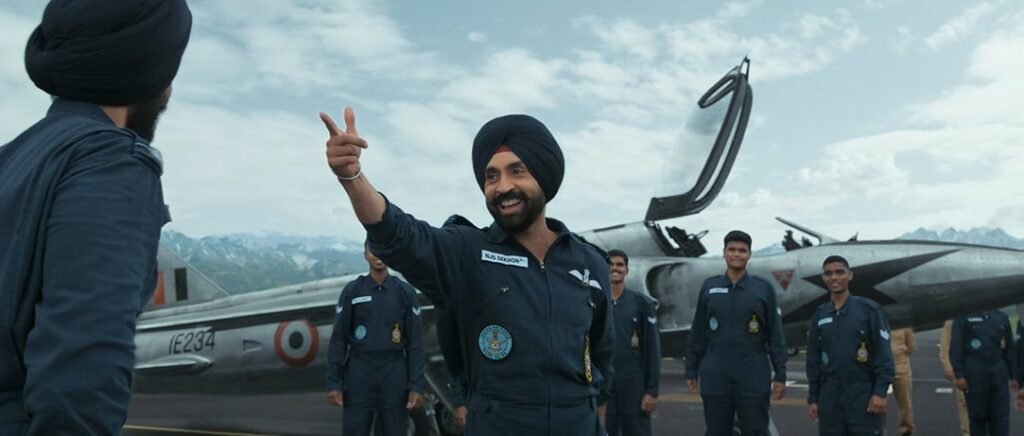
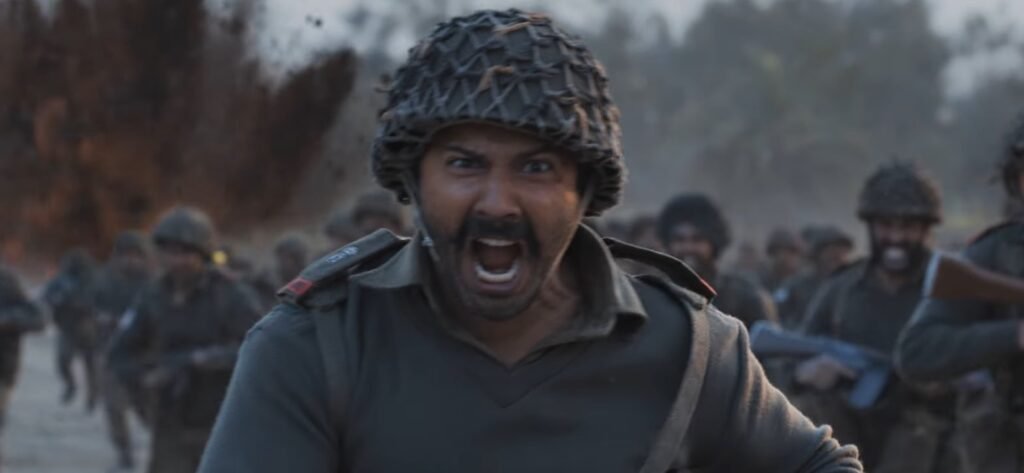
Border 2 picks up the tradition of patriotic storytelling that made its predecessor a cultural touchstone. Directed by Anurag Singh and produced by Bollywood heavyweights including Bhushan Kumar, JP Dutta, Nidhi Dutta and Krishan Kumar, the film boasts a strong ensemble cast. Sunny Deol returns as a seasoned soldier, while Varun Dhawan portrays Param Vir Chakra recipient Hoshiyar Singh Dahiya, a role that reflects courage and grit on the battlefield. Joining them are Diljit Dosanjh as a fighter pilot, Ahan Shetty, Sonam Bajwa, Medha Rana and Mona Singh, ensuring a blend of established stars and fresh energy.

Border 2’s Patriotic Buzz Grows Strong Before Its Release, Fans Loving ‘Sandese Aate Hai’ Tribute

A soundtrack that strikes a patriotic chord

One of the biggest reasons Border 2 is trending ahead of its release is its music, especially the homage to the iconic song Sandese Aate Hai. This legendary track from the original film captured the emotional cost of war with haunting melody and heartfelt lyrics, and the sequel’s music team has recreated that emotional depth in the new song Ghar Kab Aaoge. Featuring celebrated voices including Sonu Nigam, Arijit Singh, Vishal Mishra and Diljit Dosanjh, the track connects with fans old and new. Its launch event was marked by reflections on the song’s legacy and how it helped define a generation of patriotic cinema.
Border 2’s Patriotic Buzz Grows Strong Before Its Release, Fans Loving ‘Sandese Aate Hai’ Tribute

Building anticipation with visuals and runtime

In addition to its soulful music, Border 2 has teased audiences with striking character posters and intense first looks that highlight its war drama narrative. Sunny Deol’s poster shows him in full military gear, symbolising raw patriotism, while Varun Dhawan’s avatar as PVC winner Hoshiyar Singh Dahiya has drawn attention for its emotional weight and visual impact. The film is also expected to join Bollywood’s trend of long-format storytelling, with a runtime exceeding three hours, promising audiences an expansive war saga that honours its theme and characters.
Border 2’s Patriotic Buzz Grows Strong Before Its Release, Fans Loving ‘Sandese Aate Hai’ Tribute
Early reaction and fan excitement

Social media reactions reflect a mix of nostalgia and fresh curiosity. Many fans have praised the musical tribute to Sandese Aate Hai as a respectful continuation of the original’s emotional depth, while others are keen to see how the new generation of actors carries forward the legacy. Despite some debates around casting and execution, the overall buzz remains strong, anchored in the film’s timing around Republic Day weekend and its blend of action, emotion and patriotic storytelling.

Border 2 is more than a sequel, it is an attempt to bridge generations combining familiar emotional beats with contemporary performances and music designed to resonate with audiences ahead of its big-screen debut. With its release around the Republic Day celebration, it stands poised to become both a tribute and a new landmark in Indian war cinema.
What Is Micro Retirement And Why More People Are Choosing Slow, Meaningful Breaks Over Burnout

0

The idea of working nonstop until traditional retirement is quietly losing relevance. In its place, a new lifestyle concept is gaining ground micro retirement. Instead of waiting decades to rest, people are taking intentional breaks of a few months to a year to reset, travel slowly, rediscover passions and return with clarity. It’s not about quitting life, but about pressing pause before burnout takes over.

What makes micro retirement different

Micro retirement isn’t a rushed vacation. It’s about choosing places where life moves slower, expenses are manageable, and days are shaped by routine, nature and curiosity rather than deadlines. These destinations offer space to think, heal and live deliberately.

Destinations in india that offer calm and clarity

Pondicherry quiet streets and soulful mornings

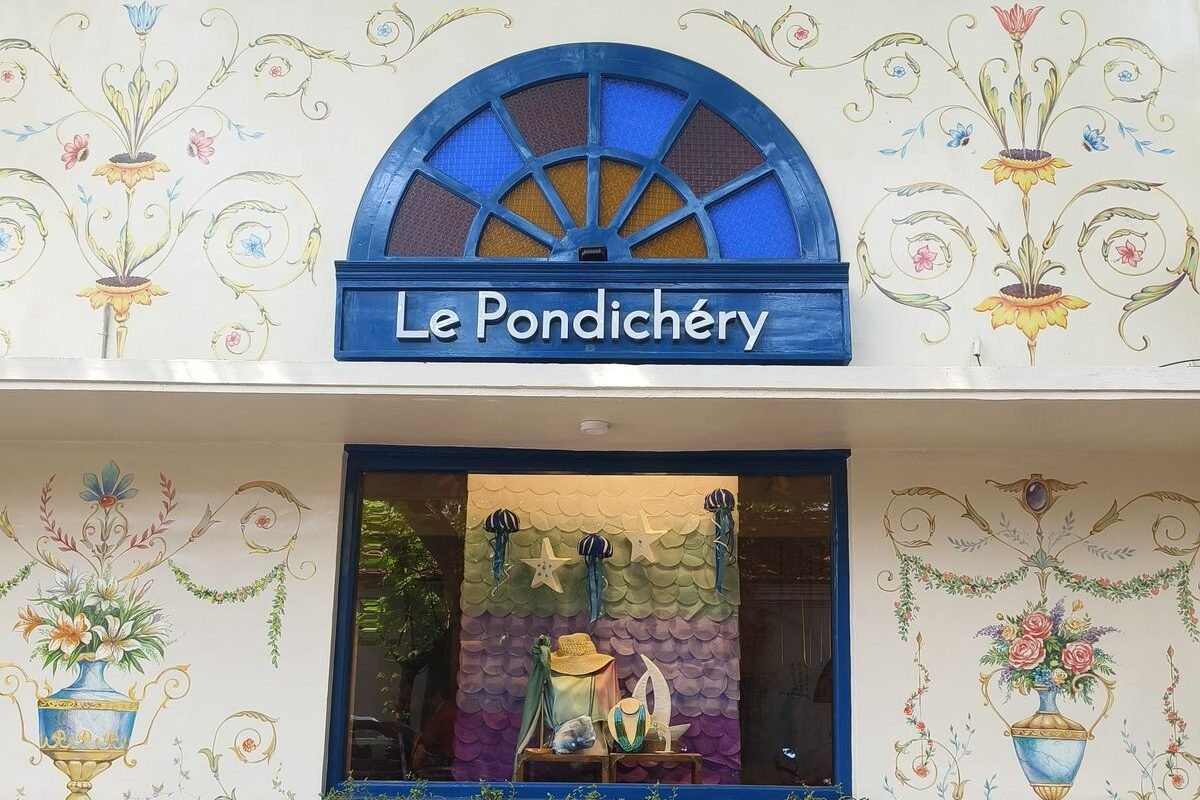
With its pastel French architecture, sea-facing promenades and café culture, Pondicherry is ideal for slow living. Days begin with walks by the ocean, afternoons in quiet cafés and evenings cycling through peaceful streets. It’s perfect for writers, creatives and anyone seeking gentleness.

What Is Micro Retirement And Why More People Are Choosing Slow, Meaningful Breaks Over Burnout

Rishikesh, where stillness meets self discovery

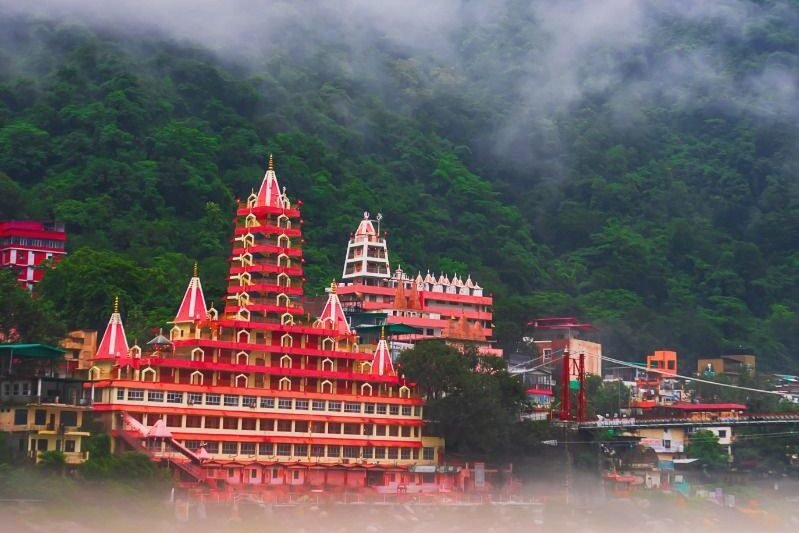
Set along the Ganges and surrounded by the Himalayas, Rishikesh is more than a spiritual town. It offers yoga ashrams, river views, healthy food and a sense of grounding. Micro retirees here often adopt structured days focused on wellness and mindfulness.

What Is Micro Retirement And Why More People Are Choosing Slow, Meaningful Breaks Over Burnout

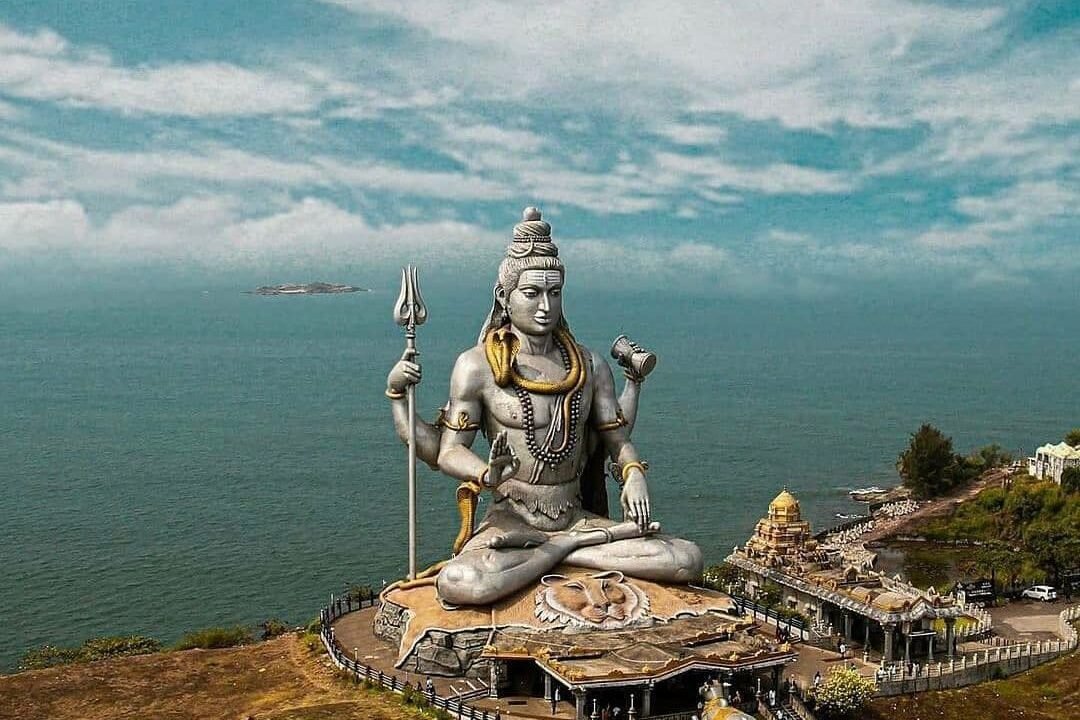
Gokarna: a quieter alternative to party beaches

Less commercial than Goa, Gokarna offers secluded beaches, cliffside sunsets and a deeply relaxed pace. It’s ideal for people who want nature without noise, simplicity without isolation.

What Is Micro Retirement And Why More People Are Choosing Slow, Meaningful Breaks Over Burnout

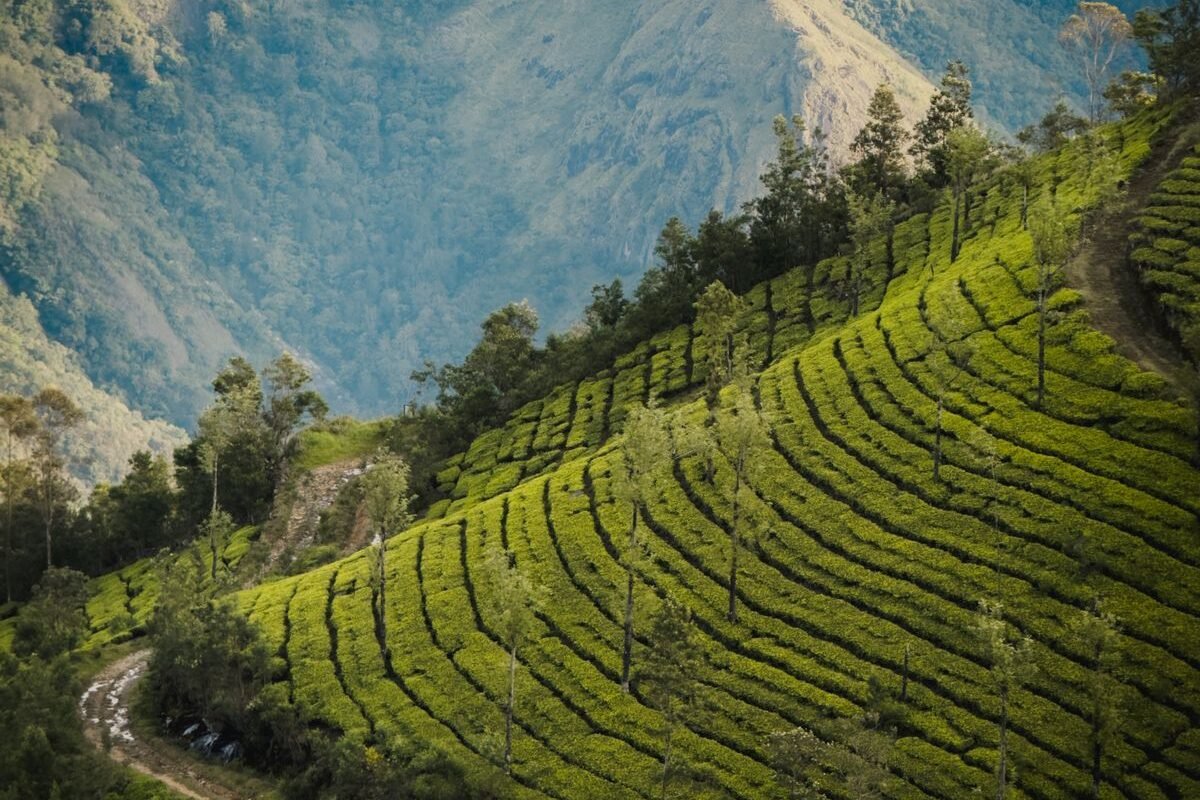
Munnar, living among clouds and tea gardens

Munnar’s misty mornings, rolling tea estates and cool climate make it a refuge from urban chaos. It’s a place where time feels slower, perfect for long walks, reading and quiet reflection.

What Is Micro Retirement And Why More People Are Choosing Slow, Meaningful Breaks Over Burnout

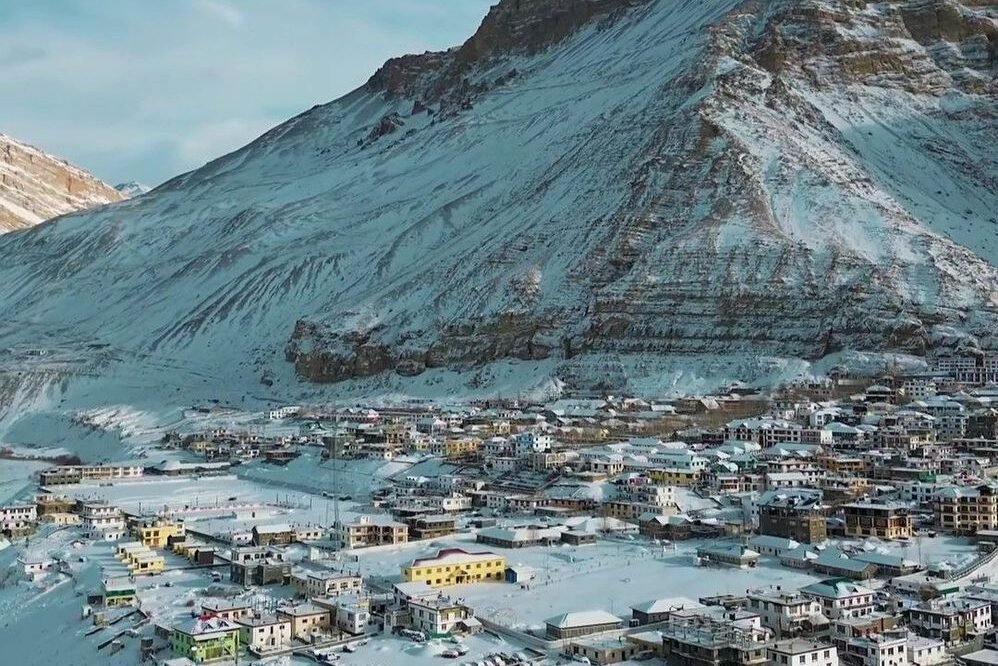
Spiti valley the luxury of silence

For those seeking deep solitude, Spiti offers stark beauty, star-filled skies and spiritual calm. Life here strips away distractions, allowing clarity and inner stillness to take centre stage.

What Is Micro Retirement And Why More People Are Choosing Slow, Meaningful Breaks Over Burnout

Global destinations for an affordable reset

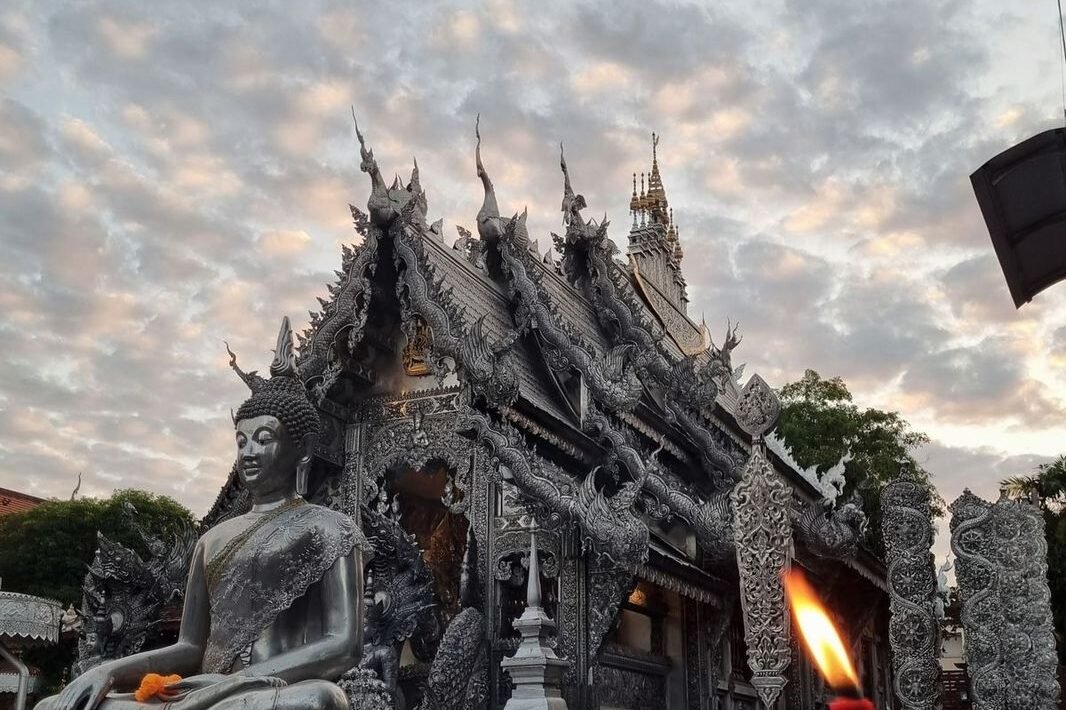
Chiang Mai – where creativity and comfort meet

Chiang Mai is a favourite for digital nomads. Affordable living, vibrant markets, cafés and temples create an environment where productivity and peace coexist.

What Is Micro Retirement And Why More People Are Choosing Slow, Meaningful Breaks Over Burnout

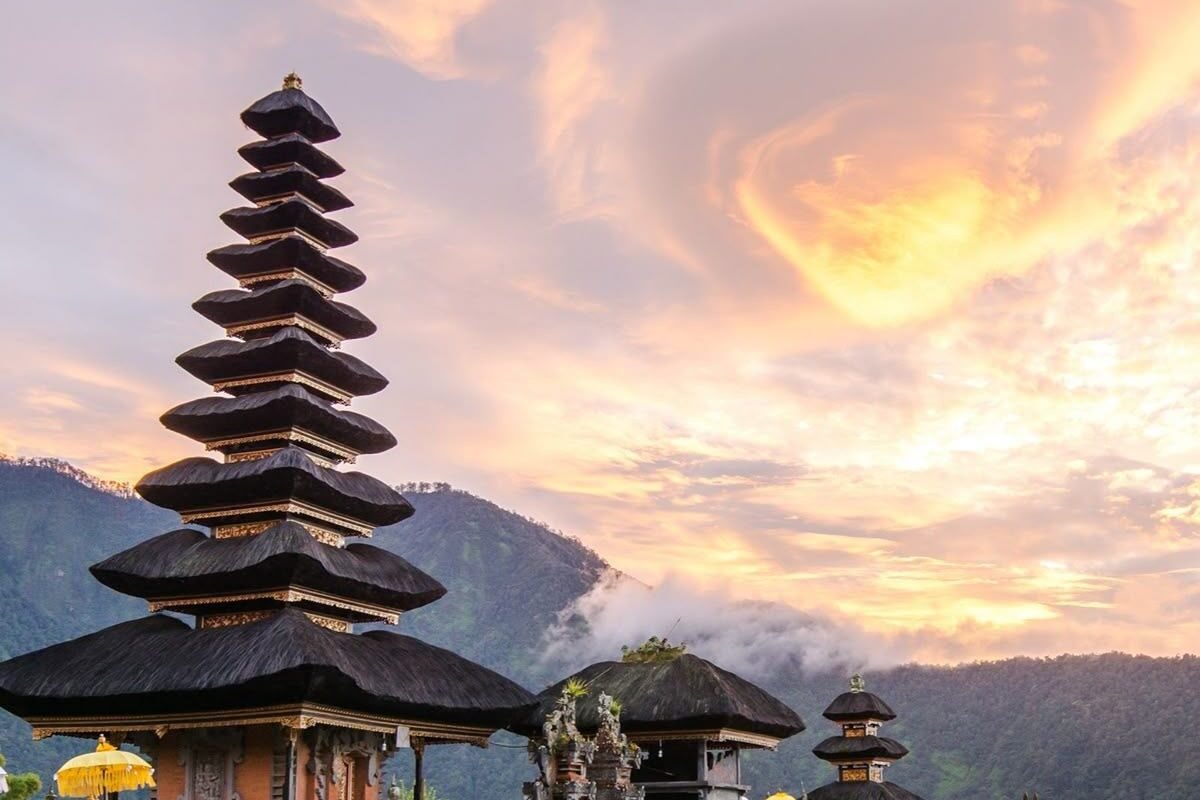
Bali, a balance of nature and community

Beyond its tourist image, Bali offers wellness retreats, yoga villages and strong creative communities. Many choose Ubud for its forests, rituals and slow, intentional lifestyle.

What Is Micro Retirement And Why More People Are Choosing Slow, Meaningful Breaks Over Burnout

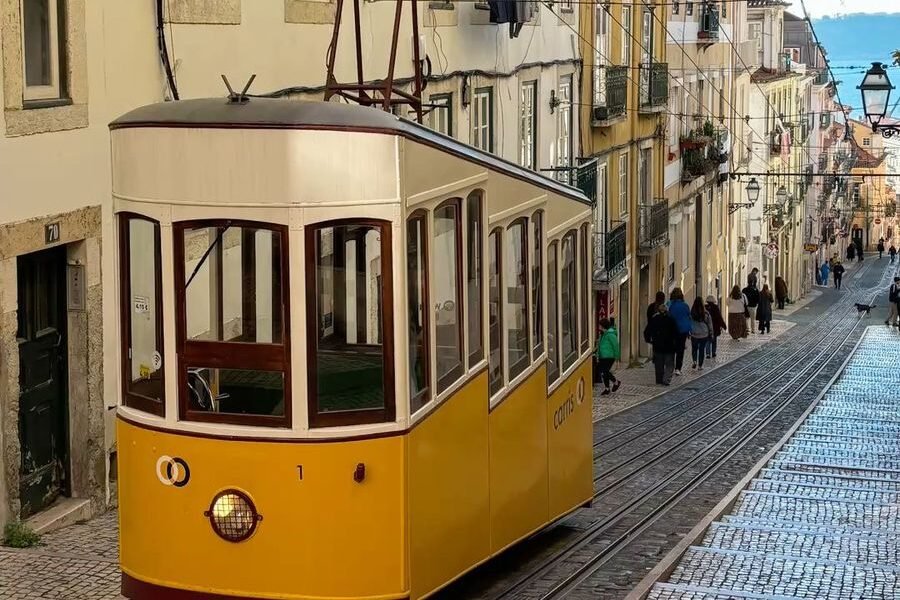
Lisbon sunshine filled days and soulful evenings

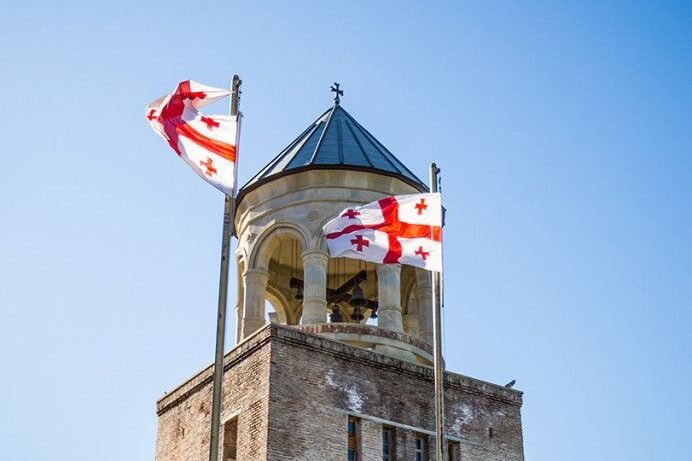
Lisbon’s charm lies in its rhythm leisurely lunches, ocean breezes and historic neighbourhoods. It’s perfect for those seeking culture without chaos.tbilisi underrated, affordable and rich in culture

What Is Micro Retirement And Why More People Are Choosing Slow, Meaningful Breaks Over Burnout

Georgia’s capital offers old-world charm, warm hospitality and low living costs. It’s ideal for explorers who want authenticity without crowds.

What Is Micro Retirement And Why More People Are Choosing Slow, Meaningful Breaks Over Burnout

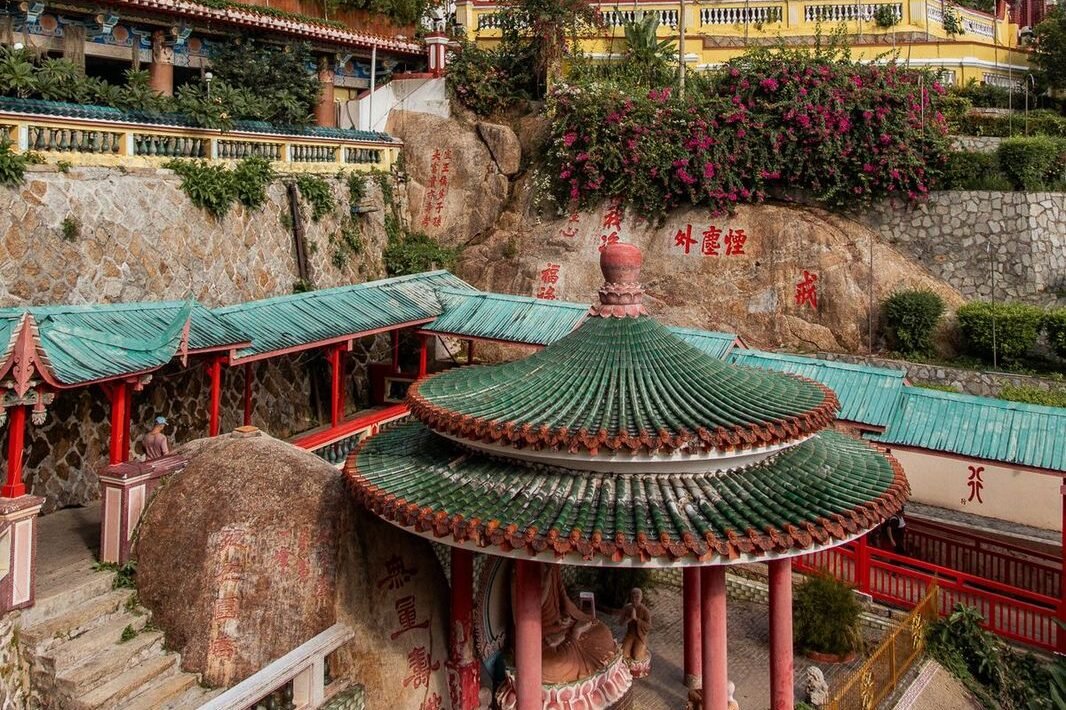
Penang where food, heritage and calm coexist

Penang blends heritage streets, coastal living and a world-class food scene, making it a fulfilling long-stay destination.

What Is Micro Retirement And Why More People Are Choosing Slow, Meaningful Breaks Over Burnout

Why micro retirement feels right today

People are realising that rest doesn’t have to wait for old age. Micro retirement allows space to breathe, reflect and realign goals while health, curiosity and energy are still abundant.In a world obsessed with speed, micro retirement is a reminder that sometimes, the most powerful progress begins with slowing down.

A First In 78 Years, Jaipur To Host Army Day Parade Outside Cantonments As A Grand Public Festival

0
A First In 78 Years, Jaipur To Host Army Day Parade Outside Cantonments As A Grand Public Festival

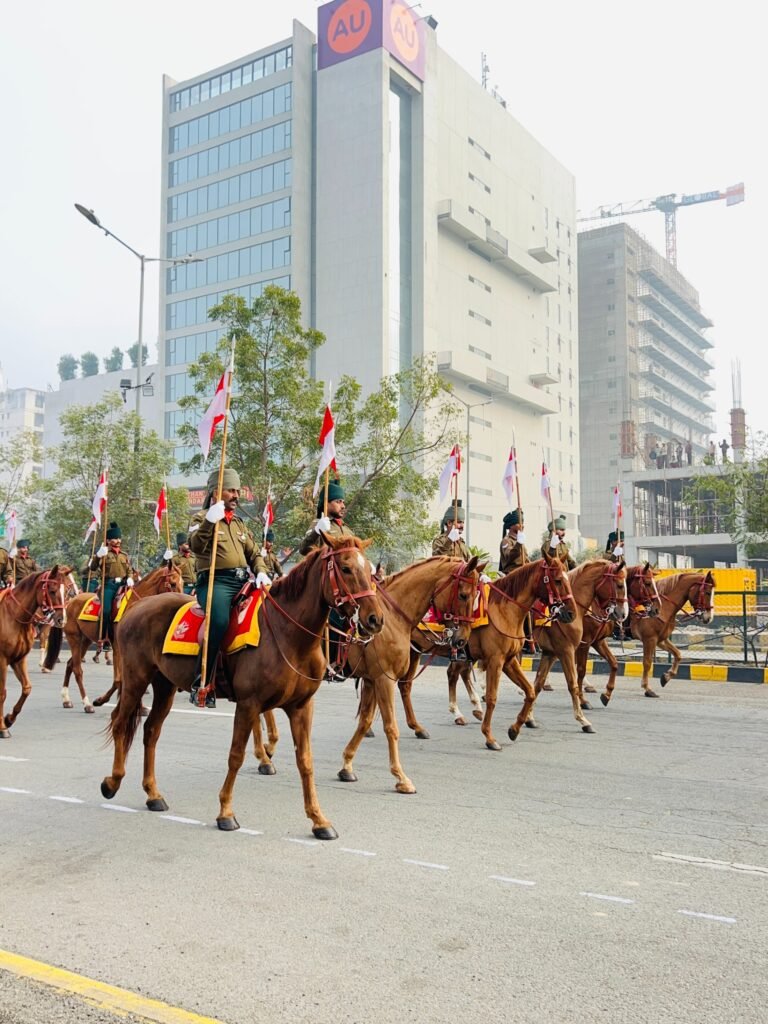
Jaipur is gearing up for one of the biggest military spectacles India has ever opened to civilians. For the first time in 78 years, the Army Day Parade is stepping out of traditional cantonments and into the heart of a civilian area, making the Pink City the national stage of India’s military pride. The celebrations are not just a parade this year they are being curated as a grand public festival, complete with live displays, large-scale installations, and immersive experiences that bring the Indian Army closer to the people like never before.

Know your army event opens the celebrations

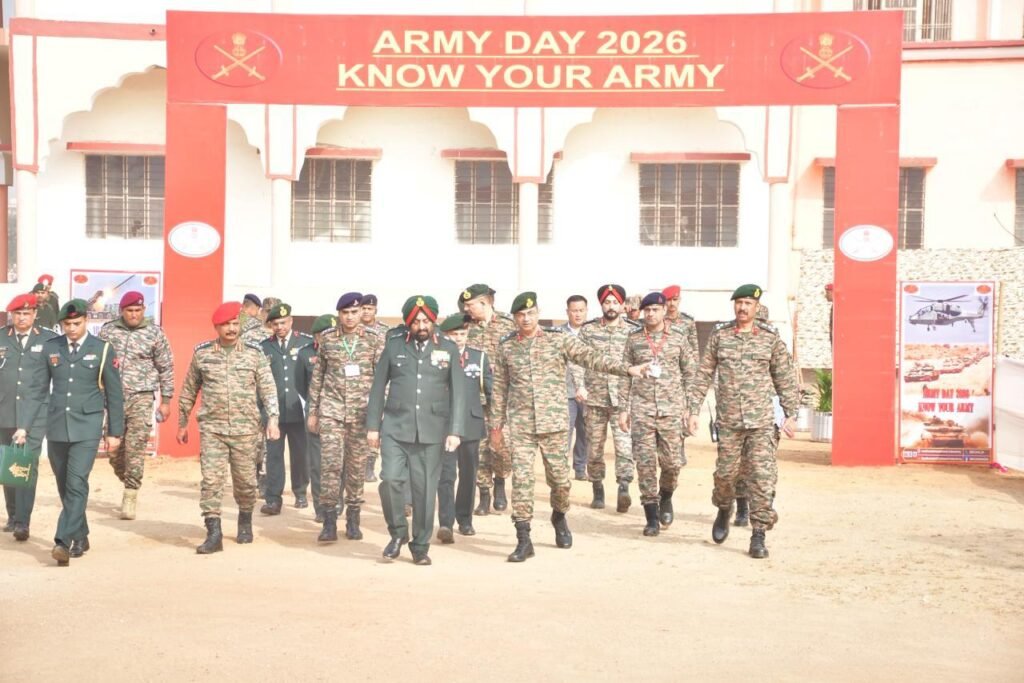
Leading up to the parade, a special Know Your Army equipment display is being held from 8 to 12 January 2026 at Shri Bhawani Niketan Mahavidyalaya, Jaipur. This four-day showcase offers the public a close look at advanced military technology, weapon systems, combat vehicles, communication equipment and field gear used by the Indian Army.

A First In 78 Years, Jaipur To Host Army Day Parade Outside Cantonments As A Grand Public Festival

Chief guests on different days include

Rajasthan Chief Minister Bhajan Lal Sharma on 8 January, Industries Minister Col Rajyavardhan Singh Rathore (Retd) on 10 January, Deputy Chief Minister Diya Kumari on 11 January, and Rajasthan Governor Haribhau Kishanrao Bagde on 12 January. Their presence adds political and ceremonial significance to the showcase.

Parade week schedule brings action to Mahal Road and SMS Stadium

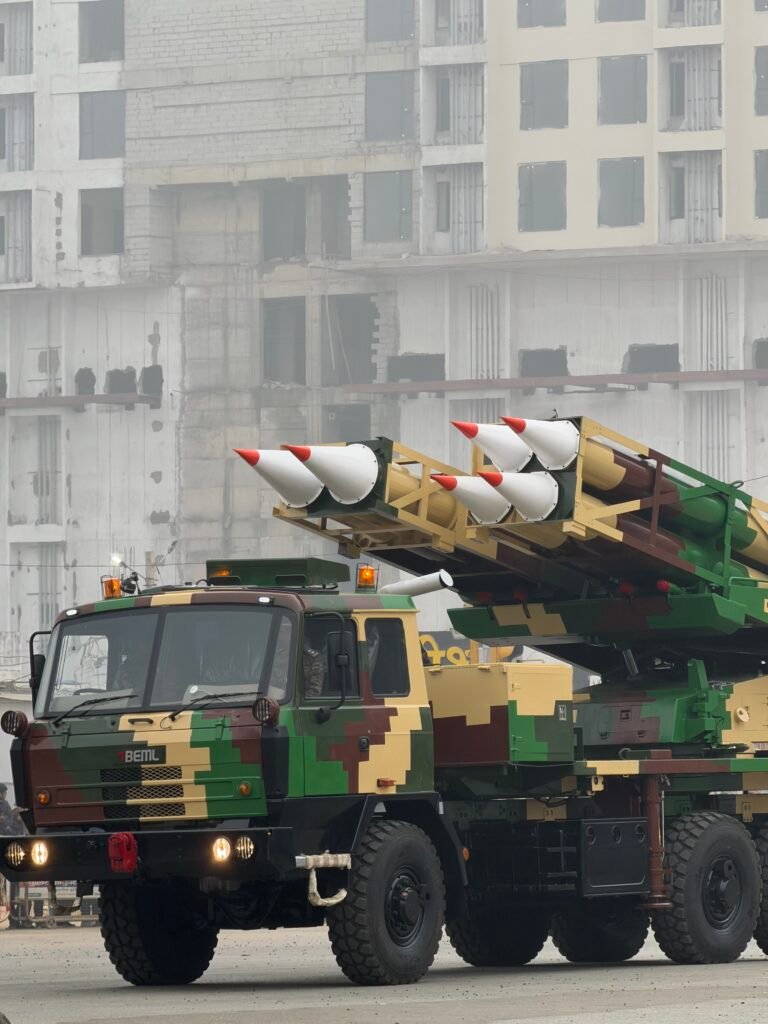
From 9 to 15 January, a series of major events including Parade, Commander’s Parade, Chief of Staff’s Parade and GOC-in-C’s Parade are being held along Mahal Road, Jaipur. This marks the first time these rehearsals and ceremonies are happening in the heart of a city instead of a restricted military zone.The grand Army Day Parade itself is scheduled for 15 January from 10:00AM to 12:25PM at Mahal Road. Thousands of spectators are expected to line the stretch as elite units march, tanks and vehicles roll past, and fly-past manoeuvres light up the sky.

Shaurya sandhya adds power to the experience

The evening event Shaurya Sandhya on 10th and 15th January at SMS Stadium will be one of the most emotionally powerful attractions. The highlight is the dramatic enactment of Operation Sindoor, a significant and heroic military action that will be showcased live on stage with sound, lighting and battlefield choreography. This reenactment aims to give civilians a rare understanding of real combat situations and the courage of soldiers in action.

A First In 78 Years, Jaipur To Host Army Day Parade Outside Cantonments As A Grand Public Festival
Statewide digital streaming planned for public participation

To ensure participation across Rajasthan, digital screening arrangements are being set up in gram panchayats and public spaces throughout the state. This makes the 78th Army Day celebrations not just a Jaipur event but a statewide moment of pride. People in remote regions will also be able to witness the parade and the Shaurya Sandhya display in real time.a historic milestone for the city and the country

Hosting the Army Day Parade outside cantonments for the first time is a symbolic step in bridging the gap between the military and the civilian population. Jaipur becomes the first city in history to open this national event to such large public access, transforming it into a cultural, patriotic and educational festival.

Labubu Out Mirumi In How A Shy Japanese Robot Is Becoming 2026’s New Viral Obsession

0
Labubu Out Mirumi In How A Shy Japanese Robot Is Becoming 2026’s New Viral Obsession

Just when the internet seemed to have settled into last year’s viral craze over collectible Labubu toys, a new contender has taken centre stage in 2026: Mirumi, a fluffy, interactive robot charm from Japan that’s capturing attention across social media and beyond. The shift from Labubu to Mirumi highlights how online culture thrives on novelty, emotion and shareable moments.

What made Labubu a global sensation

Labubu dolls dominated feeds and wishlists in 2025, turning up on backpacks, luxury bags and celebrity accessories. Created as quirky, wide-eyed collectibles, they became a pop-culture staple and were embraced by influencers and fans for their playful design and social media appeal, even sparking memes and celebrity sightings around the world.

Enter Mirumi a new kind of viral companion

Designed by Tokyo-based Yukai Engineering and first unveiled at the CES technology event, Mirumi is not just a toy, it is an emotion-focused robot charm that responds to its environment with gentle gestures and shy expressions. Rather than screens or apps, Mirumi uses simple motion and proximity sensors to tilt its head, nod, or glance around, creating moments that feel unexpectedly personal and expressive.

What makes Mirumi different

Unlike many internet fads that rely on visuals or meme-friendly aesthetics, Mirumi’s appeal lies in its personality cues. Its soft fur, big eyes and subtle movements make it seem like a tiny companion rather than a gadget. Users have begun sharing videos of Mirumi reacting in cafés, on commutes and clipped to everyday bags, creating a wave of user-generated content that fuels its viral rise.

Mirumi clips are spreading quickly, with users describing the charm as comforting, amusing and strangely engaging. Some call it a stress-relief accessory, while others enjoy the playful interaction it adds to daily life. This trend reflects a broader appetite for tech that feels emotional, interactive and shareable, rather than purely functional.

Social media and the new obsession


Across TikTok, Instagram and other platforms, Mirumi clips are spreading quickly, with users describing the charm as comforting, amusing and strangely engaging. Some call it a stress-relief accessory, while others enjoy the playful interaction it adds to daily life. This trend reflects a broader appetite for tech that feels emotional, interactive and shareable, rather than purely functional.

As Mirumi continues to eclipse Labubu in conversations and online buzz, trend watchers say this craze points to how digital communities embrace tactile experiences in an increasingly screen-driven world. Whether it’s clipped to a backpack, dangling as a quirky accessory or starring in viral videos, Mirumi is shaping up to be one of 2026’s first major online cultural hits proof that in the attention economy, charm and emotion still travel far and fast.

Fascinating Facts About India’s Union Budget

0
Fascinating Facts About India’s Union Budget

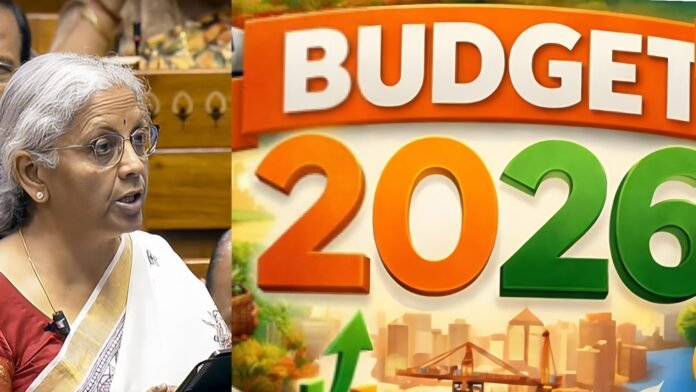
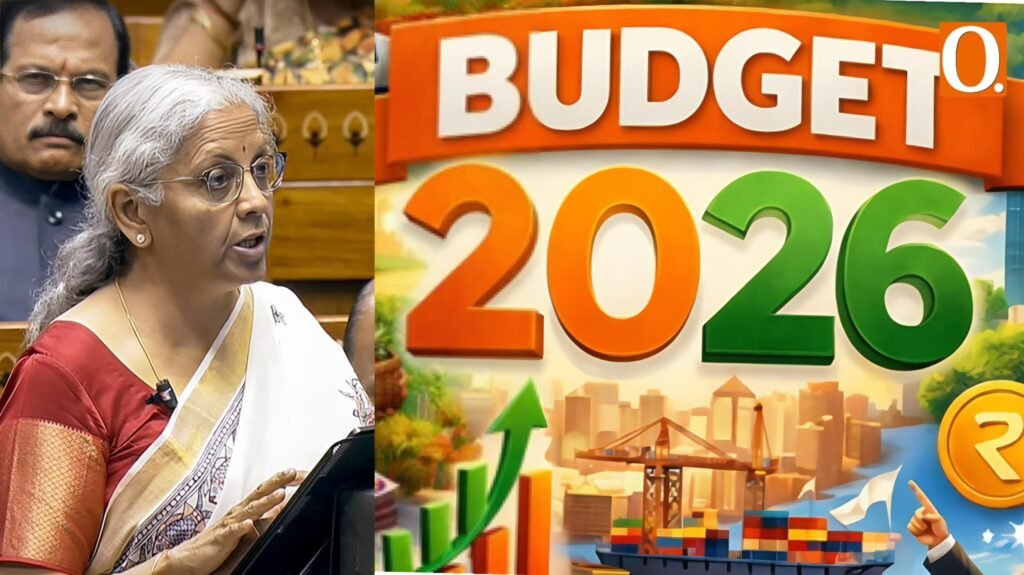
As India prepares for the presentation of the Union Budget 2026, attention isn’t just on numbers and policies but also on the customs, milestones and quirky traditions that have become part of the budget season. From historic speeches to social celebrations tied to the budget, here are seven intriguing trivia points that make this annual event uniquely Indian.

The longest Budget speech in history

The record for the longest Union Budget speech was set in 1973 by then Finance Minister Yashwantrao Chavan. His marathon presentation lasted an astounding 2 hours and 57 minutes, reflecting the exhaustive detail and broad scope of fiscal priorities discussed that year. Today’s budgets are more focused and concise, but the memory of that record remains part of Budget lore.

Halwa ceremony marks the start of budget day

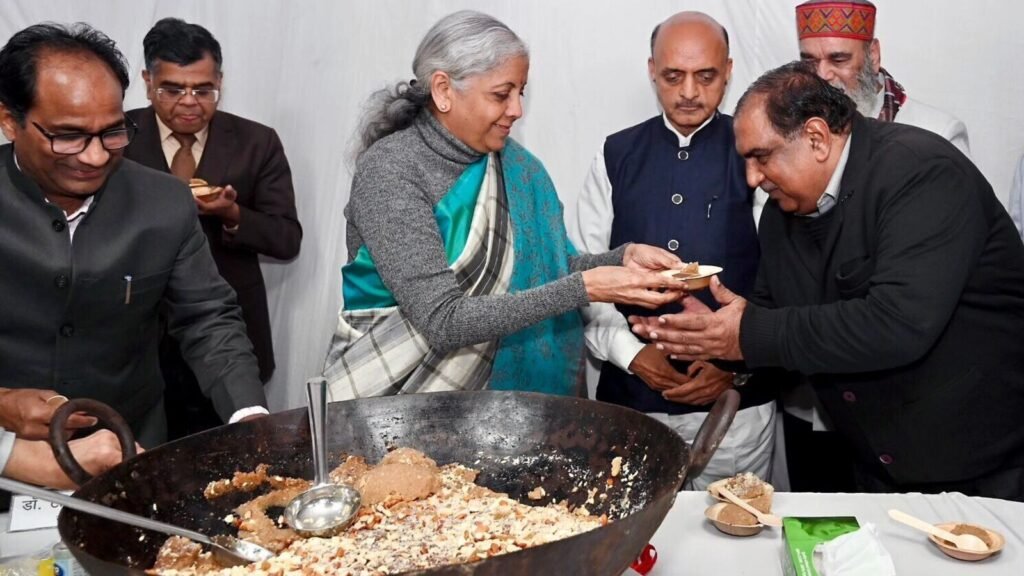
Long before the Finance Minister steps into Parliament, there’s a sweet tradition in the Ministry of Finance the halwa ceremony. Every year on budget day morning, officials, staff and journalists gather for a communal serving of halwa prepared in large quantities. This ritual is meant to energise everyone for the long day ahead and has become a beloved prelude to the official proceedings.

Fascinating Facts About India’s Union Budget

The Budget is usually presented on February 1

For decades, India’s Union Budget was traditionally presented on the last working day of February. However, since 2017, the government has shifted to presenting the budget on February 1 (or a nearby date), setting a consistent rhythm for fiscal planning and implementation.

The budget in brief is available in multiple formats

While the full budget documents run into thousands of pages, the government also releases a “Budget in Brief”, summarising key tax changes, policy moves and forecasts. In recent years, this has also been made available in easy-to-read formats for students, businesses and the general public.

Transporting the Budget used to be a physical ritual

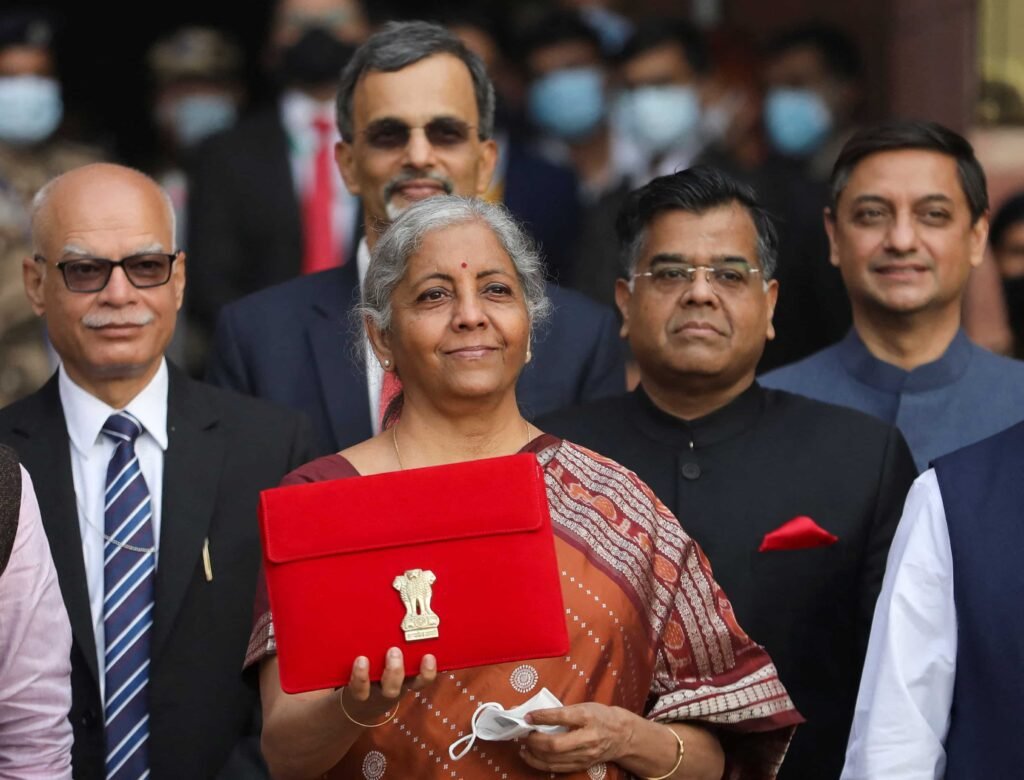
Before digital transmission became standard, the physical budget document was carried to Parliament in a briefcase or trunk. In the past, bulky printed volumes were transported under tight security. Today, much of the budget is shared electronically ahead of time but the ceremonial aspect of physically placing documents before MPs still resonates.

Fascinating Facts About India’s Union Budget

Budget day is a national spectacle

Beyond Parliament, budget day captures headlines, public debate, expert analysis and social media discussions. Investors, economists and ordinary citizens tune in to understand how fiscal decisions might affect jobs, growth, prices and daily life. For many Indians, budget announcements are more than policy news, they are part of the national conversation.

Every budget reflects the government’s priorities

While trivia adds colour to the event, the Union Budget’s primary purpose remains fiscal planning. It reflects the government’s strategy on taxation, public spending, social welfare, infrastructure, investment and economic growth. Over the years, budgets have marked historic shifts from liberalisation in 1991 to reforms in tax codes and new priorities in health, education and climate action.

As Budget 2026 approaches, these fun facts remind us that India’s fiscal season is not only about charts and numbers but also rich rituals, memorable milestones and moments that connect policy with tradition.

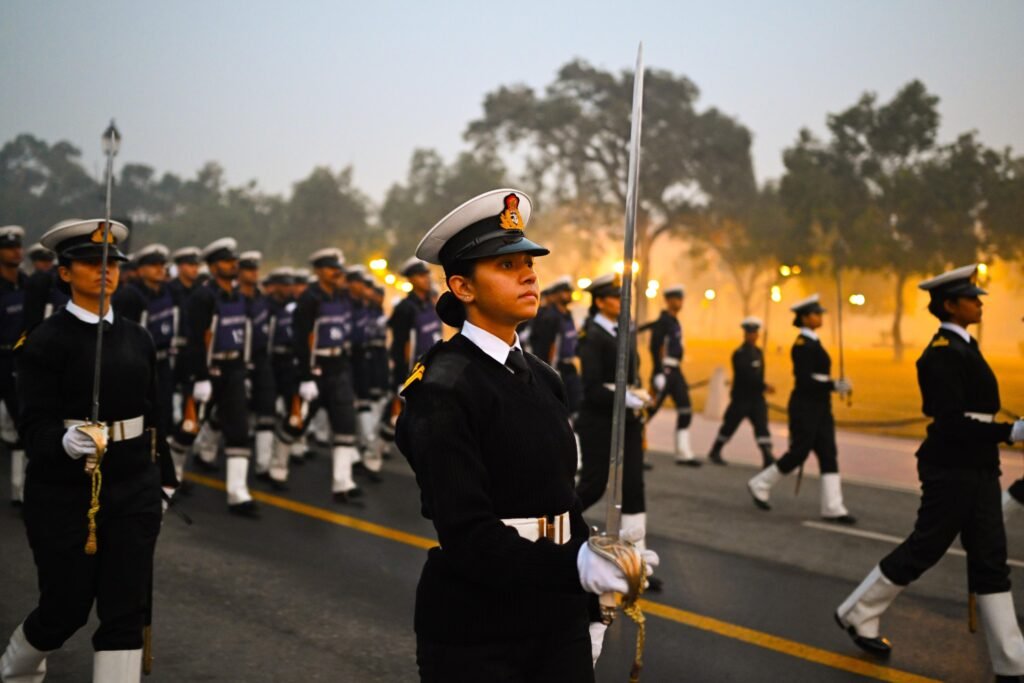
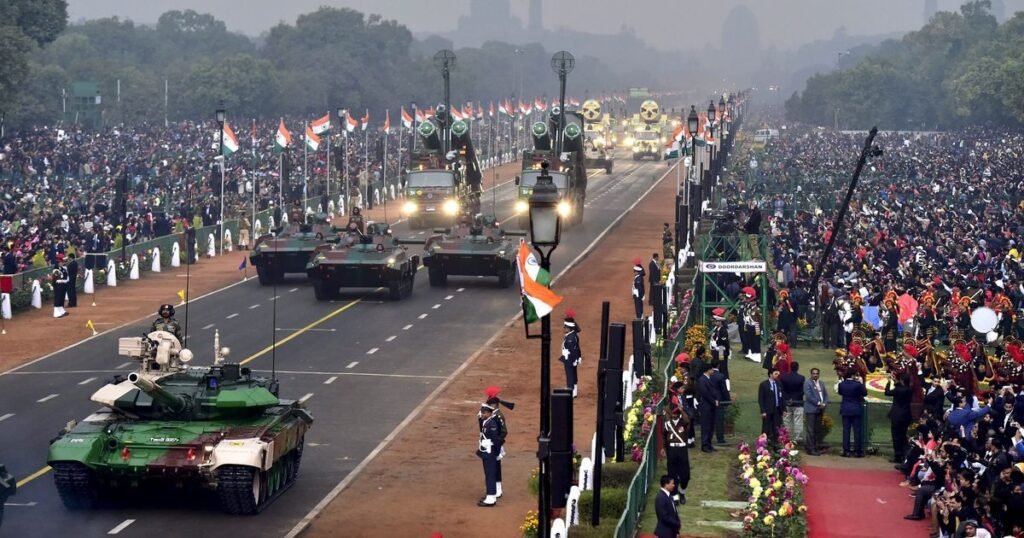
Republic Day Parade 2026 Tickets Open With Strict Photo ID Rules And Daily Quotas

0
Republic Day Parade 2026 Tickets Open With Strict Photo ID Rules And Daily Quotas

Preparations for the Republic Day Parade 2026 are moving into high gear as tickets for public viewing were recently released, but organisers have emphasised strict rules to ensure a smooth and secure experience. With limited seats and daily quotas in place, attendees are being urged to plan ahead and follow identification requirements closely.

Tickets now available with limited quotas

The Ministry of Defence has put Republic Day Parade 2026 tickets on sale online, allowing members of the public to secure spots along the Kartavya Path route in New Delhi. However, seats are limited and will be distributed with daily quotas for each viewing zone to prevent overcrowding. Those hoping to witness the parade in person including marching contingents, flypasts and cultural performances are advised to book their tickets early.

Republic Day Parade 2026 Tickets Open With Strict Photo ID Rules And Daily Quotas

Photo ID mandatory for entry

One of the key requirements for all ticket holders is valid photo identification. Entry passes will be matched with official government IDs at the parade venue, and spectators without correct documentation will not be permitted inside. Accepted forms of ID include Aadhaar cards, passports, voter ID cards, driving licences and other government-issued photo IDs. This rule is aimed at enhancing security and ensuring that only registered visitors enter the parade viewing areas.

Multiple viewing zones and schedules for the public

The parade route, which spans from Rashtrapati Bhavan to India Gate along Kartavya Path, has been divided into multiple viewing zones. Each zone has its own allocation of tickets and daily entry slots to manage crowd flow and maintain safety protocols. Tickets also specify the time slot allocated for each visitor, and spectators must arrive during their designated period to avoid delays at security checkpoints.

Republic Day Parade 2026 Tickets Open With Strict Photo ID Rules And Daily Quotas

Security remains a top priority

In the lead-up to January 26, authorities have reiterated that security arrangements will be stringent. Along with photo ID verification, visitors should expect bag checks, metal detectors and regulated entry points to ensure a secure environment. Organisers have also asked the public to cooperate with security staff and to arrive well before their scheduled slot.

How to book and plan attendance

Tickets are available through the official Republic Day ticketing portal, where visitors can choose their preferred day, time and viewing zone, subject to availability. Daily quotas mean that popular slots may sell out quickly, especially for January 26 itself. Parade organisers have encouraged people to monitor the portal frequently and book as soon as possible, as cancellations and reallocations may open additional spaces.

Republic Day Parade 2026 Tickets Open With Strict Photo ID Rules And Daily Quotas
Why people still want to attend

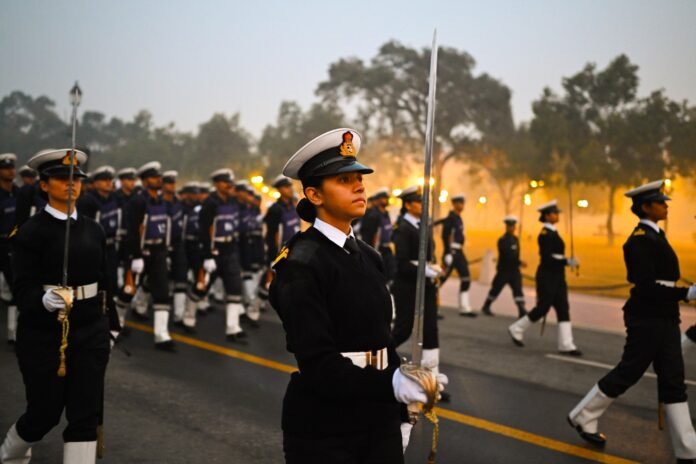
Despite the strict rules and limited availability, the Republic Day Parade remains one of India’s most iconic national events, a showcase of military precision, cultural tableaux, and national unity. For many, attending in person is a once-in-a-lifetime experience, making the ticket rush an annual challenge for patriotic spectators.With tickets now open and guidelines in place, anticipation is building for January 26, when the nation will celebrate its constitutional values and pride in history with one of the grandest displays of ceremonial tradition.

Timeless Tales, Lohri From Bonfires To Belief

0
Timeless Tales, Lohri From Bonfires To Belief

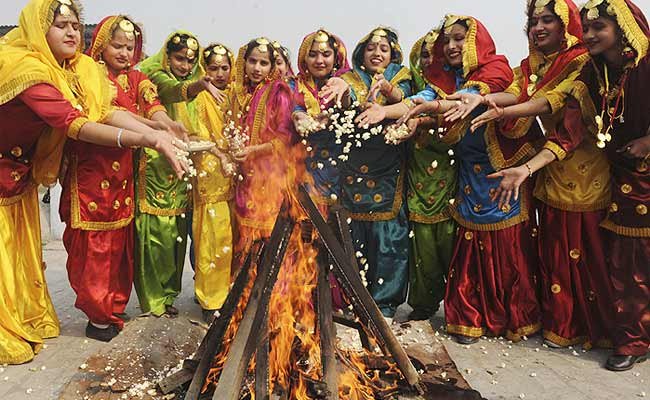
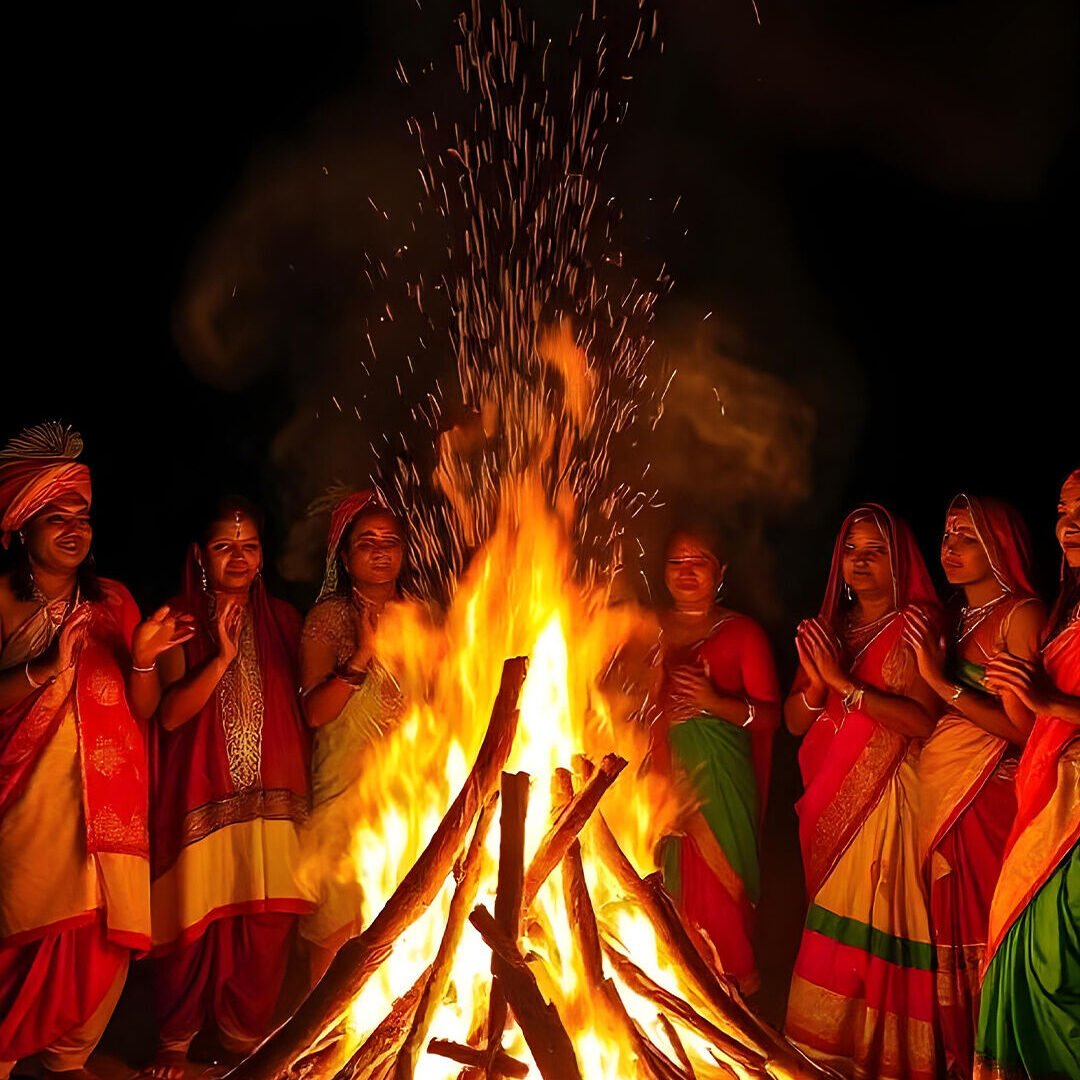
Lohri is a festival where warmth, folklore and community spirit come together under a winter sky. Celebrated mainly in Punjab and around northern India, Lohri marks the end of the coldest days of winter, bringing people out of their homes to gather around roaring bonfires, share laughter, dance to folk beats and reflect on ancient beliefs that have endured through generations.

A bonfire that carries prayers and stories.

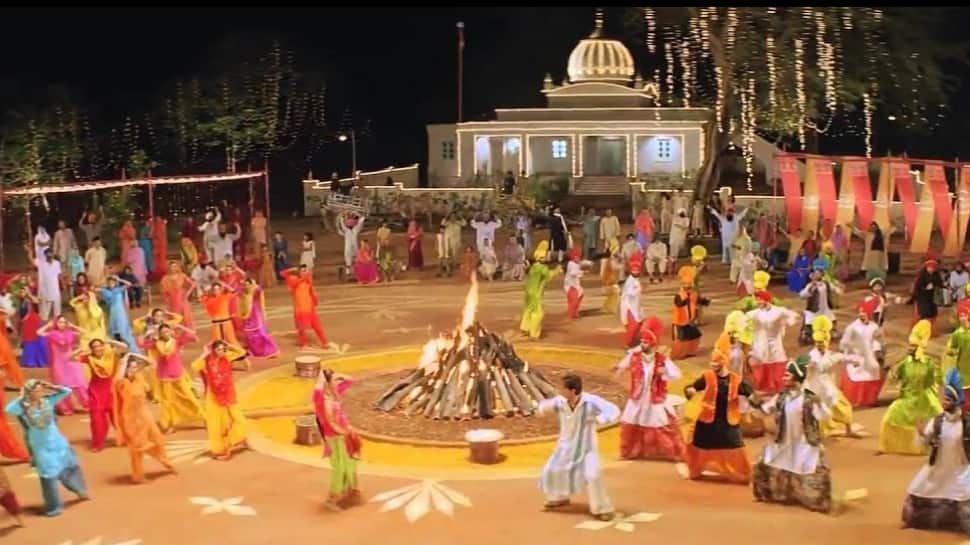
For many families, the heart of Lohri is the bonfire. As the sun sets, people circle the flames carrying grains, jaggery, sesame seeds and popcorn offerings believed to bring prosperity and ward off hardship. Tossing these items into the fire is not just a ritual; it is a way of expressing gratitude for the harvest, for past blessings, and hope for the coming season. The crackling fire becomes a canvas where stories are shared, elders recall old traditions, and youth dance to the rhythm of dhol beats.dance and music that echo across fields

Timeless Tales, Lohri From Bonfires To Belief

Lohri is incomplete without its music and dance.

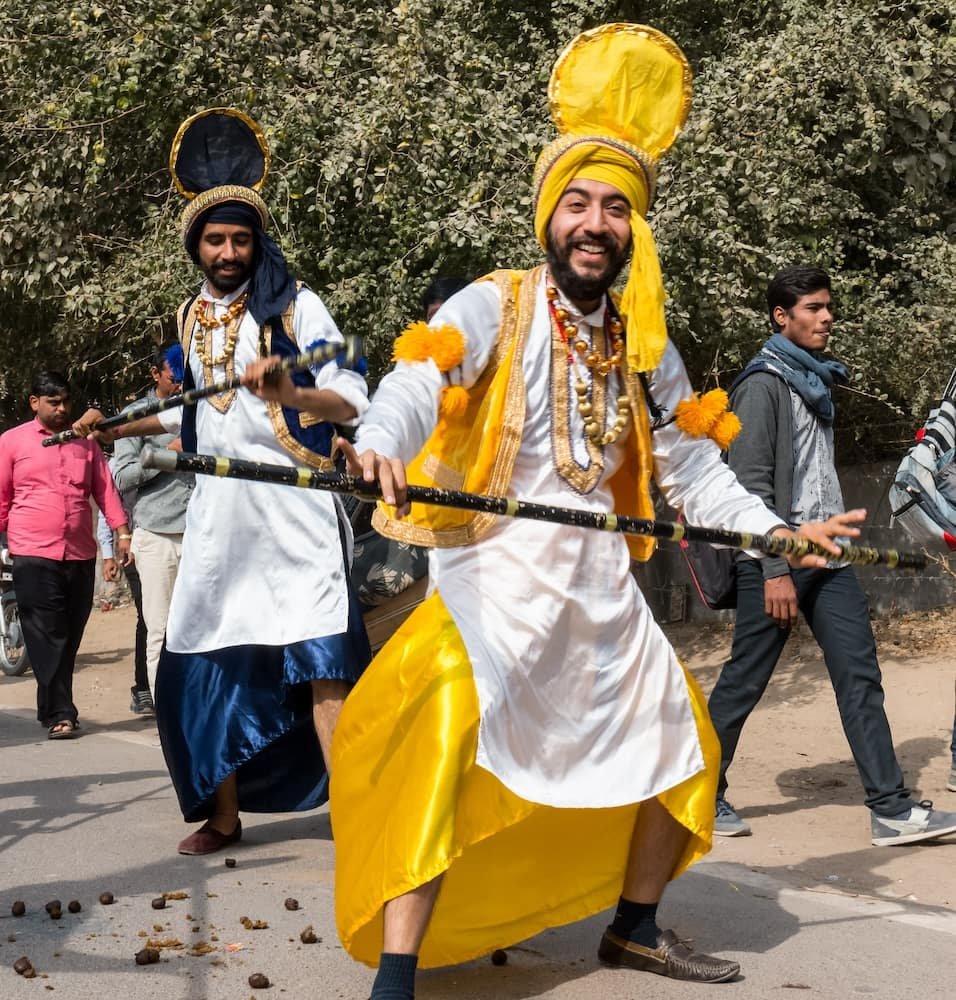
Bhangra and gidda performances – bright, energetic and marked by hearty laughter transform open fields and rooftops into joyous arenas. Folk songs recount tales of harvest, heroic warriors and timeless love stories, connecting celebrants with their cultural roots. In every clap and swirl, there is a sense of shared identity and belonging.symbolism beyond the winter chill

Timeless Tales, Lohri From Bonfires To Belief

Though rooted in agrarian traditions, the festival’s symbolism runs deeper. Lohri is about overcoming darkness and welcoming light, both literally and metaphorically. In older narratives, the festival is linked with the worship of the fire god and reverence for nature’s cycles. It is a night when community bonds are reaffirmed, when elders bless the young, and when families renew their hopes for prosperity and wellbeing.

Lohri also marks significant personal milestones for many. Newlyweds, newborns and students returning home become the focus of special blessings, emphasizing the festival’s role in life’s transitions.

A timeless ritual for changing times

While festival celebrations have evolved, the essence of Lohri remains timeless: fire, community, gratitude and renewal. In a fast-changing world, this age-old tradition continues to warm hearts just as the bonfire warms bodies against the winter night.

From Pongal, Lohri To Uttarayan, Different Names And Rituals Of Makar Sankranti Across India

0

Makar Sankranti is one of India’s most widely celebrated harvest festivals, yet its spirit takes on different colours as it travels across states and cultures. Marked annually on January 14 or 15, this festival celebrates the sun’s transition into Capricorn (Makar), signalling longer days and the end of winter’s peak. While the astronomical significance remains shared, the traditions, names and rituals reflect the country’s rich regional diversity.

From Pongal, Lohri To Uttarayan, Different Names And Rituals Of Makar Sankranti Across India

Pongal in Tamil Nadu gratitude and community feasts

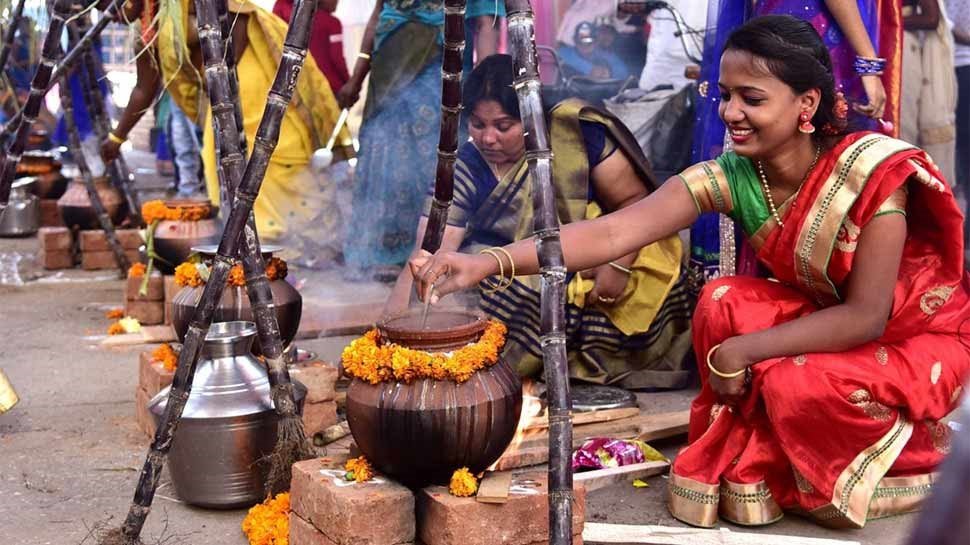
In Tamil Nadu, Makar Sankranti becomes Pongal, a four-day celebration that centres around thanksgiving for a bountiful harvest. Households cook a special dish called pongal rice, prepared with newly harvested rice, jaggery, milk and ghee, allowing it to boil over in a symbolic gesture of abundance. Families gather, decorate cattle with flowers and bells, and offer prayers for prosperity and wellbeing.

From Pongal, Lohri To Uttarayan, Different Names And Rituals Of Makar Sankranti Across India

Lohri in Punjab bonfires and winter’s farewell

In northern India, especially Punjab and parts of Haryana and Himachal Pradesh, the festival is known as Lohri. Celebrated on the eve of Makar Sankranti, it revolves around large bonfires, folk songs and community gatherings. People throw sesame seeds, jaggery and popcorn into the fire while dancing to dhol beats, marking a joyful farewell to the coldest days and welcoming longer, warmer daylight.

From Pongal, Lohri To Uttarayan, Different Names And Rituals Of Makar Sankranti Across India

Uttarayan in Gujarat the kite-flying spectacle

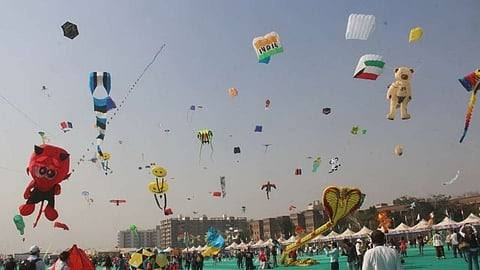
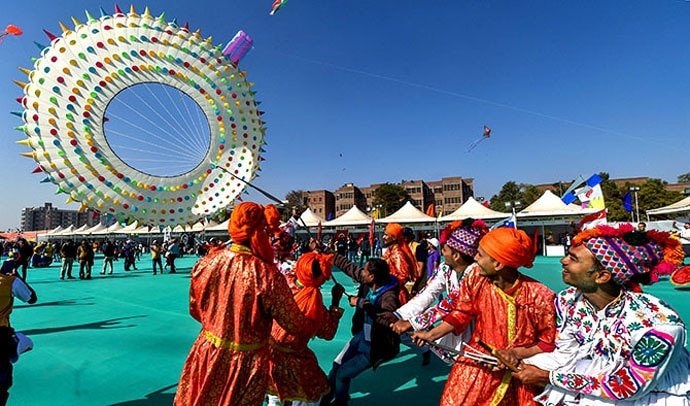
In Gujarat and parts of Rajasthan, Makar Sankranti transforms into Uttarayan, one of the largest kite-flying festivals in the world. The clear January skies fill with thousands of colourful kites, as families and friends compete in friendly aerial duels. Rooftops become gathering spots, and the day is shared with sweets made of sesame (til), jaggery and peanuts flavours that resonate with warmth and energy in winter.

From Pongal, Lohri To Uttarayan, Different Names And Rituals Of Makar Sankranti Across India
Bihu in Assam: new beginnings and cultural expression

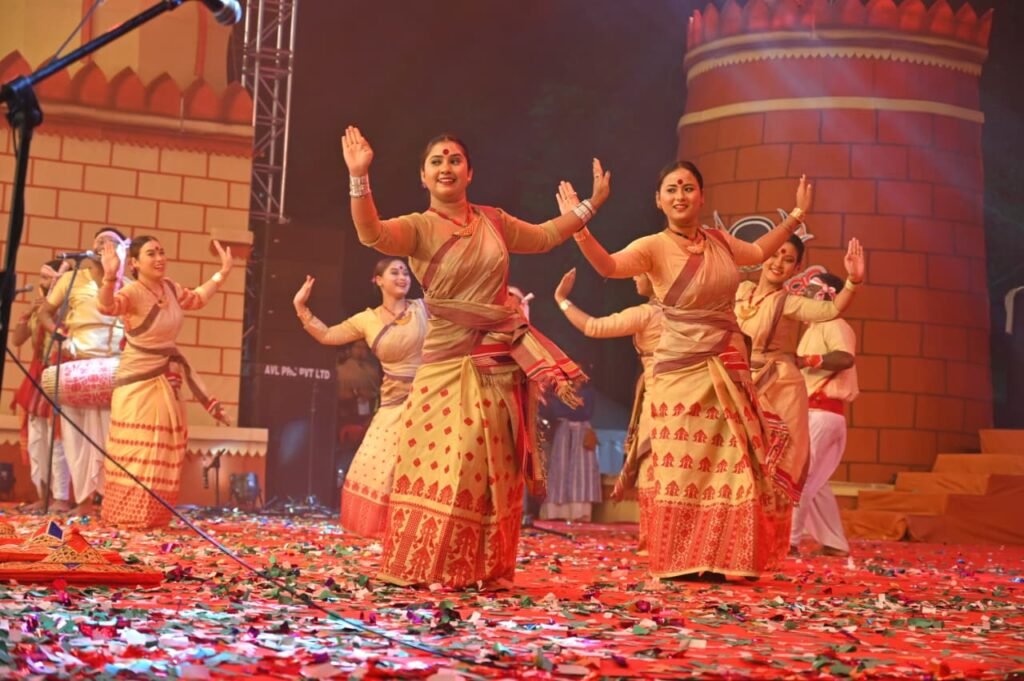
In Assam, the festival blends into Magh Bihu or Bhogali Bihu, emphasizing feasting and community bonfires called meji. Villagers celebrate with traditional games, cattle parades and feasts that feature rice cakes, pithas and local delicacies, marking the culmination of the harvest season.

From Pongal, Lohri To Uttarayan, Different Names And Rituals Of Makar Sankranti Across India

Other regional expressions of Sankranti include Poush Sankranti in West Bengal and Khichdi Festival in Uttar Pradesh, each with its own local flavour yet rooted in the shared theme of gratitude, renewal and the ever-moving sun.Despite the variety of names and customs, these celebrations share a common thread, they honour nature’s cycles, community bonds and the hope of prosperity in the year

From Hospitality To Rail Travel, The Trends That Will Shape How The World Travels In 2026

0

Travel in 2026 is no longer just about destinations, but about the kind of experiences people choose to have. As travellers seek balance, meaning and comfort, new trends are redefining how journeys are planned and enjoyed. From quieter forms of luxury to slow, scenic transport and conscious choices, the year ahead signals a shift toward thoughtful and immersive travel.

The quiet rise of hushpitality

One of the defining travel trends of 2026 is hushpitality, a concept built around silence, privacy and calm. Travellers are increasingly choosing hotels and resorts that offer tranquillity over spectacle. Remote villas, forest retreats and boutique properties that minimise noise and crowds are gaining popularity. This shift reflects a growing desire to disconnect from constant stimulation and find rest in simplicity, nature and stillness.

Rail travel returns as a preferred experience

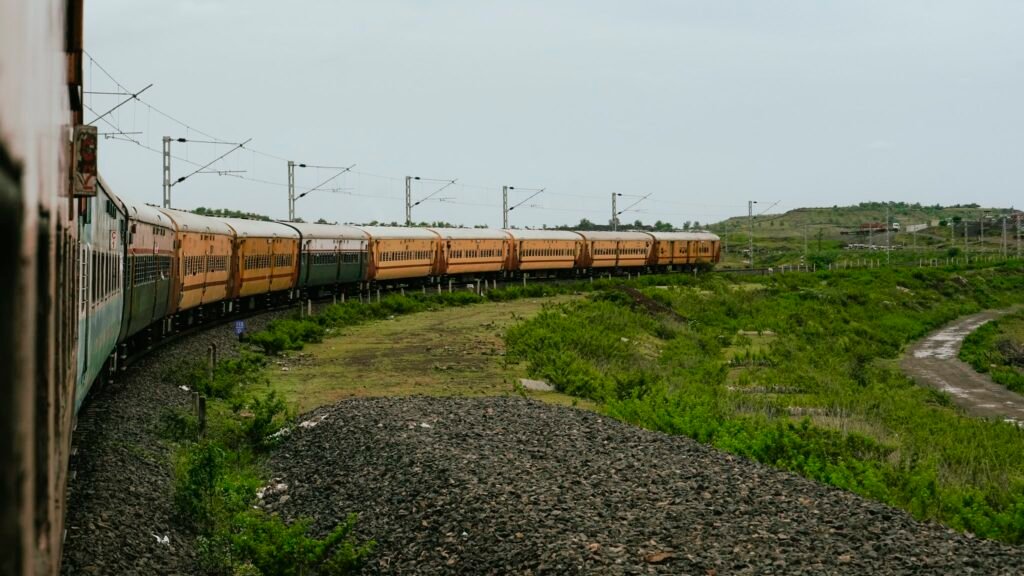
Rail travel is making a strong comeback as travellers look for more scenic and relaxed ways to move between destinations. Luxury trains, heritage routes and panoramic journeys are drawing interest for the experiences they offer rather than just the distance they cover. Trains allow travellers to slow down, enjoy landscapes and reduce the stress associated with air travel, making rail journeys a defining feature of travel in 2026.

From Hospitality To Rail Travel, The Trends That Will Shape How The World Travels In 2026

Experiential tourism takes centre stage

Modern travellers want to participate rather than observe. Experiential tourism is gaining momentum, with visitors seeking authentic interactions such as local cooking sessions, cultural workshops, village stays and community-led experiences. These immersive journeys allow travellers to connect deeply with destinations while supporting local economies and traditions.

Wellness travel evolves beyond spas

Wellness remains central to travel plans, but in a more holistic way. In 2026, wellness travel goes beyond spa treatments to include mental health, emotional balance and mindful living. Activities such as meditation retreats, nature walks, sound therapy and digital detox programmes are becoming common, reflecting a growing focus on inner well-being.

From Hospitality To Rail Travel, The Trends That Will Shape How The World Travels In 2026
Sustainability shapes travel choices

Eco-friendly travel continues to influence decisions, with travellers opting for destinations and accommodations that prioritise sustainability. Responsible tourism, low-impact travel and community involvement are no longer niche preferences but mainstream expectations.

As 2026 approaches, travel is becoming slower, quieter and more intentional. Whether through hushpitality, scenic rail journeys or immersive local experiences, the emphasis is on journeys that feel meaningful, restorative and deeply personal.

Is an Apple a Day Really Good for Your Health?

0

We’re often told that “an apple a day keeps the doctor away”—but does this humble fruit really have such a powerful effect on our health?

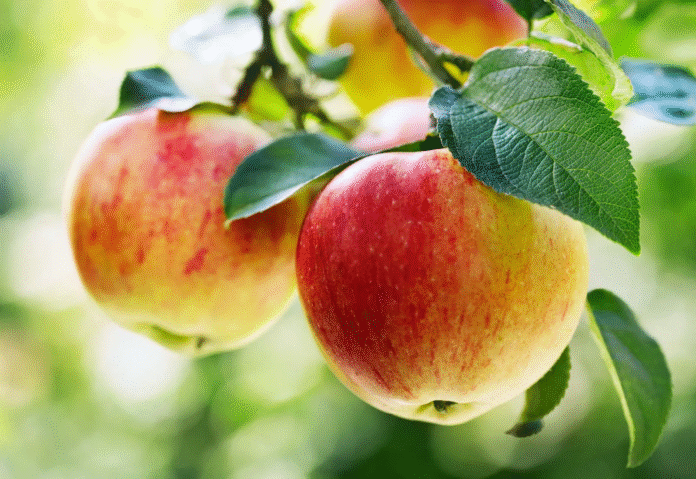
Apples are among the world’s most popular fruits. Nearly 100 million tonnes are produced globally each year, and they come in a wide variety of colours, flavours, and textures. For generations, apples have been linked with good health, an idea popularised by a Welsh proverb from 1866: “Eat an apple on going to bed and you’ll keep the doctor from earning his bread.”

But is there real science behind the saying—and are apples healthier than other fruits?

What Makes Apples Healthy?

Apples are rich in phytochemicals, including flavanols, which have been linked to maintaining a healthy weight and reducing the risk of heart disease. They also contain polyphenols such as anthocyanins, which give red apples their colour and are associated with better heart health.

Another notable compound found in apples is phloridzin, which has been shown to help regulate blood glucose levels.

Apples are also high in fibre, particularly pectin. Pectin helps reduce levels of low-density lipoprotein (LDL), often referred to as “bad” cholesterol, and slows the absorption of sugar and fat from food, contributing to more stable blood sugar levels.

What Does the Research Say?

Evidence suggests these nutrients do translate into real health benefits. A 2017 review of five studies found that apple consumption was associated with an 18% lower risk of developing type 2 diabetes. A 2022 review of 18 studies reported that regularly eating apples or apple-derived products, such as juice, can help reduce cholesterol levels—provided the habit is maintained for more than a week.

A healthy diet overall can reduce cancer risk by up to 40%, largely due to bioactive compounds such as phytochemicals, which are abundant in apples. Some studies have even linked apple consumption with a lower risk of certain cancers.

Are Apples Better Than Other Fruits?

While apples are undoubtedly healthy, experts caution against viewing them as nutritionally superior to all other fruits.

“Apples don’t have much vitamin C, and they have no iron or calcium,” says Janet Colson, professor of nutrition and food science at Middle Tennessee State University. “But they contain many other ingredients that promote health and do wonderful things for the body.”

Apples share many beneficial compounds with other fruits and vegetables, including polyphenols, explains Flavia Guzzo, associate professor of plant biology at the University of Verona. Polyphenols act as antioxidants, helping to neutralise harmful free radicals that can damage cells and contribute to chronic diseases such as cancer and heart disease.

Some researchers claim apples have the second-highest antioxidant power among all fruits, and they are an especially important dietary source of phenolic compounds. One study found that people in the US obtain around one-fifth of their total phenolic intake from apples. These compounds have been linked to a lower risk of heart disease, cancer, asthma, diabetes, and obesity.

Another advantage of apples is their accessibility. They are affordable, widely available, and easy to store—making regular consumption more achievable for many people than some other fruits.

Does an Apple a Day Really Keep the Doctor Away?

Despite their benefits, eating an apple every day does not guarantee fewer trips to the doctor.

A 2015 study analysing dietary data from nearly 9,000 people found that apple-eaters were slightly more likely to avoid doctor visits than non–apple-eaters. However, the difference was not statistically significant once factors such as education level and smoking habits were taken into account.

“The relationship is complex,” says Matthew Davis, adjunct associate professor of epidemiology at Dartmouth Geisel School of Medicine. Apple-eaters, he notes, also tend to have generally healthier lifestyles.

As Davis and others have suggested, a more accurate saying might be:
“An apple a day keeps the pharmacist away.”