Home Blog Page 7

Seattle Unveils First-Ever Life-Size Statue of Swami Vivekananda in the US: A Symbol of Global Spiritual Legacy

0

A Historic Cultural Milestone in the United States

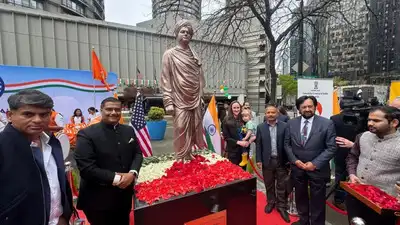
In a landmark moment for India–US cultural relations, the city of Seattle has become the first city government in the United States to host a life-size statue of Swami Vivekananda. The bronze statue was unveiled on April 11, 2026, at the iconic Westlake Square—a bustling public space that attracts over 400,000 visitors daily.

The statue was jointly inaugurated by Seattle Mayor Katie Wilson and India’s Consul General in Seattle, marking a significant step in strengthening cultural and diplomatic ties between the two nations. Sculpted by Indian artist Naresh Kumar Kumawat, the installation stands as a tribute to Vivekananda’s enduring global influence.

A Symbol of Cultural Diplomacy and Global Connection

The statue, gifted by the Indian Council for Cultural Relations (ICCR), represents India’s efforts to promote its rich philosophical heritage worldwide. Located in the heart of Seattle—near major landmarks and corporate hubs—the monument is expected to serve as a cultural bridge, fostering awareness of Indian thought and spirituality among international audiences.

Importantly, this is the first installation of Swami Vivekananda hosted by a US city government, making it a historic recognition of his contributions beyond India.

Why Swami Vivekananda is Celebrated Across the Globe

Swami Vivekananda is widely revered not only in India but across the world for his powerful message of universal brotherhood, harmony, and spiritual unity. His historic address at the Parliament of Religions in Chicago in 1893 introduced Indian philosophy and Vedanta to the Western world, earning him global recognition.

He emphasized that all religions lead to the same truth, advocating tolerance and mutual respect—ideas that resonate strongly in today’s interconnected world. His teachings inspired movements of social reform, youth empowerment, and spiritual awakening, making him a timeless global figure.

Vivekananda’s philosophy transcends borders because it addresses universal human concerns—identity, purpose, and harmony. His message continues to inspire leaders, scholars, and millions of followers worldwide, reinforcing his status as one of India’s greatest cultural ambassadors.

Enduring Legacy

The unveiling of Vivekananda’s statue in Seattle is more than just a symbolic gesture—it is a reaffirmation of shared values such as inclusivity, dialogue, and peace. As people from diverse backgrounds pass through Westlake Square, the statue will stand as a constant reminder of a visionary who believed in the unity of humanity.

More than a century after his time, Swami Vivekananda’s ideas continue to illuminate minds across continents, proving that true wisdom knows no boundaries.
ISRO Successfully Conducts Second Integrated Air Drop Test for Gaganyaan, Strengthening Crew Safety Systems

0

A Major Milestone in India’s Human Spaceflight Mission

The Indian Space Research Organization (ISRO) has successfully conducted the second Integrated Air Drop Test (IADT-02) for its ambitious Gaganyaan Mission, marking another critical step toward ensuring astronaut safety. The test reflects India’s steady progress in developing reliable systems for human space travel.


How the Test Was Conducted

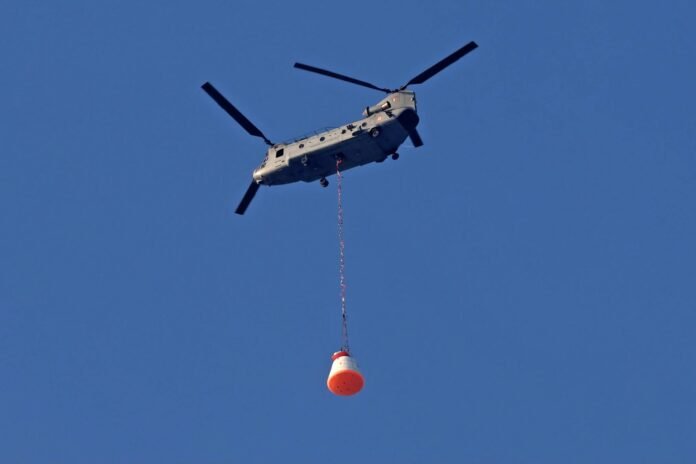
The test involved a simulated crew module weighing around 5.7 tonnes, which was dropped from an altitude of approximately 3 kilometres using an Indian Air Force Chinook helicopter. The exercise was carried out over the Bay of Bengal near the Satish Dhawan Space Center.

The objective was to validate the module’s ability to safely descend and land using an advanced parachute system. During the descent, a sequence of 10 parachutes of four different types was deployed. These included drogue parachutes for initial stabilisation, followed by pilot and main parachutes to reduce speed and ensure a controlled splashdown.

Successful Recovery and Coordination

After a stable descent, the crew module made a safe splashdown in the sea. It was then successfully recovered by the Indian Navy, highlighting seamless coordination between multiple agencies involved in the mission. This recovery process is a vital part of astronaut safety, ensuring that crew members can be quickly located and rescued after landing.

Building on Previous Success

This was the second such test, following the first Integrated Air Drop Test conducted in August 2025. Together, these tests are part of a series of rigorous trials aimed at validating the parachute deployment sequence and overall recovery system under real-world conditions.

The Integrated Air Drop Tests simulate emergency scenarios, including mid-air abort situations, and are essential for meeting the stringent safety standards required for human spaceflight.

Significance for Gaganyaan Mission

The Gaganyaan Mission aims to send Indian astronauts, or Vyomnauts, into low-Earth orbit and bring them back safely. Ensuring a controlled descent and secure recovery is one of the most critical aspects of this mission.

The success of IADT-02 demonstrates ISRO’s growing expertise in complex aerospace technologies and reinforces confidence in India’s preparedness for human space missions.

A Step Closer to Space

With each successful test, India moves closer to realising its dream of independent human spaceflight. The latest achievement not only strengthens the technical foundation of the Gaganyaan programme but also showcases the country’s commitment to safety, precision, and innovation in space exploration.

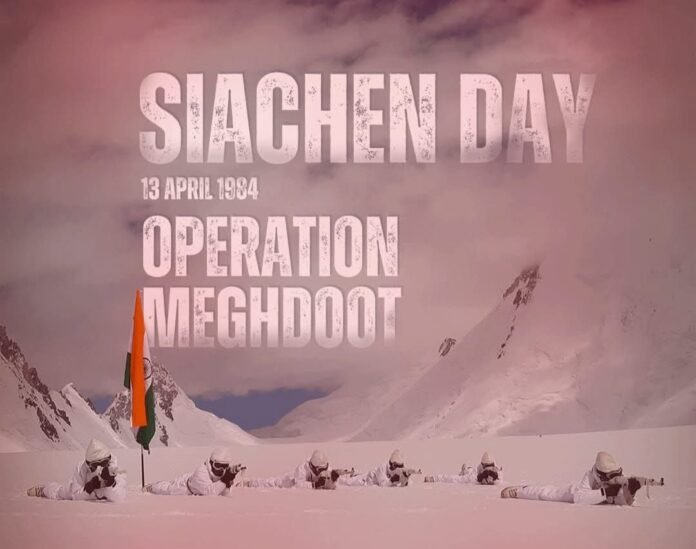
Siachen Day 2026: Marking 42 Years of Operation Meghdoot and India’s Resolve on the Highest Battlefield

0

A Day of Courage and National Pride

Every year on April 13, India observes Siachen Day to honour the extraordinary courage, resilience, and sacrifice of soldiers guarding the icy heights of the Siachen Glacier—the highest and one of the most inhospitable battlefields in the world. The year 2026 marks the 42nd anniversary of this historic occasion, commemorating the launch of Operation Meghdoot in 1984.

What is Siachen Day and Why It is Celebrated

Siachen Day is observed to remember the success of Operation Meghdoot and to pay tribute to the soldiers who continue to serve in extreme conditions at altitudes of around 20,000 feet in the Karakoram Range.

It is not just a commemoration of a military victory but also a solemn reminder of the sacrifices made by soldiers who battle not only enemies but also nature—facing sub-zero temperatures, avalanches, and oxygen scarcity.

Operation Meghdoot: A Historic Military Achievement

Launched on April 13, 1984, Operation Meghdoot was a bold and pre-emptive military operation by the Indian Army, supported by the Indian Air Force. Its objective was to secure strategic dominance over the Siachen Glacier and the surrounding heights before Pakistan could establish its presence in the region.

The operation involved the airlifting of troops to glacial heights, a remarkable logistical and military feat under extreme weather conditions.
Indian forces successfully captured key passes along the Saltoro Ridge, including:
●Bilafond La
●Sia La
●Gyong La

This gave India a crucial strategic advantage by securing the higher ground and effectively controlling the glacier and its approaches.

Key Facts and Figures

●Siachen is the world’s highest battlefield, with deployments reaching over 6,000 meters.
●India gained control of approximately 70 km long glacier and surrounding areas after the operation.
●The region holds immense strategic importance as it overlooks routes connecting Ladakh, Gilgit-Baltistan, and the Karakoram Pass.
●Thousands of soldiers have served here, with many casualties caused not just by conflict but by harsh climatic conditions.

Strategic and National Significance

Operation Meghdoot marked a decisive moment in India’s defence history. By securing the Siachen Glacier, India ensured control over a region that is critical to its northern borders and strategic stability.

The operation also demonstrated exceptional coordination between the Army and the Air Force and showcased India’s capability to conduct military operations in extreme environments.

A Tribute to the ‘Siachen Warriors’

Siachen Day is ultimately about the soldiers—often called the “Siachen Warriors”—who endure unimaginable hardships to safeguard the nation. Their spirit is captured in the famous line: “Quartered in snow, silent to remain… when the bugle calls, they shall rise and march again.”

Across India, the day is marked by tributes, ceremonies, and remembrance events, honouring those who have served and those who made the ultimate sacrifice.

Enduring Legacy

More than four decades after Operation Meghdoot, Siachen continues to stand as a symbol of India’s military resolve, strategic foresight, and the indomitable spirit of its soldiers. Siachen Day reminds the nation that freedom and security are often defended in the harshest and most unforgiving corners of the world—far away from the public eye, yet vital to the country’s sovereignty.

Jallianwala Bagh Memorial Day 2026: 107 Years On, India Remembers Its Martyrs

0

A Tragedy That Changed the Course of History

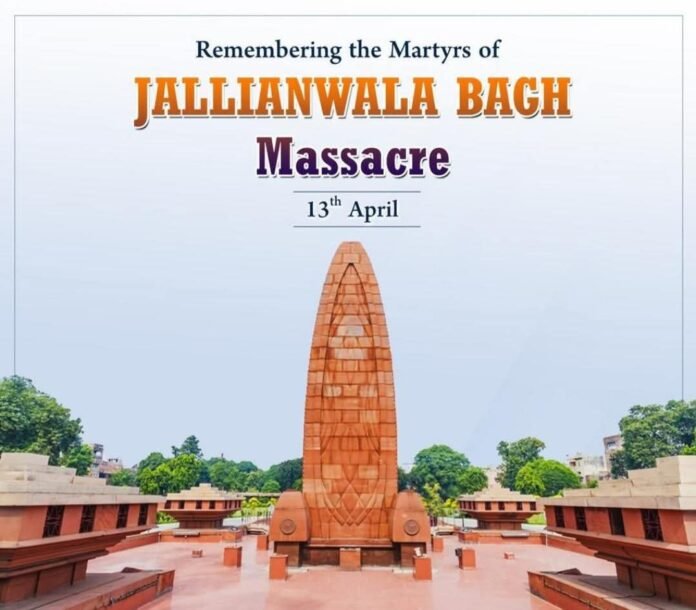
April 13, 2026, marks the 107th anniversary of the tragic Jallianwala Bagh Massacre —one of the darkest chapters in India’s struggle for independence. On this day in 1919, hundreds of innocent Indians lost their lives in a brutal act of colonial repression that shook the conscience of the nation and the world.

What Happened on April 13, 1919

The massacre took place at Jallianwala Bagh in Amritsar, where thousands had gathered peacefully. The day coincided with Baisakhi, a major festival in Punjab, and many people—men, women, and children—had assembled for celebrations. Others had gathered to protest against the oppressive Rowlatt Act , which allowed detention without trial. Many were also unaware that public gatherings had been banned.

Without warning, British officer General Reginald Dyer marched into the enclosed garden with armed troops and ordered them to open fire on the unarmed crowd. With narrow exits blocked, panic ensued as people tried desperately to escape. The firing continued for about 10 minutes, with soldiers aiming directly at civilians.

According to official British records, 379 people were killed and over 1,200 injured. However, Indian sources and later estimates suggest that the death toll may have ranged from 500 to over 1,000, reflecting the true scale of the tragedy. Many victims even jumped into a well inside the garden to escape the bullets, only to meet a tragic end.

A Turning Point in India’s Freedom Struggle

The massacre became a defining moment in India’s fight against British rule. It exposed the inhumanity of colonial governance and united Indians across regions and communities. Leaders like Mahatma Gandhi intensified the freedom movement through non-cooperation, while Rabindranath Tagore renounced his knighthood in protest against the atrocity.

Jallianwala Bagh transformed public opinion irreversibly, strengthening the demand for complete independence from British rule.

Nation Pays Tribute in 2026

On the 107th anniversary, the nation came together to pay heartfelt tributes to the martyrs. President Droupadi Murmu remembered the victims and honoured their sacrifice, emphasizing their role in shaping India’s journey to freedom.

Prime Minister Narendra Modi also paid homage, stating that the courage and sacrifice of those who perished continue to inspire generations.

Across the country, citizens observed the day with solemn remembrance. At the memorial in Amritsar, tribute ceremonies were held, while educational institutions and organizations conducted events to reflect on the historical significance of the tragedy. The day is observed as a tribute to the martyrs by the Jallianwala Bagh National Memorial Trust as well.

Why the Day Continues to Matter

Jallianwala Bagh Memorial Day is not just about remembering a tragic past—it is about acknowledging the cost of freedom and reaffirming the values of justice, liberty, and human dignity. The massacre remains a powerful reminder of the dangers of unchecked authority and the resilience of a people determined to be free.

Even after 107 years, the echoes of that fateful day continue to resonate. The sacrifice of those innocent lives stands as a solemn testament to India’s enduring spirit and its unwavering commitment to freedom.

Photo Etching Materials Guide: Stainless Steel, Copper, and More

0

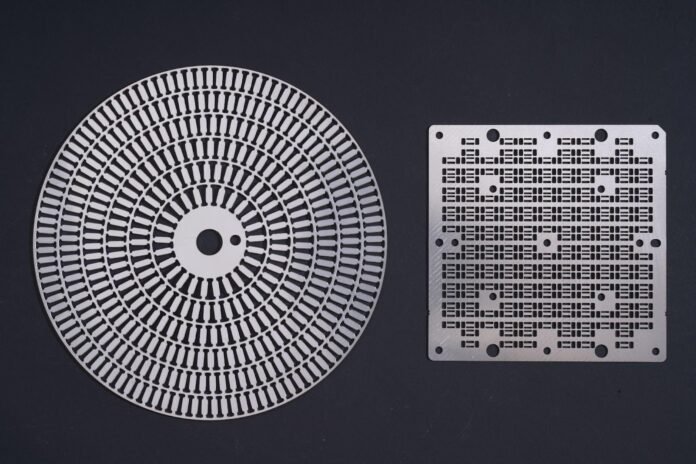
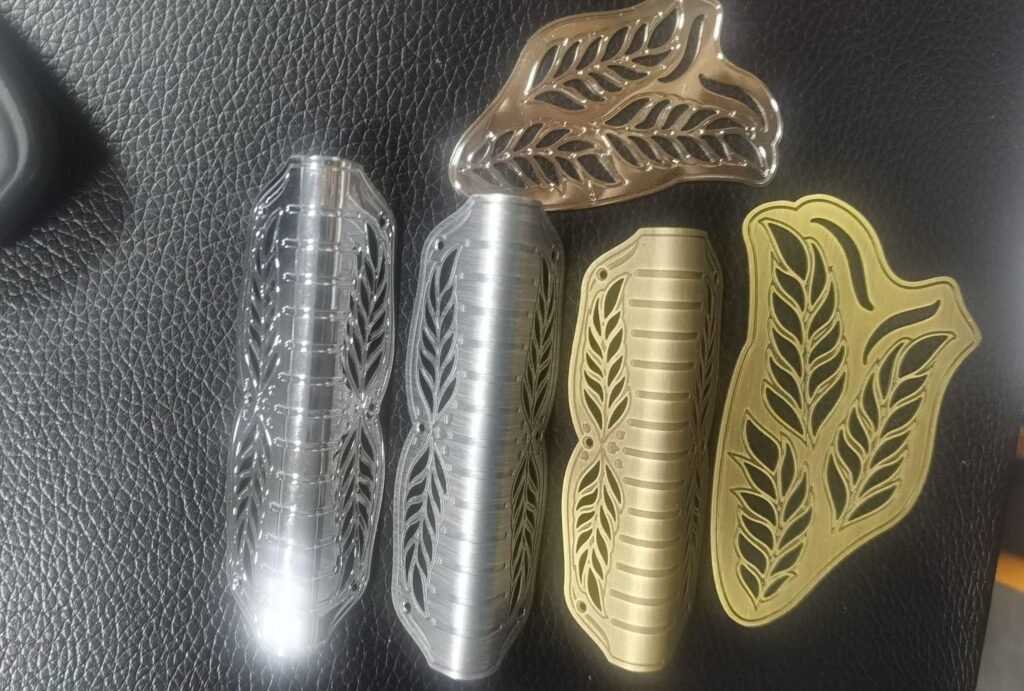
Material selection defines the success of any precision manufacturing project. In both photo etching and photo etching, the choice of metal directly impacts accuracy, durability, and cost efficiency. photo etching removes material through controlled reactions, which means different metals respond in different ways during the process.

Photo Etching Materials Guide: Stainless Steel, Copper, and More

If you select the wrong material, you face issues such as over-etching, weak structures, or poor performance in end-use environments. This guide helps you understand how common photo etching materials behave, so you choose the right option for your application.

Why Material Selection Matters in Photo Etching

Photo etching works best with thin metals and designs that require high precision. However, not all metals deliver the same results.

Key Factors to Consider

  • Etch rate

    Some metals etch faster, which affects accuracy control
  • Corrosion resistance

    Important for harsh environments
  • Strength and flexibility

    Determines structural performance
  • Electrical and thermal conductivity

    Critical for electronics applications
  • Cost and availability

    Impacts scalability and production planning

You need to match material properties with your functional requirements.

Stainless Steel in Photo Etching

Why Stainless Steel Is Widely Used

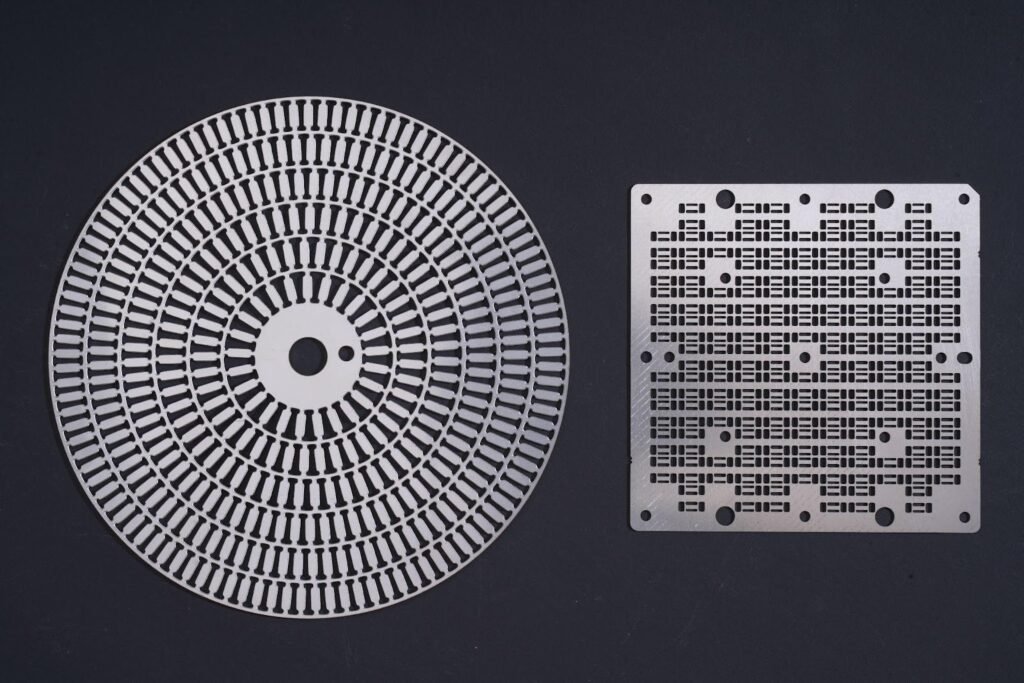
Stainless steel offers a strong balance between durability and precision. It is one of the most common materials in photo etching.

Photo Etching Materials Guide: Stainless Steel, Copper, and More

Key Benefits

  • High corrosion resistance
  • Strong mechanical properties
  • Stable performance in extreme conditions

Typical Applications

  • Medical devices
  • Aerospace components
  • Industrial filters
  • Automotive parts

Considerations

  • Slower etch rate compared to softer metals
  • Requires precise process control for fine details

Stainless steel works best when strength and longevity matter.

Copper and Copper Alloys

Excellent Conductivity

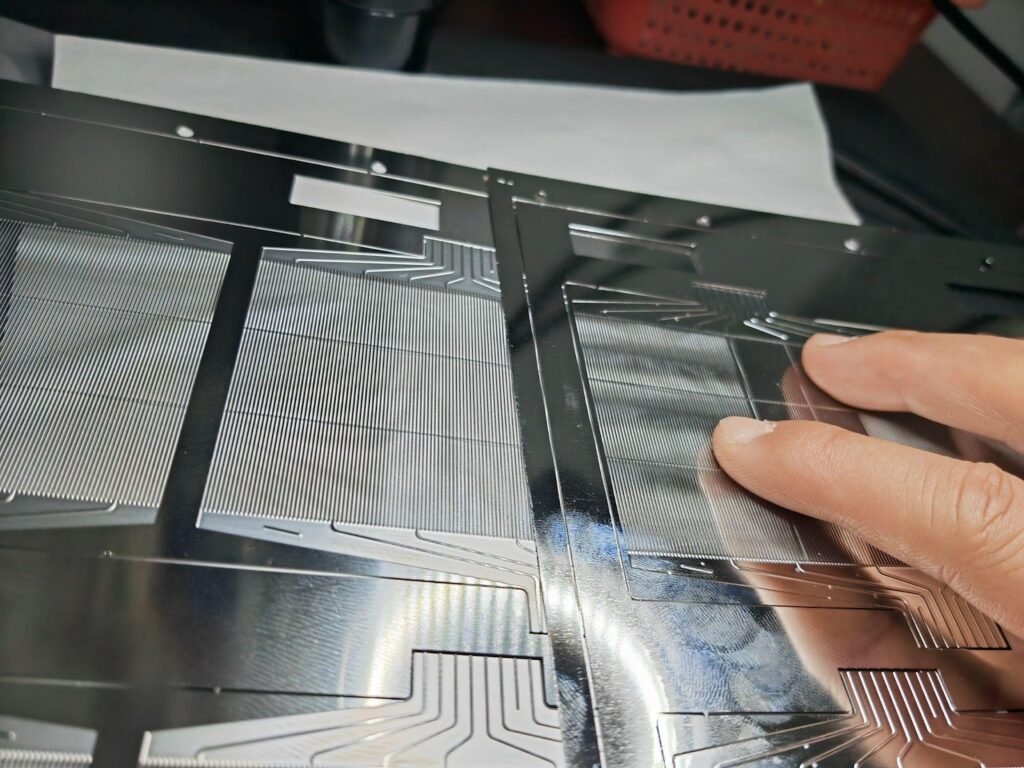
Copper stands out for its electrical and thermal conductivity. This makes it ideal for electronics and electrical components.

Photo Etching Materials Guide: Stainless Steel, Copper, and More

Key Benefits

  • Fast etch rate
  • High conductivity
  • Easy to process

Common Applications

  • Printed circuit components
  • Connectors and terminals
  • EMI shielding

Copper Alloys

Alloys such as brass and bronze offer improved strength while maintaining conductivity.

Considerations

  • Lower corrosion resistance compared to stainless steel
  • Requires protective coatings in some environments

Copper is the preferred choice when conductivity drives your design.

Aluminum for Lightweight Applications

Weight Reduction Advantage

Aluminum provides a strong strength-to-weight ratio, which makes it suitable for applications where weight matters.

Key Benefits

  • Lightweight
  • Good corrosion resistance
  • Cost-effective

Applications

  • Aerospace structures
  • Consumer electronics
  • Automotive components

Considerations

  • Softer material, which affects structural rigidity
  • Surface finishing may be required

Aluminum fits projects that prioritize weight reduction and cost control.

Nickel and Nickel Alloys

High Performance in Harsh Environments

Nickel and its alloys handle high temperatures and corrosive environments.

Key Benefits

  • Excellent heat resistance
  • Strong corrosion resistance
  • Good mechanical stability

Applications

  • Chemical processing equipment
  • Aerospace systems
  • Energy sector components

Considerations

  • Higher material cost
  • More complex processing requirements

Nickel works best in extreme operating conditions.

Specialty Metals and Custom Materials

Expanding Design Possibilities

Photo etching also supports a range of specialty metals:

  • Titanium
  • Invar
  • Molybdenum

Why Use Specialty Materials

  • Unique thermal expansion properties
  • High strength-to-weight ratios
  • Specialized performance requirements

These materials support advanced engineering applications where standard metals fall short.

How to Choose the Right Material

Match Material to Application

Ask these questions before selecting a material:

  • Does your part require conductivity or insulation?
  • Will it operate in a corrosive environment?
  • Do you need high strength or flexibility?
  • What level of precision do you require?

Balance Performance and Cost

High-performance materials increase durability but also raise costs. You need to align material choice with budget and production scale.

Consider Manufacturing Constraints

  • Etch rate affects production speed
  • Material thickness impacts precision
  • Design complexity influences feasibility

A clear understanding of these factors improves your final output.

TMNetch Photo Etching Services

Why Choose TMNetch

TMNetch provides high-precision photo etching services across a wide range of materials. The team focuses on helping you select the right metal for your application while maintaining strict quality standards.

Material Expertise

TMNetch supports:

  • Stainless steel
  • Copper and copper alloys
  • Aluminum
  • Nickel alloys
  • Custom specialty metals

This broad material capability ensures flexibility for different industries.

Core Capabilities

  • Precision etching

    Tight tolerances and clean edges
  • Engineering support

    Guidance on material selection and design optimization
  • Rapid prototyping

    Fast turnaround for testing and iteration
  • Scalable production

    From low-volume prototypes to large production runs

Industry Applications

  • Electronics and semiconductors
  • Medical devices
  • Aerospace components
  • Automotive systems

Quality Assurance

  • Incoming material inspection
  • Process monitoring
  • Final dimensional verification

This approach ensures consistent quality and reliable performance.

Conclusion

Material selection plays a central role in photo etching performance. Stainless steel delivers strength and corrosion resistance. Copper provides conductivity and fast processing. Aluminum supports lightweight designs. Nickel and specialty metals handle extreme environments.

You need to align material properties with your application requirements, production goals, and budget. A well-informed material choice improves precision, reduces defects, and enhances product performance.

Working with an experienced provider such as TMNetch helps you select the right material and maintain consistent quality across every stage of production.

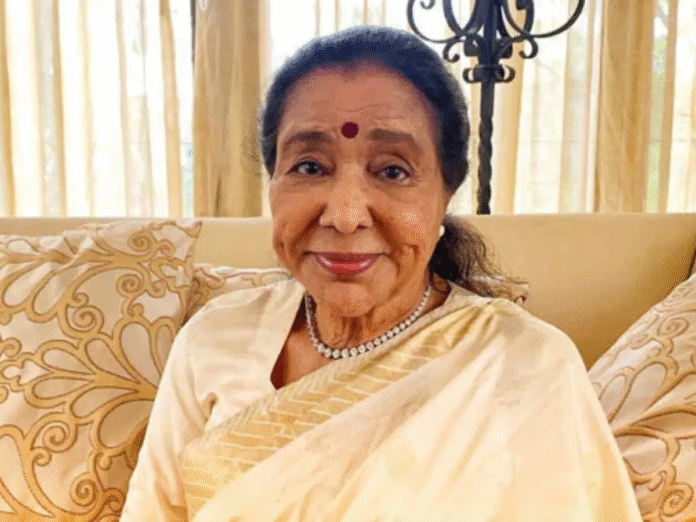
Asha Bhosle Passes Away: Know Her Age, Early Life, Family, Children, and Net Worth (2026)

0

Asha Bhosle Passes Away: Wishes and prayers have been pouring in for legendary playback singer Asha Bhosle after reports emerged that she suffered a cardiac arrest on Saturday, April 11. The 92-year-old icon passed away on April 12 leaving legacy which remains unmatched and undistinguished.

She was rushed to Breach Candy Hospital, where she is currently undergoing treatment in the ICU.

Her granddaughter, Zanai Bhosle, shared the first official update on social media platform X. She clarified that the veteran singer was admitted due to extreme exhaustion and a chest infection. She also requested privacy for the family and expressed hope for a positive recovery.

As fans continue to pray for her health, here’s a closer look at her age, early life, family, and remarkable journey.

Asha Bhosle’s Age and Early Life

Born as Asha Mangeshkar on September 8, 1933, in Sangli, Asha Bhosle is 92 years old as of April 2026 and will turn 93 later this year.

She was born into a musical family. Her father, Pandit Deenanath Mangeshkar, was a renowned classical vocalist and theatre artist.

After her father’s untimely death when she was just nine, the family moved from Pune to Kolhapur and later settled in Mumbai. To support the family, Asha and her elder sister Lata Mangeshkar began singing and acting at a young age.

She recorded her first song, “Chala Chala Nav Bala,” for the Marathi film Majha Bal in 1943. She later made her Hindi film debut with “Saawan Aaya” and delivered her first solo track in Raat Ki Rani (1949).

Marriages and Children

Asha Bhosle’s personal life had its share of ups and downs. She married Ganpatrao Bhosle at the age of 16 in 1949, against her family’s wishes. The couple later separated in 1960.

She then married legendary music composer Rahul Dev Burman in 1980, and they remained together until his passing in 1994.

From her first marriage, she has three children—Hemant, Varsha, and Anand. Hemant, a former music composer, passed away in 2015, while Varsha, a columnist, died in 2012. Her youngest son, Anand, currently manages her career.

She also shares a close bond with her grandchildren, including Zanai Bhosle, an emerging singer and performer.

Asha Bhosle’s Net Worth in 2026

Asha Bhosle remains one of India’s most celebrated and successful singers. According to reports, her estimated net worth stands at around ₹80–100 crore, reflecting her decades-long contribution to music and entertainment.

A Versatile Legend: From Ghazals to Cabaret Hits

Asha Bhosle’s career, spanning over eight decades, is defined by extraordinary versatility. From soulful ghazals to energetic cabaret numbers, she has mastered a wide range of musical styles.

Her collaborations with O. P. Nayyar produced timeless songs like “Aao Huzoor Tumko,” while her work with R. D. Burman gave classics such as “Chura Liya Hai Tumne Jo Dil Ko.” Songs like “Piya Tu Ab To Aaja” and “Yeh Mera Dil” showcased her bold and expressive voice.

At the same time, she delivered deeply emotional renditions like “Dil Cheez Kya Hai” and “In Aankhon Ki Masti,” highlighting her command over classical and semi-classical music.

A Modern-Era Icon

Even in the 1990s and early 2000s, Asha Bhosle successfully reinvented herself with a contemporary sound. Her collaborations with A. R. Rahman resulted in hits like “Tanha Tanha” and “Rangeela Re.” She also made a mark in the Indipop space with songs like “Kabhi To Nazar Milao.”

As one of India’s most iconic voices, Asha Bhosle continues to inspire generations. As she battles this health setback, fans across the world remain united in wishing her strength and a speedy recovery.

Aditya Dhar: From Struggles and Rejection to the Blockbuster Visionary Behind Dhurandhar

0

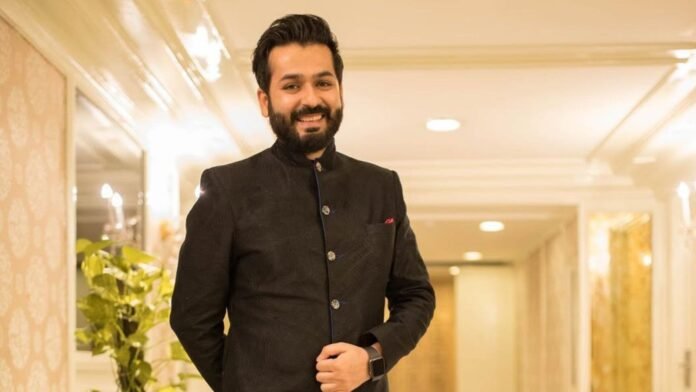
In recent years, Aditya Dhar has emerged as one of the most influential filmmakers in Bollywood, known for blending patriotism, realism, and high-octane storytelling. His journey, however, is not one of overnight success—it is a story of persistence, struggle, and eventual dominance in an industry often accused of being exclusionary.

Early Life and Background
Born on March 12, 1983, in New Delhi into a Kashmiri Pandit family, Dhar’s early life was shaped by cultural displacement and resilience. He moved to Mumbai with dreams of making it in films, but like many outsiders, faced an uphill battle. He began with small jobs—working behind the scenes, assisting on sets, and even writing lyrics for films like Kabul Express and Haal-e-Dil.

Despite talent, Dhar struggled to get his scripts accepted. Several of his early ideas reportedly failed to find producers, reflecting a broader pattern in Bollywood where newcomers without industry backing often find themselves sidelined.

Struggles and Industry Barriers

Dhar’s early years were marked by rejection. His scripts were turned down multiple times, and he remained on the fringes of the industry. Many observers have pointed to the dominance of established production houses and insider networks—often termed the “Bollywood mafia”—as a significant hurdle for independent creators like him.

Yet, Dhar persisted, continuing to refine his storytelling style rooted in realism and national narratives.

Breakthrough with Uri: The Surgical Strike

His turning point came with the 2019 film Uri: The Surgical Strike, a military drama based on real events. The film became a massive commercial and critical success, earning him a National Award and establishing his credibility as a filmmaker. It also marked his arrival as a director capable of combining patriotic themes with cinematic intensity.

The Dhurandhar Phenomenon

Dhar’s true rise to superstardom came with the Dhurandhar franchise. The first film (2025) became one of the biggest blockbusters in Indian cinema, breaking records and redefining the spy-action genre.

Its sequel, Dhurandhar: The Revenge, released on March 19, 2026, elevated his stature even further. The film, starring Ranveer Singh, emerged as a global box office juggernaut—grossing over ₹1000 crore within a week and becoming one of the highest-grossing Indian films of all time.

Known for its scale, intense storytelling, and technical finesse, the film also sparked debates for its bold themes and depiction of geopolitics. Despite criticism, its commercial success and cultural impact remain undeniable.

Rising Fame and Legacy

Today, Aditya Dhar is seen as a filmmaker who challenged the industry’s gatekeeping culture and carved his own path. His films resonate with audiences for their emotional depth, nationalist undertones, and gripping narratives.

From struggling writer to blockbuster director, Dhar’s journey reflects a larger shift in Bollywood—where content-driven cinema is increasingly breaking through traditional power structures. With Dhurandhar, he hasn’t just delivered a hit; he has arguably ushered in a new era of large-scale, story-driven Indian filmmaking.

Explained: The ‘Madman Theory’—From Nixon to Trump and Why It’s Back in Focus

0
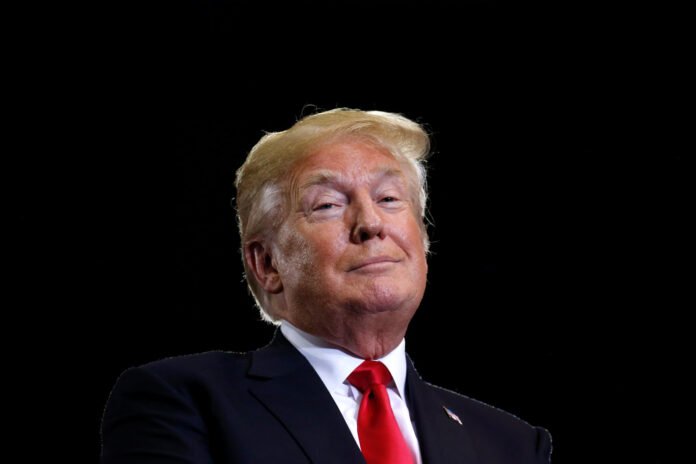
U.S. President Donald Trump holds a Make America Great Again rally at Nashville Municipal Auditorium in Nashville, Tennessee, U.S., May 29, 2018. REUTERS/Leah Millis

The “Madman Theory” is a controversial foreign policy strategy rooted in the idea that a leader can achieve strategic advantage by appearing irrational, unpredictable, or even dangerous. The goal is to make adversaries believe that the leader might take extreme or catastrophic actions, thereby pressuring them into concessions out of fear.

What is the Madman Theory?

The concept is most closely associated with former U.S. President Richard Nixon during the Cold War, particularly the Vietnam War. Nixon reportedly wanted enemies like North Vietnam and the Soviet Union to think he was volatile enough to escalate conflict dramatically—even to nuclear levels—if provoked. As described by his aides, the strategy relied on convincing opponents that he might “do anything” to win, thereby forcing them to negotiate.

At its core, the theory is not about actual irrationality but calculated unpredictability—a deliberate performance designed to create psychological pressure in diplomacy.

Why is it in the News?

The Madman Theory has returned to global headlines in 2026 amid escalating tensions between the United States and Iran. Recent reports suggest that former U.S. President Donald Trump’s rhetoric and actions during the Iran crisis—marked by extreme threats followed by sudden shifts toward negotiation—mirror this strategy.

During the conflict, Trump issued stark warnings, including threats of massive destruction, while simultaneously engaging in ceasefire talks and diplomacy. These abrupt swings between escalation and de-escalation have led analysts to interpret his approach as an attempt to project unpredictability and coercive strength.

Trump and the Madman Strategy

According to multiple analyses, Trump’s handling of the Iran crisis reflects key elements of the Madman Theory. He combined aggressive military posturing—such as preparing warships and issuing ultimatums—with sudden diplomatic overtures.

Supporters argue that such tactics can yield short-term gains by forcing adversaries to the negotiating table without prolonged conflict. Indeed, some reports suggest that intense pressure may have contributed to temporary concessions, such as easing tensions in strategic areas like the Strait of Hormuz.

However, critics highlight serious risks. The strategy depends heavily on credibility—if adversaries perceive the leader as bluffing or inconsistent, it can backfire. Analysts warn that repeated use of extreme threats may erode trust, destabilize global order, and even provoke unintended escalation.

An Analytical Perspective

The Madman Theory sits at the intersection of psychology and geopolitics. While it may offer tactical advantages in high-stakes negotiations, it also carries profound dangers. In today’s interconnected and nuclear-armed world, projecting unpredictability can create miscalculations with global consequences.

The renewed debate around Trump’s foreign policy underscores a larger question: Can strategic “madness” be a tool of statecraft, or does it ultimately undermine stability? As the Iran crisis continues to unfold, the answer remains deeply contested.

Vikramaditya Vedic Clock Installed at Kashi Vishwanath: A Fusion of Ancient Wisdom and Modern Technology

0

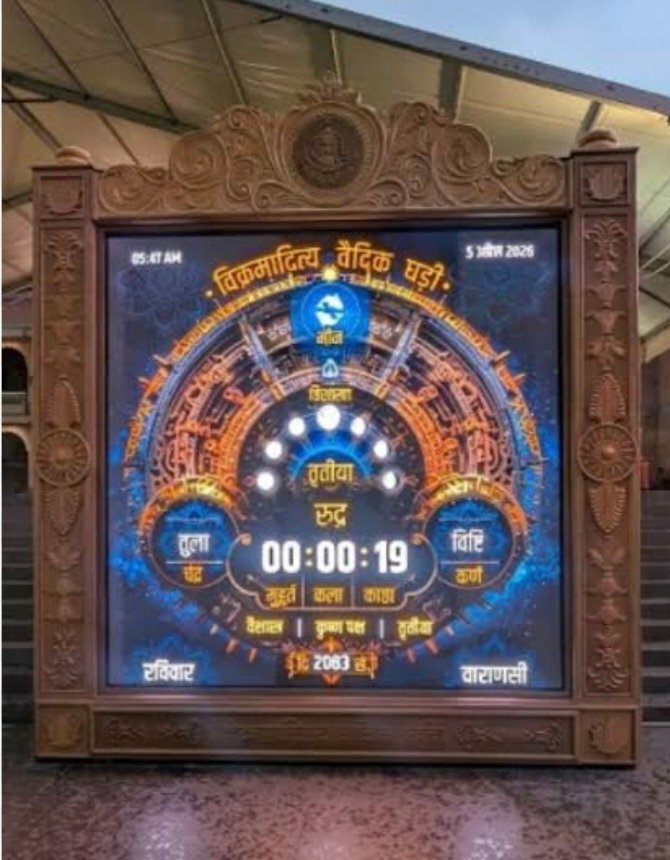
In a unique blend of tradition and innovation, the Vikramaditya Vedic Clock has been installed at the Kashi Vishwanath Temple, offering devotees a remarkable glimpse into India’s ancient system of timekeeping. Unveiled in early April 2026, the clock is being hailed as the world’s first device to display time based on the traditional Vedic Panchang rather than the modern 24-hour Gregorian system.

Weighing around 700 kilograms, the clock was gifted by Madhya Pradesh Chief Minister Mohan Yadav and installed in the presence of Uttar Pradesh Chief Minister Yogi Adityanath. Its installation marks a cultural milestone aimed at reviving India’s ancient “kaal ganana” (time-reckoning) traditions while integrating them with contemporary digital technology.

What sets the Vikramaditya Vedic Clock apart is its fundamentally different concept of time. Unlike conventional clocks that begin the day at midnight, this system starts at sunrise and divides the day into 30 muhurtas, each lasting approximately 48 minutes. Sunset typically occurs around the 15th muhurta, reflecting the natural rhythm of the solar cycle.

Beyond simply telling time, the clock serves as a comprehensive astronomical and cultural instrument. It displays key elements of the Hindu calendar such as tithi (lunar day), nakshatra (constellation), planetary positions, moon phases, eclipses, and other Panchang details. At the same time, it also shows Indian Standard Time (IST) and Greenwich Mean Time (GMT), making it both traditional and globally relevant.

An important feature of the clock is its use of Local Mean Time (LMT), which is calculated based on the position of the sun at a specific location. This makes it more precise for local conditions compared to standardized time systems. According to experts involved in the project, Vedic time calculations may even offer improved accuracy in certain predictive and astronomical contexts.

Developed with inputs from institutions like the Maharaja Vikramaditya Research Centre in Ujjain, the clock is not just a technological innovation but also a cultural revival. It transforms the temple परिसर into a living showcase of India’s scientific heritage, allowing visitors to experience time as it was understood in ancient India.

The installation has quickly become a major attraction for pilgrims and tourists alike. More importantly, it reflects a broader effort to reconnect modern society with traditional knowledge systems—demonstrating how ancient science and contemporary technology can coexist and enrich one another.

The Vikramaditya Vedic Clock thus stands as a symbol of India’s timeless legacy—where spirituality, astronomy, and innovation come together in harmony.

Vantara University Launched: India’s Bold Leap in Global Wildlife Conservation Education

0

In a landmark development for environmental education and conservation, Vantara University has been launched in Jamnagar, Gujarat, as the world’s first integrated global university dedicated exclusively to wildlife conservation and veterinary sciences. The initiative, announced on April 10, 2026, is part of the broader Vantara project spearheaded by Anant Ambani under the aegis of Reliance Industries.

The university represents a pioneering effort to combine academic learning with real-world conservation practices. Rooted in the philosophy of animal welfare and ecological sustainability, it aims to create a new generation of professionals trained in veterinary medicine, biodiversity conservation, and wildlife management.

Located within the expansive Vantara conservation ecosystem in Jamnagar, the university will draw upon one of the world’s largest wildlife rescue and rehabilitation centres, which houses over 150,000 animals across more than 2,000 species. This unique setting enables a “learning by doing” approach, integrating classroom education with hands-on experience in animal care, rescue operations, and habitat restoration.

What sets Vantara University apart is its integrated academic model. The institution is designed to bridge the gap between theoretical knowledge and field-based conservation by transforming practical expertise into structured academic programmes, professional training, and global research frameworks. Its curriculum is expected to be interdisciplinary, combining modern scientific research with India’s traditional ecological knowledge systems to create a purpose-driven and globally relevant education model.

Beyond academics, the university aspires to position India as a global hub for wildlife conservation education. It aims to foster international collaboration, innovation, and leadership in addressing pressing environmental challenges such as biodiversity loss, habitat degradation, and climate change.

The launch of Vantara University marks more than just the establishment of a new institution—it signals a transformative vision for conservation-led education. By aligning science, compassion, and sustainability, it seeks to redefine how the world prepares future custodians of nature.

As global environmental concerns intensify, initiatives like Vantara University highlight India’s growing role in shaping solutions that are both locally rooted and globally impactful.