Home Blog Page 657

Eid al-Adha: Inspiring Wishes, Quotes, Status, Captions, Greetings, SMS, and More

0
Eid al-Adha 2023: Inspiring Wishes, Quotes, Status, Captions, Greetings, SMS, and More

Eid al-Adha, also known as the Festival of Sacrifice, is a significant religious celebration observed by Muslims worldwide. It is a time of joy, gratitude, and togetherness. As the auspicious occasion of Eid al-Adha approaches, it is essential to express heartfelt wishes and greetings to family, friends, and loved ones. This article presents a collection of inspiring Eid al-Adha wishes, quotes, status updates, captions, greetings, and SMS that you can use to convey your warmest regards during this festive time.

Eid al-Adha Wishes:

  1. May the divine blessings of Eid al-Adha fill your life with happiness, peace, and prosperity. Eid Mubarak!
  2. Wishing you and your family a joyous Eid filled with love, unity, and countless blessings. Eid Mubarak!
  3. May the spirit of sacrifice and devotion inspire you to achieve greater heights. Have a blessed Eid al-Adha!
  4. May Allah’s mercy and blessings be with you today and always. Eid Mubarak to you and your loved ones.
  5. As you offer your prayers and sacrifices, may your faith be strengthened and your heart filled with gratitude. Eid Mubarak!

Eid al-Adha Quotes:

  1. “Do not let your sacrifices go in vain; let them ignite the flame of compassion and kindness in the world.” – Unknown
  2. “Eid al-Adha teaches us the essence of sacrifice, selflessness, and unwavering faith in the Almighty.” – Unknown
  3. “The beauty of Eid al-Adha lies in the unity and togetherness it brings to our hearts and homes.” – Unknown
  4. “The true meaning of Eid al-Adha is found in the joy of giving, sharing, and caring for one another.” – Unknown
  5. “Eid al-Adha reminds us that true happiness lies in sacrificing our ego and embracing the needs of others.” – Unknown

Eid al-Adha Status and Captions:

  1. Celebrating Eid al-Adha with gratitude and love. Eid Mubarak to all!
  2. Embracing the spirit of sacrifice and sharing on this blessed occasion of Eid al-Adha.
  3. Rejoicing in the blessings of Eid al-Adha and cherishing moments with family and friends.
  4. May the joys of Eid al-Adha illuminate our lives and bring us closer to Allah’s divine grace.
  5. Eid al-Adha: A time for reflection, gratitude, and renewed faith. Wishing everyone a blissful celebration!

Eid al-Adha Greetings:

  1. Sending warm wishes and heartfelt greetings on the occasion of Eid al-Adha. May this day bring you immense joy and happiness!
  2. May the blessings of Eid al-Adha fill your home with peace, prosperity, and harmony. Eid Mubarak!
  3. Hoping that the divine blessings of Eid al-Adha bring you and your family endless moments of joy and togetherness. Eid Mubarak!
  4. May this Eid al-Adha be a time of celebration, reflection, and blessings. Wishing you a memorable and happy Eid!
  5. On this special day, may Allah’s love and mercy surround you, and may your life be filled with happiness and success. Eid Mubarak!

Eid al-Adha SMS:

  1. May the choicest blessings of Allah fill your life with happiness, peace, and prosperity. Eid Mubarak!
  2. As we celebrate Eid al-Adha, may your faith be strengthened, and your heart be filled with love and contentment. Eid Mubarak to you and your family!
  3. Sending you warm Eid greetings. May this auspicious occasion bring you closer to your family and friends. Eid Mubarak!
  4. On this day of sacrifice, may you find joy in giving and peace in the blessings of Eid al-Adha. Eid Mubarak!
  5. May the spirit of Eid al-Adha fill your days with laughter, your heart with love, and your home with happiness. Eid Mubarak!

The Joyful Sighting: Eid-ul-Adha 2023 Moon Sighting in India

0

Eid-ul-Adha, the Festival of Sacrifice, holds great significance in the Islamic calendar. Muslims around the world eagerly await the sighting of the crescent moon, which marks the beginning of this sacred occasion. In India, the joyous news of the moon sighting for Eid-ul-Adha 2023 has been announced, setting the stage for a festive celebration filled with prayers, acts of charity, and community bonding.

The Moon Sighting: Dedicated moon-sighting committees and religious authorities across various regions of India worked tirelessly to locate the slender crescent moon, which signifies the start of the Islamic month of Dhul-Hijjah. After careful observation and consultation, the sighting was confirmed, and the news was shared with delight. Muslims across the country rejoiced, knowing that Eid-ul-Adha was just around the corner.

Preparations and Excitement: With the moon sighting confirmed, the atmosphere in Indian Muslim communities became charged with anticipation. Families began their preparations for Eid-ul-Adha, making arrangements for special prayers and planning the traditional sacrifice of animals. Local markets bustled with activity as people shopped for new clothes and delicious treats to share with loved ones and the less fortunate.

Eid-ul-Adha Rituals: On the day of Eid-ul-Adha, Muslims gather in mosques and open prayer grounds to offer the special Eid prayer. The community comes together, adorned in their finest attire, to seek divine blessings and express gratitude for the blessings bestowed upon them. The sermon delivered during the prayer reminds everyone of the spirit of sacrifice and encourages acts of compassion and charity.

The Act of Sacrifice: One of the central rituals of Eid-ul-Adha is the sacrifice of an animal, usually a goat, sheep, cow, or camel. Muslims symbolically follow the example of Prophet Ibrahim (Abraham), who willingly obeyed God’s command to sacrifice his beloved son. The meat from the sacrificed animal is divided into three parts: one for the family, one for friends and neighbors, and one for the less fortunate in the community.

Acts of Charity and Giving Back: Eid-ul-Adha is a time of sharing and caring for others. Muslims are encouraged to engage in acts of charity, visiting the needy, and extending a helping hand to those less fortunate. In India, numerous charitable organizations and community groups actively organize distributions of food, clothes, and other essentials to ensure that everyone can partake in the joyous celebrations.

Lord Jagannath’s Rathyatra to be taken out in Jaipur on June 20

0

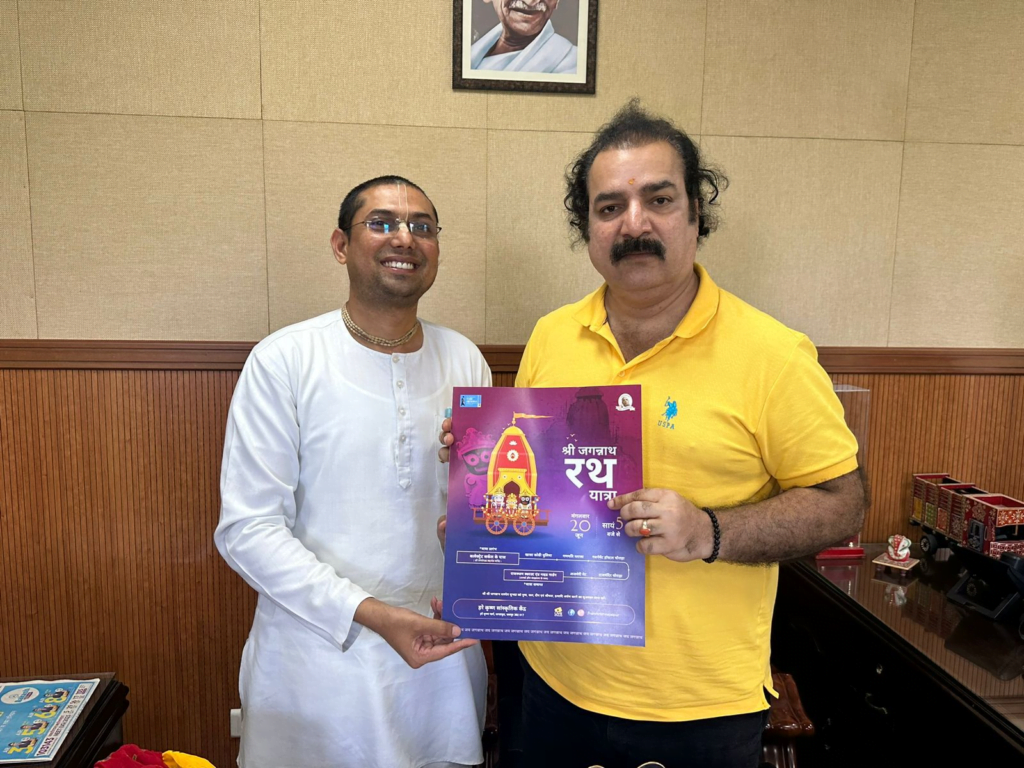
A grand Rath Yatra of Lord Jagannath will be taken on June 20 in Jaipur at 5 pm on the same date on which the Rath Yatra of Lord Jagannath will be taken out in Jagannath Puri.

Cabinet Minister Mahesh Joshi launched the poster of the programme of this visit. Under the aegis of Shri Krishna-Balram Mandir, Jagatpura, Lord Jagannath’s Rath Yatra will be taken out from Jangleshwar Mahadev Temple near Collectorate Circle to Albert Hall on June 20. 

Earlier, this yatra used to start every year from Radha-Damodar temple located on Chaura Rasta. This time Lord Jagannath’s Rath Yatra starts from Mangleshwar Mahadev Temple (near Bharat Petrol Pump) on MI Road, pass under Khasa Kothi Pulia, and Ganapati Plaza, Government Hostel Square, Raj Mandir Square, Ajmeri Gate and Rajasthan Scouts to end at the Guides Garden.

Rath Yatra will be inaugurated by state ministers including Mahesh Joshi, Pratap Singh Khachariawas, Municipal Corporation Heritage Munesh Gurjar, Amitasana Das (President, Hare Krishna Movement, Jaipur) and Anantshesh Das (Vice President, Hare Krishna Movement).

Lord Jagannath's Rathyatra to be taken out in Jaipur on June 20

A hydraulic system has been installed in the chariot made in Ahmedabad to protect it from electric wires. With this the height of the chariot can be adjusted. The gopuram of the chariot will be installed in Jaipur which will be decorated with colorful flowers and lights. At the forefront of the rath yatra will be camels, horses, bands and lights decorated in Rajasthani style with drums and drums. Religious rituals will be performed before the Rath Yatra starts. The Sankirtan group will have Kartal, Mridanga, Harmonium instruments.

Temple President Amitasana Das said that a grand Rath Yatra of Lord Jagannath will be held in Jagannath Puri on June 20, on the same day, Lord Jagannath’s Rath Yatra will be taken out in the pink city of Jaipur at 5 pm. The length of the chariot will be 30 feet, and width will be 10 feet and the rope will be of 108 feet. The color of this chariot will be yellow and red like the chariot of Jagannath Puri. Following this tradition of Jagannath Puri, a grand Rath Yatra Festival is being celebrated by the devotees of Shri Krishna Balaram Temple, Jagatpura, which will give devotees an opportunity to pull the chariot, participate in kirtan and seek the blessings of the Lord.

Discover the Enchanting ‘Land of the Rising Sun’ in India’s Northeast

0

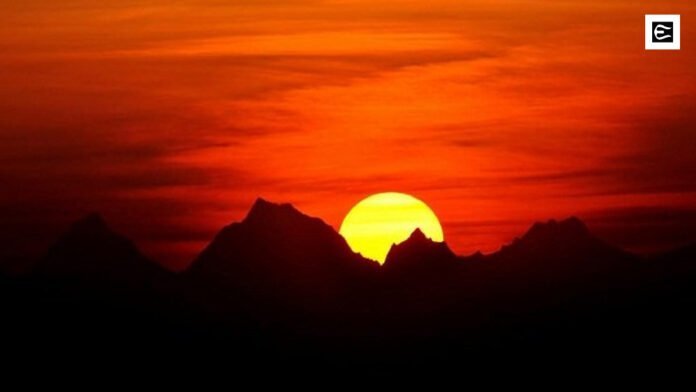
In the northeastern corner of India lies a land steeped in mystique and allure. Often referred to as the “Land of the Rising Sun,” the Northeast region is a treasure trove of natural beauty, diverse cultures, and untapped potential. This enchanting part of India has long remained unexplored, but now, it is gradually gaining recognition as a must-visit destination for travelers seeking unique experiences.

Captivating Landscapes and Breathtaking Beauty:

The Northeast region boasts an unparalleled tapestry of landscapes that are nothing short of awe-inspiring. From the majestic peaks of the Himalayas to the lush green valleys, cascading waterfalls, and serene tea gardens, the region’s natural beauty is captivating. The picturesque hills of Meghalaya, the pristine lakes of Manipur, and the dense forests of Arunachal Pradesh are just a few examples of the breathtaking vistas that await adventurers and nature enthusiasts.

Vibrant Cultures and Traditions:

One of the defining features of the Northeast region is its rich cultural heritage. It is home to a mosaic of diverse indigenous communities, each with its distinct traditions, customs, and festivals. From the vibrant dances of Nagaland’s tribes during the Hornbill Festival to the rhythmic Bihu celebrations in Assam, the region’s cultural tapestry is a kaleidoscope of colors and emotions. Exploring the Northeast offers a unique opportunity to witness age-old rituals, traditional attire, and indulge in the flavorsome cuisines passed down through generations.

Untapped Potential and Promising Future:

While the Northeast region’s natural and cultural wonders have long been hidden gems, efforts are underway to unlock their true potential. The Indian government, recognizing the region’s significance, has been investing in infrastructure development, connectivity, and tourism promotion. This has led to improved accessibility, better road networks, and increased interest from both domestic and international travelers. The rise of eco-tourism and adventure tourism in the region has further propelled its growth, offering opportunities for sustainable development and livelihood enhancement for the local communities.

The start cast of the movie “Chak De! India”

0

The start cast of the movie “Chak De! India” includes some talented actors who brought their characters to life with remarkable performances. Here are the key members of the cast:

  1. Shah Rukh Khan as Kabir Khan: Shah Rukh Khan, also known as the “King of Bollywood,” portrayed the lead role of Kabir Khan, a former Indian men’s hockey team player who becomes the coach of the Indian women’s hockey team.
  2. Vidya Malvade as Vidya Sharma: Vidya Malvade played the role of Vidya Sharma, one of the team members of the Indian women’s hockey team. She portrays a determined and skilled player who contributes to the team’s journey.
  3. Shilpa Shukla as Bindiya Naik: Shilpa Shukla portrayed the character of Bindiya Naik, a rebellious and feisty player in the team. Her powerful performance as Bindiya earned her critical acclaim.
  4. Tanya Abrol as Balbir Kaur: Tanya Abrol played the role of Balbir Kaur, a talented and dedicated player in the team. Her portrayal of Balbir added depth and authenticity to the film.
  5. Arya Menon as Gul Iqbal: Arya Menon portrayed the character of Gul Iqbal, another team member who brings her own unique skills and personality to the team.
  6. Chitrashi Rawat as Komal Chautala: Chitrashi Rawat played the role of Komal Chautala, a small but powerful player in the team. Her spirited performance earned her praise from both critics and audiences.
  7. Anaitha Nair as Aliya Bose: Anaitha Nair portrayed the character of Aliya Bose, a player who faces personal challenges but finds strength within the team.
  8. Kimi Laldawla as Mary Ralte: Kimi Laldawla played the role of Mary Ralte, a member of the team who brings her own unique skills to the game.

The combined performances of these talented actors contributed to the success of “Chak De! India,” making it a memorable and impactful film.

Please note that the cast list may not include every actor or character from the movie.

Rajiv Gandhi Olympic Khel 2023: Uniting Urban and Rural Communities through Sports Excellence

0

The anticipation for the inaugural Rajiv Gandhi Urban Olympic Games and the second edition of the Rural Olympic Games is reaching new heights as Rajasthan’s Sports Minister, Ashok Chandna, announced the commencement of these prestigious events. With the web portal for player registrations now operational, athletes and sports enthusiasts from all walks of life can gear up to participate in these exhilarating competitions. The Games, set to begin on June 23, align with International Olympic Day, and will conclude on International Sports Day, August 26. With a budget of Rs 130 crore allocated for both events, Rajasthan is poised to create a vibrant sports culture and witness greater participation than ever before.

Urban and Rural Games:

The Rajiv Gandhi Olympic Khel 2023 encompasses two distinct segments: the Urban Olympic Games and the Rural Olympic Games. The Urban Games will be organized at three levels, bringing together athletes from urban areas to compete in a variety of sports disciplines. On the other hand, the Rural Games will be organized at four levels, allowing participants from rural communities to showcase their skills and talent. The inclusion of both urban and rural segments highlights the commitment to inclusivity and ensures that athletes from all backgrounds have a chance to participate and excel.

Boosting Participation and State Support:

The previous edition of the Rural Olympics witnessed an impressive participation of around 30 lakh individuals across different age groups. This year, the Rajasthan Sports Minister is optimistic about surpassing that number. The state government’s support has been instrumental in nurturing sporting talent, evident from Rajasthan’s commendable performance at the Khelo India Youth Games 2023, where the state secured 48 medals and finished fourth overall. The allocation of a significantly higher budget, reaching Rs 130 crore, underlines the government’s dedication to fostering a thriving sports culture and encouraging athletes to reach their full potential.

Expanding Opportunities and Games:

The Rajiv Gandhi Olympic Khel 2023 offers a diverse range of sporting events for athletes of all age groups. Competitors will showcase their skills and determination in seven different games, both in the Urban and Rural Games categories. This inclusive approach not only allows athletes to compete in their preferred sports but also provides a platform for emerging talent to shine. The Games serve as a breeding ground for future champions, inspiring them to pursue excellence and represent Rajasthan on national and international platforms.

Reopening Registrations and Urban Olympics:

The registration process for the Urban Olympics, which was originally scheduled for January 26, had to be postponed. However, the Sports Minister assures participants that the registration portal will reopen soon, allowing the 9.50 lakh individuals who had previously registered to be included. The enthusiasm and interest generated by the Urban Olympics demonstrate the growing passion for sports in urban areas, and reopening the registration process will further encourage individuals to showcase their skills and compete in this grand event.

Building a Sports Culture:

The Rajiv Gandhi Olympic Khel 2023 holds immense significance in building a strong sports culture within Rajasthan. By providing a platform for athletes across the state to compete and excel, these Games instill values of discipline, perseverance, and teamwork. Through increased participation and support from the government, Rajasthan aims to create a sporting ecosystem that nurtures talent and paves the way for future sporting achievements.

The Rajiv Gandhi Olympic Khel 2023 represents a watershed moment in Rajasthan’s sporting landscape. By blending the Urban and Rural Games, the event promotes inclusivity, encourages participation from all sections of society, and creates opportunities for athletes to showcase their abilities. With a substantial budget, an expected surge in participation, and the reopening of registrations for the Urban Olympics, Rajasthan is poised to make a resounding statement in the realm of sports. The Games will not only celebrate athletic excellence but also contribute to the development of a vibrant sports culture, inspiring generations to embrace the values of sportsmanship, dedication, and resilience.

Know more about “Modi Ji Thali”: a culinary indulgence

0
Photo credit: ANI

Food is one of the greatest ways of creating a connection. We all are aware of how unique India is in the name of luring customers. Whether it’s a pizza named after Katrina Kaif or Dosa named after Deepika Padukone . Indians use a special way of attracting customers to their place.

Therefore, a restaurant in New Jersey has named their thali “Modi Ji Thali”.

According to the reports, Prime Minister Narendra Modi will be visiting the United States for a State visit. Thus, United States president Joe Biden and First Lady Jill Biden will host our Prime Minister at the state Dinner on June 22nd. The official menu had one element that caught a lot of attention.

Therefore, to honor our Prime Minister, a New Jersey’s Restaurant had curated a dish which is named “Modi Ji Thali”, this thali will include all those foods that the Prime Minister enjoys. Thus, the chef who curated this Thali is Shripad Kulkarni.

Adipurush box office collection day 1: The film has grossed the highest in Hindi speaking states

0

The film Adipurush has made an opening of Rs 85-90 crores on its first day. Although these are still estimated figures of the film, which is without the night show. The film Adipurush has earned Rs 45 crore in Hindi alone. The film has grossed the highest in Hindi speaking states

India ranks ahead in the global rate of digital transactions

0

Digital payments have been one of the essentials in today’s life. On average most people use digital platforms for their payments in India. Thus, India has topped its digital payment ranking. India has been a noteworthy performance, where the citizens have gradually accepted the online transaction mode.

According to the reports of MyGovIndia, India has been dominating other countries in the widespread use of digital transaction mode. India has been topped by other countries where the value and volume of these transactions have surpassed other countries.

India globally has been on the highest chart with 89.5 million digital transactions. During the period of review In 2022, he accounted for an astounding 46 percent of real-time payments made globally, surpassing the sum of digital payments made by the following four biggest nations.

Bedia Community Culture: A Journey of Art, Survival, and Challenges

0

The Bedia community, formerly known as a denotified nomadic tribe, holds a rich cultural heritage in central India. Historically, they engaged in singing and dancing, captivating the kings and landowners of ancient India. Their traditional folk dances served as a means of survival for the community. However, the Bedia community faced challenges throughout history, including exploitation during the Mughal and British periods. Today, they continue to struggle with poverty, discrimination, and social stigma. This article delves into the cultural and socio-economic aspects of the Bedia community, shedding light on their traditions, challenges, and aspirations.

Nomadic Roots and Artistic Performances:

The Bedia community’s nomadic nature allowed them to traverse the vast expanse of northern and central India, showcasing their artistic performances. They were invited by wealthy families and communities to perform during special occasions. Their exceptional talent in singing, dancing, and playing musical instruments earned them recognition and patronage from kings and landowners. However, the decline of the royal era, coupled with emerging forms of entertainment like cinema and television, led to a decline in demand for their traditional performances. Consequently, the Bedia community, along with other similar communities, faced neglect and marginalization.

From Notified Tribes to Criminal Tribes:

During the British colonial era, the Bedia community, along with other tribes like Bachada, Kanjar, Koltas, Nat, and Sansi, played a significant role in the 1857 sepoy mutiny against the British crown. In response, the British authorities labeled these communities as “Notified Tribes and Criminal Tribes.” This categorization subjected them to repression, denying them access to essential resources and livelihoods. The consequences of these policies persisted throughout the British period, leaving the Bedias landless and jobless.

Challenges and the Pursuit of Livelihood:

The Bedia community faced significant challenges in the post-independence era. Despite being included in the Scheduled Caste category under the Indian Constitution, they struggled to benefit from the state’s provisions. Poverty, insecurity, and prostitution became prevalent within the community. Many Bedia individuals resorted to sex work as a means of survival. Geographically scattered across Madhya Pradesh, Rajasthan, and Uttar Pradesh, the Bedia population remains numerically inconsequential. The community’s high-density regions include districts such as Guna, Gwalior, Morena, Rajgarh, Sagar, Shajapur, Sheopur, Shivpuri, and Vidisha.

Socio-economic Conditions and Education:

The Bedia community faces socio-economic disparities, with a high percentage of illiteracy leading to unemployment and poverty. Income sources among Bedias vary and are often unstable. However, some prostitutes receive gifts, including land, from their clients, enabling certain families to improve their standard of living. Despite these improvements, the community still grapples with poverty and lack of access to opportunities. Educational opportunities are limited, with a higher percentage of illiterate individuals in the community. Efforts are being made by some Bedia women to provide proper education to their children, especially sons, but various challenges, including social isolation and discrimination, hinder progress.

Family Structure and Marriage:

The Bedia community has extended families, spanning three or four generations, primarily due to the occupational requirements of their traditional profession. Women within the community fall into three categories: sisters or daughters who enter prostitution, wives of Bedia men who do not engage in sex work, and retired sex workers who continue to participate in family matters. Children are also categorized based on their parentage. The Bedia men’s children with their wives are considered legitimate within the community, while children born to Bedia women outside of marriage are often stigmatized. This gender-based discrimination reflects the patriarchal norms prevalent within the community.

Efforts for Empowerment and Social Change:

Despite the challenges they face, the Bedia community is not passive in the face of adversity. Several organizations and NGOs are working towards their upliftment, focusing on education, skill development, and alternative livelihood options. These initiatives aim to break the cycle of poverty and provide opportunities for social mobility. Vocational training programs, financial literacy campaigns, and awareness workshops are being conducted to empower Bedia individuals, especially women, and offer them a chance to explore alternative professions.

Preserving Cultural Identity and Artistic Traditions:

The Bedia community takes immense pride in their cultural heritage and strives to preserve their artistic traditions. Folk dances, such as the “rai” dance, continue to be performed at various cultural events, festivals, and weddings. Efforts are being made to document and promote Bedia folk songs and musical instruments, ensuring their legacy is not forgotten. Cultural festivals and platforms have emerged to showcase Bedia art forms and create awareness about their rich heritage.

Combating Stigma and Discrimination:

The Bedia community faces deep-rooted stigma and discrimination due to the association of some members with sex work. Society’s prejudices often result in their social exclusion and limited opportunities. Addressing these issues requires comprehensive societal interventions, including sensitization programs, legal protection against discrimination, and economic empowerment. By challenging stereotypes and promoting inclusivity, it is possible to create a more equitable environment for the Bedia community.

The Bedia community’s cultural heritage, deeply rooted in artistic performances, reflects their resilience and ability to adapt throughout history. Despite facing numerous challenges, including historic repression, poverty, and discrimination, the Bedia community strives to preserve their cultural identity. Efforts are underway to address the socio-economic disparities and empower community members through education, skill development, and alternative livelihood options. By promoting inclusivity, challenging stigma, and recognizing their rich cultural contributions, society can support the Bedia community in their journey towards a more dignified and prosperous future.

.