Home Blog Page 6

CM Bhajanlal Sharma Addresses Women at ‘Nari Shakti Vandan Adhiniyam’ Awareness Programme

0

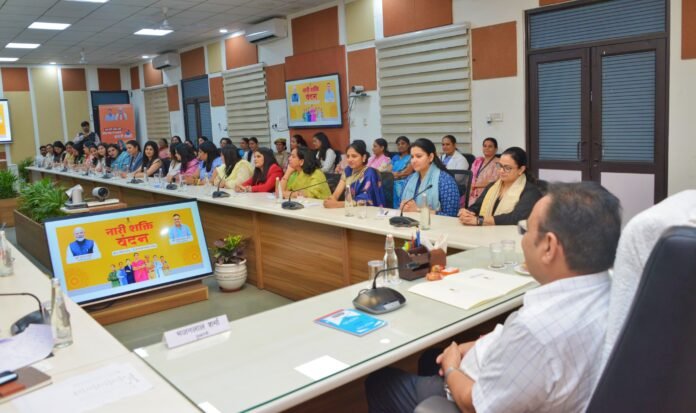
Rajasthan Chief Minister Bhajanlal Sharma addressed women from diverse backgrounds at a special programme organized under the ‘Nari Shakti Vandan Adhiniyam’ awareness campaign at the Chief Minister’s residence. The interaction brought together women from various sections of society, creating a platform for dialogue on empowerment, participation, and leadership.

During the session, the Chief Minister highlighted the importance of recognising women as equal partners in nation-building. He lauded their contributions across sectors and emphasized that empowering women politically is key to achieving inclusive and balanced development. The event witnessed active participation, with women engaging in discussions and sharing their perspectives.

At the centre of the interaction was the Nari Shakti Vandan Adhiniyam, a landmark legislation passed by the Parliament during the tenure of PM Narendra Modi. The Act proposes 33% reservation for women in the Lok Sabha and State Legislative Assemblies, aiming to significantly enhance their representation in lawmaking bodies.

The Chief Minister described the law as a visionary and transformative reform, designed to bridge the long-standing gender gap in politics. He noted that while women have excelled in various fields, their presence in legislative institutions has remained limited, making such a provision both necessary and timely.

The legislation, however, is structured for long-term implementation. Its provisions will come into effect after the next delimitation exercise, which will be carried out following a future census. This ensures a systematic and structured rollout of the reservation policy.

Explaining the need for the Act, Sharma underlined that greater representation of women will lead to more inclusive policymaking, bringing diverse perspectives into governance. He encouraged women to step forward, participate actively in public life, and take up leadership roles.

The Nari Shakti Vandan Adhiniyam is widely seen as a significant step toward strengthening democratic values by ensuring that women have a stronger voice in shaping the nation’s future. The programme at the Chief Minister’s residence reflected this vision, combining awareness with inspiration.

As the dialogue concluded, the message was clear—empowering women politically is not just a reform, but a necessary step toward building a more equitable and progressive society.
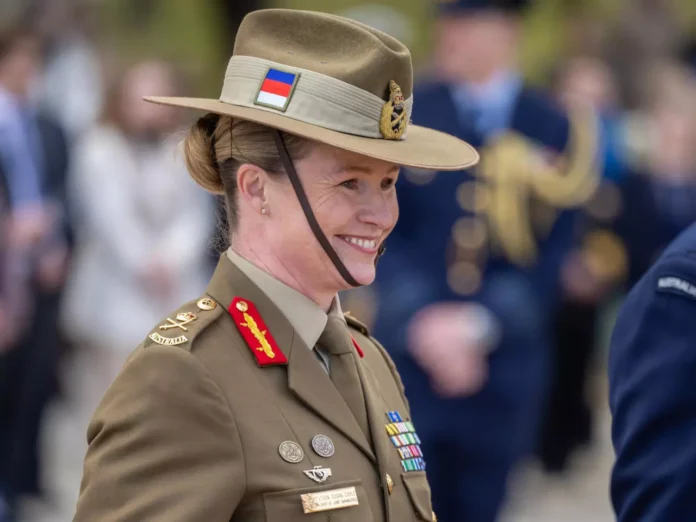
First Female Army Chief: Lt. Gen Susan Coyle’s Appointment Marks Turning Point for Australia

0

In a historic move for gender representation in the armed forces, Susan Coyle has been appointed as the first female Chief of the Australian Army. Announced in April 2026, her appointment marks a defining moment not only for Australia’s military but also for women in defense leadership worldwide. She is set to formally assume command in July 2026.

With this appointment, Lt Gen Coyle becomes the first woman to lead any service branch within the Australian Defence Force, breaking a long-standing barrier in the country’s military history. She will succeed Simon Stuart, as part of a broader reshuffle of senior military leadership.

Coyle’s journey in the armed forces began in 1987, when she joined the Australian Army Reserves. Over the decades, she has built an extensive and diverse career, gaining expertise in areas such as cyber warfare, joint military operations, and strategic planning. Prior to her new role, she served as Chief of Joint Capabilities, where she oversaw critical aspects of defense coordination and modernization.

Academically accomplished, Coyle is a graduate of the prestigious U.S. Army War College and holds three master’s degrees, reflecting her strong foundation in both military strategy and leadership. Her career trajectory exemplifies a blend of operational experience and intellectual rigor—qualities essential for leading a modern, technologically evolving army.

Her appointment is widely seen as a milestone for gender equality in defense institutions, traditionally dominated by men. It signals a shift toward more inclusive leadership and highlights the growing recognition of women’s contributions in high-ranking military roles. Analysts believe her leadership could inspire more women to pursue careers in the armed forces, not just in Australia but globally.

Beyond symbolism, Coyle is expected to bring a forward-looking approach to the Australian Army, particularly in areas like cyber capabilities, integrated defense systems, and joint operations. Her experience positions her well to navigate emerging security challenges in an increasingly complex geopolitical environment.

The appointment of Lt Gen Susan Coyle is more than a personal achievement—it is a reflection of changing times. As Australia prepares for this leadership transition, her rise stands as a powerful testament to progress, capability, and the breaking of institutional barriers.

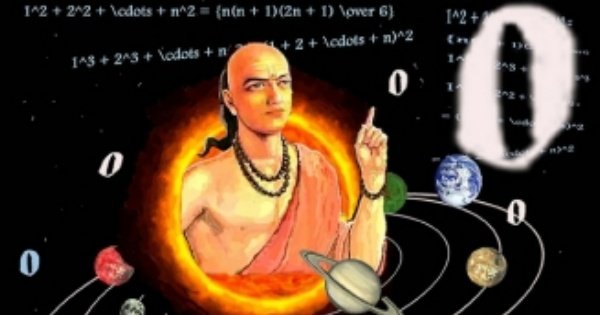
Aryabhata Jayanti: Celebrating India’s Ancient Genius of Mathematics and Astronomy

0

Aryabhata Jayanti is observed on April 14 each year to commemorate the birth anniversary of Aryabhata, one of the greatest scientific minds of ancient India. Born in 476 CE, Aryabhata made pioneering contributions to mathematics and astronomy that continue to influence modern science even today.

The day is celebrated to honour his intellectual brilliance and to inspire curiosity and innovation in the fields of science and mathematics. Aryabhata Jayanti serves as a reminder of India’s rich scientific heritage and its early advancements in understanding the universe.

Aryabhata’s most renowned work, the Aryabhatiya, was written when he was just 23 years old. This remarkable text covers arithmetic, algebra, trigonometry, and astronomical calculations. In it, he presented revolutionary ideas that were far ahead of his time. He provided a highly accurate approximation of the value of pi (π) and contributed significantly to the development of the place value system, which later evolved into the concept of zero.

In astronomy, Aryabhata challenged prevailing beliefs with groundbreaking insights. He correctly stated that the Earth is spherical and rotates on its axis, explaining the occurrence of day and night. He also offered scientific explanations for solar and lunar eclipses, rejecting mythological interpretations. Additionally, he proposed that celestial bodies shine due to reflected sunlight—an idea that demonstrated his deep understanding of cosmic phenomena.

Aryabhata’s legacy extends far beyond his lifetime. His work influenced later scholars such as Brahmagupta and Bhaskara I, shaping the course of mathematical and astronomical studies in India. In recognition of his contributions, the Indian Space Research Organisation named its first satellite, Aryabhata satellite, after him in 1975.

Aryabhata Jayanti is marked by educational events, seminars, and competitions across schools, colleges, and scientific institutions. Students and scholars participate in discussions, exhibitions, and activities that celebrate scientific thinking and innovation. These events not only honour Aryabhata’s achievements but also encourage the younger generation to pursue knowledge and research.

More than just a commemoration, Aryabhata Jayanti is a celebration of India’s enduring scientific spirit. It highlights how a thinker from over 1,500 years ago laid the foundation for discoveries that still resonate in the modern world, making Aryabhata a timeless icon of knowledge and inquiry.

Baisakhi 2026: Celebrating Harvest, Faith, and the Spirit of Punjab

0

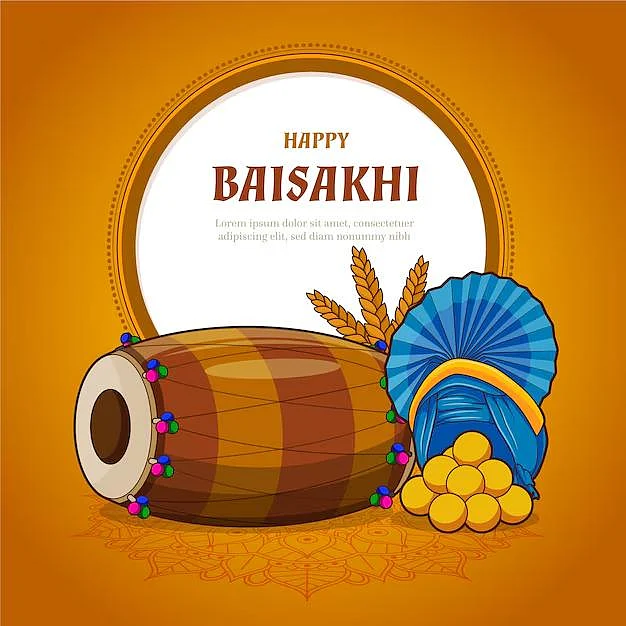
Baisakhi, also known as Vaisakhi, is one of India’s most vibrant and culturally rich festivals, celebrated annually in mid-April. In 2026, Baisakhi falls on April 14, marking the arrival of the harvest season and the beginning of a new solar year in parts of India.

Primarily observed in Punjab and northern India, Baisakhi is both an agricultural festival and a religious occasion, especially for the Sikh community. It celebrates the harvesting of rabi crops, symbolizing prosperity, gratitude, and new beginnings for farmers.

The Story and Historical Significance

The festival holds deep historical importance in Sikhism. On this day in 1699, Guru Gobind Singh founded the Khalsa Panth, a spiritual and martial community dedicated to equality, courage, and justice. This event transformed Sikh identity and is remembered as a defining moment in history.

Baisakhi is also linked to a significant chapter in India’s freedom struggle—the Jallianwala Bagh massacre, which took place on this day in 1919, making it a day of both celebration and remembrance.

Where and How It Is Celebrated

Baisakhi is celebrated with great enthusiasm in Punjab, Haryana, and other parts of North India, as well as by Sikh communities worldwide.

The celebrations begin with visits to gurdwaras, where devotees participate in prayers, kirtans, and community meals known as langar. Processions called Nagar Kirtans are organized, featuring devotional singing and displays of martial arts.

Outside religious spaces, the festival is marked by lively fairs, traditional music, and energetic folk dances like bhangra and giddha. People dress in colorful attire, prepare festive foods, and come together in a spirit of joy and unity.

A Festival of Unity and Gratitude

Beyond its rituals, Baisakhi symbolizes gratitude for nature’s bounty, social harmony, and spiritual renewal. For farmers, it is a reward for months of hard work; for Sikhs, it is a celebration of identity and faith; and for many others, it marks the beginning of a new year and fresh hopes.

Baisakhi is not just a festival—it is a powerful blend of history, faith, and culture that continues to bring people together in celebration across India and beyond.

Ambedkar Jayanti 2026: A Tribute to the Father of the Indian Constitution

0

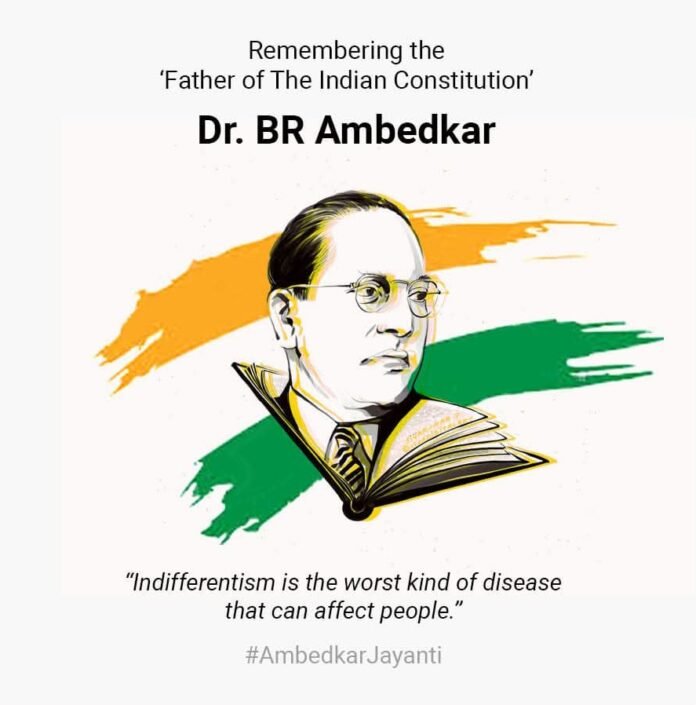
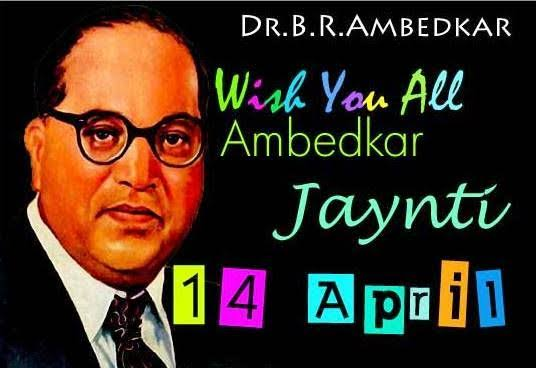
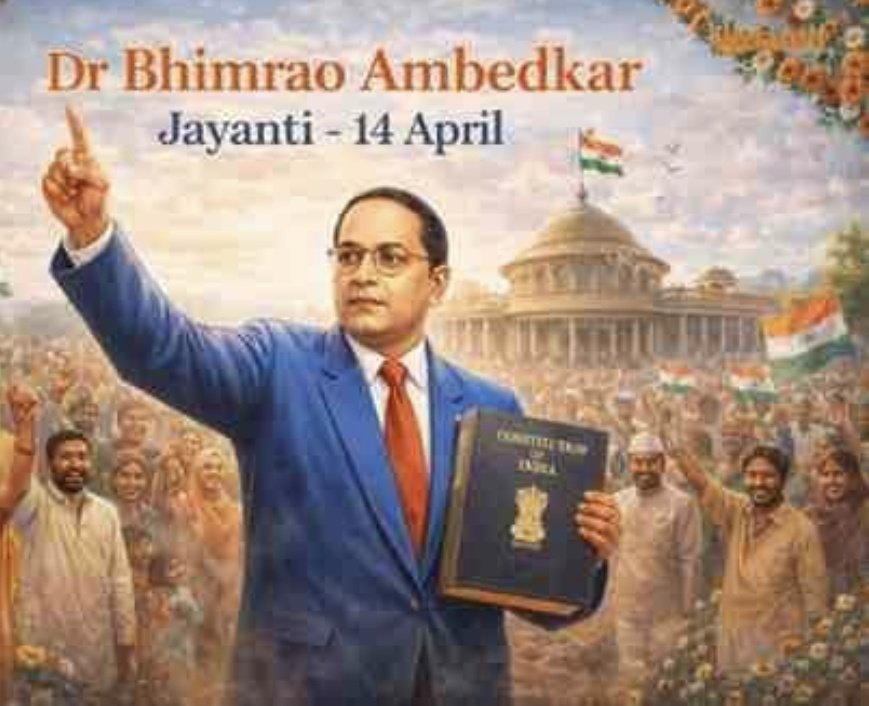
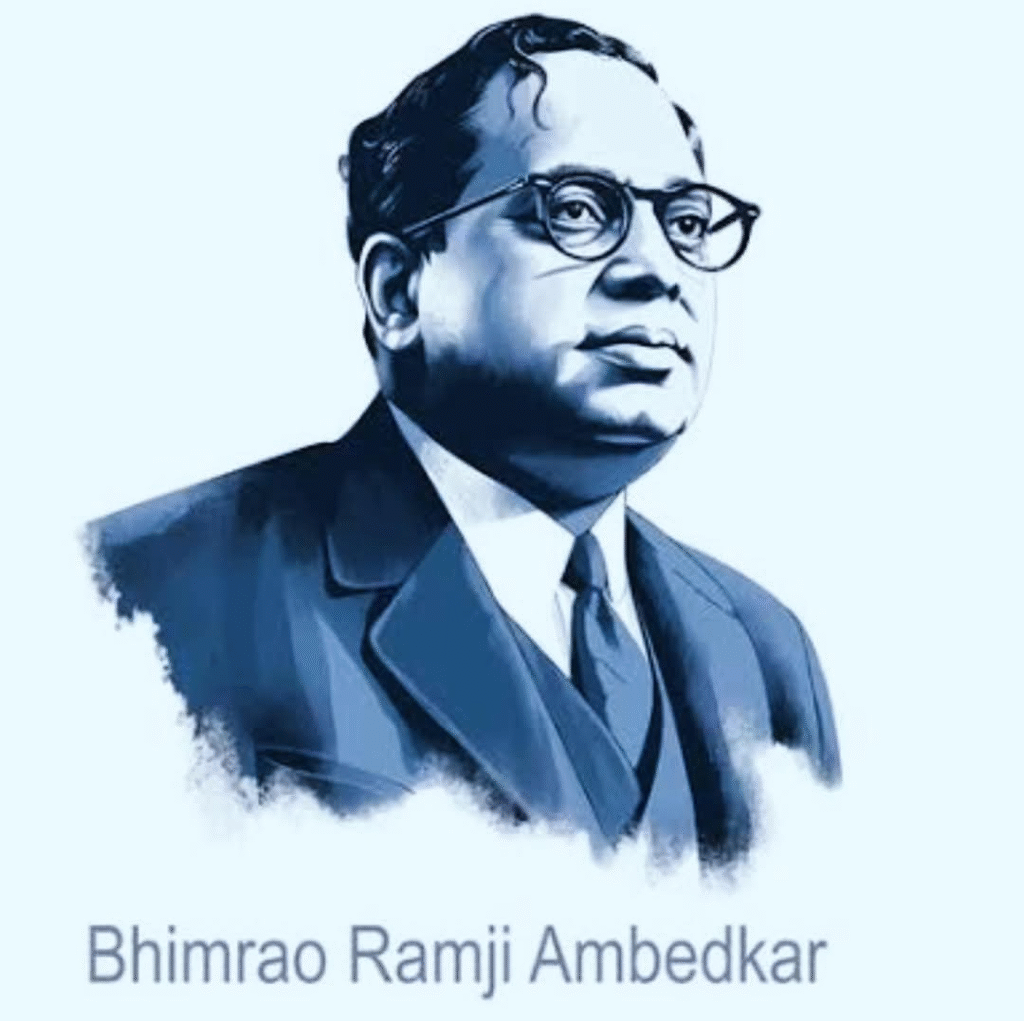
Ambedkar Jayanti, celebrated every year on April 14, marks the birth anniversary of Dr. B.R. Ambedkar —one of India’s greatest thinkers, reformers, and nation-builders. In 2026, the country commemorates his 135th birth anniversary, remembering his unparalleled contributions to social justice, equality, and the making of modern India.

Born in 1891 in Mhow (now in Madhya Pradesh), Dr. Ambedkar rose from the harsh realities of caste-based discrimination to become a global scholar and a powerful voice for the oppressed. He pursued higher education at prestigious institutions like Columbia University and the London School of Economics, equipping himself with knowledge that he later used to challenge deep-rooted social inequalities in India.

Ambedkar Jayanti is celebrated not just as a remembrance of his birth, but as a reaffirmation of his ideals—liberty, equality, and fraternity. The day highlights his lifelong struggle against untouchability and his efforts to secure dignity and rights for marginalized communities, especially the Dalits.

One of his most significant contributions was his role as the Chairman of the Drafting Committee of the Indian Constitution. Dr. Ambedkar played a pivotal role in shaping the framework of the world’s largest democracy. The Constitution of India reflects his vision of a just society, guaranteeing fundamental rights, abolishing untouchability, and ensuring equality before the law. His emphasis on constitutional morality and democratic values continues to guide the nation.

Beyond constitution-making, Ambedkar was a prolific writer, economist, and social reformer. He advocated for women’s rights, labor welfare, and education as tools of empowerment. His landmark work, Annihilation of Caste, remains a powerful critique of the caste system. In 1956, shortly before his death, he embraced Buddhism along with millions of followers, initiating a significant social and spiritual movement.

Dr. Ambedkar’s legacy is both vast and enduring. He is widely remembered as the “Father of the Indian Constitution” and a champion of human rights. His ideas continue to inspire movements for social justice not only in India but across the world.

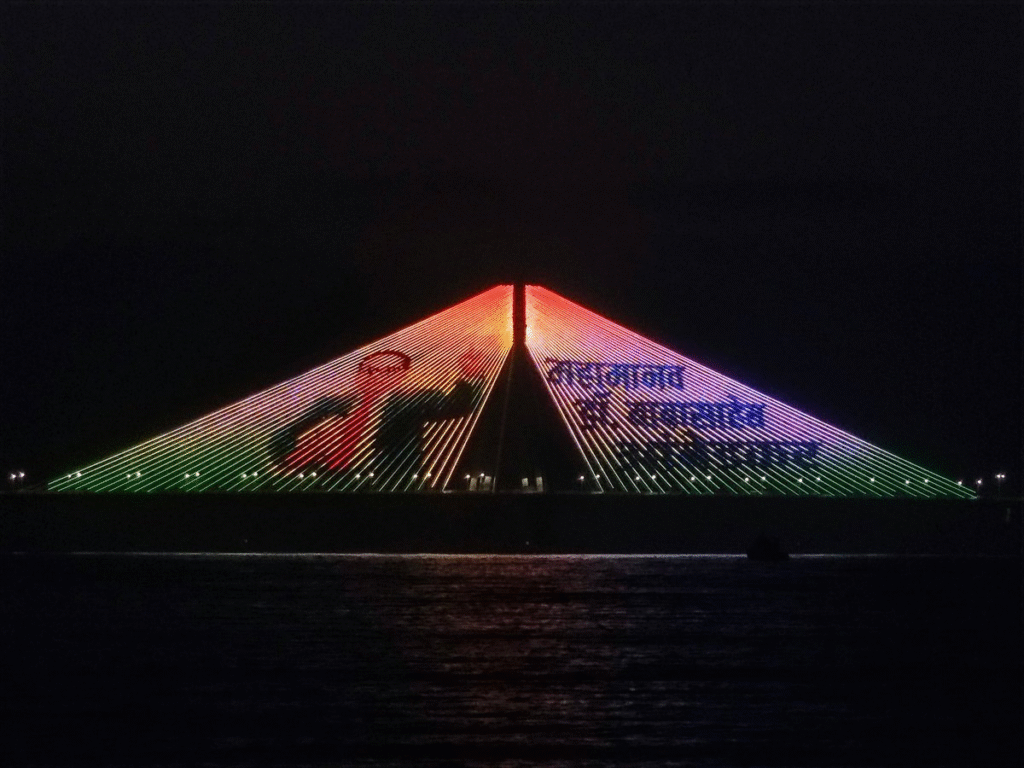
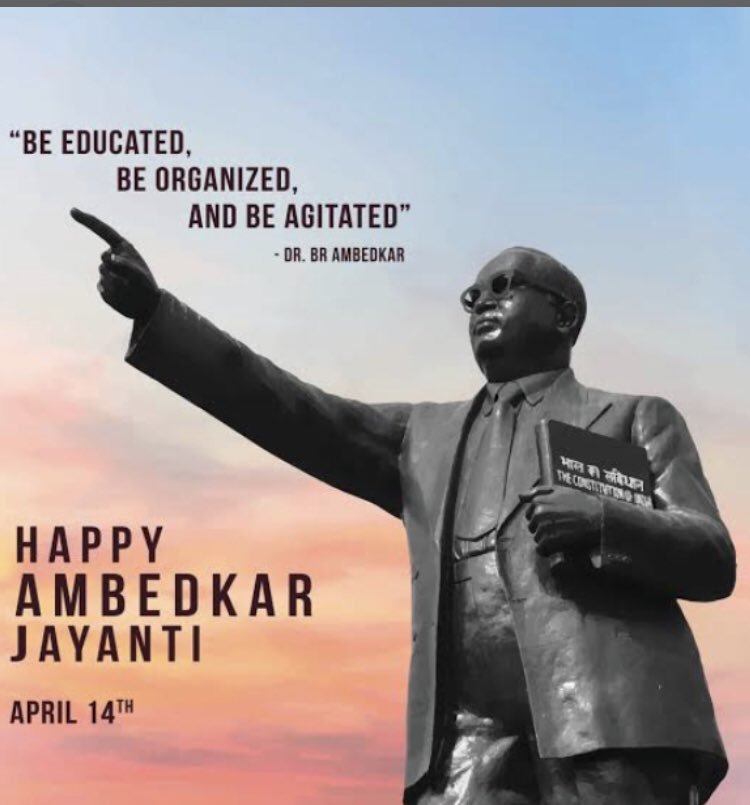
On Ambedkar Jayanti, tributes pour in from across the country. Leaders, citizens, and institutions pay homage by visiting his statues, organizing seminars, and conducting awareness programs. Prominent sites like Deekshabhoomi in Nagpur and Chaitya Bhoomi in Mumbai witness large gatherings of followers who celebrate his life and teachings.

Ambedkar Jayanti is not merely a ceremonial occasion—it is a reminder of the ongoing journey towards equality and justice. As India honors Dr. B. R. Ambedkar, it also renews its commitment to the values he stood for, ensuring that his vision continues to shape the nation’s future.

Ambedkar Jayanti 2026 Wishes, Quotes, Images, Messages, Status and Photos to Share on Dr BR Ambedkar Birth Anniversary

0

Ambedkar Jayanti 2026 Wishes, Quotes, Images, Messages, Status and Photos: Ambedkar Jayanti is celebrated every year on April 14 to commemorate the birth anniversary of B. R. Ambedkar, one of India’s most influential leaders and the chief architect of the Indian Constitution.

Ambedkar Jayanti 2026 Wishes, Quotes, Images, Messages, Status and Photos to Share on Dr BR Ambedkar Birth Anniversary

Born in 1891, Ambedkar dedicated his life to fighting social discrimination, especially against the Dalit community, and worked tirelessly to promote equality, education, and human rights.

The history of this day is rooted in his lifelong struggle for justice and his role in shaping modern India through constitutional values. Over time, Ambedkar Jayanti has become not just a remembrance of his legacy but also a celebration of his vision for a fair and inclusive society.

Ambedkar Jayanti 2026 Wishes: 

Ambedkar Jayanti 2026 Wishes, Quotes, Images, Messages, Status and Photos to Share on Dr BR Ambedkar Birth Anniversary

Wishing you a thoughtful Ambedkar Jayanti 2026. May we continue to walk the path of equality, justice, and knowledge shown by B. R. Ambedkar.

Let us honour the legacy of Dr. B. R. Ambedkar by promoting unity, dignity, and equal rights for all. Happy Ambedkar Jayanti!

May this day inspire us to stand for truth, fight discrimination, and value education. Warm wishes on Ambedkar Jayanti 2026.

On this special occasion, let’s remember the vision of a just and inclusive society. Happy Ambedkar Jayanti!

Wishing you a day filled with pride and inspiration as we celebrate the life and contributions of Babasaheb Ambedkar.

May Dr. Ambedkar’s teachings guide us toward a future of equality and compassion. Happy Ambedkar Jayanti 2026!

Ambedkar Jayanti 2026 Quotes (From Dr. BR Ambedkar): 

Ambedkar Jayanti 2026 Wishes, Quotes, Images, Messages, Status and Photos to Share on Dr BR Ambedkar Birth Anniversary

“Cultivation of mind should be the ultimate aim of human existence.”

“I measure the progress of a community by the degree of progress which women have achieved.”

“Freedom of mind is the real freedom.”

“Life should be great rather than long.”

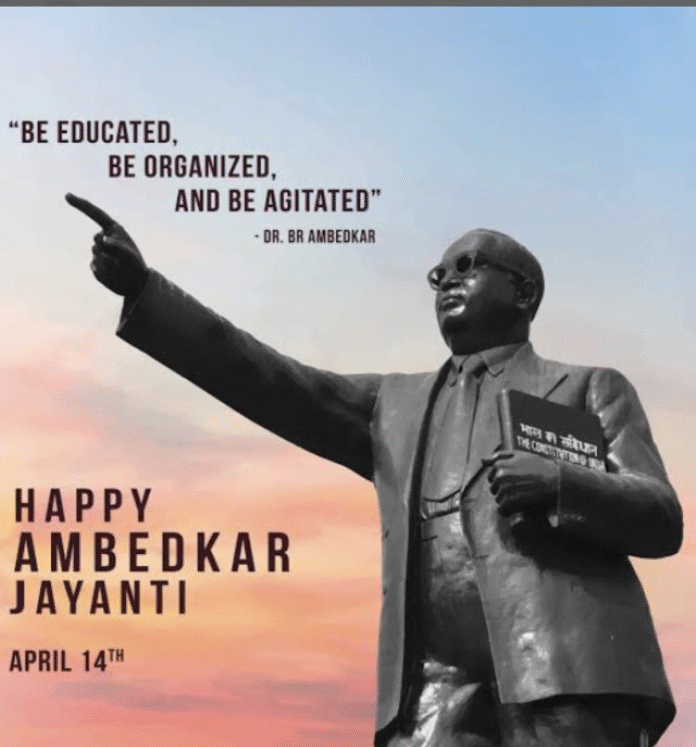
“Be educated, be organised, and be agitated.”

“We are Indians, firstly and lastly.”

“Indifferentism is the worst kind of disease that can affect people.”

Ambedkar Jayanti 2026 Messages:

Ambedkar Jayanti 2026 Wishes, Quotes, Images, Messages, Status and Photos to Share on Dr BR Ambedkar Birth Anniversary

Wishing you a meaningful Ambedkar Jayanti. May the teachings of B. R. Ambedkar inspire us to build a society based on equality and justice.

Let us honour Babasaheb by spreading awareness, education, and unity. Happy Ambedkar Jayanti!

May this day remind us of the power of knowledge and the importance of standing against injustice.

Warm wishes on Ambedkar Jayanti! Let’s celebrate the legacy of a leader who changed the course of history.

May Dr. Ambedkar’s vision guide us toward a future filled with dignity, respect, and equal opportunities for all.

On this special day, let’s pledge to uphold the values of liberty, equality, and fraternity.

Ambedkar Jayanti 2026 WhatsApp Status:

Ambedkar Jayanti 2026 Wishes, Quotes, Images, Messages, Status and Photos to Share on Dr BR Ambedkar Birth Anniversary

Educate. Agitate. Organise. – The path forward.

Equality is the true celebration today.

Honouring the legacy of B. R. Ambedkar.

Justice, liberty, equality, always.

A day to remember the voice of change.

Knowledge is power, celebrate it today.

Stand for what is right. That’s the real tribute.

Babasaheb’s vision, our mission.

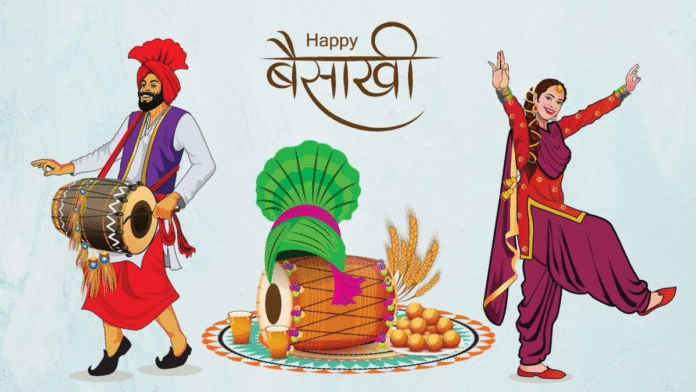
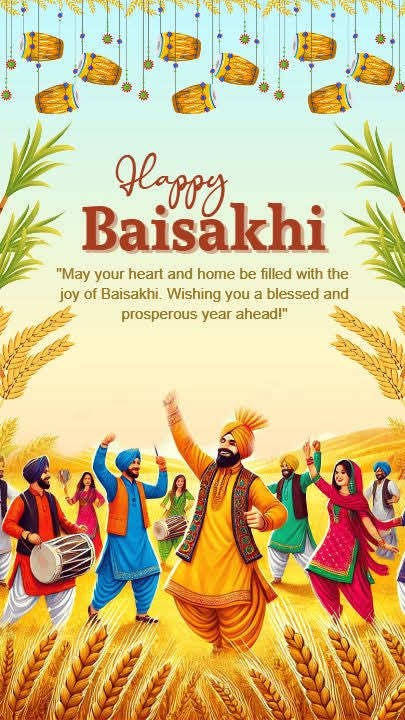
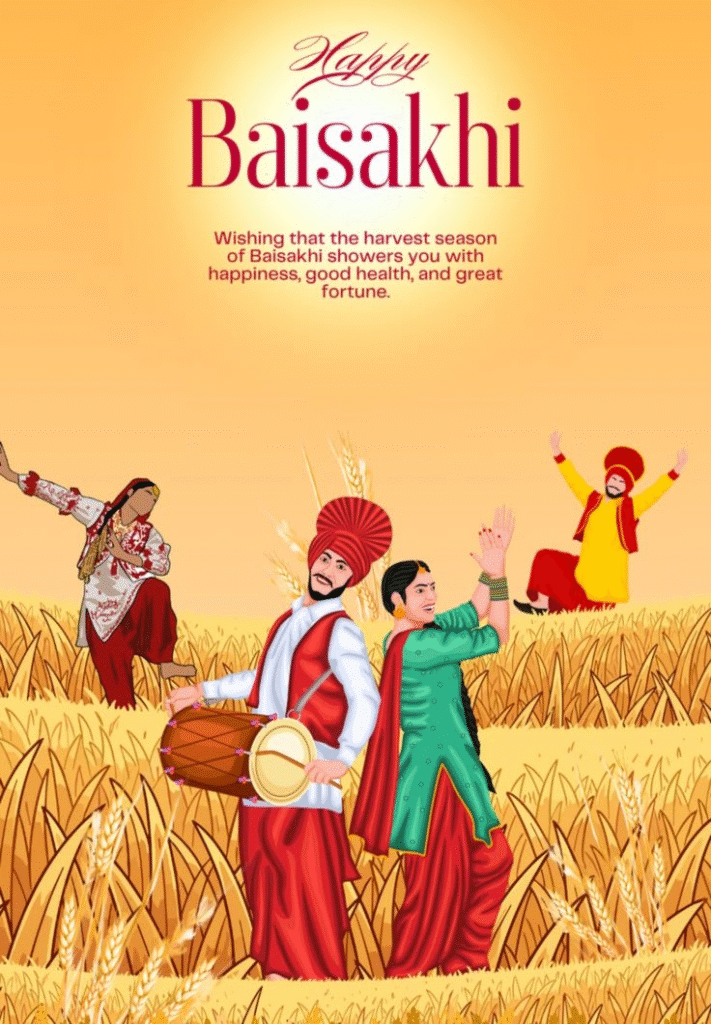
Happy Baisakhi (Vaisakhi) 2026 Wishes, Images, Quotes, Status, Pics, HD Images, GIF, Greetings and Vaisakhi Messages for Celebration

0

Happy Baisakhi (Vaisakhi) 2026 Wishes, Images, Quotes, Status, Pics, Messages, HD Images, GIF, Greetings: Baisakhi, also called Vaisakhi or the Sikh New Year, is an important festival with both religious and agricultural significance. It marks the beginning of the harvest season as well as the establishment of the Khalsa Panth.

Happy Baisakhi (Vaisakhi) 2026 Wishes, Images, Quotes, Status, Pics, HD Images, GIF, Greetings and Vaisakhi Messages for Celebration

Celebrated mainly in Punjab and by Sikh communities worldwide, it falls on the first day of the Vaisakh month in the Hindu solar calendar. In 2025, Baisakhi will be observed on Tuesday, April 14, with Baisakhi Sankranti occurring at 09:39 AM, according to the Drik Panchang.

As we celebrate the festival of  has created special wishes to share with friends and family.

From the Archives: Happy Baisakhi 2023: Wishes, Images, Quotes, Status, Messages, Greetings and Photos

May this Baisakhi bring prosperity, happiness, and endless joy to your life. Happy Baisakhi 2026!

Wishing you a harvest of happiness and success this Baisakhi. Stay blessed always.

May Waheguru bless you with growth, peace, and positivity this Baisakhi.

Happy Baisakhi (Vaisakhi) 2026 Wishes, Images, Quotes, Status, Pics, HD Images, GIF, Greetings and Vaisakhi Messages for Celebration

Happy Baisakhi! May your life be as vibrant as the festival.

Wishing you joy, prosperity, and good health this Baisakhi 2026.

Celebrate this Baisakhi with love, laughter, and positivity.

Cheers to new harvests, new hopes, and brighter days ahead—Happy Baisakhi!

May your year be as bright and joyful as Baisakhi celebrations!

On this auspicious occasion, may your home be filled with warmth, your heart with gratitude, and your life with success.

Sending you love, light, and blessings this Baisakhi. May all your dreams flourish like a golden harvest.

Happy Baisakhi 2026 Quotes: 

Happy Baisakhi (Vaisakhi) 2026 Wishes, Images, Quotes, Status, Pics, HD Images, GIF, Greetings and Vaisakhi Messages for Celebration

“May the vibrant colours of Baisakhi paint your life with joy and prosperity. Happy Baisakhi!”

“Let’s welcome the new season with joy, gratitude, and a heart full of love. Happy Baisakhi!”

Happy Baisakhi (Vaisakhi) 2026 Wishes, Images, Quotes, Status, Pics, HD Images, GIF, Greetings and Vaisakhi Messages for Celebration

“Baisakhi is not just a festival, it’s a celebration of gratitude. Let this Baisakhi inspire you to grow, prosper, and shine.”

“May your dreams bloom like mustard fields, and may your life be as rich as the Baisakhi harvest.”

“Let your heart dance freely to the tunes of Dhol and Nagaada. Happy Baisakhi!”

“Harvest the blessings of the earth and sow the seeds of kindness and unity.” 

Happy Baisakhi 2026 Status: 

Happy Baisakhi (Vaisakhi) 2026 Wishes, Images, Quotes, Status, Pics, HD Images, GIF, Greetings and Vaisakhi Messages for Celebration

Happy Baisakhi 2026!

Harvest happiness, spread joy! 🙂

Baisakhi vibes only!

Celebrate growth, gratitude & new beginnings!🌿

Let the fields of gold bring happiness untold, Happy Baisakhi!

New harvest, new hopes, new happiness!

Baisakhi di lakh lakh vadhaiyan!

May this Baisakhi bring prosperity and peace into your life.

Grateful for new beginnings and golden harvests…🌾

A season of growth, blessings, and positivity!

US–Iran Talks Collapse in Islamabad: Fragile Peace Hangs in Balance

0

High-stakes peace talks between the United States and Iran ended without an agreement after marathon negotiations in Islamabad, raising fears of renewed conflict in West Asia and wider global repercussions. The talks, held on April 11–12, 2026, were the first direct high-level engagement between the two nations in decades and were aimed at stabilizing a fragile ceasefire following weeks of intense fighting.

What Happened in Islamabad?

The negotiations—often referred to as the Islamabad Talks—lasted nearly 21 hours and were mediated by Pakistan. The U.S. delegation was led by Vice President JD Vance, while Iran was represented by senior political leadership, including parliamentary speaker Mohammad Bagher Ghalibaf.

Despite the historic nature of the meeting, both sides failed to bridge deep differences. Vance confirmed that no agreement was reached, stating that the U.S. had participated in “good faith” but could not secure Iran’s acceptance of key conditions.

Why Did the Talks Fail?

The primary sticking point was Iran’s nuclear programme. The United States demanded firm guarantees that Iran would abandon ambitions to develop nuclear weapons, while Tehran refused to make such commitments, citing sovereignty and security concerns.

Other contentious issues included:
●Control and security of the strategically vital Strait of Hormuz
●Sanctions relief and release of frozen Iranian assets
●Regional security dynamics, including Israel and allied groups

Iran accused the U.S. of making “unrealistic demands,” while Washington blamed Tehran for refusing to compromise on critical security issues.

Context: A War and a Fragile Ceasefire

The talks came in the backdrop of a six-week conflict involving U.S. and allied strikes on Iran, which led to widespread destruction and loss of life across the region. A temporary ceasefire—brokered with Pakistan’s help—had raised hopes for a diplomatic breakthrough.

However, the failure of negotiations now puts that ceasefire at serious risk, with both sides hardening their positions.

Aftermath and Global Implications

Following the collapse of talks, tensions escalated rapidly. The U.S. signaled tougher measures, including a possible naval blockade targeting Iranian ports and oil routes, particularly around the Strait of Hormuz—a critical artery for global energy supplies.

This has already triggered volatility in global oil markets, with prices rising sharply amid fears of supply disruptions and wider conflict.

An Uncertain Road Ahead

While both sides have not completely shut the door on future dialogue, the immediate outlook remains tense. Analysts suggest that the breakdown highlights the deep mistrust and structural disagreements that continue to define U.S.–Iran relations.

The failure of the Islamabad talks underscores a stark reality: despite diplomatic efforts, achieving lasting peace in the region will require more than negotiations—it will demand significant political compromise, mutual trust, and sustained international mediation.

India Loses Its Musical Soul: Asha Bhosle’s Golden Voice Falls Silent

0

Nation Bids Farewell to Asha Bhosle

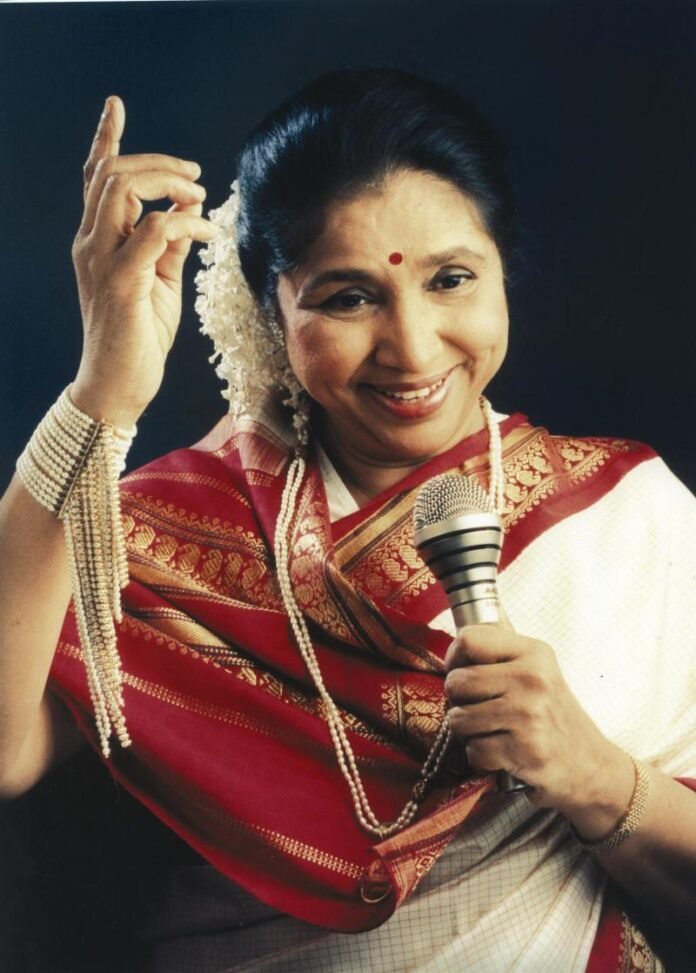
India woke up to an irreplaceable loss as legendary playback singer Asha Bhosle passed away on April 12, 2026, at the age of 92 in Mumbai. She had been hospitalised due to a chest infection and exhaustion, eventually succumbing to multi-organ failure.

Her final rites were performed today (April 13) at Shivaji Park with full state honours, as the nation gathered to bid a tearful goodbye. Draped in the tricolour, her mortal remains were placed for public homage, drawing thousands of admirers and prominent personalities from across fields.

From Sangli to Stardom: A Life Rooted in Music

Born on September 8, 1933, in Sangli, Maharashtra, Asha Bhosle belonged to a family steeped in music. She was the daughter of classical singer and theatre artist Deenanath Mangeshkar and the younger sister of the iconic Lata Mangeshkar.

She began her journey in music at a very young age, recording her first song in 1943. Despite early personal struggles and a challenging entry into the industry, she carved her own identity—distinct, bold, and versatile.

The Queen of Versatility in Indian Music

Across a career spanning nearly eight decades, Asha Bhosle recorded over 12,000 songs in multiple languages, becoming one of the most prolific voices in global music.

Unlike many of her contemporaries, she effortlessly moved across genres—romantic melodies, cabaret numbers, ghazals, pop, and folk. Songs like “Piya Tu Ab Toh Aaja” and “In Aankhon Ki Masti” became timeless classics, showcasing her unmatched adaptability and expressive voice.

Her collaborations with legendary composer R. D. Burman further defined an era of Hindi film music, blending innovation with mass appeal.

Awards, Recognition, and Global Impact

Asha Bhosle’s contribution to Indian music earned her the highest honours, including the Dadasaheb Phalke Award and the Padma Vibhushan. She also received multiple National Film Awards and even international recognition, including Grammy nominations.

Her influence extended beyond India, with collaborations with global artists and recognition as one of the most recorded artists in history.

An Outpouring of Grief and Gratitude

From Prime Minister Narendra Modi to artists like A. R. Rahman and actors across generations, tributes poured in, celebrating her as a voice that shaped memories of millions.

Many described her passing as “losing a piece of childhood,” a sentiment that resonated deeply across the nation.

A Legacy That Will Never Fade

Asha Bhosle was more than a singer—she was an era, an emotion, and a cultural force. Her voice transcended time, language, and generations. Even in her absence, her songs will continue to echo in homes, hearts, and histories.

As India bids farewell, one truth remains eternal~legends do not die; they live on in every note they leave behind!

Nari Shakti Vandan Adhiniyam: PM Modi Calls Women’s Reservation Act a ‘21st Century Game-Changer’

0

In a significant push toward gender equality, Prime Minister Narendra Modi has called for broad political support for the Women’s Reservation Act, describing it as one of the most transformative reforms of the 21st century. The legislation—popularly known as the Nari Shakti Vandan Adhiniyam—aims to reserve one-third (33%) of seats in the Lok Sabha and state legislative assemblies for women, marking a historic step in enhancing women’s participation in governance.

What is the Women’s Reservation Act?

The Women’s Reservation Act, passed in 2023 as a constitutional amendment, seeks to address the long-standing underrepresentation of women in India’s political system. It mandates 33% reservation for women in Parliament and state assemblies, with implementation expected after delimitation and likely to take effect around the 2029 general elections.

The bill has been a decades-old demand, with earlier attempts dating back to the 1990s, but it gained momentum recently with near-unanimous political backing in Parliament.

Why This Reform Matters

India has historically seen relatively low representation of women in legislative bodies. The Act aims to correct this imbalance by ensuring women have a stronger voice in lawmaking and governance. Experts and policymakers believe that greater participation of women leads to more inclusive decision-making and improved social outcomes.

Prime Minister Modi emphasized that this reform is not merely legislative but reflects the aspirations of India’s “Nari Shakti” (women power), underlining that societal progress is closely linked to women’s empowerment.

What Did the Prime Minister Say?

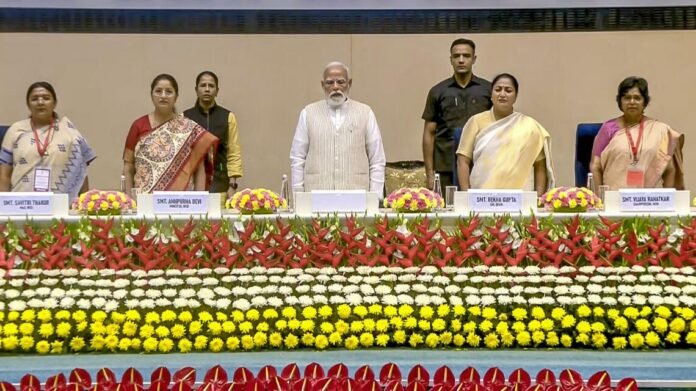
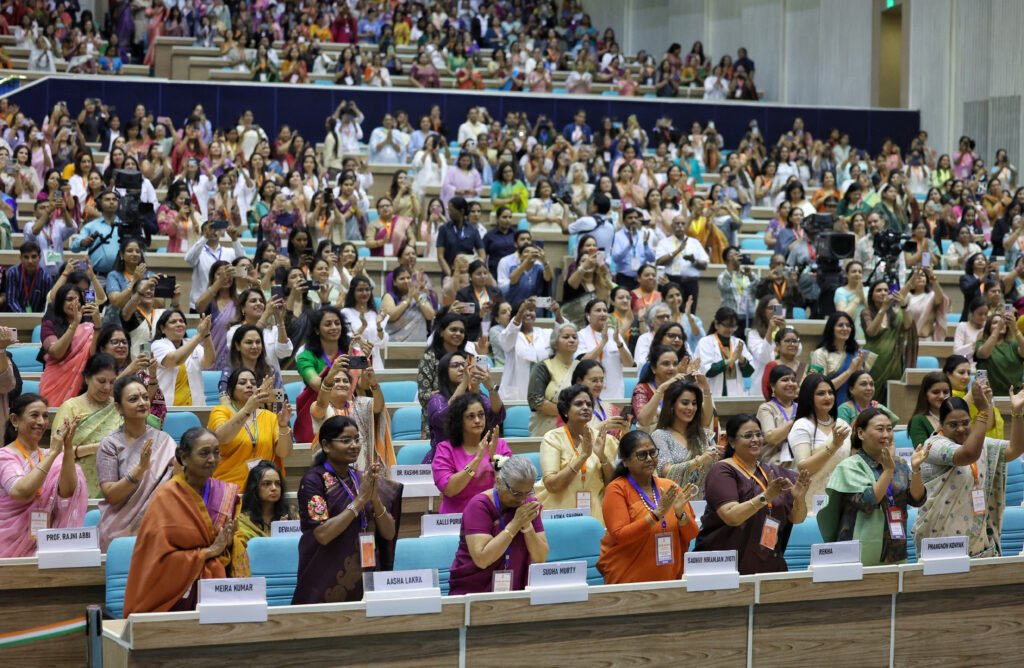
Addressing the Nari Shakti Vandan Sammelan in New Delhi, the Prime Minister said that India stands “on the brink of making history” and termed the Act as “one of the most significant decisions of the 21st century.”

Nari Shakti Vandan Adhiniyam: PM Modi Calls Women’s Reservation Act a ‘21st Century Game-Changer’
Gathering at the ‘Nari Shakti Vandan Sammelan’ at Vigyan Bhawan, in New Delhi on April 13, 2026. PM addressing on the occasion.

He highlighted that:

●The reform will strengthen democracy and make it more representative.
●It is a tribute to the strength and contribution of women in nation-building.
●The legislation reflects both the visions of the past and aspirations for the future, linking it to India’s long struggle for gender equality.

Modi has also written to leaders across political parties, urging them to rise above differences and support the bill unanimously, stressing that such a historic reform requires collective consensus.

The Road Ahead

While the passage of the Act is being hailed as historic, its implementation hinges on future delimitation exercises, which redraw constituency boundaries. The government has indicated that the 2029 elections could be the first to see this reservation in action.

Conclusion

The Women’s Reservation Act represents a watershed moment in India’s democratic journey. By institutionalizing women’s participation in politics, it seeks to reshape governance, making it more inclusive and representative. As Prime Minister Modi noted, this reform is not just about numbers—it is about empowering half the population and unlocking India’s full potential in the decades to come.