Home Blog Page 560

Unleash the Summer Adventure: Pacific Malls to Host Exciting Summer Camps for Kids

0

As the summer sun shines bright, Pacific Group is thrilled to announce an exhilarating array of Summer Camps at its malls located across Delhi, Faridabad, and Dehradun. With a plethora of exciting and engaging activities, these camps promise an environment full of fun, learning, and adventure for children of all ages. Offering a diverse range of activities tailored to ignite creativity, foster friendships, and spark joy, Pacific Malls gear up to provide a fun and memorable summer holiday.

Pacific NSP brings a thrilling Summer Camp starting from May 17 to June 9, 2024. The camp will comprise four activities: a science and Fun Zone, an Art and Craft Zone, a Recycle Zone, and DIY Workshops, offering kids a fun-filled experience.
 

From May 17 to June 2, 2024, Pacific Tagore Garden to offer a blend of fun, play, and learning activities for children of all ages. The camp’s four theme-based zones—Recycle Zone, Art Zone, Science Zone, and Experiential Zone—will inspire curiosity and creativity, providing an enriching experience for young minds.
 

Pacific D21 Mall, in collaboration with Kabuliwala, will present a vibrant array of activities for children from May 17 to June 9, 2024. Activities will include Storytelling, Madhubani Painting, Origami, Clay Art, Puppetry, Arts and Crafts, Creative Writing, Science Fun, Pottery, and a Doodle Wall. These engaging sessions are designed to foster creativity and promote environmental awareness among young participants.
 

From May 17 to May 31, 2024, Pacific Jasola will offer an exciting summer camp adventure. Highlights include Science of Wizards 3.0, where kids can explore spin art, thread art, cyanotype photography, and more. Additionally, the Daak Room will feature a post-office set up in the mall atrium, with a letter-writing contest on various topics to engage kids.
 

Pacific Mall Dehradun will run the “Pacific ki Paathshala Chapter 4” summer camp from May 17 to May 26, 2024. The camp will have a dedicated activity area for kids and organize a role-play centre comprising a police station, hospital, fossil excavation site, paint wall, and daily crafts workshop. 
 

From May 18 to June 30, 2024, The Mall of Faridabad will host the “Dino Adventure World” theme-based summer camp from May 18 to June 30, 2024. The camp will comprise engaging creative activities every day, such as make your own Dino Fossil, Dinosaur-themed Origami, Dinosaur Fossil rocks, Dinosaur candle making, Dinosaur puppets, fridge magnets, and more activities promoting creativity and intellectual growth of kids.
 

Abhishek Bansal, Executive Director of Pacific Group said, “We’re delighted to launch our annual Summer Camps, where kids can enhance their creativity, make new friends, and embark on thrilling adventures. We envision providing a safe and stimulating environment where kids can learn, explore, and have fun while making memories. Our camps are led by experienced and certified instructors, assuring parents their children will be in good hands.”
 

The Summer Camps at Pacific Malls are about entertainment and fostering learning and growth among children. Each activity is thoughtfully curated to promote creativity, teamwork, and critical thinking skills.

Self-Care for New Moms & Kids Under 5′ spotlights motherhood, featuring a theme song by folk singer Geeta Rabari

0

Reckitt, a global leader in consumer health and hygiene, has partnered with Plan India to launch the “Self Care for New Moms and Kids Under 5” initiative. This initiative focuses on improving maternal and child health in Bhavnagar and Gir Somnath in Gujarat, Dhule and Washim in Maharashtra, and Rajsamand in Rajasthan. Based on the World Health Organization’s definition of self-care, the project recognizes the role of individuals, families, and communities in promoting health, preventing disease, and managing well-being. It aims to enhance the overall well-being of new mothers and integrates self-care into childhood development, affirming that health is a fundamental right. 

The initiative engages young mothers in rural communities through innovative outreach programs, including traditional street plays, a variety of educational activities, and door-to-door engagements that bring vital health information and services right to their doorsteps. This direct approach ensures that the benefits of self-care and health education reach every household, aligning with Hon’ble Prime Minister Narendra Modi’s commitment to ‘Health For All.’ The program’s extensive reach in these regions helps to empower mothers and caregivers, enabling them to take charge of their own and their children’s health effectively.


Initially known as ‘Reach Each Child,’ the program reached over 268 villages across five districts – Nandurbar and Amravati in Maharashtra, Rajsamand in Rajasthan, and Gir and Bhavnagar in Gujarat. Since its inception last year, the program has reached over 70,000 children under the age of five and the initiative has reached over 4 million mothers through the region. Now, transitioning to Self-Care, the program aims to extend its reach to 10 million mothers. ‘ 

Celebrating the International Mother’s Day with Self Care Theme Song
The International Mother’s Day the program has launched one of its central elements of this initiative: an empowering theme song “Maa E Maa,” which encapsulates the spirit of maternal strength and resilience. The song’s lyrics remind mothers of their influential role, akin to revered figures like Jijabai and Goddess Amba, reinforcing the cultural resonance and empowering message of the song. It advocates for regular health check-ups, doctor’s advice, and vaccinations and aligns with Plan India’s focus towards preventive healthcare. 

Inspired by the ancient Gujarati proverb, “Mother is mother, all else is secondary,” the song deeply connects with the cultural roots and everyday lives of mothers. The song lyrics highlight the significance of nutritious food and a clean environment as foundational aspects of child health, echoing the program’s focus on holistic health education. It reminds mothers of their influential role, akin to revered figures like Jijabai and Goddess Amba, reinforcing the cultural resonance and empowering message of the song. By advocating for regular health check-ups, doctor’s advice, and vaccinations, the song aligns perfectly with the program’s directives for preventive healthcare and self-management.

Geeta Rabari, a world-renowned name in Gujarati folk music, has lent her voice to amplify the message of the program. Sharing her connection and inspiration for participating in this initiative she said, “As a singer, I believe in the power of music to touch hearts, inspire minds and to educate in a manner that is so deeply rooted in our communities. This song is my homage to all mothers – the unsung heroes who foster life and love. It is a tribute to all mothers in Gujarat and across the country encouraging them to embrace practices of self-care and prioritise their health and well-being and that of their children.”

Commenting on the partnership, Ravi Bhatnagar, Director of External Affairs and Partnerships at Reckitt, said “This song is a tribute to all new moms, and is made with the mission to ensure health for all. Through ‘Self care for new moms and kids under 5’, we are engaging with various tribal communities and are not just spreading awareness, but also equipping mothers with the tools they need for effective self-care, driving transformative health improvements for all. By empowering new moms with agency and promoting hyper-local practices, we are developing a culture of empowerment and resilience within the communities.”

Empowering Local Communities: With ‘Gulabi Didis 

The ‘Self Care for New Moms and Kids Under 5’ initiative leverages the expertise of ‘Gulabi didis,’ local women trained as community health workers who are pivotal in disseminating health knowledge and enhancing healthcare access. They bring the program directly to households focusing on taking comprehensive self-care education to every young mother and child across the region and leaving no one behind.

Gulabi didis’ play a critical role in educating young women and caregivers through one-on-one counselling around the six fundamental self-care pillars for maternal health including Hygiene and Health, Antenatal Checkups, Birth Spacing, Yoga and Mental Well-being, Food and Health, and Vector-borne Diseases. They ensure that they key principles for Self care reach and are adopted as outlined by the WHO Self Care guidelines. Providing counselling across various topics such as maintaining a healthy diet, being physically active, getting vaccinated, avoiding tobacco, managing stress for physical and mental health, practising good health, regularly checking health, breastfeeding, and birth spacing. 

Additionally, the Community Health Workers sensitise communities on the importance of proper handwashing at the critical touch points which includes washing hands after defecation, and the use of toilets; before eating; before preparing and serving food; before feeding infants/children; after cleaning a child’s bottom, and after coughing/sneezing during illness. In addition, the program has established partnerships with health and Integrated Child Development Services (ICDS) departments to conduct community mothers’ meetings through Village Health Sanitation and Nutrition Days (VHSNDs), also known as ‘Mamta Diwas‘.

The program also follows WHO’s guidelines to prevent major childhood diseases like Diarrhoea and Pneumonia, utilising the 7-point plan for Comprehensive Diarrhoea Control and the Global Action Plan for the Prevention and Control of Pneumonia and Diarrhoea (GAPPD). In addition, through the counselling provided by ‘Gulabi didis’ help in the identification, and referral of diarrhoea and pneumonia cases which are one of the most common causes leading to infant deaths in the region and help enable a prioritized and prompt management of these conditions throughout the region.

Commenting on the program Mohammed Asif, Executive Director of Plan India, said, “Our approach is rooted in empowerment through education. ‘Self-care for new moms and kids under 5’ is in line with our commitment to equipping mothers with the tools and understanding necessary to take proactive steps in their and their children’s health, enabling a holistic prevention-based approach to care and contributing to a robust future for our country.” 


Through this initiative Reckitt in partnership with Plan India has taken extensive efforts ranging from the establishment of health camps to the deployment of mobile health units that deliver primary care services directly to the doorsteps of those in need. These efforts are complemented by digital platforms, audio based content to explain self-care concepts that provide essential health information and services, ensuring widespread reach and impact. The organisation’s efforts are a testament to the power of collective action and shared responsibility in creating a healthier future for all mothers and children. The project is committed to ensuring that self-care education extends to every corner of the community, leaving no individual behind.


About Reckitt
Reckitt* exists to protect, heal and nurture in the relentless pursuit of a cleaner, healthier world. We believe that access to the highest-quality hygiene, wellness and nourishment is a right, not a privilege. Reckitt is the company behind some of the world’s most recognisable and trusted consumer brands in hygiene, health and nutrition, including Air Wick, Calgon, Cillit Bang, Clearasil, Dettol, Durex, Enfamil, Finish, Gaviscon, Harpic, Lysol, Mortein, Mucinex, Nurofen, Nutramigen, Strepsils, Vanish, Veet, Woolite and more. Every day, more than 30 million Reckitt products are bought globally. We always put consumers and people first, seek out new opportunities, strive for excellence in all that we do and build shared success with all our partners. We aim to do the right thing, always. We are a diverse global team of 40,000 colleagues. We draw on our collective energy to meet our ambitions of purpose-led brands, a healthier planet and a fairer society. Find out more, or get in touch with us at www.reckitt.com.

* Reckitt is the trading name of the Reckitt Benckiser group of companies

Theme Song Credits: 
RAJAN RAYKA, DHAVAL MOTAN: CREATIVE LYRICIST OF GUJARATI MUSIC INDUSTRY
ARIF MIR, PRODUCTION AND CREATIVE HEAD, MUSICMOTION SERVICES
JITU PRAJAPATI, MUSIC ARRANGER


The Insider’s Guide to Betting on Cricket: Strategies, Tips, and Tactics to Win Big

0

Understanding the Fundamentals of Cricket Betting

Cricket betting can seem daunting for newcomers, but understanding the fundamentals is key to getting started. At its core, cricket betting involves wagering on the outcome of cricket matches or specific events within a match.

For beginners, it’s important to familiarize yourself with common cricket betting markets, such as match winner, top batsman/bowler, and total runs. Knowing the rules of cricket and staying up-to-date on team/player performance is also crucial for making informed bets.

When getting started with cricket betting, it’s wise to start with small stakes and gradually increase your risk as you gain experience. Managing your bankroll responsibly is essential to long-term success. With the right knowledge and approach, cricket betting can be an exciting way to heighten the thrill of the sport.

Key Factors to Consider When Betting on Cricket Matches

When betting on cricket matches, there are several key factors to consider in order to make informed decisions and increase your chances of success.

One of the most important factors is the teams’ recent form and performance. Look at their win-loss records, the margin of their victories or defeats, and any key injuries or changes to the starting lineups. This can provide valuable insights into the current state of each team.

Another crucial factor is the pitch conditions and weather forecast. The type of pitch (e.g. seaming, spinning) and environmental factors like temperature, humidity, and wind can significantly impact the match dynamics and scoring rates.

Analyzing the head-to-head records between the two teams, including their performances in recent matchups, can also give you an edge. This historical data can reveal patterns, strengths, and weaknesses that may influence the outcome.

It’s also important to stay up-to-date on any team news, such as changes to the squad, form of star players, and any off-field factors that could affect their mindset or preparation.

By carefully considering these key factors, you can make more informed cricket betting predictions and increase your chances of success. Platforms like 1xbet mobile provide comprehensive statistics and analysis to help you make the most of your cricket betting experience.

Popular Cricket Betting Markets and Wagers Explained

Cricket is one of the most popular sports for betting, with a wide range of markets and wagers available to punters. In this section, we’ll explore some of the most popular cricket betting markets and how they work.

One of the most common cricket bets is the match result, where you simply predict which team will win the match. This can be a straightforward way to bet, but it’s important to do your research on the teams and their recent form.

Another popular market is the top batsman/bowler, where you bet on which player will score the most runs or take the most wickets in the match. This requires a good understanding of the teams’ key players and their performance history.

Cricket betting also offers a range of more complex markets, such as the method of dismissal, the total number of sixes hit, or the margin of victory. These can provide more opportunities for higher payouts, but also require a deeper understanding of the game.

When it comes to cricket betting, it’s important to familiarize yourself with the different betting formats, such as Test matches, One Day Internationals, and T20 cricket. Each format has its own unique characteristics and betting dynamics that you’ll need to consider.

Developing Effective Cricket Betting Strategies and Systems

When it comes to cricket betting, having a well-structured strategy and system is crucial for long-term success. Effective cricket betting strategies and systems can help bettors make informed decisions, manage their bankroll efficiently, and maximize their chances of winning.

One key aspect of developing a successful cricket betting approach is understanding the various factors that influence the outcome of a match. This includes analyzing team and player performance, pitch conditions, weather forecasts, and historical data. By leveraging this information, bettors can identify patterns and trends that can inform their betting decisions.

Another important consideration is the use of betting models and algorithms. Sophisticated cricket betting models can analyze vast amounts of data, identify valuable insights, and generate predictions with a high degree of accuracy. By incorporating these models into their betting strategies, bettors can make more informed and data-driven decisions.

Additionally, effective cricket betting systems often involve risk management techniques, such as bankroll management and diversification. By implementing these practices, bettors can minimize their exposure to losses and ensure the sustainability of their betting activities.

Overall, the development of effective cricket betting strategies and systems requires a combination of in-depth knowledge, analytical skills, and disciplined approach. By investing time and effort into refining their betting strategies, cricket bettors can increase their chances of achieving long-term success.

Mitigating Risks and Managing Your Cricket Betting Bankroll

Managing your cricket betting bankroll and mitigating risks are essential aspects of successful sports betting. As a cricket bettor, it’s crucial to develop a disciplined approach to bankroll management to ensure the longevity and sustainability of your betting activities.

One of the primary risks in cricket betting is the potential for significant losses, which can quickly deplete your bankroll if not properly managed. By implementing effective bankroll management strategies, such as setting betting limits, diversifying your bets, and maintaining a consistent staking plan, you can minimize the impact of losses and protect your overall betting capital.

Additionally, it’s important to research and choose reputable betting websites, such as 1xbet-apkbangladesh.com, that prioritize the safety and security of their customers’ funds. This can help mitigate the risks associated with unreliable or untrustworthy platforms, ensuring that your betting experience is both enjoyable and financially responsible.

Ultimately, by adopting a prudent and disciplined approach to cricket betting, you can navigate the inherent risks and manage your bankroll effectively, positioning yourself for long-term success in the world of sports betting.

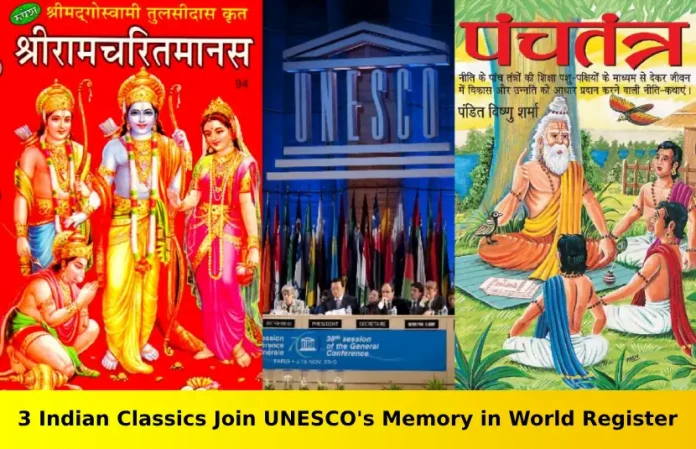
UNESCO Recognizes Ramcharitmanas, Panchatantra, and Sahṛdayāloka-Locana

0

In a remarkable achievement, India has seen three of its literary masterpieces—Ramcharitmanas, Panchatantra, and Sahṛdayāloka-Locana—honored with a place in UNESCO’s Memory of the World Asia-Pacific Regional Register. This prestigious recognition not only brings immense pride to the nation but also underscores India’s rich cultural heritage and literary wealth.

Literary Giants and Their Timeless Works

Authored by revered figures such as Goswami Tulsidas, Pandit Vishnu Sharma, and Acharya Anandvardhan, these works are pillars of Indian literature, each contributing uniquely to the cultural and intellectual tapestry of the country.

Ramcharitmanas

Penned by Goswami Tulsidas, the Ramcharitmanas offers an intricate narrative of the life and teachings of Lord Rama, a revered figure in Hindu mythology. This epic poem is not only a religious text but also a literary masterpiece that has inspired devotion and imparted moral values for centuries. Its lyrical beauty and profound lessons continue to resonate, making it a timeless work that bridges generations.

Panchatantra

The Panchatantra, written by Pandit Vishnu Sharma, is a collection of ancient Indian fables that have delighted and instructed readers for centuries. These tales, rich with wisdom and moral teachings, use animal characters to impart lessons about human behavior and ethics. The Panchatantra’s universal themes and engaging storytelling ensure its relevance and popularity across cultures and eras.

Sahṛdayāloka-Locana

Crafted by Acharya Anandvardhan, Sahṛdayāloka-Locana is a work of profound philosophical and literary significance. Reflecting the intellectual depth of ancient Indian thought, this text explores aesthetics and the philosophy of literature, highlighting the sophisticated literary traditions of India.

Cultural Significance and Preservation

The inclusion of these literary treasures in UNESCO’s register highlights the importance of preserving diverse narratives and artistic expressions that transcend geographical and temporal boundaries. These works have indelibly shaped India’s cultural landscape and have had a global impact, demonstrating the universal appeal of their themes and messages.

The recognition was achieved through the collaborative efforts of various cultural institutions, particularly the Indira Gandhi National Centre for the Arts (IGNCA). Under the guidance of Professor Ramesh Chandra Gaur, IGNCA played a pivotal role in advocating for the inclusion of these masterpieces, showcasing India’s commitment to cultural preservation and the promotion of its literary heritage.

Impact on India’s Cultural Legacy

Beyond their artistic merit, these literary masterpieces have profoundly influenced India’s moral and cultural fabric. They have shaped the values and artistic expressions of countless generations, continuing to inspire and educate. Their inclusion in UNESCO’s register not only honors the creative genius of their authors but also reaffirms the timeless relevance of their teachings in promoting human values and understanding.

This recognition by UNESCO serves as a reminder of the enduring legacy of these works and the rich cultural heritage they represent. It is a moment of celebration for India, marking the global acknowledgment of its literary and cultural contributions to humanity.

VNIT Nagpur Associates with the MMGEIS Program to Empower Students in Geospatial Innovation

0

The Master Mentors Geo-enabling Indian Scholars (MMGEIS) program, which is the brainchild of Esri India, and the Centre for Knowledge Sovereignty (CKS) was launched in December 2023. On 9th May, Visvesvaraya National Institute of Technology (VNIT) Nagpur became a part of this unique initiative.

Under the purview of the MMGEIS Program, VNIT hosted a series of activities aimed at fostering understanding and collaboration in the realm of geospatial technology. The various activities saw a convergence of academic leaders, industry experts, representatives from prestigious institutions, and students for knowledge exchange on geospatial technology, its applicability, and its significance in contemporary times.

Over 250 students from VNIT and various other schools in Nagpur participated in the activities, where they got the opportunity to interact with Shri AS Kiran Kumar, Former Chairman of ISRO, and Chair of the MMGEIS Board. Shri AS Kiran Kumar delivered an enlightening address on the applicability of geospatial technology and its significance in contemporary times. 

As part of the MMGEIS Program, VNIT Nagpur students will have access to multiple resources and opportunities to explore geospatial technology and its applications. Under the mentorship of experts in the field, students will gain practical skills and insights that can be applied across various fields, from urban planning to environmental management.

Agendra Kumar, Managing Director, Esri India, said, “VNIT Nagpur’s collaboration with MMGEIS Program is geared towards empowering students to spearhead geospatial innovation. Through this program, students will have the opportunity to explore the practical applications of geospatial data across various domains. As they learn from academic and industry experts, they will emerge as leaders who can harness geospatial insights to address real-world challenges and drive positive change.

Vinit Goenka, Secretary, Center of Knowledge Sovereignty, said, “We believe in harnessing spatial thinking to empower individuals and nations. Through initiatives like MMGEIS, we strive to democratize access to geospatial knowledge, enabling every scholar to become a catalyst for positive change in their communities and beyond.”

Dr. P M Padole, Director of VNIT Nagpur, said, “VNIT is at the forefront of technology innovation, and initiatives like MMGEIS hold immense potential to empower our students and serve as a force multiplier, significantly boosting capacity building and fostering a culture of excellence in geospatial technology.

The MMGEIS program aims to engage up to 5,00,000 students over the next five years and thus will be rolled out in multiple schools and educational institutions in the near future. It aims to foster a strong IP framework to enable more patents from India in its journey towards becoming a global geospatial innovation hub.

Cleaner Hills, Happy Pune: RIA Makes a Difference

0

Recognize, Innovate, and Accelerate – that is the ultimate motto of RIA Advisory LLP, a Pune-based Business and Technology Advisory Consulting firm. Last Tuesday, RIA traded in their briefcases for garbage bags and headlamps for a different kind of acceleration – a climb up the scenic slopes of Hanuman Tekdi alongside Youth Talent Development Society (YTDS NGO).

This wasn’t your typical team-building exercise. RIA, known for their sharp minds and strategic solutions, joined forces with YTDS, a successful non-profit organisation that has championed the Four E’s – Environment, Education, Employment, and Empowerment – focused on the “E for Environment” for a unique initiative: the Hill Cleaning Activity.

With the rising sun casting a warm glow over the famous Hanuman Tekdi, the enthusiastic team at RIA assembled at the base of the Tekdi and divided into mighty teams, armed with the ultimate weapons against waste – hefty garbage bags and a healthy dose of environmental spirit.

Gloves, face masks, and a shared determination to make a difference were the order of the day. The initial assessment was clear – Hanuman Tekdi, despite its natural beauty, had become a silent victim of littering. Undeterred, team RIA rolled up their sleeves, their competitive spirit igniting as they raced (in a friendly way, of course!) to fill their designated bags with plastic bottles, food wrappers, and other discarded items.

It was truly heartening to see the dedication of the Team RIA,” said Mr. Ameet Bhinganiya, Founder and President of YTDS. “This was the first time we conducted a Hill Cleaning Activity, and the enthusiasm from RIA was truly infectious.”

As the hours progressed, the teams transformed into a mighty garbage-collecting force. Bag after bag was filled, and the once-polluted landscape began to show signs of beauty and rejuvenation. The collective effort not only cleaned the hill but also fostered a sense of camaraderie between the two organizations.

But the real win goes beyond the collected waste. This collaborative clean-up served as a powerful reminder: protecting our environment requires all hands on deck. From financial advisors to social workers, every individual can play a part in nurturing the natural world.

This initiative perfectly exemplifies the synergy between RIA and YTDS. While RIA brings their expertise in strategy and innovation, YTDS provides the local knowledge and dedication to community improvement. Together, they demonstrate how seemingly different organizations can come together for a common cause – a cleaner, greener future for Pune.

It is deeply satisfying that our young and bright engineers at RIA are so passionate about their social responsibilities,” said Mr. Sameer Deo, Head of India Operations, RIA Advisory. “via its RIA-Cares initiatives, RIA takes pride in being socially responsible and contributing directly to worthy causes RIA takes
 
RIA and YTDS hope to inspire others to take action, be it organizing a clean-up drive in your own neighborhood, switching to reusable bags, or simply disposing of waste responsibly. Every small step counts when it comes to protecting our environment.

In conclusion, this was not just a cleaning drive; it was a statement – a statement of intent, a statement of unity, and a statement of hope for a cleaner and more sustainable future. Remember – a little initiative can go a long way in preserving the beauty of our natural spaces.

A First in India: Kody Technolab’s Surveillance Robot “Athena” Safeguards 35,000 Attendees at Tuneland Music Festival

0

At this year’s Tuneland Music Festival, held in GIFT City, Gandhinagar, Kody Technolab Limited introduced a groundbreaking approach to event security and service, marking a first in India with its autonomous surveillance robot – Athena, and serving robot – Dasher. The event, attracting over 35,000 attendees, showcased unprecedented integration of robotics into public safety and service delivery, setting a new standard for technology in entertainment. You can view Athena in action here.

The festival not only featured performances from renowned artists B Praak and Vishal Mishra but also demonstrated advanced robotic capabilities with Athena, Kody Technolab’s state-of-the-art surveillance robot. For the first time in India, a music festival leveraged robotic technology for full-scale security and surveillance, with Athena equipped with 360-degree cameras and intelligent threat detection systems. Athena’s capabilities included people detection, threat assessment, and monitoring of unattended objects, ensuring a safe environment throughout the festival grounds.

Additionally, Dasher, Kody Technolab’s serving robot, enhanced the experience for VIP guests by managing food and beverage services with its bionic design and seamless navigation. The robot’s efficiency and innovative features not only improved service delivery but also captivated the attendees, further illustrating the potential of robotics in enhancing customer service.

Manav Patel, Founder of Kody Technolab Limited, remarked, “The deployment of Athena and Dasher at the Tuneland Music Festival is a testament to the vast possibilities that robotics holds for improving both security and service in public spaces. Athena’s successful operation across the festival is a proud moment for us and a landmark in India’s technological progress in public safety.

Event Highlights Include:

Revolutionary Security: Athena’s deployment provided a comprehensive surveillance solution, handling large-scale crowd monitoring with cutting-edge technology.

Exceptional Service: Dasher offered a unique service experience to VIP attendees, showcasing the integration of robotics in traditional service sectors.

This historic event not only signifies a milestone for Kody Technolab and Tuneland but also paves the way for future advancements in robotic applications in entertainment and public safety sectors.

About Kody Technolab Limited

Kody Technolab Limited is a leader in software and robotics development, dedicated to delivering enterprise-level projects and mobile application solutions worldwide. With a portfolio that includes pioneering surveillance and service robots, Kody Technolab continues to lead the technological revolution, striving to make advanced technology accessible for everyone.

Rajmata Madhavi Raje Scindia takes her last breath at AIIMS, Delhi

0
'Rajmata' of Gwalior

In the early hours of today, the nation awoke to the news of the passing of Rajmata Madhavi Raje Scindia, a revered figure in Gwalior and a stalwart in social and cultural spheres. She breathed her last at 9:28 am at the All India Institute of Medical Sciences (AIIMS) in Delhi, where she had been receiving treatment for pneumonia and sepsis over the past three months. Her demise marks the end of an era for the Scindia family and the broader community they have served for generations.

Madhavi Raje Scindia was not just a member of the illustrious Scindia dynasty; she was its heart and soul, deeply involved in philanthropic activities that have transformed countless lives in Gwalior and beyond. As the chairperson of 24 trusts, her efforts spanned across critical sectors such as education and healthcare. Her leadership and vision were instrumental in driving initiatives that aimed to uplift and empower the underprivileged.

Among her many contributions, she was the head of the board of governors at Scindias Kanya Vidyalaya, a premier institution dedicated to the education of girls. Her commitment to this cause reflected her broader belief in the transformative power of education, especially for young women. Under her stewardship, the school not only flourished but also became a beacon of hope and opportunity for many.

The loss of her husband, Madhavrao Scindia, a prominent politician and former Union minister, in a tragic plane crash on September 30, 2001, was a pivotal moment in her life. Yet, she channeled her grief into furthering his legacy. In his honor, she established the Maharaja Madhavrao Scindia II gallery within the palace museum, ensuring that his contributions and memories were preserved for future generations.

Known affectionately as the ‘Rajmata’ of Gwalior, Madhavi Raje Scindia was more than a figurehead; she was a guiding force in both her family and the community. Her son, Jyotiraditya Scindia, currently serving as the Union Minister of Civil Aviation, has often spoken about the profound influence his mother had on his life and career. As he campaigns for re-election in the Lok Sabha from Guna, Madhya Pradesh, her legacy continues to inspire his public service.

The announcement of her passing elicited a wave of condolences and tributes from across the political spectrum. BJP state president VD Sharma took to social media to express his sorrow and extend his sympathies to the Scindia family, acknowledging the significant void her absence leaves.

The impact of Rajmata Madhavi Raje Scindia’s work is immeasurable. Her dedication to philanthropy and cultural preservation has left an indelible mark on Gwalior. The trusts she chaired and the initiatives she championed will continue to benefit society, serving as a testament to her life’s work.

As the community mourns the loss of a distinguished leader, they also celebrate a life well-lived—a life that exemplified the values of service, compassion, and leadership. Rajmata Madhavi Raje Scindia’s legacy will undoubtedly endure, continuing to inspire and guide future generations.

In remembering Rajmata Madhavi Raje Scindia, we honor not just the matriarch of a royal family, but a woman whose contributions transcended her title. Her life’s work in education, healthcare, and cultural preservation has enriched the fabric of society, leaving a legacy that will be cherished and built upon. As we bid her farewell, we carry forward her vision of a better, more compassionate world.

Journey of Baiga Tribes of Madhya Pradesh

0
Journey of Baiga Tribes

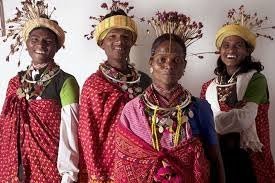
The Baiga tribes, dwelling on the fringes of Madhya Pradesh and Chhattisgarh in central India, epitomize the harsh realities of isolation and deprivation. Classified under the Particularly Vulnerable Tribal Groups (PVTGs), the Baigas lead a life marked by extreme poverty and alienation from mainstream society, struggling to adapt to the world beyond their ancestral forests.

A Glimpse into the Baiga World

The Baigas are semi-nomadic people historically untouched by education and development. Their original language has faded, replaced by the local dialect. First documented by the British in Dindori district, the Baigas were found living in remote, dense jungles. Over the past two centuries, their migration to village fringes has been a tale of cultural erosion and neglect.

Social Structure and Subcastes

The Baiga community is divided into several subcastes: the Binjhwars (Gond Baigas), the Bharotiyas, the Nahads (Langotias or Narotiyas), Rai Bhaina, and Kadh Bhaina. Each subcaste has unique characteristics and socio-economic conditions. The Nahads, for instance, remain semi-nomadic and the most isolated, while the Bharotiyas are more integrated, showcasing their culture to tourists at the Kanha National Park. The Binjhwars, meanwhile, have assimilated with the Gond tribe.

Cultural Richness Amidst Struggle

Despite their hardships, the Baigas maintain a rich cultural heritage. Their traditional dances and colorful attire captivate onlookers. However, this cultural display often serves as mere entertainment for outsiders rather than a genuine appreciation of their heritage.

Government Schemes and Their Pitfalls

Numerous government schemes aim to uplift the Baiga community, yet many fail to address their actual needs. For example, a sewing machine given to a Baiga youth was practically useless in a community that barely requires tailored clothing. This misalignment highlights a broader issue: while significant funds are allocated, the impact remains minimal due to mismatched priorities and corruption.

Agricultural Practices and Challenges

Traditionally, the Baigas practiced bewar (slash and burn agriculture), avoiding plowing the earth, which they considered akin to plowing the breast of Mother Earth. Nowadays, their semi-nomadic lifestyle and lack of land make farming challenging. Many Baigas, particularly the Nahads, rely on bamboo crafting and forest produce for survival.

Community Dynamics and Alcoholism

The Baiga community faces social challenges, including widespread alcoholism and polygamy. Their villages, often located in inaccessible areas without roads or electricity, further isolate them from developmental opportunities. The Baigas’ hand-to-mouth existence is compounded by their marginalized status within the broader societal hierarchy, often looked down upon by more dominant tribes like the Gonds.

The Demographic Reality

According to the 1981 Census, the Baiga population stood at approximately 248,949, though inaccuracies likely persist due to their classification issues. The community prefers nuclear families, and children marry early, moving out soon after. Despite high mortality rates, it’s not uncommon to find elderly Baiga couples living alone in remote corners of villages.

Religious Beliefs and Festivals

The Baigas worship Bada Deo and Mara Deo, gods believed to reside in trees and outside homes, respectively. These deities are central to their spiritual life, with specific rituals and prohibitions surrounding their worship. Traditional festivals like Holi, Diwali, and Pola play significant roles, blending indigenous practices with adopted customs.

Grassroots Mobilization Efforts

Efforts to mobilize the Baiga community for better living conditions and rights have seen mixed success. Initiatives like Community Based Theatre (CBT) aimed to empower them through creative expression. However, persistent issues like alcoholism and disinterest often hinder progress. Noteworthy successes include the construction of houses under the Indira Awas Yojana and agricultural interventions that have provided some relief.

A Path Forward

The journey of the Baiga tribes is emblematic of the struggles faced by many indigenous communities in India. While their rich cultural heritage offers a glimmer of hope, significant challenges remain. To truly uplift the Baigas, a nuanced understanding of their needs and a committed, empathetic approach are essential. The path forward lies in genuine community engagement, tailored development programs, and the preservation of their unique cultural identity.

Singapore’s Temasek Polytechnic Students Embark on Cross-Cultural Exchange at Galgotias University

0

In a remarkable display of international collaboration and cultural exchange, students from Temasek Polytechnic, Singapore students, have embarked on a visit to Galgotias University one of India’s premier educational institutions. The initiative, part of a broader effort to foster global connections and mutual learning, involves a series of interactive sessions, workshops, and cultural events aimed at enhancing the educational experience of students from both institutions.

The exchange program allowed students from Temasek Polytechnic to immerse themselves in the rich cultural heritage of India while participating in academic activities that promote a deeper understanding of each other’s educational methodologies and societal contributions. Conversely, Galgotias University students will gain insights into Singapore’s advanced educational systems and technological prowess, encouraging a global perspective in their studies.
 
“Such initiatives are vital in today’s globalized world,” stated Dr. Dhruv Galgotia, CEO of Galgotias University. “They not only provide a platform for academic exchange but also help students develop a broader, more inclusive view of the world.”
 
Activities during the visit included visiting of the Apple iOS developement centre, seminars on technological advancements, and active learning discussions on sustainable development, all designed to encourage critical thinking and innovation.
 
Both institutions hope that this exchange will pave the way for future collaborations and continuous engagement, benefiting their educational communities and beyond. As the program unfolds, students and faculty alike are enthusiastic about the potential outcomes and lasting friendships forged through this cross-cultural rendezvous.