Home Blog Page 538

Who is the founder of DMart?Success Story of DMart Owner from Bikaner, Rajasthan

0

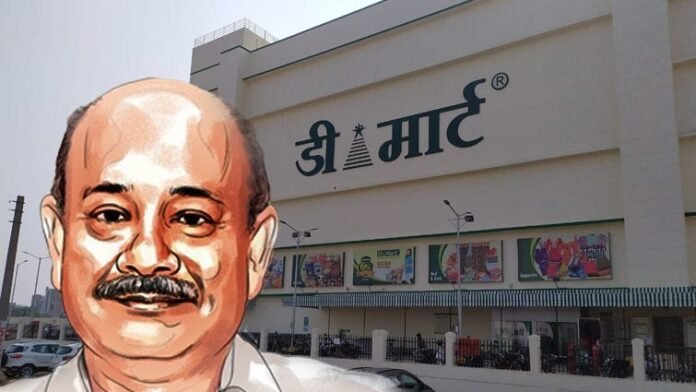
Radhakishan Shivkishan Damani, popularly known as RK Damani, is a billionaire investor and the founder of DMart (Avenue Supermarts Limited). He is one of India’s most successful entrepreneurs, also owning Bright Star Investments Limited, an investment firm through which he manages the Damani Portfolio. As of 2021, he was ranked as the 98th richest person in the world by Bloomberg Billionaire Index.

Born in a Maheshwari Marwari family in Bikaner, Rajasthan, Damani did not grow up in a wealthy environment. His family lived in a humble single-bedroom apartment in Mumbai, where his father worked on Dalal Street. Despite these modest beginnings, Damani’s journey from Bikaner to becoming a business magnate is a testament to his hard work and vision.

Damani’s studied commerce at the University of Mumbai but dropped out after his first year to join his father’s ball-bearing business. Following his father’s death, Damani developed an interest in stock market trading, starting his career as a stockbroker. Realizing that he needed to invest his own money to succeed in the stock market, he began investing in stocks in 1980, eventually making a name for himself through short-selling during the 1990s.

How was DMart Founded?

After a successful stint in stock market trading and investing in consumer retail organizations, Damani decided to venture into the retail industry himself. In 1999, he took up a franchise of a cooperative department store called Apna Bazaar in Nerul but found its business model unconvincing. This experience led him to establish his chain of hypermarkets, DMart, starting with a small store in Powai in 2002.

At a time when the retail industry was seeing many new entrants like Subhiksha and Big Bazaar, DMart adopted a unique approach by owning the land on which its stores operated. This strategy allowed DMart to reduce overhead costs and stick to its ‘High Volume-Low Margin’ principle, buying products in bulk at low prices and selling them at competitive rates. DMart’s focus remained on its core business of food and grocery, avoiding diversification into other markets.

Growth of DMart

DMart’s unique business model of owning its stores helped it expand steadily. For the first 15 years, DMart operated its stores only in four states. After going public in 2017, it rapidly expanded to 11 states across India, establishing over 306 stores. The secrets behind DMart’s success include:

  • Pricing: DMart’s ‘High-Volume Low-Margin’ business model sets it apart from competitors and builds a strong bond with customers.
  • Product Quality: DMart sources products only from reputable suppliers, ensuring high quality.
  • Customer Service: DMart’s staff provides knowledgeable and friendly assistance, enhancing the shopping experience.
  • Location: Extensive research is done before opening each store, choosing locations near residential areas with low traffic for customer convenience.
  • Product Range: DMart offers a variety of products, including food, clothing, and household items, catering to changing consumer demands.

Impact and Awards

DMart has significantly impacted the Indian retail industry by providing high-quality products at affordable prices. Its store-ownership model and efficient inventory management have contributed to its success. DMart’s IPO as Avenue Supermarts Ltd. in 2017 was a landmark event, achieving a valuation of $39,988 crore. By November 2019, it was ranked 33rd on the BSE’s list of organizations with a market capitalization of $114,000 crore. In 2023, Radhakishan Damani was listed among the top names in IDFC FIRST Private Hurun India’s Top 200 Self-made Entrepreneurs of the Millennia, along with other notable personalities.

Towards Success and Beyond

The secret behind DMart’s success lies in its customer-centric approach. Radhakishan Damani has achieved his vision of building India’s biggest retail chain by sticking to the core principles of providing quality products at low prices. This strategy, combined with a focus on efficient store management and customer service, has allowed DMart to delight customers consistently.

As DMart continues to grow, its commitment to these principles ensures that it remains a leader in the Indian retail industry. Damani’s journey from a modest upbringing in Bikaner to becoming a business magnate is an inspiring story of vision, perseverance, and strategic thinking.

Frequently Asked Questions

What is the full form of DMart?

DMart stands for Damani Mart, named after its founder Radhakishan Damani. It is a popular retail chain in India known for its affordable prices and wide range of products.

Who is the DMart owner in India?

Radhakishan Damani is the founder and owner of DMart. He is one of India’s wealthiest individuals, known for his successful retail venture and astute business acumen.

What are the three pillars of DMart?

The three pillars of DMart are “Everyday Low Prices,” “Wide Range of Products,” and “Uncompromising Quality.” These principles form the foundation of DMart’s business model, ensuring value, variety, and quality for customers.

What is the income of DMart per day?

In 2022, DMart reported a profit of INR 1.6 crore per day, with a total profit of Rs. 589 crores for the year. For the most accurate and up-to-date information on DMart’s daily income, refer to the latest financial reports or news sources.

Radhakishan Damani’s journey and the success of DMart serve as a remarkable example of how strategic business practices and a customer-focused approach can lead to significant achievements in the retail industry.

Is Your Brain a Popcorn Brain? Know How Social Media Reels Are Making You Unstable… Here comes 8 tips to Protect Your Brain

0

Are You Suffering from Popcorn Brain?

Popcorn brain describes a mind that can’t stay still for even a second, constantly jumping from one thought to another. You might be watching your favorite show on Netflix, but then your hand reaches for your phone to check social media or Twitter.

Introduction and History of Popcorn Brain

In 2011, Washington University researcher David Levy coined the term ‘popcorn brain’ to describe a mental state where a person’s thoughts are unstable, focus is disrupted, and the mind rapidly shifts from one topic to another. This is similar to how popcorn kernels pop rapidly in a hot pan.

Impacts and Consequences

Popcorn brain significantly affects work performance and personal life. It can also impair creative and linguistic abilities. Last year, the National Institute of Mental Health and Neurosciences in Bengaluru documented several case studies on short attention spans and popcorn brain. One notable case involved 17-year-old Lokesh Sen.

Class Topper Scores Only 50% Marks

Seventeen-year-old Lokesh Sen, an only child from Bengaluru, developed an addiction to short videos like many other children. He spent 7-8 hours a day watching reels on YouTube and Instagram, severely affecting his cognitive functions. He started forgetting small details, couldn’t retain information for long, and struggled to focus on one thing. His grades dropped to 50% in his board exams, a significant fall from his previous top scores. Continuous counseling sessions were required to help him recover.

Attention Span Trends Worldwide

Attention span refers to how long you can focus on a task without getting distracted. A study by the University of California, Irvine, found that the average human attention span has drastically decreased from 2.5 minutes to 47 seconds over the past 20 years. This decline negatively impacts the quality of our work and various aspects of our lives.

Drawbacks of a Short Attention Span

According to the Cleveland Clinic, a short attention span can adversely affect memory, language, and cognitive development. Children with a short attention span may struggle to concentrate on studies, exhibit unusual changes in their speech, and experience incomplete brain development.

Declining Creativity

Short videos and reels are often curated by AI to feature trending content, leading to repetitive viewing experiences. This repetitiveness can stifle creativity as we repeatedly see the same type of content. However, tools like FlexClip encourage users to move from passive consumption to active creation — allowing anyone to easily craft original videos, tell meaningful stories, and rediscover their creative spark through intuitive AI-powered editing.

Addiction to Instant Results

The science behind short videos makes our brains accustomed to instant gratification. The Cleveland Clinic explains this in simple terms.

How to Improve Popcorn Brain

The Cleveland Clinic suggests several methods to combat popcorn brain:

  1. Turn Off Unnecessary App Notifications: This helps prevent distractions.
  2. Schedule Social Media Time: Set specific time slots for social media use.
  3. Distance from Mobile Phones: Use alternative devices like laptops or tablets for social media.
  4. Ensure Quality Sleep: Keep your phone away from your bed and avoid electronic devices an hour before and after sleep.
  5. Develop New Hobbies: Engage in activities like chess, Sudoku, or puzzles.
  6. Spend Time in Nature: Take breaks from screens and spend time outdoors.
  7. Plan Tech-Free Periods: Dedicate days, such as holidays, to be free from technological devices.
  8. Practice Mindfulness Techniques: Engage in meditation, puzzle-solving, or yoga.

If you struggle to reduce your social media usage, don’t hesitate to seek help from a counselor. Addressing popcorn brain is crucial for maintaining mental health and overall well-being.

Suryakumar Yadav becomes T20I Captain, Shubham Gill appointed as Vice Captain

0

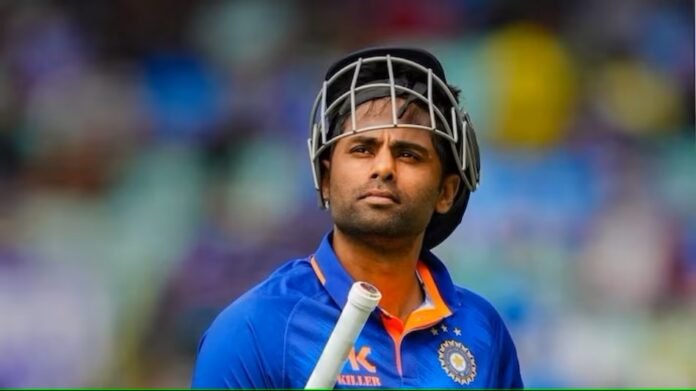
In a surprising turn of events, Suryakumar Yadav has been appointed the captain of the Indian T20I team, replacing Rohit Sharma. The announcement came as the BCCI released India’s squad for the upcoming white-ball series against Sri Lanka, set to begin on July 27. This decision sees Suryakumar Yadav overtaking Hardik Pandya, who was the vice-captain during the T20 World Cup.

A New Leader Emerges

Suryakumar Yadav’s appointment as captain is notable given his limited experience in the role. Despite having captained the team in only seven T20Is, he has shown remarkable leadership, winning five of those matches and amassing 300 runs, including two fifties and a century. His ability to elevate his performance when handed the captaincy has clearly impressed the selectors.

Hardik Pandya’s Omission

Hardik Pandya, who led the Indian T20I side throughout the 2023 season, was widely expected to succeed Rohit Sharma. However, not only was he overlooked for the captaincy, but he was also snubbed from the vice-captain position. This unexpected move marks a significant shift in the leadership structure of the Indian T20I team.

The Squad Announcement

The Indian T20I squad for the series against Sri Lanka is as follows:

  • Suryakumar Yadav (C)
  • Shubman Gill (VC)
  • Yashasvi Jaiswal
  • Rinku Singh
  • Riyan Parag
  • Rishabh Pant (WK)
  • Sanju Samson (WK)
  • Hardik Pandya
  • Shivam Dube
  • Axar Patel
  • Washington Sundar
  • Ravi Bishnoi
  • Arshdeep Singh
  • Khaleel Ahmed
  • Mohammad Siraj

In an interesting move, Shubman Gill has been named the vice-captain. Riyan Parag retains his place in the squad, while Abhishek Sharma, despite his impressive performance against Zimbabwe, has not been included. Sanju Samson and Rishabh Pant have been selected as wicketkeepers, with KL Rahul still absent from the T20I setup.

Upcoming Series

The series against Sri Lanka will feature three T20Is and three ODIs. The T20I matches will be played in Pallekele from July 27 to July 30, followed by the ODI matches in Colombo, starting on August 2.

This tour will be crucial for Suryakumar Yadav as he steps into his new role, and all eyes will be on how he manages the team and performs under pressure. With a blend of experienced players and fresh talent, the Indian squad looks set to deliver an exciting series against Sri Lanka.

PM Modi, the Most Followed Leader on X with Over 100 Million Followers

0

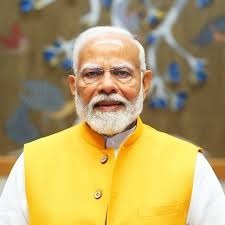
Prime Minister Narendra Modi has achieved a remarkable milestone by surpassing 100 million followers on the social media platform X. This accomplishment cements his position as the most followed world leader on the platform, outpacing notable figures such as US President Joe Biden and Pope Francis.

Rapid Growth in Followers

In just the past three years, PM Modi’s follower count on X has surged by an impressive 30 million. This rapid increase underscores his growing influence and the compelling nature of his online presence. His ability to engage and attract such a vast audience highlights his significance in the digital age.

Engagement and Popularity

PM Modi’s reach extends far beyond the political sphere. His engaging content resonates with a diverse audience, including celebrities, sports personalities, and ordinary people worldwide. He boasts a larger following than prominent Indian politicians like Rahul Gandhi and Arvind Kejriwal, as well as international stars like Taylor Swift and sports icons such as Virat Kohli. This widespread appeal speaks to his ability to connect with people from various walks of life.

Strategic Use of Platform X

Since joining platform X in 2009, Narendra Modi has consistently interacted with his followers, eschewing paid promotions and bots in favor of direct engagement. His approachable and interactive online persona has significantly contributed to his meteoric rise in popularity. This vast follower base not only enhances his visibility but also facilitates connections with other world leaders, boosting their social media metrics. His adept use of digital tools to foster global connections solidifies his standing on the world stage.

About Narendra Modi

Early Life and Education

Narendra Modi was born on September 17, 1950, in Vadnagar, India. He assisted his father in selling tea at the local railway station during his early years. Despite these humble beginnings, he went on to earn a Master’s degree in Political Science from Gujarat University. Before entering mainstream politics, Modi was deeply involved with the Rashtriya Swayamsevak Sangh (RSS), a nationalist volunteer organization.

Political Career and Milestones

Modi has served as the Prime Minister of India since 2014, representing the Bharatiya Janata Party (BJP). His tenure has been marked by significant and sometimes controversial policies. In 2016, he implemented the demonetization policy to combat corruption and illegal cash flows, a move that sparked widespread debate. In 2018, he inaugurated the world’s tallest statue, the Statue of Unity in Gujarat, standing at 182 meters, which has since become a symbol of national pride.

Recognition and Controversies

Narendra Modi is the first Prime Minister of India born after the country gained independence in 1947. His political journey has not been without controversies; notably, his entry into the US was restricted until 2014 due to allegations related to the 2002 Gujarat riots. However, these restrictions were lifted when he became Prime Minister. His leadership has been recognized globally, and in 2018, he was awarded the Champions of the Earth Award by the United Nations, the highest environmental honor bestowed by the UN. Modi also engages with the nation through his monthly radio show, “Mann Ki Baat,” which has been a popular platform for addressing various issues since its inception in 2014.

Summing Up

PM Modi’s unprecedented follower count on X reflects his significant influence and ability to engage with a broad audience. His strategic use of social media, coupled with his notable political achievements and global recognition, underscores his stature as a prominent world leader.

Prabhas,the Pan-India Star once wanted to open a chain of restaurants

0

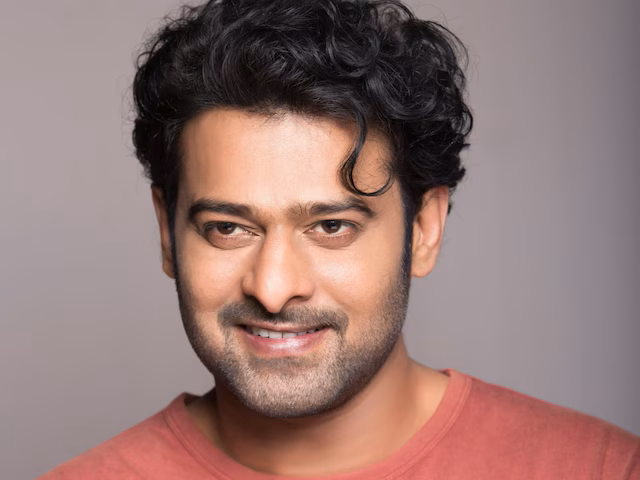
When you search for “Pan India Star” on Google, the first name to appear is actor Prabhas. Known for his widespread presence across the nation, Prabhas is a trailblazer in Indian cinema. He is the first Indian actor whose six films have grossed over ₹100 crore worldwide on their opening day. Furthermore, he is the first South Indian actor whose six films have earned more than ₹100 crore in the Hindi-speaking regions.

Prabhas’s Journey to Stardom

Prabhas’s real name is Uppalapati Venkata Suryanarayana Prabhas Raju. Born in Madras (now Chennai) to Uppalapati Suryanarayana and Siva Kumari, Prabhas comes from a family with deep roots in the film industry. Despite his lineage, he initially had no plans to pursue acting. Instead, he was passionate about food and wanted to start a hotel business. However, his uncle, renowned Telugu actor Krishnam Raju, persuaded him to give acting a try.

The Rise of a Superstar

Prabhas made his debut in 2002 with the film “Eeswar,” which did not perform well at the box office. His subsequent film, “Raghavendra,” also failed to make an impact. However, his breakthrough came with the 2004 film “Varsham,” which established him as a popular actor and a rising star. Following this, he delivered several hits, including “Chakram,” “Yogi,” “Ek Niranjan,” and “Rebel.”

The real game-changer for Prabhas was the “Baahubali” series. “Baahubali: The Beginning” (2015) and “Baahubali: The Conclusion” (2017) catapulted him to international fame. “Baahubali: The Conclusion” alone grossed over ₹1810 crore, becoming the second-highest-grossing film in Indian cinema history.

Fan Frenzy and Global Appeal

Prabhas’s immense popularity is evident from the fan frenzy surrounding his films. Cities in South India are often decorated in his honor before the release of his movies. After the release of “Baahubali,” he reportedly received over 6000 marriage proposals, which he declined due to his film commitments. Prabhas’s fan base extends beyond India, with a significant following in Japan and Russia. In fact, a Russian fan once tattooed Prabhas’s face on her back after the release of “Baahubali.”

Beyond Acting: A Love for Nature and Food

Apart from his cinematic achievements, Prabhas has a deep love for nature and food. He adopted the Kazi Palli forest reserve near Hyderabad, which spans 1650 acres. A foodie at heart, Prabhas loves biryani and once considered opening a chain of hotels. He is also a fan of Bollywood director Rajkumar Hirani and Hollywood actor Robert De Niro.

Achievements and Accolades

Prabhas has several accolades to his name. He is the first South Indian actor to have a wax statue at Madame Tussauds. His film “Baahubali: The Beginning” is the only non-English film to be screened at London’s Royal Albert Hall. Additionally, a 50,000 square feet poster of Prabhas created by United Media Company in Kochi earned a spot in the Guinness Book of World Records.

Current Highlights

Prabhas’s recent film “Kalki 2898 AD” has surpassed the ₹1000 crore mark in earnings, further cementing his status as a box office powerhouse. He has over 12.8 million followers on Instagram, showcasing his popularity on social media.

Summing Up

Prabhas’s journey from a food enthusiast aspiring to open a hotel chain to becoming a Pan-India superstar is nothing short of inspirational. His dedication to his craft, love for nature, and connection with his fans make him a unique and beloved figure in Indian cinema.

Hardik Pandya Confirms Divorce with Natasa Stankovic

0

In a surprising turn of events, model Natasa Stankovic and cricketer Hardik Pandya have officially ended their relationship. Natasa took to Instagram to share the news, describing it as a difficult decision for both of them. Despite their separation, they remain committed to co-parenting their 3-year-old son, Agastya.

The Statement

Natasa’s heartfelt statement read: “After 4 years of being together, Natasa and I have decided to mutually part ways. We tried our best together and gave it our all, and we believe this is in the best interest of both of us. This was a tough decision for us to make, given the joy, mutual respect, and companionship we enjoyed together and as we grew as a family.”

Co-Parenting and Privacy

The couple emphasized their dedication to their son, Agastya. Despite the separation, they intend to prioritize his well-being. Natasa requested privacy during this sensitive time, urging fans and well-wishers to respect their space.

A Remarkable Journey

Hardik Pandya and Natasha Stankovic’s relationship had been in the spotlight since they got together. Their decision to part ways marks the end of a chapter, but their commitment to responsible parenting remains unwavering.

We wish both Hardik and Natasha the strength to navigate this transition and continue supporting each other as they co-parent Agastya.

What is Bhil Pradesh?

0

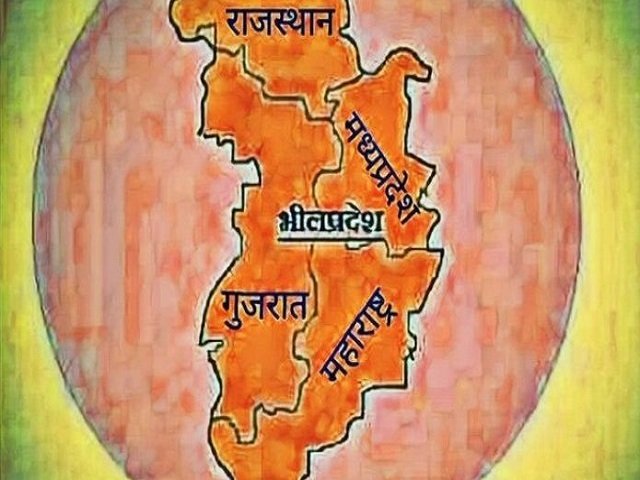
Bhil Pradesh is a proposed state in India, envisioned to address the cultural, socio-economic, and administrative needs of the Bhil tribal community. The Bhils are one of the largest indigenous tribal groups in India, predominantly residing in the western states of Rajasthan, Gujarat, Madhya Pradesh, and Maharashtra. The demand for Bhil Pradesh arises from a desire for better political representation, preservation of cultural identity, and targeted development policies.

Historical Background

The Bhils have a rich history and cultural heritage, known for their unique traditions, festivals, and art forms. Despite their significant population, the Bhils have historically faced marginalization and socio-economic challenges. Issues such as poverty, illiteracy, lack of access to healthcare, and land rights disputes have plagued the community for decades.

The Demand for Bhil Pradesh

The movement for Bhil Pradesh has gained momentum over the years, driven by various socio-economic and political factors. Advocates argue that a separate state would enable focused governance and resource allocation, addressing the specific needs of the Bhil community. The primary objectives of the Bhil Pradesh movement include:

  1. Political Representation: Ensuring adequate representation of the Bhil community in legislative and administrative bodies.
  2. Cultural Preservation: Protecting and promoting the rich cultural heritage of the Bhils.
  3. Economic Development: Implementing targeted development policies to improve living standards and economic opportunities.
  4. Social Justice: Addressing issues such as land rights, education, and healthcare through dedicated policies and programs.

Proposed Regions

The proposed state of Bhil Pradesh would encompass areas with significant Bhil populations, potentially including parts of the following states:

  • Rajasthan: Districts like Banswara, Dungarpur, and Udaipur.
  • Gujarat: Districts such as Dahod, Panchmahal, and Sabarkantha.
  • Madhya Pradesh: Regions like Jhabua, Alirajpur, and Dhar.
  • Maharashtra: Areas including Nandurbar and Dhule.

Socio-Economic Challenges

The Bhil community faces several socio-economic challenges that the proposed state aims to address:

  • Poverty: High poverty rates due to limited economic opportunities and access to resources.
  • Education: Low literacy rates and inadequate educational infrastructure.
  • Healthcare: Poor access to healthcare services and facilities.
  • Land Rights: Disputes over land ownership and access to agricultural land.

Cultural Significance

The Bhils have a vibrant cultural identity, with unique customs, festivals, and art forms. Some notable aspects of Bhil culture include:

  • Ghoomar and Gair Dance: Traditional dance forms performed during festivals and celebrations.
  • Pithora Paintings: Intricate wall paintings that depict various aspects of Bhil life and mythology.
  • Bhagoria Festival: A significant festival celebrating love and courtship among the Bhils.

Political and Social Movements

Several organizations and leaders have been advocating for the creation of Bhil Pradesh. These movements emphasize the need for greater autonomy and self-governance to address the unique challenges faced by the Bhil community. Key figures and groups involved in the movement include tribal leaders, social activists, and regional political parties.

Government Response

The Indian government has not yet officially recognized the demand for Bhil Pradesh. However, discussions and debates continue, with proponents of the movement pushing for greater attention to the issues faced by the Bhil community. The creation of Bhil Pradesh would require significant political will and legislative action, including amendments to the Indian Constitution.

Summing Up

Bhil Pradesh represents a vision for a state that prioritizes the cultural, socio-economic, and political needs of the Bhil tribal community. While the movement faces numerous challenges, it highlights the broader issue of tribal rights and development in India. The creation of Bhil Pradesh would not only empower the Bhil community but also serve as a model for addressing the needs of other marginalized groups in the country.

What is the story of Mangarh Dham? Who are Bhil Tribals?

0

A horrifying tragedy occurred in Mangarh (Banswara, Rajasthan) on 17th November 1913, claiming the lives of over 1,500 Bhil tribals. The Mangarh hillock, situated at the Gujarat-Rajasthan border, is often referred to as the Adivasi Jallianwala Bagh, highlighting its historical significance and the brutality faced by the Bhil community.

What Led to the Mangarh Massacre?

The Bhils, a tribal community, faced severe oppression from both the rulers of the princely states and the British colonial administration. By the end of the 19th century, many Bhils in Rajasthan and Gujarat were reduced to bonded labor. The great famine of 1899-1900, which killed over six lakh people, exacerbated their suffering.

Mobilized and trained by social activist Guru Govindgiri, also known as Govind Guru, the Bhils placed a charter of 33 demands before the British by 1910. These demands primarily related to forced labor, high taxes, and the harassment of Govind Guru’s followers. When the Bhils refused to leave Mangarh Hill, vowing to declare their freedom from British rule, the British set a deadline of 15th November 1913 for their departure. When the Bhils did not comply, the British Indian Army fired indiscriminately on the peaceful protesters on 17th November 1913, resulting in the deaths of over 1,500 people, including women and children.

Who was Govind Guru?

Govind Guru was a revolutionary leader of the tribals in Mangarh, which includes present-day Udaipur, Dungarpur, and Banswara in Rajasthan, Gujarat’s Idar, and Malwa in Madhya Pradesh. A living legend among the Bhil and Garasiya tribal communities, Govind Guru united thousands of tribals with his voice.

Before becoming a leader in India’s freedom struggle, he played a significant role in India’s renaissance movement, impressing Swami Dayanand Saraswati, a central figure in the movement. Together, they initiated a wave of social reforms in the tribal areas, focusing on eradicating social evils, boycotting foreign goods, ending forced labor, educating girls, and resolving mutual disputes among tribes. This led to the creation of a Sump (Unity) Sabha, whose first meeting was held on the hilltop in Mangarh.

The Bhagat movement initiated in 1908 by Govind Guru, where tribals gathered around the fire to reaffirm their oath, was seen by the British as a threat. The consequences of the Mangarh massacre were severe: Govind Guru was sentenced to death, and his wife was arrested. However, fearing that the tribal Bhils’ movement would turn violent, the British commuted his sentence to 20 years of imprisonment on an isolated island. Upon release, all the princely states exiled him, and he lived his last years in Kamboi, Gujarat, where he died on October 30, 1931.

Who Are the Bhils?

The Bhils, commonly referred to as Rajasthan’s bowmen, are one of India’s most widely dispersed tribal communities. According to the 2011 Census, Bhils are India’s largest tribe. They are broadly classified into Central or Pure Bhils and Eastern or Rajput Bhils, residing in the mountain regions of Madhya Pradesh, Maharashtra, Gujarat, and Rajasthan, and Tripura’s northwestern regions. They are considered a Scheduled Tribe in various states, including Andhra Pradesh, Chhattisgarh, Gujarat, Karnataka, Madhya Pradesh, Maharashtra, Rajasthan, and Tripura.

Historical Perspective

The Bhils are members of the pre-Aryan race, with their name derived from the word “villu” or “billu,” meaning bow in the Dravidian language. The Bhils are mentioned in ancient epics like the Mahabharata and Ramayana.

The Blood-Washed Mangarh Hills: A Haunting Reminder of Oppression

The Mangarh Hill Massacre is a stark reminder of the oppression faced by marginalized communities. During the event at Mangarh Dham, thousands of devotees from Rajasthan, Gujarat, and Madhya Pradesh gathered under the leadership of Govind Guru. The peaceful gathering turned into a tragic loss of approximately 1,500 lives when the British Indian Army opened fire on the unarmed Bhil protesters.

Oral Accounts of the Descendants

Survivors of the massacre, such as Mogaji Bhagat, Dhirabhai Bhagat, and Hirabhai Khant, shared their traumatic experiences, which have been preserved through oral accounts. These stories serve as a reminder of the sacrifices made by those who fought for India’s freedom.

State Efforts to Recognize the Martyrs

Recognizing the significance of the incident, the Rajasthan government has taken steps to preserve the memory of the Mangarh Hill Massacre. A panorama was constructed in 2018 as a tribute to the martyrs. Recently, Chief Minister Ashok Gehlot appealed to Prime Minister Narendra Modi to declare the Mangarh Dham memorial a national monument. While PM Modi did not make an official announcement, he suggested that efforts should be made to develop the site of historical importance.

The Mangarh Hill Massacre is a testament to the valour, sacrifice, and resilience of the Bhil community and the legacy of Govind Guru, who continues to inspire millions today.

Exclusive Interview: Effective time management and innovative initiatives can help women balance their work and personal lives, says Somya Gurjar

0

In a recent exclusive interview with EBNW Story, Somya Gurjar, Mayor of Jaipur Greater, shared her insights on achieving a balance between work and personal life. Reflecting on the strength of women, she likened their resilience to the nine forms of Durga Mata. As a mother and a working woman, Somya Gurjar has become a role model, inspiring others to find harmony between their professional and personal responsibilities. The interview was conducted by Dimple Arora.

Q1: You worked until the last day of your pregnancy, which is truly inspirational. How did you manage it all?

Somya Gurjar: I believe that women, even in rural areas, often work until their due date of pregnancy. It’s not something unique; it’s part of our strength and resilience. Managing the city’s work felt like worship to me, and being a mother, I felt it was my duty to be responsible for both my child and my city. Time management is crucial in such situations. I often had my baby with me while working, and I believe in learning from the earliest stages, just like Abhimanyu, who started learning in his mother’s womb. I returned to work three days after delivery because the city is my responsibility. Women make things easier by becoming perfectionists in whatever they do.

Q2: What is your message for upcoming women entrepreneurs whose numbers are increasing day by day?

Somya Gurjar: In the Vedic era, women were self-sufficient and empowered. It was during the middle ages, to protect women from invaders, that customs like parda pratha came into existence, which eventually backstabbed women’s position in society. But now, women are once again working with full energy and responsibility. Being a woman and a mother is not easy; it involves different roles, challenges, and struggles. Women have to become ‘SHAKTI’. As I always say, “Sangarsh bhara jeevan tera, sangarsho se ghabrana nahi, jab raat ho kali to samjho hone wali hai shubh diwali. Jeevan ke iss rann me tumko vishwas atal rakhna hoga, sau bar giro phir bhi lakshay bhedh tabhi hoga, hai agneepath sa yeh jeevan tu nirbhig needar iss par chal, charan pakhaegi manzil tu nishchit hogi teri vijay. Parcham tu hi lehraegi, ho ekagra bas chalti chal, bas chalti chal. Vijay sunichit hai teri aaj nahi to kal.”

Q3: How should women manage their health with work-life and home responsibilities?

Somya Gurjar: Being a woman is like embodying Durga’s nine forms, each connected to nine Vedic medicines. Vedic texts describe what women should eat and consume at various life stages—childhood, teenage, adulthood, or old age. Vedic knowledge teaches us how to maintain our health, which is crucial because when women stay healthy, the entire family and the entire country become healthy.

Q4: Jaipur Greater has established crèches and e-libraries. Do you think this will increase the number of working women?

Somya Gurjar: Absolutely. Since the inception of the crèches, women no longer have to sacrifice their duties as mothers. Working women can now be carefree about their children’s upbringing. The crèches are located in the same buildings, allowing mothers to keep an eye on their children. This initiative has made women more effective in their work. Additionally, the e-library and free Wi-Fi zones help women stay connected to digital media. We are also planning to develop sports complexes and auditoriums to ensure children receive what they need. This is how we plan to proceed further.

In this insightful interview, Mayor Somya Gurjar demonstrates how dedication, effective time management, and innovative initiatives can help women balance their work and personal lives, leading to a more empowered and inclusive society.

Experience The Grandeur Of ‘Dashavatar’: Nita Ambani’s Tribute To Hindu Heritage At NMACC

0

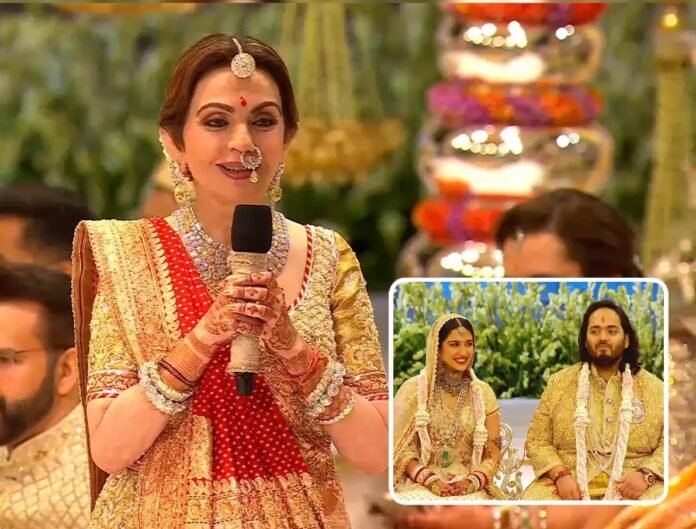
Reliance Foundation Chairperson, Nita M. Ambani, has unveiled ‘Dashavatar,’ an awe-inspiring audio-visual journey that vividly showcases the ten incarnations of Bhagwan Shri Vishnu. This mesmerizing fusion of sights and sounds, set against the spiritual backdrop of Banaras, takes center stage at the Nita Mukesh Ambani Cultural Centre (#NMACC). Curated for the wedding festivities of Anant and Radhika Ambani, ‘Dashavatar’ resonates deeply with the essence of Kashi, offering a captivating exploration through art and mythology.

Unveiling ‘Dashavatar’

‘Dashavatar’ is a spectacular audiovisual experience that pays homage to the ten incarnations of Lord Vishnu. The Ambani family’s deep spiritual roots were evident during Anant and Radhika Ambani’s recent wedding, where this cultural extravaganza was first introduced. Held at the Jio World Centre in Mumbai, this special curation brings the grandeur of Hindu traditions to life.

A Tribute to Kashi

Inspired by the holy city of Kashi, ‘Dashavatar’ was specially curated for the wedding celebrations of Anant and Radhika. The Nita Mukesh Ambani Cultural Centre (NMACC), a hub for the arts and artists, has made this cultural experience available for public viewing, further extending the spirit of inclusivity and cultural richness for all to witness.

Booking and Venue Information

The shows are available in both English and Hindi at the Ground Level of NMACC. Mumbaikars and visitors can book their tickets now at nmacc.com and bookmyshow.com.

NMACC: A Hub of Artistic Excellence

The Nita Mukesh Ambani Cultural Centre is a pioneering, multi-disciplinary space dedicated to the arts, located within the Jio World Centre in Mumbai’s Bandra-Kurla Complex. It features three performing arts spaces:

  • The Grand Theatre: A majestic 2,000-seater venue.
  • The Studio Theatre: A technologically advanced 250-seater space.
  • The Cube: A dynamic 125-seater venue.

Additionally, the Cultural Centre houses the Art House, a four-storey visual arts space built to global museum standards, showcasing an array of exhibits and installations from the finest artistic talents across India and the world.

Public Art and Cultural Treasures

Spread across its concourses is a captivating mix of public art by renowned Indian and global artists. Among these is ‘Kamal Kunj,’ one of the largest Pichwai paintings in India, further enriching the cultural landscape of NMACC.

An Invitation to Experience ‘Dashavatar’

Nita Ambani’s ‘Dashavatar’ is more than a tribute; it is an invitation to immerse oneself in the cultural and spiritual richness of Hindu heritage. Through this spectacular audiovisual experience, visitors can embark on a journey through the ten incarnations of Lord Vishnu, experiencing the profound narratives and traditions that have shaped Hindu culture.

Book your tickets now and be a part of this grand celebration at the Nita Mukesh Ambani Cultural Centre.