Home Blog Page 522

Visit to Maharaja Sawai Man Singh II Museum by Army Public School Students

0

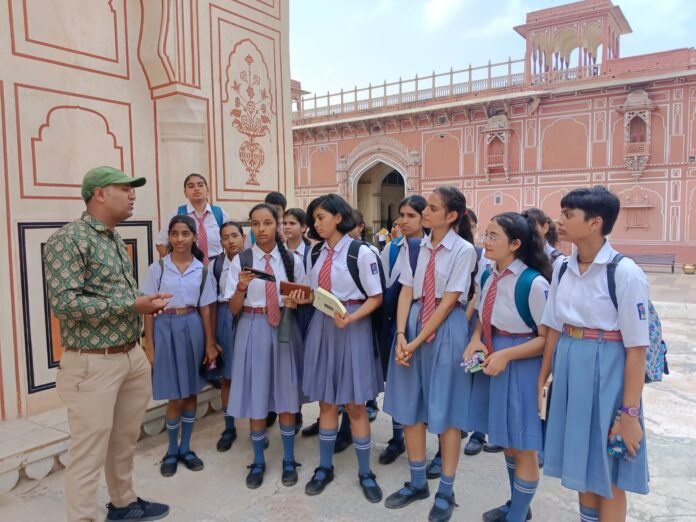
On 20th July 2024, students from Army Public School who enrolled in Media Masterclass Program of SSF had an enriching visit to the Maharaja Sawai Man Singh II Museum, organized in collaboration with the Army Wives Welfare Association (AWWA) and Saksham Sanchar Foundation. The visit was a remarkable opportunity for the students to gain practical knowledge about the rich history of Jaipur.

The museum, housed in the historic City Palace, showcased an impressive collection of old baggis (carriages), intricate jewellery, traditional clothes, exquisite textiles, and beautiful paintings. This collection offered the students a tangible connection to the past, enhancing their understanding of Jaipur’s royal heritage.

A highlight of the visit was the timeless Kathputli (puppet) show, which captivated the students with its vibrant storytelling and cultural significance.

Rama Dutt, the executive trustee of the MSMS II Museum, provided the students with invaluable insights into the maintenance of royal heritage. She shared fascinating details about the number of tourists from different countries who visit the museum, the history of Jaipur, and the present royal family, including the King Padmanabhan Singh and Rani Sahiba of Jaipur. She also highlighted the royal family’s connection to golf, emphasizing King Padmanabhan Singh’s achievements as a great golf player who also contributed to the Indian national team and led from the front as captain in 2017.
The students, inquisitive to know more about the past, asked questions to her and she did reply to all their queries.
Students asked her on why the palace was cool when there was so much of heat outside and she replied it is because of limestone use which is a bad conductor of heat and cold
Further the students were delighted to explore the history, art, craft and culture of Jaipur inside this pristine palace.

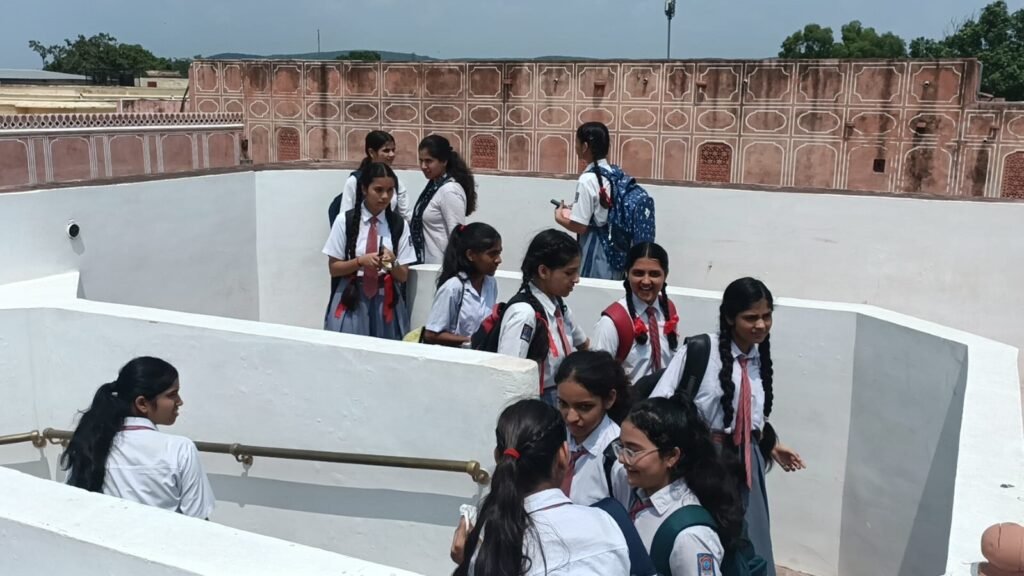
Vishakha Vasnani, Social Media Manager at Cyntexa delivered an engaging guest lecture on social media usage and camera handling. She taught the students practical skills on how to effectively use social media and cameras, emphasizing the importance of post timings and the impact of different types of angle shots. Her session provided the students with valuable knowledge that bridges traditional learning with modern technology.
Visit to Maharaja Sawai Man Singh II Museum by Army Public School Students

Overall, the visit was a fun and educational experience for the students, offering them a blend of historical insights and practical skills that will be beneficial in their academic and personal lives.

MSMS Museum also posted this reel on Instagram of APS Students
https://www.instagram.com/reel/C9rdVW2SOhg/?igsh=MXgwZmVya2ozOWNk

Top 10 Beaches in Odisha to Visit on Your Next Trip

0

In the rush of modern life, beaches offer a serene escape, and Odisha is blessed with some of the most picturesque coastal stretches in India. Whether you seek solitude, adventure, or just a relaxing time by the sea, Odisha’s beaches have something for everyone. Here’s a curated list of the top beaches you must visit on your next trip to Odisha:

1. Puri Beach, Puri

Puri Beach is not just a scenic spot but also holds religious significance as the abode of Lord Jagannath. Known for its golden sands and vibrant local culture, Puri Beach attracts tourists year-round. The annual Rath Yatra (Chariot Festival) is a spectacle that draws millions of pilgrims and tourists alike.

Best Time to Visit: October to February

Famous for: Jagannath Temple, Rath Yatra, Longest golden beach

Top 10 Beaches in Odisha to Visit on Your Next Trip

2. Gopalpur Beach, Ganjam

Gopalpur Beach offers a tranquil atmosphere with its pristine coastline dotted with coconut and casuarina trees. Famous for its sunsets and lagoon boating, Gopalpur is perfect for those seeking a quiet retreat away from the crowds.

Best Time to Visit: October to February

Famous for: Coconut and casuarina groves, Chilka Lake, Serene environment

Top 10 Beaches in Odisha to Visit on Your Next Trip

3. Chandrabhaga Beach, Konark

Located close to the Sun Temple at Konark, Chandrabhaga Beach is known for its clean waters and mesmerizing sunrise views. It recently received the Blue Flag certification, making it one of India’s environmentally sustainable beaches.

Best Time to Visit: October to February

Famous for: Blue Flag certification, Sun Temple, Annual International Sand Art Festival

Top 10 Beaches in Odisha to Visit on Your Next Trip

4. Ramchandi Beach, Konark

Ramchandi Beach offers a serene escape with its clean sands and picturesque surroundings. Situated at the confluence of River Kushabhadra and the Bay of Bengal, it’s perfect for water sports enthusiasts and nature lovers alike.

Best Time to Visit: September to February

Famous for: Ramachandi festival, Water sports, Serene environment

Top 10 Beaches in Odisha to Visit on Your Next Trip

5. Chandipur Beach, Balasore

Chandipur Beach is unique for its disappearing sea phenomenon where the sea recedes up to 5 kilometers during low tide, allowing visitors to walk deep into the sea. It’s a haven for nature lovers and those seeking solitude.

Best Time to Visit: October to March

Famous for: Disappearing sea line, Long beach walks, Red crabs

Top 10 Beaches in Odisha to Visit on Your Next Trip

6. Konark Beach, Konark

Adjacent to the Konark Sun Temple, Konark Beach offers a tranquil environment with its golden sands and clear waters. It’s less crowded compared to nearby beaches, making it ideal for a peaceful day by the sea.

Best Time to Visit: September to March

Famous for: Konark Sun Temple, Water sports, Scenic beauty

Top 10 Beaches in Odisha to Visit on Your Next Trip

7. Talsari Beach, Balasore

Talsari Beach is known for its serene surroundings and magnificent views of sunrise and sunset. Surrounded by coconut and casuarina trees, it offers a perfect blend of natural beauty and tranquility.

Best Time to Visit: October to December, February to April

Famous for: Fishing village, Coconut and casuarina trees, Seafood

Top 10 Beaches in Odisha to Visit on Your Next Trip

8. Dagara Beach, Balasore

Dagara Beach is a pristine stretch known for its sandy coastline and breathtaking sunsets. It’s less commercialized, offering visitors a peaceful atmosphere to relax and unwind.

Best Time to Visit: October to February

Famous for: Clean beach, Mesmerizing sunsets, Red crabs

Top 10 Beaches in Odisha to Visit on Your Next Trip

9. Pati Sonepur Beach, Berhampur

Pati Sonepur Beach is nestled at the confluence of River Bahuda and the Bay of Bengal, offering panoramic ocean views and a serene ambiance. It’s ideal for a quiet getaway amidst nature.

Best Time to Visit: October to June

Famous for: Gopalpur Lighthouse, Maa Tara Tarini Hill Shrine, Scenic beauty

Top 10 Beaches in Odisha to Visit on Your Next Trip

10. Gahirmatha Beach, Kendrapara

Gahirmatha Beach is renowned for being the nesting ground of the endangered Olive Ridley Turtles. Located near the Bhitarkanika National Park, it offers a unique opportunity to witness these turtles in their natural habitat.

Best Time to Visit: October to February

Famous for: Olive Ridley Turtles, Gahirmatha Marine Sanctuary, Clean beach

Top 10 Beaches in Odisha to Visit on Your Next Trip

Summing Up

Odisha’s coastline is a treasure trove of natural beauty, cultural richness, and serene landscapes. Whether you’re seeking spiritual solace, adventure, or simply want to unwind by the sea, these beaches offer the perfect escape. Plan your trip to Odisha and explore these stunning beaches for an unforgettable experience.

Mahabodhi Temple, architectural brillaince in Bodh Gaya

0

The Mahabodhi Temple in Bodh Gaya stands as a majestic testament to Buddhist faith and architectural brilliance, embodying over two millennia of spiritual significance and historical evolution. Located in Bihar, northeastern India, this sacred site is revered globally as the place where Siddhartha Gautama, the Buddha, attained enlightenment under the Bodhi Tree.

Built initially by Emperor Ashoka in the 3rd century BCE, the Mahabodhi Temple complex has undergone several transformations over the centuries, reflecting diverse architectural styles and religious influences. The current structure, towering impressively at 55 meters (180 feet), is a masterpiece of ancient brickwork and stone craftsmanship. Its pyramidal tower, adorned with intricate niches, arch motifs, and delicate engravings, symbolizes the zenith of Indian temple architecture.

Central to the temple’s sanctity is the Vajrasana, a stone platform traditionally believed to mark the exact spot where the Buddha sat in meditation. Adjacent to the temple stands a descendant of the original Bodhi Tree, revered as a direct descendant of the tree under which the Buddha attained enlightenment. The temple complex is enclosed by historic stone railings adorned with ornate carvings, adding to its sacred ambiance.

Designated a UNESCO World Heritage site in 2002, the Mahabodhi Temple complex spans 4.8 hectares (11.9 acres), encompassing not only the main temple but also ancient shrines and modern additions built by successive generations of Buddhist devotees. These additions reflect the ongoing spiritual and cultural significance of Bodh Gaya as a pilgrimage site for Buddhists from around the world.

Throughout history, temple architecture has served as a cornerstone of religious expression and cultural identity. From the towering ziggurats of Mesopotamia to the intricate pagodas of East Asia, temples have not only housed religious rituals but also served as symbols of community, identity, and architectural innovation.

The Mahabodhi Temple’s influence extends far beyond its physical structure. It continues to inspire scholars, artists, and spiritual seekers alike, embodying the enduring legacy of the Buddha’s teachings on compassion, wisdom, and inner peace. The temple complex remains a vibrant center of Buddhist worship and pilgrimage, welcoming visitors from diverse cultural and religious backgrounds to experience its profound spiritual aura.

Bodh Gaya, the town surrounding the Mahabodhi Temple, retains its tranquil charm, nestled beside the Niranjana River amidst serene natural surroundings. It serves as a living testament to the enduring power of Buddhism and the profound impact of the Buddha’s enlightenment on human history and spirituality.

In conclusion, the Mahabodhi Temple in Bodh Gaya stands as a timeless symbol of enlightenment and spiritual awakening, embodying the profound teachings of the Buddha amidst the rich tapestry of Indian cultural heritage. Its preservation and reverence underscore its significance as a global icon of peace, harmony, and spiritual fulfillment.

Exploring the Spiritual Heritage of Vishnupad Temple and Gaya

0

Gaya, nestled in the heart of Bihar, India, is not just another city; it is a profound spiritual center revered across millennia. Its spiritual significance is deeply rooted in Hindu mythology, with its pivotal role in rituals like Pind Daan (offering to ancestors) and Pitra Tarpan (ancestor worship) making it an essential pilgrimage site for Hindus worldwide. At the heart of this spiritual tapestry lies the Vishnupad Temple, a testament to faith and devotion.

Ancient Origins and Mythological Significance

Legend has it that Gaya was formed when Gayasur, a demon king, was granted a boon to become the holiest of the holy. His reckless use of this power prompted Lord Vishnu to intervene, leading to Gayasur’s transformation into the land upon which Gaya now stands. Vishnupad Temple marks the exact spot where Lord Vishnu pressed his feet upon Gayasur, imprinting his divine presence for eternity.

Architectural Marvel and Spiritual Ambiance

The Vishnupad Temple, reconstructed in the 18th century under the patronage of Queen Ahilyabai Holkar, stands tall as a masterpiece of Nagara style architecture. Its towering Vimana and ornate pillared Mandapa reflect not just craftsmanship but a deep reverence for Lord Vishnu. Within its precincts, devotees encounter Lord Vishnu’s footprints, etched in stone, surrounded by symbols of his divine attributes.

The temple complex is not just a place of worship but a spiritual journey through history. The pillared courtyard, aligned with the natural contours of Gayasur’s rocky form, retains an ancient charm that speaks volumes about its enduring sacredness.

Surrounding Spiritual Sites

Gaya is not just about Vishnupad Temple; it’s a constellation of sacred sites. The Mangla Gauri temple, an important Shaktipeeth, stands nearby, dedicated to the divine feminine energy. The Akshaya Vat shrine, adorned with an ancient Banyan tree, echoes with legends from the Ramayana, adding layers to Gaya’s spiritual aura.

A Pilgrimage of Spiritual Renewal

For pilgrims, a visit to Gaya is more than a journey; it’s a transformative experience. The ritualistic practices of Pind Daan at the Phalgu river banks and the ascetic solitude of Dungeshwari caves, where Buddha sought enlightenment, offer spiritual solace and contemplation.

Preserving Heritage Amidst Changing Times

Despite its ancient origins, Gaya has endured periods of turmoil and transformation. Kings and queens throughout history have safeguarded its sanctity, ensuring that rituals and traditions continue unabated. Today, amidst the hustle of modernity, Gaya stands as a beacon of spiritual heritage, drawing pilgrims from all corners of the globe.

Summing Up

Gaya and its Vishnupad Temple epitomize the confluence of history, myth, and spirituality. From the sanctified rituals of Pind Daan to the architectural splendor of its temples, every aspect of Gaya exudes a timeless appeal. It remains not just a destination but a sacred obligation for Hindus seeking to honor their ancestors and connect with their spiritual roots. As we navigate through the annals of Gaya’s rich legacy, it becomes evident that its significance transcends mere religious practice—it’s a journey of spiritual awakening and cultural preservation that continues to inspire and enrich lives.

Nirmala Sitharaman Announces 2024 Budget with Major Boosts for Tourism Sector

0

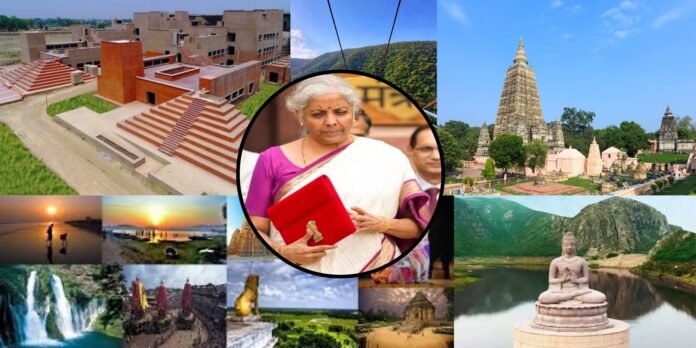
In a historic move, Finance Minister Nirmala Sitharaman presented her seventh consecutive Union Budget today, setting a record and underscoring her pivotal role in shaping India’s economic policies. This year’s budget places a significant emphasis on the tourism sector, recognizing its potential for job creation and economic development.

Key Announcements for the Tourism Sector

  1. Development of Gaya Temples: The budget includes provisions for developing two major temples in Gaya namely Vishnupad Temple Corridor and Mahabodhi Temple Corridor as prime tourist attractions. They will be modelled on Kashi Vishwanath Temple Corridor. These temples will be enhanced with better infrastructure and facilities to attract both domestic and international tourists. This initiative is expected to not only boost tourism but also generate employment opportunities in the region.
  2. Job Creation in the Tourism Sector: Recognizing the tourism industry’s capacity to create jobs, the budget outlines several initiatives aimed at generating employment. By improving infrastructure and promoting tourist destinations, the government aims to create numerous jobs in hospitality, transportation, and ancillary services.
  3. Development of Nalanda: The ancient site of Nalanda, known for its historic university and rich cultural heritage, is set to be developed as a major tourist center. This project will include the restoration of historical sites, the development of visitor amenities, and the promotion of Nalanda as a significant cultural and educational tourism destination.
  4. Promotion of Odisha: Odisha will receive focused attention to be promoted as a key tourist destination. Assistance to development of Odisha’s scenic beauty, temples,monuments, craftsmanship, wildlife sanctuaries, natural landscapesand pristine beaches making it an ultimate tourism destination. The budget allocates funds for marketing and infrastructural development to enhance the state’s appeal to tourists.
  5. Ayodhya as a New Job-Creating Hub: Ayodhya, with the inauguration of the Shree Ram Janmabhoomi Temple, has become a burgeoning hub for religious tourism. The city is experiencing a significant influx of tourists, leading to increased demand for hotels, restaurants, and other services. This surge in tourism is creating numerous job opportunities and contributing to the local economy.
  6. Comprehensive Development of Rajgir: The budget also announced a comprehensive development initiative for Rajgir, a site of religious significance for Hindus, Buddhists, and Jains. This project will focus on enhancing infrastructure, preserving historical and religious sites, and promoting Rajgir as a major pilgrimage and tourism destination. This initiative is expected to attract a diverse group of pilgrims and tourists, boosting the local economy and creating jobs.

Comprehensive Approach to Tourism Development

The 2024 budget reflects a comprehensive approach to tourism development, integrating infrastructure enhancement, heritage conservation, and employment generation. By focusing on these key areas, the government aims to leverage tourism as a catalyst for inclusive growth and economic resilience.

Summing Up

Finance Minister Nirmala Sitharaman’s seventh consecutive budget presentation underscores her enduring leadership and the government’s commitment to revitalizing the tourism sector. With strategic investments and targeted initiatives, the budget aims to transform key cultural and historical sites into vibrant tourist destinations, driving job creation and economic development across India.

Banswara: The Maldives of India with Over 100 Islands

0

The Maldives is renowned as one of the world’s best tourist destinations, but did you know that India has a place even more beautiful? This hidden gem is located in Rajasthan. We are talking about Banswara, a city in Rajasthan that boasts nearly 100 islands, earning it the nickname “City of Islands.” The sight of these small islands amidst water will remind you of the Maldives. The number of tourists visiting this stunning destination increases each year.

A Scenic Marvel in Southern Rajasthan

Banswara is situated in the southern part of Rajasthan. Spanning an area of 40 kilometers, the city’s beauty is enhanced by the flowing Mahi River. If you live in Delhi, you can comfortably reach Banswara in a day. Visiting during the monsoon season will enhance your experience, as the islands are often shrouded in clouds, adding to their allure. The picturesque landscape, combined with the seasonal weather, creates an enchanting atmosphere.

Activities and Wildlife

In Banswara, you can enjoy boat rides, exploring the serene waters and the numerous islands. The area is also home to various wildlife species, adding to the adventure. Once you arrive, you’ll feel transported from the deserts Rajasthan is famous for to a lush, island-studded paradise.

A Growing Tourist Destination

Currently, Banswara remains relatively undiscovered, with fewer crowds than more famous tourist spots. However, the Rajasthan government is actively developing this area as a new tourist destination. This initiative aims to showcase the unique beauty of Banswara to a broader audience while preserving its natural charm.

Summing Up

Banswara, with its breathtaking islands and serene waters, stands out as India’s answer to the Maldives. Whether you’re looking for a peaceful retreat or an adventure-filled vacation, this hidden gem in Rajasthan offers a perfect blend of natural beauty and tranquility. Plan your visit to Banswara and experience the captivating allure of India’s very own city of islands.

Preparations Underway for IIFA Awards in Jaipur: Celebrities to Gather for Two-Day Event in October

0

Rajasthan has received exciting news for the first time, the International Indian Film Academy (IIFA) Awards will be held in Jaipur this October. The government has already initiated high-level efforts for this grand event. According to sources, the proposal is currently at the approval stage in the Chief Minister’s Office (CMO). Several departments, including the Tourism Department and the Commerce and Industry Department, will be involved in this event. Experts believe that the tourism season will kick off in October, making the timing ideal.

A New Height for the Tourism Industry

This event is expected to take Rajasthan’s tourism industry to new heights. The preparations are so intense that the government is finalizing the budget for the event. Reports suggest that special guests attending the event will be given tours of Rajasthan’s tourist attractions. Initially, some of the IIFA events were hosted by Amitabh Bachchan. Currently, the show is hosted by Salman Khan and Riteish Deshmukh.

Key Events of the Award Show

The IIFA Awards is a two to three-day event. On the first day, IIFA Rocks, lyricists, music directors, and background artists are awarded, and they also perform at night. The main IIFA Awards show takes place on the second day, featuring performances by Bollywood celebrities. Awards such as Best Actor, Best Actress, Supporting Actor, and Supporting Actress, among others, are distributed.

Past Events

In 2023, the IIFA Awards were held at Yas Island, Abu Dhabi, hosted by Abhishek Bachchan and Vicky Kaushal. The 2022 ceremony also took place at Yas Island, with stars like Salman Khan, Jacqueline Fernandez, Fardeen Khan, Tiger Shroff, Sara Ali Khan, Bobby Deol, Shahid Kapoor, Riteish Deshmukh, and Ananya Panday gracing the green carpet at Etihad Arena. The show was hosted by filmmaker Farah Khan and actor Aparshakti Khurana.

The 24th IIFA Awards Show

The IIFA Awards have been a prestigious event for the past 23 years, and this will be the 24th edition, likely to be held in Jaipur. The first IIFA Awards show was held in the year 2000 at London’s Millennium Dome. Typically, the two to three-day event includes live dance performances, musical acts, and musical night events.

Summing Up

The IIFA Awards in Jaipur will not only bring Bollywood stars together but also promote Rajasthan’s tourism and cultural heritage. This event will benefit the local economy and showcase the beauty and culture of Rajasthan. Everyone is eagerly awaiting this grand event, where the glitz of stars and the richness of cultural heritage will come together in a spectacular celebration.

5 Shiv Temples in Jaipur You Can Visit This Saavan

0

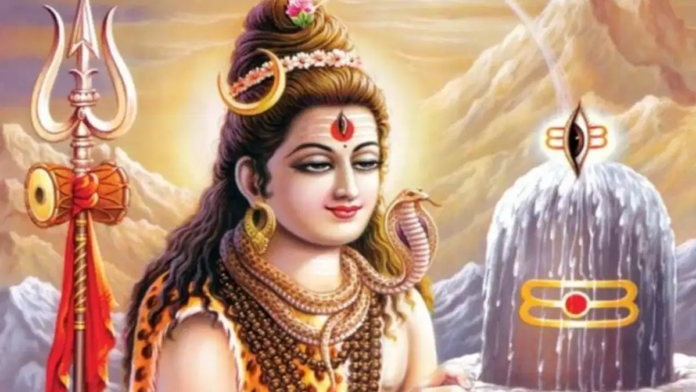
The holy month of Saavan holds immense significance for devotees of Lord Shiva, who embark on a spiritual journey to seek blessings and connect with the divine. In the vibrant city of Jaipur, several revered Shiv temples offer a serene and sacred atmosphere for devotees to offer their prayers and experience the divine presence. Here, we explore five Shiv temples in Jaipur that you can visit during this Saavan season.

Tadkeshwar Mahadev

Situated in the heart of Jaipur, Tadkeshwar Mahadev Temple is an ancient shrine dedicated to Lord Shiva. The temple’s architecture boasts intricate carvings and a tranquil courtyard, creating a serene ambiance for devotees. The divine presence of Lord Shiva attracts a large number of devotees, especially during the auspicious month of Saavan. Established in 1758, the temple features a Shivling made of black stone with a diameter of nine inches. Every Monday holds special worship rituals, and the temple celebrates festivals such as Maha Shivratri, Diwali, Annakuta, and Nrisingh Leela.

Temple Timings and Details:

  • Opening: 5:30 AM to 12:00 PM
  • Closing: 4:30 PM to 7:30 PM
  • Aarti: 10:00 AM (Morning), 6:00 PM to 6:30 PM (Evening)
  • Dress Code: Traditional and formal clothing
  • Photography: Allowed
5 Shiv Temples in Jaipur You Can Visit This Saavan

Jharkhand Mahadev

Nestled on Queens Road, Jharkhand Mahadev Temple is known for its peaceful surroundings and spiritual ambiance. Devotees flock to this temple during Saavan to offer their prayers and seek blessings. The serene atmosphere and the divine energy of the temple provide a perfect setting for devotees to connect with Lord Shiva.

Constructed in South Indian style, the temple is surrounded by natural beauty. The temple’s history is intriguing; it was built in an area that used to be a dense forest, which led to its name “Jharkhand” (derived from “jhār,” meaning trees, and “khand,” meaning section). The temple houses a self-manifested Shivling, and visitors believe that their wishes are fulfilled by visiting the temple for seven consecutive Thursdays.

5 Shiv Temples in Jaipur You Can Visit This Saavan

Chamatkareshwar Mahadev

Situated in Banipark, Chamatkareshwar Mahadev Temple is another prominent Shiv temple in Jaipur. The temple’s exquisite architecture and serene atmosphere attract devotees throughout the year, but the significance of Saavan enhances the spiritual experience. Devotees visit this temple to seek blessings, perform rituals, and immerse themselves in the devotional aura.

5 Shiv Temples in Jaipur You Can Visit This Saavan

Jungleshwar Mahadev

Located at Collectorate Circle, Jungleshwar Mahadev Temple offers a unique spiritual experience. Surrounded by lush greenery, this temple provides a tranquil environment for devotees to offer prayers and meditate. The serene ambiance and the rhythmic chants create a peaceful atmosphere, perfect for seeking solace and connecting with Lord Shiva.

Jungleshwar Mahadev Temple, also known as Jageshwar Mahadev, holds historical significance as the site where the time was once calculated by the position of the sun’s rays on the Shivling. The temple is believed to house a self-manifested Shivling and is surrounded by natural beauty, making it a spiritually uplifting place.

5 Shiv Temples in Jaipur You Can Visit This Saavan

Bhuteshwar Mahadev

Situated in the majestic Amer, Bhuteshwar Mahadev Temple is a significant pilgrimage site dedicated to Lord Shiva. This temple holds immense historical and cultural significance. With its stunning location near the famous Amer Fort, devotees can enjoy the picturesque surroundings while immersing themselves in devotion and seeking divine blessings.

The temple, nestled in the midst of a dense forest, is believed to predate the establishment of Jaipur city. The architecture suggests construction in the 17th century, and the temple’s serene environment and the saint’s samadhi located there add to its mystical charm. It is believed that all wishes are fulfilled at Bhuteshwar Mahadev Temple, especially during the month of Saavan.

5 Shiv Temples in Jaipur You Can Visit This Saavan

Summing Up

During the auspicious month of Saavan, visiting these five Shiv temples in Jaipur can be a spiritually enriching experience. Tadkeshwar Mahadev, Jharkhand Mahadev, Chamarkareshwar Mahadev, Jungleshwar Mahadev, and Bhuteshwar Mahadev temples provide devotees with a tranquil environment to offer prayers, seek blessings, and connect with the divine. Embrace the spiritual essence of Saavan as you explore these revered Shiv temples in the vibrant city of Jaipur.

The History of Golf in Jaipur: A Royal Legacy

0

Jaipur, often referred to as the Pink City, is renowned for its rich cultural heritage, magnificent palaces, and vibrant traditions. However, beyond its architectural splendor and historical landmarks, Jaipur also boasts a storied history in the sport of golf. The emergence and evolution of golf in Jaipur are closely intertwined with the city’s royal past and its embrace of modern recreational activities. This article delves into the fascinating history of golf in Jaipur, tracing its origins, development, and current status.

Early Beginnings

The history of golf in Jaipur dates back to the early 20th century when the sport began gaining popularity among the Indian elite. The royal family of Jaipur played a pivotal role in introducing and promoting golf in the region. Maharaja Sawai Man Singh II, a keen sportsman with a passion for polo, cricket, and golf, was instrumental in bringing the game to Jaipur. His affinity for the sport was influenced by his interactions with British officials and aristocrats, who were avid golfers.

Establishment of the Rambagh Golf Club

In 1944, the Rambagh Golf Club was established, marking a significant milestone in the history of golf in Jaipur. Located amidst the picturesque Rambagh Palace grounds, the club offered a unique blend of royal charm and sporting excellence. The golf course, initially a nine-hole layout, was meticulously designed to provide a challenging yet enjoyable experience for players. The club quickly became a social hub for the city’s elite, hosting numerous tournaments and events.

Development and Expansion

Over the years, the Rambagh Golf Club underwent several enhancements to keep pace with international standards. The course was expanded to an 18-hole layout, featuring well-manicured fairways, strategically placed bunkers, and lush greens. The club also invested in modern amenities, including a clubhouse, pro shop, and practice facilities, to cater to the growing number of golf enthusiasts.

Hosting Prestigious Tournaments

As the reputation of the Rambagh Golf Club grew, it began attracting prestigious tournaments and championships. The club hosted numerous national and international events, drawing top golfers from around the world. These tournaments not only elevated the status of the club but also helped popularize the sport among the local populace.

Modern Era

In recent decades, golf in Jaipur has witnessed a surge in popularity, with an increasing number of residents taking up the sport. The city’s favorable climate, coupled with its scenic landscapes, makes it an ideal destination for golf enthusiasts. Additionally, the establishment of new golf courses and academies has further contributed to the growth of the sport.

Emergence of New Golf Courses

Beyond the historic Rambagh Golf Club, Jaipur is now home to several modern golf courses that offer world-class facilities. Notable among these is the Jaipur Greens Golf Club, a sprawling 18-hole course known for its challenging design and state-of-the-art amenities. These new courses have broadened the appeal of golf, making it accessible to a wider audience.

Summing Up

The history of golf in Jaipur is a testament to the city’s ability to blend tradition with modernity. From its royal beginnings at the Rambagh Golf Club to the emergence of contemporary golfing destinations, Jaipur’s golfing legacy continues to thrive. As the sport gains more followers and new facilities emerge, the Pink City’s reputation as a golfing destination is set to grow even further. Whether you’re a seasoned golfer or a novice looking to explore the sport, Jaipur offers a unique and enriching golfing experience amidst its royal backdrop.

Sawan 2024 Festivals Full Calendar: From Janmashtami to Raksha Bandhan

0

Sawan, also known as Shravan, is one of the most auspicious months in the Hindu calendar, dedicated to the worship of Lord Shiva. This month is marked by numerous religious activities and festivals, observed with immense devotion and dedication. Sawan begins immediately after Ashadh Purnima and lasts for a full lunar cycle. This year, Sawan starts on July 22 and ends on August 19, spanning 29 days of spiritual fervor and celebration.

Key Festivals in Sawan 2024

1. Sawan Shivratri

  • Date: August 2
  • Significance: Observed on the 14th day of Sawan, this festival is dedicated to Lord Shiva. Devotees perform special rituals and prayers, seeking the blessings of the deity.

2. Hariyali Teej

  • Date: August 7
  • Significance: Hariyali Teej celebrates the arrival of the monsoon. Married women observe fasts and pray for the well-being of their husbands, while unmarried women seek good husbands.

3. Nag Panchami

  • Date: August 9
  • Significance: Dedicated to the worship of serpents, particularly the Nagas, this festival is believed to bring prosperity and protect against snake bites.

4. Raksha Bandhan

  • Date: August 19
  • Significance: A festival celebrating the bond between brothers and sisters. Sisters tie a protective thread (rakhi) around their brothers’ wrists, and brothers give gifts in return, pledging to protect them.

5. Kajari Teej

  • Date: August 22
  • Significance: Celebrated primarily in North India, this festival marks the monsoon season. Women fast and pray for the well-being of their families.

6. Janmashtami

  • Date: August 26
  • Significance: The birthday of Lord Krishna is celebrated with great enthusiasm. Devotees observe fasts, sing devotional songs, and reenact episodes from Krishna’s life.

Sawan Somwar Vrat Dates 2024

Devotees of Lord Shiva observe fasts on Mondays (Somwars) during Sawan, considering these days highly auspicious. Here are the dates for Sawan Somwar Vrat this year:

  • First Sawan Somwar: July 22
  • Second Sawan Somwar: July 29
  • Third Sawan Somwar: August 5
  • Fourth Sawan Somwar: August 12
  • Fifth Sawan Somwar: August 19

The Legend and Rituals of Sawan

The Legend The month of Sawan is deeply connected with the legend of the churning of the ocean (Samudra Manthan). According to Hindu mythology, during the churning, numerous valuable items emerged from the ocean, including the deadly poison Halahal. This poison had the power to destroy everything it touched. To save the universe, Lord Shiva drank the poison, which turned his throat blue, earning him the name Neelkanth. This act of sacrifice is commemorated during the month of Sawan.

Rituals Throughout Sawan, devotees engage in various rituals to honor Lord Shiva:

  • Kanwar Yatra: Devotees, known as Kanwariyas, carry holy water from the Ganges to offer to Shiva temples.
  • Fasting: Observing fasts on Sawan Somwars is a common practice, believed to bring blessings and prosperity.
  • Shiva Linga Worship: Devotees offer water, milk, and honey to the Shiva Linga, along with bilva leaves, which are considered sacred.
  • Recitation and Chanting: Shiva Kathas (stories of Lord Shiva) are recited, and mantras such as “Om Namah Shivaya” are chanted to seek the deity’s blessings.

Sawan is a time of deep spirituality and devotion for Hindus, marked by a series of important festivals and rituals. As we prepare to celebrate Sawan 2024, may the blessings of Lord Shiva bring peace, prosperity, and happiness to all.