Home Blog Page 521

New Ram Gallery in making at the City Palace Jaipur

0

The City Palace in Jaipur, an epitome of Rajasthan’s rich history and cultural heritage, has always been a significant tourist attraction. Recently, it has gained attention due to its historical connection with Lord Ram’s son, Kush, and the announcement of the new Ram Gallery, which adds another layer of intrigue and reverence to the site.

Historical Connection with Kush

The royal family of Jaipur traces its lineage back to the Suryavanshi dynasty, which is believed to be descended from Lord Ram’s son, Kush. This ancient connection adds a mythological and historical dimension to the City Palace. The Kachwaha Rajputs, who ruled Jaipur, are proud of this lineage, often referring to their heritage as a continuation of the values and traditions set by Lord Ram and his descendants.

The New Ram Gallery

In celebration of this storied lineage, the City Palace is opening a new Ram Gallery, dedicated to the life and legacy of Lord Ram. This gallery will feature artifacts, manuscripts, and artworks depicting scenes from the Ramayana and the lineage of Kush. The gallery aims to educate visitors about the historical and mythological significance of the Ramayana and its impact on Indian culture and heritage.

Features of the Ram Gallery

  1. Artifacts and Manuscripts: The gallery will showcase ancient manuscripts and artifacts related to the Ramayana, providing a historical perspective on the epic.
  2. Artworks and Sculptures: Visitors will be able to view intricate artworks and sculptures depicting key scenes from the Ramayana, bringing the story to life through visual art.
  3. Educational Programs: There will be educational programs and workshops designed to teach visitors, especially students, about the cultural and historical significance of the Ramayana.

Enhancing Tourist Experience

The addition of the Ram Gallery to the City Palace is expected to enhance the tourist experience by providing a deeper understanding of the historical and cultural context of the region. The gallery not only celebrates the royal family’s heritage but also offers a comprehensive look at one of India’s most revered epics.

Summing Up

The City Palace in Jaipur continues to be a beacon of Rajasthan’s rich history and cultural heritage. The new Ram Gallery promises to be a significant addition, offering visitors a unique and educational experience. As the gallery opens its doors, it will undoubtedly become a highlight for those visiting Jaipur, enriching their understanding of India’s epic narratives and royal history.

The Dying Art of Kathputli Still Mesmerizes Tourists at the City Palace

0

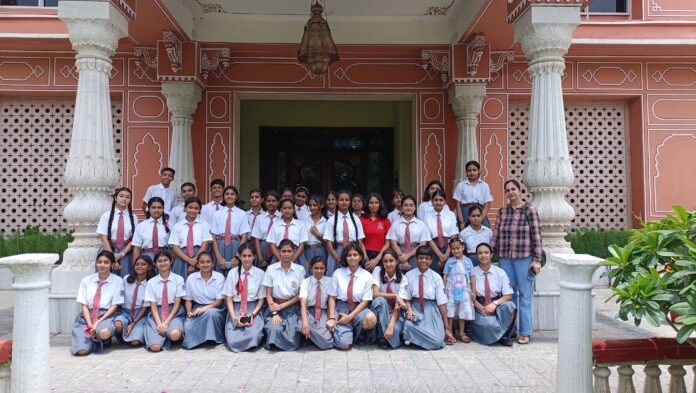
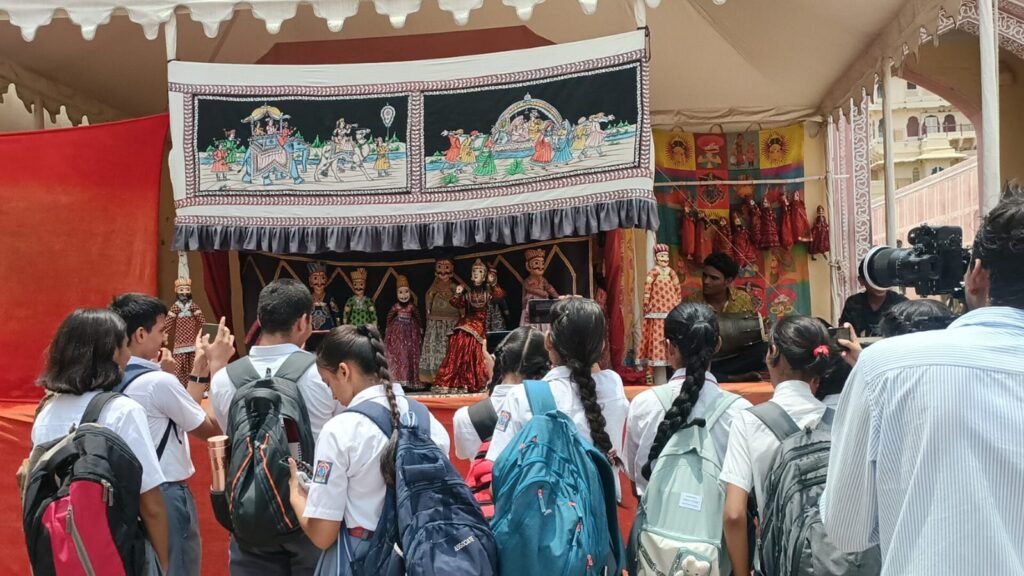
As part of the Media Masterclass program organized by the Army Wives Welfare Association (AWWA) and Saksham Sanchar Foundation, students from Army Public School visited City Palace. Apart from exploring the beautiful historical museums and the palace itself, students experienced the enchanting yet dying art of Kathputli. For many students, this was their first encounter with such a unique and traditional performance, which they thoroughly enjoyed. The Kathputli presenters do not solicit money; instead, mesmerized tourists and visitors often give them money as a token of appreciation.

History of Puppetry

Kathputli, the traditional puppet art form of Rajasthan, continues to enchant visitors at the City Palace in Jaipur despite the challenges it faces in the modern era. This ancient art, with its vibrant puppets and engaging storytelling, offers a glimpse into Rajasthan’s rich cultural heritage. Kathputli craft is an ancient and one of the most popular performing arts of Rajasthan, a state in western India. The word “kathputli” derives from “kaath” (wood) and “putli” (toy).

Socially, puppet players from a caste group are attached through the “jajmani system” to other castes. Traditionally, it was a system of patronage supported by kings and well-off families. The patrons would look after the artists in return for the artists singing praises of the patrons’ ancestors. Thus, the artists, or Bhats, became genealogists.

These artists preferred to move out of their village and travel to places like Bihar, Uttar Pradesh, Nepal, and are even believed to have reached Burma and Ceylon. The puppet show comprises a tent, or tambudi, which may be made with seven bamboo poles or with two lightweight cots put up lengthwise. The backdrop, front, and decorative curtains are supported on this frame. The puppeteers are concealed behind this arrangement. The puppet consists of three parts – the head and shoulders made of wood, the hands and torso stuffed with cotton and covered with the character’s garment, and the string. Legs are not designed in traditional puppets, with a few exceptions.

The sounds for the performance are produced by two instruments – the dholak, or hand drum, and the boli/shrutti. The boli is a musical instrument made of two thin and small bamboo strips with a reed in between, producing a sharp sound by blowing air in and out. The sound of the boli represents the speech of the puppets, and the drummer translates this for the audience.

Challenges Faced

In recent years, Kathputli has struggled to survive amidst rapid modernization and changing entertainment preferences. Many traditional puppeteers, known as Bhats, have abandoned their craft due to the lack of sustainable income and support. The art form, which once thrived in royal courts and village squares, is now fighting to stay relevant. The City Palace in Jaipur, a prominent tourist destination, has become a sanctuary for Kathputli artists. Regular performances are held here to showcase this dying art to a global audience. Tourists are often captivated by the skillful manipulation of puppets, the lively music, and the dramatic storytelling that Kathputli performances offer.

Tourist Attraction

Visitors to the City Palace are often drawn to the Kathputli shows, finding themselves mesmerized by the animated puppets and the tales they tell. These performances provide a unique cultural experience, allowing tourists to connect with Rajasthan’s artistic traditions.

Efforts to Revive Kathputli

Various organizations and cultural groups are working to revive and sustain Kathputli. Workshops, exhibitions, and collaborations with contemporary artists are some of the initiatives aimed at breathing new life into this art form. Additionally, increasing tourism and interest in cultural heritage have helped bring attention to the plight of Kathputli artists.

The Dying Art of Kathputli Still Mesmerizes Tourists at the City Palace

Summing Up

While Kathputli faces numerous challenges, its enduring charm continues to captivate audiences at the City Palace. Efforts to preserve and promote this traditional art form are crucial in ensuring that it remains a vibrant part of Rajasthan’s cultural landscape for generations to come. As tourists witness the magic of Kathputli, they are not only entertained but also become part of the ongoing journey to keep this art form alive.

Watch out women’s role in the making of the Constitution at the Constitution Park, Jaipur

0

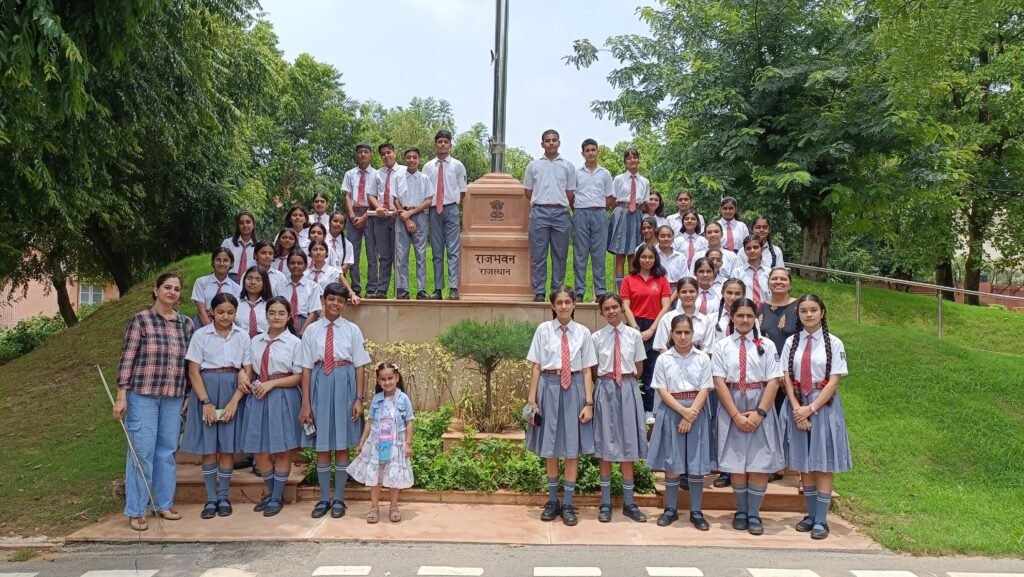
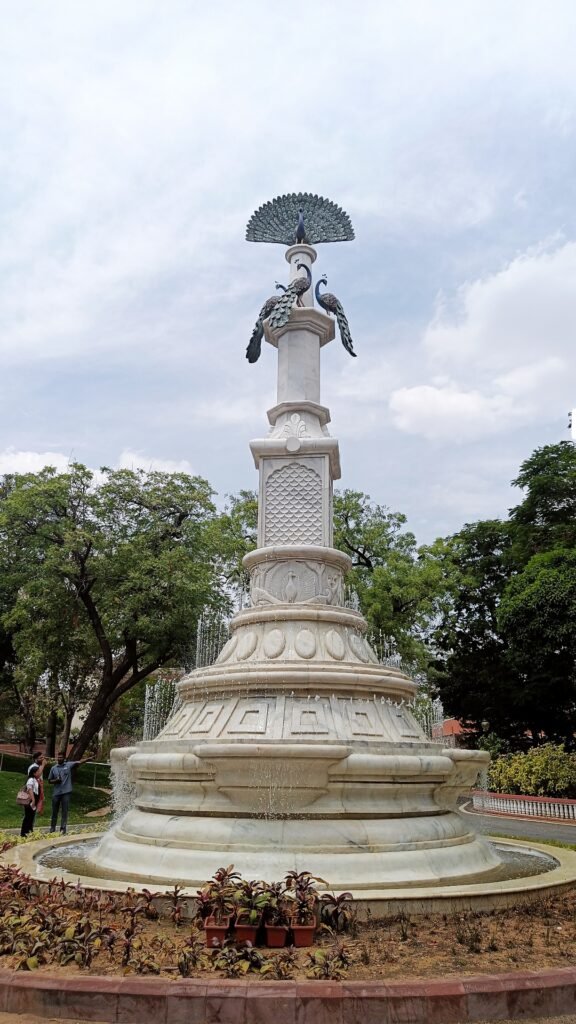
As part of the Media Masterclass program organized by the Army Wives Welfare Association (AWWA) and Saksham Sanchar Foundation, students from Army Public School visited India’s first Constitution Park, located on the Raj Bhavan Jaipur premises. The park, renowned for its serene environment and abundant flora and fauna, houses around 200 peacocks, symbolizing peace and tranquility.

The purpose of this visit was to educate students about the Constitution of India, which outlines the framework for the functioning of the government and its organizations, the rights and duties of citizens, and the distribution of powers. Through detailed sculptures, students learned about the significant role women played in the building of the Constitution.

Watch out women's role in the making of the Constitution at the Constitution Park, Jaipur

Learning Experience

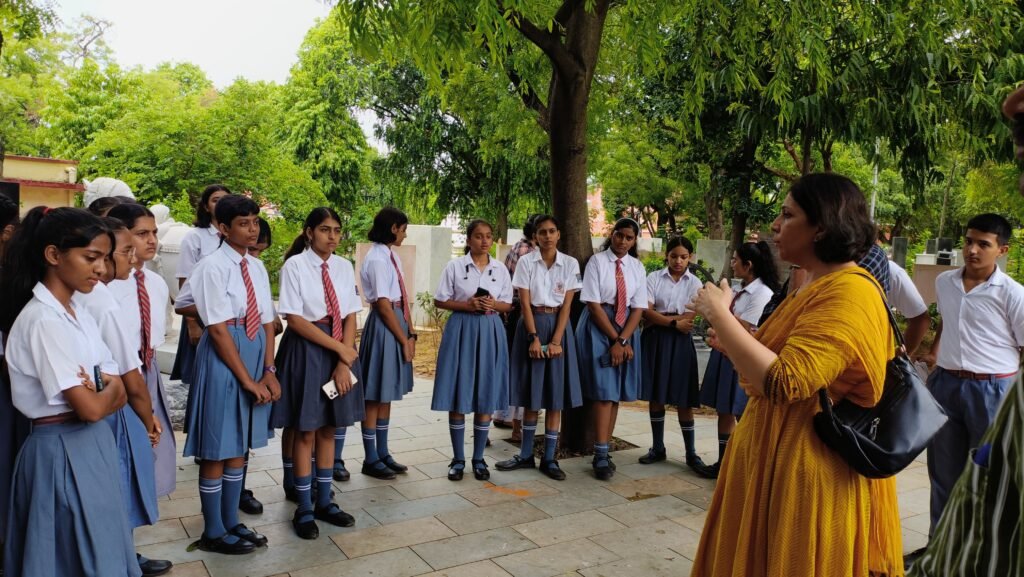
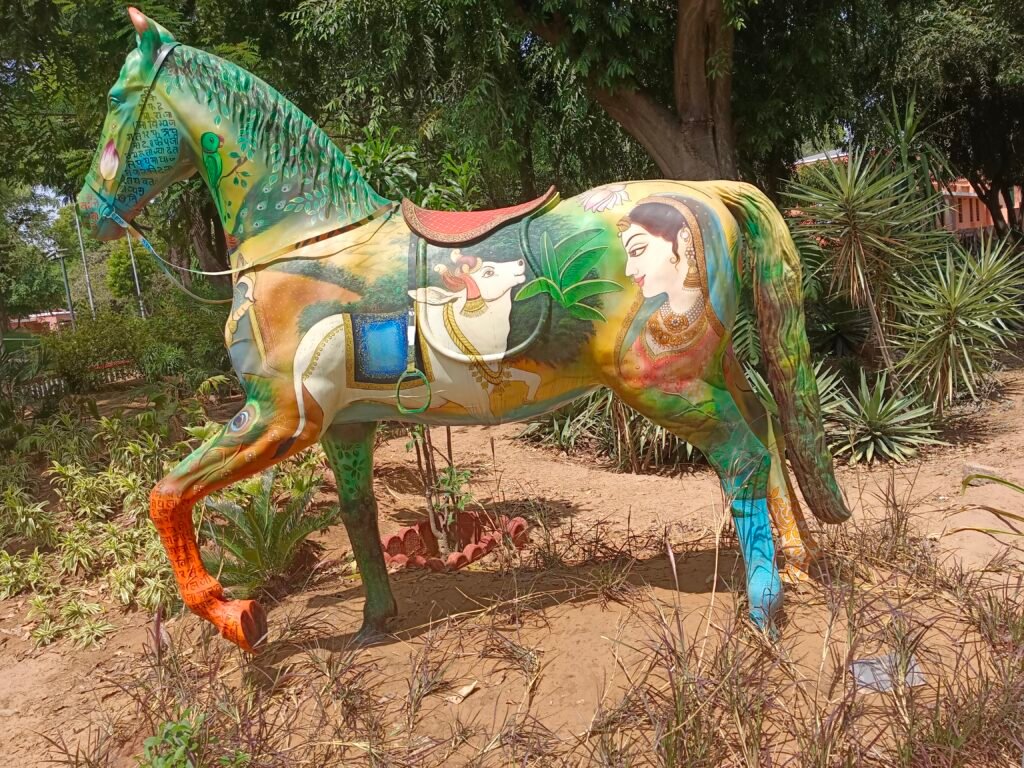
During this visit, students delved into the history of Maharana Pratap and discussed the sculptures of his loyal horse, Chetak. The unique approach of the class, which combined explanations of the Constitution with artworks and activities, allowed students to explore various aspects such as fundamental rights, fundamental duties, the parliamentary system, the judiciary, and the electoral process. Students got to see the documentary on the making of Constitution Park.

Watch out women's role in the making of the Constitution at the Constitution Park, Jaipur

Journalistic Perspective

From a journalistic standpoint, the visit also included practical sessions on how to cover Constitution Park effectively. Urvashi Dev Rawal from Hindustan Times conducted a content writing session, while Murari Gupta from Doordarshan News Centre, Jaipur, led a video-making session. These experienced journalists guided the students in content writing, photography, videography, blogging, and vlogging. They also emphasized the importance of adhering to ethical guidelines and taking necessary precautions while covering such events.

Watch out women's role in the making of the Constitution at the Constitution Park, Jaipur

Summing Up

This visit to Constitution Park was an inspiring and informative experience for the students, providing them with an opportunity to gain a deeper understanding of the Indian Constitution and the crucial role of journalism. Through this hands-on learning approach, the students not only enhanced their knowledge of the Constitution but also acquired essential journalistic skills.

Constitution Park, Journey from Drafting Panel to its Birth with a Slice of History

0

The Jaipur Constitution Park, known as Samvidhan Park, offers an immersive museum experience, showcasing the birth of the Indian Constitution from the formation of the drafting committee in 1947 to its enforcement in 1950.

Jaipur’s one of a kind, Constitution Park

Located at the Governor’s House in Jaipur, Samvidhan Park is the first of its kind in the country, providing a scriptural and pictorial journey through the history of the Indian Constitution. The park not only focuses on the drafting of the Constitution but also takes visitors back to the eras of Vedic civilization, influential emperors, rulers, kings and queens, and early freedom fighters. This is achieved through an array of statues, plaques, and sculptures.

Constitution Park, Journey from Drafting Panel to its Birth with a Slice of History

Historical Figures and Their Contributions

The park features sculptures from various periods, including those of the Indus Valley civilization, Lord Krishna, Lord Buddha, Maharana Pratap, Shivaji Maharaj, Tipu Sultan, Akbar, Rani Laxmi Bai, and Mahatma Gandhi. These figures are honored for their contributions to shaping the Constitution’s provisions. For example, the sculptures of Shivaji Maharaj and Guru Gobind Singh are shown inspiring Articles 324 and 329A, which deal with election provisions. The Mahabalipuram Scripture, depicting Bhagirath’s penance and the descent of Ganga, inspires Articles 301-307 related to trade and commerce. Tipu Sultan and Rani Laxmi Bai’s contributions are acknowledged in the provisions for the reservation of seats for scheduled castes and tribes (Articles 330-342).

Architectural Splendor and Artistic Innovation

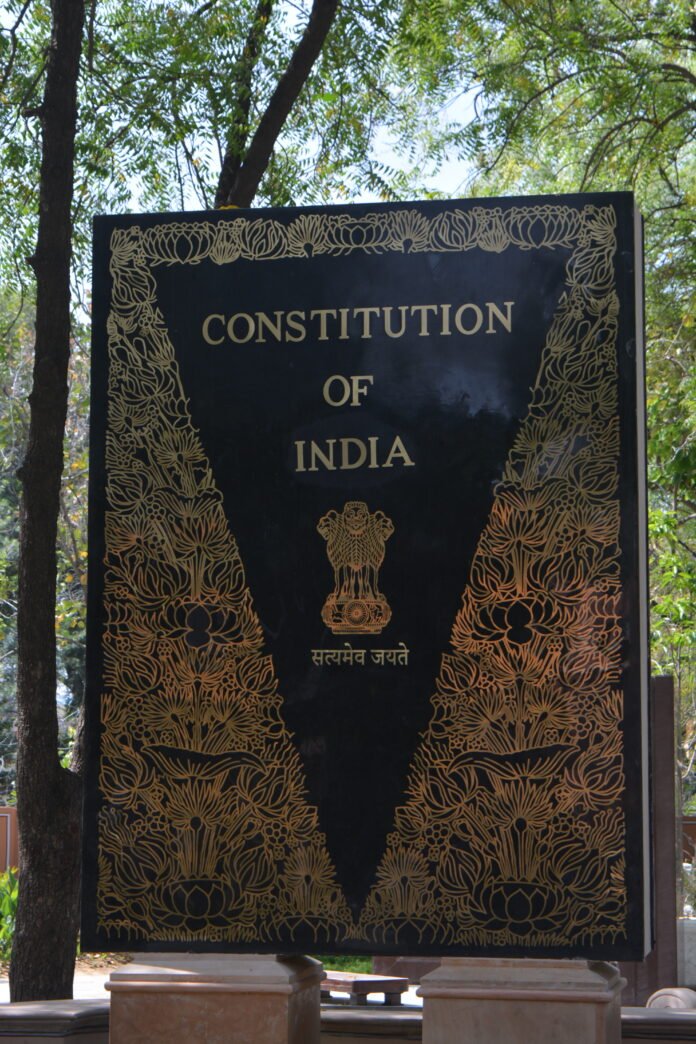
The park is divided into two main sections: one focusing on the journey of creating the Constitution and the other on its content. A total of 42 installations, made from materials such as metal, white marble, Baislana stone, rock, and Kadappa stone from South India, grace the park. The project, costing Rs 9.5 crore, involved artisans from Agra and Sikandra. Anoop Bartaria, the park’s designer and architect, stated, “The book cover was made up of Kadappa stone with inlays of liquid brass to give the closest look to the original copy. Most of the installations are linked with a QR code which will enable the visitor to listen to a story the art is stating.”

Constitution Park, Journey from Drafting Panel to its Birth with a Slice of History

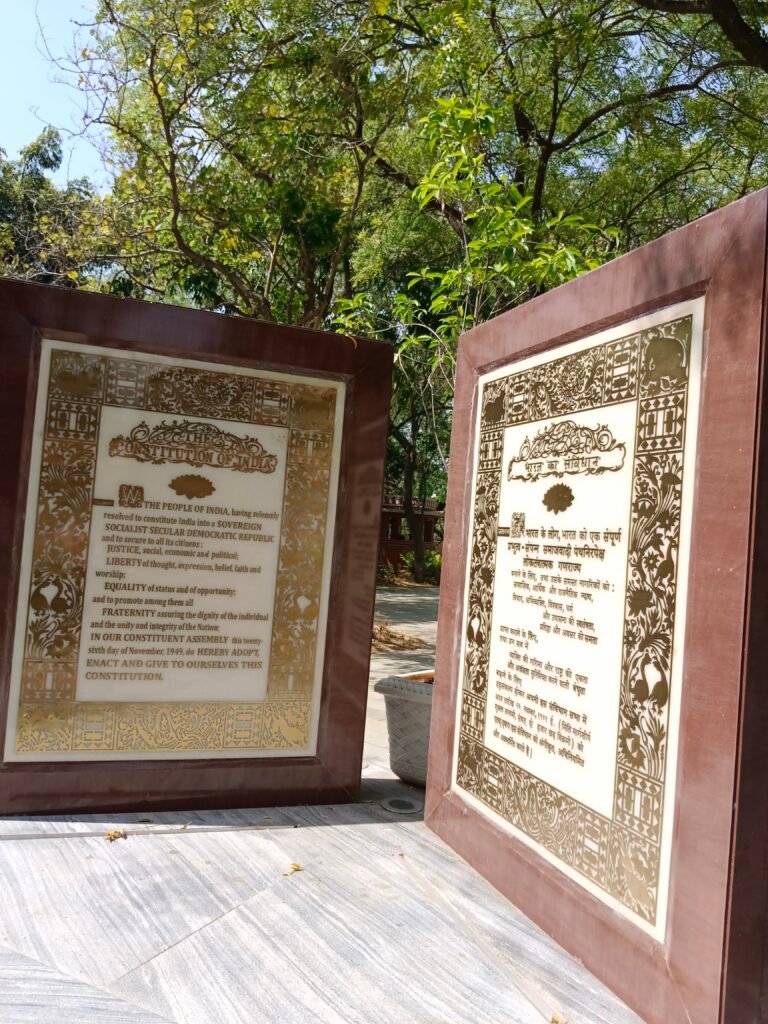
The park’s main highlight is the Preamble of the Constitution, adorned with paintings of a horse, elephant, lion, and bull, symbolizing the civilization of Mohenjo-daro, framed in a golden border. This striking display captures the essence and grandeur of the historical document.

Immortalizing the Constitution’s Makers

One notable installation features Baba Bhimrao Ambedkar, the chairman of the Constitution drafting committee, alongside seven other committee members. This installation, based on the only known photograph of these notable figures together, immortalizes their contributions. Additionally, another installation portrays the women members of the drafting committee, capturing their appearance in traditional attire from that era.

A Blend of Technology and Tradition

To enhance the visitor experience, many installations are equipped with QR codes that, when scanned, provide audio stories about the depicted art. This blend of technology and traditional craftsmanship ensures that the park is not only a visual delight but also an informative journey through India’s constitutional history.

Constitution Park, Journey from Drafting Panel to its Birth with a Slice of History

Constitution Park stands as a testament to the rich heritage and meticulous effort that went into creating the Indian Constitution. It is a must-visit for anyone interested in the historical journey that shaped the democratic framework of India.

Budget 2024-25 a Pivotal Step Towards a Developed India: Dr. Saloni Wagh

0

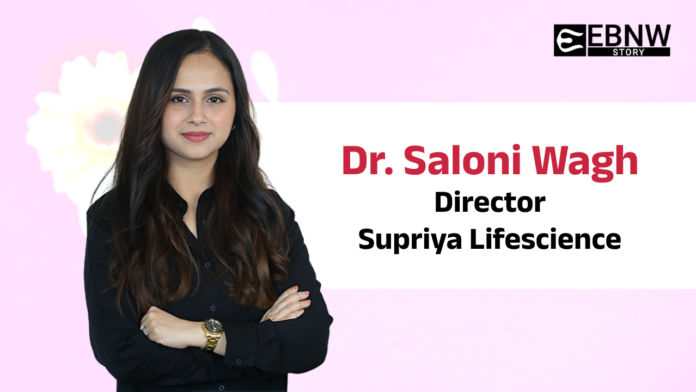
Dr. Saloni Wagh, Director of Supriya Lifescience, has lauded the Union Budget 2024-25 as a significant step towards realizing the vision of a developed India. She highlighted the budget’s focus on key areas such as employment, skill development, MSME growth, and the upliftment of the middle class.

“This budget is a clear roadmap to a Vikasit Bharat, with a strong emphasis on the welfare of the poor, women, youth, and farmers,” Dr. Wagh stated. “The allocation of substantial funds for employment, skill development, and education is a commendable move that will create a skilled workforce, essential for driving innovation and growth.”

Dr. Wagh particularly appreciated the full exemption of basic customs duties on three cancer treatment medicines, emphasizing its positive impact on both the pharmaceutical sector and cancer patients. She also expressed optimism about India’s burgeoning pharmaceutical industry, stating that with the ₹2,143 crore allocation under the PLI scheme, India is poised to emerge as a global leader in pharmaceuticals.

“The budget’s emphasis on innovation, R&D, and education is crucial for India to become a global manufacturing hub,” she added. “These initiatives will foster a robust research ecosystem, enhance education quality, and create a skilled workforce capable of driving technological advancements.”

Dr. Wagh concluded by stating that the budget’s measures are aligned with the government’s ambitious target of achieving a $5 trillion GDP in three years and a $7 trillion economy by 2030.

The Fascinating Story of the Silver Jugs in City Palace, Jaipur

0

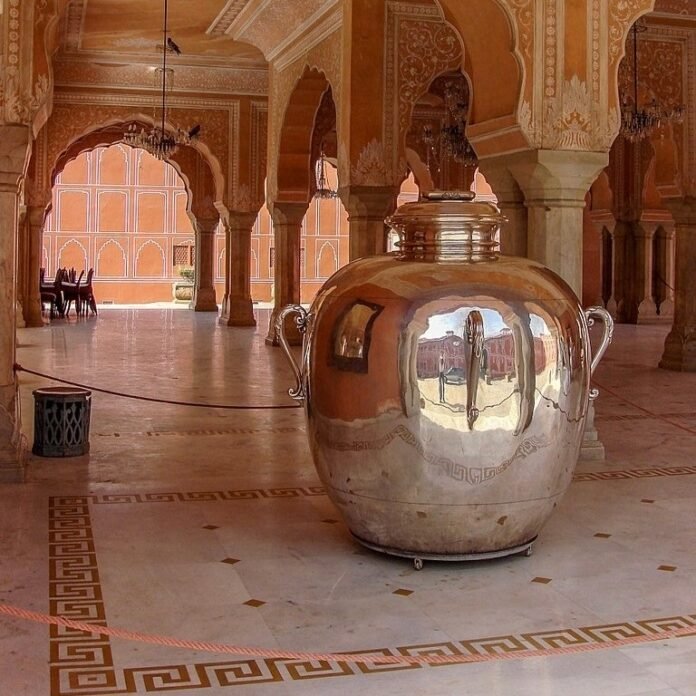
The City Palace in Jaipur houses two remarkable silver jugs that hold a unique place in history. These jugs were made by melting 40,000 silver coins, and what makes them even more special is that they were crafted without any joints. These magnificent urns were created under the direction of Maharaja Madho Singh II for his visit to London in 1902 to attend the coronation of King Edward VII.

Maharaja Madho Singh II was a devout Hindu who did not consider European water suitable for drinking and needed Ganges water for his religious ceremonies. These silver vessels, known as Gangajalis (Ganges water vessels), were filled with water from the River Ganges. The 8,000 liters of water stored in these jugs were sufficient for the Maharaja’s short visit to England. The pair of these grand water containers are now located in the private audience hall, the Diwan-i-Khas, at the City Palace in Jaipur.

Historical Significance and Construction

Ancient India was known for its silver artifacts, and during those days, silver was inexpensive, costing as low as one anna or six paisa per gram. Temples and royal palaces often had numerous silver items weighing several kilos. Among these, the most famous are the three heavy water jugs now kept in the City Palace of Jaipur. These jugs weigh 345 kg each, stand five feet three inches tall, and have a circumference of nearly 15 feet, with a carrying capacity of 4,091 liters each. According to the Guinness Book of World Records, these are the heaviest silver artifacts in the world.

The Jaipur state archives reveal that these jugs were made in 1894, after two years of labor by palace silversmiths. Although it is not known why these huge artifacts were originally made, they found their use within six years for Maharaja Madho Singh II’s journey to the United Kingdom to attend the coronation of King Edward VII in 1902.

Religious Dilemma and the Journey to England

Following the death of Queen Victoria in 1901, King Edward VII took over the British Empire and invited important Indian maharajas to his coronation. Maharaja Madho Singh II faced a religious dilemma as orthodox Hindus were not allowed to cross the ocean to Europe. The Maharaja consulted religious heads, who allowed him to travel under certain conditions: he would travel in a ship where no beef had ever been cooked or served, take idols of his family deity, spread earth from Jaipur under the deity’s throne and his bed, eat only prasad, and drink only Gangajal during his three-month stay in England.

The three huge silver jars from the Jaipur treasury became crucial for this journey as they could hold 4,091 liters of Ganges water each. The Maharaja’s travel agents chartered a newly completed ship, Olympia, ensuring no beef had ever been cooked or served on it. The entire arrangement, including the ship charter, cost a princely sum of Rs 1.5 million (equivalent to Rs 750 million today).

Six luxurious suites were prepared on the ship, one for the family deity Gopalji, one for the Maharaja, one for the royal priest, one for a close relative, and the remaining two for other members of the group. Ganga water stored in the jars was exclusively for the Maharaja and for preparing prasad for the family deity.

The Eventful Voyage

Before departure from Bombay, 25 Hindu priests conducted ceremonies to appease the presiding deity of the ocean, Lord Varuna. During the voyage, the ship encountered heavy storms in the Red Sea. The agitated priests advised the Maharaja to dump one of the three huge silver jars into the sea to calm Lord Varuna, which was done, and the seas calmed.

The voyage ended without further mishaps, and the British were astounded to see the huge silver jars. King Edward VII even made a personal visit to the Maharaja’s camp to see the jars. Today, these two silver jars are the star exhibits at the Sawai Man Singh City Palace Museum in Jaipur, attracting visitors from around the world to marvel at their grandeur and historical significance.

Historical Transportation Methods of the Royal Era

0

On the 20th of July 2024, students from Army Public School, part of the Media Masterclass Program of Saksham Sanchar Foundation, embarked on an educational journey to the Maharaja Sawai Man Singh II Museum in Jaipur. This visit, organized in collaboration with the Army Wives Welfare Association (AWWA), aimed to provide students with a firsthand look into Jaipur’s rich history and cultural heritage.

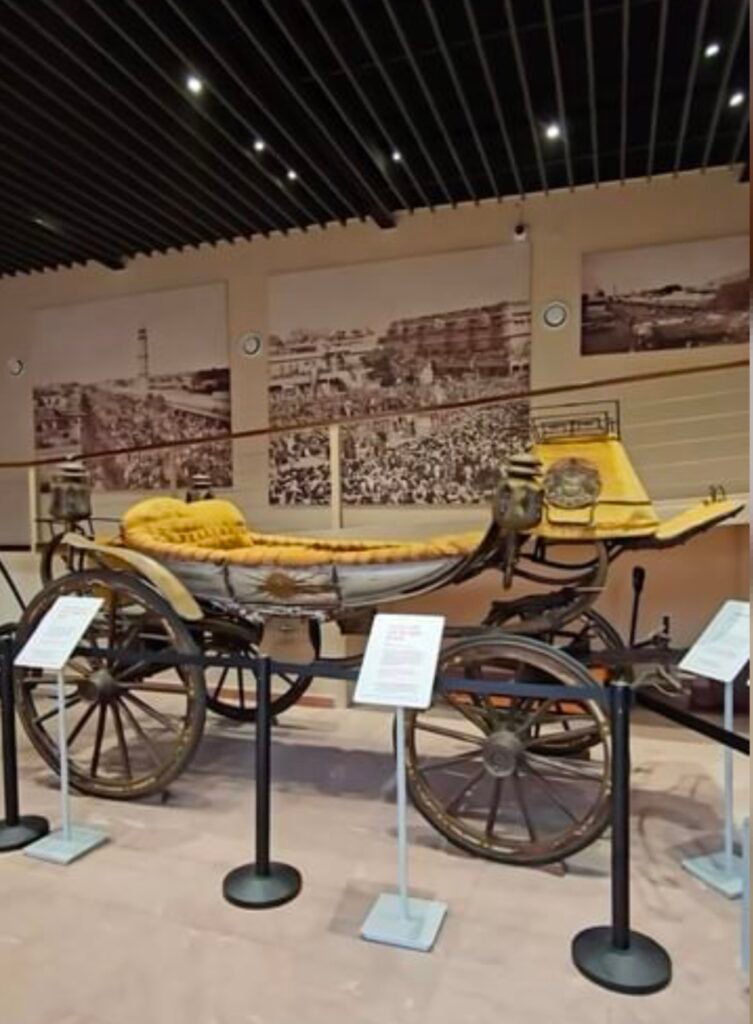
During their visit, the students explored Rath Khana, a unique museum inside the City Palace dedicated to royal carriages and palanquins. This section showcases a remarkable collection of vintage carriages, European cabs, old palanquins, and chariots used by the Jaipur royal family for ceremonial occasions and daily transportation.

Highlights of Rath Khana

Royal Carriages: The museum houses various royal carriages, including the famous Victoria Baggi. This elaborate carriage is adorned with intricate designs and gold plating, highlighting the opulence of the Jaipur royalty.

Historical Significance: Each exhibit in Rath Khana provides insights into the luxurious lifestyle and rich cultural heritage of the Jaipur royalty. The carriages and palanquins showcase the craftsmanship and artistry of the period.

Ceremonial Carriages: Notable exhibits include the Gold Plated Livery, used for grand processions and important state occasions. These carriages were often drawn by well-decorated horses, adding to the spectacle.

European Influence: The collection also includes European cabs, reflecting the influence of Western styles and designs on Indian royalty during the British colonial period.

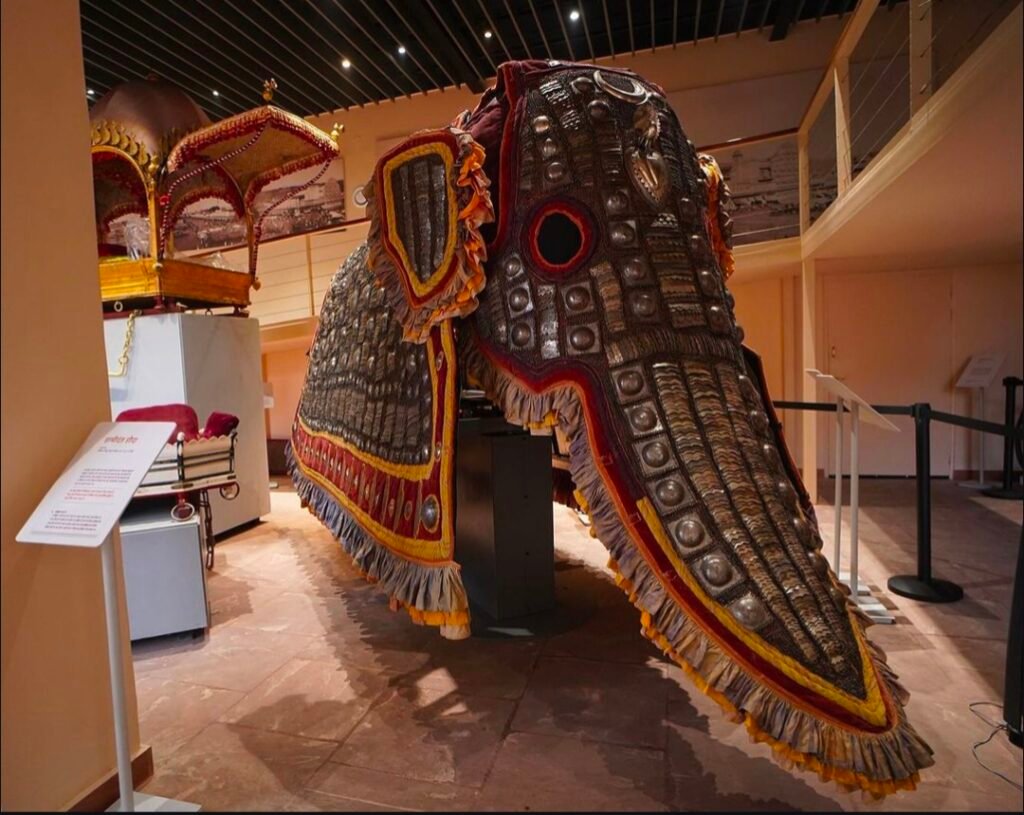
Suit of Elephant Armour: This magnificent suit, dating back to the early 20th century, features molded silver ornamentation and hundreds of metal plates and chain mail stitched on. It was worn by elephants during wars and special events.

Historical Transportation Methods of the Royal Era

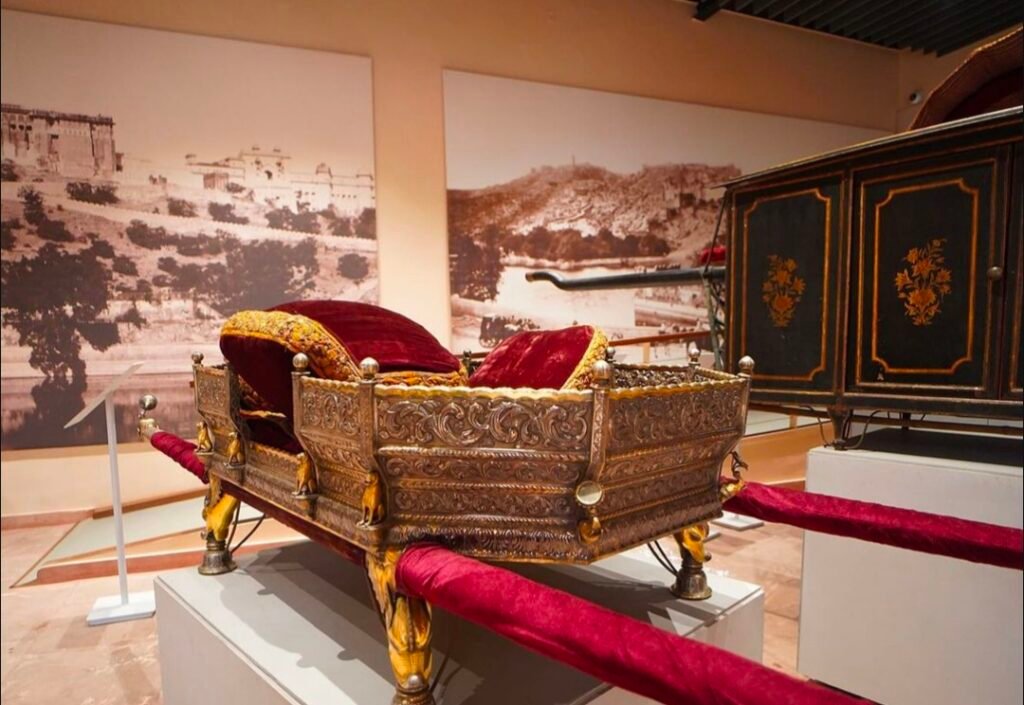
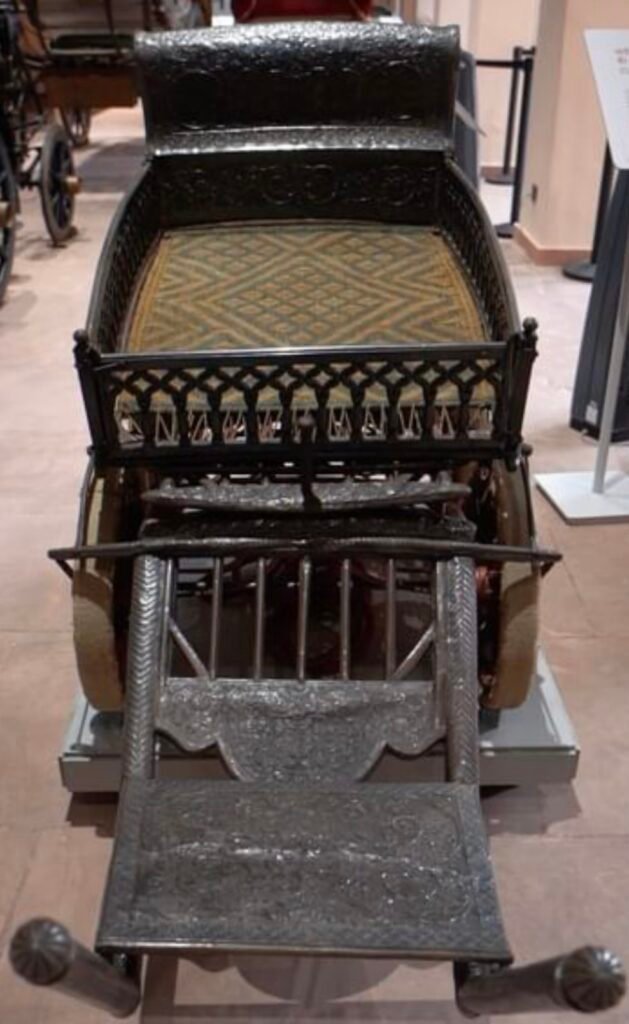
Takht-E-Rawaan: A portable throne used to transport the ruler on special occasions, this transport is embellished with gold and silver accents in an effect known as ‘Ganga-Jamuni’.

Historical Transportation Methods of the Royal Era

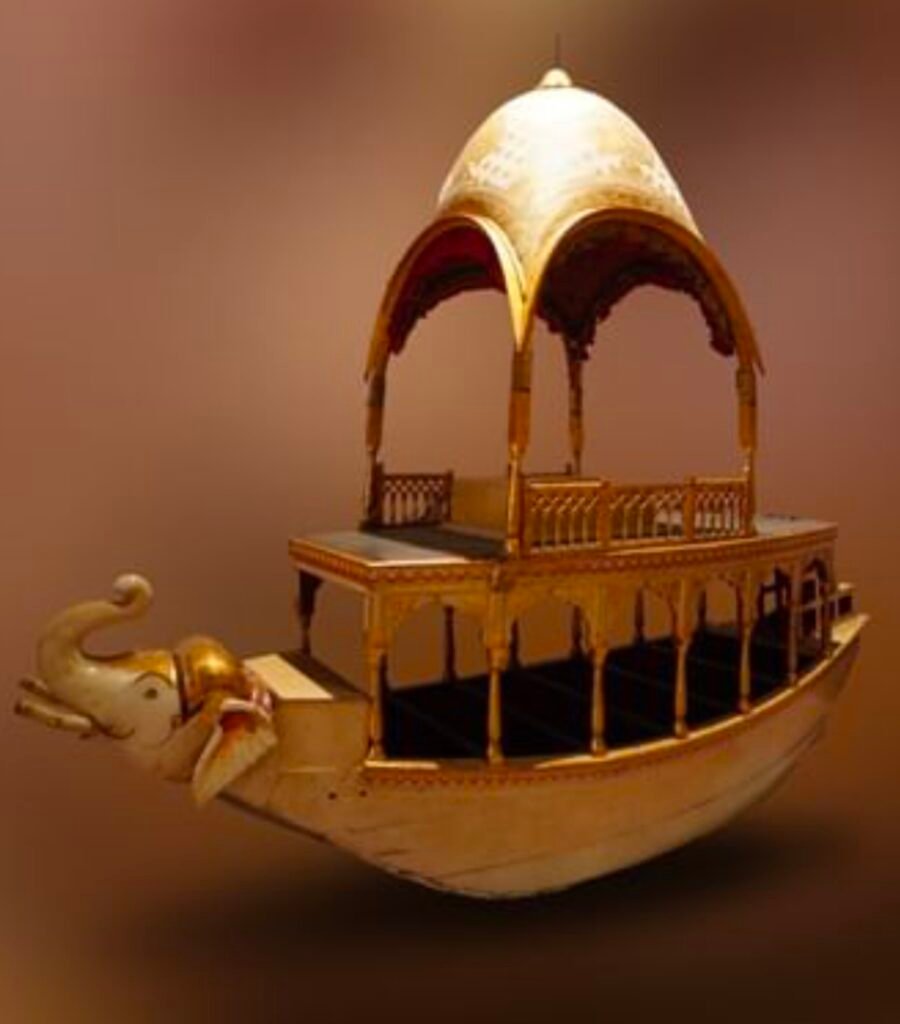
Jal Jhulni Boat: Made of wood, metal, and cloth, this boat was used on the auspicious occasion of Jal Jhulni Ekadashi to take an idol of Lord Krishna for a boat ride on Talkatora Lake, near the City Palace. The boat-shaped palanquin, made in the 19th century, is coated in gold.

Historical Transportation Methods of the Royal Era

Maharaja Sawai Madho Singh II’s Buggy: This buggy was a favorite of Maharaja Sawai Madho Singh II and was used by Maharaja Sawai Man Singh II for his Silver Jubilee celebrations in 1947. One notable baggi, made in the 20th century, was a favorite of Maharaja Sawai Man Singh II. This modern carriage featured electrical lamps, beautiful glasswork with embroidered flowers, and comfortable seating with yellow accents. So proud was the Maharaja of this baggi that he used it to go the event for his silver jubilee celebration in it instead of a car.

Historical Transportation Methods of the Royal Era

Silver Cart: This 18th-century hand-drawn cart, made of silver on wood, epitomizes luxury and is decorated with floral motifs. It was used to carry the toys of the Rajkumar (prince).

Historical Transportation Methods of the Royal Era

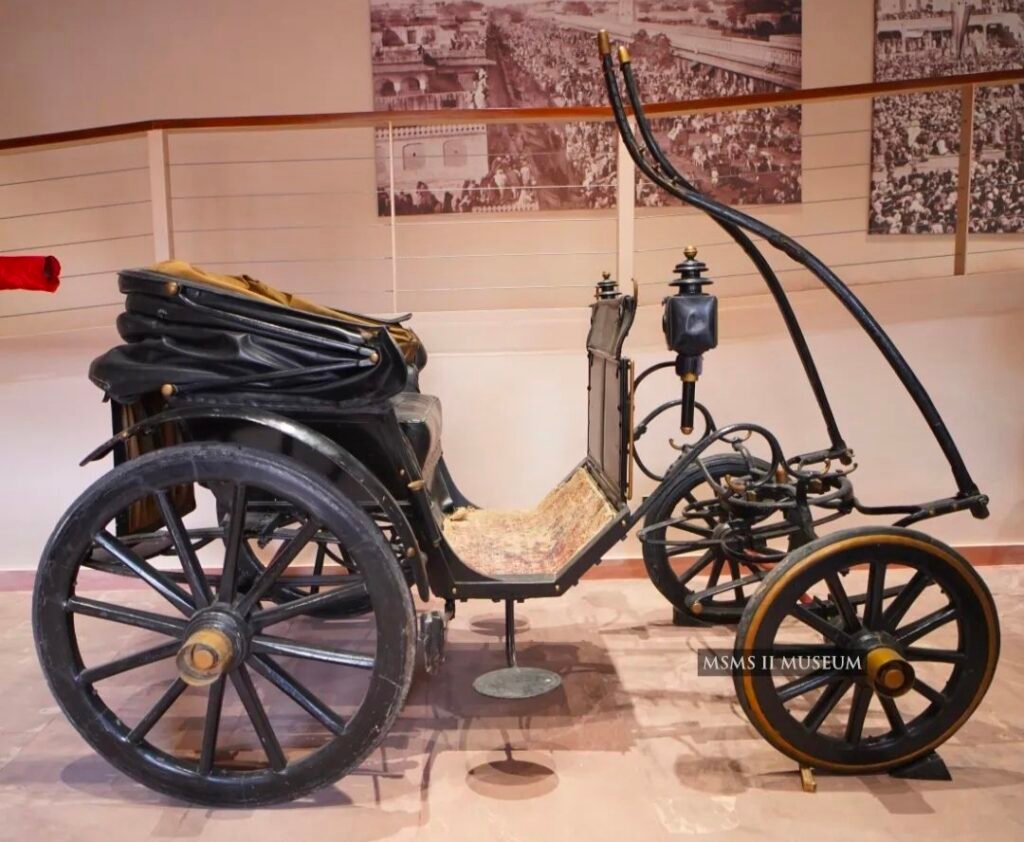
Victorian Buggy: This buggy, believed to be a gift from Queen Victoria to Maharaja Sawai Ram Singh II of Jaipur, is a must-see exhibit. With no space for a coachman, it was pulled by a pony with the reins in the hands of its occupant. The complex front axle made it easy to maneuver. It is believed to have been received in 1876 during the visit to Jaipur by Albert Edward, the Prince of Wales.

Historical Transportation Methods of the Royal Era

Visiting Rath Khana

Visitors to Rath Khana can glimpse the opulence and grandeur of the past, as well as the evolution of transportation methods used by the royals. Baggi Khana is situated within the City Palace complex in the heart of Jaipur. The City Palace, including Baggi Khana, is generally open to visitors from 9:30 AM to 5:00 PM. Entrance to Baggi Khana is included in the City Palace ticket, with various ticket options available, including combined tickets offering access to multiple sections of the palace. Photography is prohibited in the area, ensuring the preservation of these historic artifacts.

Through this visit, students gained valuable insights into the history and royal life of Jaipur’s Rajas and Ranis, enriching their understanding of India’s cultural heritage.

Union Budget 2024-25 Boosts MSMEs, Exports, and Job Creation, Says Nivedita R. Sarda, President of CII – Indian Women Network (IWN), Rajasthan Chapter

0

Nivedita R. Sarda, President of the Confederation of Indian Industry (CII) – Indian Women Network (IWN), Rajasthan Chapter, has lauded the Union Budget 2024-25, terming it visionary and emphasizing its positive impact on micro, small, and medium enterprises (MSMEs), exports, and employment generation.

In an exclusive interview, Nivedita highlighted several key aspects of the budget that are poised to drive economic growth and empower various segments of society:

  1. MSME Boost: The budget allocates significant resources to support MSMEs, recognizing their crucial role in India’s economy. Nivedita praised the Rs 2 lakh crore package earmarked for five schemes aimed at job creation and skill development for 4.1 crore youth across the country. This substantial investment is expected to provide a robust push to employment opportunities.
  2. Focus on Women, Farmers, and Youth: Nivedita commended the budget’s focus on women, farmers, and youth. The government’s commitment to skilling programs will empower young individuals, enabling them to access better employment prospects. Additionally, provisions for hostels and creches will facilitate women’s participation in the workforce, contributing to the nation’s progress.
  3. Mudra Loan Enhancement: The budget’s announcement regarding an increased Mudra Loan allocation for women entrepreneurs was well-received. Nivedita believes that this move will encourage more women to start and expand their businesses, fostering economic independence and growth.
  4. E-Commerce Hubs: Nivedita welcomed the government’s plan to establish e-commerce hubs. These hubs are expected to boost online trade, create jobs, and enhance India’s digital economy. By providing a conducive environment for e-commerce businesses, the budget aims to drive innovation and competitiveness.

In summary, Nivedita R. Sarda expressed optimism about the budget’s potential to transform India’s economic landscape. As President of CII – IWN, she believes that the budget’s visionary approach aligns with the aspirations of women, youth, and entrepreneurs, setting the stage for inclusive growth and prosperity.

About Nivedita R. Sarda: Nivedita R. Sarda is a prominent business leader and advocate for women’s empowerment. As the President of CII – IWN, Rajasthan Chapter, she actively promotes gender equality, entrepreneurship, and sustainable development.

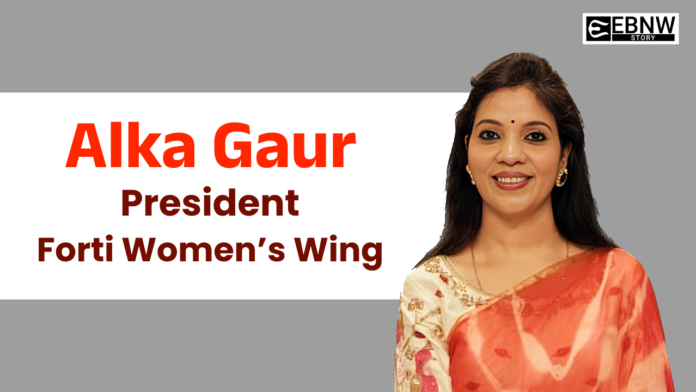
FORTI Women’s Wing President Alka Gaur Applauds Budget 2024-25 for Key Initiatives

0

In a significant development, FORTI Women’s Wing President Alka Gaur has lauded the recently unveiled Budget 2024-25, highlighting five pivotal points that promise to uplift various segments of society. Her endorsement comes as the nation grapples with economic challenges and seeks targeted measures to spur growth and welfare.

Here are the key highlights from Alka Gaur’s assessment:

  1. EPFO Assistance for New Registrants:
    • Individuals earning less than Rs 1 lakh annually, who register with the Employees’ Provident Fund Organization (EPFO) for the first time, will receive a much-needed boost. They are eligible for a financial aid of Rs 15,000, disbursed in three installments. This move aims to alleviate financial strain for low-income earners and encourage formal employment.
  2. Empowering Higher Education:
    • The budget introduces an ambitious education loan scheme. Candidates pursuing higher education can now access loans of up to Rs 10 lakh. What sets this apart is the nominal three percent interest rate, making education more affordable. Additionally, students will receive an annual e-voucher equivalent to 3 percent of the loan amount, directly supporting their academic pursuits.
  3. Holistic Schemes for Development:
    • Alka Gaur emphasized the government’s commitment to holistic development. Various schemes will be rolled out to benefit farmers, youth, women, and economically disadvantaged sections. These initiatives aim to address multifaceted challenges and create a more inclusive society.
  4. Comprehensive Farmer Database:
    • The budget allocates resources to compile detailed information on 6 crore farmers through land registries. This data-driven approach will enhance targeted policy interventions, improve agricultural productivity, and ensure equitable distribution of benefits.
  5. Revamped Kisan Credit Cards:
    • Recognizing the pivotal role of farmers, the budget proposes issuing new Kisan Credit Cards in five states. These cards provide farmers with access to credit, enabling them to invest in modern farming practices, purchase inputs, and manage crop cycles effectively.

Alka Gaur’s endorsement underscores the government’s efforts to address pressing socio-economic challenges. As the budget takes effect, citizens eagerly await the implementation of these transformative measures.<!– Provide a closing statement or call to action if needed. 

Diya Kumari’ father Brigadier Bhawani Singh served the nation for a salary of Rs 1, says Rama Dutt

0

On the 20th of July 2024, students from Army Public School engaged in the Media Masterclass Program of Saksham Sanchar Foundation embarked on a memorable educational journey to the Maharaja Sawai Man Singh II Museum in Jaipur. This visit, facilitated through collaboration with the Army Wives Welfare Association (AWWA), aimed to provide students with firsthand insights into Jaipur’s illustrious history and cultural heritage.

Interaction with Rama Dutt

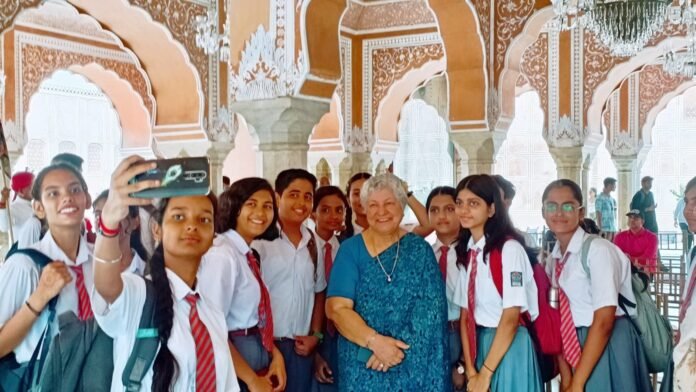
The highlight of the visit was students’ interaction with Rama Dutt, the esteemed executive trustee of the museum, who graciously shared her extensive experience and knowledge. Dutt’s association with the royal family spans over three decades, including seven years in her current role. Her deep connection to the museum and its heritage was evident as she recounted stories of her involvement since her retirement, which was facilitated by the Rajmata and princess to oversee the trusts.

She captivated the students with detailed narratives about the museum’s significance, the influx of international tourists it attracts, and the enduring legacy of Jaipur’s royal family, including insights into King Padmanabh Singh and his grand mother Rani Sahiba.

Diya Kumari' father Brigadier Bhawani Singh served the nation for a salary of Rs 1, says Rama Dutt

Insights into Heritage Conservation

Students were eager to learn about the conservation techniques employed at the museum. Dutt explained the strategic use of limestone in the palace’s construction, which effectively insulates the interiors from Rajasthan’s extreme temperatures, providing comfort year-round. Her explanation of the thick rock and limestone walls underscored the museum’s commitment to maintaining historical integrity while adapting to modern needs.

Personal Anecdotes and Cultural Insights

Beyond the technical aspects, Mrs. Dutt shared personal anecdotes, including her family’s deep-rooted connection to the army and their enduring love for Jaipur. She reflected on the city’s evolution since her arrival in 1970, noting its expansion and cultural richness that captivates residents and visitors alike. Her narrative encompassed touching stories about Diya Kumari’s father, Brigadier Bhawani Singh, whose dedication to national duty left a lasting impression on her as he worked at Rs 1 for the Indian Army.

Student Engagement and Q&A

Throughout the session, students actively engaged with Mrs. Dutt, posing thoughtful questions about Jaipur’s history, the daily operations of the museum, and the royal family’s contributions to sports and cultural heritage. Mrs. Dutt graciously addressed each query, fostering a dynamic learning environment that encouraged curiosity and exploration.

Summing Up

The visit to Maharaja Sawai Man Singh II Museum was not merely an educational excursion but a transformative experience for the students of Army Public School. Dutt’s profound insights into heritage preservation, coupled with her personal anecdotes and historical narratives, left an indelible mark on the students’ understanding of Jaipur’s cultural significance. This session underscored the importance of preserving cultural heritage for future generations and inspired students to cherish and contribute to their own cultural legacies.

Diya Kumari' father Brigadier Bhawani Singh served the nation for a salary of Rs 1, says Rama Dutt

In essence, the collaboration between AWWA, Saksham Sanchar Foundation, and Maharaja Sawai Man Singh II Museum provided a platform for meaningful learning and cultural appreciation, reinforcing the museum’s role as a custodian of Jaipur’s royal history and heritage.