Home Blog Page 521

Sikkim, the Only Tax-Free State in India

0

In a country where income tax is a standard obligation for most, Sikkim stands out as a unique exception. This northeastern state, nestled in the Himalayas, offers its residents a significant financial relief: they are exempt from paying income tax, regardless of how much they earn. This distinctive status is enshrined in the Indian Constitution and rooted in historical agreements from the time of Sikkim’s merger with India.

Historical Background

Sikkim’s special tax status dates back to 1975 when it officially became a part of India. The merger was accompanied by an agreement that allowed Sikkim to retain its own laws and special status. This agreement was later protected under Article 371(F) of the Indian Constitution.

Constitutional Provision: Article 371(F)

Article 371(F) of the Indian Constitution is the cornerstone of Sikkim’s unique tax status. It ensures that Sikkim’s residents are excluded from the purview of income tax, preserving the provisions established during the state’s merger with India. This article is supplemented by Section 10(26AAA) of the Income Tax Act, 1961, which explicitly states that the income of any resident of Sikkim is outside the tax purview.

Section 10(26AAA) of the Income Tax Act, 1961

Section 10(26AAA) provides a detailed framework for the income tax exemption. It includes various types of income such as interest on securities and dividends, ensuring that Sikkimese residents do not have any income tax liability. This exemption applies to all individuals who were residents of Sikkim before its merger with India, as determined by the Sikkim Subjects Regulations, 1961.

Financial Relief and Economic Impact

The income tax exemption for Sikkim’s residents translates into significant financial relief, allowing them to retain more of their earnings. This financial advantage can also stimulate economic activities and investments within the state, providing Sikkim with a unique comparative edge over other regions in India.

Comparative Advantage

Sikkim’s tax-free status is particularly noteworthy given India’s predominantly agricultural economy. While agricultural income is generally exempt from tax to support the sector, Sikkim’s exemption extends beyond agriculture to all forms of income for its residents. This broad exemption fosters a favorable economic environment, encouraging both local and external investments.

Broader Implications

Sikkim’s unique status underlines the importance of historical agreements and specific legal provisions in shaping economic policies. It serves as a reminder of how historical contexts can influence contemporary governance and economic strategies. As India continues to evolve economically, Sikkim’s model could offer insights into balancing historical agreements with modern economic needs.

Summing Up

Sikkim’s exemption from income tax is a distinctive feature that sets it apart from the rest of India. This status, rooted in the historical merger agreement of 1975 and protected by the Indian Constitution, provides substantial financial relief to its residents. As the only state in India where residents are entirely free from income tax obligations, Sikkim enjoys a unique economic advantage, contributing to its economic vitality and attracting investments. This historical and legal anomaly serves as a testament to the enduring impact of historical agreements on contemporary policy and governance.

Palitana,the First City to Declare Non-Veg Food Illegal

0

Palitana city in Gujarat’s Bhavnagar district has become the first city in the world to ban non-vegetarian food. This historic decision follows a series of protests by over 200 Jain monks demanding the closure of more than 250 butcher houses in the city. As a result, the sale and consumption of meat, as well as the butchering of animals for meat, have been declared illegal and punishable by law.

A Jain Pilgrimage Hub

Palitana holds immense religious significance, particularly for the Jain community. Located in the Shatrunjaya Hills, the city is often referred to as the Jain Temple Town due to its 800 Jain temples. The most renowned among these is the Adinath Temple, dedicated to Lord Adinath, the first Tirthankara of Jainism. These temples, dating back to the 5th century AD, make Palitana a critical site for pilgrims and tourists alike. According to Jain texts, Palitana is one of the few places where one can achieve Moksha, or liberation.

The Catalyst for Change

The push for this ban was fueled by the Jain monks’ protests, emphasizing the city’s religious heritage and the community’s desire to maintain its sanctity. The monks’ demands for closing butcher houses were rooted in the Jain principle of ahimsa (non-violence), which strictly prohibits harm to any living being.

Broader Impact Across Gujarat

The move to ban non-vegetarian food in Palitana is part of a broader trend in Gujarat. The initial regulations began in Rajkot, where authorities prohibited the display and preparation of non-vegetarian food. This example was soon followed by Vadodara, Junagadh, and Ahmedabad. Proponents argue that the display of meat is offensive to their sensitivities, impacts children negatively, and even contributes to traffic congestion, as mentioned by the Chief Minister of Gujarat.

Cultural and Historical Context

Gujarat’s inclination towards vegetarianism is deeply rooted in its culture and history. The state is the birthplace of Mahatma Gandhi, a staunch advocate of vegetarianism, whose ideologies continue to influence millions. The Vaishnav Hindu culture, which predominates in Gujarat, further supports this dietary preference. With 88.5% of the population being Hindu, 1% Jain, and 10% comprising Muslims and Christians, the cultural milieu favors vegetarianism.

Summing Up

The ban on non-vegetarian food in Palitana underscores the city’s religious significance and the influence of Jain philosophy. It also reflects the broader cultural and historical context of Gujarat, where vegetarianism is deeply ingrained. This decision marks a significant milestone in the ongoing dialogue between tradition, religion, and modern governance in India.

Moidams – The Mound-Burial System of the Ahom Dynasty

0

Nestled in the foothills of the Patkai Ranges in eastern Assam lies the royal necropolis of the Tai-Ahom, a testament to a unique funerary tradition. For 600 years, the Tai-Ahom created moidams (burial mounds) that harmonized with the natural topography of hills, forests, and water bodies, forming a sacred landscape. The site, adorned with banyan trees, trees used for coffins, bark manuscripts, and man-made water bodies, contains 90 moidams of varying sizes. These hollow vaults, constructed from brick, stone, or earth, house the remains of kings, royals, and their grave goods, including food, horses, elephants, and sometimes even queens and servants.

The Tai-Ahom rituals of “Me-Dam-Me-Phi” and “Tarpan” continue to be practiced at the Charaideo necropolis. While moidams can be found in other areas of the Brahmaputra Valley, those at Charaideo are particularly exceptional. On July 26, 2024, “Moidams – the Mound-Burial System of the Ahom Dynasty” was officially inscribed on the UNESCO World Heritage List, marking India’s 43rd entry.

Global Recognition and Significance

The inclusion of Moidams as a UNESCO World Heritage Site is a significant cultural achievement for India. Union Minister of Culture and Tourism, Shri Gajendra Singh Shekhawat, emphasized that this recognition highlights the importance of preserving cultural heritage for future generations. He noted that the global recognition of Moidams underscores New India’s commitment to showcasing its heritage on the world stage.

This inscription marks the third World Heritage Property from Assam, following Kaziranga National Park and Manas Wildlife Sanctuary, both inscribed under the Natural category in 1985. The monumental architecture of the Moidams, comparable to the pyramids of Egyptian pharaohs and royal graves in ancient China, celebrates and preserves the royal lineage of the Ahom Kings.

Preserving Outstanding Universal Values

UNESCO’s World Heritage List aims to preserve and promote shared heritage based on Outstanding Universal Values (OUVs) found in cultural, natural, and mixed properties across 195 countries. India, a member of the World Heritage Committee from 2021-25, is hosting its first-ever session of the World Heritage Convention. The 46th session, held from July 21 to 31, 2024, at Bharat Mandapam in New Delhi, has seen the participation of over 150 State Parties.

Speaking at the press briefing after the announcement, Shri Shekhawat highlighted the 700-year-old mound burial system’s global significance. He credited Prime Minister Shri Narendra Modi for nominating the Moidams in 2023, underscoring their cultural and historical importance. This nomination makes Moidams the first cultural heritage site and the third overall site from the North East to be inscribed on the World Heritage list.

The Unique Funerary Tradition of the Ahom Dynasty

Moidams, or “home-for-spirit,” are sacred burial mounds created by the Tai-Ahom in northeastern India. The Tai-Ahom, who arrived in Assam in the 13th century, established Charaideo as their first city and the site of the royal necropolis. For 600 years, they constructed moidams using natural elements to create a sacred geography. The Tai-Ahom believed their monarchs were divine, leading to the development of this distinct funerary tradition. Initially built with wood and later with stone and burnt bricks, the moidams reflect the hierarchical structure of Tai-Ahom society.

Efforts to Preserve the Moidams

The Archaeological Survey of India (ASI) and the Assam State Department of Archaeology have collaborated to restore and preserve the integrity of Charaideo. Despite challenges from early 20th-century treasure hunters, the site is well-maintained and protected under central and state regulations. This preservation effort underscores the cultural and historical significance of the Moidams.

The 46th Session of the World Heritage Committee

The ongoing 46th session of the World Heritage Committee is examining 27 nominations from around the world, including 19 Cultural, 4 Natural, 2 Mixed sites, and 2 significant modifications to existing boundaries. India’s nomination of Moidams – The Mound-Burial System of the Ahom Dynasty was the official entry under the category of Cultural Property.

The session’s inaugural ceremony was graced by Prime Minister Shri Narendra Modi, UNESCO Director-General Ms. Audrey Azoulay, Minister for External Affairs Dr. S. Jaishankar, and Minister of Culture and Tourism Shri Gajendra Singh Shekhawat. The event was attended by Culture Ministers, Ambassadors, and other dignitaries, marking a significant moment in India’s cultural heritage preservation journey.

The recognition of Moidams as a UNESCO World Heritage Site is a testament to their outstanding universal value and a reminder of the importance of conserving cultural heritage for future generations.

WhatsApp to Introduce ‘Reshare Status Updates’, just like Instagram

0

WhatsApp is developing a new feature called “Reshare Status Updates” to streamline the process of sharing status updates, akin to Instagram’s reshare feature. As reported by WABetaInfo, this new addition aims to make sharing status updates more efficient and user-friendly.

What is ‘Reshare Status Updates’?

The “Reshare Status Updates” feature will allow users to easily reshare status updates where they have been tagged or mentioned. This feature is designed to simplify content sharing with contacts, enhancing the user experience by eliminating the need for workarounds such as taking screenshots of status updates. For instance, if you are tagged in a story or mentioned by someone, you can effortlessly reshare that update with your contacts, ensuring a broader dissemination of relevant content.

How Will It Work?

When the feature is launched, users will see a new button within the status update interface. This button will enable the easy resharing of status updates where users have been mentioned. The process is intended to be seamless, providing a straightforward way to share content without the hassle of additional steps.

Beta Testing and Future Availability

Currently, the “Reshare Status Updates” feature is expected to be available only to Beta testers. However, it is still under development and will be part of a future update. WhatsApp has not yet provided a specific timeline for the launch of this feature.

WhatsApp’s Inspiration from Instagram

This is not the first time WhatsApp has taken inspiration from Instagram features. Recently, WhatsApp announced plans to allow users to create accounts using usernames, similar to Instagram. This upcoming feature will enable users to create unique usernames for their profiles, allowing them to chat with different people without exchanging contact numbers. This approach aims to prioritize privacy and streamline the process of connecting with others, ultimately enabling users to establish a personalized online presence without sharing their phone numbers.

Stay Updated

For more information and updates on the development and rollout of the “Reshare Status Updates” feature, you can keep an eye on the official website of WABetaInfo. This platform regularly provides detailed insights into new features and updates being tested and implemented by WhatsApp.

By continually evolving and introducing new features like “Reshare Status Updates,” WhatsApp aims to enhance user experience, making it easier for users to connect and share content in a secure and efficient manner.

The Crucial Role of Early Warning Systems in Climate Resilience

0

Early warning systems (EWS) are adaptive measures for climate change that employ integrated communication systems to help communities prepare for hazardous climate-related events. A successful EWS can save lives, protect jobs, safeguard land and infrastructure, and support long-term sustainability. By assisting public officials and administrators in their planning, these systems save money in the long run and protect economies. Recognizing the importance of EWS, the United Nations (UN) has introduced several innovative initiatives in vulnerable areas worldwide.

UNDP’s Comprehensive Programme

One of the UN’s flagship efforts is the United Nations Development Programme’s (UNDP) Signature Programme, “Strengthening Climate Information and Early Warning Systems for Climate Resilient Development and Adaptation to Climate Change.” This comprehensive programme operates across Africa, Asia, and the Pacific, ensuring preparedness and rapid response to natural disasters at the sub-regional and regional levels. The model integrates risk knowledge, monitoring and predicting, dissemination of information, and response to warnings.

In Uganda, for example, where 64% of the population relies on agriculture for subsistence, the Strengthening Climate Information and Early Warning Systems (SCIEWS) project has made significant strides. After years of civil war, government changes, and poor maintenance left most weather stations in disrepair, the project replaced outdated meteorological stations with updated systems. This has improved disaster risk reduction by providing more effective means of generating and disseminating information.

Innovative Solutions in Southeast Asia

Southeast Asia’s long coastlines and low-lying countries make it particularly vulnerable to extreme weather conditions. In Cambodia, severe floods affected more than 1.7 million people in 2013, causing losses of $365 million. By 2016, over 2.5 million people were affected by flooding, highlighting an increase in climate-related incidents. A four-year program implemented by UNDP, in partnership with the Cambodian government and other entities, involved installing and reactivating Automatic Weather and Agrometeorological Stations and Automatic Hydrological Stations across the country. Farmers now access detailed climate bulletins, enabling substantial planning to avoid costly consequences in terms of both money and lives.

UNEP’s Climwarn Project

The United Nations Environment Programme’s (UNEP) Climwarn project, in collaboration with partners in Burkina Faso, Ghana, and Kenya, has transformed rudimentary meteorological methods into sophisticated systems using modern technology. This new approach alerts communities of potential floods and other risks through SMS and email, helping rural regions better preserve their crops and livelihoods.

Climate Risk and Early Warning Systems (CREWS)

Another notable initiative is the Climate Risk and Early Warning Systems (CREWS), launched at the UN Climate Change Conference in Paris in 2015. CREWS aims to boost the capacity of Multi-Hazard Early Warning Systems and is operational in 19 countries in Africa and the Pacific, including Least Developed Countries (LDCs) and Small Island Developing States (SIDS), which are most prone to tropical cyclones and floods. In June 2018, CREWS announced its programme rollout in the Democratic Republic of Congo, Burkina Faso, Mali, and Niger. The CREWS Steering Committee continues to identify new countries in Africa and Asia where programs can be financed.

Summing Up

Early warning systems are vital for climate resilience, providing communities with the tools and information needed to prepare for and respond to hazardous events. Through the combined efforts of UN entities and their partners, innovative and effective EWS are being implemented across vulnerable regions, significantly enhancing the ability to mitigate and adapt to climate change. As these systems continue to evolve and expand, they will play an increasingly crucial role in safeguarding lives, livelihoods, and economies around the world.

India’s Stance at the Indo-Pacific Economic Framework (IPEF) Ministerial Meeting

0

The Indo-Pacific Economic Framework (IPEF) is a US-led initiative aimed at strengthening economic partnerships among participating countries to enhance resilience, sustainability, inclusiveness, economic growth, fairness, and competitiveness in the Indo-Pacific region. Launched in 2021, the IPEF brings together a dozen initial partners who collectively represent 40% of the world’s GDP. Unlike traditional Free Trade Agreements (FTAs), the IPEF allows members to negotiate specific components of interest within four main pillars:

  1. Supply-chain resilience
  2. Clean energy, decarbonization, and infrastructure
  3. Taxation and anti-corruption
  4. Fair and resilient trade

India’s Participation in IPEF

Recently, the Indian Minister of Commerce & Industry addressed the IPEF Ministerial meeting in the United States, where India decided to participate in three out of the four pillars of the framework, opting out of the Fair & Resilient Trade pillar. India agreed to engage in the Supply Chains, Tax & Anti-Corruption, and Clean Energy pillars.

India’s Position on the Trade Pillar

India’s decision to stay away from the Fair & Resilient Trade pillar stems from several concerns:

  • Digital Governance: The IPEF’s formulation on digital governance conflicts with India’s stated position. India is in the process of developing its own digital framework and laws, particularly regarding privacy and data protection. In August 2022, India withdrew the Personal Data Protection Bill from Parliament to consider a comprehensive legal framework regulating the overall Internet ecosystem and cybersecurity.
  • Data Localisation: The US has expressed concerns about India’s potential demand for data localization, which would require storing and processing Indian users’ data on servers located within India. This policy could pose significant barriers to digital trade and market access, particularly for smaller firms.
  • Environmental Conditionalities: India is cautious about environmental conditions that may discriminate against developing countries, a critical factor as it observes the benefits derived by member countries.

India’s Vision for the Indo-Pacific Region

India envisions a Free and Open Indo-Pacific, collaborating with like-minded countries to manage a rules-based, multipolar regional order. Key elements of India’s vision include:

  • Growing Trade and Investments: India’s trade in the Indo-Pacific region is rapidly increasing, with significant investments directed eastward. This includes Comprehensive Economic Partnership Agreements with Japan, South Korea, and Singapore, as well as Free Trade Agreements with ASEAN and Thailand.
  • Active Regional Role: India has been a vocal advocate for a Free and Open Indo-Pacific. The US, Australia, and ASEAN members have all recognized India’s crucial role in the region.
  • Quad Collaboration: India, along with its Quad partners (the US, Japan, and Australia), aims to enhance regional security and stability, preventing any single power from dominating the region or its crucial waterways.

India’s Strategic Approach

India’s engagement with the IPEF reflects a strategic approach to regional cooperation. By participating in the pillars of supply chains, tax & anti-corruption, and clean energy, India aims to bolster economic resilience and sustainability without compromising its national interests in digital governance and data protection. This selective participation underscores India’s commitment to fostering a balanced and inclusive economic environment in the Indo-Pacific region.

In conclusion, India’s nuanced stance at the IPEF Ministerial meeting demonstrates its strategic priorities and vision for the Indo-Pacific. By aligning with three of the four pillars, India continues to play a significant role in shaping a resilient, sustainable, and inclusive economic landscape in the region.

‘Call of the Gir’ by Parimal Nathwani: A Tribute to Gir’s Majestic Landscapes and Asiatic Lions

0

Parimal Nathwani, a lion enthusiast from a young age, takes readers on an extraordinary journey through the landscapes of Gir with his book, Call of the Gir. This work beautifully combines vivid photography and compelling narratives to emphasize the urgent need for conservation efforts to protect the Asiatic lions that inhabit this unique region.

Nathwani’s passion for lions has been a constant throughout his life, persisting even as he assumed significant responsibilities in his professional career. As Director-Corporate Affairs at Reliance Industries Limited (RIL), Nathwani successfully managed various high-profile projects, including land acquisition for the Jamnagar Mega Complex, the establishment of retail outlets, and the development of cross-country pipelines and optical fibre cable networks. His dedication to Gir and its lions has also influenced RIL’s corporate social responsibility activities, directing efforts and resources towards the region.

Nathwani’s commitment to the conservation of Gir’s lions is evident in his proactive measures to reduce lion-cub fatalities around Gir. Notably, he initiated the construction of parapets over 1,294 open wells in the periphery of Gir to prevent accidental drownings. With the lion population increasing substantially, Nathwani recently pledged to cover an additional 2,000 wells, of which 1,150 have already been completed. Furthermore, he has committed to establishing three fully equipped hospitals in Gir and Greater Gir for wildlife treatment, showcasing his unwavering dedication to the cause.

In his capacity as a member of the Advisory Committee of Gir Sanctuary & National Park, Nathwani has been a frequent visitor to Gir since his youth. He is also the founder-director of the GEET Foundation, an NGO that promotes environmental and ecological tourism in Gir. His earlier book, Gir Lion: Pride of Gujarat, published in 2018, also focused on the conservation of Gir’s lions and was met with acclaim.

Prime Minister Narendra Modi has lauded Call of the Gir, acknowledging Nathwani’s enduring passion for wildlife. In a social media post, the Prime Minister expressed his belief that the book would greatly benefit all those interested in the majestic Gir lions. Nathwani recently had the honor of presenting his book to the Prime Minister, further highlighting the book’s significance.

Call of the Gir offers a profound exploration of Gir’s landscapes, renowned for their Asiatic lions. Through stunning photography and engaging narratives, Nathwani underscores the urgency of conservation efforts, calling attention to the fragile beauty of this region and its need for protection. This book is not only a visual and literary delight but also a clarion call for preserving the natural heritage of Gir for future generations.

Constructive Dialogues Mark 30th WMCC Meeting on India-China Border Affairs

0

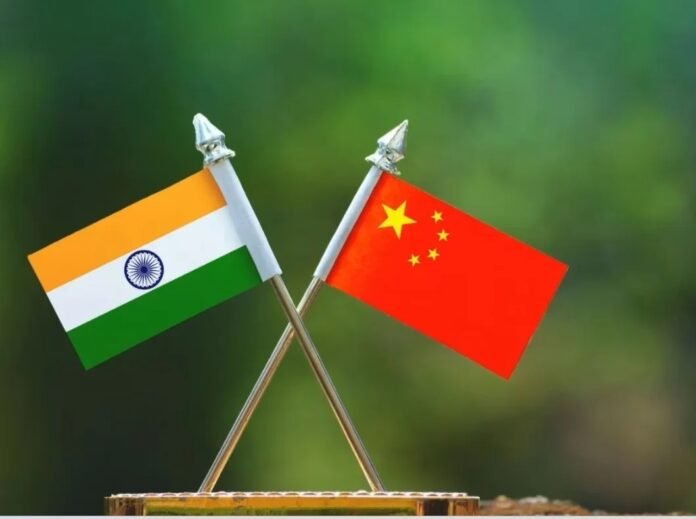
The 30th meeting of the Working Mechanism for Consultation and Coordination (WMCC) on India-China Border Affairs took place in New Delhi, marking a significant step in the ongoing efforts to manage the complex dynamics along the Line of Actual Control (LAC). This meeting comes at a crucial time, as both nations seek to restore peace and tranquility in the border areas, a prerequisite for normalizing their bilateral relations.

The Indian delegation was led by Gourangalal Das, Joint Secretary (East Asia) from the Ministry of External Affairs, while the Chinese delegation was headed by Hong Liang, Director General of the Boundary & Oceanic Department of the Chinese Ministry of Foreign Affairs. The discussions were described as in-depth, constructive, and forward-looking, reflecting a mutual commitment to resolving outstanding issues promptly.

Focus on Peace and Tranquility

Building on recent discussions between the two Foreign Ministers in Astana and Vientiane, the delegations reviewed the current situation along the LAC. Both sides emphasized that the restoration of peace and tranquility, as well as respect for the LAC, are crucial for the normalization of bilateral relations. They agreed on the necessity to jointly uphold peace and stability in the border areas, adhering to relevant bilateral agreements, protocols, and understandings reached between their governments.

Commitment to Diplomatic and Military Channels

The meeting underscored the importance of maintaining momentum through established diplomatic and military channels. The leader of the Chinese delegation also paid a visit to the Indian Foreign Secretary, Ambassador Misri, who previously served as the Indian ambassador to China, further demonstrating the commitment to dialogue and cooperation.

High-Level Engagements

During an official visit to Laos on July 25, Indian External Affairs Minister Dr. S. Jaishankar met with Chinese Politburo member and prominent diplomat Wang Yi. Both leaders attended the Foreign Ministers’ Meetings under the ASEAN framework, including sessions of the ASEAN-India, East Asia Summit (EAS), and ASEAN Regional Forum (ARF). Jaishankar shared on X (formerly Twitter), “Met with CPC Politburo member and FM Wang Yi in Vientiane today. Continued our ongoing discussions about our bilateral relationship. The state of the border will necessarily be reflected in the state of our ties. Agreed on the need to give strong guidance to complete the disengagement process. Must ensure full respect for the LAC and past agreements. It is in our mutual interest to stabilize our ties. We should approach the immediate issues with a sense of purpose and urgency.”

Historical Context and Ongoing Efforts

The history of India-China relations has been marked by tension and periodic engagement, especially following the border clash in Ladakh in 2020. Since then, numerous high-level talks have aimed at de-escalating tensions and managing the border situation. These efforts include Corps Commander-level talks, diplomatic engagements at the BRICS summit, and bilateral meetings at international forums. Despite these discussions, the border remains a sensitive issue, with both nations maintaining a significant military presence along the LAC.

Economic Ties Amidst Tensions

Despite the ongoing tensions, economic ties between India and China have persisted. India has taken measures to reduce its economic dependence on China, such as banning several Chinese apps and increasing scrutiny of Chinese investments. Nevertheless, China remains one of India’s largest trading partners. In FY 2024, bilateral trade between the two countries totaled $118.4 billion, with imports from China at $101.7 billion and exports from India to China at $16.67 billion.

Summing Up

The 30th WMCC meeting marks a constructive step in the ongoing dialogue between India and China, reflecting a shared commitment to peace and stability along the LAC. While challenges remain, the continued engagement through diplomatic and military channels provides a framework for addressing and resolving outstanding issues. As both nations navigate this complex relationship, maintaining open lines of communication and mutual respect will be essential for fostering long-term stability and cooperation.

Tarang Shakti, India’s Largest International Military Exercise

0

India is set to host its largest international military exercise, ‘Tarang Shakti,’ an extensive air exercise that will unfold in two phases across Tamil Nadu and Rajasthan. The announcement was made by Indian Air Force Vice Chief Air Marshal AP Singh, highlighting the scale and strategic importance of this monumental event.

The ‘Tarang Shakti’ exercise aims to bring together military forces from across the globe to strengthen strategic relations and enhance mutual understanding of air operations. Invitations have been extended to 51 countries, with confirmations received from ten countries that will participate with their assets, and 18 countries attending as observers. This collaborative effort marks a significant step in fostering global military cooperation and sharing best practices among the participating nations.

Phase One: Sulur, Tamil Nadu

The first phase of ‘Tarang Shakti’ will be conducted at Sulur in Tamil Nadu from August 6 to August 14. This phase will see active participation from four prominent countries: France, Germany, Spain, and the United Kingdom. These nations will bring their military assets to the exercise, engaging in complex missions designed to enhance operational understanding and interoperability among the forces.

“This exercise aims to strengthen strategic relations with our friends from the international community. Complex missions are planned to enhance our mutual understanding of air operations. It is an excellent opportunity for all of us to share our best practices with each other,” stated Vice Chief Air Marshal AP Singh.

Strategic Significance and Objectives

The ‘Tarang Shakti’ exercise is not merely a display of military might but a crucial platform for the participating countries to exchange knowledge and experience. The focus will be on conducting complex missions that challenge the participants and promote a deeper understanding of diverse air operations. By sharing best practices and operational techniques, the exercise aims to improve the efficiency and effectiveness of the participating air forces.

Additionally, ‘Tarang Shakti’ serves as a testament to India’s commitment to fostering international cooperation and peace. The exercise underscores India’s strategic position and its ability to host such a large-scale, multifaceted military event. It also provides an opportunity for India to showcase its advanced military capabilities and infrastructure.

Looking Ahead

As the exercise unfolds in the coming months, it will be closely watched by military analysts and strategists worldwide. The successful execution of ‘Tarang Shakti’ will likely set a new benchmark for international military exercises, paving the way for future collaborations and joint operations. The knowledge and experience gained from this exercise will undoubtedly contribute to the participating nations’ operational readiness and strategic capabilities.

In conclusion, ‘Tarang Shakti’ represents a significant milestone in India’s military history, bringing together a diverse coalition of nations to enhance global security and cooperation. Through this exercise, India reaffirms its role as a key player on the international stage, committed to fostering a collaborative and peaceful global environment.

The Haunting of Gata Loops near Leh, the Ghost Temple Where Water Bottles Are Offered to a Spirit

0

If you’ve ever ventured along the scenic Manali-Leh highway, you might have encountered the intriguing and somewhat eerie Gata Loops. Nestled within the picturesque landscapes and winding roads of this 10-kilometer stretch lies a curious and haunting tale that has captivated the imaginations of travelers for decades. This tale revolves around a ghost temple situated at the 19th bend of the Gata Loops, where travelers leave offerings of water bottles and cigarette packets for a restless spirit.

The Unfortunate Incident That Sparked a Legend

The story begins in the harsh winter of 1999, a time when the cold on the Manali-Leh highway was unbearable, and the roads were treacherous with snow and ice. A truck, navigating the treacherous bends of Gata Loops, faced mechanical issues. The driver and his helper struggled to fix the vehicle, but their efforts were in vain. The truck was stranded at the 19th bend, and the helper, who was already feeling unwell, stayed behind while the driver set off on foot to find help in the nearest village, Sarchu.

Tragically, the driver’s quest for help was hindered by the severe weather conditions. By the time he could return, days had passed, and he found his helper had succumbed to the elements—hunger, thirst, and the bitter cold. Devastated, the locals decided to bury the helper’s body at the very spot where he had perished.

The Birth of the Ghost Temple

Shortly after this tragic event, travelers began to report eerie encounters near the 19th bend. Many claimed to see a ghostly figure asking for help and water. These stories spread, and locals, in an attempt to appease the restless spirit of the truck helper, built a small shrine at the site. Thus, the Ghost Temple of Gata Loops was born.

Visitors passing through the Gata Loops began to leave offerings of water bottles and cigarette packets at the shrine. It is believed that these offerings are meant to quench the thirst and soothe the spirit of the departed helper, ensuring safe passage for travelers through this haunted stretch.

A Story Passed Through Generations

Over the years, the legend of the Ghost Temple has been passed down through generations of travelers and locals. Some claim to have experienced the eerie presence themselves, while others remain skeptical. Whether you believe in the supernatural or not, the sight of water bottles and cigarette packets strewn around the 19th bend of Gata Loops is a testament to the enduring power of this chilling story.

The Manali-Leh highway is renowned for its stunning beauty and challenging terrain, but it is also home to this haunting legend. As you navigate the twists and turns of the Gata Loops, keep an eye out for the ghostly shrine and remember the tragic tale that has left an indelible mark on this remote and beautiful region. What do you think of the Ghost Temple of Gata Loops? Would you dare to leave an offering for the restless spirit?