Home Blog Page 517

Where is Hathi Gaon Jaipur?

0

Have you ever imagined a village of elephants? If not then read further to know about this place.

Elephants have a rich history in Jaipur, symbolizing royalty and cultural significance. Hathi Gaon, meaning “Elephant Village,” embodies this legacy, providing a sanctuary for these majestic creatures. Renowned for its ethical treatment of elephants, Hathi Gaon Jaipur offers immersive experiences where visitors can interact with these gentle giants. This unique destination bridges the gap between past and present, offering insights into Jaipur’s long-standing relationship with elephants while promoting conservation and responsible tourism.

Introduction to Hathi Gaon Jaipur

In the vibrant city of Jaipur, amidst the rich cultural tapestry of Rajasthan, lies a unique attraction known as Hathi Gaon. This place for elephant lovers and enthusiasts offers a memorable experience that blends nature, culture, and adventure. Whether you’re a local resident or a traveler exploring the Pink City, a visit to Hathi Gaon promises to be an enriching escapade.

Ticket Price and Entry Fee

Before embarking on your journey to Hathi Gaon Jaipur, it’s essential to know about the ticket prices and entry fees. The cost of entry typically varies based on factors such as age, nationality, and the type of experiences you wish to engage in. However, the entry fee is usually reasonable, ensuring accessibility for visitors from all walks of life. Special packages may also be available for group bookings or specific activities within the village.

Operating Hours and Timings

To make the most of your visit to Hathi Gaon Jaipur, it’s crucial to plan your itinerary around its operating hours and timings. The village typically opens its gates to visitors from 11:30 AM to 6:00 PM, allowing ample time for exploration and interaction with the resident elephants. Whether you prefer a morning rendezvous or an afternoon adventure, checking the operating hours in advance from the official website ensures a seamless experience.

Contact Information

For inquiries, bookings, or any other assistance, it’s advisable to have the contact information of Hathi Gaon readily available. This includes phone numbers, email addresses, and official website details through which you can reach out to the management team. Whether you have questions about ticket reservations, directions to the village, or special arrangements, the friendly staff at Hathi Gaon are there to assist you.

Distance from Jaipur to Hathi Gaon

Situated a short distance away from Jaipur city center and near the Amer Fort, Hathi Gaon is easily accessible by various modes of transportation. Whether you choose to drive, take a taxi, or opt for public transport, the journey to Hathi Gaon is convenient and well-connected. The relatively short distance ensures that you can include a visit to Hathi Gaon in your Jaipur itinerary without any hassle.

Hathi Gaon Experience

Once you step foot into Hathi Gaon, you are greeted by a mesmerizing blend of sights, sounds, and experiences. From up-close encounters with majestic elephants to engaging activities such as elephant rides and feeding sessions, there’s no shortage of excitement here. Additionally, the village offers insights into the daily lives of elephants and their caretakers, fostering a deeper understanding and appreciation for these gentle giants.

Hathi Gaon: Elephant Sanctuary

Hathi Gaon is not merely a tourist attraction; it’s an elephant sanctuary where elephants are treated with love, respect, and dignity. Visitors have the opportunity to witness the bond between elephants and their mahouts, gaining a glimpse into centuries-old traditions and practices. Moreover, Hathi Gaon serves as a hub for conservation efforts aimed at protecting these magnificent creatures and preserving their natural habitat.

Best Time to Visit Hathi Gaon

While Hathi Gaon welcomes visitors throughout the year, certain seasons offer more favorable weather conditions and a heightened sense of adventure. The winter months, from October to March, are particularly pleasant, with mild temperatures making outdoor activities more enjoyable. However, regardless of the time of year, each season brings its own unique charm to Hathi Gaon, ensuring a memorable experience for all who visit.

How to Reach Hathi Gaon?

Reaching Hathi Gaon is straightforward, thanks to its strategic location and accessibility. If you’re traveling from Jaipur city center, you can opt for a taxi or hire a private vehicle to take you directly to the village. Alternatively, public buses and auto-rickshaws also ply the route, providing budget-friendly transportation options. Whichever mode of transport you choose, the journey to Hathi Gaon promises to be as delightful as the destination itself.

In summary, Hathi Gaon in Jaipur is a must-visit destination for anyone interested in experiencing the majestic beauty of elephants in a natural and ethical environment. From its rich history and cultural significance to its commitment to conservation, Hathi Gaon offers a unique and enriching experience for all.

Vikram Sarabhai Birth Anniversary, remembering the Father of India’s Space Programme

0

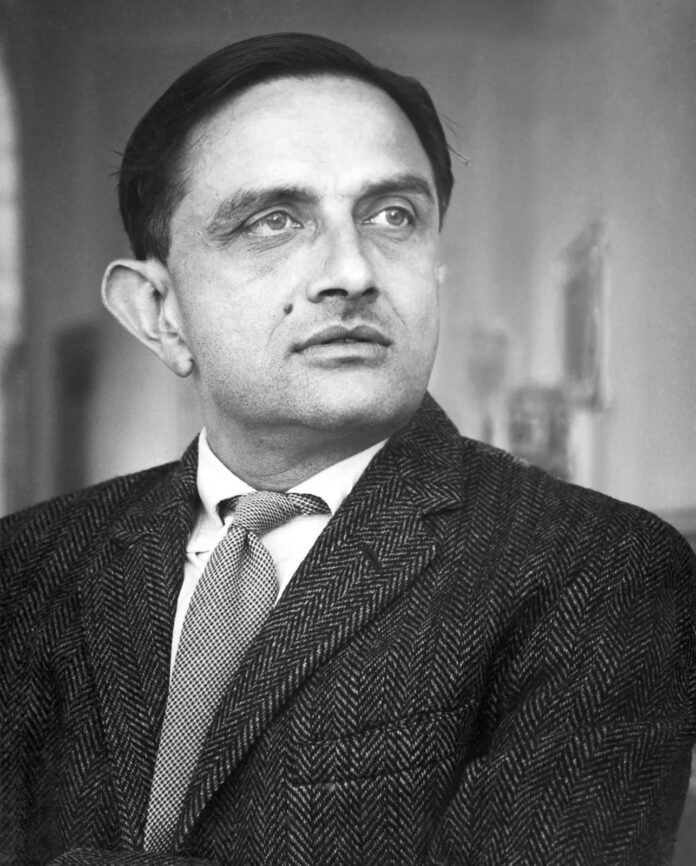
On August 12, we honour the birth anniversary of Dr. Vikram Sarabhai, the visionary scientist who laid the foundation for India’s space exploration endeavors. His groundbreaking work has transformed the nation’s scientific landscape, earning him the title of the Father of India’s Space Programme.

Who Was Vikram Sarabhai?

Born on August 12, 1919, in Ahmedabad, Gujarat, Vikram Sarabhai came from a prominent family of industrialists. Despite his privileged background, Sarabhai was deeply committed to scientific inquiry and national development. He pursued his higher education at Cambridge University, where he earned a Ph.D. in cosmic ray physics, a field that profoundly influenced his future contributions to space science.

Why Is Vikram Sarabhai Called the Father of India’s Space Programme?

Dr. Sarabhai’s visionary leadership was instrumental in establishing the Indian space program. He recognized the potential of space technology to address India’s socio-economic challenges and was determined to harness it for national development. His efforts led to the formation of the Indian Space Research Organisation (ISRO) in 1969, which has since evolved into one of the world’s leading space agencies.

One of Sarabhai’s most significant achievements was the establishment of the Thumba Equatorial Rocket Launching Station (TERLS) in Kerala in 1963, marking the beginning of India’s space research activities. He also initiated the first Indian satellite program, leading to the successful launch of Aryabhata, India’s first satellite, in 1975, though he did not live to see this milestone.

Vikram Sarabhai’s Early Life and Education

Vikram Sarabhai’s early life was marked by intellectual curiosity and a strong sense of social responsibility. His family valued education and philanthropy, significantly influencing his outlook on life. His father, Ambalal Sarabhai, was a prominent industrialist, and his mother, Sarala Devi, was deeply involved in social work.

After completing his schooling in Gujarat, Sarabhai continued his studies at Cambridge University. The outbreak of World War II forced him to return to India, where he conducted research at the Indian Institute of Science, Bangalore, under Nobel laureate C.V. Raman’s mentorship. He later returned to Cambridge to complete his Ph.D., further solidifying his expertise in cosmic ray research.

Vikram Sarabhai’s Contributions to Indian Space and Science

Beyond founding ISRO, Sarabhai was a driving force behind several other scientific institutions in India. He played a key role in establishing the Physical Research Laboratory (PRL) in Ahmedabad, which became a hub for space and atmospheric sciences. He was also instrumental in setting up the Indian Institute of Management Ahmedabad (IIMA), highlighting the importance of management education in the country’s development.

Dr. Sarabhai’s vision extended beyond space science. He was a strong advocate for using science and technology to improve the lives of ordinary Indians. He believed space technology could address issues like education, communication, and resource management.

Vikram Sarabhai’s Legacy and Impact

Vikram Sarabhai’s contributions have had a lasting impact on India’s scientific landscape. His vision for a self-reliant and technologically advanced India continues to inspire generations of scientists and engineers. The successful launch of the Chandrayaan and Mangalyaan missions, as well as the upcoming Gaganyaan project, are testaments to the strong foundation he laid.

As we celebrate his birth anniversary on August 12, it is a time not only to remember his achievements but also to reaffirm our commitment to his vision of using science and technology for societal betterment. Dr. Vikram Sarabhai’s legacy remains a guiding light for India’s ongoing journey into the final frontier.

An Overview of the Securities and Exchange Board of India (SEBI)

0

The Securities and Exchange Board of India (SEBI) is an autonomous regulatory body that operates under the administrative supervision of the Union Finance Ministry and is accountable to the Parliament. Established to protect investor interests and promote and regulate the securities market, SEBI plays a crucial role in ensuring the integrity and efficiency of the Indian financial market.

Formation and History

SEBI was initially formed in 1988 as a non-statutory body for regulating the securities market. It gained statutory status on 30th January 1992 with the enactment of the SEBI Act, 1992. On 12th April 1992, SEBI became an autonomous entity, tasked with the regulation of capital markets in India. Headquartered in Mumbai, Maharashtra, SEBI also has regional offices in New Delhi, Kolkata, Chennai, and Ahmedabad. In the financial year 2013-2014, SEBI expanded its reach by establishing local offices in cities including Jaipur, Bangalore, Guwahati, Bhubaneshwar, Patna, Kochi, and Chandigarh.

Structural Organisation

SEBI is structured to function autonomously while being supervised administratively by the Union Finance Ministry. Its management comprises:

  • A chairman nominated by the Union Government of India.
  • Two members from the Union Finance Ministry.
  • One member from the Reserve Bank of India.
  • Five members nominated by the Union Government of India, three of whom must be full-time members.

Functions and Powers

SEBI’s activities are comprehensive, encompassing both primary and secondary securities markets. It is empowered to frame rules, regulations, guidelines, and directions for various market participants, including intermediaries and financial institutions. SEBI’s regulatory purview includes:

  • Depositories, participants, and custodians
  • Debenture trustees and trust deeds
  • Insider trading, Foreign Institutional Investors (FIIs), merchant bankers, and mutual funds
  • Portfolio managers, investment advisors, registrars to capital issues, and share transfer agents
  • Stockbrokers, sub-brokers, underwriters, bankers to the issues, and venture capital funds
  • Substantial acquisition of shares and takeovers

SEBI also issues guidelines to ensure operational transparency and protect investor interests. These include directives on information disclosure, pricing of issues, bonus and preferential issues, and other financial instruments.

According to its preamble, one of SEBI’s primary functions is to protect the interests of investors in securities while promoting the development and regulation of the securities market. SEBI addresses the needs of three main groups within the securities market:

  • Issuers of securities
  • Investors
  • Market intermediaries

Recent Developments

In March 2023, SEBI introduced new norms to enhance corporate governance and improve transparency among listed entities. These reforms included:

  • Timely disclosure of material events
  • Stricter timelines for compliance
  • Removal of permanent board seats
  • Improved corporate governance practices

These measures are designed to strengthen market integrity and boost investor confidence.

Summing Up

SEBI’s role as a regulator is pivotal in maintaining the stability and transparency of India’s securities market. Its efforts to safeguard investor interests and promote market development are ongoing, reflecting its commitment to fostering a robust financial ecosystem.

International Youth Day 2024: Date, History, and Theme

0

International Youth Day is celebrated annually on August 12th, focusing on empowering and nurturing the youth while recognizing their significant contributions to societal development. This day also brings attention to the challenges faced by young people globally. It is marked by various awareness campaigns, community concerts, and events that highlight socio-economic and socio-political issues impacting youth in every nation.

History of International Youth Day

The United Nations declared August 12th as International Youth Day in 1999, following a recommendation by the World Conference of Ministers Responsible for Youth in Lisbon on December 17, 1999. The inaugural celebration took place on August 12, 2000, and since then, the day has been dedicated to educating the public and fostering youth development.

The UN General Assembly began actively engaging with youth in 1965, promoting values of peace, respect for others, and intercultural understanding. This commitment to youth education and inspiration laid the groundwork for the establishment of International Youth Day.

Theme for 2024

Each year, International Youth Day focuses on a specific theme that underscores different facets of youth empowerment. For 2024, the chosen theme is ‘From Clicks to Progress: Youth Digital Pathways for Sustainable Development’. This theme highlights the integral role of digitalization in advancing the Sustainable Development Goals (SDGs) and emphasizes the vital contributions of young people in this transformative journey.

According to the UN, the theme addresses the link between digitalization and the acceleration of SDGs, highlighting the pivotal role of youth as ‘digital natives’. Young people are often at the forefront of adopting and innovating with new technologies, making them the largest demographic of users and developers shaping global digital trends. As the 2030 deadline for the SDGs approaches, youth remain a critical demographic group in harnessing the transformative power of technology to tackle global challenges.

The UN stated on its website, “While challenges such as the digital divide persist, young people are often considered ‘digital natives’, being at the forefront of adopting and innovating with new technologies. They form the largest demographic of users and developers shaping digital trends globally. As the 2030 deadline for the SDGs approaches, youth remain an essential demographic group in leveraging the transformative power of technologies to address global challenges.” This year’s celebration aims to honor and inspire youth contributions in the digital realm, fostering collaboration to achieve sustainable development goals.

Celebrating International Youth Day

Young people can celebrate International Youth Day by organizing conferences, seminars, concerts, workshops, cultural events, and meetings. These activities aim to motivate, educate, and honor the contributions of youth, fostering a sense of community and shared purpose in addressing global challenges and advancing sustainable development.

This 100-Year-Old Jharkhand Mahadev Temple in Jaipur, Built in South Indian Style, Holds Special Significance in Sawan

0

Have you ever visited Jharkhand Mahadev Temple, located on Queens Road in Vaishali Nagar, Jaipur? It is a notable religious site with a unique history and architecture. Said to have been named after the abundance of bushes (झाड़ियां) that once filled the area, the temple is one of the many reasons why Jaipur is often referred to as ‘Choti Kashi’ due to its numerous religious and historical sites.

Historical Significance

The area surrounding the temple was once known as Prempura. About 100 years ago, the temple was small and modest. Over time, it was renovated in the South Indian architectural style, similar to the famous Tiruchirappalli Temple. However, only the main entrance reflects this style, while the inner sanctum (गर्भगृह) maintains elements of North Indian temple design. Notably, during its construction, a tree that had naturally grown in the sanctum was preserved, adding to the temple’s uniqueness.

Rituals and Celebrations

During the holy month of Sawan, a large number of devotees visit the Jharkhand Mahadev Temple. Every Monday of Sawan, long queues of devotees can be seen waiting to perform the abhishekam (ritual bathing) of the Shiva Lingam. Shivratri, the festival dedicated to Lord Shiva, is another significant event at the temple, drawing even larger crowds.

It is believed that those who visit the temple, see the Shiva Lingam, and perform the ritual bathing with Panchamrit (a mixture of five sacred liquids) receive Lord Shiva’s protection. This belief in the temple’s miraculous powers attracts devotees year-round. Additionally, feeding cows and pigeons outside the temple is a common practice, with stalls selling fodder and grains for the animals.

This 100-Year-Old Jharkhand Mahadev Temple in Jaipur, Built in South Indian Style, Holds Special Significance in Sawan

Preparations for Sawan

As Sawan begins, preparations at the Jharkhand Mahadev Temple are in full swing. According to Karni Singh Rathore of the Jharkhand Temple Trust, arrangements for crowd management, security, water supply, cleanliness, and parking are meticulously planned and executed. The Jharkhand Temple Trust, in collaboration with the Gokul Memorial Trust, ensures that all facilities are in place for the convenience and safety of the devotees.

With its rich history, unique architecture, and deep spiritual significance, the Jharkhand Mahadev Temple continues to be a focal point of devotion and faith, especially during the auspicious month of Sawan.

Hindenburg Research says something ‘big’ soon India

0

In January 2023, Hindenburg Research shook the financial world with a damning report targeting the Adani Group, controlled by billionaire Gautam Adani. The timing of the report, just before the scheduled share sale of Adani Enterprises, led to a dramatic $86 billion drop in the market capitalization of the Adani Group’s stocks. This massive decline prompted a significant sell-off of the group’s bonds listed abroad, highlighting the far-reaching impact of Hindenburg’s revelations.

Fast forward to August 2024, the US-based short seller has once again captured attention by hinting at another major revelation involving an Indian company. On Saturday morning, Hindenburg Research posted a cryptic message on Elon Musk-owned X, stating, “Something big soon India.” This announcement has stirred speculation and apprehension across financial markets, given the firm’s previous high-profile exposés.

The Adani Fallout and Beyond

The fallout from the Adani report was immense, leading to increased scrutiny of Hindenburg’s activities. In June 2024, Hindenburg made headlines again when the Securities and Exchange Board of India (SEBI) issued a notice alleging violations of Indian regulations by the research firm. This marked a significant turning point, as Hindenburg explicitly named Kotak Bank in its report for the first time. The revelation led to a noticeable decline in Kotak Bank’s stock value, hitting its lowest point since June during early trading sessions.

Hindenburg dismissed SEBI’s notice as “nonsense,” claiming it was a deliberate attempt to silence those exposing corruption and fraud by powerful individuals in India. The firm argued that SEBI’s notice failed to name Kotak Bank explicitly, instead using the acronym KMIL (Kotak Mahindra Investments Limited), potentially protecting influential businessmen from scrutiny.

Intricate Financial Webs and SEBI’s Allegations

SEBI’s notice alleged connections between Hindenburg Research and New York hedge fund manager Mark Kingdon. It claimed Hindenburg shared an advance copy of its Adani report with Kingdon two months before its public release, enabling significant profits through strategic trading. The notice disclosed that Kingdon Capital held substantial investments in KMIL and capitalized on market volatility triggered by the Hindenburg report, making a profit of $22.25 million through short positions in Adani Enterprises Ltd (AEL).

The SEBI notification also included time-stamped conversations between hedge fund personnel and traders affiliated with Kotak Mahindra Investments Limited. These exchanges revealed intricate financial dealings related to trading futures contracts linked to Adani Enterprises, suggesting deeper connections between the involved parties.

Responses from Kingdon Capital and Kotak Mahindra Bank

In response to SEBI’s allegations, Kingdon Capital asserted its legal authority to engage in research agreements that allowed it to receive and utilize reports before their public release. Kotak Mahindra Bank, on the other hand, denied any awareness of Kingdon’s affiliation with Hindenburg or involvement in the use of sensitive financial information.

Market Anticipation and Speculation

With the financial community on edge, anticipation grows over Hindenburg’s next move. The firm’s previous reports have had seismic impacts on the market, and any new revelations are likely to cause significant ripples. Investors, regulators, and market analysts are closely watching for further details, bracing for another potential upheaval in the Indian financial landscape.

As the situation unfolds, the stakes are high for all parties involved. The forthcoming revelations by Hindenburg Research could reshape the narrative once again, highlighting the complex interplay between financial powerhouses, regulatory bodies, and market dynamics in one of the world’s fastest-growing economies.

Exploring the Rich Tapestry of Bagadi Culture in Rajasthan

0

Rajasthan, India’s largest state by area, is renowned for its vibrant culture, majestic forts, and colorful traditions. Amidst its diverse cultural landscape lies the unique and fascinating Bagadi culture, predominantly found in the Shekhawati region. The Bagadi community, with its rich heritage and distinctive customs, offers a glimpse into the heart of rural Rajasthan.

Historical Roots and Origin

The Bagadi culture is primarily associated with the Shekhawati region, encompassing districts like Sikar, Jhunjhunu, and Churu. This area has a rich history, often referred to as an open-air art gallery due to its magnificent havelis adorned with intricate frescoes and murals. The Bagadis are traditionally agriculturalists, but their culture extends beyond farming to encompass a rich tapestry of art, music, and folklore.

Language and Literature

The Bagadi dialect, a variant of Rajasthani, is the primary mode of communication within the community. This dialect has a poetic quality, often reflected in their folk songs and stories. Bagadi literature is rich with tales of valor, love, and devotion, passed down through generations. The oral tradition remains strong, with elders recounting epic sagas and moral stories to the younger generation.

Art and Architecture

Shekhawati, the heartland of Bagadi culture, is famed for its havelis (traditional mansions), which are masterpieces of art and architecture. These havelis, built by wealthy merchants, are adorned with frescoes depicting mythological scenes, historical events, and everyday life. The vibrant colors and intricate designs showcase the artistic prowess of the Bagadi people.

Craftsmanship is another hallmark of Bagadi culture. The region is known for its textiles, especially the Bandhani (tie-dye) and Leheriya (wave pattern) prints, which are popular across India. Traditional Bagadi jewelry, often crafted in silver, is elaborate and showcases the community’s love for ornate designs.

Music and Dance

Music and dance are integral to Bagadi culture. The community’s folk music is a soulful blend of traditional instruments like the dholak, nagara, and sarangi, with lyrics that reflect their everyday experiences and spiritual beliefs. Songs often celebrate various life events, from births and weddings to harvests and festivals.

Dance forms such as the Ghoomar and Kalbeliya are popular among the Bagadis. These dances are characterized by graceful movements, vibrant costumes, and rhythmic music, and are performed during festivals and celebrations. The dancers’ intricate footwork and swirling skirts create a mesmerizing visual spectacle.

Festivals and Rituals

The Bagadi community celebrates a variety of festivals with great enthusiasm and fervor. Teej, Gangaur, and Holi are some of the major festivals, marked by elaborate rituals, processions, and communal feasts. During these times, the streets come alive with music, dance, and the vibrant colors of traditional attire.

Religious rituals also play a significant role in Bagadi culture. The community worships a pantheon of deities, with special reverence for local gods and goddesses. Temples and shrines are central to village life, serving as places of worship and social gathering.

Traditional Attire

Traditional Bagadi attire is both practical and ornate, reflecting the region’s climatic conditions and cultural aesthetics. Men typically wear dhotis and turbans, while women don ghagras (long skirts) and odhnis (veils). The use of bright colors and intricate embroidery is a hallmark of Bagadi clothing, making their attire a feast for the eyes.

Culinary Delights

Bagadi cuisine is a delightful blend of flavors, characterized by its use of locally sourced ingredients and aromatic spices. Staples like bajra (pearl millet), wheat, and lentils form the base of most meals. Popular dishes include bajre ki roti (millet bread), dal baati churma (lentil curry with baked wheat balls), and gatte ki sabzi (gram flour dumplings in spicy gravy). Sweets like ghewar and feeni are enjoyed during festivals and special occasions.

Summing Up

The Bagadi culture of Rajasthan is a vibrant mosaic of traditions, arts, and customs that reflect the resilience and creativity of its people. Rooted in the heart of Shekhawati, this culture is a testament to the region’s rich history and enduring spirit. From their colorful havelis and folk arts to their festivals and culinary delights, the Bagadis offer a captivating glimpse into the soul of rural Rajasthan. As we explore and celebrate this unique culture, we not only honor their heritage but also ensure that these traditions continue to inspire and enchant future generations.

The ACE Reflect Jaipur 2024, a Grand Confluence of Architecture and Design

0

The ACE Reflect Jaipur 2024 event is set to take place from August 9th to 11th at the Jaipur Exhibition & Convention Centre (JECC). This highly anticipated event is poised to be the world’s largest gathering focused on architecture, building materials, and design. The JECC, with its state-of-the-art facilities, provides the perfect backdrop for this grand occasion, offering a space where innovation, creativity, and cutting-edge solutions in the world of architecture and design will converge.

A Showcase of Innovation and Creativity

During the ACE Reflect Jaipur 2024, the entire spectrum of architecture and design will be on display. This event will address significant industry questions and introduce groundbreaking solutions. Attendees will witness an extensive array of exhibits covering all facets of the architectural and design world, including:

  • Furnishing and Flooring: Discover the latest trends and innovations in interior design and flooring solutions.
  • Bath and Lighting: Explore cutting-edge products and technologies that redefine modern living spaces.
  • Hardware and Furniture: Engage with new designs and functional hardware that enhance both aesthetics and utility.

A Dynamic Platform for Industry Leaders

ACE Reflect Jaipur 2024 is not just an exhibition but a dynamic space where ideas are exchanged, trends are set, and the future of the industry is shaped. The event will be attended by key decision-makers, leading architects, and designers who play pivotal roles in shaping the global architectural landscape. Additionally, buyers from major companies and representatives from small- and medium-sized enterprises will be present. The event will also attract consultants, planners, and other key industry influencers, ensuring a diverse and comprehensive gathering of professionals from various corners of the architecture and design world.

A Nexus of Creativity and Business Acumen

This event promises to be a remarkable occasion where the pulse of the architecture and design industry is felt, and where the future of the built environment is envisioned and charted. Attendees will have the opportunity to:

  • Network with Industry Leaders: Engage with influential figures in architecture and design, expanding professional networks and fostering collaborations.
  • Discover Innovative Solutions: Explore the latest products, technologies, and ideas that are shaping the future of architecture and design.
  • Set Trends and Exchange Ideas: Participate in discussions and presentations that highlight emerging trends and innovative approaches in the industry.

Event Details

  • Date: August 9th to 11th, 2024
  • Venue: Jaipur Exhibition & Convention Centre (JECC)

The ACE Reflect Jaipur 2024 promises to be an unparalleled event, bringing together the brightest minds and the most innovative solutions in architecture and design. Mark your calendars and prepare to be inspired by the future of the built environment at this landmark event.

List of the 5 Biggest Dams of Rajasthan

0

Rajasthan, India’s largest state by area, is home to significant river systems such as the Banas River, Jawai River, and the Chambal River. These rivers serve as lifelines, providing essential drinking water and supporting irrigation in the region. This article highlights the five biggest and most famous dams in Rajasthan, showcasing their importance and unique features.

1. Bisalpur Dam

Location: Tonk District
River: Banas River
Height: 40 meters
Year of Completion: 1999

Bisalpur Dam, a gravity dam situated in the Tonk district, is a major source of drinking water for Jaipur. It stands as one of the most renowned dams in Rajasthan and a beautiful attraction in the region. The construction of the dam was completed in two phases. Phase 1 aimed at supplying water to the villagers, while Phase 2 focused on enhancing irrigation facilities. The dam, with its significant height and capacity, plays a crucial role in meeting the water needs of the region. The project comprises of concrete dam 574 meter long with maximum height of 38.50 meter with gross storage capacity of 1095.84 Mucm and live storage capacity of 1040.95 Mcum.dam on the Banas River near Deoli in Tonk district, Rajasthan.

List of the 5 Biggest Dams of Rajasthan

2. Mahi Bajaj Sagar Dam

Location: 16 kilometers from Banswara
River: Mahi River
Height: 43 meters
Year of Completion: 1983

Mahi Bajaj Sagar Dam is the second largest dam in Rajasthan, built across the Mahi River. Named after Shri Jamnalal Bajaj, the dam was constructed for water supply and hydroelectric power generation. The construction began in 1972 and the dam became operational in 1983. The power station, which started functioning in 1986, significantly contributes to the region’s electricity needs.

The Mahi Bajaj Sagar Dam is a dam across the Mahi River and is located 16kms from Banswara town in Banswara district Rajasthan. It is the second largest dam in Rajasthan and is named after Jamnalal Bajaj. The dam has an installed capacity of 140 MW.

List of the 5 Biggest Dams of Rajasthan

3. Rana Pratap Sagar Dam

Location: Rawatbhata, Rajasthan
River: Chambal River
Height: 53.8 meters
Year of Completion: 1970

Rana Pratap Sagar Dam, one of the major dams on the Chambal River, is located in Rawatbhata. It is the second largest dam built on the Chambal River and a key part of the Chambal Valley Project, a government initiative for river development. Named after the legendary warrior Maharana Pratap of Rajasthan, the dam includes a power station that has been generating hydropower since February 1970. The 172 MW capacity hydroelectric powerhouse established on the Rana Pratap Sagar dam on the Chambal river.

List of the 5 Biggest Dams of Rajasthan

4. Meja Dam

Location: Bhilwara, Rajasthan
River: Unspecified
Height: Unspecified
Year of Completion: Unspecified

The Meja Dam, located in the Mewar region, is the largest dam in Bhilwara, Rajasthan. It is surrounded by a natural green mount park, making it a scenic attraction. The lake formed by the dam is home to numerous mammals and birds, adding to its ecological significance. The design capacity of the dam is 2930 mcft and water received in 2007, 2008, 2009 was 140 mcft, 21 mcft, 31.67 mcft respectively.

List of the 5 Biggest Dams of Rajasthan

5. Jawai Dam

Location: Near Sumerpur town, Pali District
River: Jawai River
Height: Unspecified
Year of Completion: 1957

Jawai Dam is the largest dam in western Rajasthan, constructed between 1946 and 1957 over the Jawai River. The hills around the dam are known for their population of Indian leopards and jungle cats. Jawai Dam is a major water supplier for Jodhpur city and parts of Pali district, playing a vital role in the region’s water management and wildlife conservation. The dam has capacity of 7887.5 million cubic feet and covers an area of 102,315 acres of cultivable command area.

List of the 5 Biggest Dams of Rajasthan

These dams not only provide essential water resources for drinking and irrigation but also support hydroelectric power generation and contribute to the ecological balance in the region. They are integral to Rajasthan’s infrastructure and are key to sustaining the state’s growing needs.

Happy Nag Panchami 2024: Wishes, Quotes, Messages to Share on WhatsApp, Facebook, Instagram Status and Stories

0

Spread joy and blessings this Nag Panchami with heartfelt wishes, quotes, and messages to share with your loved ones. Celebrate this auspicious day by expressing your devotion and spreading happiness.

About Nag Panchami

Nag Panchami is a major Hindu festival devoted to the worship of snakes, regarded as serpent deities or Nagas. This event holds immense spiritual and cultural significance for millions. This year, Nag Panchami will be celebrated on August 9, 2024.

Significance and Rituals

Nag Panchami is a day of elaborate rituals and prayers dedicated to appeasing the Nagas and seeking their blessings. Observances on this day include:

  • Worship: Devotees offer prayers, milk, and flowers to images or representations of snakes. In some regions, people visit natural water bodies to perform rituals.
  • Fasting: Many people observe a fast on Nag Panchami to seek blessings from the Nagas.
  • Puja: Special pujas are performed in temples dedicated to Nagas.
  • Decorations: Homes are decorated with images of snakes and traditional motifs.

Shubh Muhurat

Nag Panchami will be celebrated on Friday, August 9, 2024. According to Drik Panchang, the auspicious timings for Nag Panchami puja are:

  • Puja Muhurat: 6:15 AM to 8:44 AM
  • Duration: 2 hours and 29 minutes
  • Panchami Tithi Begins: 12:36 AM on August 8, 2024
  • Panchami Tithi Ends: 3:14 AM on August 9, 2024

Wishes

  1. May Nag Panchami bring peace, prosperity, and happiness to your life.
  2. Wishing you a blessed and joyful Nag Panchami filled with divine blessings.
  3. May Lord Shiva and the Nag Devtas bless you with good health and success on this auspicious day.
  4. Happy Nag Panchami! May the divine serpents protect you from all harm.
  5. On this sacred day, may your life be filled with peace and spiritual fulfillment.
  6. Wishing you and your family a joyful and prosperous Nag Panchami!
  7. May the blessings of Nag Devta guide you to a path of success and happiness.
  8. Happy Nag Panchami! May you be blessed with wisdom, strength, and tranquility.
  9. May the divine serpents remove all obstacles from your life and bless you with peace.
  10. On this holy day, may you receive the blessings of Nag Devta and enjoy a fruitful life.
  11. May the divine serpents bless you with prosperity and protect you from all evil.
  12. Wishing you a blessed Nag Panchami! May your life be filled with divine grace.
  13. May Lord Shiva and the Nagas guide you to a life of peace and spiritual fulfillment.
  14. Happy Nag Panchami! May the blessings of the divine serpents bring you joy and success.
  15. On this sacred day, may you be blessed with the strength to overcome all challenges.
  16. Wishing you a joyful and prosperous Nag Panchami! May the divine light shine upon you.
  17. May the serpents bless you with wisdom and protect you on your spiritual journey.
  18. Happy Nag Panchami! May the divine blessings bring happiness to your life.
  19. May the power of the Nagas fill your life with peace, love, and prosperity.
  20. On this holy day, may you find inner peace and the strength to achieve your goals.

Messages

  1. On this holy day, may you find inner peace and spiritual growth. Happy Nag Panchami!
  2. Wishing you a prosperous Nag Panchami! May the blessings of the Nagas guide you to success.
  3. May the divine serpents bless you with wisdom and protect you on your spiritual journey. Happy Nag Panchami!
  4. On this sacred day, may your prayers be answered and your heart be filled with joy. Happy Nag Panchami!
  5. Wishing you a peaceful and blessed Nag Panchami! May the divine grace bring happiness to your life.
  6. May the power of the Nagas fill your life with positivity and success. Happy Nag Panchami!
  7. On this holy day, may you find strength and courage to achieve all your dreams. Happy Nag Panchami!
  8. Wishing you a joyful Nag Panchami! May the divine blessings of the Nagas bring you peace and prosperity.
  9. May the sacred serpents bless you with good health and happiness. Happy Nag Panchami!
  10. On this auspicious occasion, may you be blessed with love, peace, and success. Happy Nag Panchami!
  11. Wishing you a blessed Nag Panchami! May your life be filled with divine grace and protection.
  12. May the divine blessings of Lord Shiva and the Nagas fill your life with peace and prosperity this Nag Panchami.
  13. On this auspicious occasion of Nag Panchami, may the Nag Devtas shower you with their divine blessings.
  14. Wishing you and your family a joyous Nag Panchami filled with love, peace, and happiness.
  15. May the sacred serpents remove all negativity from your life and bless you with good health and success. Happy Nag Panchami!
  16. On this holy day, may you be blessed with spiritual enlightenment and inner peace. Happy Nag Panchami!
  17. May the blessings of the Nagas protect you and guide you on the path of righteousness. Happy Nag Panchami!
  18. Wishing you a blessed Nag Panchami! May this day bring joy, prosperity, and divine grace into your life.
  19. May the divine serpents bless you with wisdom and strength. Happy Nag Panchami!
  20. On this sacred day, may your prayers be answered and your heart be filled with joy. Happy Nag Panchami!

Instagram and WhatsApp Status

  1. May the blessings of Nag Devta protect you today and always.
  2. Celebrating Nag Panchami with devotion and joy.
  3. May the divine serpents guide you on the path of righteousness.
  4. On this holy day, may peace and prosperity fill your life.
  5. Wishing you a blessed Nag Panchami filled with divine grace.
  6. Let the power of Nagas bring positivity to your life.
  7. Happy Nag Panchami! May your heart be filled with peace and joy.
  8. May the divine serpents remove all negativity from your life.
  9. Feeling blessed on this auspicious day of Nag Panchami.
  10. May Lord Shiva and the Nagas bless you with wisdom and strength.
  11. On this sacred day, may your prayers be answered.
  12. Embracing the divine energy of Nag Panchami.
  13. May the blessings of Nag Devta bring joy and prosperity to your life.
  14. Celebrating the power and grace of the divine serpents.
  15. On this holy day, let’s seek the blessings of Nag Devta.
  16. Wishing you peace, love, and happiness on Nag Panchami.
  17. May the divine serpents guide you to a life of success and happiness.
  18. Happy Nag Panchami! May your heart be filled with divine love.
  19. Feeling the divine presence on this sacred day of Nag Panchami.
  20. May the power of the Nagas bring success to all your endeavors.

Celebrate Nag Panchami 2024 by sharing these heartfelt wishes, quotes, and messages with your friends and family. May the blessings of the divine serpents bring joy, prosperity, and peace to your life on this auspicious day!