Home Blog Page 512

Exploring the Rich Tapestry of Bagadi Culture in Rajasthan

0

Rajasthan, India’s largest state by area, is renowned for its vibrant culture, majestic forts, and colorful traditions. Amidst its diverse cultural landscape lies the unique and fascinating Bagadi culture, predominantly found in the Shekhawati region. The Bagadi community, with its rich heritage and distinctive customs, offers a glimpse into the heart of rural Rajasthan.

Historical Roots and Origin

The Bagadi culture is primarily associated with the Shekhawati region, encompassing districts like Sikar, Jhunjhunu, and Churu. This area has a rich history, often referred to as an open-air art gallery due to its magnificent havelis adorned with intricate frescoes and murals. The Bagadis are traditionally agriculturalists, but their culture extends beyond farming to encompass a rich tapestry of art, music, and folklore.

Language and Literature

The Bagadi dialect, a variant of Rajasthani, is the primary mode of communication within the community. This dialect has a poetic quality, often reflected in their folk songs and stories. Bagadi literature is rich with tales of valor, love, and devotion, passed down through generations. The oral tradition remains strong, with elders recounting epic sagas and moral stories to the younger generation.

Art and Architecture

Shekhawati, the heartland of Bagadi culture, is famed for its havelis (traditional mansions), which are masterpieces of art and architecture. These havelis, built by wealthy merchants, are adorned with frescoes depicting mythological scenes, historical events, and everyday life. The vibrant colors and intricate designs showcase the artistic prowess of the Bagadi people.

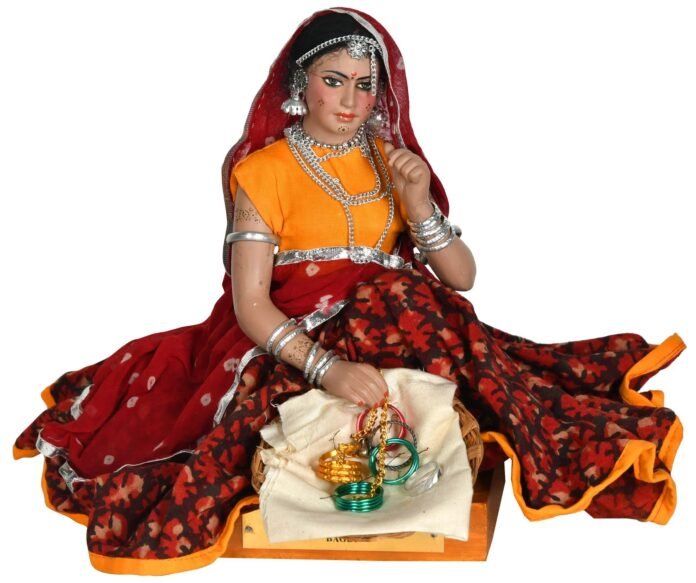
Craftsmanship is another hallmark of Bagadi culture. The region is known for its textiles, especially the Bandhani (tie-dye) and Leheriya (wave pattern) prints, which are popular across India. Traditional Bagadi jewelry, often crafted in silver, is elaborate and showcases the community’s love for ornate designs.

Music and Dance

Music and dance are integral to Bagadi culture. The community’s folk music is a soulful blend of traditional instruments like the dholak, nagara, and sarangi, with lyrics that reflect their everyday experiences and spiritual beliefs. Songs often celebrate various life events, from births and weddings to harvests and festivals.

Dance forms such as the Ghoomar and Kalbeliya are popular among the Bagadis. These dances are characterized by graceful movements, vibrant costumes, and rhythmic music, and are performed during festivals and celebrations. The dancers’ intricate footwork and swirling skirts create a mesmerizing visual spectacle.

Festivals and Rituals

The Bagadi community celebrates a variety of festivals with great enthusiasm and fervor. Teej, Gangaur, and Holi are some of the major festivals, marked by elaborate rituals, processions, and communal feasts. During these times, the streets come alive with music, dance, and the vibrant colors of traditional attire.

Religious rituals also play a significant role in Bagadi culture. The community worships a pantheon of deities, with special reverence for local gods and goddesses. Temples and shrines are central to village life, serving as places of worship and social gathering.

Traditional Attire

Traditional Bagadi attire is both practical and ornate, reflecting the region’s climatic conditions and cultural aesthetics. Men typically wear dhotis and turbans, while women don ghagras (long skirts) and odhnis (veils). The use of bright colors and intricate embroidery is a hallmark of Bagadi clothing, making their attire a feast for the eyes.

Culinary Delights

Bagadi cuisine is a delightful blend of flavors, characterized by its use of locally sourced ingredients and aromatic spices. Staples like bajra (pearl millet), wheat, and lentils form the base of most meals. Popular dishes include bajre ki roti (millet bread), dal baati churma (lentil curry with baked wheat balls), and gatte ki sabzi (gram flour dumplings in spicy gravy). Sweets like ghewar and feeni are enjoyed during festivals and special occasions.

Summing Up

The Bagadi culture of Rajasthan is a vibrant mosaic of traditions, arts, and customs that reflect the resilience and creativity of its people. Rooted in the heart of Shekhawati, this culture is a testament to the region’s rich history and enduring spirit. From their colorful havelis and folk arts to their festivals and culinary delights, the Bagadis offer a captivating glimpse into the soul of rural Rajasthan. As we explore and celebrate this unique culture, we not only honor their heritage but also ensure that these traditions continue to inspire and enchant future generations.

The ACE Reflect Jaipur 2024, a Grand Confluence of Architecture and Design

0

The ACE Reflect Jaipur 2024 event is set to take place from August 9th to 11th at the Jaipur Exhibition & Convention Centre (JECC). This highly anticipated event is poised to be the world’s largest gathering focused on architecture, building materials, and design. The JECC, with its state-of-the-art facilities, provides the perfect backdrop for this grand occasion, offering a space where innovation, creativity, and cutting-edge solutions in the world of architecture and design will converge.

A Showcase of Innovation and Creativity

During the ACE Reflect Jaipur 2024, the entire spectrum of architecture and design will be on display. This event will address significant industry questions and introduce groundbreaking solutions. Attendees will witness an extensive array of exhibits covering all facets of the architectural and design world, including:

  • Furnishing and Flooring: Discover the latest trends and innovations in interior design and flooring solutions.
  • Bath and Lighting: Explore cutting-edge products and technologies that redefine modern living spaces.
  • Hardware and Furniture: Engage with new designs and functional hardware that enhance both aesthetics and utility.

A Dynamic Platform for Industry Leaders

ACE Reflect Jaipur 2024 is not just an exhibition but a dynamic space where ideas are exchanged, trends are set, and the future of the industry is shaped. The event will be attended by key decision-makers, leading architects, and designers who play pivotal roles in shaping the global architectural landscape. Additionally, buyers from major companies and representatives from small- and medium-sized enterprises will be present. The event will also attract consultants, planners, and other key industry influencers, ensuring a diverse and comprehensive gathering of professionals from various corners of the architecture and design world.

A Nexus of Creativity and Business Acumen

This event promises to be a remarkable occasion where the pulse of the architecture and design industry is felt, and where the future of the built environment is envisioned and charted. Attendees will have the opportunity to:

  • Network with Industry Leaders: Engage with influential figures in architecture and design, expanding professional networks and fostering collaborations.
  • Discover Innovative Solutions: Explore the latest products, technologies, and ideas that are shaping the future of architecture and design.
  • Set Trends and Exchange Ideas: Participate in discussions and presentations that highlight emerging trends and innovative approaches in the industry.

Event Details

  • Date: August 9th to 11th, 2024
  • Venue: Jaipur Exhibition & Convention Centre (JECC)

The ACE Reflect Jaipur 2024 promises to be an unparalleled event, bringing together the brightest minds and the most innovative solutions in architecture and design. Mark your calendars and prepare to be inspired by the future of the built environment at this landmark event.

List of the 5 Biggest Dams of Rajasthan

0

Rajasthan, India’s largest state by area, is home to significant river systems such as the Banas River, Jawai River, and the Chambal River. These rivers serve as lifelines, providing essential drinking water and supporting irrigation in the region. This article highlights the five biggest and most famous dams in Rajasthan, showcasing their importance and unique features.

1. Bisalpur Dam

Location: Tonk District
River: Banas River
Height: 40 meters
Year of Completion: 1999

Bisalpur Dam, a gravity dam situated in the Tonk district, is a major source of drinking water for Jaipur. It stands as one of the most renowned dams in Rajasthan and a beautiful attraction in the region. The construction of the dam was completed in two phases. Phase 1 aimed at supplying water to the villagers, while Phase 2 focused on enhancing irrigation facilities. The dam, with its significant height and capacity, plays a crucial role in meeting the water needs of the region. The project comprises of concrete dam 574 meter long with maximum height of 38.50 meter with gross storage capacity of 1095.84 Mucm and live storage capacity of 1040.95 Mcum.dam on the Banas River near Deoli in Tonk district, Rajasthan.

List of the 5 Biggest Dams of Rajasthan

2. Mahi Bajaj Sagar Dam

Location: 16 kilometers from Banswara
River: Mahi River
Height: 43 meters
Year of Completion: 1983

Mahi Bajaj Sagar Dam is the second largest dam in Rajasthan, built across the Mahi River. Named after Shri Jamnalal Bajaj, the dam was constructed for water supply and hydroelectric power generation. The construction began in 1972 and the dam became operational in 1983. The power station, which started functioning in 1986, significantly contributes to the region’s electricity needs.

The Mahi Bajaj Sagar Dam is a dam across the Mahi River and is located 16kms from Banswara town in Banswara district Rajasthan. It is the second largest dam in Rajasthan and is named after Jamnalal Bajaj. The dam has an installed capacity of 140 MW.

List of the 5 Biggest Dams of Rajasthan

3. Rana Pratap Sagar Dam

Location: Rawatbhata, Rajasthan
River: Chambal River
Height: 53.8 meters
Year of Completion: 1970

Rana Pratap Sagar Dam, one of the major dams on the Chambal River, is located in Rawatbhata. It is the second largest dam built on the Chambal River and a key part of the Chambal Valley Project, a government initiative for river development. Named after the legendary warrior Maharana Pratap of Rajasthan, the dam includes a power station that has been generating hydropower since February 1970. The 172 MW capacity hydroelectric powerhouse established on the Rana Pratap Sagar dam on the Chambal river.

List of the 5 Biggest Dams of Rajasthan

4. Meja Dam

Location: Bhilwara, Rajasthan
River: Unspecified
Height: Unspecified
Year of Completion: Unspecified

The Meja Dam, located in the Mewar region, is the largest dam in Bhilwara, Rajasthan. It is surrounded by a natural green mount park, making it a scenic attraction. The lake formed by the dam is home to numerous mammals and birds, adding to its ecological significance. The design capacity of the dam is 2930 mcft and water received in 2007, 2008, 2009 was 140 mcft, 21 mcft, 31.67 mcft respectively.

List of the 5 Biggest Dams of Rajasthan

5. Jawai Dam

Location: Near Sumerpur town, Pali District
River: Jawai River
Height: Unspecified
Year of Completion: 1957

Jawai Dam is the largest dam in western Rajasthan, constructed between 1946 and 1957 over the Jawai River. The hills around the dam are known for their population of Indian leopards and jungle cats. Jawai Dam is a major water supplier for Jodhpur city and parts of Pali district, playing a vital role in the region’s water management and wildlife conservation. The dam has capacity of 7887.5 million cubic feet and covers an area of 102,315 acres of cultivable command area.

List of the 5 Biggest Dams of Rajasthan

These dams not only provide essential water resources for drinking and irrigation but also support hydroelectric power generation and contribute to the ecological balance in the region. They are integral to Rajasthan’s infrastructure and are key to sustaining the state’s growing needs.

Happy Nag Panchami 2024: Wishes, Quotes, Messages to Share on WhatsApp, Facebook, Instagram Status and Stories

0

Spread joy and blessings this Nag Panchami with heartfelt wishes, quotes, and messages to share with your loved ones. Celebrate this auspicious day by expressing your devotion and spreading happiness.

About Nag Panchami

Nag Panchami is a major Hindu festival devoted to the worship of snakes, regarded as serpent deities or Nagas. This event holds immense spiritual and cultural significance for millions. This year, Nag Panchami will be celebrated on August 9, 2024.

Significance and Rituals

Nag Panchami is a day of elaborate rituals and prayers dedicated to appeasing the Nagas and seeking their blessings. Observances on this day include:

  • Worship: Devotees offer prayers, milk, and flowers to images or representations of snakes. In some regions, people visit natural water bodies to perform rituals.
  • Fasting: Many people observe a fast on Nag Panchami to seek blessings from the Nagas.
  • Puja: Special pujas are performed in temples dedicated to Nagas.
  • Decorations: Homes are decorated with images of snakes and traditional motifs.

Shubh Muhurat

Nag Panchami will be celebrated on Friday, August 9, 2024. According to Drik Panchang, the auspicious timings for Nag Panchami puja are:

  • Puja Muhurat: 6:15 AM to 8:44 AM
  • Duration: 2 hours and 29 minutes
  • Panchami Tithi Begins: 12:36 AM on August 8, 2024
  • Panchami Tithi Ends: 3:14 AM on August 9, 2024

Wishes

  1. May Nag Panchami bring peace, prosperity, and happiness to your life.
  2. Wishing you a blessed and joyful Nag Panchami filled with divine blessings.
  3. May Lord Shiva and the Nag Devtas bless you with good health and success on this auspicious day.
  4. Happy Nag Panchami! May the divine serpents protect you from all harm.
  5. On this sacred day, may your life be filled with peace and spiritual fulfillment.
  6. Wishing you and your family a joyful and prosperous Nag Panchami!
  7. May the blessings of Nag Devta guide you to a path of success and happiness.
  8. Happy Nag Panchami! May you be blessed with wisdom, strength, and tranquility.
  9. May the divine serpents remove all obstacles from your life and bless you with peace.
  10. On this holy day, may you receive the blessings of Nag Devta and enjoy a fruitful life.
  11. May the divine serpents bless you with prosperity and protect you from all evil.
  12. Wishing you a blessed Nag Panchami! May your life be filled with divine grace.
  13. May Lord Shiva and the Nagas guide you to a life of peace and spiritual fulfillment.
  14. Happy Nag Panchami! May the blessings of the divine serpents bring you joy and success.
  15. On this sacred day, may you be blessed with the strength to overcome all challenges.
  16. Wishing you a joyful and prosperous Nag Panchami! May the divine light shine upon you.
  17. May the serpents bless you with wisdom and protect you on your spiritual journey.
  18. Happy Nag Panchami! May the divine blessings bring happiness to your life.
  19. May the power of the Nagas fill your life with peace, love, and prosperity.
  20. On this holy day, may you find inner peace and the strength to achieve your goals.

Messages

  1. On this holy day, may you find inner peace and spiritual growth. Happy Nag Panchami!
  2. Wishing you a prosperous Nag Panchami! May the blessings of the Nagas guide you to success.
  3. May the divine serpents bless you with wisdom and protect you on your spiritual journey. Happy Nag Panchami!
  4. On this sacred day, may your prayers be answered and your heart be filled with joy. Happy Nag Panchami!
  5. Wishing you a peaceful and blessed Nag Panchami! May the divine grace bring happiness to your life.
  6. May the power of the Nagas fill your life with positivity and success. Happy Nag Panchami!
  7. On this holy day, may you find strength and courage to achieve all your dreams. Happy Nag Panchami!
  8. Wishing you a joyful Nag Panchami! May the divine blessings of the Nagas bring you peace and prosperity.
  9. May the sacred serpents bless you with good health and happiness. Happy Nag Panchami!
  10. On this auspicious occasion, may you be blessed with love, peace, and success. Happy Nag Panchami!
  11. Wishing you a blessed Nag Panchami! May your life be filled with divine grace and protection.
  12. May the divine blessings of Lord Shiva and the Nagas fill your life with peace and prosperity this Nag Panchami.
  13. On this auspicious occasion of Nag Panchami, may the Nag Devtas shower you with their divine blessings.
  14. Wishing you and your family a joyous Nag Panchami filled with love, peace, and happiness.
  15. May the sacred serpents remove all negativity from your life and bless you with good health and success. Happy Nag Panchami!
  16. On this holy day, may you be blessed with spiritual enlightenment and inner peace. Happy Nag Panchami!
  17. May the blessings of the Nagas protect you and guide you on the path of righteousness. Happy Nag Panchami!
  18. Wishing you a blessed Nag Panchami! May this day bring joy, prosperity, and divine grace into your life.
  19. May the divine serpents bless you with wisdom and strength. Happy Nag Panchami!
  20. On this sacred day, may your prayers be answered and your heart be filled with joy. Happy Nag Panchami!

Instagram and WhatsApp Status

  1. May the blessings of Nag Devta protect you today and always.
  2. Celebrating Nag Panchami with devotion and joy.
  3. May the divine serpents guide you on the path of righteousness.
  4. On this holy day, may peace and prosperity fill your life.
  5. Wishing you a blessed Nag Panchami filled with divine grace.
  6. Let the power of Nagas bring positivity to your life.
  7. Happy Nag Panchami! May your heart be filled with peace and joy.
  8. May the divine serpents remove all negativity from your life.
  9. Feeling blessed on this auspicious day of Nag Panchami.
  10. May Lord Shiva and the Nagas bless you with wisdom and strength.
  11. On this sacred day, may your prayers be answered.
  12. Embracing the divine energy of Nag Panchami.
  13. May the blessings of Nag Devta bring joy and prosperity to your life.
  14. Celebrating the power and grace of the divine serpents.
  15. On this holy day, let’s seek the blessings of Nag Devta.
  16. Wishing you peace, love, and happiness on Nag Panchami.
  17. May the divine serpents guide you to a life of success and happiness.
  18. Happy Nag Panchami! May your heart be filled with divine love.
  19. Feeling the divine presence on this sacred day of Nag Panchami.
  20. May the power of the Nagas bring success to all your endeavors.

Celebrate Nag Panchami 2024 by sharing these heartfelt wishes, quotes, and messages with your friends and family. May the blessings of the divine serpents bring joy, prosperity, and peace to your life on this auspicious day!

Who is Vinesh Phogat? Early Life, Education, Career, and Achievements

0

Early Life and Education

Vinesh Phogat, a prominent figure in Indian wrestling, was born on August 25, 1994, in Balali, Haryana. She comes from a distinguished wrestling family; her uncle, Mahavir Singh Phogat, a revered coach and Dronacharya Awardee, played a crucial role in introducing her to wrestling at a young age. Despite growing up in an environment where cultural norms often discouraged women from participating in sports, Vinesh’s familial background provided her with the perseverance and motivation needed to break through these barriers.

She began her early education at KCM Senior Secondary School in Jhojhu Kalan and later continued her studies at Maharshi Dayanand University in Rohtak. Her rigorous academic and wrestling training contributed significantly to her development as a world-class athlete.

Wrestling Career

Vinesh Phogat’s wrestling career is marked by numerous significant achievements:

  • Gold Medalist at the 2018 Asian Games
  • Gold Medalist at the 2018 Commonwealth Games
  • Bronze Medalist at the 2019 World Wrestling Championships
  • Two-time Asian Championship Gold Medalist (2018, 2019)
  • Three-time Commonwealth Championship Gold Medalist (2016, 2017, 2018)

Despite facing numerous obstacles, including an ACL tear during the 2016 Rio Olympics that sidelined her for several months, Vinesh’s resilience and determination saw her bounce back stronger than ever.

Achievements and Honors

Vinesh’s dedication and hard work have earned her several prestigious awards and honors:

  • Arjuna Award (2014)
  • Padma Shri (2022)
  • Nominated for Laureus World Sports Awards (2019)

She reached World No. 1 in the 53 kg category, showcasing her prowess and consistent performance on the international stage.

Recent Challenges and Retirement

Vinesh Phogat’s journey, however, has not been without its challenges. At the Paris Olympics 2024, she was disqualified from the women’s 50kg wrestling final for being approximately 100 grams overweight during the weigh-in. This disqualification was a significant blow as she became the first Indian woman wrestler to reach the gold medal bout in the event. Despite entreaties and efforts to convince her to compete, Vinesh emotionally withdrew, citing dashed hopes and broken bravery.

In a poignant social media statement, Vinesh announced her retirement from wrestling, marking the end of an illustrious career. She expressed her deep disappointment but also gratitude for the support she received throughout her journey.

Impact and Legacy

Vinesh Phogat’s commitment to wrestling and her achievements have made her a role model for young female athletes in India. Her contributions to the sport and her advocacy for women’s participation in athletics have cemented her legacy as a key figure in Indian sports history. Vinesh Phogat’s story is one of resilience, determination, and breaking barriers, inspiring future generations to pursue their dreams despite the challenges they may face.

Vinesh Phogat’s illustrious career, marked by numerous accolades and her inspiring journey, serves as a testament to her enduring spirit and commitment to excellence in wrestling. Her legacy will continue to inspire and motivate young athletes across India and beyond.

FICCI FLO Jaipur Chapter Successfully Hosts a Spectacular Handloom & Textiles Fiesta

0

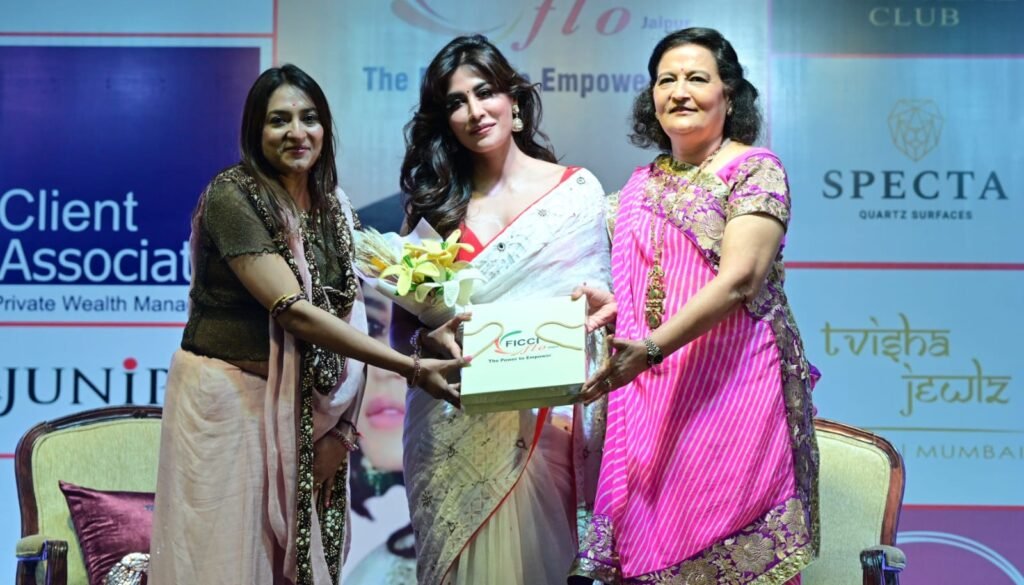
The FICCI FLO Jaipur Chapter, under the visionary leadership of Raghushree Poddar, Chairperson for the year 2024-25, hosted the much-anticipated “Handloom & Textiles Fiesta” at Clarks Amer, Jaipur. This vibrant celebration of Rajasthan’s rich handloom and textile heritage attracted a large and enthusiastic gathering of industry professionals, fashion enthusiasts, and cultural connoisseurs.

The fiesta showcased the intricate artistry of Rajasthan’s traditional textiles, including Bandhej, Lehariya, Ajrak, Gota Patti, Mirror work, and Kota Doria. The highlight of the evening was a dazzling ramp walk by the esteemed FICCI FLO Jaipur Past Chairpersons and Executive Committee members, who wore stunning outfits crafted from these exquisite handwoven fabrics. Their attire reflected the timeless beauty and craftsmanship of Rajasthani artisans, leaving the audience mesmerized by the splendor of these age-old traditions.

Adding a touch of contemporary glamour to the event was the presence of acclaimed actress and fashion icon Chitrangada Singh. Her participation underscored the fusion of tradition and modernity, which lies at the heart of Rajasthan’s textile legacy. Chitrangada Singh’s charm and elegance captivated the audience as she shared her thoughts on the importance of embracing tradition while living in a modern world.

The event also marked the launch of a significant environmental initiative led by Raghushree Poddar. The chapter inaugurated a plantation drive with the ambitious goal of planting 1,111 trees throughout the month of August, symbolizing their commitment to a greener future. Chitrangada Singh had the honor of planting the first tree, officially kickstarting this noble endeavor, which aligns with FICCI FLO’s broader commitment to environmental sustainability.

FICCI FLO Jaipur Chapter Successfully Hosts a Spectacular Handloom & Textiles Fiesta

In an engaging conversation with Raghushree Poddar, Chitrangada Singh shared her insights on various topics, including the challenges of parenting in the digital age, the importance of reducing children’s digital screen time, and the joy of dancing freely as an expression of inner happiness. They also discussed the importance of pursuing one’s passion, the value of emotional health, and how the Bollywood industry supports and respects women in every aspect.

The “Handloom & Textiles Fiesta” not only celebrated Rajasthan’s rich textile heritage but also served as a platform to support local artisans and preserve traditional craftsmanship. The event concluded on a high note, with attendees applauding the seamless blend of culture, fashion, and sustainability. The evening ended with the attendees enjoying a Hi-Tea session and networking with each other in a soothing environment.

The FICCI FLO Jaipur Chapter extends heartfelt thanks to all who attended and contributed to making this event a grand success.

Why Indira Gandhi Canal is known as ‘Maruganga’ of Rajasthan?

0

The Indira Gandhi Canal, often referred to as the ‘Maruganga’ of Rajasthan, has dramatically altered the social, economic, and environmental landscape of the desert state. Originally known as the Rajasthan Canal, its construction spanned from 1952 to 2010, making it the longest canal in India. This engineering marvel was renamed in honor of Prime Minister Indira Gandhi and has been pivotal in initiating agricultural activities in the arid fields of Rajasthan.

Historical Background and Construction

The construction of the Indira Gandhi Canal began in 1952 but faced several political hurdles. It wasn’t until 1983, under the leadership of Prime Minister Indira Gandhi, that the project gained momentum. The canal, fed by the Sutlej and Beas rivers, was completed in 2010 during Manmohan Singh’s tenure as Prime Minister. Spanning a length of 445 kilometers, with an additional 204 kilometers added later, the canal now stretches 650 kilometers, connecting Rajasthan with Punjab.

Purpose and Impact

The primary objective of the Indira Gandhi Canal was to develop agricultural activities in the parched regions of Rajasthan. The canal has a daily discharge of 18,000 cusecs of water, significantly alleviating the water crisis in the ‘Thar’ desert. The water from the canal irrigates seven districts in Rajasthan, including Churu, Jaisalmer, Jodhpur, Barmer, Bikaner, and Sri Ganganagar, transforming them into fertile agricultural zones. This has provided farmers with a reliable water source, enabling them to cultivate various crops and boosting their income and the region’s economic growth.

Environmental and Social Benefits

The Indira Gandhi Canal has not only revolutionized agriculture but also addressed the drinking water scarcity in Rajasthan. The Harike Barrage, a critical component of the canal, stores a massive amount of water, which is used by different industries and communities. This has led to the establishment of several drinking water companies in the region, further supporting local economies.

Economic Growth and Agricultural Development

The canal project, which covers an area of 528,000 hectares, has been a catalyst for economic growth in Rajasthan and Punjab. The estimated cost of the project was ₹64 crore, a significant investment at the time. The project was overseen by Knawer Sen, who played a crucial role in its execution. The canal features nine branches and a feeder canal of 204 kilometers, with 34 kilometers in Rajasthan, 19 kilometers in Haryana, and 51 kilometers in Punjab.

The Indian government secured a loan from the World Bank for this project, highlighting its importance. The project officially commenced on October 11, 1961, under the direction of Dr. Radhakrishan, who initiated the water flow from the Narungadeashar distributary to the Rataeshwa branch.

Summing Up

The Indira Gandhi Canal stands as one of India’s most significant infrastructural achievements, transforming the arid landscapes of Rajasthan into fertile agricultural land. Originally named the Rajasthan Canal, it was renamed in 1984 to honor Prime Minister Indira Gandhi. The canal’s extensive reach from Punjab to Rajasthan has been instrumental in supporting agricultural development, alleviating water scarcity, and improving the quality of life for residents in desert regions like Bikaner and Jaisalmer. As a lifeline for the region, the Indira Gandhi Canal continues to play a vital role in the socio-economic development of Rajasthan.

Pandupol Hanuman Temple, Spiritual Heaven Amidst Nature

0

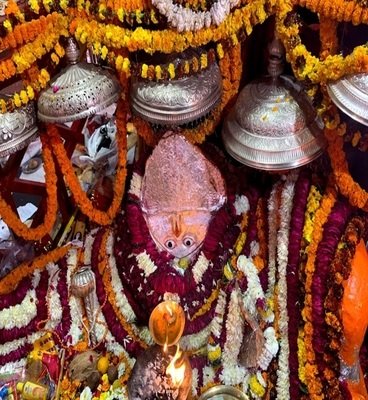
Nestled within the lush expanse of the Sariska Tiger Reserve in Alwar, Rajasthan, the Pandupol Hanuman Temple stands as a significant religious site. This temple, with its deep mythological roots and serene natural surroundings, offers spiritual solace and blessings to devotees who visit.

Historical Significance and Mythology

The Pandupol Hanuman Temple’s history is intricately linked with Hindu mythology, particularly the epic Mahabharata. According to legend, the Pandavas, along with their wife Draupadi, spent a considerable portion of their exile in the area now known as Viratnagar. It is believed that they visited this region during their years of wandering.

The name “Pandupol” is derived from “Pandava,” highlighting its connection to the Pandavas. The temple is dedicated to Lord Hanuman, a revered deity in Hinduism known for his unwavering devotion to Lord Rama. This historical and mythological backdrop adds a profound spiritual dimension to the temple.

The Unique Fair and Devotee Attraction

The Pandupol Hanuman Temple is renowned for its Lakkhi Fair, held under the Sariska Tiger Project. The main fair takes place on Tuesdays, attracting about 50,000 devotees who come to seek blessings and participate in the festivities. The temple is located approximately 55 kilometers from Alwar city and has a history dating back to the Mahabharata period.

Sacred Water Tank and Festivals

A distinctive feature of the Pandupol Hanuman Temple is the sacred water tank nearby. It is believed that taking a dip in this holy tank cleanses one’s sins and brings spiritual rejuvenation. This belief draws numerous devotees seeking purification and spiritual renewal.

The temple sees a surge in visitors during festivals like Hanuman Jayanti and Navratri. Devotees flock to the temple to offer prayers, seek blessings, and engage in religious ceremonies. These festivals infuse the temple with vibrant energy and spiritual fervor.

A Retreat for Nature Lovers and Spiritual Seekers

Beyond its religious significance, the Pandupol Hanuman Temple serves as a tranquil retreat for nature lovers and spiritual seekers. The temple’s picturesque surroundings, nestled within the Sariska Tiger Reserve, offer a perfect blend of spirituality and natural beauty. Visitors can connect with the divine while experiencing the wilderness, including sightings of tigers, leopards, and other wildlife.

Summing Up

The Pandupol Hanuman Temple is not just a religious hub but also a sanctuary of peace and natural beauty. Its historical significance, coupled with the serene ambiance of the Sariska Tiger Reserve, makes it a must-visit destination for those exploring Rajasthan’s cultural and natural heritage. Whether you seek spiritual solace, historical insights, or a connection with nature, the Pandupol Hanuman Temple offers an enriching experience that resonates deeply with all who visit.

Maa Voucher Scheme: Transforming Maternal Health in Rajasthan

0

The Rajasthan government is set to launch the ‘Maa Voucher’ scheme, a groundbreaking initiative aimed at providing free sonography services to pregnant women across the state. This scheme is designed to address the lack of sonography facilities in government hospitals, particularly in remote areas. Chief Minister Bhajanlal Sharma will officially inaugurate the scheme at a ceremony held at the Chief Minister’s residence at 2 PM on August 8, 2024. The initiative, which began as a pilot project in Baran, Bharatpur, and Phalodi on March 8, is now being expanded to cover the entire state.

Key Features of the Maa Voucher Scheme

Statewide Implementation: The scheme will be rolled out across Rajasthan, ensuring that pregnant women in all districts have access to free sonography services.

Objective: The primary goals are to enhance maternal health, reduce maternal and infant mortality rates, and provide necessary medical services to pregnant women, especially in areas lacking government facilities.

Launching Ceremony: Chief Minister Bhajanlal Sharma will launch the scheme at his residence, with support from Medical and Health Minister Gajendra Singh Khinvsar.

How It Works

QR Code-Based E-Voucher: Pregnant women will receive a QR code-based e-voucher via SMS on their mobile phones. This voucher can be used to access free sonography services at both government and private sonography centers.

Eligibility: Women who are 84 days pregnant or more are eligible for the free sonography service. They must present their Aadhaar card and mobile phone at the medical institution to receive an OTP-based QR voucher, valid for 30 days.

Voucher Validity: If a woman is unable to get the sonography done within the validity period, she can extend it by visiting the medical institution again, with the extension allowed only once.

Additional Details

Initial Pilot: The scheme was first introduced as a pilot project in Baran, Bharatpur, and Phalodi districts on March 8, 2024.

Budget: The annual budget for the scheme is ₹10 crore, indicating a strong financial commitment from the state government to improve maternal healthcare.

Special Focus: The scheme targets areas where government hospitals lack sonography facilities, ensuring that private centers step in to provide free services during the second or third trimester of pregnancy.

Impact and Vision

The Maa Voucher scheme is a significant step towards promoting safe motherhood, encouraging safe deliveries, and reducing infant and maternal mortality rates. By providing essential sonography services, the scheme aims to detect and address potential complications during pregnancy, ensuring better health outcomes for both mothers and their babies.

The expansion of this initiative statewide reflects the Rajasthan government’s dedication to improving healthcare infrastructure and accessibility. The QR code-based e-voucher system simplifies the process for pregnant women, making essential medical services more accessible and efficient.

As the Maa Voucher scheme unfolds, it is expected to make a substantial impact on maternal health in Rajasthan, setting a precedent for other states to follow. With continued support and effective implementation, this initiative has the potential to transform the landscape of maternal healthcare in the region.

Infosys becomes the first Indian company to be listed on Nasdaq

0

On June 21, 2024, Infosys marked a significant milestone by celebrating 25 years of being listed on the Nasdaq, becoming the first Indian company to achieve this feat. Since its listing, Infosys has had a remarkable journey, filled with achievements and challenges.

A Historic First

Infosys, founded in 1981 by seven engineers in Pune, including N.R. Narayana Murthy and Nandan M. Nilekani, aimed to transform a homegrown company into a global giant. By 1993, the company had gone public in India, introducing an employee stock option program (ESOP) that enriched many of its employees. Six years later, in March 1999, Infosys became the first Indian company to list on the Nasdaq, selling 2,070,000 shares at $34 each.

The Strategic Move

The decision to list in the US was strategic, as 60% of Infosys’ business came from America. T.V. Mohandas Pai, former CFO, emphasized that the listing was to instill confidence in Western clients. This strategy paid off, making Infosys a household name in the IT industry.

The Formula for Success

Infosys distinguished itself by adopting pioneering practices in corporate governance and disclosure norms. The company reported its financials in US GAAP accounting standards, released a sustainability report, and provided a yearly revenue growth outlook. These practices set a new benchmark for Indian companies.

The company also fostered a culture of equality, eliminating distinctions between senior and junior employees in facilities like canteens and restrooms. This inclusive approach, combined with consistent growth, made Infosys a favorite among investors.

Major Milestones

From its humble beginnings, Infosys grew to generate a revenue of $18.6 billion last year, making it India’s second-largest IT services company. The company’s market cap surpassed $100 billion, a testament to its sustained performance and strategic vision.

Challenges Along the Way

Infosys faced significant challenges, particularly with its leadership transitions. The practice of rotating CEOs among co-founders created instability. After Nandan Nilekani’s tenure, Kris Gopalakrishnan took over in 2007, followed by S.D. Shibulal in 2011. During this period, Infosys lost market share to competitors like Cognizant and TCS.

The appointment of external leaders, such as Vishal Sikka as CEO in 2014, also led to internal conflicts. Displeasure among co-founders over strategic decisions and compensation practices resulted in Sikka’s early exit.

The Return of Nandan Nilekani

In 2017, Nandan Nilekani returned as non-executive chairman to stabilize the company. His mandates were clear: find a new CEO, reconstitute the board, and stabilize the business. Under his leadership, Infosys appointed Salil Parekh as CEO, who has been instrumental in driving large deals and improving execution.

Current Standing and Future Prospects

As of June 20, 2024, a single Infosys share bought on June 1, 1999, would have yielded a return of 2,239 times in dollars. In rupee terms, the returns would have been 433 times more. With 317,240 employees, Infosys is now navigating the generative artificial intelligence (Gen AI) revolution, poised for future growth.

Summing Up

Infosys’ 25-year journey on the Nasdaq is a story of strategic foresight, pioneering governance, and resilience in the face of challenges. As the company continues to innovate and adapt, it remains a beacon of success in the global IT landscape.