Home Blog Page 511

Innovation: Anganwadi Workers learn smart working tips in workshop on Digital Media Awareness

0

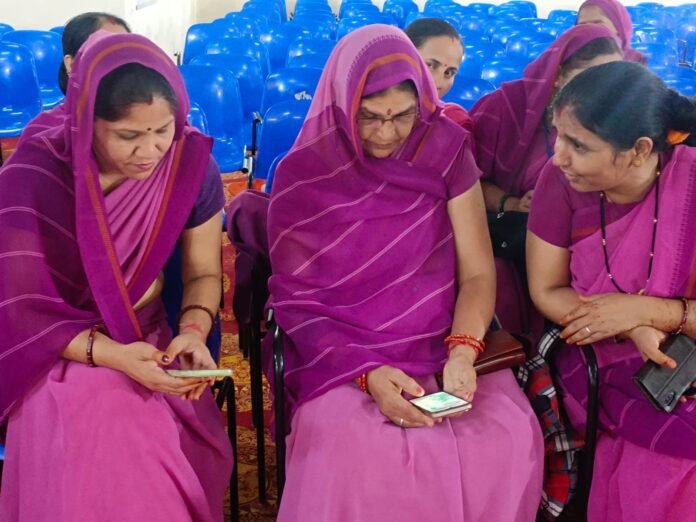
This Tuesday was different for Anganwadi Workers as they came in excited for they were aware that they are going to learn new skills of digital media learning.

On 13th August, 2024, Saksham Sanchar Foundation organised a Media Literacy workshop for the Anganwadi workers of Reengus. Here 50 workers from different parts of the district joined the programme and actively participated in the learning.

Innovation: Anganwadi Workers learn smart working tips in workshop on Digital Media Awareness

The guest of honour ICDS Deputy Director Chandmal Verma motivated the women to learn the digital skills for the right use. He also highlighted how children these days are being spoiled by being made addicted to television and phones while eating food. They keep watching mobile during lunch and dinner and hence their senses get weak.

Innovation: Anganwadi Workers learn smart working tips in workshop on Digital Media Awareness

He also said that many women are using the social media the wrong way but here we are to know the right usage and skills of growth this medium carries.

Innovation: Anganwadi Workers learn smart working tips in workshop on Digital Media Awareness

Dhramveer, DD ICDS, Sikar also encouraged women to be a skill oriented learner which can also make them earn extra income from the same. He also gave them the idea of how way forward their Anganwadi has come on the basis of ranking.

Archana Sharma, Director of Saksham Sanchar Foundation gave the women the brief about the whole programme and explained the advantages of the digital skills. She added that next 5 day sessions will be held on Google meet to teach women about this media programme. After gaining this knowledge they will be able to create videos, content and will learn to post them on the social media platforms with the right usage of hashtags.

Dimple Arora, member of SSF guided women regarding the technicalities and solved their issues in running their emails. She also taught them who to take the classes using the google meet. All these women got their google meet links activated and learnt how to use it for mobile. For them it was a new experience and they immediately got excited for it.

This workshop will start in the online mode from 20th August, 2024. It will be a great exposure and learning for the Anganwadi women. Stay Tuned to know the results of this project.

Which is the apex body in India for the formulation, coordination and promotion of Biomedical Research?

0

The Indian Council of Medical Research (ICMR), headquartered in New Delhi, stands as the apex body in India for the formulation, coordination, and promotion of biomedical research. Established as one of the oldest medical research organizations globally, the ICMR has played a pivotal role in advancing medical research and addressing the health challenges of the country.

Historical Background

Originally known as the Indian Research Fund Association (IRFA), the ICMR has evolved significantly over the years. Despite its progress, the Council remains aware of the continuing journey towards scientific excellence and achieving health targets for the nation.

Mandate of ICMR

The ICMR is entrusted with several key responsibilities:

  • Formulation, Coordination, and Promotion of Biomedical Research: The ICMR formulates policies, coordinates efforts, and promotes research initiatives across the country.
  • Conduct and Implementation of Medical Research: It conducts, coordinates, and implements medical research projects aimed at societal benefits.
  • Translation of Medical Innovations: The ICMR translates medical innovations into practical products and processes, integrating them into the public health system.

Vision

The ICMR’s vision is encapsulated in its commitment to “Translating Research into Action for Improving the Health of the Population.” This vision underscores the importance of converting research findings into tangible health improvements for the Indian populace.

Mission

The ICMR’s mission is multifaceted, focusing on several crucial areas:

  • Generate, Manage, and Disseminate Knowledge: The Council aims to create, manage, and share new scientific knowledge.
  • Focus on Vulnerable Populations: It prioritizes research on the health issues faced by vulnerable, disadvantaged, and marginalized sections of society.
  • Utilization of Modern Biology Tools: The ICMR harnesses modern biological tools to address the country’s health concerns effectively.
  • Encouragement of Innovations: It promotes innovations in diagnostics, treatments, prevention methods, and vaccines.
  • Cultivation of Research Culture: The Council seeks to inculcate a research culture in academia, especially in medical colleges and health research institutions, by strengthening infrastructure and human resources.

Summing Up

As the apex body in India for biomedical research, the ICMR remains at the forefront of addressing both the scientific advancements in the biomedical field and the practical health needs of the country. Through its comprehensive mandate, clear vision, and dedicated mission, the ICMR continues to make significant strides in improving public health and fostering a culture of research and innovation.

How TB is Associated with AIDS?

0

TB is classified as an opportunistic infection (OI), meaning it occurs more frequently and severely in people with weakened immune systems, such as those with HIV. HIV weakens the immune system, making people more susceptible to TB.

Infection with both HIV and TB is referred to as HIV/TB coinfection. People with untreated latent TB infection are more likely to develop active TB disease if they have HIV. In HIV-positive individuals, TB disease is considered an AIDS-defining condition, which includes infections and cancers that are life-threatening in people with HIV.

Understanding Tuberculosis (TB)

Tuberculosis (TB) is a disease caused by the bacterium Mycobacterium tuberculosis. This bacterium spreads through the air from person to person, primarily affecting the lungs, but it can also impact other parts of the body, such as the kidneys, spine, or brain. Without treatment, TB can be fatal.

How TB Spreads

When an individual with active TB of the lungs coughs or speaks, droplets containing the TB bacteria are released into the air. Nearby people who inhale these droplets can become infected. TB infection can exist in two states: latent and active.

  • Latent TB Infection: The TB bacteria are present in the body but inactive. Individuals do not feel sick, show symptoms, or spread TB. However, latent TB can progress to active TB disease.
  • Active TB Disease: The bacteria are active and multiplying in the body. This form of TB makes individuals feel sick, exhibit symptoms, and can spread to others. Without treatment, active TB can be deadly.

Impact of Antiretroviral Therapy (ART)

ART, the treatment with HIV medicines, is crucial as it protects the immune system and prevents HIV from progressing to acquired immunodeficiency syndrome (AIDS). For individuals with HIV and latent TB infection, treatment with both HIV and TB medicines significantly reduces the likelihood of latent TB advancing to active TB disease.

Prevalence of HIV/TB Coinfection

Globally, TB is one of the leading causes of death among people with HIV. In the United States, the widespread use of HIV medicines has reduced the incidence of TB among people with HIV, but it remains a concern, especially among those born outside the United States.

Testing for TB in People with HIV

It is recommended that all people with HIV undergo testing for TB infection. If results indicate latent TB infection, further testing is necessary to determine if the person has progressed to active TB disease.

Symptoms of TB

  • Latent TB Infection: No symptoms.
  • Active TB Disease (Lungs): Persistent cough (potentially producing blood or sputum), chest pain, weakness, fatigue, loss of appetite, weight loss, chills, fever, and night sweats.
  • TB Disease (Other Body Parts): Symptoms vary depending on the affected area.

Treatment for TB

TB medicines are used to prevent latent TB infection from becoming active TB disease and to treat active TB. The specific medications and duration of treatment depend on whether the infection is latent or active.

Managing HIV/TB Coinfection

For those with HIV/TB coinfection, simultaneous treatment of both HIV and TB is essential. The timing of treatment initiation and choice of medicines depend on individual circumstances, as certain combinations of HIV and TB medications can lead to drug interactions and side effects. Close monitoring by healthcare providers is necessary.

If you have HIV/TB coinfection, discuss with your healthcare provider to develop a tailored treatment plan that addresses both conditions effectively.

Which Drug is Given to Prevent HIV Transmission from Mother to Child?

0

Preventing the transmission of HIV from mother to child is a critical public health priority. People are advised to get tested for HIV before they become pregnant or as early as possible during pregnancy, and again during the third trimester. Early detection of HIV allows for timely intervention with HIV medicines (antiretrovirals).

Understanding Perinatal Transmission of HIV

Perinatal transmission of HIV refers to the transmission of the virus from the mother or birthing parent to their child during pregnancy, childbirth (labor and delivery), or breastfeeding. This type of transmission was previously known as mother-to-child transmission of HIV.

The Role of Antiretroviral Therapy (ART)

Antiretroviral therapy (ART) is essential for preventing perinatal transmission of HIV. ART involves using a combination of HIV medicines to manage the virus. Pregnant individuals with HIV should continue ART throughout pregnancy and childbirth to significantly reduce the risk of transmission to the baby. The successful implementation of ART and other strategies has reduced the rate of perinatal transmission to 1% or less in the United States and Europe.

Delivery Methods and Viral Load Considerations

Most pregnant individuals with HIV can safely have vaginal deliveries. However, if the viral load is high (more than 1,000 copies/mL) or unknown near the time of delivery, a scheduled cesarean delivery (C-section) may be recommended to further minimize the risk of HIV transmission.

Post-Birth HIV Management for Babies

After birth, babies born to HIV-positive individuals should receive HIV medicines to reduce the risk of transmission. The specific medicines and duration of treatment depend on several factors, including the mother’s viral load and the baby’s health.

Breastfeeding and HIV Transmission

While HIV can be transmitted through breastfeeding, maintaining an undetectable viral load through consistent use of HIV medicines can lower the risk of transmission to less than 1%. Pregnant individuals with HIV should discuss feeding options with their healthcare provider to make the best decision for their situation.

HIV Testing Recommendations for Pregnant Individuals

The Centers for Disease Control and Prevention (CDC) recommends that all individuals get tested for HIV before pregnancy, as early as possible during each pregnancy, and again in the third trimester. Early detection allows for the timely initiation of HIV medicines, which are crucial for preventing perinatal transmission.

Preventing Perinatal Transmission of HIV: Key Points

  1. Early HIV Testing: Pregnant individuals and those planning to conceive should get tested for HIV early and encourage their partners to do the same.
  2. ART Throughout Pregnancy: Consistent use of ART during pregnancy, childbirth, and breastfeeding is essential.
  3. Viral Load Monitoring: Keeping the viral load undetectable is crucial for reducing transmission risk.
  4. Safe Delivery Practices: High viral loads may necessitate a C-section to prevent transmission.
  5. Post-Birth Care: Newborns should receive appropriate HIV medicines to reduce transmission risk.
  6. Breastfeeding Options: Discuss feeding options with healthcare providers to minimize transmission risk.

Safe Use of HIV Medicines During Pregnancy

HIV medicines are safe to use during pregnancy and do not increase the risk of birth defects. Health care providers will help determine the best medication regimen for each individual, balancing the benefits and risks. If someone becomes pregnant while already on HIV medication, they should continue their regimen unless advised otherwise by their healthcare provider.

Additional Prevention Measures

In cases where the viral load is high near delivery, a C-section can reduce transmission risk. Pregnant individuals with HIV should discuss feeding options with their medical team to make informed decisions about breastfeeding versus formula feeding or using pasteurized donor human milk.

Summing Up

Preventing perinatal transmission of HIV involves early detection, consistent use of ART, careful monitoring, and informed decision-making regarding delivery and feeding practices. With these measures, the risk of transmitting HIV from mother to child can be reduced to 1% or less, ensuring healthier outcomes for both parent and child.

Where is Hathi Gaon Jaipur?

0

Have you ever imagined a village of elephants? If not then read further to know about this place.

Elephants have a rich history in Jaipur, symbolizing royalty and cultural significance. Hathi Gaon, meaning “Elephant Village,” embodies this legacy, providing a sanctuary for these majestic creatures. Renowned for its ethical treatment of elephants, Hathi Gaon Jaipur offers immersive experiences where visitors can interact with these gentle giants. This unique destination bridges the gap between past and present, offering insights into Jaipur’s long-standing relationship with elephants while promoting conservation and responsible tourism.

Introduction to Hathi Gaon Jaipur

In the vibrant city of Jaipur, amidst the rich cultural tapestry of Rajasthan, lies a unique attraction known as Hathi Gaon. This place for elephant lovers and enthusiasts offers a memorable experience that blends nature, culture, and adventure. Whether you’re a local resident or a traveler exploring the Pink City, a visit to Hathi Gaon promises to be an enriching escapade.

Ticket Price and Entry Fee

Before embarking on your journey to Hathi Gaon Jaipur, it’s essential to know about the ticket prices and entry fees. The cost of entry typically varies based on factors such as age, nationality, and the type of experiences you wish to engage in. However, the entry fee is usually reasonable, ensuring accessibility for visitors from all walks of life. Special packages may also be available for group bookings or specific activities within the village.

Operating Hours and Timings

To make the most of your visit to Hathi Gaon Jaipur, it’s crucial to plan your itinerary around its operating hours and timings. The village typically opens its gates to visitors from 11:30 AM to 6:00 PM, allowing ample time for exploration and interaction with the resident elephants. Whether you prefer a morning rendezvous or an afternoon adventure, checking the operating hours in advance from the official website ensures a seamless experience.

Contact Information

For inquiries, bookings, or any other assistance, it’s advisable to have the contact information of Hathi Gaon readily available. This includes phone numbers, email addresses, and official website details through which you can reach out to the management team. Whether you have questions about ticket reservations, directions to the village, or special arrangements, the friendly staff at Hathi Gaon are there to assist you.

Distance from Jaipur to Hathi Gaon

Situated a short distance away from Jaipur city center and near the Amer Fort, Hathi Gaon is easily accessible by various modes of transportation. Whether you choose to drive, take a taxi, or opt for public transport, the journey to Hathi Gaon is convenient and well-connected. The relatively short distance ensures that you can include a visit to Hathi Gaon in your Jaipur itinerary without any hassle.

Hathi Gaon Experience

Once you step foot into Hathi Gaon, you are greeted by a mesmerizing blend of sights, sounds, and experiences. From up-close encounters with majestic elephants to engaging activities such as elephant rides and feeding sessions, there’s no shortage of excitement here. Additionally, the village offers insights into the daily lives of elephants and their caretakers, fostering a deeper understanding and appreciation for these gentle giants.

Hathi Gaon: Elephant Sanctuary

Hathi Gaon is not merely a tourist attraction; it’s an elephant sanctuary where elephants are treated with love, respect, and dignity. Visitors have the opportunity to witness the bond between elephants and their mahouts, gaining a glimpse into centuries-old traditions and practices. Moreover, Hathi Gaon serves as a hub for conservation efforts aimed at protecting these magnificent creatures and preserving their natural habitat.

Best Time to Visit Hathi Gaon

While Hathi Gaon welcomes visitors throughout the year, certain seasons offer more favorable weather conditions and a heightened sense of adventure. The winter months, from October to March, are particularly pleasant, with mild temperatures making outdoor activities more enjoyable. However, regardless of the time of year, each season brings its own unique charm to Hathi Gaon, ensuring a memorable experience for all who visit.

How to Reach Hathi Gaon?

Reaching Hathi Gaon is straightforward, thanks to its strategic location and accessibility. If you’re traveling from Jaipur city center, you can opt for a taxi or hire a private vehicle to take you directly to the village. Alternatively, public buses and auto-rickshaws also ply the route, providing budget-friendly transportation options. Whichever mode of transport you choose, the journey to Hathi Gaon promises to be as delightful as the destination itself.

In summary, Hathi Gaon in Jaipur is a must-visit destination for anyone interested in experiencing the majestic beauty of elephants in a natural and ethical environment. From its rich history and cultural significance to its commitment to conservation, Hathi Gaon offers a unique and enriching experience for all.


Vikram Sarabhai Birth Anniversary, remembering the Father of India’s Space Programme

0

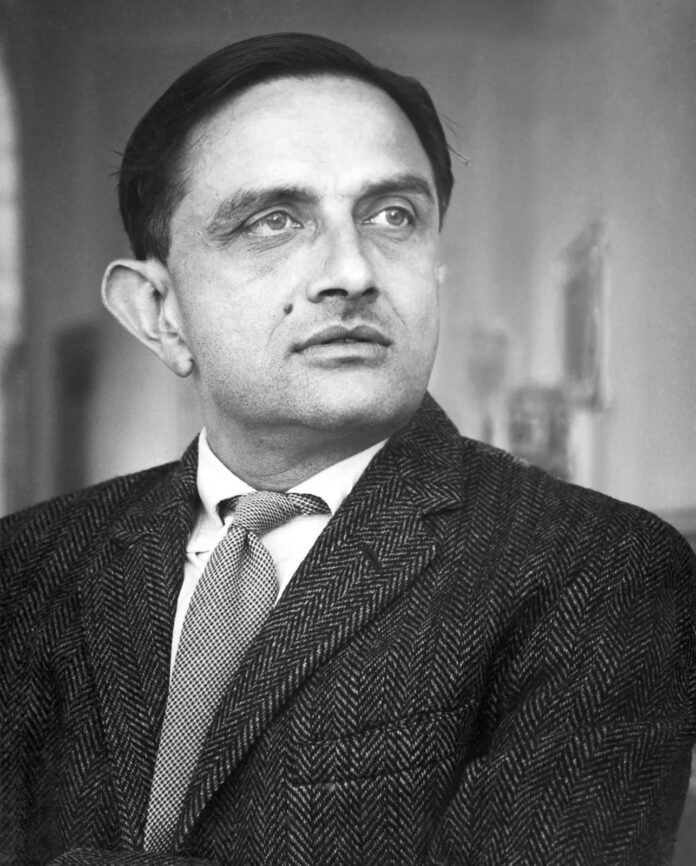
On August 12, we honour the birth anniversary of Dr. Vikram Sarabhai, the visionary scientist who laid the foundation for India’s space exploration endeavors. His groundbreaking work has transformed the nation’s scientific landscape, earning him the title of the Father of India’s Space Programme.

Who Was Vikram Sarabhai?

Born on August 12, 1919, in Ahmedabad, Gujarat, Vikram Sarabhai came from a prominent family of industrialists. Despite his privileged background, Sarabhai was deeply committed to scientific inquiry and national development. He pursued his higher education at Cambridge University, where he earned a Ph.D. in cosmic ray physics, a field that profoundly influenced his future contributions to space science.

Why Is Vikram Sarabhai Called the Father of India’s Space Programme?

Dr. Sarabhai’s visionary leadership was instrumental in establishing the Indian space program. He recognized the potential of space technology to address India’s socio-economic challenges and was determined to harness it for national development. His efforts led to the formation of the Indian Space Research Organisation (ISRO) in 1969, which has since evolved into one of the world’s leading space agencies.

One of Sarabhai’s most significant achievements was the establishment of the Thumba Equatorial Rocket Launching Station (TERLS) in Kerala in 1963, marking the beginning of India’s space research activities. He also initiated the first Indian satellite program, leading to the successful launch of Aryabhata, India’s first satellite, in 1975, though he did not live to see this milestone.

Vikram Sarabhai’s Early Life and Education

Vikram Sarabhai’s early life was marked by intellectual curiosity and a strong sense of social responsibility. His family valued education and philanthropy, significantly influencing his outlook on life. His father, Ambalal Sarabhai, was a prominent industrialist, and his mother, Sarala Devi, was deeply involved in social work.

After completing his schooling in Gujarat, Sarabhai continued his studies at Cambridge University. The outbreak of World War II forced him to return to India, where he conducted research at the Indian Institute of Science, Bangalore, under Nobel laureate C.V. Raman’s mentorship. He later returned to Cambridge to complete his Ph.D., further solidifying his expertise in cosmic ray research.

Vikram Sarabhai’s Contributions to Indian Space and Science

Beyond founding ISRO, Sarabhai was a driving force behind several other scientific institutions in India. He played a key role in establishing the Physical Research Laboratory (PRL) in Ahmedabad, which became a hub for space and atmospheric sciences. He was also instrumental in setting up the Indian Institute of Management Ahmedabad (IIMA), highlighting the importance of management education in the country’s development.

Dr. Sarabhai’s vision extended beyond space science. He was a strong advocate for using science and technology to improve the lives of ordinary Indians. He believed space technology could address issues like education, communication, and resource management.

Vikram Sarabhai’s Legacy and Impact

Vikram Sarabhai’s contributions have had a lasting impact on India’s scientific landscape. His vision for a self-reliant and technologically advanced India continues to inspire generations of scientists and engineers. The successful launch of the Chandrayaan and Mangalyaan missions, as well as the upcoming Gaganyaan project, are testaments to the strong foundation he laid.

As we celebrate his birth anniversary on August 12, it is a time not only to remember his achievements but also to reaffirm our commitment to his vision of using science and technology for societal betterment. Dr. Vikram Sarabhai’s legacy remains a guiding light for India’s ongoing journey into the final frontier.

An Overview of the Securities and Exchange Board of India (SEBI)

0

The Securities and Exchange Board of India (SEBI) is an autonomous regulatory body that operates under the administrative supervision of the Union Finance Ministry and is accountable to the Parliament. Established to protect investor interests and promote and regulate the securities market, SEBI plays a crucial role in ensuring the integrity and efficiency of the Indian financial market.

Formation and History

SEBI was initially formed in 1988 as a non-statutory body for regulating the securities market. It gained statutory status on 30th January 1992 with the enactment of the SEBI Act, 1992. On 12th April 1992, SEBI became an autonomous entity, tasked with the regulation of capital markets in India. Headquartered in Mumbai, Maharashtra, SEBI also has regional offices in New Delhi, Kolkata, Chennai, and Ahmedabad. In the financial year 2013-2014, SEBI expanded its reach by establishing local offices in cities including Jaipur, Bangalore, Guwahati, Bhubaneshwar, Patna, Kochi, and Chandigarh.

Structural Organisation

SEBI is structured to function autonomously while being supervised administratively by the Union Finance Ministry. Its management comprises:

  • A chairman nominated by the Union Government of India.
  • Two members from the Union Finance Ministry.
  • One member from the Reserve Bank of India.
  • Five members nominated by the Union Government of India, three of whom must be full-time members.

Functions and Powers

SEBI’s activities are comprehensive, encompassing both primary and secondary securities markets. It is empowered to frame rules, regulations, guidelines, and directions for various market participants, including intermediaries and financial institutions. SEBI’s regulatory purview includes:

  • Depositories, participants, and custodians
  • Debenture trustees and trust deeds
  • Insider trading, Foreign Institutional Investors (FIIs), merchant bankers, and mutual funds
  • Portfolio managers, investment advisors, registrars to capital issues, and share transfer agents
  • Stockbrokers, sub-brokers, underwriters, bankers to the issues, and venture capital funds
  • Substantial acquisition of shares and takeovers

SEBI also issues guidelines to ensure operational transparency and protect investor interests. These include directives on information disclosure, pricing of issues, bonus and preferential issues, and other financial instruments.

According to its preamble, one of SEBI’s primary functions is to protect the interests of investors in securities while promoting the development and regulation of the securities market. SEBI addresses the needs of three main groups within the securities market:

  • Issuers of securities
  • Investors
  • Market intermediaries

Recent Developments

In March 2023, SEBI introduced new norms to enhance corporate governance and improve transparency among listed entities. These reforms included:

  • Timely disclosure of material events
  • Stricter timelines for compliance
  • Removal of permanent board seats
  • Improved corporate governance practices

These measures are designed to strengthen market integrity and boost investor confidence.

Summing Up

SEBI’s role as a regulator is pivotal in maintaining the stability and transparency of India’s securities market. Its efforts to safeguard investor interests and promote market development are ongoing, reflecting its commitment to fostering a robust financial ecosystem.

International Youth Day 2024: Date, History, and Theme

0

International Youth Day is celebrated annually on August 12th, focusing on empowering and nurturing the youth while recognizing their significant contributions to societal development. This day also brings attention to the challenges faced by young people globally. It is marked by various awareness campaigns, community concerts, and events that highlight socio-economic and socio-political issues impacting youth in every nation.

History of International Youth Day

The United Nations declared August 12th as International Youth Day in 1999, following a recommendation by the World Conference of Ministers Responsible for Youth in Lisbon on December 17, 1999. The inaugural celebration took place on August 12, 2000, and since then, the day has been dedicated to educating the public and fostering youth development.

The UN General Assembly began actively engaging with youth in 1965, promoting values of peace, respect for others, and intercultural understanding. This commitment to youth education and inspiration laid the groundwork for the establishment of International Youth Day.

Theme for 2024

Each year, International Youth Day focuses on a specific theme that underscores different facets of youth empowerment. For 2024, the chosen theme is ‘From Clicks to Progress: Youth Digital Pathways for Sustainable Development’. This theme highlights the integral role of digitalization in advancing the Sustainable Development Goals (SDGs) and emphasizes the vital contributions of young people in this transformative journey.

According to the UN, the theme addresses the link between digitalization and the acceleration of SDGs, highlighting the pivotal role of youth as ‘digital natives’. Young people are often at the forefront of adopting and innovating with new technologies, making them the largest demographic of users and developers shaping global digital trends. As the 2030 deadline for the SDGs approaches, youth remain a critical demographic group in harnessing the transformative power of technology to tackle global challenges.

The UN stated on its website, “While challenges such as the digital divide persist, young people are often considered ‘digital natives’, being at the forefront of adopting and innovating with new technologies. They form the largest demographic of users and developers shaping digital trends globally. As the 2030 deadline for the SDGs approaches, youth remain an essential demographic group in leveraging the transformative power of technologies to address global challenges.” This year’s celebration aims to honor and inspire youth contributions in the digital realm, fostering collaboration to achieve sustainable development goals.

Celebrating International Youth Day

Young people can celebrate International Youth Day by organizing conferences, seminars, concerts, workshops, cultural events, and meetings. These activities aim to motivate, educate, and honor the contributions of youth, fostering a sense of community and shared purpose in addressing global challenges and advancing sustainable development.

This 100-Year-Old Jharkhand Mahadev Temple in Jaipur, Built in South Indian Style, Holds Special Significance in Sawan

0

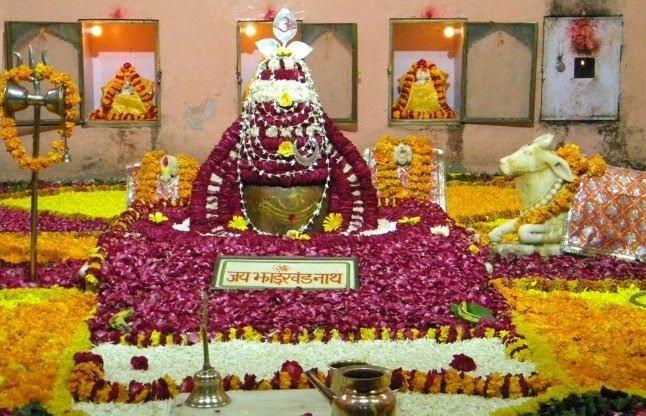
Have you ever visited Jharkhand Mahadev Temple, located on Queens Road in Vaishali Nagar, Jaipur? It is a notable religious site with a unique history and architecture. Said to have been named after the abundance of bushes (झाड़ियां) that once filled the area, the temple is one of the many reasons why Jaipur is often referred to as ‘Choti Kashi’ due to its numerous religious and historical sites.

Historical Significance

The area surrounding the temple was once known as Prempura. About 100 years ago, the temple was small and modest. Over time, it was renovated in the South Indian architectural style, similar to the famous Tiruchirappalli Temple. However, only the main entrance reflects this style, while the inner sanctum (गर्भगृह) maintains elements of North Indian temple design. Notably, during its construction, a tree that had naturally grown in the sanctum was preserved, adding to the temple’s uniqueness.

Rituals and Celebrations

During the holy month of Sawan, a large number of devotees visit the Jharkhand Mahadev Temple. Every Monday of Sawan, long queues of devotees can be seen waiting to perform the abhishekam (ritual bathing) of the Shiva Lingam. Shivratri, the festival dedicated to Lord Shiva, is another significant event at the temple, drawing even larger crowds.

It is believed that those who visit the temple, see the Shiva Lingam, and perform the ritual bathing with Panchamrit (a mixture of five sacred liquids) receive Lord Shiva’s protection. This belief in the temple’s miraculous powers attracts devotees year-round. Additionally, feeding cows and pigeons outside the temple is a common practice, with stalls selling fodder and grains for the animals.

This 100-Year-Old Jharkhand Mahadev Temple in Jaipur, Built in South Indian Style, Holds Special Significance in Sawan

Preparations for Sawan

As Sawan begins, preparations at the Jharkhand Mahadev Temple are in full swing. According to Karni Singh Rathore of the Jharkhand Temple Trust, arrangements for crowd management, security, water supply, cleanliness, and parking are meticulously planned and executed. The Jharkhand Temple Trust, in collaboration with the Gokul Memorial Trust, ensures that all facilities are in place for the convenience and safety of the devotees.

With its rich history, unique architecture, and deep spiritual significance, the Jharkhand Mahadev Temple continues to be a focal point of devotion and faith, especially during the auspicious month of Sawan.

Hindenburg Research says something ‘big’ soon India

0

In January 2023, Hindenburg Research shook the financial world with a damning report targeting the Adani Group, controlled by billionaire Gautam Adani. The timing of the report, just before the scheduled share sale of Adani Enterprises, led to a dramatic $86 billion drop in the market capitalization of the Adani Group’s stocks. This massive decline prompted a significant sell-off of the group’s bonds listed abroad, highlighting the far-reaching impact of Hindenburg’s revelations.

Fast forward to August 2024, the US-based short seller has once again captured attention by hinting at another major revelation involving an Indian company. On Saturday morning, Hindenburg Research posted a cryptic message on Elon Musk-owned X, stating, “Something big soon India.” This announcement has stirred speculation and apprehension across financial markets, given the firm’s previous high-profile exposés.

The Adani Fallout and Beyond

The fallout from the Adani report was immense, leading to increased scrutiny of Hindenburg’s activities. In June 2024, Hindenburg made headlines again when the Securities and Exchange Board of India (SEBI) issued a notice alleging violations of Indian regulations by the research firm. This marked a significant turning point, as Hindenburg explicitly named Kotak Bank in its report for the first time. The revelation led to a noticeable decline in Kotak Bank’s stock value, hitting its lowest point since June during early trading sessions.

Hindenburg dismissed SEBI’s notice as “nonsense,” claiming it was a deliberate attempt to silence those exposing corruption and fraud by powerful individuals in India. The firm argued that SEBI’s notice failed to name Kotak Bank explicitly, instead using the acronym KMIL (Kotak Mahindra Investments Limited), potentially protecting influential businessmen from scrutiny.

Intricate Financial Webs and SEBI’s Allegations

SEBI’s notice alleged connections between Hindenburg Research and New York hedge fund manager Mark Kingdon. It claimed Hindenburg shared an advance copy of its Adani report with Kingdon two months before its public release, enabling significant profits through strategic trading. The notice disclosed that Kingdon Capital held substantial investments in KMIL and capitalized on market volatility triggered by the Hindenburg report, making a profit of $22.25 million through short positions in Adani Enterprises Ltd (AEL).

The SEBI notification also included time-stamped conversations between hedge fund personnel and traders affiliated with Kotak Mahindra Investments Limited. These exchanges revealed intricate financial dealings related to trading futures contracts linked to Adani Enterprises, suggesting deeper connections between the involved parties.

Responses from Kingdon Capital and Kotak Mahindra Bank

In response to SEBI’s allegations, Kingdon Capital asserted its legal authority to engage in research agreements that allowed it to receive and utilize reports before their public release. Kotak Mahindra Bank, on the other hand, denied any awareness of Kingdon’s affiliation with Hindenburg or involvement in the use of sensitive financial information.

Market Anticipation and Speculation

With the financial community on edge, anticipation grows over Hindenburg’s next move. The firm’s previous reports have had seismic impacts on the market, and any new revelations are likely to cause significant ripples. Investors, regulators, and market analysts are closely watching for further details, bracing for another potential upheaval in the Indian financial landscape.

As the situation unfolds, the stakes are high for all parties involved. The forthcoming revelations by Hindenburg Research could reshape the narrative once again, highlighting the complex interplay between financial powerhouses, regulatory bodies, and market dynamics in one of the world’s fastest-growing economies.