Home Blog Page 504

Vithya Ramraj Breaks 39-Year-Old 400m Hurdles Record at the National Open Athletics Championships

0

At the 63rd National Open Athletics Championships, held at the iconic Sree Kanteerava Stadium in Bengaluru, history was made when Vithya Ramraj shattered a 39-year-old record in the women’s 400m hurdles. Vithya completed the race in a remarkable 56.23 seconds, breaking the long-standing record of 56.80 seconds set by the legendary Indian athlete P.T. Usha in 1985.

The Significance of Vithya’s Achievement

Vithya Ramraj’s achievement is a monumental milestone in Indian athletics, not just as a personal triumph but also in the broader context of the sport’s history in the country. P.T. Usha, often hailed as the “Queen of Indian Track and Field,” set the original record during an era when Indian athletics was just beginning to gain international recognition. For nearly four decades, Usha’s record remained unchallenged, a testament to her prowess and enduring legacy.

By breaking this historic record, Vithya Ramraj has carved her name alongside one of India’s most celebrated athletes, bringing renewed attention to Indian athletics. Her achievement is a symbol of the evolving talent in the nation’s track and field scene, inspiring a new generation of athletes to push the boundaries of what is possible.

Outstanding Performances in Men’s Events

The championships were a showcase of athletic excellence across various events, with several records being challenged and broken. In the men’s 200m, Nithin from Tamil Nadu delivered a standout performance, breaking the meet record with a time of 20.66 seconds, surpassing the previous mark set by Animesh Kujur. This was just one of many impressive displays of athleticism throughout the championships.

Other notable performances in the men’s events included:

  • 800m: P. Mohammed completed the race in 1:48.10.
  • 10,000m: Abhishek crossed the finish line in 29:48.18.
  • 400m hurdles: Aman recorded a time of 50.52 seconds.

Highlights from the Women’s Events

The women’s events also featured exceptional performances, with athletes setting new benchmarks in their respective disciplines. Ancy Sojan emerged as a star in the long jump, achieving a leap of 6.71 meters, which earned her the title of the best woman athlete of the championships. Her performance highlighted the growing competitiveness in Indian women’s athletics.

Other key performances in the women’s events included:

  • 200m: Nithya Gandhe completed the race in 23.51 seconds.
  • 800m: Chanda clocked in at 2:01.16.
  • 10,000m: Seema finished the race in 33:56.86.

Awards and Overall Achievements

The championships concluded with the recognition of several athletes who delivered outstanding performances. Vithya Ramraj, for her record-breaking run in the 400m hurdles, and Nithin, for his remarkable 200m sprint, were highlighted as standout athletes of the event.

In the team championships, the Railways emerged victorious in the women’s category, while Services claimed the title in the men’s category. The Railways team also took home the overall championship title, underscoring their dominance in this year’s competition.

Summing Up

Vithya Ramraj’s record-breaking performance at the 63rd National Open Athletics Championships marks a significant chapter in Indian sports history. Her achievement, along with the stellar performances of other athletes, reflects the growing talent and competitive spirit within Indian athletics. As these athletes continue to push the limits, they inspire hope and excitement for the future of Indian sports on both national and international stages.

4o

Ancient Ice Core Yields Genomes of 1,700 Viruses

0

In a groundbreaking discovery, scientists from the United States have uncovered over 1,700 ancient viruses preserved in ice core samples extracted from the Guliya Glacier on the Tibetan Plateau. Some of these viruses are estimated to be over 40,000 years old, offering a rare glimpse into the history of viral evolution and survival in response to climatic shifts. The study, led by Zhi-Ping Zhong of Ohio State University, provides invaluable insights into the intricate relationship between viruses and the environment over millennia.

Ice Core Sampling

Ice cores are cylindrical samples drilled from glaciers, and they serve as time capsules, preserving layers of ice that have accumulated over thousands of years. Each layer holds a wealth of environmental information, including microorganisms like viruses, that have been trapped and preserved in the ice. The ice core from the Guliya Glacier, measuring 310 meters in length, spans different climatic periods, making it an exceptional resource for studying ancient climates and the history of viral activity.

Decoding Ancient Viruses

Using advanced genomic techniques, the research team successfully extracted DNA from the ice and sequenced the genomes of the viruses embedded within it. Their efforts resulted in the identification of 1,705 distinct viral species, each displaying significant genetic differences that correspond to the climate conditions during their period of activity. This level of detail provides a deeper understanding of how viruses have adapted and evolved in response to changing environmental factors over tens of thousands of years.

Survival in a Changing World

The study revealed that some viral communities found in the ice core were unique to the region and showed heightened activity approximately 11,000 years ago, a period marked by significant climate change. These viruses demonstrated remarkable adaptability, with some acquiring genetic material from the bacteria they infected—such as Flavobacterium—to enhance their survival and metabolic functions. This process, known as horizontal gene transfer, highlights the dynamic interactions between viruses and their hosts, particularly in times of environmental stress.

The Impact of Climate on Viral Evolution

One of the key findings of the research is the strong correlation between viral activity and climatic shifts. As the climate changed, new viral strains emerged, exerting evolutionary pressure on existing populations to adapt or perish. This evolutionary arms race likely played a crucial role in shaping the diversity and complexity of viral communities over time.

The study’s findings also raise important concerns about the potential release of these ancient viruses as glaciers and permafrost continue to melt due to global warming. As these long-dormant viruses re-enter modern environments, they could interact with current ecosystems in unpredictable and potentially harmful ways. This possibility underscores the need for further research to better understand the behavior and adaptability of these ancient pathogens.

Preserving Knowledge in a Melting World

This research highlights the critical importance of collecting and analyzing ice core samples from glaciers worldwide, particularly as these ice reserves dwindle in the face of climate change. Ice cores hold irreplaceable records of past viral and climatic interactions, which could be lost forever if not studied in time. Understanding these ancient viruses is not only crucial for piecing together the history of life on Earth but also for predicting how they might respond to the unprecedented climate changes occurring in the Anthropocene era—the current geological epoch characterized by significant human impact on the planet.

As the world continues to grapple with the effects of global warming, studies like this one remind us of the complex and often unforeseen consequences of environmental change. The ancient viruses preserved in ice cores serve as both a record of the past and a potential warning for the future, emphasizing the need for continued vigilance and research in the face of an ever-changing world.

Understanding the ‘Nambike Nakshe’ Scheme

0

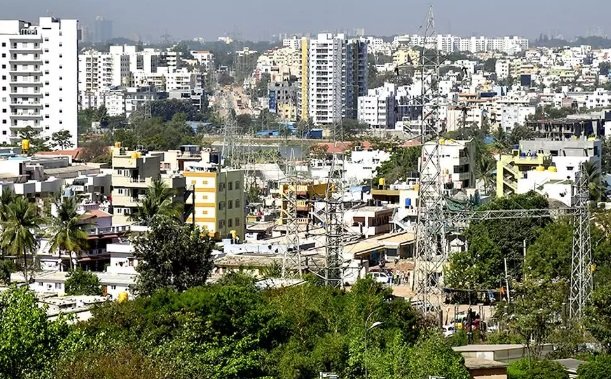
In an effort to streamline the building approval process and reduce bureaucratic hurdles, Bengaluru’s Deputy Chief Minister, D.K. Shivakumar, has introduced a new scheme called ‘Nambike Nakshe.’ This initiative is designed to make it simpler and faster for property owners to get building approvals, particularly for structures up to 4,000 square feet within areas managed by the Bruhat Bengaluru Mahanagara Palike (BBMP).

Scheme Overview

The ‘Nambike Nakshe’ scheme allows property owners to obtain temporary or provisional approval for their building plans directly from authorized architects or engineers. This marks a significant departure from the traditional, often cumbersome, multi-step approval process. By enabling property owners to begin planning their buildings without initially navigating a complex web of approvals, the scheme aims to expedite construction projects and reduce the administrative burden on both the government and the citizens.

Target Audience

This scheme is particularly beneficial for those who own land in areas developed by the Bangalore Development Authority (BDA) and the Karnataka Housing Board. Many of these plots, typically around 50×80 feet in size, fall well within the scheme’s 4,000-square-foot limit, making the process considerably easier for a substantial number of property owners.

Provisional Approval Process

Under the ‘Nambike Nakshe’ scheme, property owners can receive provisional approval, which allows them to commence construction almost immediately. Once this provisional approval is granted, the owners must upload their building plans online for final approval by the BBMP. This digital approach not only accelerates the process but also makes it more transparent and user-friendly.

The primary objective of this initiative is to cut through the red tape that often delays construction projects. By allowing direct approvals from qualified professionals such as architects or engineers, the government aims to simplify the process, thus enabling quicker initiation of construction activities.

Ensuring Compliance

Despite the streamlined approval process, compliance with existing building standards and regulations remains a top priority. BBMP engineers will continue to inspect ongoing construction to ensure that all projects adhere to the required norms. Currently, the ‘Nambike Nakshe’ scheme is being piloted in two zones within BBMP’s jurisdiction. If the pilot proves successful, there are plans to expand the scheme across the entire city. This expansion could significantly reduce the challenges property owners face, making it easier and more efficient for them to launch construction projects.

Digitalizing Land Records

Interestingly, the ‘Nambike Nakshe’ initiative builds upon a foundation laid by an earlier scheme of the same name, launched in Karnataka in 2020. The original ‘Nambike Nakshe’ was created to digitize land records, making it easier for people to access information about their land holdings. This digitalization effort also helped resolve land disputes and supported better land management, contributing to improved urban planning and rural development in the state.

Summing Up

The introduction of the ‘Nambike Nakshe’ scheme reflects the Karnataka government’s commitment to simplifying administrative processes and leveraging digital tools to enhance efficiency. By offering provisional building approvals through a streamlined, digital platform, the scheme stands to significantly benefit property owners, particularly in Bengaluru, by reducing delays and facilitating quicker construction starts. If successfully implemented city-wide, ‘Nambike Nakshe’ could become a model for other cities looking to modernize and simplify their building approval processes.

Now, a college student wins Bronze in Paralympic Games

0

Galgotias University proudly announces that its student, Rakesh Kumar, alongside Sheetal Devi, has made history by clinching the bronze medal in the mixed compound open archery event at the Paris 2024 Paralympic Games. The Indian duo secured a nail-biting victory against Italy’s Eleonora Sarti and Matteo Bonacina, with a scoreline of 156-155, marking a monumental achievement for India on the global stage. 

Now, a college student wins Bronze in Paralympic Games

Galgotias University proudly announces that its student, Rakesh Kumar, alongside Sheetal Devi, has made history by clinching the bronze medal in the mixed compound open archery event at the Paris 2024 Paralympic Games. The Indian duo secured a nail-biting victory against Italy’s Eleonora Sarti and Matteo Bonacina, with a scoreline of 156-155, marking a monumental achievement for India on the global stage. 

Discover a New Era in Energy: Book Launch “A Journey from Black Gold to White Gold”

0

From Oil to Lithium: Navigating the Future of Energy, a transformative new book has been launched by acclaimed energy expert Kuldeep Gupta. This compelling narrative follows the journey of Karan, a man whose career in the Oil & Gas industry leads him to confront the urgent environmental and ethical dilemmas posed by fossil fuels, ultimately inspiring a shift towards renewable energy.

Discover a New Era in Energy: Book Launch "A Journey from Black Gold to White Gold"

Karan’s story begins in the heart of the Oil & Gas sector, where he is initially inspired by the critical role of oil during World Wars I and II. However, as he navigates the complexities of war zones and witnesses the stark realities of environmental degradation, Karan’s perspective begins to shift. His firsthand experiences with the greed for power and resources compel him to question his role in an industry that often prioritizes profit over the planet. This awakening ignites a passion for sustainable solutions, leading Karan to dedicate his life to reducing carbon footprints and promoting green energy alternatives, such as lithium-ion batteries.

About the Author
Mr. Kuldeep Gupta is a distinguished leader in the energy sector, recognized with the Future Energy Leader award for the Middle East by Economic Times Energy World. With over fifteen years of experience, he began his career on offshore rigs in the UAE, mastering the art of hydrocarbon extraction in extreme environments. His subsequent transition to the Ports & Shipping industry deepened his commitment to sustainability, as he managed the safe transport of fossil fuels. Today, Mr. Gupta is at the forefront of initiatives in lithium-ion cell manufacturing and renewable energy projects, including the groundbreaking establishment of the region’s first Gigafactory.

Malabar Group distributes 41,000 food packets daily in 69 cities in 16 Indian states to make ‘Hunger Free World’, wins CSR Times Award

0

Malabar Group, one of the world’s largest jewelry conglomerates, has been honored with the CSR Times Award 2024 for its transformative ‘Hunger Free World’ project. The CSR Times Award is a national recognition given to corporate organizations that demonstrate exceptional commitment to social responsibility, with a focus on the welfare of the people.

Malabar Group’s ‘Hunger Free World’ project is a cornerstone of its CSR activities, aimed at combating hunger by providing nutritious meals to those in need. Currently, the project distributes 41,000 food packets daily across 69 cities in 16 Indian states. In addition, 10,000 food packets are distributed daily to school students in Zambia, Africa, where gold is extensively mined, yet many suffer from hunger. The project, implemented in collaboration with the renowned social service organization ‘Thanal’- Daya Rehabilitation Trust.

In Zambia, Malabar Group’s efforts are particularly impactful, with 10,000 food packets being delivered daily to students, including those at John Laing Primary School in the capital city of Lusaka. The Group has committed to distributing 3.6 million free food packets to children in Zambian schools.

“We are deeply committed to addressing hunger and poverty through our ‘Hunger Free World’ initiative,” said M.P. Ahammed, Chairman of Malabar Group. “This award is a testament to our continuous efforts to make a difference in the lives of those who need it most. We believe that true success is not just in business growth, but in contributing to the well-being of the communities we serve.”

The award ceremony, organized in collaboration with the Government of Goa, featured Goa Chief Minister Dr. Pramod Sawant as the chief guest. Mr. Fanzeem, Head of Retail Expansion & Regional Head – West India, Malabar Gold & Diamonds; Mr. Shabeer P.K., Head of CSR, Malabar Group; and Mr. Milind Umate, Business Head – Corporate Gifting, accepted the award on behalf of Malabar Group. The event also saw the participation of distinguished guests, including Rt. Air Marshal V.P.S. Rana, Delhi CSR Times Editor Harish Chandra, Goa CSR Authority Joint CEO Vijay Saxena, and Goa CSR Authority Principal Adviser Dr. M.B. Gururaj, among others.

This Village Girl Earns Rs 1 Crore Yearly by Selling Milk, Paneer & Ghee

0

In 2013, in the small village of Nighoj in Ahmednagar, Shraddha Dhawan founded Shraddha Farms, a dairy venture that would later transformed her into a successful entrepreneur. Specializing in the production and supply of buffalo milk, paneer, and ghee, Shraddha Farms has become a thriving business, catering to dairies, retail shops, and individual customers.

The Beginning of Shraddha Farms

Shraddha’s journey began right after she completed her 10th grade. While her peers were content with the leisurely days of summer vacation, Shraddha found herself restless. Brought up in a household that valued hard work, she yearned to make productive use of her time. Rather than spending her days watching TV, she decided to dive into the world of business.

Her father’s small cattle trading business provided her with the perfect opportunity. He regularly bought and sold buffaloes and kept a few at home. During her vacation, Shraddha began accompanying him to the city, learning how to identify the best buffaloes, understanding the buying and selling process, and gaining firsthand knowledge of the cattle trade.

Soon, Shraddha decided to leverage this experience and start her own dairy business using the buffaloes at home. She meticulously researched and applied the insights her father had imparted, eventually establishing a system for selling milk to a dairy outside the village.

Juggling School and Business

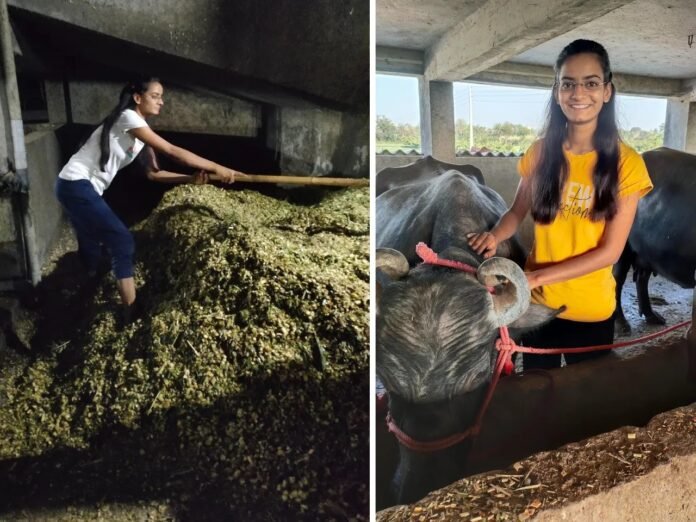
Balancing her academic responsibilities with the demands of running a dairy business was no easy feat. As she progressed through her 11th and 12th grades and eventually began her MSc in Physics, Shraddha maintained a rigorous schedule. She would wake up at 4 AM to manage the dairy work—cleaning sheds, feeding buffaloes, milking them, and transporting the milk to the dairy—all before starting her college classes at 8 AM.

Reflecting on those early days, Shraddha recalls the challenges she faced, but her determination never wavered. By 2017, Shraddha Farms had expanded to house 25 to 30 buffaloes, and with increased financial resources, she was finally able to hire additional help.

Navigating Challenges and Embracing Growth

The COVID-19 pandemic posed significant challenges for Shraddha Farms, as it did for many businesses. Although milk remained an essential product, logistical hurdles such as road blockages and a drop in milk prices by Rs 8 per liter made operations difficult. Nevertheless, Shraddha Farms persevered and quickly bounced back.

Over the years, Shraddha Farms has experienced substantial growth. The number of buffaloes has increased to 130, and the business has expanded its product range to include ghee, butter, lassi, buttermilk, and curd. All products are 100% natural, free from additives and artificial flavors, aligning with the farm’s commitment to quality and purity.

Innovative Practices and Sustainability

In a significant move towards sustainability, Shraddha Farms implemented a 1-tonne biogas project on the farm. This project not only generates electricity for all operations, reducing the farm’s reliance on external power sources, but also produces slurry—a mixture of urine, dung, and other waste. This slurry is then sold as a biofertilizer, benefiting both farmers and agricultural companies.

Shraddha Farms has also developed a biofertilizer combining vermicompost and jeevanjevik khad, which is in high demand among local farmers.

Community Impact and Future Goals

Beyond her business success, Shraddha Dhawan has become a mentor and trainer for aspiring dairy farmers. Through her training center, she has educated over 5,000 individuals, sharing her knowledge and encouraging ethical dairy practices. Shraddha’s impact extends far beyond her village, as she continues to inspire others with her entrepreneurial spirit.

Looking ahead, Shraddha aims to unite farmers for ethical and sustainable dairy practices. She is passionate about educating them on the benefits of collective action, enabling them to earn fairer prices for their products. Shraddha’s mission is to protect farmers from being exploited by private companies that often take the lion’s share of profits.

A Remarkable Success Story

In the fiscal year 2024, Shraddha Farms achieved an impressive milestone, earning Rs 1 crore from its dairy business. The farm has built a community of around 8 lakh people, including customers, partners, farmers, and social media followers. Serving over 200 people daily, Shraddha Farms stands as a testament to Shraddha Dhawan’s hard work, resilience, and vision.

Shraddha’s story is a powerful example of how determination and innovation can transform a simple idea into a thriving enterprise, even in the face of adversity. Her journey from a schoolgirl with a dream to a successful entrepreneur is truly inspirational, proving that with the right mindset, anything is possible.

Garnai, the Flying Fish, that can swim in water, walks on land and also flies in the sky!

0

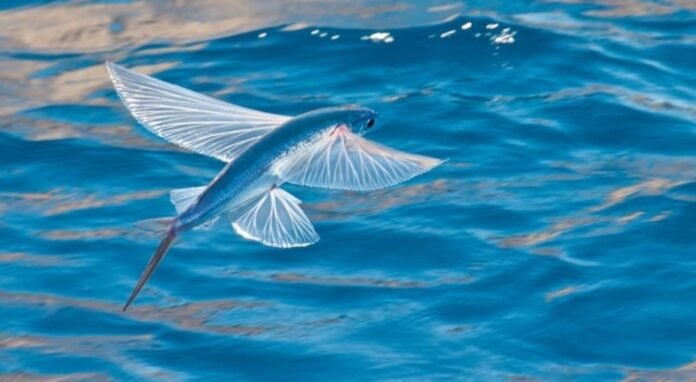
Meet the garnai fish, a remarkable species under the genus Hypseleotris that has captivated the attention of scientists and nature enthusiasts alike. Commonly known as gudgeons, these freshwater fish are native to Australia and neighboring regions, and they possess a unique combination of abilities that make them one of the most intriguing species in the aquatic world. Not only can garnai fish swim and walk on land, but they also exhibit behaviors that have earned them the nickname “The Flying Fish.”

A Diverse Genus

The genus Hypseleotris comprises several species, each with distinct characteristics and habitat preferences. Among the notable members are the Western carp gudgeon (Hypseleotris klunzingeri), Purple-spotted gudgeon (Hypseleotris spp.), and Empire gudgeon (Hypseleotris compressa). These species collectively contribute to the rich diversity within the genus, making garnai fish a subject of ongoing scientific interest.

Habitat and Adaptability

Garnai fish are predominantly found in freshwater environments such as rivers, streams, billabongs, and lakes. They thrive in habitats with sandy or gravel bottoms, often surrounded by aquatic vegetation that provides essential cover. These fish demonstrate remarkable adaptability, surviving in both stagnant and flowing waters, showcasing their versatility across various aquatic settings.

Striking Appearance

One of the most captivating aspects of garnai fish is their vibrant appearance. Their elongated bodies are adorned with vivid hues of red, orange, yellow, and blue, making them a visual delight. Some species also display intricate patterns of spots or stripes, further enhancing their allure. These striking features make garnai fish a sought-after sight for aquarists and nature enthusiasts.

Size and Feeding Habits

The size of garnai fish varies depending on the species and environmental factors. Typically, they range from 5 to 15 centimeters (2 to 6 inches) in length, though some species can grow as large as 20 centimeters (8 inches). Garnai fish are omnivorous, feeding on a diverse diet that includes small invertebrates like insects, worms, and crustaceans. They also consume algae and plant matter, playing a vital role in nutrient cycling within freshwater ecosystems.

Fascinating Reproductive Behaviors

Garnai fish exhibit intriguing breeding behaviors, particularly during the breeding season. Males undergo dramatic color changes, developing brighter hues to attract females. Once a mate is selected, the pair engages in elaborate courtship displays, culminating in the spawning of eggs in shallow waters. Parental care is crucial for the survival of the offspring, with some species showing high levels of care from one or both parents.

Challenges and Conservation

Like many freshwater species, garnai fish face numerous threats, including habitat loss, pollution, and the introduction of non-native species. Changes in water quality and temperature further exacerbate these challenges. Consequently, several species of garnai fish are classified as threatened or endangered, underscoring the need for conservation efforts to protect their populations and preserve their habitats.

Ecological Importance

Garnai fish play a critical role in maintaining the health of freshwater ecosystems. They contribute to nutrient cycling and serve as prey for larger fish and birds. Their presence is often indicative of a healthy aquatic environment, making them valuable indicators of ecosystem health.

Cultural and Research Significance

In addition to their ecological importance, garnai fish hold cultural significance for some indigenous communities in Australia, featuring in traditional stories, art, and practices. They are also of great interest to researchers studying freshwater ecosystems, behavior, and evolution. Ongoing research continues to provide valuable insights into the dynamics of freshwater environments and the adaptation of fish species to diverse habitats.

Aquarium Popularity and Responsible Sourcing

Certain species of garnai fish are popular among aquarium enthusiasts due to their vibrant colors and engaging behaviors. However, responsible sourcing is crucial to prevent overexploitation of wild populations and ensure their conservation.

Ongoing Taxonomic Studies

The taxonomy of the genus Hypseleotris is still undergoing study and revision, with genetic and morphological research shedding light on the evolutionary relationships within the genus. These studies occasionally lead to the discovery and reclassification of species, adding to the intrigue surrounding garnai fish.

Summing Up

Garnai fish are a fascinating group of freshwater fish with unique characteristics that set them apart from other species. Their ability to swim, walk, and seemingly “fly” makes them a subject of wonder. Their vibrant colors, intriguing behaviors, and role in freshwater ecosystems make them invaluable to both scientific research and conservation efforts. Understanding and preserving these remarkable fish is essential for maintaining the biodiversity and ecological balance of freshwater environments worldwide.

Netflix Head Summoned by IB Ministry Over Controversial ‘IC-814’ Web Series: Showed names of Pak terrorists as “Bhola, Shankar” etc.

0

The Ministry of Information & Broadcasting (I&B) has summoned the Head of Content at Netflix for a meeting on September 3, following widespread controversy surrounding the web series “IC-814 — The Kandahar Hijack.” The series, which dramatizes the infamous 1999 hijacking of Indian Airlines Flight 814 by Pakistan-based terror group Harkat-ul-Mujahideen, has come under fire for its portrayal of the hijackers.

Controversy Over Hijacker Names

At the heart of the controversy is the series’ depiction of the hijackers, whose names were altered to “Bhola” and “Shankar.” This creative choice has sparked outrage on social media, with critics accusing the series’ creators of deliberately misrepresenting the hijackers, who were, in reality, notorious terrorists with ties to Pakistan.

The web series, directed by Anubhav Sinha, is inspired by the book “Flight Into Fear: The Captain’s Story,” co-authored by Devi Sharan, the flight’s captain, and journalist Srinjoy Chowdhury. The story revolves around the events of December 24, 1999, when five armed hijackers seized control of Flight 814 after it departed from Kathmandu, Nepal, en route to Delhi. The hijacking resulted in a tense eight-day standoff, ultimately leading to the release of three infamous terrorists—Masood Azhar, Ahmed Omar Saeed Sheikh, and Mushtaq Ahmed Zargar—by the Indian government to secure the hostages’ release.

Political Backlash

The series has attracted significant criticism from various quarters, including prominent political figures. Amit Malviya, the chief of the BJP IT Cell, has been vocal in his disapproval, arguing that the portrayal of the hijackers as “Bhola” and “Shankar” could mislead future viewers into believing that Hindus were responsible for the hijacking. Malviya contends that the filmmakers are engaging in a deliberate act of whitewashing, using cinema to shift blame away from Pakistani terrorists and undermine India’s security.

Kangana Ranaut’s Criticism

Adding to the controversy, actress Kangana Ranaut has also condemned the series, accusing OTT platforms of bias. Ranaut argued that while content featuring violence, nudity, and politically motivated distortions is often allowed to stream without censorship, nationalist perspectives are suppressed. She expressed frustration over what she perceives as an unfair double standard in the entertainment industry, where filmmakers who seek to promote the integrity and unity of India face obstacles in bringing their content to audiences.

IB Ministry’s Response

In response to the growing backlash, the I&B Ministry has taken swift action by summoning Netflix’s Head of Content for a meeting to address the concerns raised by the series. The Ministry’s intervention reflects the seriousness of the issue, as the portrayal of sensitive historical events and figures is a matter of national importance.

As the meeting approaches, all eyes will be on the outcome and the potential implications for content creators and streaming platforms in India. The controversy highlights the ongoing debate over creative freedom, historical accuracy, and the responsibility of filmmakers to portray events in a manner that respects the sensitivities of the public and the nation.

The “IC-814” series has undoubtedly struck a nerve, and the discussions that follow may set a precedent for how such issues are handled in the future.

IITians wins gold, IAS officer wins silver, Indians shine at Paris Paraolympics with 15 medals

0

In a spectacular display of skill and determination, India added three more medals to its tally at the Paris Paralympics 2024 on Monday, September 2. Among the highlights was IIT graduate Nitesh Kumar’s remarkable victory in the men’s singles SL3 badminton competition, where he secured a historic gold medal.

Nitesh Kumar’s Golden Triumph

Nitesh Kumar, the top seed in the SL3 category, achieved a milestone in his career by defeating Great Britain’s Daniel Bethell in a nail-biting final. The match, played at the La Chapelle Arena Court 1, was a thrilling three-game encounter, with Nitesh emerging victorious with scores of 21-14, 18-21, 23-21.

The win was especially significant for Nitesh, as he had faced Bethell nine times previously in his career without a single victory. This time, however, Nitesh displayed incredible resilience and strategic prowess, overcoming the sideways drift on the court and breaking his winless streak against his British rival. His victory not only secured a gold medal for India but also marked a turning point in his sporting journey.

Suhas Yathiraj’s Silver Success

Meanwhile, Indian shuttler and world number 1 ranked IAS officer Suhas Yathiraj added another silver to his Paralympics collection in the men’s singles SL4 category. Suhas, a 2007 batch IAS officer, faced off against the formidable Lucas Mazur of France in the final. Despite his best efforts, Suhas was unable to overcome the top-seeded Frenchman, losing in straight games 9-21, 13-21.

The 41-year-old Suhas had previously secured a silver medal in the Tokyo Paralympics, where he also lost to Mazur. The Paris final was a repeat of that encounter, with Mazur once again proving too strong. Nevertheless, Suhas’s silver medal was a testament to his consistency and dedication, solidifying his status as one of the top para-badminton players in the world.

Sumit Antil’s Record-Breaking Javelin Gold

Adding to India’s gold medal haul was javelin sensation Sumit Antil, who delivered a phenomenal performance in the men’s javelin throw competition. Sumit, who entered the event as the favorite, lived up to expectations by not only winning the gold but also breaking his own Paralympics record twice during his six throws.

Sumit’s dominance in the event was evident from the start, as he showcased impeccable form and technique. His record-breaking throws underscored his superiority in the field and added another chapter to his growing legacy in Paralympic sports.

India’s Impressive Medal Tally

With these latest successes, India’s medal tally at the Paris Paralympics 2024 now stands at an impressive 15, including 3 golds. The achievements of Nitesh Kumar, Suhas Yathiraj, and Sumit Antil reflect the country’s growing prowess in Paralympic sports and highlight the incredible talent and perseverance of its athletes.

As the Paralympics continue, India remains hopeful of adding more medals to its collection, inspired by the remarkable performances of its champions on the world stage.