Home Blog Page 487

National Conference on Digital Public Infrastructure: Advancing the Digital Agriculture Mission

0

In a significant move toward modernizing India’s agricultural sector, the Union Agriculture Ministry recently hosted a National Conference focused on the implementation of Digital Public Infrastructure (DPI) under the broader Digital Agriculture Mission. This initiative seeks to harness the power of digital technology to improve service delivery and boost efficiency in Indian agriculture, ultimately transforming the lives of millions of farmers.

Purpose of the Conference

The primary aim of the conference was to strengthen collaboration between the Central Government and State Governments in rolling out the key components of the Digital Agriculture Mission. With a strong focus on leveraging Agri Stack (a comprehensive digital platform for farmers), Krishi DSS (a decision support system for agricultural activities), and soil profile mapping, the event underscored the need for technological integration to simplify agricultural processes and ensure better service delivery for farmers across the country.

Key Components Discussed

Several key components of digital agriculture were discussed at the conference, each playing a pivotal role in revolutionizing the sector:

  • Farmer Registry: A digital platform designed to collect and manage farmer information in a unified system, making it easier for farmers to access government services, subsidies, and benefits. The registry aims to streamline the interaction between farmers and government agencies, ensuring faster and more efficient service delivery.
  • Special Central Assistance (SCA) Scheme: This scheme provides financial support from the central government to help states implement key agricultural reforms. By integrating technology into this process, the SCA scheme seeks to accelerate the adoption of digital tools that can enhance agricultural productivity and sustainability.
  • Digital Agriculture Initiatives: These initiatives involve the application of digital technologies such as precision farming, drone monitoring, and artificial intelligence to increase efficiency in farming operations. The introduction of such innovations in agriculture aims to improve productivity, ensure sustainability, and reduce operational burdens on farmers.

Presentations and Insights

The conference brought together several key figures in Indian agriculture and land resources, offering valuable insights into the future of digital agriculture.

  • Devesh Chaturvedi, Agriculture Secretary, outlined the government’s vision for the Digital Agriculture Mission, emphasizing its potential to transform Indian agriculture through the integration of technology. By digitizing agriculture, the mission seeks to improve decision-making processes, enhance resource management, and ensure that farmers can access the latest tools and knowledge.
  • Manoj Joshi, Secretary of Land Resources, emphasized the critical importance of linking land reforms with the Farmer Registry to improve data accuracy. He highlighted how accurate land records are crucial for ensuring that farmers receive the full benefits of government schemes and services.
  • Expert discussions led by Dr. Pramod Kumar Meherda, Varsha Joshi, and Sagar Mehra showcased the broad applications of DPI beyond traditional farming, extending into animal husbandry and fisheries. These discussions highlighted the transformative potential of DPI in various sub-sectors of agriculture, demonstrating how digital tools can improve productivity, health management, and sustainability across the board.

Significance of Guidelines and Handbooks

A key moment of the conference was the release of the Guidelines for the Digital Agriculture Mission and the Farmer Registry Handbook. These documents are critical for providing structured guidance to state governments, helping them implement sustainable digital practices in agriculture. By offering a clear roadmap, these guidelines reinforce the Government of India’s commitment to promoting digital transformation in agriculture and supporting state-level reforms.

Driving Change through Digital Solutions

The National Conference on Digital Public Infrastructure provided an essential platform for discussing the technological and administrative changes required to successfully integrate digital solutions into agriculture. By aligning national initiatives with state-level efforts, the event highlighted the critical role of collaboration in driving improved outcomes in agriculture. The conference is poised to accelerate the adoption of DPI in the agricultural sector, ensuring that farmers across the country benefit from enhanced efficiency, better resource management, and more effective service delivery.

As India continues its journey towards digital agriculture, the Digital Agriculture Mission promises to be a game-changer, empowering farmers with the tools and technologies they need to thrive in a rapidly evolving world. Through this forward-thinking initiative, India is not only addressing current challenges in agriculture but also laying the foundation for a more sustainable and prosperous future.

Indian Navy Hosts Goa Maritime Symposium 2024

0

The Indian Navy is set to host the fifth edition of the Goa Maritime Symposium (GMS-24) at the Naval War College in Goa from September 23 to 24, 2024. This prestigious event is aimed at fostering cooperation and enhancing security among nations within the Indian Ocean Region (IOR). With increasing challenges in maritime security, GMS-24 serves as a critical platform for dialogue and collaboration among regional partners.

Overview of the Goa Maritime Symposium

The Goa Maritime Symposium, which first began in 2016, has become a prominent annual event organized by the Indian Navy. The symposium addresses key maritime issues such as regional security, maritime trade, and emerging threats in the Indian Ocean. Experts and officials from various nations participate in discussions on topics like the impact of climate change on oceans, piracy, and illegal maritime activities. Over the years, GMS has gained importance as a forum to strengthen India’s strategic partnerships while addressing common challenges in the IOR.

Theme of GMS-24

The theme for this year’s symposium is “Common Maritime Security Challenges in the Indian Ocean Region.” With an emphasis on threats such as Illegal, Unreported, and Unregulated (IUU) fishing and other unlawful activities, GMS-24 will focus on identifying solutions to ensure maritime safety and security. The symposium aims to address the growing concerns surrounding illegal fishing, drug smuggling, human trafficking, and environmental degradation in the Indian Ocean.

Goals of the Symposium

The primary objective of GMS-24 is to enhance multilateral cooperation and address the shared maritime security challenges faced by IOR nations. Through open discussions and strategic partnerships, the symposium aims to create a more secure and stable maritime environment. By promoting regional collaboration, the event seeks to address the pressing issues that affect trade, security, and sustainability in the Indian Ocean.

Participating Nations

This year’s symposium will see the participation of 14 countries, highlighting the importance of regional cooperation in maritime security. The participating nations include:

  • Bangladesh
  • Comoros
  • Indonesia
  • Kenya
  • Madagascar
  • Malaysia
  • Maldives
  • Mauritius
  • Myanmar
  • Seychelles
  • Singapore
  • Sri Lanka
  • Tanzania
  • Thailand

This diverse representation underscores the shared interests of these countries in maintaining peace, stability, and security in the Indian Ocean.

The Indian Navy: A Pillar of Maritime Security

Founded in 1950, the Indian Navy is one of the world’s largest naval forces, committed to ensuring maritime security, conducting humanitarian missions, and maintaining regional stability. Over the decades, the Indian Navy has played a vital role in key operations, including its significant contribution during the Indo-Pakistani War of 1971.

With over 150 ships and submarines, the Indian Navy is renowned for its operational capabilities. Its first aircraft carrier, INS Vikrant, was commissioned in 1961, marking a new era for the nation’s naval strength. The navy’s special forces unit, MARCOS (Marine Commandos), is highly skilled in maritime special operations.

The Indian Navy operates under the motto “Sam No Varunah” which translates to “May the Lord of Water be auspicious to us,” signifying its deep connection to protecting the seas. As the host of GMS-24, the Indian Navy continues to demonstrate its leadership in promoting regional maritime security and cooperation.

Summing Up

The Goa Maritime Symposium 2024 is a significant milestone in fostering collaboration among Indian Ocean nations. As maritime security challenges continue to evolve, the symposium serves as a critical platform for dialogue, coordination, and action. With 14 countries coming together, GMS-24 underscores the need for united efforts in addressing common security threats and ensuring the safety and prosperity of the Indian Ocean Region. Through these partnerships, the Indian Navy reinforces its commitment to regional stability and maritime cooperation, positioning India as a key player in global maritime security.

What is the Butterfly Effect?

0

The butterfly effect, a fascinating concept in chaos theory, illustrates how small actions or changes in complex systems can lead to significant and unpredictable outcomes. It often draws from the metaphor of a butterfly flapping its wings, where this seemingly trivial action could potentially trigger a chain of events culminating in something as dramatic as a distant tornado. The butterfly effect highlights the far-reaching consequences of small initial conditions in complex systems, demonstrating the interconnectedness and sensitivity of our world.

Origins of the Butterfly Effect

The idea of the butterfly effect was popularized by Edward Lorenz, an American mathematician and meteorologist. Lorenz’s work in the 1960s revolutionized the understanding of weather and complex systems by showing how small changes could cause unpredictable outcomes. Prior to Lorenz, scientists such as Henri Poincaré and Norbert Wiener had already identified the atmosphere as an unstable and sensitive system. However, Lorenz took these observations a step further by proving that even the smallest variations in data could lead to wildly different results over time.

Chaos Theory: A Framework for the Butterfly Effect

The butterfly effect is a core concept within chaos theory, a branch of mathematics focused on studying systems that appear random but are governed by underlying rules. These systems are highly sensitive to their initial conditions—so much so that tiny differences at the start can lead to vastly different outcomes. Lorenz’s weather models exemplified this by showing that even minuscule changes in weather data could produce drastically different forecasts, highlighting the inherent unpredictability in chaotic systems.

Lorenz’s Key Observations: The 1961 Experiment

In 1961, Lorenz conducted an experiment that famously illustrated the butterfly effect. While running weather simulations on a computer, he made a small adjustment to one of the input numbers, rounding it from 0.506127 to 0.506. Although this seemed like a minor change, it produced completely different weather predictions two months later. This experiment was a powerful demonstration of how sensitive weather patterns—and chaotic systems in general—are to initial conditions, forever changing how we understand prediction and modeling in science.

The Butterfly Effect Beyond Weather

While the butterfly effect is often associated with weather forecasting, its implications extend far beyond meteorology. In economics, small fluctuations in consumer behavior can ripple through markets, influencing global trends. In biology, a tiny genetic mutation can lead to significant evolutionary shifts. The concept even has applications in social sciences, where minor societal or individual actions can lead to profound cultural or political consequences.

Moreover, a modern area of research called quantum chaos explores how the butterfly effect applies at the quantum level, where the behavior of particles also appears to be highly sensitive to initial conditions, further expanding the relevance of chaos theory beyond classical systems.

A Challenge to Determinism

At its core, the butterfly effect suggests that small actions, whether natural or human-made, can have far-reaching consequences. It challenges traditional notions of determinism—the idea that all events are pre-determined and predictable—by showing how the initial state of a system can lead to unexpected outcomes. This inherent unpredictability is recognized in many fields and has also permeated popular culture, appearing in films, literature, and everyday discussions about how seemingly insignificant events can lead to life-altering changes.

Summing Up

The butterfly effect offers a compelling perspective on the delicate balance of our world. It underscores the power of small actions and highlights the sensitivity of complex systems, whether in nature, science, or society. From weather forecasting to quantum mechanics, this concept continues to shape how we understand and approach the unpredictable, reminding us that even the tiniest shift can send ripples through the universe, leading to outcomes we might never have anticipated.

‘Dust-Free Delhi’ Drive: A Step Towards Cleaner Air

0

In an effort to combat the persistent air pollution in Delhi, Lieutenant Governor V K Saxena has launched the ‘Dust-Free Delhi’ initiative. This comprehensive drive focuses on reducing pollution levels ahead of the winter season when air quality in the capital often deteriorates significantly. The initiative aims to address the root causes of pollution, particularly the problem of road dust, which is a major contributor to Delhi’s air quality crisis.

Main Causes of Air Pollution in Delhi

One of the most significant contributors to Delhi’s air pollution is road dust. The city’s dry climate and lack of rain during certain seasons exacerbate the problem, with dust from dried mud, silt, and debris being blown into the air. This fine particulate matter not only worsens air quality but also poses severe health risks, particularly respiratory issues.

Key Agencies Involved

To tackle this issue head-on, three major agencies have been mobilized:

  • Municipal Corporation of Delhi (MCD)
  • Public Works Department (PWD)
  • Delhi Jal Board (DJB)

These agencies are tasked with systematically removing and disposing of road mud and silt to prevent dust from entering the atmosphere. By focusing on cleaning and managing the roads, the initiative aims to significantly reduce airborne dust particles, thereby improving air quality across the city.

Coordination for Maximum Impact

Effective collaboration between agencies is essential for the success of the initiative. The MCD, DJB, and the Irrigation and Flood Control Department (IFCD) will work in close coordination to ensure that resources and strategies are efficiently deployed. This joint effort is crucial in achieving meaningful reductions in pollution caused by road dust and other sources.

High-Level Monitoring and Oversight

Recognizing the gravity of Delhi’s air pollution problem, a high-level task force led by P K Mishra, the Principal Secretary to the Prime Minister, has been established. This task force will closely monitor the city’s preparedness and the implementation of pollution control measures. In addition to road dust, the task force will assess ongoing actions against other significant pollution sources, such as stubble burning and vehicle emissions.

A Comprehensive Approach to Pollution Control

The ‘Dust-Free Delhi’ initiative is part of a larger, more comprehensive strategy to address multiple pollution sources. The task force will review and manage measures to mitigate the following contributors:

  • Stubble Burning: The burning of crop residue, especially paddy stubble from neighboring states, contributes to the formation of smog, exacerbating air pollution during winter months.
  • Vehicle Emissions: Emissions from cars, trucks, and other vehicles on Delhi’s roads are a major source of harmful pollutants.
  • Construction Dust: With ongoing construction activities, dust from building sites significantly adds to the airborne particulate matter.
  • Solid Waste Burning: The improper disposal and burning of garbage release toxic smoke into the environment.
  • Diesel Generators: Emissions from diesel generators, often used during power outages, also contribute to the city’s poor air quality.

Summing Up

The ‘Dust-Free Delhi’ initiative is a critical step toward making the capital city cleaner and healthier, particularly as the winter season approaches when pollution levels traditionally spike. Through the concerted efforts of key agencies, high-level oversight, and a comprehensive approach to pollution management, the campaign aims to reduce dust and other pollutants, improving air quality and safeguarding public health. This drive not only reflects Delhi’s commitment to addressing environmental challenges but also aligns with broader national and global efforts to mitigate air pollution and its harmful effects.

India’s First CO2-to-Methanol Pilot Plant

0

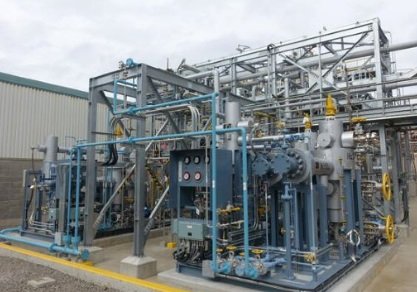
India has taken a decisive step in the fight against climate change with the launch of its first CO2-to-methanol pilot plant. This pioneering project, located in Pune, marks a significant milestone in the country’s effort to reduce carbon emissions through innovative Carbon Capture and Utilisation (CCU) technologies. It reflects India’s growing commitment to sustainable practices and the development of green technologies that contribute to both economic and environmental progress.

Project Overview

Situated at Thermax Limited in Pune, Maharashtra, the pilot plant has the capacity to process 1.4 tonnes of CO2 per day. By converting captured carbon dioxide into methanol, a valuable chemical, the plant exemplifies India’s forward-thinking approach to carbon management. Methanol, a versatile compound, has applications in energy production, chemicals, and transportation. The conversion of CO2 into methanol not only reduces the release of harmful gases into the atmosphere but also provides an alternative to fossil fuel-derived methanol, which is essential for a sustainable future.

This project stands out as one of the first of its kind in India and symbolizes the country’s broader efforts to embrace cutting-edge technology in reducing its carbon footprint.

Key Stakeholders

The development of this pilot plant is a collaborative initiative between the Indian Institute of Technology (IIT) Delhi and Thermax Limited, a leading engineering company. The project is funded through a Public-Private Partnership (PPP), showcasing the synergy between academic research and industrial expertise. The Department of Science and Technology (DST), under the Ministry of Science and Technology, has played a crucial role in supporting this project, with top officials attending the foundation ceremony to demonstrate the government’s commitment.

The partnership between academia, industry, and government underscores a shared vision of addressing climate change through innovation and cooperation. By pooling knowledge and resources, the project aims to refine and optimize CCU technologies, setting the stage for larger-scale carbon capture initiatives in the future.

Financial Aspects

With an estimated cost of ₹31 crore (approximately USD 3.7 million), the CO2-to-methanol plant represents a significant financial investment in sustainable technology. The funding, provided by the DST, reflects the government’s focus on nurturing home-grown innovations that can be scaled and adopted across various sectors. This project is part of India’s broader strategy to develop technologies that address carbon emissions while contributing to industrial growth.

Significance of the Initiative

The pilot plant’s launch is not only a testament to India’s progress in green technology but also a platform for advancing its own carbon capture capabilities. Abhay Karandikar, Secretary of the DST, described the project as a transformative initiative that will drive the development of indigenous carbon capture technologies. The success of this pilot plant could lay the groundwork for larger projects aimed at capturing and utilizing carbon dioxide on a commercial scale, making a measurable impact on the nation’s carbon emissions.

By converting CO2 into methanol, the project also offers a glimpse into the potential future of carbon reuse technologies, where harmful emissions are turned into useful products, thereby creating a circular economy.

Alignment with National Goals

This initiative aligns closely with India’s Panchamrit framework, announced by Prime Minister Narendra Modi during the COP 26 climate summit. The Panchamrit framework sets forth ambitious goals for reducing carbon emissions, increasing renewable energy capacity, and promoting sustainable development. By investing in CO2-to-methanol conversion technologies, India is moving toward achieving its climate commitments while demonstrating leadership in carbon management.

The project also reinforces India’s stance on environmental protection and innovation, serving as a model for other countries striving to balance economic growth with climate action.

Summing Up

India’s first CO2-to-methanol pilot plant in Pune is a groundbreaking project that underscores the nation’s proactive stance on tackling climate change. Through its commitment to Carbon Capture and Utilisation technologies, India is not only reducing its carbon emissions but also paving the way for future innovations in sustainable practices. This project, backed by government support and industrial collaboration, is a vital step towards meeting the country’s climate targets and driving the global shift toward a greener, more sustainable future.

By taking bold action in the fight against climate change, India is setting a powerful example for other nations, demonstrating that environmental protection and technological progress can go hand in hand.

How to Download Mostbet for Android and iOS

0

The Mostbet mobile application offers a comprehensive platform for all your gambling needs, operating under the Curacao license (8048/JAZ2016-065). It provides a wide range of betting options, including Cricket, Football, Tennis, and Hockey, alongside popular casino games like Poker, Slots, Roulette, Blackjack, and more. What sets the Mostbet app apart is its generous bonuses, high-quality match streaming, and regular updates as these features create a superior gambling experience. With a user-friendly interface, the app ensures seamless access to both sports betting and casino games. Let’s explore how to download and install the Mostbet application to start enjoying these exciting features and rewards.

Downloading the Mostbet Application

The Mostbet mobile application provides a variety of virtual games and includes two-factor authentication to safeguard users’ data and funds. Additionally, users can communicate with customer support in Hindi to efficiently resolve any issues. This guide will walk you through the complete download process for both Android and iOS devices, making it easy to get the app on your device.

How to Download Mostbet Android Application?

Android users who are looking to download Mostbet betting app can do so for free, with the installation process taking only a minute. This mobile application offers a comprehensive suite of features, including sports betting, casino games, live match wagering, and seamless financial transactions. The app’s interface is just like the website’s design while enhancing betting functionality through a streamlined login process and security is a top priority, with advanced encryption systems safeguarding user data. The clean, user-friendly interface makes navigation easy, allowing users to quickly access their preferred betting options.

System Requirements

The system requirements are a major part of any Android device to look at before installing the Mostbet app. While compatible with most Android smartphones, users should ensure their device meets the minimum specs as these criteria ensure the smooth operation of the app, providing an optimal betting experience on your mobile device.

Operating System Capacity1.2 Ghz or more than that
Version of AndroidUsually 5.1 or more than that
Storage space150 Mb
RAM1 GB

Download Process

With the download process available here, Android users can easily install the Mostbet app on their devices. 

  • Start the download process by visiting the official Mostbet website and navigating to the “mobile app” section, where you will find the Android version. 
  • Before proceeding, it’s crucial to adjust your smartphone’s security settings to allow installations from unknown sources. Once you have made this adjustment, initiate the download of the APK file by pressing the option available on the screen. 
  • Now, you have to wait as the file will take some time before fully downloading on the device and upon completion, locate the downloaded file and tap to begin the installation process. 
  • Follow the on-screen prompts carefully to ensure a smooth setup as the installation shouldn’t take long, and once finished, you will find the Mostbet app readily available on your mobile device. 

At this point, you are all set to explore the platform, create an account if you haven’t already, and start placing bets on your favourite casino games and sports events to win exciting prizes available on the platform.

How to Download Mostbet iOS Application?

As the Android application is available, gamblers can also look out for the iOS application of Mostbet. This version offers an exceptional online betting and gambling experience, seamlessly integrating all the features found in both PC and mobile website versions. The app is optimized for iOS, boasting an improved user interface and enhanced functionality along with notable features including a streamlined payment section, one-tap login system, and robust security measures as these elements combine to create an efficient and superior betting environment. 

System Requirements

System requirements are one of the most crucial aspects to consider when installing the Mostbet app on iOS devices. While the app is designed to function well on most Apple smartphones, it’s essential to ensure your device meets the minimum specifications. By verifying your device’s compatibility before installation, you can avoid potential issues and make the most of Mostbet’s features on your iOS device.

Operating System Capacity1.2 Ghz or more than that
Version of iOSUsually 8 or more than that
Storage space150 Mb
RAM1 Gb

Download Process

As you start with the system requirements, there is a complete process for iOS users to download and install the Mostbet app. All you have to do is, open your device’s internet browser and navigate to the official Mostbet website. 

  • Once there, look for the option to download the iOS version of the app and clicking this will redirect you to a registration page where you will need to create an account if you haven’t already. 
  • After completing the registration process, you will be automatically taken to the main page of the Mostbet site. 
  • Here, you will find an “Install” button, so tap this to initiate the app installation and the process should start immediately, and within moments, you’ll have the Mostbet app ready to use on your iOS device.

Once the application is downloaded and installed on your device, it is now the time to start placing bets on the games and be eligible for the rewards. 

India Surpasses Japan to Become the 3rd Most Powerful Nation in Asia

0

In a significant geopolitical development, India has surpassed Japan to claim the third spot in the 2024 Asia Power Index, underscoring its growing stature as a major force in the region. This achievement highlights India’s dynamic economic growth, youthful population, and expanding influence, marking a shift in the power dynamics of Asia.

The Asia Power Index, published by the Lowy Institute, is a comprehensive annual ranking of nations based on their ability to shape regional and global affairs. India’s rise reflects its strategic potential and ability to exercise influence in Asia and beyond.

Key Factors Driving India’s Rise

  1. Economic Growth: India’s impressive post-pandemic recovery has solidified its position as a regional powerhouse. A 4.2-point rise in Economic Capability is attributed to robust GDP growth and the country’s massive population, making it the third-largest economy globally in purchasing power parity (PPP) terms.
  2. Future Potential: India’s demographic advantage is becoming increasingly apparent, with its Future Resources score rising by 8.2 points. As China and Japan face aging populations, India’s youthful workforce is set to drive long-term economic expansion, positioning the nation for sustained growth over the next few decades.
  3. Diplomatic Influence: Under Prime Minister Narendra Modi, India has enhanced its diplomatic standing on the global stage. The country’s non-aligned strategic posture allows it to navigate complex international issues effectively, maintaining relationships across the spectrum of global powers. Ranking 6th in diplomatic dialogues in 2023, India is an active participant in multilateral forums and regional summits, further boosting its international influence.

India’s Geopolitical and Cultural Impact

India’s increasing influence goes beyond economic growth. The nation’s cultural outreach remains strong, bolstered by its global diaspora and cultural exports in the form of cinema, literature, and traditional arts. Furthermore, India’s active participation in regional security dialogues and cooperation initiatives, such as the Quad (involving the US, Japan, and Australia), reflects its growing role in shaping regional security dynamics.

Additionally, defense partnerships are slowly emerging as a new avenue of influence, with deals like the BrahMos missile sale to the Philippines symbolizing India’s entry into the defense export market. While small in scale, such initiatives are indicative of India’s expanding geopolitical ambitions.

India’s Role in the Indo-Pacific

The 2024 Asia Power Index emphasizes India’s importance as a stabilizing force in the Indo-Pacific region. India’s strategic autonomy and diplomatic flexibility make it a pivotal player in balancing the interests of major powers, including China and the United States. The nation’s continued economic and demographic growth will further enhance its influence, making it a key actor in the regional and global order.

Asia Power Index Overview

Launched in 2018, the Asia Power Index assesses the power dynamics of 27 countries across the Asia-Pacific, evaluating their ability to shape and respond to external challenges. The index uses both resource-based and influence-based determinants to provide a comprehensive picture of regional power distribution.

This year’s report saw the inclusion of Timor-Leste, recognizing its growing importance in Southeast Asia. India’s rise in the rankings reflects its ability to convert its material resources into geopolitical influence, positioning it as a formidable player in the international arena.

Measuring Power: Criteria and Parameters

The Asia Power Index evaluates power across eight key indicators:

Resource-Based Determinants:

  • Economic Capability: Evaluates GDP, technological sophistication, and global connectivity.
  • Military Capability: Measures defense spending, weapon systems, and military strength.
  • Resilience: Assesses internal stability, institutional robustness, and resource security.
  • Future Resources: Projects future economic, military, and demographic strength up to 2035.

Influence-Based Determinants:

  • Economic Relationships: Measures trade, investment, and economic diplomacy.
  • Defense Networks: Evaluates the strength of alliances and military cooperation.
  • Diplomatic Influence: Assesses foreign policy reach, multilateral participation, and diplomatic engagements.
  • Cultural Influence: Measures a nation’s ability to shape global opinion through culture, media, and diaspora.

Outlook for India

India’s rise to the third position in the Asia Power Index reflects its growing ability to shape regional dynamics and exert influence on the global stage. With continued economic growth, a burgeoning workforce, and strategic diplomatic initiatives, India is poised to further consolidate its position as a leading power in the coming years.

‘AI to Change the Way the Students Learn at IIM Sambalpur,’ says Prof. Mahadeo Jaiswal On 10th Foundation Day

0

The IIM Sambalpur, one of the premier management institutions, announced the introduction of AI in a big way which will transform the way students learn in classrooms. Role of teacher will change that from teaching to creating and learning.

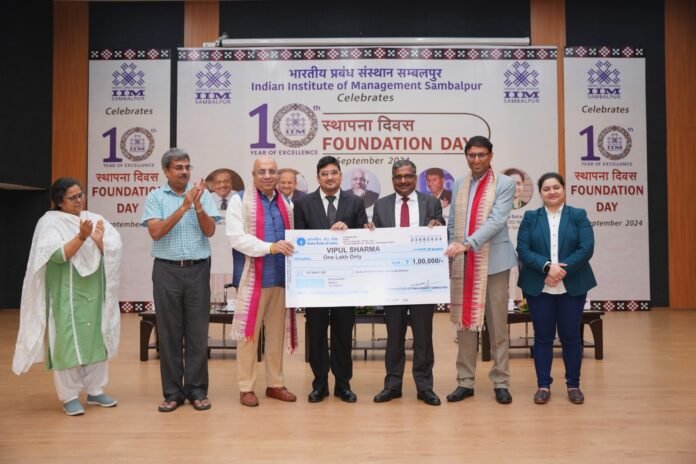
IIM Sambalpur commemorated its 10th Foundation Day by reflecting a decade of excellence and transformative achievements that underscore its commitment to innovation, inclusiveness and integrity. Since its inception, the institution of national importance has aimed at imparting management education through action-oriented research, value-driven consulting and experiential learning pedagogy and is rapidly emerging as a leader in business education, pioneering new benchmarks in gender diversity, placements, cultural development, sustainability initiatives, and technological advancements.

Uday A. Kaole, Chairman and Managing Director of MCL, graced the event as the chief guest, while Dr. Anurag Batra was the guest of honor. Nishita Baliarsingh, Co-founder & CEO, Nexus Power and Anindya Ghosh, Associate Partner, IBM were the keynote speakers.

10th Foundation Day of IIM Sambalpur

Delivering a welcome address, Prof. Mahadeo Jaiswal, Director, IIM Sambalpur said, “I express sincere thanks to Prime Minister Narendra Modi and Education Minister Dharmendra Pradhan and everyone who contributed to building this world-class institute.  I want to highlight some unique highlights of the institute.  IIM Sambalpur, which began with just 49 MBA students in 2015, is today a proud institution with 320 MBA students and a ground-breaking 75% female student body. We created world-class infrastructure and process of onboarding 60 plus of start-ups under our incubation centre, and promoted international collaborations. Furthermore, he said, “We today announce the implementation of AI in classrooms for the transformative learning experience.”

He also spoke about plans to organize a Women’s Empowerment Summit in February to further the goals of Viksit Bharat. IIM Sambalpur is well-positioned to emerge as a global leader in management education.  IIM Sambalpur this year will have three Centers of Excellence, a more diverse MBA program that is in line with NEP’s focused efforts towards international accreditations, and expansion of campus this year.

Chief Guest Uday Kaole, CMD, MCL said, “IIM Sambalpur is the most vibrant and most talked about IIM. With IIM Sambalpur, students are in the best hands.  I congratulate IIM Sambalpur for everything they have done till now.  I congratulate Dr. Jaiswal who is the power behind this institute, towards making it unstoppable.  Through this address, I offer access to great talents from IIM Sambalpur to see the business aspect at MCL, the largest coal producer in the country.”

Nishita Balliarsingh, Co-founder & CEO, Nexus Power as a keynote speaker inspired students by speaking about consistency of efforts and being honest with yourself.

Anindya Ghosh, Associate Partner, IBM as a keynote speaker emphasized on focused efforts and giving your 100%, love what you do, financial planning at early stage.

Dr. Anurag Batra, Guest of Honor, iterated on the importance of sleep, helping others, working towards sustainability, and being optimistic.

Central Inauguration of IDE Bootcamp Second Edition Phase I

The Foundation Day celebration coincides with the launch of the Innovation, Design, and Entrepreneurship (IDE) Bootcamp (Second Edition – Phase I), envisioned by the Honorable Prime Minister, Shri Narendra Modi. Scheduled from 23rd to 27th September 2024, this initiative, spearheaded by the Ministry of Education, AICTE, and the Ministry of Education’s Innovation Cell (MIC), aims to nurture innovation, design, and entrepreneurial skills among student innovators across India. The Bootcamp was hosted simultaneously across nine prestigious institutions from all across the nation.

The bootcamp engages over 3000 student innovators and Innovation Ambassadors from higher education institutions across the country. IIM Sambalpur actively supports the IDE Bootcamp through its focus on fostering innovation, entrepreneurship, and experiential learning, which aligns with the core goals of the initiative. As a leading management institution committed to action-oriented research and value-driven education, IIM Sambalpur provides a robust platform for nurturing entrepreneurial mindsets and creative problem-solving skills among students.  “India is about to take a big stride forward in fostering the entrepreneurial spirit of its youth and fortifying its innovation ecosystem with the launch of this bootcamp” – Mahadeo Jaiswal, Director, IIM Sambalpur.

Bootcamp Exhibition

The event also featured an exhibition by innovators & startups with more than 70 startups showcasing their unique products.  There were diverse range of products including tech products, agriculture products, and healthcare products, etc.  Startups from across the nation have participated in the exhibition.

World’s First ‘Upside-Down House’ Theme Park: A Unique Experience

0

Bucharest, Romania – In a spectacular achievement, Romania’s Sibiu County has launched the world’s first Upside-Down House Theme Park, which has quickly become a global attraction. According to the World Record Academy, this 6-hectare park has set a new world record as the first of its kind, drawing the attention of both local and international visitors for its innovative and whimsical design.

A Blend of Entertainment and Excitement

What makes this theme park truly unique is that everything within it is upside down, offering visitors a surreal and mind-bending experience. Alongside traditional playgrounds, the park boasts an array of entertainment facilities, including:

  • Upside-down restaurant – where tables and kitchen furniture defy gravity.
  • Miniature zoo – providing an engaging experience for families and children.
  • Inflatable slides and giant trampolines – offering fun-filled activities for thrill-seekers of all ages.

Recently recognized by the World Record Academy, the park has earned international acclaim for its extraordinary concept.

The Upside-Down Kitchen: A Highlight

Perhaps the most fascinating part of this theme park is its upside-down kitchen, where every object, from the dining table filled with food to the refrigerator and milk bottles, is inverted. Visitors find this experience both amusing and visually striking, making it a must-visit spot for photos and social media moments.

Gaining Global Recognition

This park has not only put Romania on the global map but has also created a special identity for itself in the world of unique theme parks. It provides an experience unlike any other, blending fantasy and reality in a way that captivates the imagination.

More than just a space for fun, the Upside-Down House Theme Park appeals to those who crave excitement and novelty. With its distinctive concept, this theme park in Sibiu County has become a destination where everyone wants to visit and create lasting memories.

Paris Fashion Week 2024: Aishwarya Rai Bachchan and Alia Bhatt Kapoor Shine on the Global Stage

0

In a dazzling display of beauty and fashion, Aishwarya Rai Bachchan and Alia Bhatt Kapoor captivated the world as they walked the runway for L’Oréal Paris during Paris Fashion Week 2024. The two Bollywood icons represented India with elegance and poise, each embodying the essence of the brand they so gracefully endorsed. While Aishwarya is a long-standing global face of L’Oréal, Alia made her debut as the newest Global Brand Ambassador, cementing her place on the international fashion map.

Debut of Alia Bhatt Kapoor

September 23, 2024, marked a special day in fashion history as Alia Bhatt Kapoor made her highly anticipated debut for L’Oréal Paris at the iconic Place de l’Opéra. The theme of this year’s show, “Walk Your Worth,” aimed to promote self-worth and solidarity among women worldwide, aligning perfectly with Alia’s powerful yet graceful presence on the runway.

Alia’s debut look was nothing short of a statement. Wearing a custom couture creation by Gaurav Gupta, she embodied futuristic glam with a metal-cast silver breastplate adorned with intricately designed snakes and birds, paired with black flared trousers—a contemporary Indian silhouette that merged tradition with modernity. Her glam makeup, crafted by celebrity makeup artist Puneet Saini, featured striking elements that highlighted her natural beauty. The look was completed with a chic wet hairdo, styled by International L’Oréal Paris Hair Artist & Expert, Stephane Lancien, adding a sleek edge to her ensemble.

Aishwarya Rai Bachchan: Timeless Elegance

A veteran of L’Oréal Paris and a symbol of timeless beauty, Aishwarya Rai Bachchan once again stunned the audience with her regal presence. Flaunting a classic French makeup look that exuded sophistication, Aishwarya’s grace lit up the runway. Her hair, styled in a voluminous bouncy blowout, perfectly complemented her bold red Mossi gown. The dress, featuring a striking bubble-hem and an eye-catching cape, was adorned with the brand’s iconic slogan, “We Are Worth It,” making a bold statement of empowerment.

A Celebration of Empowerment and Diversity

The Le Défilé with L’Oréal Paris wasn’t just about fashion; it was a celebration of women’s empowerment, diversity, and self-worth. The runway theme, “Walk Your Worth,” resonated deeply with both Aishwarya and Alia, who have long been advocates for women’s rights and representation. Through their performances, they embodied the spirit of the event, encouraging women worldwide to embrace their individuality and strength.

As the Global Brand Ambassador, Alia Bhatt Kapoor joins a lineage of powerful women, following in the footsteps of Aishwarya Rai Bachchan, whose enduring presence on the world stage continues to inspire. Their appearance together at Paris Fashion Week 2024 is a testament to India’s growing influence in global fashion and beauty.

Final Thoughts

Paris Fashion Week 2024 will be remembered not just for the fashion but for the powerful message of self-worth it carried, with Aishwarya Rai Bachchan and Alia Bhatt Kapoor leading the charge. The event highlighted the evolving role of women in fashion and society, showcasing how style, empowerment, and solidarity are intertwined. Both Aishwarya and Alia, with their stunning looks and inspiring personas, left a lasting impression on the global stage, walking not just for beauty, but for the worth of every woman.