Home Blog Page 478

National Anubhav Awards Scheme 2025: Honoring the Experiences of Government Employees

0

In March 2015, Prime Minister Shri Narendra Modi launched a unique initiative, the ‘Anubhav’ platform, through the Department of Pension & Pensioners’ Welfare. This online platform allows retiring and retired government employees to share their work experiences, creating a rich repository of knowledge and best practices that can guide future generations of civil servants.

Purpose of the Anubhav Platform

The Anubhav platform was established to collect and showcase the valuable experiences of government employees. These stories, submitted by individuals who have dedicated years to public service, offer insights into the functioning of the government, best practices, and lessons learned during their careers. The platform aims to celebrate the contributions of these employees while also serving as a resource for current and future employees.

Annual Awards Scheme: Recognizing Outstanding Contributions

To further encourage participation, the government launched the Annual Anubhav Awards Scheme in 2015. The awards are designed to recognize exceptional contributions and encourage government employees to share their experiences. Since the platform’s inception, over 10,886 write-ups have been shared by employees, and 59 Anubhav Awards, along with 19 Jury Certificates, have been given to contributors.

National Anubhav Awards Scheme 2025: Expanding the Reach

For 2025, the Government of India has introduced several key updates to the National Anubhav Awards Scheme. One of the most significant changes is the inclusion of employees from Central Public Sector Undertakings (CPSUs) and Public Sector Banks, expanding the platform’s reach and enabling more individuals to share their valuable experiences. This development opens the door to an even broader array of insights, making the platform more diverse and inclusive.

Submission Process and Timeline

The process for submitting write-ups is simple and open to both Central Government employees and pensioners. Submissions for the 2025 awards can be made until 31 March 2025, after which all entries will undergo review. From these submissions, five Anubhav Awards and ten Jury Certificates will be presented to those who have made outstanding contributions.

In an effort to encourage more participation, the timeline for pensioners to submit their write-ups has also been extended. Previously, they could only share their stories within one year of retirement. However, this has now been extended to three years, giving retirees more time to reflect on their careers and contribute meaningfully.

New Assessment System: Ensuring Fair Evaluation

The government has introduced a new assessment system to ensure fair evaluation of the submitted write-ups. This system takes into account the varying pay levels of participants, ensuring that submissions are judged on their merit rather than the position or rank of the employee. This approach ensures that every contributor, regardless of their role, has an equal opportunity to be recognized.

A Platform for Reflection and Learning

The National Anubhav Awards Scheme 2025 continues to strengthen the Anubhav platform’s mission of celebrating the careers of government employees and sharing their knowledge with the nation. By reflecting on their service and sharing valuable insights, employees help build a legacy of wisdom that future employees can learn from.

This initiative not only acknowledges the contributions of government servants but also provides a space for them to pass on their experiences to inspire future generations. With its expanded reach and improved submission process, the National Anubhav Awards Scheme is set to enrich the platform further, ensuring that the stories of public service continue to benefit India’s governance and civil services.
Southern Africa Culls Elephants Amid Severe Drought Crisis

0

Southern Africa is currently grappling with one of its worst droughts in over a century, causing widespread food shortages and forcing governments to make tough decisions. Countries like Zimbabwe and Namibia have initiated wildlife-culling programs as a response to the food insecurity caused by the ongoing environmental disaster. The controversial decision to cull elephants and other wildlife aims to alleviate human suffering during the crisis, but it has sparked heated debate about the ethics of such actions and the broader implications for conservation.

What is Causing the Drought?

The primary driver of this devastating drought is the El Niño weather pattern, which has resulted in significantly less rainfall across the region. The impact of climate change is exacerbating the situation, making droughts more frequent, prolonged, and severe. Southern Africa’s ecosystems are fragile, and these environmental stresses are pushing both human and animal populations to the brink of survival.

Government Responses: A Desperate Measure

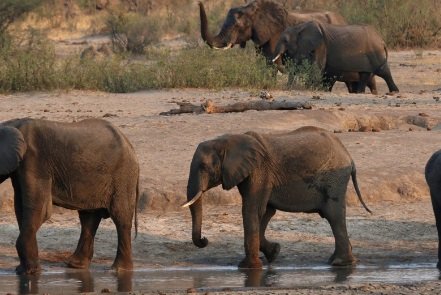
In response to the food crisis, Zimbabwe has announced plans to cull 200 elephants, distributing their meat to poor communities. Namibia has taken similar steps, permitting the culling of 723 animals, including elephants, hippos, and zebras, from its national parks. These measures are intended to provide much-needed food to communities suffering from hunger as a result of the drought.

While culling is seen by some as a practical solution to feed people during this crisis, it highlights the dire situation faced by these countries and raises questions about long-term conservation efforts. In the short term, however, the meat from these animals is seen as a lifeline for many who are struggling to survive.

Human-Wildlife Conflict Intensifies

As drought conditions worsen, both wildlife and humans are competing for scarce resources like food and water, leading to an increase in human-wildlife conflict. In Zimbabwe alone, at least 31 people have lost their lives this year due to clashes with wildlife, particularly in dry areas like Hwange National Park. Desperate for sustenance, animals are venturing into human-populated areas in search of food and water, creating dangerous situations for both people and wildlife.

Implementation of the Culling Program

Zimbabwe’s Environment Minister defended the culling program as a necessary step to manage the growing elephant population, which the country’s fragile ecosystem can no longer sustain. With over 100,000 elephants, Zimbabwe’s elephant population is nearly double the country’s carrying capacity. Hunting permits have been issued in areas most affected by food shortages, particularly where the elephant population is excessive, further stressing the local ecosystem.

Namibia, facing similar challenges, has also justified its decision to cull wildlife to protect human livelihoods and to ease the pressure on the land. These actions, while controversial, are framed as emergency measures to manage the immediate food crisis.

The Dilemma of Culling: A Controversial Solution

The decision to cull elephants and other animals is a complex and emotionally charged issue. On one hand, it is seen as a pragmatic solution to feed starving communities and manage wildlife populations in a region where resources are scarce. On the other hand, it raises ethical concerns about conservation and the potential long-term damage to wildlife populations that are already vulnerable due to habitat loss and climate change.

What is El Niño?

The El Niño weather pattern occurs when the central and eastern Pacific Ocean becomes warmer than usual, affecting weather systems globally. It typically occurs every 2-7 years, and its effects vary by region. In Southern Africa, El Niño often leads to droughts, while it can cause heavy rains in the Americas. Besides its impact on weather, El Niño also affects marine life by shifting fish populations, which in turn affects local economies dependent on fishing. Scientists monitor El Niño by tracking ocean temperatures and wind patterns, as its influence on global climates can be profound.

Balancing Human Needs and Environmental Health

Southern Africa’s current drought crisis has brought into sharp focus the delicate balance between human needs and environmental sustainability. The culling programs in Zimbabwe and Namibia reflect the desperation felt by governments trying to address immediate food insecurity while grappling with the ethical complexities of wildlife management. As the region faces more frequent and severe climate-related challenges, solutions must be found that not only address short-term needs but also preserve the natural environment for future generations.

The world will be watching closely as Southern Africa navigates this difficult path, seeking ways to balance conservation efforts with the urgent need to alleviate human suffering during one of the worst droughts in recent history.

Chilean Scientists Develop Revolutionary Reversible Neutering Vaccine for Dogs

0

A team of Chilean scientists has developed a groundbreaking reversible neutering vaccine for dogs, marking a significant shift in how pet populations could be controlled. This innovative vaccine, which only requires a simple injection, offers an alternative to traditional neutering methods that involve surgery. One of the first dogs to receive this new treatment was a small terrier in Santiago, sparking global discussions about the benefits and drawbacks of surgical neutering versus this new, less invasive approach.

What Is Neutering and Spaying?

Neutering and spaying are the most common methods used to prevent dogs from reproducing. Neutering refers to the surgical removal of a male dog’s testicles, while spaying involves removing the ovaries or uterus of female dogs. These procedures are invasive, involving cutting into the body, and require time for recovery. Male dogs typically heal within a week, while female dogs, due to the complexity of their surgery, may take 7 to 10 days to fully recover.

The Neutering Vaccine: How Does It Work?

The newly developed neutering vaccine, created by Chilean veterinarian Leonardo Saenz, offers a non-surgical method of preventing dogs from reproducing. The vaccine temporarily halts the production of reproductive hormones in both male and female dogs, rendering them unable to breed, much like traditional neutering. The effects are reversible, which distinguishes this method from permanent surgical solutions. Costing approximately $54, the vaccine’s affordability and simplicity could make mass neutering efforts more feasible.

Benefits of Traditional Neutering and Spaying

Surgical neutering has long been recommended by veterinarians for its numerous health benefits. For male dogs, it reduces the risk of testicular cancer and often leads to improved behavior, as the dog is less likely to roam or display aggression. For female dogs, spaying can prevent serious health issues like uterine infections and breast cancer. Many advocate for early neutering as a means of ensuring long-term health benefits and population control.

Criticism of Surgical Neutering

Despite its widespread use, traditional neutering is not without its critics. Recent studies suggest that desexing dogs may carry potential long-term health risks, such as increased susceptibility to weight gain, hip dysplasia, ligament tears, and certain cancers. These studies point to the importance of hormones in maintaining overall health, as they influence bone growth, muscle strength, and metabolism. Critics argue that removing these hormones through neutering may have unintended negative effects.

The Future of Dog Neutering: A New Choice

The development of this reversible neutering vaccine introduces a new option for dog owners and veterinarians, offering a way to control reproduction without surgery. However, it also raises questions about how it will compare to traditional methods in the long run. While the vaccine could revolutionize population control efforts, especially in regions with large stray populations, further research is needed to understand its long-term effects and potential health implications.

Summing Up

As this new neutering vaccine becomes more widely available, dog owners may soon have an alternative to the traditional surgical approach. The ability to choose between a permanent or temporary solution for controlling a pet’s reproductive health could offer greater flexibility and ease. While surgical neutering will likely remain a recommended practice for its known health benefits, the introduction of a non-invasive, reversible option provides a promising new chapter in pet care.

Low-AGE Diets Show Promise in Fighting Diabetes in India

0

Recent research published in the International Journal of Food Sciences and Nutrition has highlighted a significant link between diets rich in advanced glycation end products (AGEs) and the rise of diabetes in India. With India leading the world in diabetes cases, often referred to as the “world’s diabetic capital,” this study offers a potential solution to curbing the escalating diabetes crisis through dietary changes.

What Are Advanced Glycation End Products (AGEs)?

AGEs are harmful compounds formed when sugars react with fats or proteins during high-temperature cooking methods like frying, roasting, or grilling. These compounds contribute to oxidative stress and inflammation, both of which are significant factors in the onset and progression of diabetes. Diets rich in AGEs are becoming more common in urban areas where processed and fried foods are a staple, contributing to India’s diabetes surge.

Overview of the Study

This groundbreaking study, funded by the Department of Biotechnology, marks the first comprehensive investigation into the impact of AGEs on diabetes risk in India. Researchers conducted a 12-week clinical trial involving overweight and obese adults without diabetes. Participants were divided into two groups based on their dietary intake:

  1. Low-AGE Diet Group: This group consumed meals primarily made from whole foods such as fruits, vegetables, and whole grains. Cooking methods included steaming and boiling, which produce fewer AGEs.
  2. High-AGE Diet Group: Participants in this group followed a typical Indian diet heavy on roasted, deep-fried, and shallow-fried dishes, which are high in AGEs.

Study Results

By the end of the 12-week trial, the group on the low-AGE diet showed significantly better insulin sensitivity and a lower risk of developing type 2 diabetes compared to those on the high-AGE diet. The findings suggest that reducing AGEs through dietary changes may be a promising strategy to lower diabetes risk, especially in a country where diabetes is becoming a major public health concern.

A Path Forward: Low-AGE Diet Benefits

The study’s results underscore the importance of dietary habits in managing diabetes risk. A low-AGE diet, rich in unprocessed, boiled, or steamed whole foods, can significantly reduce the amount of inflammation and oxidative stress in the body, both of which contribute to insulin resistance. Whole grains, fresh fruits, and vegetables are naturally lower in AGEs, while fried and sugary foods are some of the biggest offenders in increasing AGE levels.

Expert Recommendations

Leading experts in the field of diabetes, such as Dr. V. Mohan of the Madras Diabetes Research Foundation, recommend adopting a diet that emphasizes leafy greens, fruits, and boiled foods, while reducing the intake of fried, roasted, and sugary items. Dr. Mookambika Ramya Bai echoes these sentiments, advocating for a return to traditional Indian diets that naturally have fewer AGEs due to their reliance on boiling, steaming, and minimal processing.

Summing Up

India’s struggle with diabetes is daunting, but the solution might be as simple as rethinking everyday food choices. The study offers a promising outlook—shifting towards a low-AGE diet can help reduce the risk of diabetes, improve insulin sensitivity, and foster better long-term health outcomes. Given India’s global standing as the diabetes capital, such dietary changes could make a transformative impact on public health.

National Awards: A few rare facts…!

0

National Awards are considered as the esteemed awards which are bestowed upon the most talented personalities. The EBNW Story explores the rare facts associated with these awards…

Shabana Azmi holds the record of winning the most National Awards

Actress Shabana Azmi holds the record of winning the most National Awards so far. She has received the Best Actress National Award 5 times for the films like Ankur, Arth, Kandhar, Paar and Godmother.

Smita Patil created history by winning the Best Actress National Award at the youngest age

Smita Patil received the Best Actress National Award for the 1977 film Bhumika. At that time, she was just 25 years old. In such a situation, she still holds the record of winning the Best Actress Award at the youngest age.

Controversy over the film Black winning the National Award

In the 53rd National Film Awards, Sanjay Leela Bhansali’s film Black was given the National Award for Best Feature Film (Hindi). According to the rules of the National Award, no award can be given to any film which is an adaptation of another film. In such a situation, Deb Banerjee, one of the jury members, had alleged that the award was given by favouring this film. The film Black is an adaptation of the Hollywood film The Miracle Work, so it does not pass the award criteria.

They also filed a petition against the award being given to the film. However, no action was taken. Eventually, the film Black won 3 National Awards, including Best Feature Film (Hindi), Best Actor (Amitabh Bachchan) and Best Costume Design (Sabyasachi Mukherjee).

Kirron Kher’s National Award remained controversial

Kirron Kher was given the National Award for Best Actress for the Bengali film Bariwali. In the form filled during the nomination of this film, it was said that Kiran Kher had dubbed her own voice, however, dubbing artist and actress Rita Koirala alleged that she had done Bengali dubbing for Kirron Kher in the film, which was not mentioned in the nomination form.

68 winners refused to attend the 65th National Award Ceremony

The 65th National Award Ceremony was in controversy due to 68 winners not attending the ceremony. Actually, it was clearly written in the invitation card given to the winners that they would be given the award by President Ramnath Kovind, but when the rehearsal of the ceremony started, it was told that only 11 out of 107 people would receive the award from the President. The then Information and Broadcasting Minister Smriti Irani would give the award to the other winners. Angered by this, 68 winners refused to attend the ceremony.

History of National Award
The National Award was started in the year 1954 by the Government of India to honor talents related to the film world at the national level. Its foundation was laid to promote Indian culture and art. The first ceremony of the National Award was held on 10 October 1954, in which the Marathi film Shyamchi Aai was awarded in the Best Feature Film category.

Dadasaheb Phalke Award started in 1969
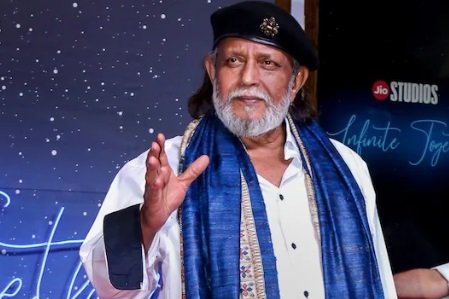
In the year 1969, a new category Dadasaheb Phalke Award was included in the National Award in honor of Dadasaheb Phalke, the father of Hindi cinema. In the year 1969, Devika Rani was the first film personality to win the Dadasaheb Phalke Award. Since then, about 54 people have received the Dadasaheb Phalke Award. It is called the most prestigious honor of the film world. Mithun Chakraborty received this award in 2024.

Jeffrey E. Hinton, known as AI Godfather wins Nobel prize

0

The Nobel Prize for Physics 2024 has been announced. This year, the prize has been awarded to Jeffrey E. Hinton, known as the Godfather of AI, as well as to American scientist John J. Hopfield. The duo have been honoured for the development of new technologies related to machine learning which is based on artificial neurons.

Jeffrey has received the Nobel for machine learning, he had described its developed form AI as a threat to humanity. He resigned from Google in 2023 in protest against AI. In an interview to the New York Times, he said-


AI will eliminate a large number of jobs. Misinformation will spread rapidly in society, which will not be possible to stop.


Jeffrey had expressed regret, holding himself responsible for AI. At the same time, while announcing the Nobel, the committee said that both the scientists have taught the world to use computers in a new way.

The prize was announced by the Royal Swedish Academy of Sciences in Stockholm, the capital of Sweden. Both the winners will get an amount of 8.90 crores, which will be divided equally between the two.

Earlier on Monday, October 7, Victor Ambrose and Gary Ruvkun received the Nobel Prize in the field of medicine. They have been given this prize for the discovery of micro RNA (ribonucleic acid). The Nobel Prize distribution will continue till October 14.

The 2023 Nobel Prize in Physics was awarded to Pierre Augustini, Ferenc Krausz and Annie Hullier. These scientists received the Nobel for one of their experiments, which helps significantly in understanding the world of electrons present in atoms and molecules.

On 27 November 1895, Alfred Nobel signed his last will and testament. By this, he gave the largest part of his bequest to a series of awards, the Nobel Prize. The Nobel Prize is given in the fields of physiology, medicine, physics, chemistry, literature, peace and economic science.

According to Alfred’s will, the Physics Nobel Prize is given to the person who has made the most important discovery or invention in the field of physics. A total of 119 Nobel Prizes have been awarded in Physics from 1921 to 2023.

The Physics Nobel Prize was not awarded in 1916, 1931, 1934, 1940-41 and 1942. This decision was taken by the Nobel Foundation. According to the Nobel Foundation rules, if a discovery or invention does not meet the set criteria, then the prize money is kept in reserve until the next year. Fewer Nobel Prizes were awarded during World Wars 1 and 2.

Barbie Launches First-Ever Diwali Doll in Collaboration with Indian Designer Anita Dongre: Here’s How to Get It

0

Barbie is set to light up Diwali celebrations this year with its first-ever Diwali Barbie doll, an exclusive collaboration with renowned Indian fashion designer Anita Dongre. As Diwali, the grand Hindu festival of lights, approaches on October 31, Mattel has unveiled this special edition Barbie, dressed in a stunning traditional Indian outfit, adding a touch of elegance to the festive spirit.

A Traditional Ensemble with a Contemporary Twist

The Diwali Barbie is adorned in a gorgeous ensemble designed by Anita Dongre, showcasing a perfect fusion of tradition and modernity. The outfit consists of a patterned lehenga skirt, a floral vest known as a koti, and a cropped top called a choli. These traditional components reflect Indian fashion while adding a modern twist to make Barbie’s look globally appealing.

Mattel describes the doll’s outfit as a “Moonlight Bloom set,” featuring a floral koti, choli, and lehenga skirt embellished with symbolic flowers like dahlias, jasmine, and Indian lotus. These flowers represent strength and beauty, deeply resonating with Indian culture. The doll is also accessorized with sparkling earrings and gold bangles, symbolizing the radiant lights of Diwali.

Anita Dongre on Her Special Barbie Collaboration

Anita Dongre expressed her excitement about the collaboration, sharing her joy at being able to highlight Indian heritage and culture through Barbie. “In celebration of Diwali, Barbie and I are both encouraging fans around the world to celebrate the beautiful heritage of Indian fashion and culture,” Dongre said in a statement.

In an interview with PEOPLE, Dongre revealed how meaningful this project was to her, as she didn’t have a Barbie doll growing up due to its unavailability in India at the time. “It’s an incredible feeling to get to design my own Barbie. This doll is my first one, and it’s so very special to finally own a Barbie I designed!” she said.

Dongre also shared how Mattel approached her with the idea, and she was thrilled to have the opportunity to design the Diwali Barbie doll. She worked for over a year, experimenting with multiple prototypes, before settling on the final dark blue ensemble featuring her signature print inspired by nature. Dongre carefully crafted eight to ten designs before choosing the contemporary Rajasthani koti and lehenga skirt combination, which she believed would resonate with girls globally.

How to Avail the Barbie Diwali Doll

The Diwali Barbie doll will come packaged in an exquisite box matching the deep blue hue of the dress, complete with Dongre’s signature motifs.

Starting from October 4, the doll will be available for purchase at major retailers like Target, Amazon, and Walmart, as well as Mattel’s official website, for $40. This festive Barbie is not just a collectible but a celebration of Indian culture, making it a perfect addition to the Diwali festivities.

With this collaboration, Mattel and Dongre hope to inspire fans around the world to embrace the beauty of Indian heritage, bringing the global significance of Diwali into the spotlight.

From Bullying to Building a Fashion Empire: How Vishakha Bhaskar Empowered Plus-Size Women

0

Vishakha Bhaskar, co-founder of the apparel brand Angrakha, has turned her personal struggles with body image into a thriving business that empowers plus-size women. At the age of 30, Vishakha’s journey is a story of resilience, creativity, and determination, navigating the challenges of societal body shaming to create a successful clothing line catering to the needs of healthy women who have long been overlooked by the mainstream fashion industry.

A Journey Marked by Bullying and Body Shaming

Vishakha, a resident of Saket, Delhi, recalls her childhood with a mix of fondness and pain. Though her family was always supportive, the constant bullying from neighbors and relatives about her weight left a deep mark. “I’ve always been healthy, but when relatives visited, they would often say to my mother, ‘Tell her to lose weight; she needs to slim down before marriage,'” she shares.

The comments didn’t stop at home. During her college years, classmates and friends would make insensitive remarks about her body and clothing. This constant body shaming led Vishakha to take a bold step—she started blogging about body positivity, focusing on plus-size and mid-size clothing. To her surprise, women from across the country started reaching out to her, resonating with her story and her mission. What she didn’t expect was that this simple blog would soon evolve into a business venture.

Discovering the Gap in the Market

In 2012-13, when Vishakha went shopping at a mall with her friends, she realized that she couldn’t find stylish clothes that fit her size. “I couldn’t even find clothes in XL size that suited me,” she recalls. Frustrated with the lack of options for plus-size women, she started doing research and realized that her size category was considered “mid-size” or “plus-size,” a term she had never even heard before.

While she had no background in fashion, Vishakha had always been creative. She began sketching and designing clothes, inspired by her own struggles and the need for stylish clothing for women like her. She soon connected with other women across India who shared similar experiences.

From Fashion Aspiration to Reality

After completing her Bachelor’s degree in Economics from Delhi’s prestigious Shri Ram College of Commerce (SRCC), Vishakha found herself at a crossroads. Her family expected her to pursue further studies or take up a job, but Vishakha had different plans. “When I told my family I wanted to work in the fashion industry, they were skeptical. I remember one aunt saying, ‘You were doing so well at SRCC, but now you’re veering off track. What will happen to your future?'”

Despite the doubts and criticisms, Vishakha followed her passion. In 2015, after completing her studies, she joined a fashion-based apparel company in Delhi, where she met her future business partner, Asana, a native of Manipur. Both Vishakha and Asana were determined to fill the gap they had identified in the market for plus-size and mid-size women’s clothing.

Building the Brand ‘Angrakha’

In 2017-18, after working together at various fashion brands, Vishakha and Asana decided to launch their own apparel brand, Angrakha. The name itself symbolizes empowerment and elegance, reflecting their vision for an inclusive fashion line. “We started with a small investment of just ₹20,000—₹10,000 each—and designed our first collection with two tailors,” Vishakha explains. They focused on creating stylish, comfortable clothing for plus-size women, who had long been ignored by mainstream brands.

To their surprise, the collection sold out quickly. In the first year, Angrakha achieved ₹7 lakh in sales. Encouraged by the response, they expanded their range, and as more women from across India connected with their brand, business started growing.

Overcoming Challenges and Thriving

The road wasn’t always smooth. The COVID-19 pandemic brought challenges, with fewer orders and a declining market. Vishakha even considered shutting down the business. “There was a time when I thought we might have to close down due to low sales,” she admits. However, the brand bounced back, thanks to strategic use of social media and digital marketing. Instagram became a key platform for growing their audience, and word of mouth helped them reach more customers.

Today, Angrakha has grown to generate an annual revenue of ₹2.5 crore, with a team of over 15 people. While the brand currently outsources its manufacturing, Vishakha dreams of one day establishing their own manufacturing unit. The brand now partners with two major manufacturers in Delhi, ensuring high-quality products.

Empowering Plus-Size Women

Through Angrakha, Vishakha has not only built a successful business but also empowered countless women who, like her, had once struggled to find clothes that fit both their size and their style. “It’s about confidence, comfort, and fashion,” she says. “Every woman deserves to feel stylish and confident, no matter her size.”

Vishakha’s journey is a powerful reminder that with determination, creativity, and a willingness to challenge societal norms, one can turn personal challenges into business success. From being bullied for her weight to creating a thriving business that celebrates body diversity, Vishakha Bhaskar has redefined what it means to be stylish at any size.

A Spacecraft to Travel at Speed of 1,000,000 km per hour under NASA’ Project Icarus to search extraterrestrial life

0

By Himanshi Bharadwaj

NASA is the National aeronautics and space administration which is renowned for its exploration, scientific research, technological advancement and international collaboration.

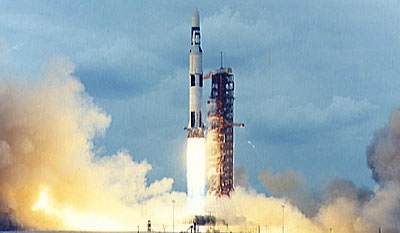
NASA plays a vital role in advancing our understanding of space and earth, pushing the boundaries of technology and inspiring future generation. NASA has once again pushed the boundary with the launch of its recent technological exploration called Project Icarus. N. In a bold effort to search extraterrestrial life, a spacecraft will travel through space at an incredible speed of 1,000,000 kilometers per hour. Equipped with advanced technology, this spacecraft is embarking on a mission to explore uncharted regions of the universe, increasing the possibility of discovering evidence of alien life.
Project Icarus is a groundbreaking NASA mission that aims to explore new areas of space using advanced solar sail technology.
An impressive aspect of this mission is its destination, which has sparked curiosity within the scientific community. Project Icarus represents a major leap in space technology. NASA has assured that the experiment’s sail deployment is on track, as it aims to test large solar sails in low-Earth orbit (Thompson, 2024).


The solar sail allows the spacecraft to move at high speeds that were once thought impossible. It is set to travel at 1,000,000 kilometers per hour, making it one of the fastest objects ever built by humans to enter space. If successful, this mission could lead to new research opportunities in the farthest parts of our galaxy and beyond.


The spacecraft’s destination is particularly intriguing, as it may target exoplanets located in the habitable zones of their stars, where conditions could support life.

With advanced propulsion systems and cutting-edge technology, Project Icarus aims to not only travel vast distances but also gather data about the atmospheres, surfaces, and potential bio-signatures of these distant worlds. The project reflects NASA’s ongoing commitment to understanding our universe and the possibilities of life beyond Earth, pushing the boundaries of space exploration further than ever before. As details unfold, the scientific community and the public will eagerly anticipate the discoveries that may arise from this groundbreaking mission.

Jaipur Becomes the First City in India to Offer Four Safari Experiences: A New Journey at Nahargarh

0

Jaipur, already renowned for its rich heritage and natural beauty, has now added another feather to its cap by becoming the first city in India to offer four distinct safari experiences. On Monday, a new chapter began at the 30-hectare Nahargarh Biological Park with the inauguration of the city’s first Tiger Safari by Chief Minister Bhajanlal Sharma. With this, Jaipur now boasts safaris dedicated to leopards, lions, elephants, and tigers, creating a unique wildlife adventure for tourists.

The newly opened Tiger Safari, the first of its kind in Rajasthan, spans a 7-kilometer track where visitors can witness the majestic sight of two tigresses, Bhakti and Chameli, as well as a male tiger named Gulab. In a special ceremony, Chief Minister Sharma also named two tiger cubs, christening the male as Bheem and the female as Skandhi.

The Nahargarh Wildlife Sanctuary, encompassing 5,240 hectares, includes the Nahargarh Biological Park spread over 720 hectares. The development of the tiger safari was a collaborative effort between the Forest Department and the Jaipur Development Authority (JDA), with a total investment of INR 4.53 crore.

A Major Boost to Conservation Efforts
During the inauguration, CM Sharma emphasized the positive impact the Tiger Safari would have on conservation efforts. “This initiative will enhance the conservation and growth of tigers in the state,” he remarked. Rajasthan, known for its rich biodiversity, is home to around 130 tigers, and the government has been actively working to preserve these majestic creatures. The state boasts three national parks, 26 wildlife sanctuaries, 36 conservation reserves, and four biological parks.

Additionally, JDA has developed two new parks in Jaipur—Nagar Van in Zerota and a Biodiversity Park near Nevta, benefiting around 500,000 residents. CM Sharma also directed authorities to prepare a comprehensive plan for proper lighting, water availability for wildlife, and the overall maintenance of the park.

The event was attended by several dignitaries, including UDH Minister Jhabar Singh Khara, Forest Minister Sanjay Sharma, Amer MLA Prashant Sharma, Jaipur Mayor Kusum Yadav, and Principal Chief Conservator of Forests, Arijit Banerjee.

With the launch of the Tiger Safari, Jaipur strengthens its position as a major wildlife tourism destination, offering visitors a one-of-a-kind experience to explore India’s majestic wildlife across multiple safaris.