Home Blog Page 474

The Polish Artist Who Painted Hindu Gods in Indian Palaces

0

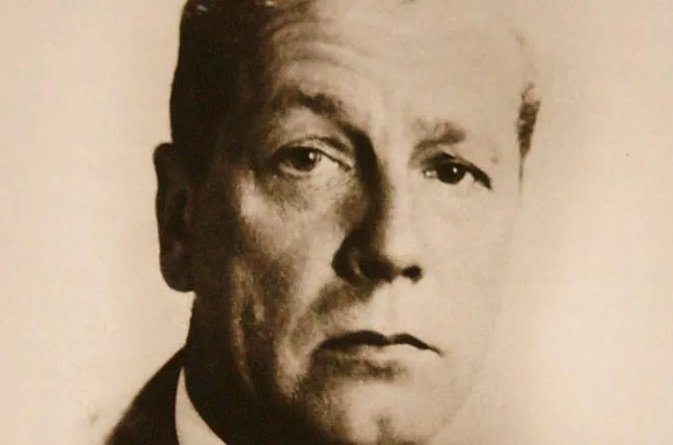
In 1939, as German tanks rolled into Poland, a renowned Polish artist, Stefan Norblin, and his film-star wife, Lena, made the difficult decision to flee their homeland. Pawning their jewelry and abandoning their dream home in Warsaw, they embarked on a perilous journey across Europe, seeking safety. Their ultimate goal was to reach the United States, but fate had other plans for the couple, leading them to colonial India, where Norblin’s artistic journey would take an unexpected turn.

The Polish Artist Who Painted Hindu Gods in Indian Palaces

Between 1941 and 1946, Norblin spent six transformative years in India, where his artistic talent found a home in the opulent palaces of Indian maharajas. During this time, Norblin created a unique fusion of Western aesthetics and Indian iconography, leaving behind a legacy of murals and paintings that blended the art deco style popular in Europe with Indian traditions.

An Artistic Partnership with Indian Royalty

Arriving in India through a circuitous route that took them across Romania, Turkey, and Iraq, the couple first landed in Bombay (now Mumbai). India, with its vibrant confluence of cultures, religions, and languages, was a stark contrast to the world they had known in Poland. Yet, it was here that Norblin’s artistic journey took a new direction.

The Polish Artist Who Painted Hindu Gods in Indian Palaces

At the time, many of India’s maharajas were captivated by Western trends, particularly the art deco movement that had taken Europe by storm. The sons of Indian royalty, who had studied abroad, were eager to incorporate this modernist style into their palaces. One of Norblin’s earliest commissions in India came from Maharaja Mahendrasinhji’s son, who was constructing a new palace in Morbi, Gujarat. Tasked with decorating its interiors, Norblin created expansive murals that combined Indian subjects—such as Hindu gods and local wildlife—with the geometric shapes, bold colors, and minimalist forms characteristic of the art deco movement.

Norblin’s murals in The New Palace at Morbi depict a rich tapestry of hunting scenes, portraits of ancestors, and mythological figures like Lord Shiva, who is often portrayed in a state of deep meditation. His human figures, elongated and ethereal, seem to float within the compositions, blending both light and dark complexions with a mystical, nymph-like quality.

The Polish Artist Who Painted Hindu Gods in Indian Palaces

The Grandeur of Umaid Bhawan Palace

Norblin’s next significant commission came from Maharaja Umaid Singh of Jodhpur, whose grand palace—Umaid Bhawan—required extensive interior design and murals. Here, Norblin’s talent reached new heights. His murals of Hindu deities, particularly Durga, the fierce goddess of war, are among the most captivating. In one painting, Durga appears as an Egyptian princess, riding a lion and slaying a demon, her many arms wielding an array of weapons. In another, she is a shadowy figure, rendered in bold strokes of black paint, her form streaking across the wall like a phantom.

The palace’s famed Oriental Room also bears Norblin’s touch, with a series of six murals depicting scenes from the Ramayana. These murals tell the story of goddess Sita’s abduction by the demon king Ravana and her trial by fire to prove her chastity to her husband, Lord Ram. The intricate details and dynamic compositions of these murals blend the classical Indian epic with Norblin’s modernist sensibility.

The Polish Artist Who Painted Hindu Gods in Indian Palaces

In addition to the murals, Norblin designed entire rooms within Umaid Bhawan, including the king’s and queen’s suites, the dining room, and various sitting areas. His work added a unique fusion of European modernism and Indian tradition, creating spaces that were both luxurious and deeply symbolic.

A Legacy Rediscovered

Unfortunately, Norblin’s artistic journey did not have a happy ending. After leaving India, he and Lena relocated to San Francisco in the United States, where they hoped to continue their careers. However, Norblin struggled to gain recognition in the American art scene. As commissions dwindled and his eyesight deteriorated due to glaucoma, Norblin slipped into depression. In 1952, unable to bear the thought of becoming a burden on his family, he tragically took his own life.

For years, Norblin’s legacy in India faded into obscurity, with many of his works deteriorating due to neglect and the harsh Indian climate. It wasn’t until the 1980s that his murals were rediscovered by Claus-Ullrich Simon, a scholar of Norblin’s work. Since then, efforts have been made to restore and preserve these masterpieces. The Polish government has also played a role in conserving his paintings, ensuring that future generations can appreciate the unique cultural collaboration that Norblin’s work represents.

Today, Stefan Norblin’s art stands as a testament to the power of cultural exchange. His murals, which blend the elegance of European modernism with the spiritual and mythological richness of Indian art, offer a glimpse into a unique moment in history—when a Polish artist, displaced by war, found a new home in the palaces of Indian maharajas, and created timeless works of art that continue to captivate viewers.
Last-Minute Rangoli Ideas for Diwali 2024 That You Can Try

0

Diwali, the festival of lights, is incomplete without the traditional and artistic touch of rangoli. More than just sprinkling colors, rangoli adds an inviting warmth to your home, creating a beautiful and welcoming ambiance for your guests. If you’re caught up in the festive rush and need last-minute inspiration, don’t worry! I’ve got you covered with some stunning rangoli ideas that will bring joy and vibrancy to your Diwali celebrations.

Rangoli, a centuries-old tradition in India, goes beyond a mere floor decoration. It’s a symbol of positivity and creativity, believed to welcome prosperity and good fortune into your home while driving away negativity. The intricate patterns and vibrant colors reflect the joy and enthusiasm of the festival, much like how Diwali fills our hearts with light and warmth. Whether you’re a rangoli pro or trying your hand at it for the first time, these designs will help you create something truly beautiful in no time.

1. Peacock Feather Rangoli Design

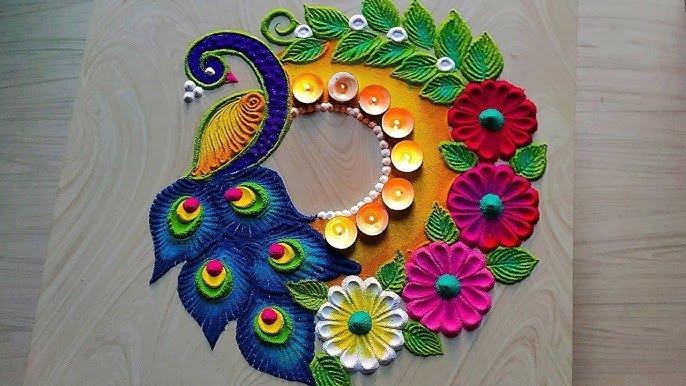
Peacock designs are an elegant and vibrant choice, especially popular in South India. The peacock, symbolizing beauty and grace, can be designed using bright, contrasting colors. Start by outlining the shape with chalk and filling it with bold hues. Tools like cones for borders and sieves for even color distribution can make the detailing easier. The intricate feather patterns will leave your guests mesmerized.

Last-Minute Rangoli Ideas for Diwali 2024 That You Can Try

2. Ganesh Rangoli Design

What could be more perfect for Diwali than a rangoli dedicated to Lord Ganesh? This design merges devotion with artistry. Begin by outlining Lord Ganesh’s iconic features—his head and trunk—using white powder or chalk. Add intricate details like his eyes and ornaments to enhance the design, and use contrasting colors to highlight key elements. This rangoli not only adds beauty to your home but also invokes blessings for the festive season.

Last-Minute Rangoli Ideas for Diwali 2024 That You Can Try

3. Mandala Rangoli Design

Mandala designs, known for their intricate, symmetrical patterns, are a meditative form of art that represent harmony and balance. Start by drawing concentric circles and filling them with contrasting colors. Add geometric shapes, leaves, and flowers within the circles to create a detailed and harmonious design. The soothing process of creating a mandala adds a therapeutic touch to your festive preparations.

Last-Minute Rangoli Ideas for Diwali 2024 That You Can Try

4. Floral Rangoli Design

For a natural and fragrant touch, go for a floral rangoli. Use petals from flowers like marigolds, roses, and jasmine to create a design that’s not only visually stunning but also aromatic. Begin by outlining your pattern and filling it with flower petals. This type of rangoli is perfect for last-minute preparations as it’s easy to make and requires minimal effort.

Last-Minute Rangoli Ideas for Diwali 2024 That You Can Try

5. Geometric Rangoli Design

Geometric rangolis feature simple shapes like circles, squares, and triangles to create an elegant, structured design. Use a ruler or compass to form perfect geometric shapes, and stick to two or three colors to maintain a clean and minimalistic look. This design is ideal for those who prefer subtle yet sophisticated decor.

Last-Minute Rangoli Ideas for Diwali 2024 That You Can Try

6. Lotus Rangoli Design

The lotus, a symbol of purity and prosperity, is another ideal choice for Diwali. Drawing a lotus is simple yet impactful. You can start with a basic lotus shape and add outlines to enhance the design. Incorporate smaller flowers, leaves, and Diyas around the lotus to complete the rangoli.

Last-Minute Rangoli Ideas for Diwali 2024 That You Can Try

7. Eco-Friendly Rangoli Design

For an eco-conscious Diwali, opt for an eco-friendly rangoli using natural materials like flower petals, fruit peels, or biodegradable powders. This not only adds beauty to your home but also ensures that your decor is sustainable and kind to the environment.

Last-Minute Rangoli Ideas for Diwali 2024 That You Can Try

8. Rangoli with Household Items

Forgot to buy rangoli colors? No worries! Create a beautiful design using everyday household items like rice, wheat, or lentils. You can even dye rice using turmeric or food coloring for a colorful effect. This cost-effective approach is perfect for a last-minute, budget-friendly rangoli.

Last-Minute Rangoli Ideas for Diwali 2024 That You Can Try

9. Unique Tree Rangoli Design

If you’re looking for something unconventional, try a unique tree design. Adding a tree motif to your rangoli gives it a fresh, natural twist. Feel free to personalize it with fun elements or intricate details to make it truly one-of-a-kind.

Last-Minute Rangoli Ideas for Diwali 2024 That You Can Try

10. Diya Rangoli Design

A diya-themed rangoli is simple yet timeless. Create a design of a diya (oil lamp) and place actual Diyas around it to complete the look. This rangoli design highlights the essence of Diwali and can be adorned with flowers or additional patterns for a more festive feel.

Last-Minute Rangoli Ideas for Diwali 2024 That You Can Try

11. Small Free-Hand Rangoli Designs

If you’re short on time or space, small free-hand rangolis are the way to go. These minimalistic designs can be placed in the corners of your house, spreading beauty and light throughout. They are quick to create and require just a few colors.

Last-Minute Rangoli Ideas for Diwali 2024 That You Can Try

12. Bright and Vibrant Rangoli Designs

For those who love vibrant displays, use multiple colors in your rangoli to create a bright and eye-catching design. Combine various shades in a structured pattern to bring life to your entrance.

Last-Minute Rangoli Ideas for Diwali 2024 That You Can Try

13. Dot Kolam Rangoli Design

Dot kolam, or pulli kolam, is a traditional rangoli style where dots are arranged in a grid and connected to form intricate patterns. These designs can range from simple to highly complex, offering both elegance and tradition in one rangoli.

Last-Minute Rangoli Ideas for Diwali 2024 That You Can Try

14. Paint Rangoli Designs

For a longer-lasting rangoli, consider using paint instead of powder. Painted rangolis are durable and can last well beyond Diwali, making them a great choice if you want your decor to stay fresh throughout the festive season.

Last-Minute Rangoli Ideas for Diwali 2024 That You Can Try

15. Paisley Pattern Rangoli Design

Paisley patterns are timeless and elegant, making them a beautiful addition to your Diwali decor. The teardrop-shaped motifs can be filled with detailed designs, giving your rangoli a delicate and graceful appearance.

Last-Minute Rangoli Ideas for Diwali 2024 That You Can Try

16. Swastika Rangoli Design

The Swastika symbol represents prosperity and good fortune in Hindu culture, making it a meaningful choice for your Diwali rangoli. You can incorporate additional elements like flowers or Diyas to add an extra festive touch.

Last-Minute Rangoli Ideas for Diwali 2024 That You Can Try

17. Floating Candle Rangoli Design

For a unique and serene look, try a floating candle rangoli. Place floating candles, flowers, and decorative stones in a shallow bowl or vase filled with water. This simple yet elegant design adds a calming ambiance to your Diwali celebration.

Last-Minute Rangoli Ideas for Diwali 2024 That You Can Try

Diwali and rangoli go hand in hand. With these last-minute rangoli ideas, you can create a stunning entrance that will leave your guests impressed and fill your home with festive energy. Choose your favorite design, gather your materials, and let your creativity shine this Diwali!

Happy Diwali!

Army Public School Becomes First to Pioneer Media Education

0

On October 14, 2024, Army Public School, Jaipur, became the first school in the region to integrate media education into its curriculum, marking a significant step forward in holistic student development. The Saksham Sanchar Foundation, in collaboration with the school, felicitated the first batch of students who successfully completed the three-month media education course. The ceremony, held with great enthusiasm, highlighted the school’s innovative approach to modern education.

Army Public School Becomes First to Pioneer Media Education

A Visionary Step in Education

Colonel S.S. Rathore, SO AWWA, graced the occasion as the chief guest, offering words of encouragement and appreciation to the students. In students address, Colonel Rathore expressed gratitude for the initiative and applauded the students for their keen participation and commitment. He emphasized the importance of media literacy in today’s fast-evolving world, where understanding media dynamics is crucial for informed and responsible citizenship.

Army Public School Becomes First to Pioneer Media Education

Experiential Learning Beyond the Classroom

Throughout the course, students were exposed to practical learning experiences that extended beyond traditional classroom settings. As part of the program, they visited some of Jaipur’s most significant landmarks, including the City Palace, the Governor House, and Constitution Park. These excursions provided students with a unique perspective on how media interacts with governance, culture, and heritage.

A particularly memorable moment for the students was meeting Vasudev Devnani, Speaker of the Rajasthan Legislative Assembly. His insights into legislative procedures and the role of media in democracy added depth to the students’ understanding of media’s power in shaping public opinion.

Outdoor Learning: A New Approach

The course was designed to be engaging, incorporating a mix of theoretical lessons and outdoor education. This hands-on approach allowed students to connect what they learned in the classroom with real-world scenarios, making media education not only interesting but also highly relevant. The opportunity to experience media in action, especially through visits to important civic institutions, left a lasting impact on the students.

A Proud Moment of Achievement

At the felicitation ceremony, 50 students proudly received certificates for completing the media education course. These students represent the first batch of what is expected to be an ongoing program, setting the stage for future students to follow in their footsteps. For the participants, this course was more than just an academic achievement; it was an exploration of the world through the lens of media, communication, and storytelling.

Army Public School Becomes First to Pioneer Media Education

Shaping the Future with Media Literacy

As the first school in Jaipur to offer media education, Army Public School is paving the way for others to adopt similar programs. Media literacy has become an essential skill in the digital age, and initiatives like this empower students to think critically, engage with media responsibly, and understand its impact on society.

With this successful first batch, the school has taken a bold step in equipping students with the tools they need to navigate the complexities of today’s media landscape, laying the groundwork for more informed and socially responsible citizens.

Army Public School Becomes First to Pioneer Media Education

Summing Up

The completion of this course is not just a milestone for Army Public School but a testament to the power of progressive education. By combining outdoor learning with media studies, the school has created an enriching and forward-thinking environment where students can thrive. As more students benefit from this innovative program, Army Public School’s pioneering efforts will continue to inspire and lead the way in media education.

Retired SBI Employee, 64, Cracks NEET to Achieve MBBS Dream, Proving Age Is Just a Number

0

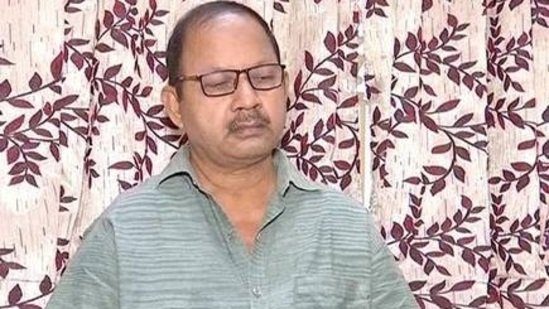
In a world where career trajectories are often dictated by age, Jay Kishore Pradhan, a 64-year-old retired State Bank of India (SBI) employee, has proven that it’s never too late to chase your dreams. Defying societal expectations, Pradhan cracked the National Eligibility cum Entrance Test (NEET) in 2020, demonstrating that determination knows no age limit.

A New Beginning in Odisha

Pradhan, hailing from Odisha, retired as a deputy manager from SBI. While many may have chosen to slow down and enjoy the comfort of retirement, Pradhan saw his golden years as the perfect opportunity to pursue a long-held aspiration: a career in medicine. His story is a testament to resilience, passion, and the belief that dreams are never out of reach, no matter where you are in life.

Determined to fulfill his childhood ambition of becoming a doctor, Pradhan embraced a new chapter. With renewed purpose, he enrolled in an online coaching program that provided him with structured guidance on the NEET syllabus, a notoriously challenging exam for even the youngest candidates. The journey was not without its trials, but Pradhan remained undeterred.

Overcoming Challenges

Balancing family responsibilities with the rigorous demands of preparing for one of India’s most competitive exams was no easy task. As a father and husband, Pradhan had familial duties to manage, but his desire to wear the stethoscope kept him motivated. Late nights, countless hours of study, and the weight of expectations didn’t deter him. His unwavering focus was fueled by a simple yet profound belief: age should never be a barrier to pursuing one’s dreams.

In 2020, Pradhan’s hard work and determination bore fruit when he successfully cleared the NEET. This victory earned him a coveted seat at the Veer Surendra Sai Institute of Medical Sciences and Research (VIMSAR), where he embarked on his medical journey—an achievement that not only fulfilled a lifelong dream but also challenged societal norms.

No Age Limit for Aspiration

Pradhan’s success story is further validated by the National Medical Commission Act of 2019, which, under Section 14, stipulates that there is no upper age limit for candidates taking the NEET (UG). This progressive policy encourages individuals, regardless of age, to pursue careers in medicine, thereby emphasizing that learning and professional growth can occur at any stage of life.

A Story of Inspiration

Pradhan’s journey is a powerful reminder that age is, indeed, just a number. In a society where career and education paths often seem rigidly defined by age, stories like his challenge the status quo. Whether you are a student, a professional, or someone contemplating a change in life’s direction, Pradhan’s determination and resilience offer a shining example of what’s possible when passion meets perseverance.

In an era that constantly redefines the boundaries of possibility, Jay Kishore Pradhan’s story stands as a beacon of hope. It is a story for dreamers of all ages—those who dare to step outside the lines drawn by convention and create their own path, no matter how old they are when they begin.

Falguni Pathak, a voice of rhythm: All you need to Know..

0


Vaidehi Bhargava

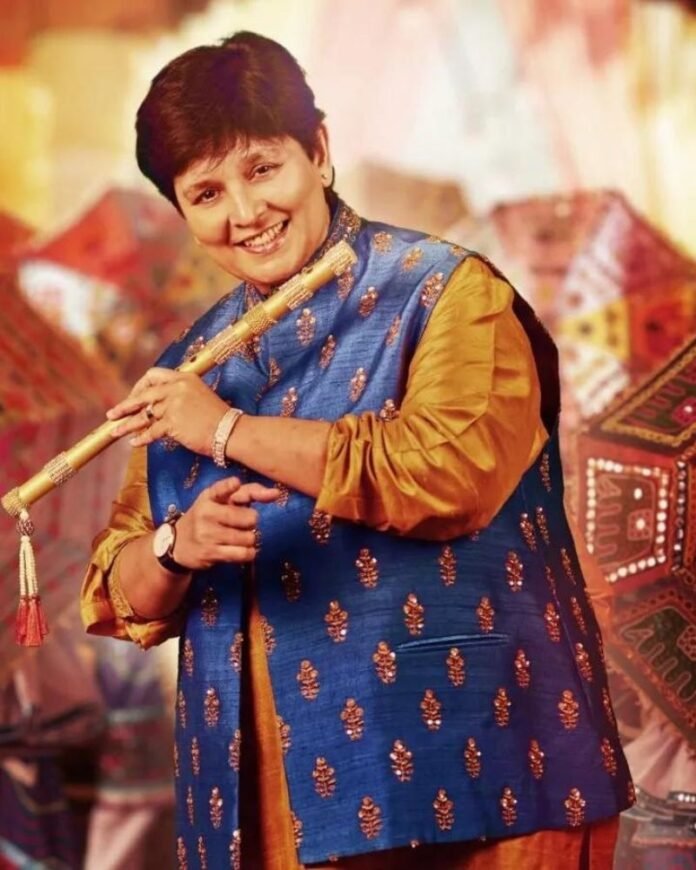
Falguni Pathak’s voice is the rhythm of festivity, the heart of every celebration, and a melody that transcends time. With every note she sings, Falguni Pathak weaves magic , turning moments into memories and music into joy.

Falguni Pathak, born on 12 March 1969, is an Indian singer, performer, and composer hailing from Mumbai. Her music is rooted in traditional forms from the Indian state of Gujarat. Since making her professional debut in 1987, she has gained a significant fan following across India. When asked about her choice to pursue a career in singing, she mentioned it happened by chance.

Her debut album came out in 1998, and she has also recorded numerous songs for Bollywood films. The central theme of most of her songs revolves around love. Backed by her band, Tha Thaiyaa, she has performed in numerous shows across India and abroad. Falguni Pathak has also appeared on popular television shows such as Taarak Mehta Ka Ooltah Chashmah, Kaun Banega Crorepati, Star Dandiya Dhoom, Comedy Nights With Kapil, Baa Bahoo Aur Baby, and Pandya Store.


Known for several hit Indian pop singles, her music continues to be enjoyed and appreciated throughout India. Her albums are celebrated not only for their melodious tunes but also for the charming love stories portrayed in their music videos. She is especially popular within the Gujarati community and is frequently invited to perform at festivals like Navratri.
Some of her most iconic songs include “Chudi Jo Khanki Haathon Mein,” “Maine Payal Hai Chhankai,” “Meri Chunar Udd Udd Jaye,” “Ayi Pardesh Se Pariyon Ki Rani,” and “Sawaan Mein.”


In August 2013, it was reported that she was set to earn ₹2 crores during that year’s Navratri festivities. She was offered ₹70 lakh for each day’s performance by an event management company, with organizers planning to leverage her popularity to attract sponsors.Falguni Pathak’s music transcends time, connecting generations with her soulful melodies and heartfelt lyrics.

Her voice continues to echo through festivals and celebrations, a symbol of joy, love, and tradition. As she remains a beloved figure in Indian music, her contribution to the cultural fabric of the country is both timeless and unforgettable, leaving an enduring legacy that will inspire for years to come.

World Students’ Day 2024: All you need to Know..

0

Vaidehi Bhargava

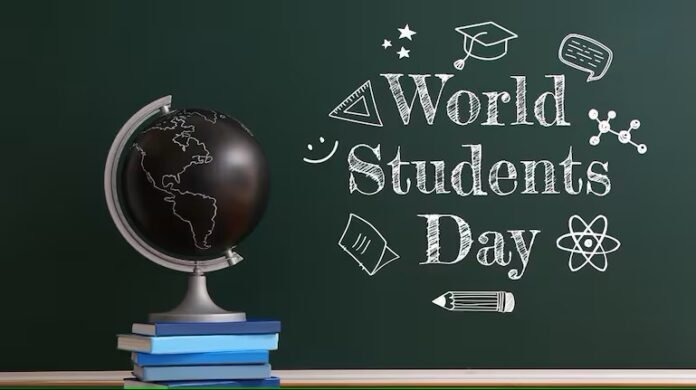
World Students’ Day is celebrated annually on October 15, marking the birth anniversary of Dr. A.P.J. Abdul Kalam, the former President of India and renowned scientist. This day is dedicated to students worldwide, recognizing their role as future leaders and innovators.

Dr. Kalam, fondly known as the “Missile Man of India,” was a strong advocate for education and youth empowerment. He believed that students hold the potential to transform societies through their creativity, dedication, and passion for learning. His life was an embodiment of simplicity, integrity, and a commitment to fostering scientific and technological advancement.

World Students’ Day is a reminder to celebrate and encourage students’ aspirations, providing them with opportunities for growth. Schools and educational institutions often commemorate the day with motivational events, speeches, and activities aimed at inspiring students to pursue their dreams with determination and resilience, just as Dr. Kalam envisioned.

It is a day to honor not only the achievements of students but also the importance of education in building a brighter, more innovative, and inclusive future for all.

Smart Cities and Travel: Navigating Urban Landscapes with AI

5

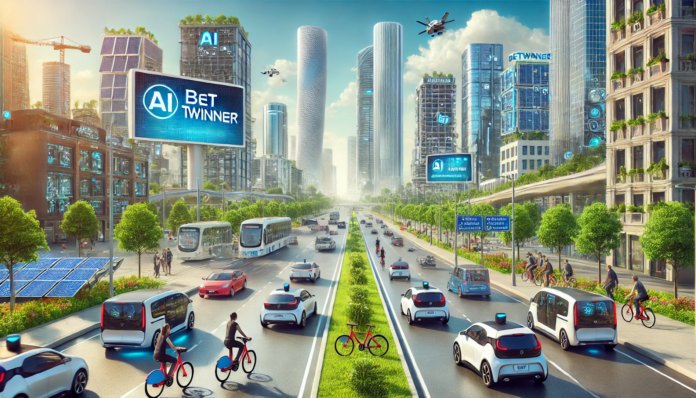
The evolution of smart cities is transforming the way we navigate urban environments. Artificial Intelligence (AI) plays a key role in making cities more efficient, sustainable, and citizen-centric. For instance, whether it’s optimizing public transportation, managing traffic, or providing seamless travel experiences, AI-driven smart cities are redefining modern urban landscapes. Want to explore another exciting tech innovation? Check out this guide on how to win Aviator game.

AI’s Impact on Urban Mobility and Travel

Cities worldwide are rapidly adopting AI technologies to improve transportation and reduce congestion. According to recent estimates, urban areas could see a 15% reduction in traffic through AI-powered traffic management systems. Additionally, 38% of citizens have expressed a willingness to give up personal cars for AI-based shared mobility solutions. These smart services—like self-driving cars, ride-sharing, and bike-sharing—offer eco-friendly alternatives that ease pressure on roads and reduce pollution.

Some real-world examples illustrate the success of AI in urban transport:

  • Singapore’s “Ask Jamie” chatbot: This AI tool assists citizens with travel-related inquiries, enhancing the efficiency of public services.
  • Pittsburgh’s SURTRAC system: By using AI, the city optimizes traffic lights, reducing wait times by over 40%, which leads to smoother travel.

Key Technologies Driving Smart Travel

Several AI technologies underpin the seamless travel experience in smart cities. These tools optimize everything from traffic flow to public safety and resource management. Some of the critical areas where AI makes an impact include:

  1. Traffic management: AI analyzes traffic patterns in real-time, adjusting traffic signals and rerouting vehicles to prevent congestion.
  2. Public transportation: AI helps city planners coordinate bus and train schedules more efficiently, predicting demand based on historical and real-time data.
  3. Mobility as a Service (MaaS): AI-driven platforms integrate various modes of transport—like buses, ride-sharing, and bikes—into a unified app, offering users personalized travel recommendations.
  4. Smart parking systems: AI-guided parking solutions help drivers find available spots, reducing time spent searching for parking.

The integration of these technologies leads to a significant reduction in travel times, making daily commuting much more efficient.

Smart Cities and Travel: Navigating Urban Landscapes with AI

Environmental Benefits and Sustainable Travel

AI also plays a vital role in supporting sustainability initiatives in cities. With the rise of electric vehicles and renewable energy integration, smart cities are becoming greener. AI optimizes energy usage by adjusting traffic lights, powering public transportation, and reducing waste in city services like water and waste management. By using smart grids and renewable energy sources, cities can cut their carbon footprints by as much as 25% in the next decade.

Some sustainable travel trends shaping 2024 include:

  • Electric vehicles (EVs): AI facilitates the transition to EVs by managing charging networks and reducing energy consumption.
  • Bike-sharing systems: These systems, often AI-driven, encourage short-distance travel without the need for personal vehicles.
  • Public transit optimization: AI reduces energy consumption in buses and trains by adjusting routes based on passenger demand.

Challenges in AI-Powered Smart Cities

Despite the promising potential, smart cities face challenges in fully utilizing AI. Data management remains a top concern, with over 73 zettabytes of data expected to be generated by 2025 from IoT devices alone. Managing and processing this data is crucial for AI to deliver actionable insights. Additionally, ethical concerns around privacy and data security are prevalent, particularly when it comes to the tracking and monitoring necessary for AI systems to function effectively. To address these issues, collaboration between public and private sectors is critical.

Smart Cities and Travel: Navigating Urban Landscapes with AI

FAQ: Smart Cities and AI in Travel

What is a smart city?

A smart city uses advanced technologies like AI and IoT to enhance urban life by improving transportation, reducing waste, and optimizing resource management.

How does AI improve public transportation?

AI uses data from IoT sensors to analyze demand and traffic, allowing public transport systems to run more efficiently and reduce wait times.

What are the environmental benefits of AI in cities?

AI helps reduce energy consumption, manages waste more effectively, and supports the integration of renewable energy, contributing to lower emissions.

Are there challenges to implementing AI in cities?

Yes, data management, privacy concerns, and regulatory hurdles are significant challenges. Collaboration between stakeholders is necessary to overcome these.

How do smart cities benefit travelers?

Smart cities enhance travel experiences by reducing congestion, offering seamless transport options, and personalizing travel routes through AI-powered apps.

In conclusion, smart cities, powered by AI, are transforming urban mobility and making travel more efficient, sustainable, and convenient. As the world moves toward greener, more connected urban spaces, the role of AI will only expand. For more on how these technologies are reshaping cities, you might also want to check out the Wikipedia article on Smart Cities for further reading.

These AI-driven innovations are not just improving travel but also paving the way for more liveable, resilient urban environments.

Global Handwashing Day 2024: All you need to Know..

0

Vaidehi Bhargava

Global Handwashing Day, celebrated annually on October 15, is a powerful reminder of the profound impact that a simple act can have on global health and well-being. Established in 2008 by the Global Handwashing Partnership, this day emphasizes the life-saving importance of proper hand hygiene, a practice that is both remarkably simple yet frequently overlooked.

At the heart of Global Handwashing Day lies the critical message that handwashing with soap is one of the most effective and affordable ways to prevent diseases. From diarrheal infections to respiratory illnesses, unclean hands act as vectors for dangerous pathogens, silently facilitating their spread. Yet, in a world where billions are affected by these preventable diseases, a bar of soap and clean water offer protection that is both accessible and transformative.

The theme of Global Handwashing Day varies annually, but the essence remains consistent: raising awareness, fostering good hygiene practices, and mobilizing communities. Governments, schools, and organizations around the world host campaigns, workshops, and demonstrations, illustrating the proper technique for handwashing and reinforcing its importance in daily routines. In an era where pandemics and public health crises loom large, this day takes on even greater significance.

Handwashing transcends its status as a mere hygienic act; it becomes a symbolic gesture of care—for oneself and others. The ripples of such a simple act extend far beyond the individual, fortifying entire communities against the spread of illness. This is particularly vital in vulnerable areas, where access to healthcare is limited, and preventive measures like handwashing become the first line of defense.

Global Handwashing Day is a clarion call to action, urging us to acknowledge the pivotal role of clean hands in safeguarding public health. As we celebrate this day, let us reaffirm our commitment to promoting hand hygiene as a cornerstone of well-being, ensuring that the simple act of washing hands remains a universal practice that uplifts health, dignity, and lives worldwide.

Record Solar Power Capacity Reached Globally in 2023: A Milestone in the Energy Transition

0

In 2023, the world achieved an unprecedented milestone in solar energy, adding a record 347 gigawatts (GW) of solar power capacity—marking a 74% surge compared to the previous year. This remarkable growth, driven by falling solar panel costs and favorable government policies, demonstrates the growing momentum of the global shift toward renewable energy. According to a report by the International Renewable Energy Agency (IRENA) and the International Labour Organization (ILO), the solar sector has emerged as a key player in the transition to cleaner energy.

Key Contributors to Solar Growth

China led the charge in this solar boom, accounting for a staggering 63% of the newly installed capacity. The country added 216.9 GW of solar power, further cementing its position as the global leader in renewable energy. Other major contributors included the United States, Germany, Brazil, India, Spain, Italy, the Netherlands, Japan, and Australia, which collectively added 83.4 GW of solar capacity.

Europe also played a significant role, with a 54 GW increase in solar energy capacity across the continent. In the United States, solar capacity rose by approximately 25 GW, demonstrating the country’s growing commitment to clean energy and its potential to further expand renewable power generation.

Employment Growth in the Solar Sector

The rapid expansion of solar energy in 2023 also led to a sharp increase in employment within the solar photovoltaic (PV) sector. Global employment in the industry grew to 7.1 million jobs, up from 4.9 million in 2022. China once again led the way, providing 4.6 million of these jobs, underscoring its dominant role in both solar production and deployment.

Europe employed around 757,500 people in the solar sector, primarily in the European Union. India contributed 318,600 jobs, while the United States and Brazil added 280,000 and 264,000 jobs, respectively. This surge in employment highlights the potential of the solar industry to drive economic growth and job creation while contributing to a sustainable energy future.

The Role of Decentralized Renewable Energy (DRE)

Decentralized renewable energy (DRE) technologies, which bring clean energy to remote and underserved areas, also saw significant growth in 2023. Countries like India, Kenya, Nigeria, Uganda, and Ethiopia created approximately 307,000 jobs through DRE technologies. While the full scope of employment data in this area remains limited, the expansion of DRE is crucial for improving energy access and enhancing sustainability in rural regions.

Policy Recommendations for Sustained Growth

The IRENA and ILO report emphasizes the importance of continued policy support to maintain the momentum in solar energy growth. Comprehensive policies are needed to create environmentally, economically, and socially sustainable energy systems. Collaboration between public, private, and civil society organizations is essential to ensure a fair energy transition that not only embraces new technologies but also creates good jobs and fosters community involvement.

The report also stresses that governments should focus on creating an inclusive energy transition. This involves not only encouraging technological innovation but also ensuring that communities are actively engaged in the shift to renewable energy. By doing so, the transition can deliver widespread benefits, from economic growth to environmental protection.

A Bright Future for Solar Energy

The solar energy sector witnessed unprecedented growth in 2023, with record capacity additions and substantial job creation worldwide. This progress underscores the vital role of strong policies and international collaboration in building a sustainable energy future. As countries continue to invest in renewable energy and improve energy access, solar power is poised to become a cornerstone of the global energy system, driving both economic and environmental benefits for years to come.

US-India Leadership Summit 2024: Strengthening a Strategic Partnership for Global Growth

0

The US-India Strategic Partnership Forum (USISPF), a non-profit organization dedicated to enhancing the strategic partnership between the United States and India, is set to host its Annual India Leadership Summit on October 14, 2024, in New Delhi. This highly anticipated event follows a series of crucial diplomatic meetings, including Prime Minister Modi’s recent visit to the United States for the Sixth Quad Leaders’ Summit and the United Nations General Assembly, underlining the increasing momentum in US-India relations.

Objectives of the 2024 Summit

The US-India Leadership Summit aims to further solidify the relationship between these two global powers by fostering collaboration across key sectors. With a shared vision of driving economic growth and innovation, the summit will focus on pivotal topics, including:

  • Improving Supply Chains: Strengthening trade routes and making them more efficient to boost commerce between the two nations.
  • Boosting Semiconductor Investments: Accelerating growth in this critical sector to enhance technological capacities and self-reliance.
  • Advancing AI and Emerging Technologies: Promoting cooperation in artificial intelligence and other cutting-edge technologies to remain at the forefront of the global tech race.
  • Enhancing Defence Cooperation: Deepening military ties and defense strategies to ensure security and stability in the Indo-Pacific region.
  • Promoting Clean Energy Initiatives: Collaborating on clean energy solutions to address global climate challenges and transition towards sustainability.
  • Expanding Bilateral Trade: Increasing trade volume and opening new avenues for business in both countries.

Key Attendees and Focus Areas

The summit will bring together influential figures from both nations, including Indian cabinet ministers, senior US government officials, USISPF board members, business leaders from global companies, investors, and venture capitalists. These high-level participants will discuss collaborative opportunities in sectors critical to both nations, such as:

  • Trade
  • Defence
  • Technology
  • Education
  • Energy
  • Healthcare
  • Start-ups

Through these discussions, the summit seeks to deepen US-India ties and explore innovative solutions for mutual growth in an increasingly complex global landscape.

Leadership Insights: A Vision for the Future

John Chambers, Chairman of USISPF, along with other prominent leaders, remains optimistic about the future of US-India relations. They view the summit as a crucial step towards unlocking new technological advancements, expanding trade opportunities, and building a stronger foundation for mutual progress. This optimism is shared by attendees, who believe that strengthening cooperation in key sectors will pave the way for a more resilient and prosperous partnership.

Strategic Importance of the US-India Leadership Summit

The 2024 US-India Leadership Summit is not just a diplomatic event—it is a platform for dialogue between the government and business leaders of both countries. As the US and India continue to grow as global economic powerhouses, the summit provides a valuable opportunity to exchange ideas, tackle shared challenges, and build on the strategic partnership that has steadily grown over the past two decades.

In a world where technology, defense, and energy are becoming increasingly interconnected, events like the US-India Leadership Summit will play a vital role in shaping the future of global collaboration and ensuring that both nations can navigate the challenges of the 21st century together. The future of US-India relations looks brighter than ever, with innovation and cooperation at the heart of this deepening partnership.